Zhanhuan Shang - Böcker
Visar alla böcker från författaren Zhanhuan Shang. Handla med fri frakt och snabb leverans.
4 produkter
4 produkter
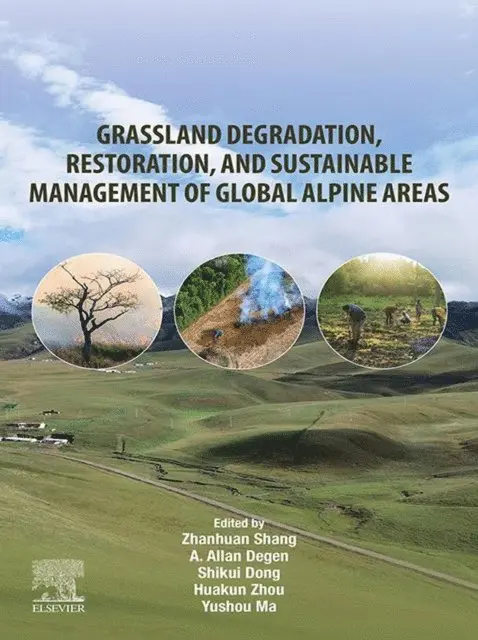
Grassland Degradation, Restoration, and Sustainable Management of Global Alpine Areas
Häftad, Engelska, 2024
1 739 kr
Skickas inom 7-10 vardagar
Grassland Degradation, Restoration and Sustainable Management of Global Alpine Area involves the stripping and regeneration of the grassland's mattic epipedon. The stripping of the mattic epipedon is a unique phenomenon on the global alpine area, which has left many unanswered questions. Is stripping degradation an inherent, inevitable feature of the alpine grassland ecosystem? Is it an avoidable occurrence? Why is ecological restoration of stripped degraded grassland extremely difficult? Does restoration rely on reconstructing the grassland's mattic epipedon? Or can it be done in another way? How can sustainable ecological restoration be achieved?Frontline researchers in global alpine area have used observational evidence from field studies to respond to these questions and to present a comprehensive picture of the problems and drivers of grassland degradation. The climate-environment interaction mechanism of grassland degradation is revealed by the holistic approach in this book. Ecological restoration is discussed through social and economic participation, and past and present restoration actions are analyzed from the perspective of traditional culture and ecological ethics. The future sustainable management of grassland under climate change and social and economic development trend is also covered. This book will alert people to the dangers of degradation and to the difficulties encountered in ecological restoration.Thoroughly presents the processes of grassland degradation from the novel viewpoint of the stripping of mattic epipedonFeatures the most recent studies to provide new research evidence for long-term grassland restoration efforts on the global alpine areaContains in-depth analysis of the processes, mechanisms, and drivers of grassland degradation.Discusses the restoration of degraded grasslands using restoration theory and technologies
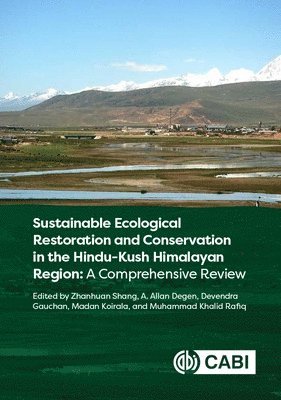
Sustainable Ecological Restoration and Conservation in the Hindu Kush Himalayan Region
A Comprehensive Review
Inbunden, Engelska, 2024
1 774 kr
Skickas
The years 2021 to 2030 have been designated as "The United Nations Decade on Ecosystem Restoration". Ecological restoration and biodiversity conservation efforts face unprecedented challenges, especially in developing countries and areas, such as the Hindu Kush-Himalayan (HKH) region. This huge HKH region, which includes areas in eight separate countries (Afghanistan, Pakistan, Nepal, India, China, Bangladesh, Myanmar and Bhutan), is a biodiversity hotspot with a vast array of ecosystems, landscapes, peoples and cultures. It is known as one of 'the pulses of the world'. However, the HKH is also the world's largest and poorest mountain region, where landscapes and environments have been severely damaged as a result of climate change and human activities. Coordinating conservation and restoration policies, sharing knowledge and funds, and maintaining livelihoods are major challenges and are in urgent need of improvement. This book details the past and current ecological problems in the HKH region, and the threats and challenges that ecosystems and local people face. It pays special attention to developments of transformative adaptations and presents examples of sustainable conservation and ecological restoration management practices. Three primary questions are addressed: (1) Do the existing conservation strategies of international organizations and government policies really protect ecosystems and solve biodiversity problems? (2) Can these management measures be one-time solutions? and (3) What is the strategic framework and scenario prognosis for the future based on the historical trajectory of ecological conservation and restoration in the region? This book is essential reading for ecologists and conservation biologists involved in large-scale ecological restoration projects, along with practitioners, graduate students, policy makers and international development workers.
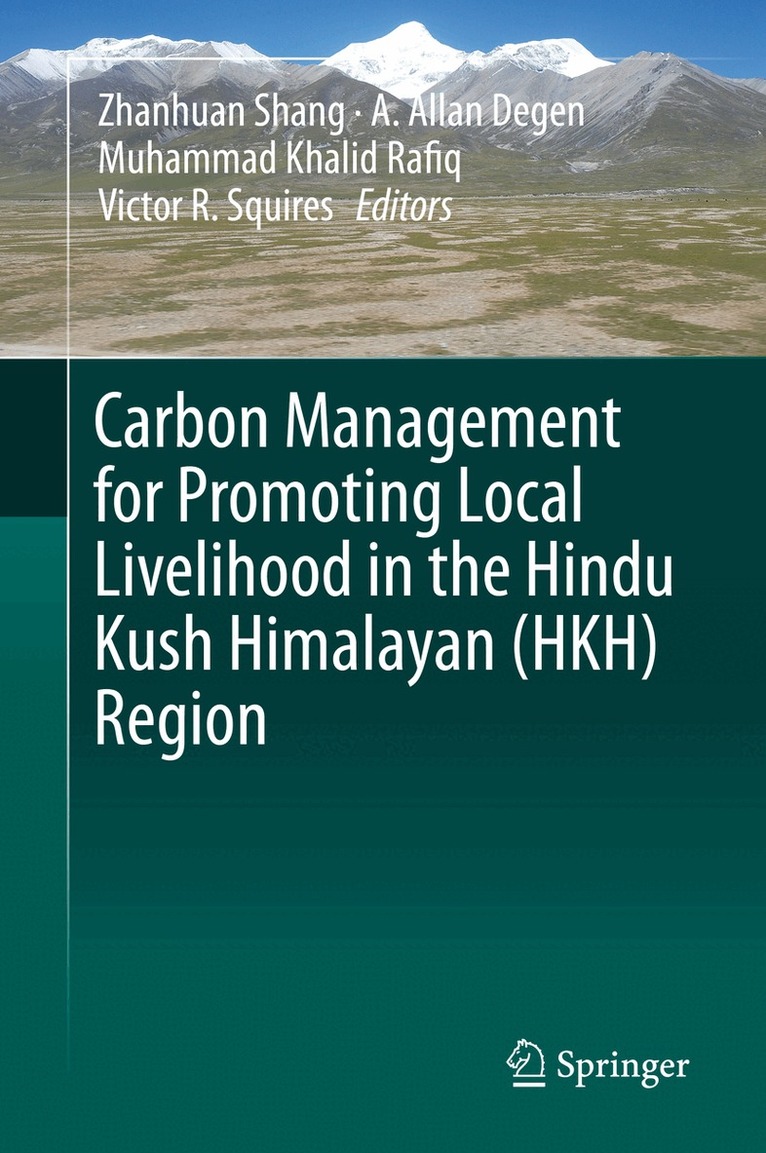
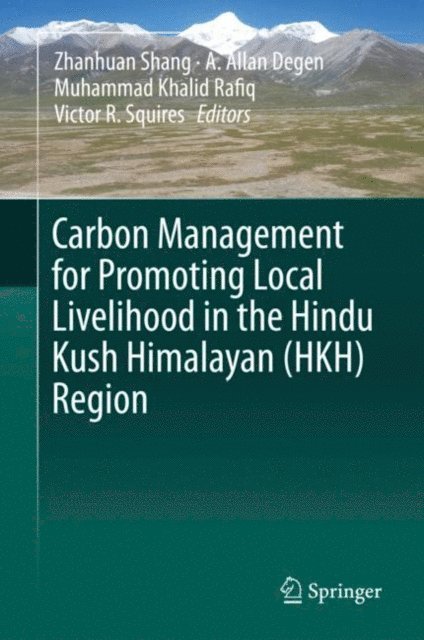
Carbon Management for Promoting Local Livelihood in the Hindu Kush Himalayan (HKH) Region
Inbunden, Engelska, 2019
1 387 kr
Skickas inom 10-15 vardagar
This book contributes to our understanding of linkages between carbon management and local livelihoods by taking stock of the existing evidence and drawing on field experiences in the Hindu Kush Himalayan (HKH) region, an area that provides fresh water to more than 2 billion people and supports the world’s largest population of pastoralists and millions of livestock. This edited volume addresses two main questions: 1. Does carbon management offer livelihood opportunities or present risks, and what are they? 2. Do the attributes of carbon financing alter the nature of livelihood opportunities and risks? Chapters analyze the most pressing deficiencies in understanding carbon storage in both soils and in above ground biomass, and the related social and economic challenges associated with carbon sequestration projects. Chapters deliver insights to both academics from diverse disciplines (natural sciences, social sciences and engineering) and to policy makers.
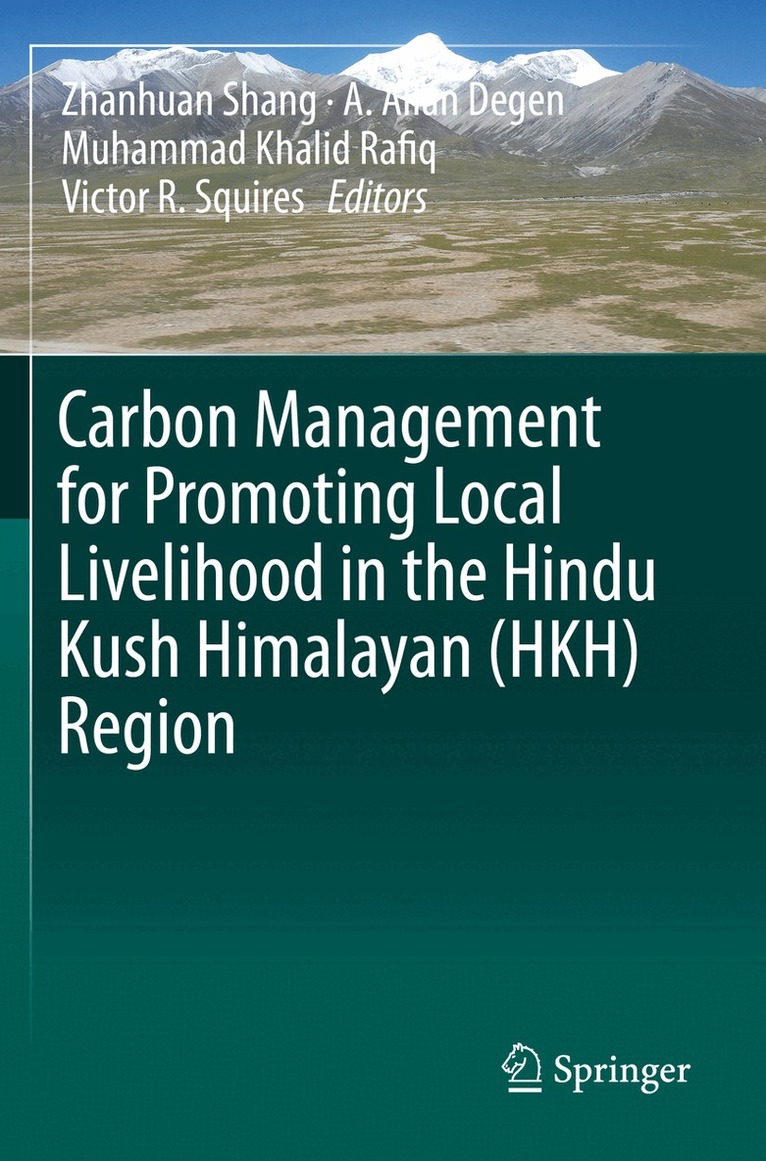
Carbon Management for Promoting Local Livelihood in the Hindu Kush Himalayan (HKH) Region
Häftad, Engelska, 2020
963 kr
Skickas inom 10-15 vardagar
This book contributes to our understanding of linkages between carbon management and local livelihoods by taking stock of the existing evidence and drawing on field experiences in the Hindu Kush Himalayan (HKH) region, an area that provides fresh water to more than 2 billion people and supports the world’s largest population of pastoralists and millions of livestock. This edited volume addresses two main questions: 1. Does carbon management offer livelihood opportunities or present risks, and what are they? 2. Do the attributes of carbon financing alter the nature of livelihood opportunities and risks? Chapters analyze the most pressing deficiencies in understanding carbon storage in both soils and in above ground biomass, and the related social and economic challenges associated with carbon sequestration projects. Chapters deliver insights to both academics from diverse disciplines (natural sciences, social sciences and engineering) and to policy makers.