66 kr
Läs direkt efter köp
66 kr
Läs direkt efter köp
63 kr
Läs direkt efter köp
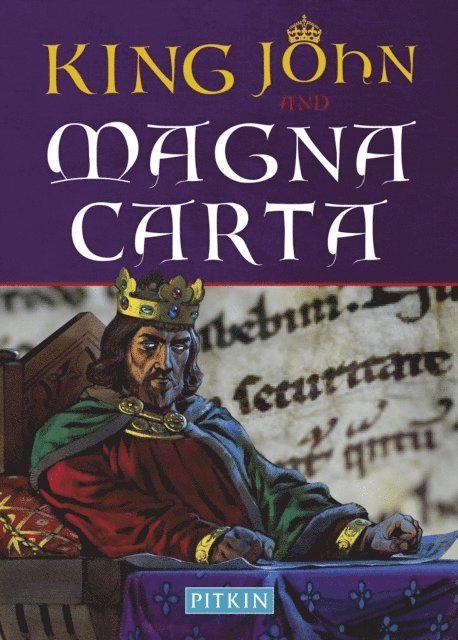
After becoming king in 1199, resentment grew and grew at the inept way John dealt with financial issues until matters came to a head with his barons.
John lost his military campaigns; he was corrupt, indulged in blackmail, and manipulated the justice system more than any other king. He was a womaniser and rumours of ruthlessness surrounded him. The author provides fascinating insights into John’s rule, which ultimately leads to the story of Magna Carta. Magna Carta placed huge impositions on the king; now he could no longer rule arbitrarily but only in accordance with ‘the law of the land’. The impact of this precedence remains with us today.
From the charter''s clauses that focussed on more mundane matters to a whole range of references to feudal issues, this guide is a perfect introduction to the incompetent rule of King John and his legacy that is Magna Carta. Calls to standardise measures of wine, ale and corn follow the collapse of empire, bound together in this informative guide complete with full-colour illustrations and contempoaray artworks.
47 kr
Läs direkt efter köp
The word ''workhouse'' has a grim resonance even today, conjuring up a vision of the darker side of Victorian Britain. Almost every town had at least one workhouse, and most people dreaded ending up there. Here we examine how workhouses came into being, what life was like for men, women and children on the wrong side of the poverty line, and how social attitudes evolved through the momentous events of Victorian Britain into the 20th century. Illustrated from contemporary and modern sources, this fact-filled guide presents an intriguing picture of a world of steam engines, self-help, service and salvation - where workhouse life, and workhouse reform, influenced attitudes and services we now take for granted.
48 kr
Läs direkt efter köp
Pitkin presents the fascinating and engaging story of everyday life in and around castles – from 1066 to the 1400s.
Alongside the Church, the stone castle was one of the enduring symbols of medieval life. To the poor, its intimidating walls represented the preordained social order. To many, the castle represented business, and the heights of ambition. And to the rich it represented fun and frivolity in the form of feasting, chivalry and games.
The guide uncovers the complexities of life in and around such settlements: the family, the workers, the food, the wars and the entertainment.
Look out for more Pitkin Guides on the very best of British history, heritage and travel, particularly the other books in the ''Life in'' series: Medieval England, Tudor England, Stuart England, Georgian England and Victorian Britain.
48 kr
Läs direkt efter köp
48 kr
Läs direkt efter köp
61 kr
Läs direkt efter köp
Our nation is a treasury of outstanding palaces and fine merchant houses from this rich period in our past. The Tudor period is one that feels familiar to many of us with famous monarchs such as Henry VIII and Elizabeth I, but we perhaps are not as familiar with the everyday life of the era.
Here we uncover what these remarkable buildings can tell us about Tudor lives and times. Alison Sim''s guide explores noble to ordinary households, how Tudors cared for their homes, and their daily routines including diet, health and entertainment.
This is an informative and entertaining look at the daily reality of life in the Tudor period, from the wealthiest families to the humblest of households. Colour photographs of palaces and homes, accompanied by contemporary portraits and woodcuts give a fascinating insight into the everyday life of the Tudors.
Contains a list of related places to visit, including many National Trust properties, and a glossary of key terms used within the guide.
47 kr
Läs direkt efter köp
63 kr
Läs direkt efter köp
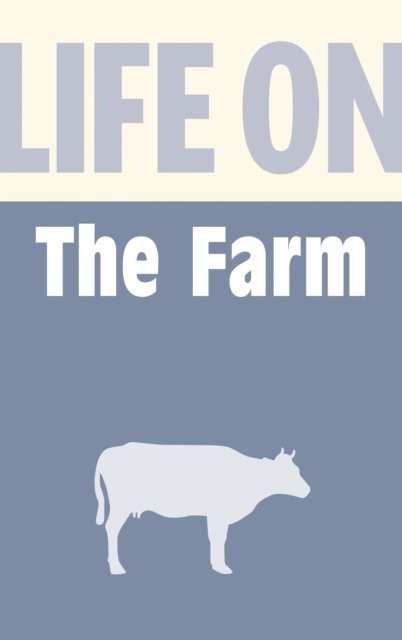
Somewhere around 4000 BC, people in Britain began to give up their old hunter-gatherer way of life, instead raising livestock and planting crops: they became farmers.
This comprehensive and informative guide covers the history of farming in Britain since this time, when cattle were huge beasts and ploughs did little more than scratch the ground’s surface. Tools and technologies may have changed since these primitive times, but the patterns of life on the farm have remained much the same.
From the medieval farm to the Agricultural Revolution as enclosure transformed the landscape, here is the story of how farming has evolved into the tractors and mechanization we recognise today. With photographs and illustrations this book also illuminates the life of farmworkers and their families.
What was it like being a cattle farmer or a shepherd? What did a farmer’s wife spend her day making? An entertaining and detailed guide for anyone interested in the history and lives of the country’s farmers.
Includes a list of farms and museums to visit of historic and general interest.
63 kr
Läs direkt efter köp
On Christmas Eve 1801, Cornish mining engineer Richard Trevithick tested the first steam locomotive on the road. Though it was short-lived, exploding four days later, this was the beginning of the railway age in Britain.
By the end of the 18th century, there was a considerable number of railways across Britain with well established steam engines. This informative guide tells the story of these railways, beginning with the pioneers of locomotive engines and the navvies who built the railways themselves.
A must for anyone interested in the history of the railways, industrial Britain and travel, this informative guide explores the lives of those on the railway. Train guards, station staff and passengers are all touched on, as well as underground railways and tragic rail disasters. Colour photographs and illustrations bring the golden age of rail in Britain to life.
Includes a list of places to visit which specialize in railways, as well as a glossary of the key terms in the book.
63 kr
Läs direkt efter köp
Over 4,000 years of history lie in the seams of British mines, beginning all the way back in the New Stone Age.
Large-scale coal mining in Britain developed during the Industrial Revolution, providing energy for industry and transportation in industrial areas from the 18th century to the 1950s. This classic Pitkin guide provides a history of mining in Britain as well as of the hard lives of those who worked in them.
Child labour was a normal part of Victorian life, so women and children were found in the dangerous deep pits until 1842, while male miners relied on safety lamps and canaries to avoid mining disasters. Fascinating photographs accompany this guide’s history of these people’s lives, including their time outside of the mines, their homes and hobbies.
Whole villages grew up around mines, with close comradeship and tightly knit mining communities emerging. Here is the story of what that life was like for so many, up until British mining''s decline in the 19th and 20th centuries.
Includes a list of mines, museums and heritage centres to visit.
48 kr
Läs direkt efter köp
This fascinating book looks at a typical day in a big house, the relationship between the master and mistress and their valet and maid; the children and their servants; the various departments inside and outside a big house; the London season and country house weekends. Look out for more Pitkin Guides on the very best of British history, heritage and travel.
49 kr
Läs direkt efter köp
Since their fairy-tale wedding in 2011 and the announcement in December 2012 that William and Catherine, the Duke and Duchess of Cambridge, were expecting their first child, the British have taken the young couple into their hearts. The first decades of the 21st century have seen a surge of pride for our Royal Family as never before and the birth of HRH Prince George of Cambridge, our future king, has been greeted with genuine joy. This celebratory and beautifully illustrated guide not only commemorates this Royal birth but looks at the history of children of the monarchy from Queen Elizabeth II to her great-grandchildren. Age-old customs, ceremonies, christenings, toys and pastimes, nannies, nurseries and the Royal line of succession are also explored, presenting an illuminating portrait of Royal children through the ages.
65 kr
Läs direkt efter köp
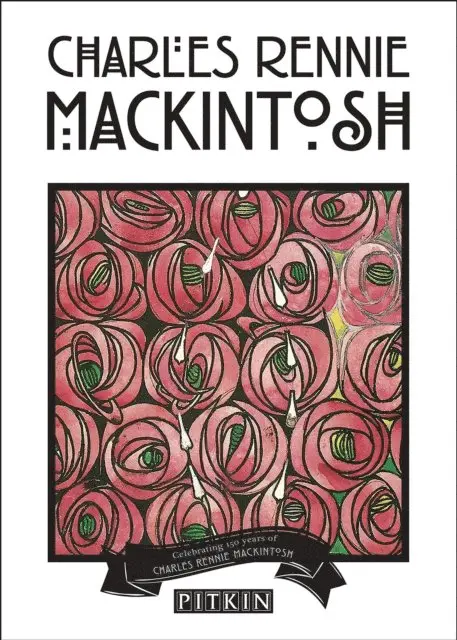
Charles Rennie Mackintosh was an innovator.
He is undoubtedly one of Scotland’s most celebrated architects. His astounding buildings creatively reinterpreted the past and opened the way for the Modern Movement. Architecture was his first love, though he was also a highly accomplished artist and designer of interiors, furniture, metalwork, glass and textiles. In addition his graphic design work, using nature and organic plant forms, made him an early exponent of Symbolism and Art Nouveau. In the later years of his life he produced watercolour paintings of intense power and subtlety. His extraordinary work is still regarded today as innovative and modern, and continues to astonish and delight art lovers everywhere.
62 kr
Läs direkt efter köp
65 kr
Läs direkt efter köp
61 kr
Läs direkt efter köp
81 kr
Läs direkt efter köp
63 kr
Läs direkt efter köp
63 kr
Läs direkt efter köp
66 kr
Läs direkt efter köp
65 kr
Läs direkt efter köp
63 kr
Läs direkt efter köp
61 kr
Läs direkt efter köp
276 kr
Läs direkt efter köp
262 kr
Läs direkt efter köp
284 kr
Läs direkt efter köp