Janusz Swiatlon – Illustratör
Upptäck titlar med illustrationer av Janusz Swiatlon.
18 produkter
18 produkter
215 kr
Skickas inom 7-10 vardagar
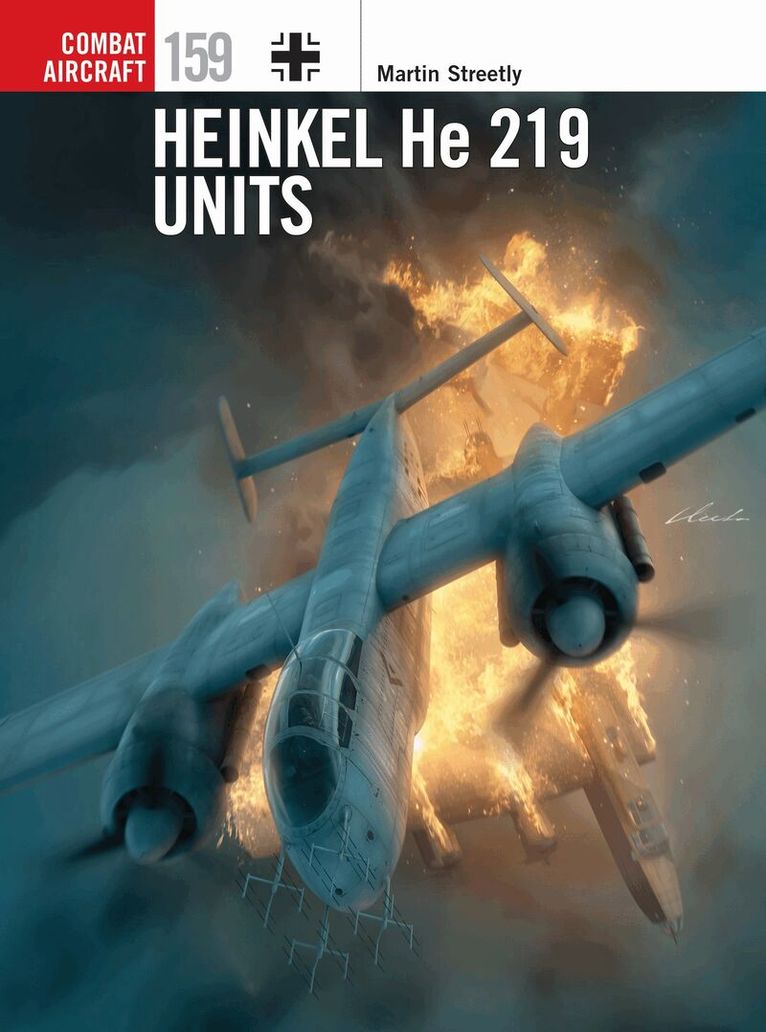
An illustrated study of the famous Heinkel He 219 – the Luftwaffe's only pupose-built nightfighter – and its role in the bitterly contested nocturnal defence of the Reich.Originally conceived as a high-performance reconnaissance aircraft, the Heinkel He 219 went on to become the Luftwaffe’s only purpose-built nightfighter. Despite its many sterling qualities (including ejector seats for its two crew members), the type’s production was bedevilled by political manoeuvring and consequently it was only used in strength by one unit – the Luftwaffe’s elite Nachtjagdgeschwader 1. In this volume, respected historian Martin Streetly examines the development of the He 219, from its origins through to its implementation against the RAF’s ever-more destructive night offensive. First-hand accounts from Nachtjagdverband crew shed light on the He 219’s successes and failures in battle, while archive photos and newly commissioned artwork demonstrate the unique design and technology of this near-legendary aircraft.
173 kr
Skickas inom 7-10 vardagar
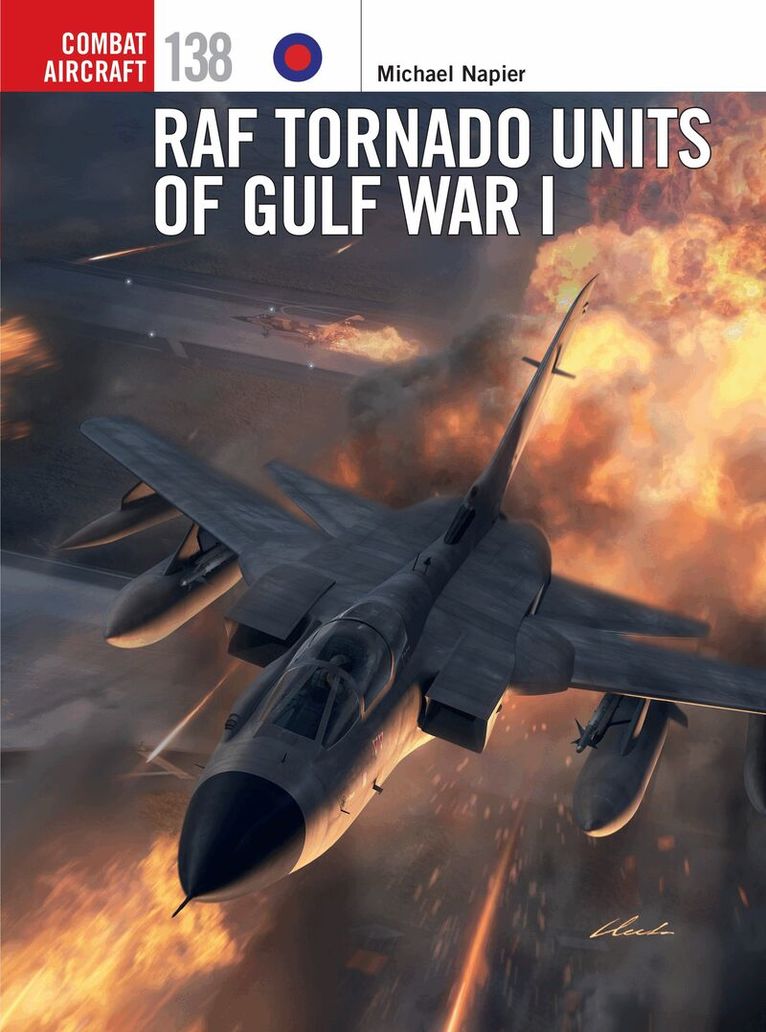
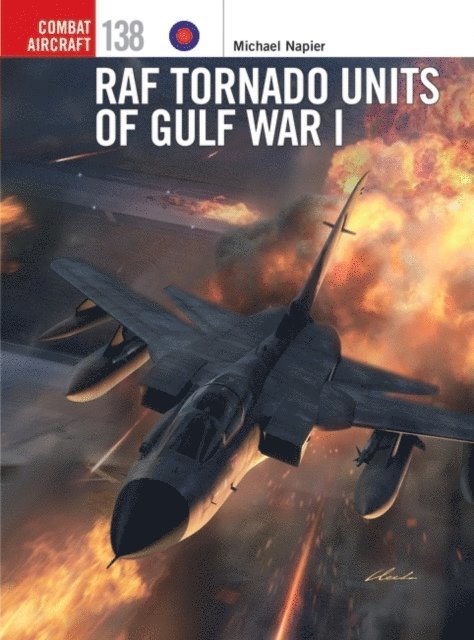
When the Gulf Crisis of 1990 was triggered by the Iraqi invasion of Kuwait, the RAF responded by sending Tornado F 3 fighters to Saudi Arabia to help defend the country against further aggression.These aircraft were followed by the deployment of Tornado GR 1 strike/attack aircraft to Bahrain. Eventually three wings of Tornado GR 1s were established in Bahrain, Tabuk and Dhahran, as well as a detachment of Tornado GR 1A reconnaissance aircraft. At the start of hostilities in January 1991, the Tornado GR 1 wings carried out night-low-level attacks against Iraqi Main Operating Bases using the JP233 runway denial weapon. Meanwhile, Combat Air Patrols from the Tornado F 3 wing ensured the integrity of Saudi airspace.Once air supremacy had been established, the Tornado GR 1 force moved to medium-level operations, initially by night and later by day, to attack the Iraqi oil production and storage infrastructure. The arrival in theatre of a laser designation capability with Pave Spike/Buccaneer and TIALD/Tornado enabled precision attacks against the Iraq transport system to cut off the frontline troops from resupply and reinforcement and then to carry out a systematic destruction of the airfield facilities. Tornado GR 1A reconnaissance operations played a major role in the location of Scud missile launchers and in the planning and execution of the land offensive. Throughout the conflict, the Tornado F 3 wing at Dhahran carried out defensive counter-air operations to ensure the safety of the base areas.This volume, publishing 30 years after the conflict to free Kuwait, provides detailed first-hand accounts of the missions undertaken by the Tornado crews. It is illustrated by photographs taken by aircrew involved in the operation and includes 30 newly commissioned profile artworks and detailed nose art views of the aircraft ranged against Iraq.
184 kr
Skickas inom 7-10 vardagar
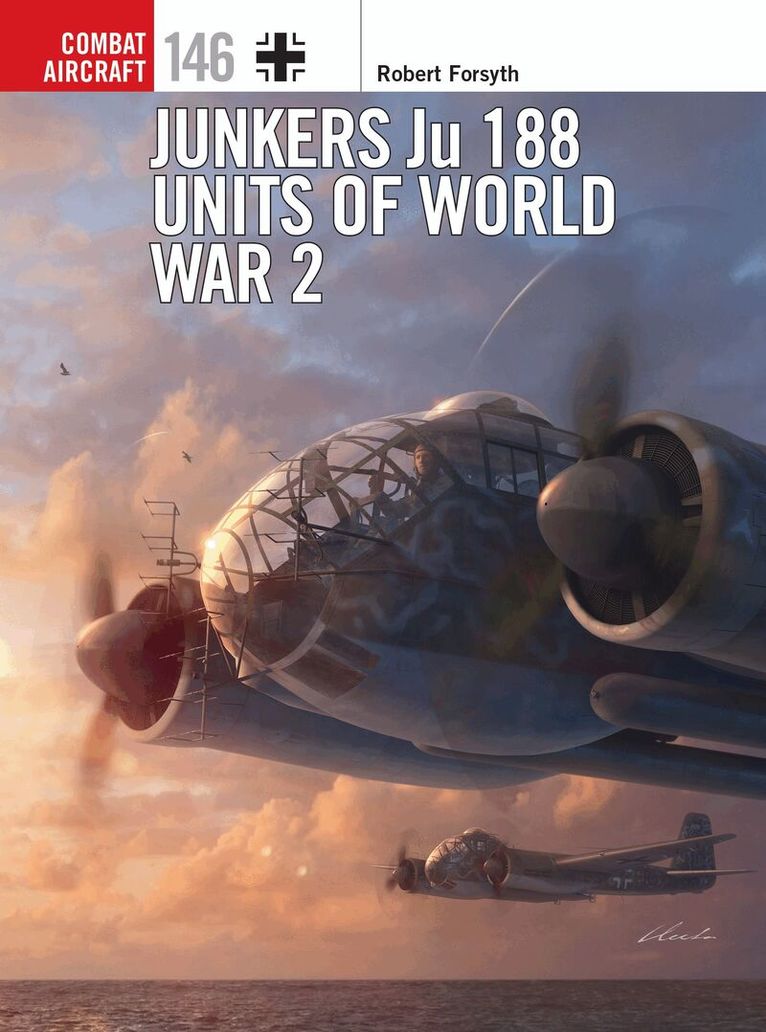
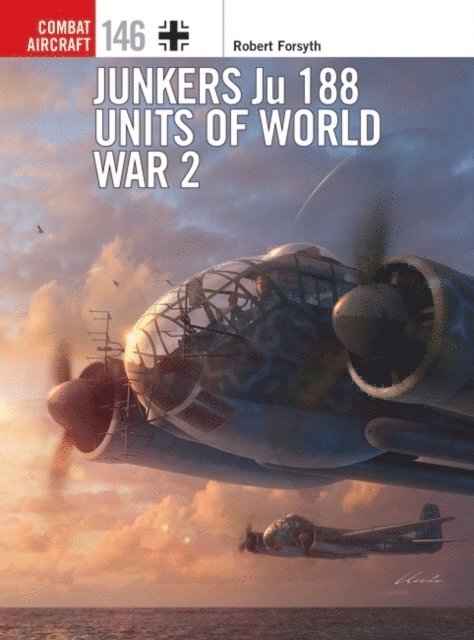
This volume examines the history and development of the Ju 188 twin-engined aircraft, the Luftwaffe’s attempt to enhance and improve its peerless Ju 88.The Junkers Ju 188 was the epitome of mid-war German twin-engined aircraft design, representing the enhancement of an earlier type and incorporating increased performance and technological sophistication. As part of the 1939 ‘Bomber B’ programme, it was intended as a replacement for the Ju 88 and He 111 medium bombers, taking advantage of uprated Jumo and BMW engines and incorporating a radically redesigned cockpit area with all-round visibility for high-speed bombing, torpedo-bomber carrying, FuG 200 radar, and camera-equipped reconnaissance operations. What emerged, from the autumn of 1943, was a sophisticated bomber and reconnaissance aircraft–and intended nightfighter. After operational trials, the Ju 188 equipped three bomber Geschwader and several long-range reconnaissance Staffeln in the East and Italy, conducting operations over Britain and the Western Front as well as Russia and the Mediterranean.This comprehensive study charts the design, development, and deployment of an advanced aircraft which was ultimately overshadowed by improvements to the aeroplane it was designed to replace. Supported by specially commissioned illustrations and contemporary photography, this is the essential guide to the Junkers Ju 188.
197 kr
Skickas
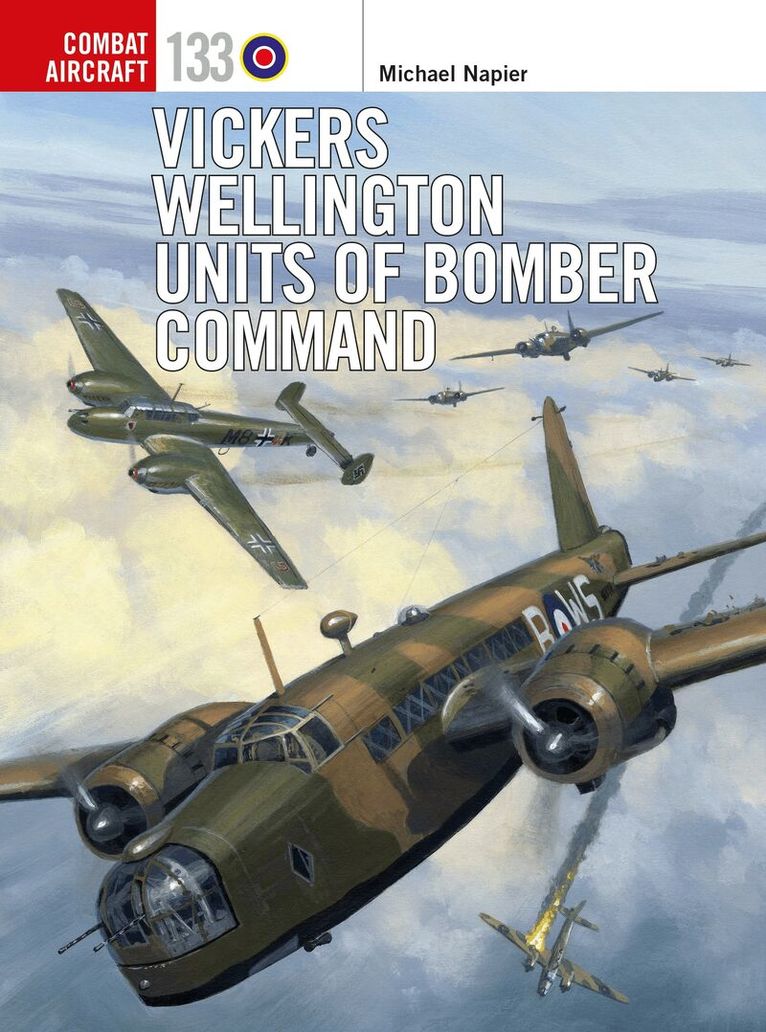
The Vickers Wellington was one of very few aircraft types to have been in production and frontline service throughout World War II, and more than 10,000 Wellingtons were built in the period.They took part in the first RAF bombing mission of the conflict when, on 4 September 1939, 14 examples from Nos 9 and 149 Sqns undertook a daring daylight attack on the Kiel Canal. However, after suffering high losses on follow-up raids, Wellingtons were withdrawn from daytime missions and began to operate at night from May 1940.They subsequently took part in raids against the Italian port city of Genoa in July 1940, and against Berlin the following month, followed by key missions in the ‘Battle of the Barges’ in September and October, as the RAF targeted the Germany’s invasion fleet being assembled in French Channel ports. When RAF’s strike force expanded the next year following the introduction of the improved Wellington II, the 21 squadrons equipped with the Vickers aircraft, which included Polish-, Canadian- and Australian-manned units, formed the backbone of the Bomber Command night bombing force. Over the next two years Wellingtons participated in all the major operations by Bomber Command, including the daylight raid against German battleships in Brest harbour in July 1942 and the first three ‘Thousand Bomber’ raids in the summer of 1942.This illustrated study explores the design, development, and deployment of the Vickers-Wellington type, charting its role in World War II from its earliest missions to its use in training after its withdrawal from frontline bomber missions in 1943. The text is supported by stunning full-colour artwork.
192 kr
Skickas inom 10-15 vardagar
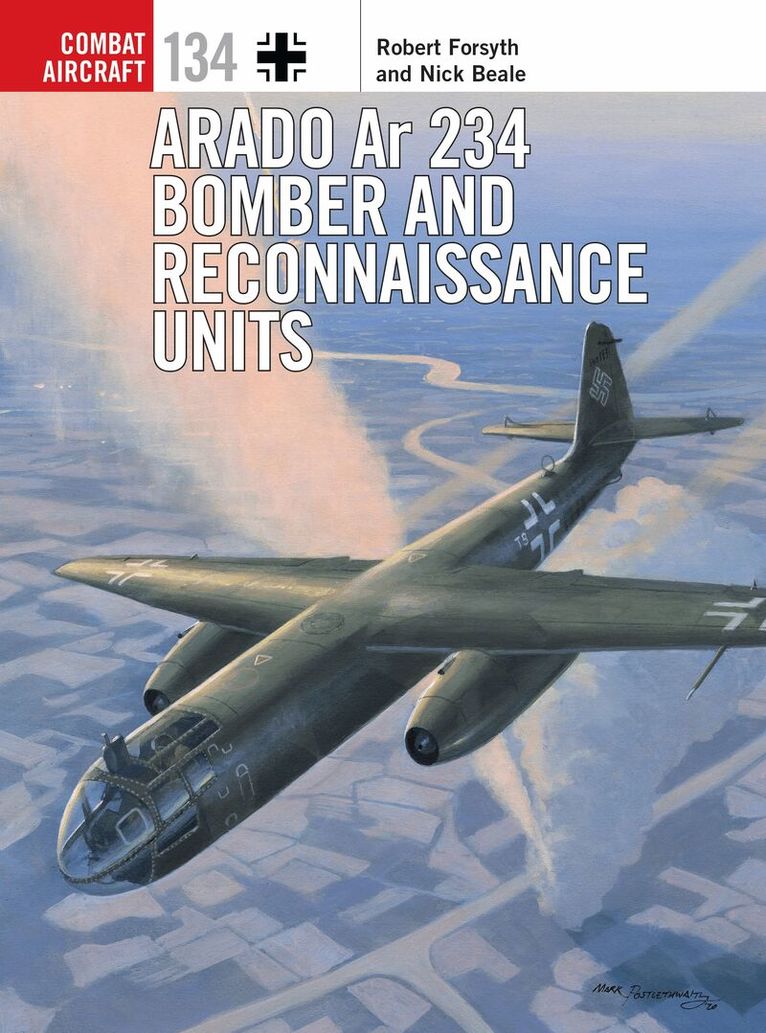
When the revolutionary twin jet-powered Arado Ar 234 first appeared in the skies over north-west Europe in the summer of 1944, it represented the state-of-the-art in terms of aeronautical and technical development.The Ar 234 was a formidable aircraft – powered by Jumo 004Bs, the same engine used by the Me 262, and with a maximum speed of 735 km/h and range of 1600 km/h, it was very difficult for the Allies to ‘catch’. Here was a machine that with its superior speed could operate with impunity as both a bomber and in the reconnaissancerole. As such, the aircraft became the world’s first reconnaissance jet, undertaking secret, high-speed, high-altitude observation missions for the German High Command over the Allied beachheads in Normandy and other Allied strongholds. Astonishingly, in September 1944 and as late as 1945, lone Ar 234s conducted reconnaissance flights over British ports and the Mediterranean. The aircraft was equally efficient as a jet bomber – although the Ar 234B-2 bomber variant carried no defensive gun armament, it was able to deliver 1000 kg of bombs at high-speed and at either low- or high-level with considerable and devastating accuracy.This highly detailed title from renowned aviation historian Robert Forsyth and Nick Beale explores the history of this incredible aircraft, from its development in the early 1940s to its deployment in both reconnaissance and bomber roles throughout the rest of the war. The masterful text is supported by stunning, specially commissioned artwork.
173 kr
Skickas inom 7-10 vardagar
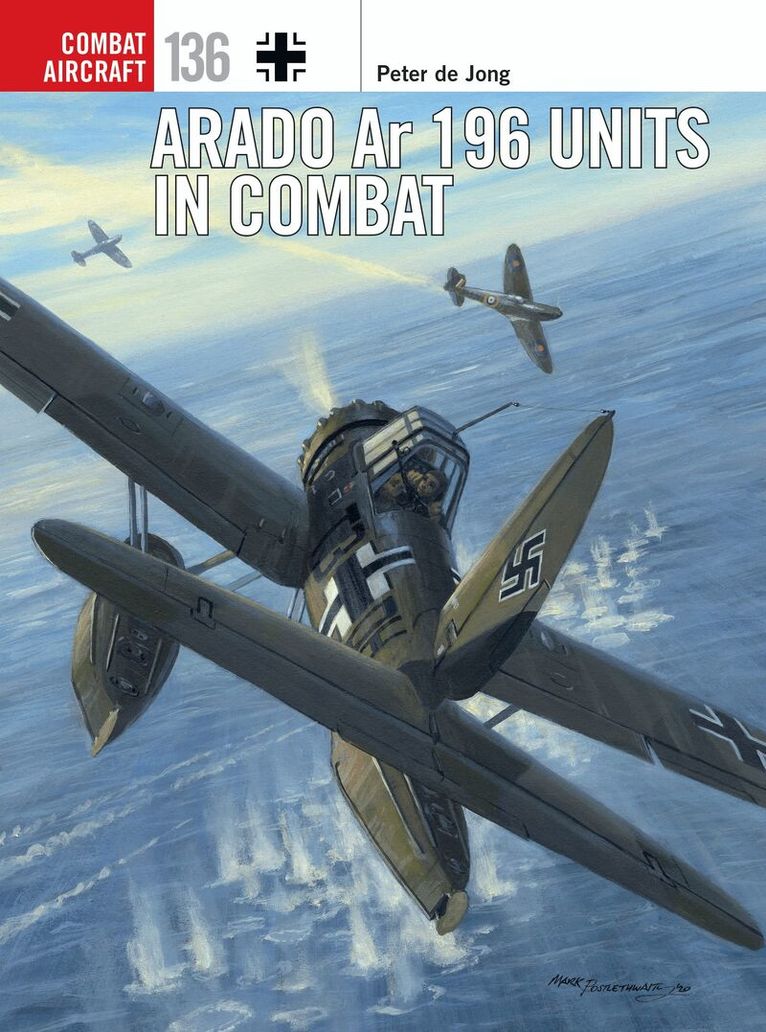
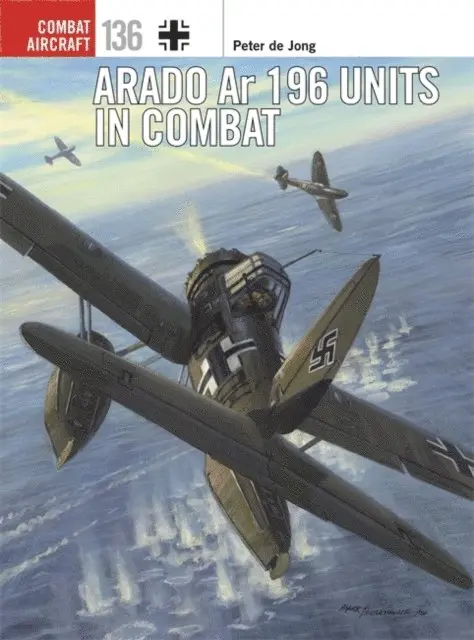
Beating its biplane rivals in a 1936 Reich Air Ministry design competition, the Arado Ar 196 provided the Kriegsmarine with possibly the best shipborne reconnaissance seaplane of World War II.Replacing the Heinkel He 60 biplane as the standard catapult-launched floatplane embarked on the Kriegsmarine’s capital ships, the Ar 196 flew an assortment of combat missions during World War II, including coastal patrol, submarine hunting, light bombing, general reconnaissance and convoy escort sorties. The first vessel to take its Ar 196A-1s to sea was the pocket battleship Graf Spee, which embarked two in the autumn of 1939. The battleships Bismarck and Tirpitz could carry six Arados each, the battlecruisers Gneisenau and Scharnhorst four and smaller pocket battleships and cruisers two. Shore-based aircraft were also operated from coastal ports on the Channel, Baltic, North Sea and Bay of Biscay coasts, as well as in the Balkans and Mediterranean.In this book, supported by an excellent selection of photographs and full-colour illustrations, Peter de Jong explores the history of the Arado Ar 196, detailing their development and assessing the combat capabilities of one of the last fighting seaplanes.
187 kr
Skickas inom 10-15 vardagar
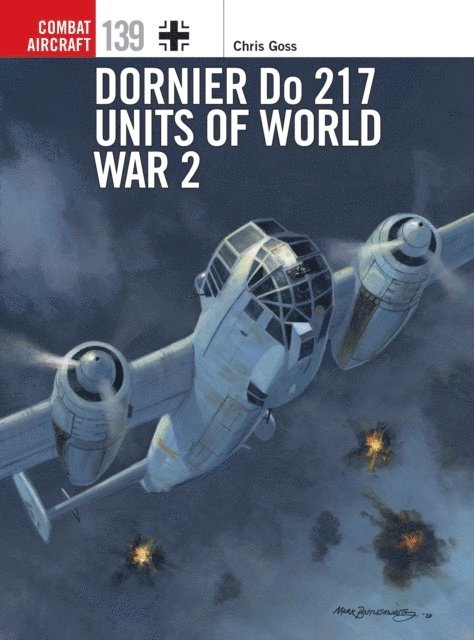
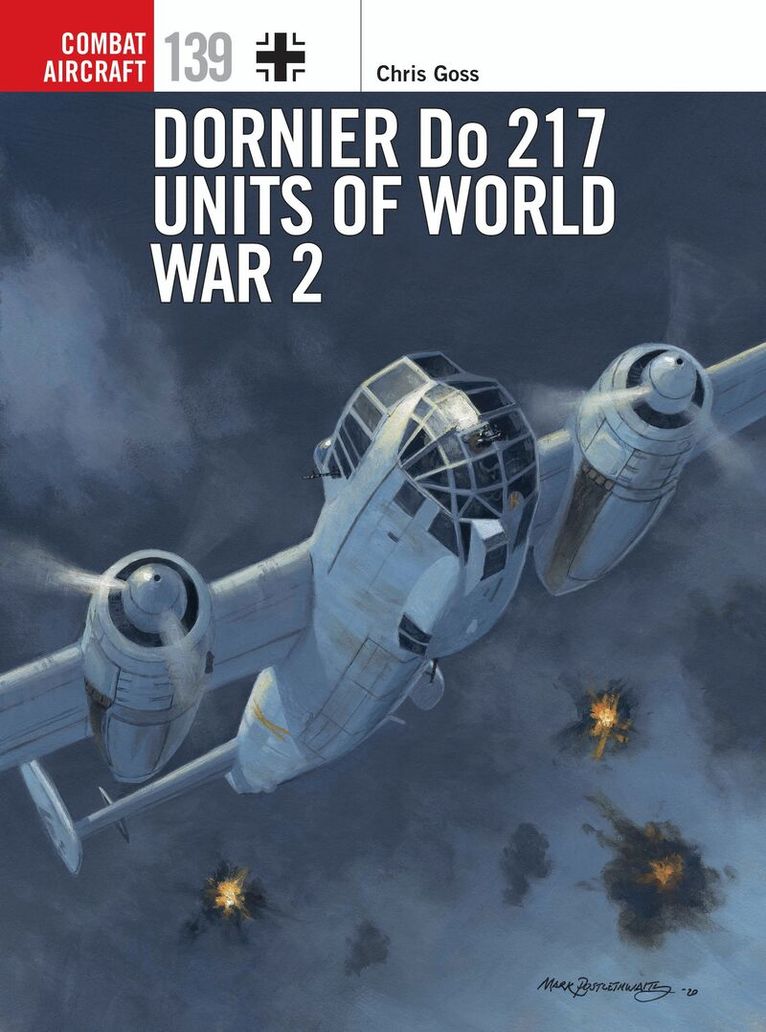
The Do 217 had a much larger bomb load capacity and had considerably greater range than the Do 17, which it replaced in frontline service from mid to late 1941.Although initially used simply as a bomber, later variants were developed to allow the Do 217 to undertake the precision maritime strike role. In order to perform the latter mission, the Do 217 was modified to launch glide bombs – units employing these pioneering weapons enjoyed some success in the Mediterranean from the autumn of 1943. During the course of these operations the Do 217 became the first aircraft in military aviation history to deploy a precision-guided bomb in combat in the form of the ‘Fritz X’ radio-guided, free-fall weapon, which sank the Italian battleship Roma shortly after Italy capitulated in September 1943.The Do 217 served on all fronts, and was often used on anti-shipping strikes during the Battle of the Atlantic and against the Allied invasion fleet at Normandy. This versatile aircraft was also converted into a nightfighter, seeing action in the Defense of the Reich through to war’s end.This highly illustrated study explores the design and development of the Do 217 and chronicles its use in the frontline as a strategic bomber, launch platform for first generation precision weapons, reconnaissance aircraft and nightfighter, among others.
197 kr
Skickas
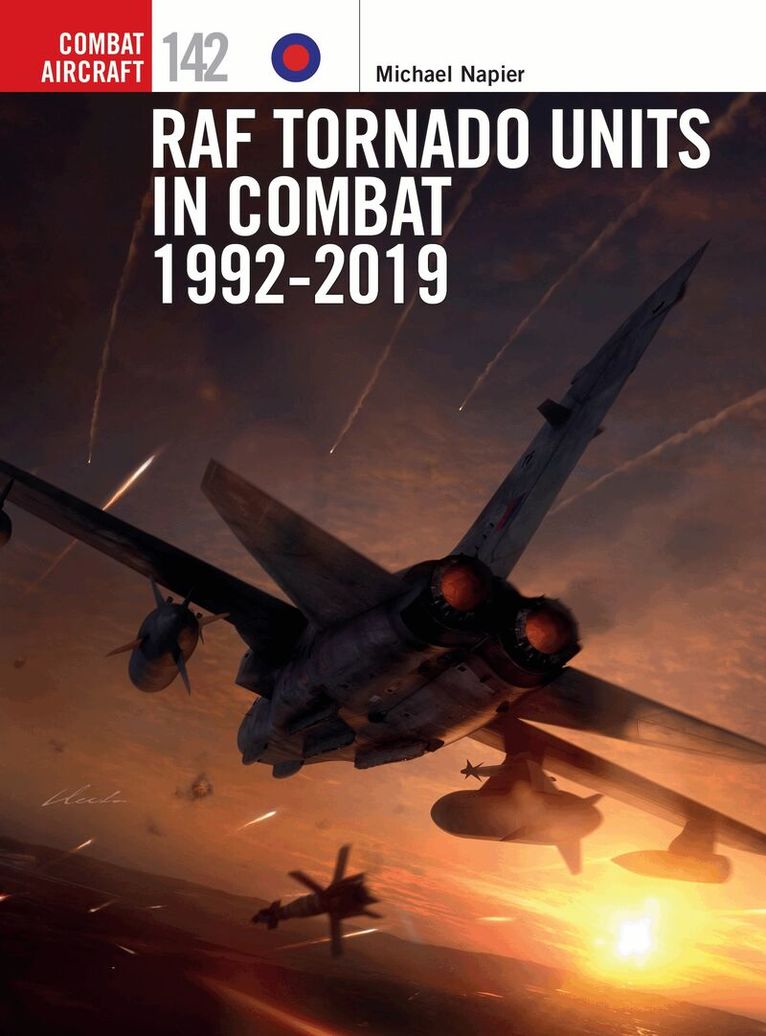
After the Gulf War of 1990, No Fly Zones (NFZ) were established over northern and southern Iraq and the Tornado GR 1 force stepped up to operations over the southern NFZ. The Tornado GR 4 took responsibility for RAF combat air operations in Afghanistan from the Harrier force in 2009, and in 2011 was involved in missions against the Gaddafi regime in Libya. The unique multirole capabilities of the aircraft enabled it to support ground operations with the Raptor reconnaissance pod, Brimstone missiles and Paveway IV laser-guided bombs until withdrawal in 2014. The Tornado GR 4 was also used for operations over Iraq and Syria against the ISIL terrorist organisation. Intensive air operations were flown between 2014 and 2019, when the Tornado GR 4 was finally withdrawn from RAF Service.This volume, written by former RAF pilot Michael Napier, provides detailed first-hand accounts of the missions undertaken by the Tornado crews during the most recent conflicts over the Middle East and the Balkans.
195 kr
Skickas inom 7-10 vardagar
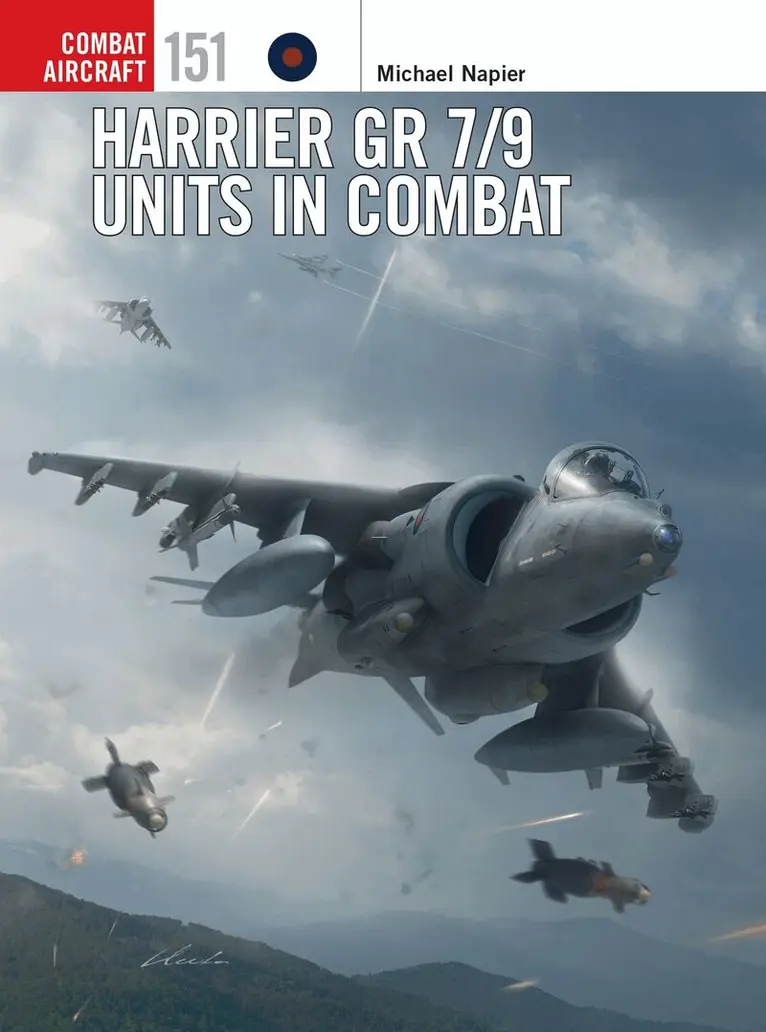
Former RAF Tornado pilot Michael Napier chronicles the action-packed history of the Harrier GR 7/9, and its missions in West Africa, the Balkans, the Middle East and Afghanistan over a 14-year period of ceaseless operations. The Harrier GR 7/9 was at the ‘tip of the spear’ for the RAF when it came to employing weapons against well-equipped standing armies and irregular forces in the 1990s and during the first decade of the new millennium. Assigned to the Harrier GR 7/9 Force, the aircraft undertook No Fly Zone patrols over northern Iraq, supported UN forces in the Balkans and embarked in Royal Navy carriers to bolster the RAF presence ashore in the Arabian Gulf. Harrier GR 7s also flew from HMS Illustrious over Sierra Leone in 2000 and were involved in the second Gulf War during early 2003 acting as Close Air Support for Coalition forces. Using first-hand accounts from his extensive Service contacts, supported by both official and personal photographs and 30 artwork profiles illustrating the wide range of colours worn and ordnance employed by the ‘jump jet’, Michael Napier provides a rare insider’s look at the deployment of Harrier GR 7/9 up to its withdrawal from RAF service in 2010. Moreover, Napier also covers the numerous upgrades received by the aircraft over the years, from more powerful engines to the creation of the GR 9/9A variants in 2005.
215 kr
Skickas inom 7-10 vardagar
An illustrated exploration of the development, technology and operations of Wilde Sau fighters in the night skies over Germany during the Defence of the Reich.In July 1943, the Nachtjagdverband’s defence of Germany from the RAF’s increasingly effective night bombing campaign was nearly brought to a standstill. ‘Window’ – strips of paper with aluminium foil covering one side – had been introduced, dropped by bombers to jam German radar. Fortunately for the Luftwaffe, the Wilde Sau concept of defending point targets using single-engined fighters was already in existence, and would become the cornerstone of the night defence of Germany during the summer and autumn of 1943. In this new study, Martin Streetly details the origins, tactics and implementation of Wilde Sau, exploring its successes and failures through the experiences of pilots who flew Bf 109s, Fw 190s and Me 262s into combat against Lancaster and Halifax heavy bombers. First-hand accounts of Wilde Sau missions are brought to life through archival photographs and newly commissioned artworks of some of the most iconic German fighters of World War 2.
195 kr
Skickas inom 7-10 vardagar
A fully illustrated account of the World War 2 combat career of the Fairey Swordfish torpedo-bomber, one of the Royal Navy's most resilient and effective aircraft of the period.During the 1930s, the Royal Navy’s Fleet Air Arm sought an aircraft to combine the functions of torpedo attack, reconnaissance and gunnery spotting, eventually realising this goal with the Swordfish biplane. Despite competition from more modern types like the Blackburn Shark and Barracuda, the Swordfish made a key contribution to some of Britain’s greatest naval successes of World War 2, helping to tip the balance during operations such as the raid on the Italian battle fleet at Taranto in November 1940, and the attacks on the German battleship Bismarck in May 1941. Elsewhere, it assumed an anti-submarine role both in the Battle of the Atlantic and when escorting Arctic convoys, and was used by the RAF for anti-shipping work during the D-Day landings and the final stages of the European war.With this fascinating study, historian Matthew Willis draws on Admiralty files, operational records and interviews with Fleet Air Arm aircrew to assemble a wide-ranging history of one of the Royal Navy’s most important aircraft. Archival photographs and 22 newly commissioned colour profiles help to chart the development of the Swordfish, detailing the aircraft’s resilience and adaptability through both its many victories and its equally eventful defeats.
195 kr
Skickas inom 7-10 vardagar
An illustrated account of the development and action-packed service history of the Jaguar attack jet, featuring first-hand accounts from the pilots that flew it into combat.Developed as a joint venture between Britain and France, the SEPECAT Jaguar was originally intended to be a jet trainer aircraft, but quickly evolved to fulfil a need for a supersonic attack jet with close air support, reconnaissance and tactical nuclear strike capabilities. After first entering service in the 1970s, it flew operational missions for the RAF almost continuously between 1990 and 2003, including numerous combat missions during the first Gulf War and Bosnian War, and reconnaissance missions over northern Iraq and the Balkans.In this eventful volume, former RAF pilot Michael Napier expertly chronicles the storied career of the Jaguar, as well as the remarkable experiences of those that flew it into combat. Complemented by 24 aircraft profiles that demonstrate the variety of colours worn and ordnance employed by the Jaguar, a combination of detailed research, first-hand accounts and both official and personal photographs bring to life the actions of an aircraft that was a mainstay of the RAF’s attack force for more than a decade.
197 kr
Kommande
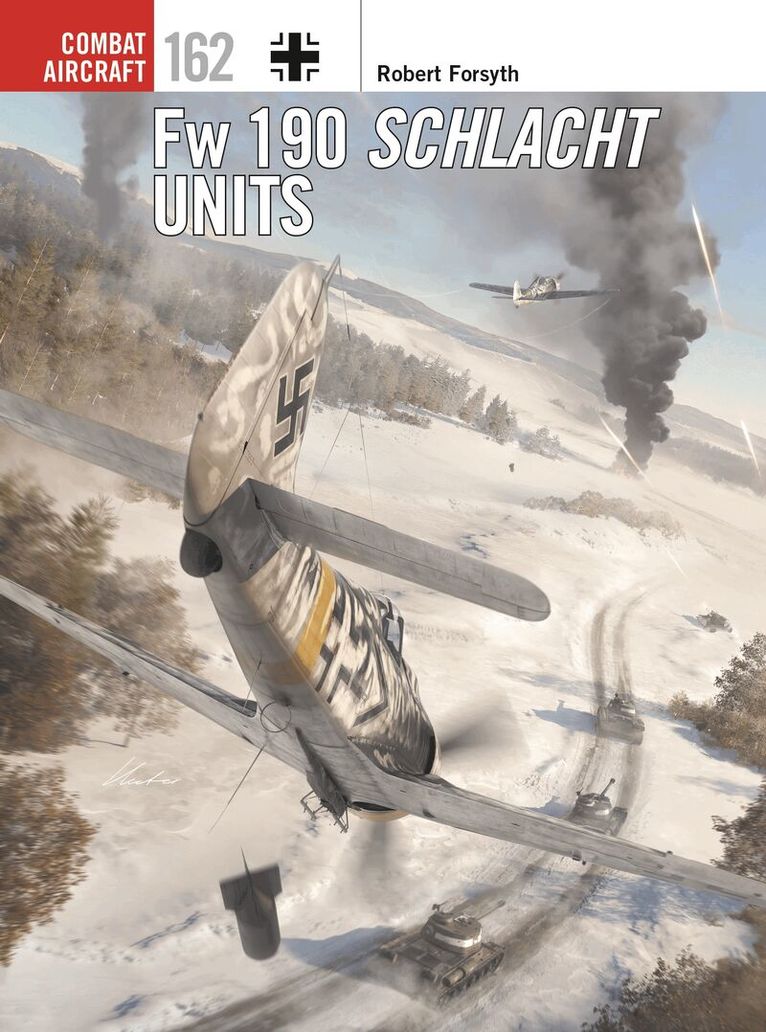
An illustrated account of the Fw 190 'tank-buster' and its operations on the Eastern, Western and Mediterranean Fronts from 1942–45. The Fw 190 offered the Luftwaffe a reliable successor to the Ju 87 Stuka, able to operate from primitive forward airfields in both the freezing winters of the Soviet Union and the desert heat of North Africa. Converted by Focke-Wulf from a radial-engined fighter into a deadly fighter-bomber and ground-attack aircraft, it used its aerial gun platform, wide-tracked undercarriage and powerful BMW engines to devastating effect on the Eastern, Western and Mediterranean Fronts between 1942 and 1945.In this new study, leading Luftwaffe historian Robert Forsyth examines all aspects of the Fw 190 and its career as a ‘tank-buster’, detailing the considerable damage it wrought upon Allied armour, troop concentrations, bridges and road junctions. First-hand accounts from Schlachtflieger pilots bring to life the operational and tactical histories of the aircraft, and are complemented by archive photos and newly commissioned artwork that vividly demonstrates its technical and ballistic assets.
197 kr
Kommande
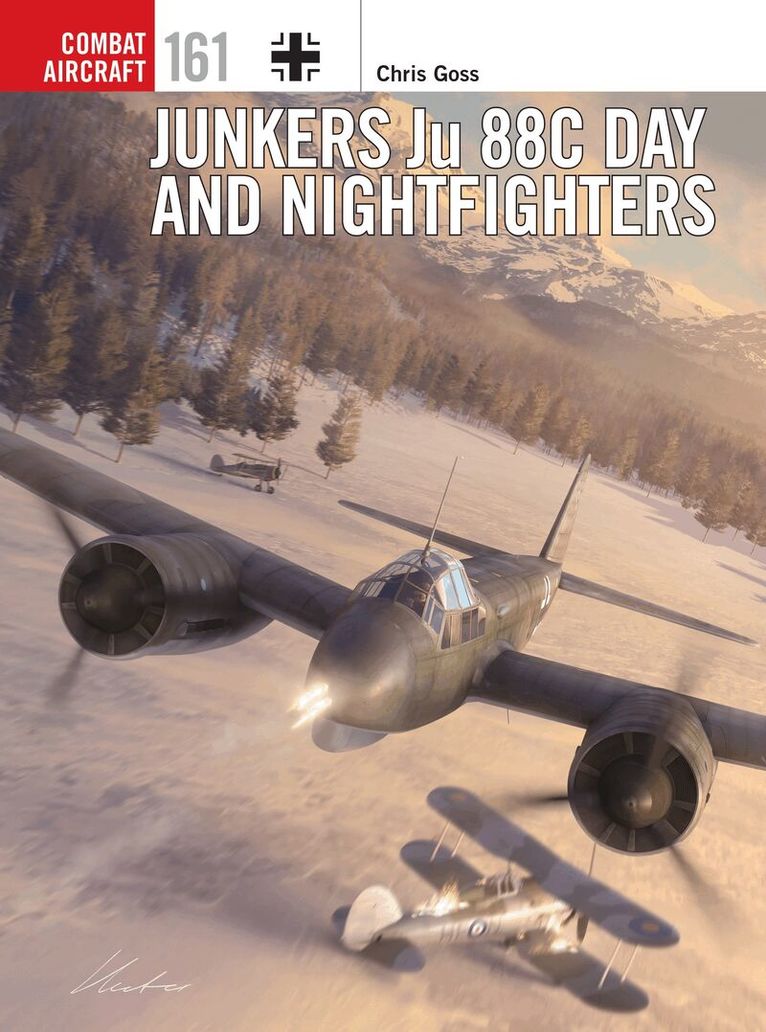
An illustrated account of the action-packed combat missions carried out by the Luftwaffe's powerfully armed Junkers Ju 88C day and nightfighters.The Junkers Ju 88A was the Luftwaffe's most effective medium bomber during much of World War 2, and its high speed and surprising agility made it an ideal candidate for conversion into a Zerstörer (destroyer) fighter. Initially designed to be used as a long-range bomber escort, the solid-nosed Ju 88C fighter boasted powerful cannon that made the aircraft ideally suited to the nightfighter role. Its unrivalled endurance also meant the Ju 88C could undertake sweeps of the Bay of Biscay from the French Atlantic coast in search of Allied maritime patrol aircraft hunting U-boats. Luftwaffe historian Chris Goss charts the action-packed service history of the Ju 88C through first-hand accounts and combat reports from the crews that flew the twin-engined Zerstörer into combat. Newly commissioned profile artworks and more than 50 photographs of aircraft and crews help detail the aircraft’s conversion from a fast bomber into a deadly heavy fighter that proved to be the scourge of Allied bomber and patrol aircraft.
197 kr
Kommande
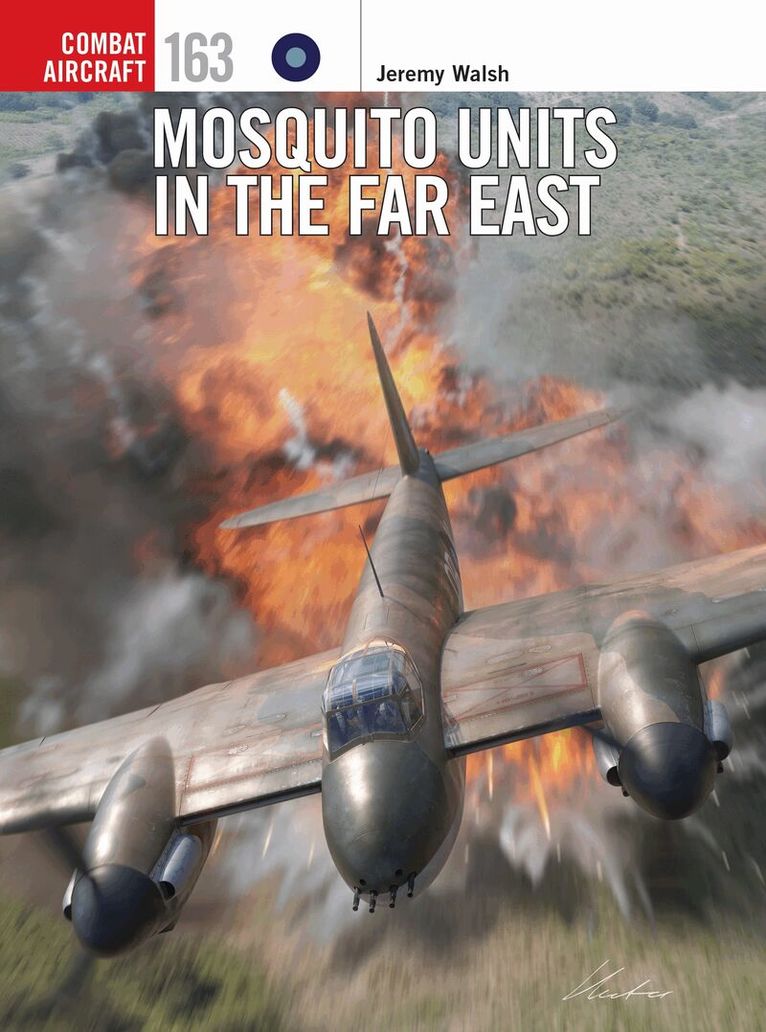
An illustrated history of the remarkable DH 98 Mosquito, from its unusual design and construction through to its pivotal actions the Far East. The RAF and RAAF’s de Havilland DH 98 Mosquito played an important role in forcing the Japanese retreat from Burma and the Far East. Combining innovative composite-wood construction, world-class performance and beautifully balanced handling, the ‘Mossie’ excelled in intruder/strike and long-range photo-reconnaissance roles, despite its vulnerability to the hot, humid climate and challenging weather conditions. Moreover, Mosquito crews undertook their missions with great skill and determination, whether skimming the jungle to attack supply lines, supporting ground attack of artillery emplacements, denying airspace to the Japanese or identifying the enemy’s command centres.In this new study, Mosquito specialist Jeremy Walsh reviews the aircraft’s background, its operational history across both RAF and RAAF squadrons in the Far East and its contribution to Allied success in this often ‘forgotten’ theatre. Accounts from aircrew bring first-hand perspectives to the story, while archive photographs and 21 newly commissioned aircraft profiles detail the aerodynamic efficiency and revolutionary nature of the Mosquito’s design.
197 kr
Kommande
An illustrated study of the Lightning Jet Fighter and its eventful operational history as the RAF's star aircraft of the Cold War era.The Mach 2-capable English Electric Lightning is perhaps the most iconic RAF aeroplane of the Cold War. Boasting a massive increase in performance and improved radar and weapons systems over its predecessors, the Lightning brought new capabilities to the RAF’s air defences. Tactics were adapted to fit the aircraft, including incorporating air-to-air refuelling as a routine part of operations because of the Lightning’s notoriously short range.Retired fighter pilot Mike Napier draws on first-hand accounts from RAF aviators to tell the story of Britain’s ultimate Cold War jet fighter. Covering everything from the Lightning’s exercises with other NATO air forces to its interception of Soviet long-range ‘Badger’ and ‘Bear’ bombers in the late 1960s, this volume complements the aircraft’s colourful operational history with 20 profile artworks and photography from both official and personal archives.
306 kr
Kommande
198 kr
Skickas inom 10-15 vardagar
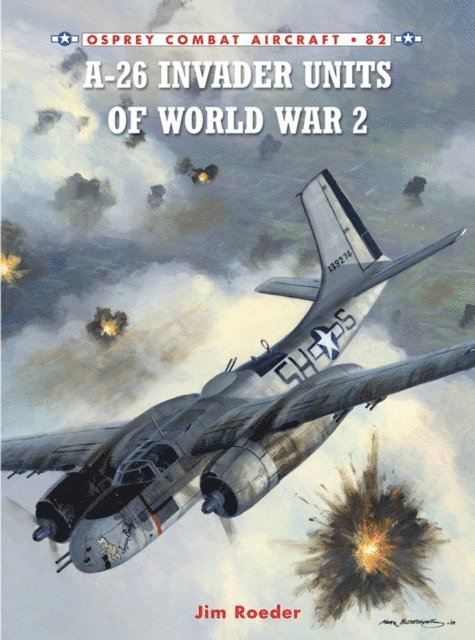
Designed to combine the bombing capability of the B-26 Marauder with the versatility of the ground-attack A-20 Havoc, the A-26 Invader would become the USAAF's attack bomber par excellence.Capable of flying low-level strafing or conventional bombing missions by simply changing the nose configuration of the aircraft, the Invader first saw action in 1943 in the Pacific Theatre attacking Japanese-held islands. Arriving in Europe several months later, the A-26 served with distinction for the remainder of World War 2. In fact, the design proved so successful that it would go on to fly combat missions for a further two decades. Illustrated with brand-new colour profiles and rare photography, this is the first book to focus exclusively on the A-26's missions in World War 2.