209 kr
Skickas inom 7-10 vardagar
209 kr
Skickas inom 7-10 vardagar
185 kr
Skickas
246 kr
Läs direkt efter köp
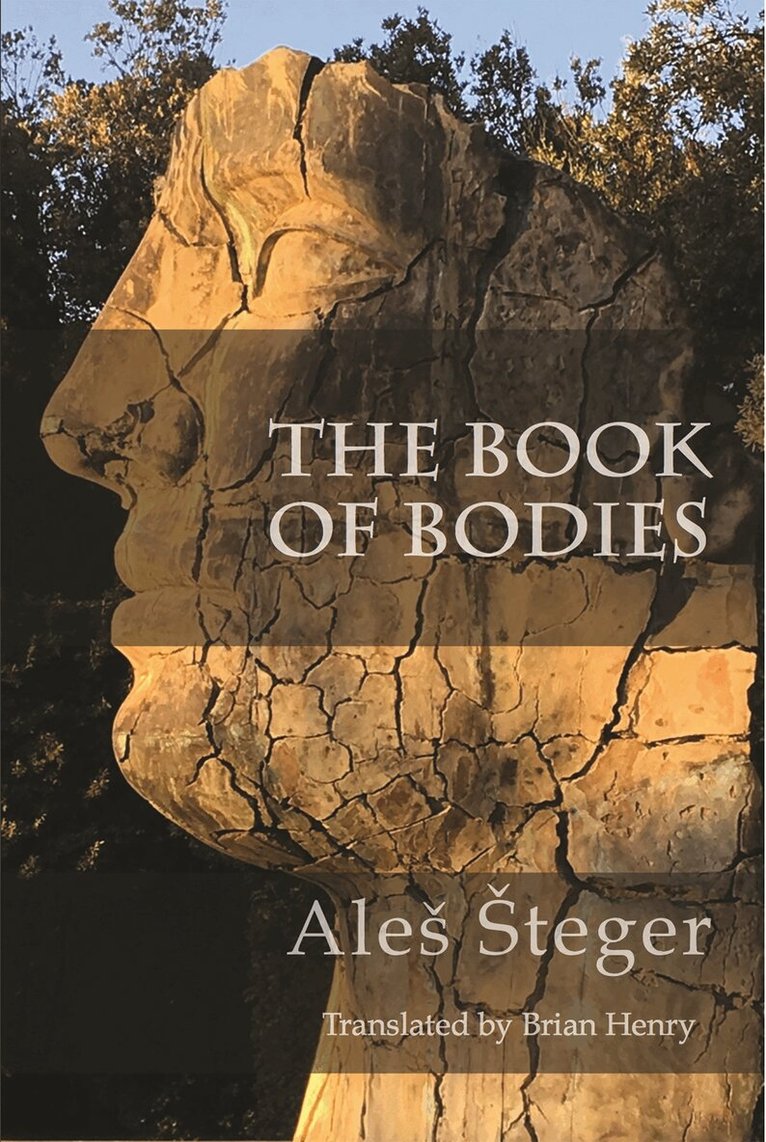
A selection of new and previouslypublished poems from a key voice in the new generation of central European post-Communist poets.
Aleš Šteger''s poetry is multi-layered and technically versatile, ingenious and inventive, adventurous and playful yet serious in intention, and above all, incessantly curious in its investigations which the reader is invited to share – and he loves to ambush the readerwith the unexpected.
Notable for its moral engagement, his poetry is acutely precise in its observation and concentration, and could also be described – in verybroad terms – as surrealist. His influences are mainly European, most notably the Serbian master poet Vasko Popa and the French surrealist Francis Ponge, whose mantle he could be said to have taken on in prose poems which describe everyday objects in minute terms, only to explode in the imagination through what he perceives in them.
177 kr
Skickas inom 7-10 vardagar
From his first book of poems, Chessboards of Hours (1995), Aleš Šteger has been one of Slovenia's most promising poets. The philosophical and lyrical sophistication of his poems, along with his work as a leading book editor and festival organizer, quickly spread Šteger's reputation beyond the borders of Slovenia. The Book of Things is Šteger's most widely praised book of poetry and his first American collection. The book consists of fifty poems that look at "things" (i.e. aspirin, chair, cork) which are transformed by Šteger's unique poetic alchemy.
Translator Brian Henry is a distinguished poet, translator, editor, and critic.
From Publisher’s Weekly:Steger’s efforts sometimes bring to mind such Western European figures as Francis Ponge and Craig Raine, who also sought to make household things look new and strange. Yet Steger brings a melancholy Central European sense of history- his objects tend to remember, or cause, great pain: “It pours, this poisonous, sweet force,” Steger writes of “Saliva,” “Between teeth, when you spit your own little genocide.” (Nov.)From Guernica, a Magazine of Art and Politics:It is a rare treat to have an English translation before the ink has dried on the original. By which I mean, a mere five years after the book’s Slovenian publication, Brian Henry has brought these poems to life for those of us not lucky enough to read Slovenian. Henry’s translations are impressive for sheer acrobatics.122 kr
Läs direkt efter köp
From his first book of poems, Chessboards of Hours (1995), Aleš Šteger has been one of Slovenia''s most promising poets. The philosophical and lyrical sophistication of his poems, along with his work as a leading book editor and festival organizer, quickly spread Šteger''s reputation beyond the borders of Slovenia. The Book of Things is Šteger''s most widely praised book of poetry and his first American collection. The book consists of fifty poems that look at "things" (i.e. aspirin, chair, cork) which are transformed by Šteger''s unique poetic alchemy.
Translator Brian Henry is a distinguished poet, translator, editor, and critic.
From Publisher’s Weekly:Steger’s efforts sometimes bring to mind such Western European figures as Francis Ponge and Craig Raine, who also sought to make household things look new and strange. Yet Steger brings a melancholy Central European sense of history- his objects tend to remember, or cause, great pain: “It pours, this poisonous, sweet force,” Steger writes of “Saliva,” “Between teeth, when you spit your own little genocide.” (Nov.)From Guernica, a Magazine of Art and Politics:It is a rare treat to have an English translation before the ink has dried on the original. By which I mean, a mere five years after the book’s Slovenian publication, Brian Henry has brought these poems to life for those of us not lucky enough to read Slovenian. Henry’s translations are impressive for sheer acrobatics.256 kr
Skickas inom 3-6 vardagar
122 kr
Läs direkt efter köp
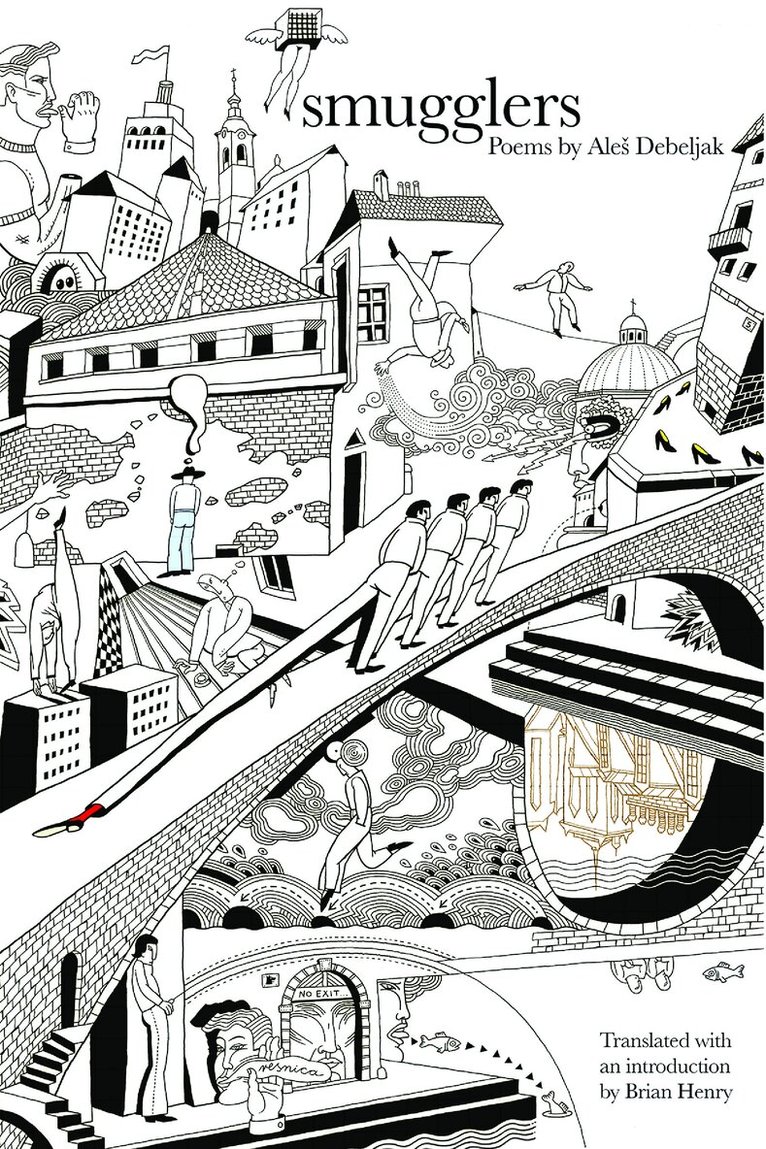
The poems in Smugglers move through rapid historical shifts and meditations on personal experience, exploring the depths and limits of comprehension through the people and geography of the Balkans. Ultimately, Aleš Debeljak''s urban imagination creates a mosaic—intimate and historical—of a vanished people and their country. Every poem in Smugglers is sixteen lines long—four quatrains, a common form for Debeljak. This structural regularity is reinforced by a commitment to visual balance, with each poem working as a kind of grid into which the poet pours memories and associative riffs.
From "Bookstore":
At least you are blessed. Winter''s here. In darkness, awakesince yesterday, I came to browse again through the titles of oldbooks, wobbly skyscrapers, writers of my youth and stiffened honey.No opening hours on the door, a minor poet with no woman
sits behind files in the front. I know him from whenwe all shouted in one loyal voice, collected works on salefor a handful of cents, read the holy Kapitallike zealots. Well, okay: not exactly all. Some of us took
another road . . .
Aleš Debeljak''s books have appeared in English, Japanese, German, Croatian, Serbian, Polish, Hungarian, Czech, Spanish, Slovak, Finnish, Lithuanian, and Italian translations. He teaches in the department of Cultural Studies at the University of Ljubljana in Slovenia.
Brian Henry is the author of ten books of poetry and won the 2011 Best Translated Book Award. He teaches at University of Virginia in Richmond, Virginia.
210 kr
Tillfälligt slut
179 kr
Tillfälligt slut
181 kr
Tillfälligt slut