Advances in Metal Music and Culture – serie
Visar alla böcker i serien Advances in Metal Music and Culture. Handla med fri frakt och snabb leverans.
8 produkter
8 produkter
1 291 kr
Skickas inom 5-8 vardagar
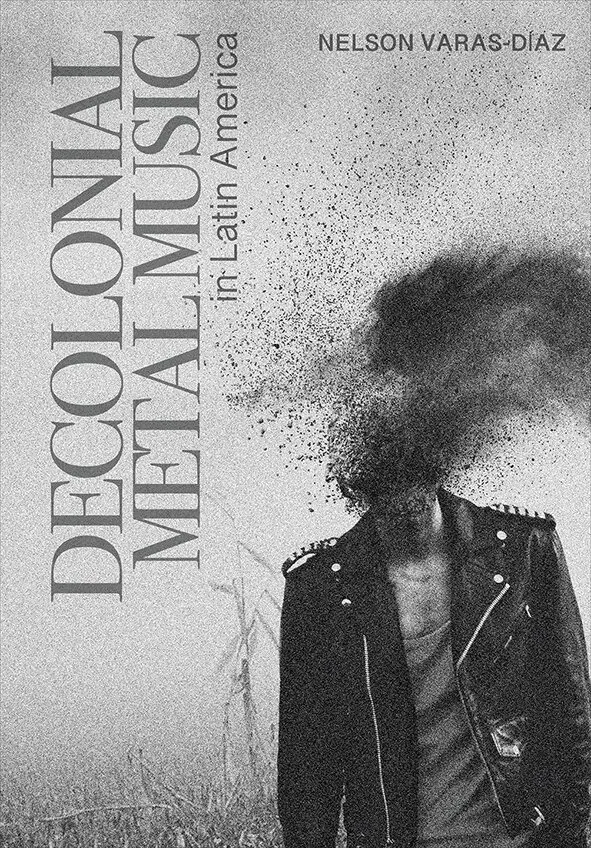
The long-lasting effects of colonialism are still present throughout Latin America. Racism, political persecution, ethnic extermination and extreme capitalism are some salient examples. This new book explores how heavy metal music in the region has been used to critically challenge the historical legacy of colonialism and its present-day manifestations.Through extensive ethnographic research in Puerto Rico, Cuba, Dominican Republic, Mexico, Guatemala, Colombia, Peru, Chile and Argentina, Varas-Díaz documents how metal music listeners and musicians engage in ‘extreme decolonial dialogues’ as a strategy to challenge past and ongoing forms of oppression. This allows readers to see metal music in a different light and as a call for justice in Latin America.Heavy metal related scholarship has made strides in the past decade. Many books have aimed to explain its origins, uses and the social meanings ascribed to the music in a variety of contexts. For the most part, these have neglected to address the region of Latin America as an area of study.It represents a historical and sociological journey in Latin American heavy metal music through rich ethnographic engagements with performers, fans and scholars of music. Its central premise is the dialogic relationship amongst deep histories of coloniality, systematic oppression, entrenched inequalities and the expressive forms generated by ‘decolonial metal music’. The book also provides an exemplary and potentially iconic model of ethnomusicology and the anthropology of music. Most previous work on metal music in Latin America has relied on theoretical frameworks developed in the Global North, and is therefore limited in understanding the region through its particular history and experiences. There is no scholarship of heavy metal scholarship in the Latin American region that achieves the depth or breadth of analysis represented by this book. It provides a roadmap and a model for this emerging mode of musical analysis, by demonstrating how decolonial metal scholarship can be achieved. Academic readership for the book will come from multiple disciplines including cultural studies, musicology, ethnomusicology, sociology, anthropology, cultural geography, history and Latin American studies. It will be of interest to music studies programmes, as well as for methods courses on structurally informed social research. The book will also be of interest to those outside academic settings – accessibly written, with its concise reviews of historical and political-economic contexts, and its vivid storytelling, it will be of interest to consumers of the metal musical genre.
1 291 kr
Skickas inom 5-8 vardagar
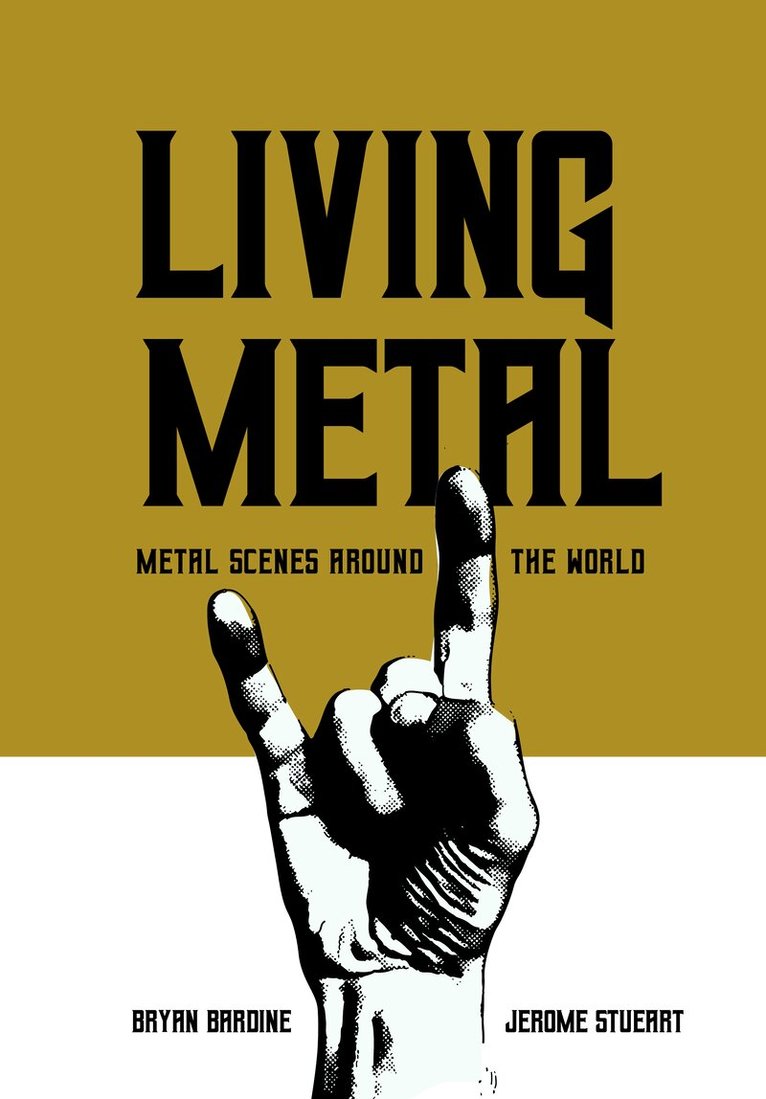
This is the first study of its kind, focusing exclusively on scenes throughout the world; it makes an important contribution to metal studies.Metal Scenes around the World is a collection of thirteen chapters that examine metal scenes from smaller communities like Dayton, Ohio in the USA, to entire countries, such as Estonia. The goal of the book is to expand the research on metal scenes.This is the only book produced on metal scenes to date, and it will lead the way to more research in this new area of metal studies. The strongest element of the book is its international focus, with chapters from such diverse settings as post-apartheid South Africa, Graz, Nantes, Brazil and Turkey. The chapters are detailed, richly embedded in local histories and contexts, and provide important analyses of their respective scenes.Foreword from Henkka Seppälä, former bassist with the Finnish metal band Children Of Bodom.Primary readership will be composed of fans and scholars of metal music, and those in the fields of anthropology, musicology and history. The diversity of the chapters connects metal to other disciplines in the music field and the book is likely to have appeal more widely to anyone who likes music.
1 212 kr
Skickas inom 5-8 vardagar
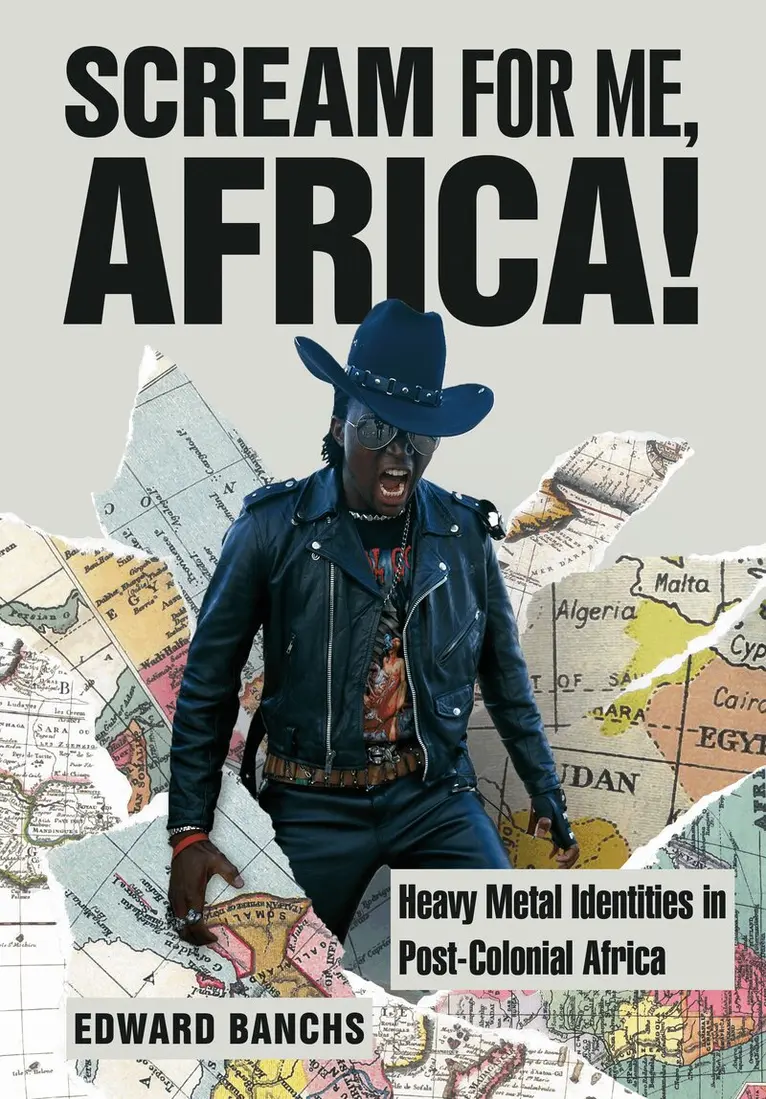
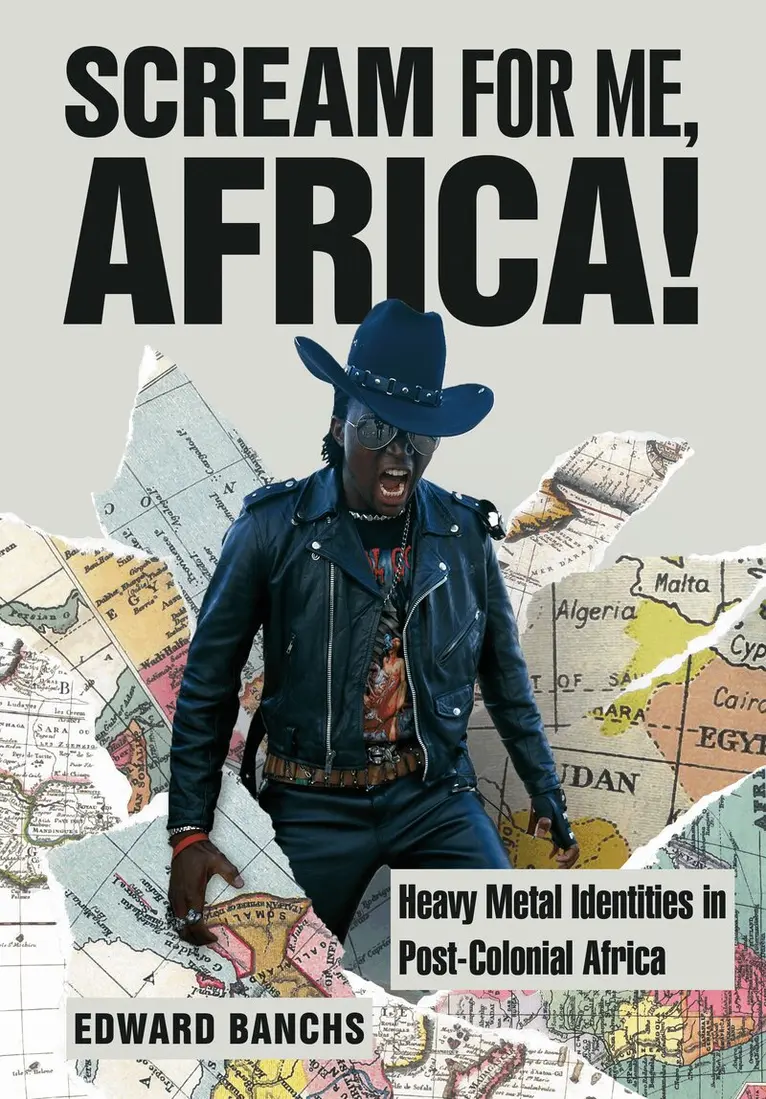
Scream for Me Africa! examines the hard rock and metal scenes in five African countries: Botswana, Togo, South Africa, Kenya and Ghana. Banchs spent significant time in each country interviewing musicians, producers and fans to create vivid pictures of each of these rarely discussed scenes. These scenes are 'a disruption of the norm, a disruption of what we have come to expect from Africa and rock and metal music'. He has chosen to shed light on these particular scenes now because of their difference and because they are reflections of their countries.This exciting new book considers how heavy metal's subculture is viewed in Africa, and how musicians in the continent have stepped forward to make this genre their own. It looks at the continent's blossoming scenes through various themes including hybridity, othering and how scenes have collided with their difficult political systems.Scream For Me, Africa! Is the first book of its kind and an engaging look at the various metal scenes across the African continent, and how they are constructing an identity as metal fans in their modern nation states under the shadow of post-colonialism. Written in a clear, approachable manner it is accessible to academic and non-academic readers.Edward Banchs is a freelance writer and independent scholar – and a metal fan – based in Pittsburgh, Pennsylvania, USA whose writing has appeared in The Guardian, Afropop, Metal Hammer, Metal Music Studies and The Pittsburgh City Paper. He is also author of Heavy Metal Africa (2016).This new book fills a gap in the market for an academic text on metal in Africa, expanding published scholarship on metal in the global south. It book has potential use as a resource on courses in several disciplines including sociology, cultural studies, musicology, ethnomusicology, sociology and Africa studies. It will also be of interest to the more general readers with an interest in the musical genre.Will appeal to anyone who is interested in metal, African culture, anthropology and sociology and history. Particularly musicologists and ethnomusicologists and those with an interest in metal in the global south.
356 kr
Skickas
This is the first study of its kind, focusing exclusively on scenes throughout the world; it makes an important contribution to metal studies.Metal Scenes around the World is a collection of thirteen chapters that examine metal scenes from smaller communities like Dayton, Ohio in the USA, to entire countries, such as Estonia. The goal of the book is to expand the research on metal scenes.This is the only book produced on metal scenes to date, and it will lead the way to more research in this new area of metal studies. The strongest element of the book is its international focus, with chapters from such diverse settings as post-apartheid South Africa, Graz, Nantes, Brazil and Turkey. The chapters are detailed, richly embedded in local histories and contexts, and provide important analyses of their respective scenes.Foreword from Henkka Seppälä, former bassist with the Finnish metal band Children Of Bodom.Primary readership will be composed of fans and scholars of metal music, and those in the fields of anthropology, musicology and history. The diversity of the chapters connects metal to other disciplines in the music field and the book is likely to have appeal more widely to anyone who likes music.
353 kr
Skickas inom 5-8 vardagar
Scream for Me Africa! examines the hard rock and metal scenes in five African countries: Botswana, Togo, South Africa, Kenya and Ghana. Banchs spent significant time in each country interviewing musicians, producers and fans to create vivid pictures of each of these rarely discussed scenes. These scenes are 'a disruption of the norm, a disruption of what we have come to expect from Africa and rock and metal music'. He has chosen to shed light on these particular scenes now because of their difference and because they are reflections of their countries.This exciting new book considers how heavy metal's subculture is viewed in Africa, and how musicians in the continent have stepped forward to make this genre their own. It looks at the continent's blossoming scenes through various themes including hybridity, othering and how scenes have collided with their difficult political systems.Scream For Me, Africa! Is the first book of its kind and an engaging look at the various metal scenes across the African continent, and how they are constructing an identity as metal fans in their modern nation states under the shadow of post-colonialism. Written in a clear, approachable manner it is accessible to academic and non-academic readers.Edward Banchs is a freelance writer and independent scholar – and a metal fan – based in Pittsburgh, Pennsylvania, USA whose writing has appeared in The Guardian, Afropop, Metal Hammer, Metal Music Studies and The Pittsburgh City Paper. He is also author of Heavy Metal Africa (2016).This new book fills a gap in the market for an academic text on metal in Africa, expanding published scholarship on metal in the global south. It book has potential use as a resource on courses in several disciplines including sociology, cultural studies, musicology, ethnomusicology, sociology and Africa studies. It will also be of interest to the more general readers with an interest in the musical genre.Will appeal to anyone who is interested in metal, African culture, anthropology and sociology and history. Particularly musicologists and ethnomusicologists and those with an interest in metal in the global south.
1 362 kr
Skickas
The relationship between metal and disability is distinctive. Persisting across metal’s sub-genres is a preoccupation with exploring and questioning the boundary that divides the body that has agency from the body that has none. This boundary is one that is familiar to those for whom the agency of the body is an everyday matter of survival.Metal’s preoccupation with unleashing and controlling sensorial overload acts both as an analogue of neurodiversity and as a space in which those who are neurodivergent find ways to understand and leverage their sensory capacities. Metal offers potent resources for the self-understanding of people with disabilities. It does not necessarily mean that this potential is always explored or that metal scenes are hospitable to those with disabilities. This collection is disability-positive, validating people with disabilities as different but not damaged.While metal scholars who contribute to this collection see metal as a space of possibility, in which dis/ability and other intersectional identities can be validated and understood, the collection does not imply that the possibilities that metal affords are always actualised. This collection situates itself in a wider struggle to open up metal, challenging its power structures; a struggle in which metal studies has played a significant part.
Medievalism, Popular Culture and Politics in Metal Music
The Case of Hispanic Epic Themes
Häftad, Engelska, 2026
478 kr
Kommande
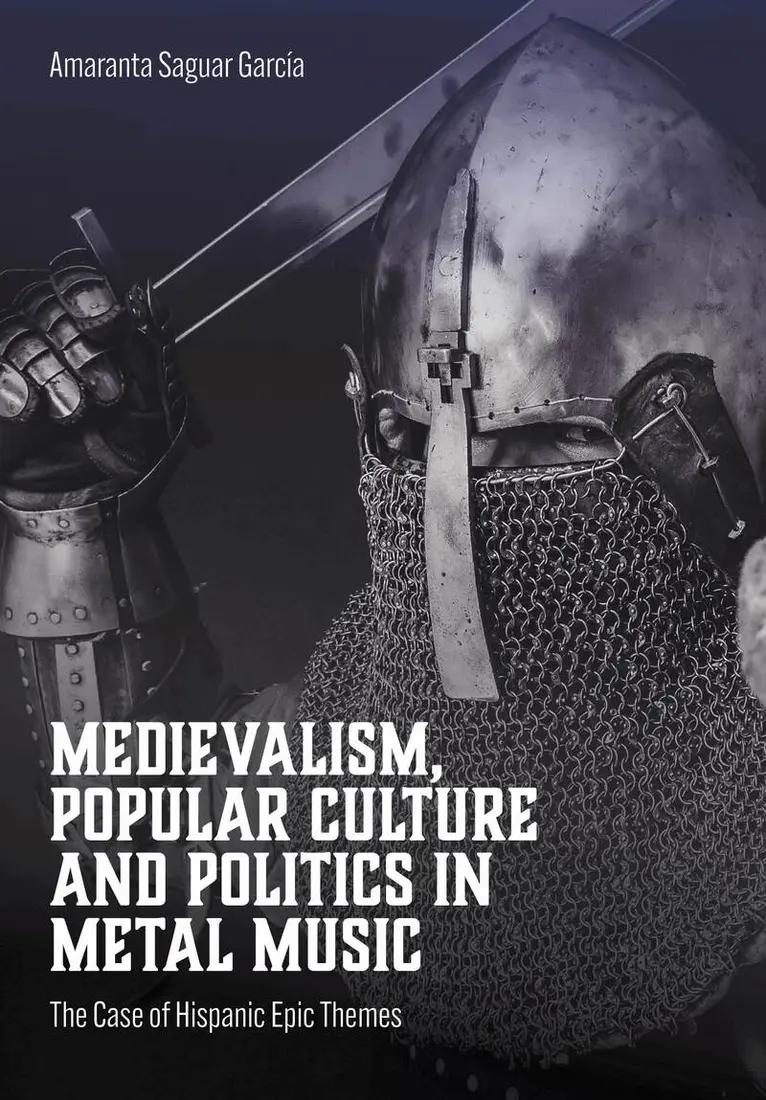
Medievalizing epicism - defined as a style or sensibility that evokes the medieval and the epic—has been a hallmark of metal music since its inception. In this regard, metal is not unique among forms of Western pop culture; its fascination with the medieval owes much to the influence of fantasy literature, cinema, and later, video games. Yet medievalizing epicism also plays a key role in shaping (ethno)nationalist ideologies, fascist narratives, and alt-right discourse, as well as official efforts to foster patriotic sentiment. As such, it is often entangled with sexism, racism, nationalism, and exclusivity - elements that frequently echo in metal’s lyrics, imagery, and album art.This book examines how metal engages with these tensions through the specific lens of medieval Hispanic epic themes. It explores whether and how metal bands deal with the problematic associations that medievalizing epicism can carry, and what this means for the broader metal scene. By exploring these intersections, Amaranta Saguar García invites readers to reflect on the cultural and political dimensions of metal’s medieval epic imagination.This Open Access publication is funded by the research project PoeMAS: POEsía para MÁS gente. La poesía en la música popular española contemporánea (PGC2018-099641-A-I00, Ministerio de Ciencia Innovación y Universidades de España).
Medievalism, Popular Culture and Politics in Metal Music
The Case of Hispanic Epic Themes
Inbunden, Engelska, 2026
1 263 kr
Kommande
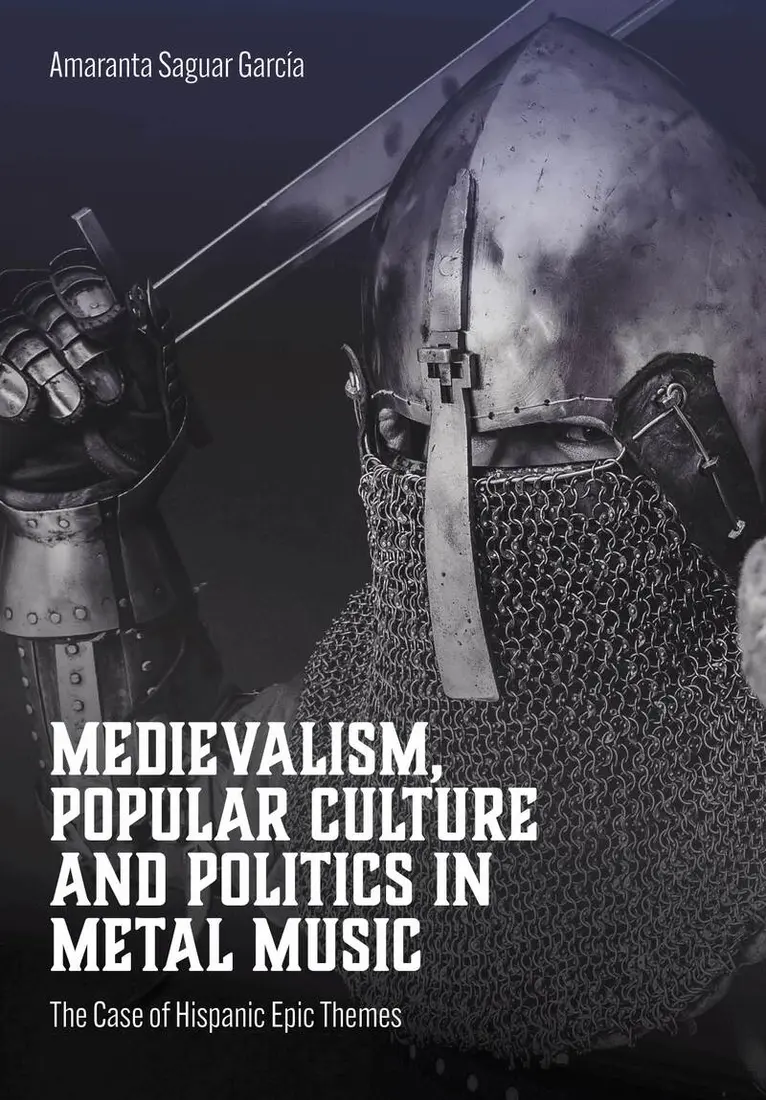
Medievalizing epicism - defined as a style or sensibility that evokes the medieval and the epic—has been a hallmark of metal music since its inception. In this regard, metal is not unique among forms of Western pop culture; its fascination with the medieval owes much to the influence of fantasy literature, cinema, and later, video games. Yet medievalizing epicism also plays a key role in shaping (ethno)nationalist ideologies, fascist narratives, and alt-right discourse, as well as official efforts to foster patriotic sentiment. As such, it is often entangled with sexism, racism, nationalism, and exclusivity - elements that frequently echo in metal’s lyrics, imagery, and album art.This book examines how metal engages with these tensions through the specific lens of medieval Hispanic epic themes. It explores whether and how metal bands deal with the problematic associations that medievalizing epicism can carry, and what this means for the broader metal scene. By exploring these intersections, Amaranta Saguar García invites readers to reflect on the cultural and political dimensions of metal’s medieval epic imagination.This Open Access publication is funded by the research project PoeMAS: POEsía para MÁS gente. La poesía en la música popular española contemporánea (PGC2018-099641-A-I00, Ministerio de Ciencia Innovación y Universidades de España).