Worlds in Crisis: Refugees, Asylum, and Forced Migration – serie
Visar alla böcker i serien Worlds in Crisis: Refugees, Asylum, and Forced Migration. Handla med fri frakt och snabb leverans.
16 produkter
16 produkter
Inbunden, Engelska, 2022
783 kr
Skickas inom 5-8 vardagar
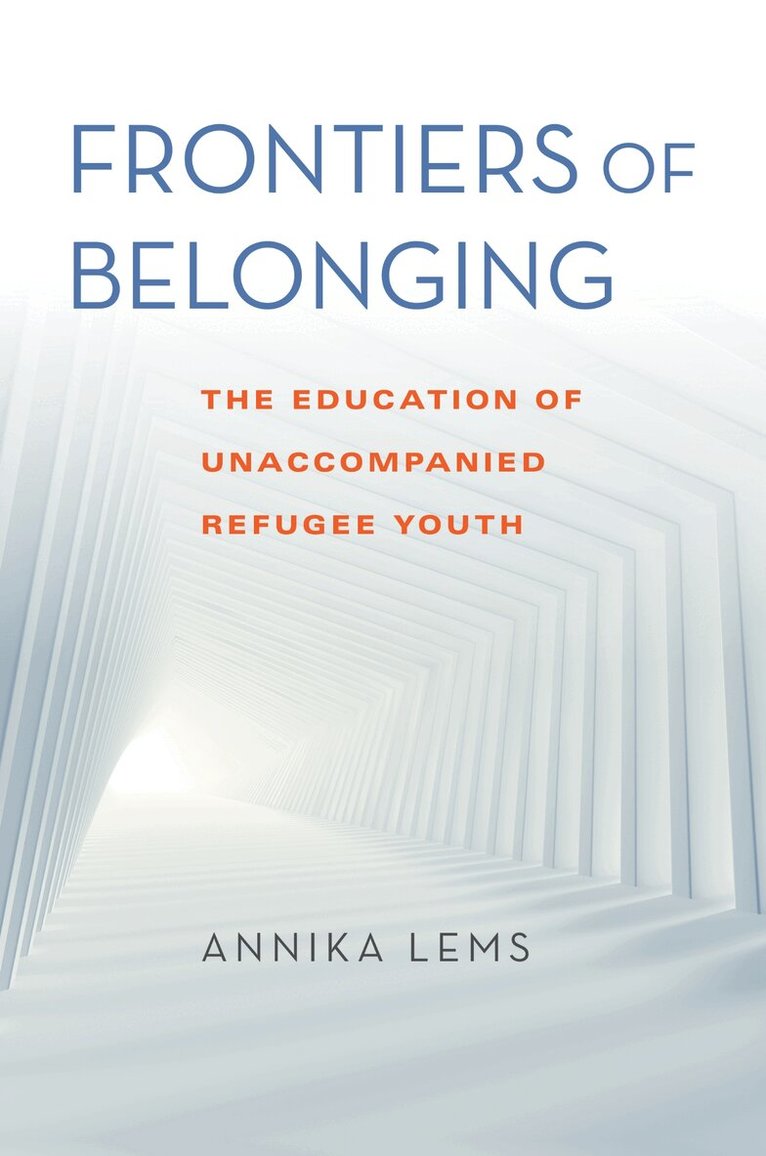
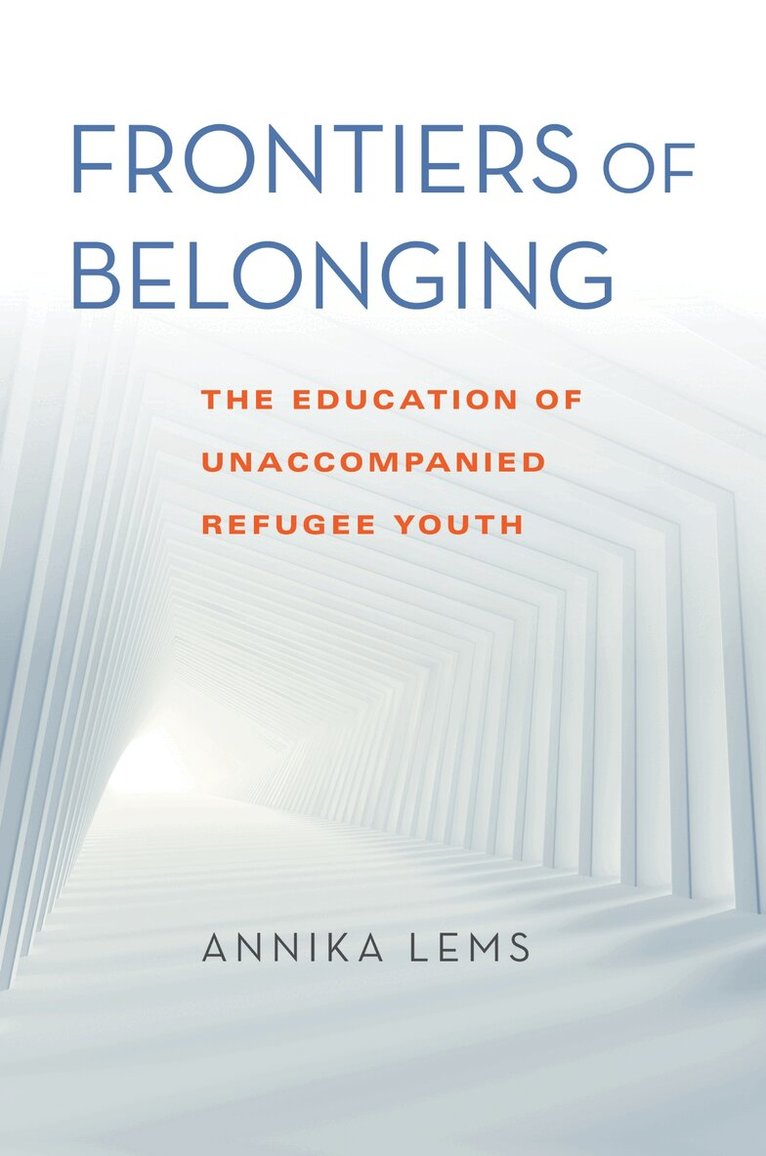
As unprecedented numbers of unaccompanied African minors requested asylum in Europe in 2015, Annika Lems witnessed a peculiar dynamic: despite inclusionary language in official policy and broader society, these children faced a deluge of exclusionary practices in the classroom and beyond. Frontiers of Belonging traces the educational paths of refugee youth arriving in Switzerland amid the shifting sociopolitical terrain of the refugee crisis and the underlying hierarchies of deservingness. Lems reveals how these minors sought protection and support, especially in educational settings, but were instead treated as threats to the economic and cultural integrity of Switzerland. Each chapter highlights a specific child's story—Jamila, Meron, Samuel, and more—as they found themselves left out, while on paper being allowed "in." The result is a highly ambiguous social reality for young refugees, resulting in stressful, existential balancing acts. A captivating ethnography, Frontiers of Belonging allows readers into the Swiss classrooms where unspoken distinctions between self and other, guest and host, refugee and resident, were formed, policed, and challenged.
Häftad, Engelska, 2022
296 kr
Skickas
As unprecedented numbers of unaccompanied African minors requested asylum in Europe in 2015, Annika Lems witnessed a peculiar dynamic: despite inclusionary language in official policy and broader society, these children faced a deluge of exclusionary practices in the classroom and beyond. Frontiers of Belonging traces the educational paths of refugee youth arriving in Switzerland amid the shifting sociopolitical terrain of the refugee crisis and the underlying hierarchies of deservingness. Lems reveals how these minors sought protection and support, especially in educational settings, but were instead treated as threats to the economic and cultural integrity of Switzerland. Each chapter highlights a specific child's story—Jamila, Meron, Samuel, and more—as they found themselves left out, while on paper being allowed "in." The result is a highly ambiguous social reality for young refugees, resulting in stressful, existential balancing acts. A captivating ethnography, Frontiers of Belonging allows readers into the Swiss classrooms where unspoken distinctions between self and other, guest and host, refugee and resident, were formed, policed, and challenged.
Inbunden, Engelska, 2022, 12-15 år
965 kr
Skickas inom 5-8 vardagar
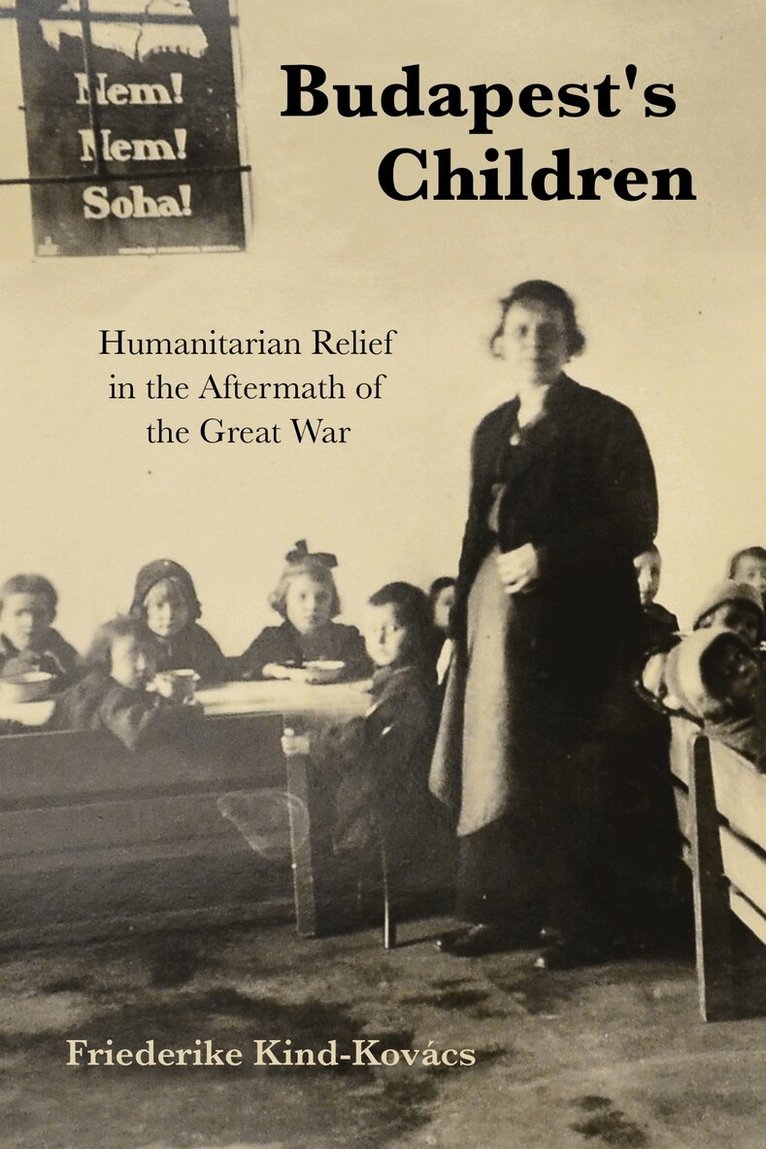
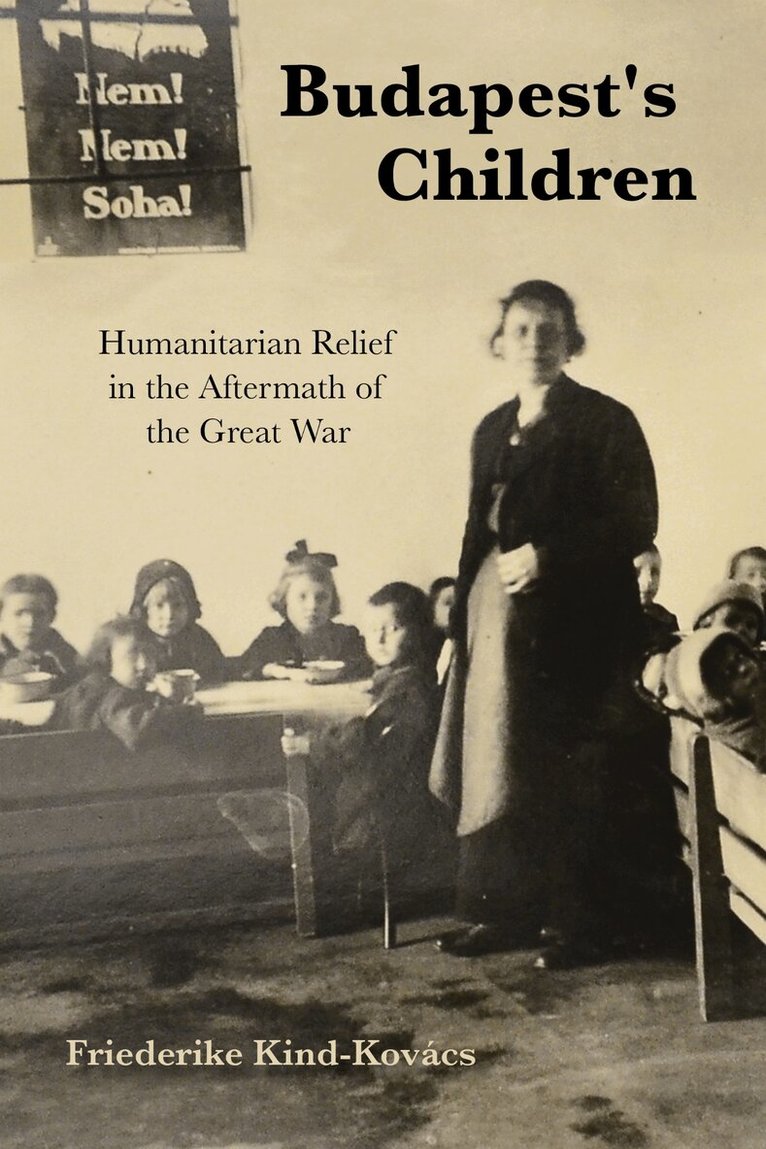
In the aftermath of World War I, international organizations descended upon the destitute children living in the rubble of Budapest and the city became a testing ground for how the West would handle the most vulnerable residents of a former enemy state.Budapest's Children reconstructs how Budapest turned into a laboratory of transnational humanitarian intervention. Friederike Kind-Kovács explores the ways in which migration, hunger, and destitution affected children's lives, casting light on children's particular vulnerability in times of distress. Drawing on extensive archival research, Kind-Kovács reveals how Budapest's children, as iconic victims of the war's aftermath, were used to mobilize humanitarian sentiments and practices throughout Europe and the United States. With this research, Budapest's Children investigates the dynamic interplay between local Hungarian organizations, international humanitarian donors, and the child relief recipients. In tracing transnational relief encounters, Budapest's Children reveals how intertwined postwar internationalism and nationalism were and how child relief reinforced revisionist claims and global inequalities that still reverberate today.
Häftad, Engelska, 2022, 12-15 år
406 kr
Skickas inom 5-8 vardagar
In the aftermath of World War I, international organizations descended upon the destitute children living in the rubble of Budapest and the city became a testing ground for how the West would handle the most vulnerable residents of a former enemy state.Budapest's Children reconstructs how Budapest turned into a laboratory of transnational humanitarian intervention. Friederike Kind-Kovács explores the ways in which migration, hunger, and destitution affected children's lives, casting light on children's particular vulnerability in times of distress. Drawing on extensive archival research, Kind-Kovács reveals how Budapest's children, as iconic victims of the war's aftermath, were used to mobilize humanitarian sentiments and practices throughout Europe and the United States. With this research, Budapest's Children investigates the dynamic interplay between local Hungarian organizations, international humanitarian donors, and the child relief recipients. In tracing transnational relief encounters, Budapest's Children reveals how intertwined postwar internationalism and nationalism were and how child relief reinforced revisionist claims and global inequalities that still reverberate today.
Inbunden, Engelska, 2022
741 kr
Skickas inom 5-8 vardagar
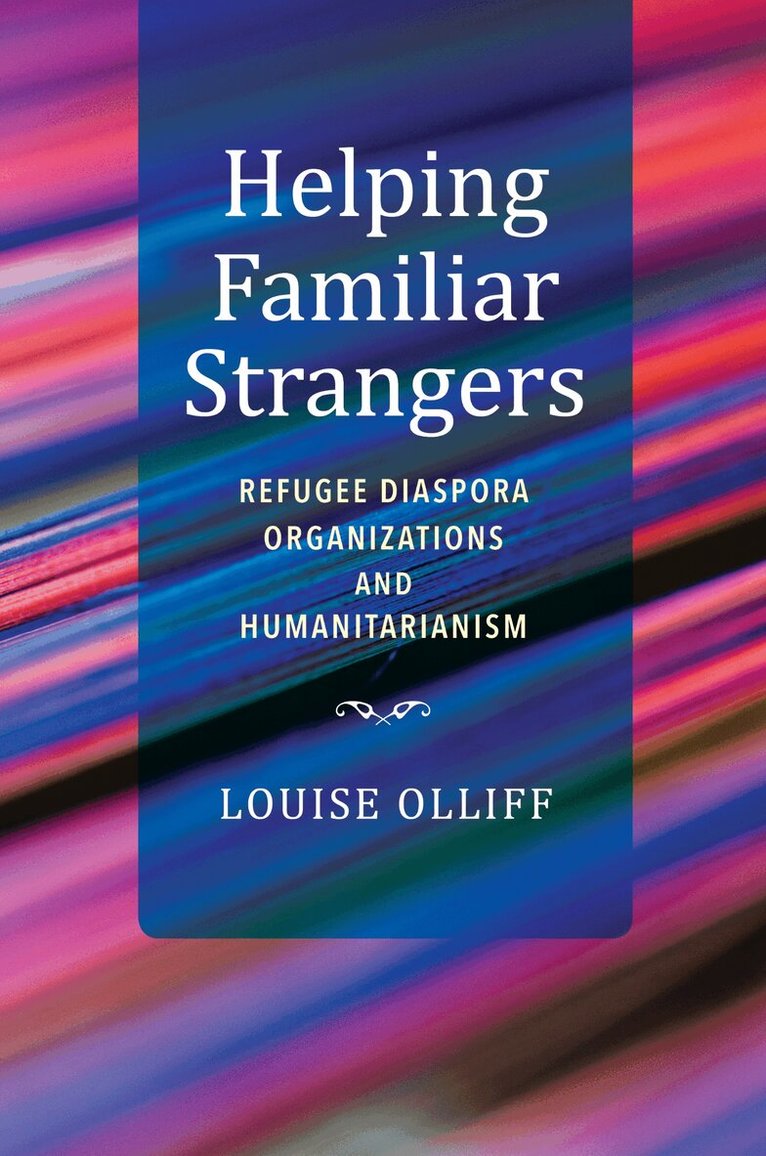
Who helps in situations of forced displacement? How and why do they get involved?In Helping Familiar Strangers, Louise Olliff focuses on one type of humanitarian group, refugee diaspora organizations (RDOs), to explore the complicated impulses, practices, and relationships between these activists and the "familiar strangers" they try to help. By documenting findings from ethnographic research and interviews with resettled and displaced persons, RDO representatives, and humanitarian professionals in Australia, Switzerland, Thailand, and Indonesia, Olliff reveals that former refugees are actively involved in helping people in situations of forced displacement and that individuals with lived experience of forced displacement have valuable knowledge, skills, and networks that can be drawn on in times of humanitarian crisis.We live in a world where humanitarians have varying motivations, capacities, and ways of helping those in need, and Helping Familiar Strangers confirms that RDOs and similar groups are an important part of the tapestry of care that people turn to when seeking protection far from home.
Häftad, Engelska, 2022
288 kr
Skickas inom 5-8 vardagar
Who helps in situations of forced displacement? How and why do they get involved?In Helping Familiar Strangers, Louise Olliff focuses on one type of humanitarian group, refugee diaspora organizations (RDOs), to explore the complicated impulses, practices, and relationships between these activists and the "familiar strangers" they try to help. By documenting findings from ethnographic research and interviews with resettled and displaced persons, RDO representatives, and humanitarian professionals in Australia, Switzerland, Thailand, and Indonesia, Olliff reveals that former refugees are actively involved in helping people in situations of forced displacement and that individuals with lived experience of forced displacement have valuable knowledge, skills, and networks that can be drawn on in times of humanitarian crisis.We live in a world where humanitarians have varying motivations, capacities, and ways of helping those in need, and Helping Familiar Strangers confirms that RDOs and similar groups are an important part of the tapestry of care that people turn to when seeking protection far from home.
Inbunden, Engelska, 2023
699 kr
Skickas inom 5-8 vardagar
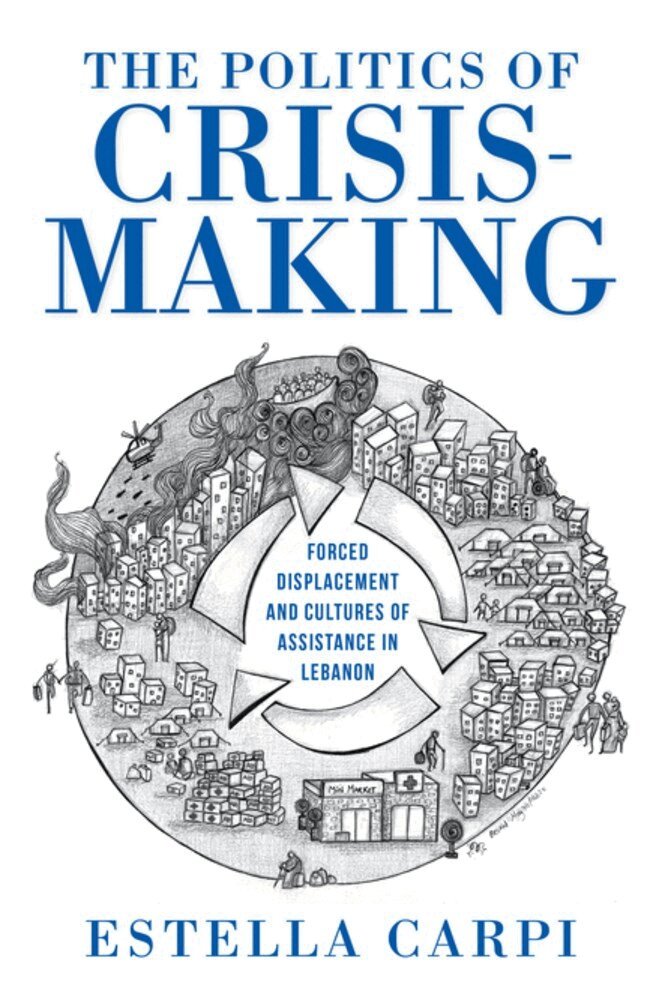
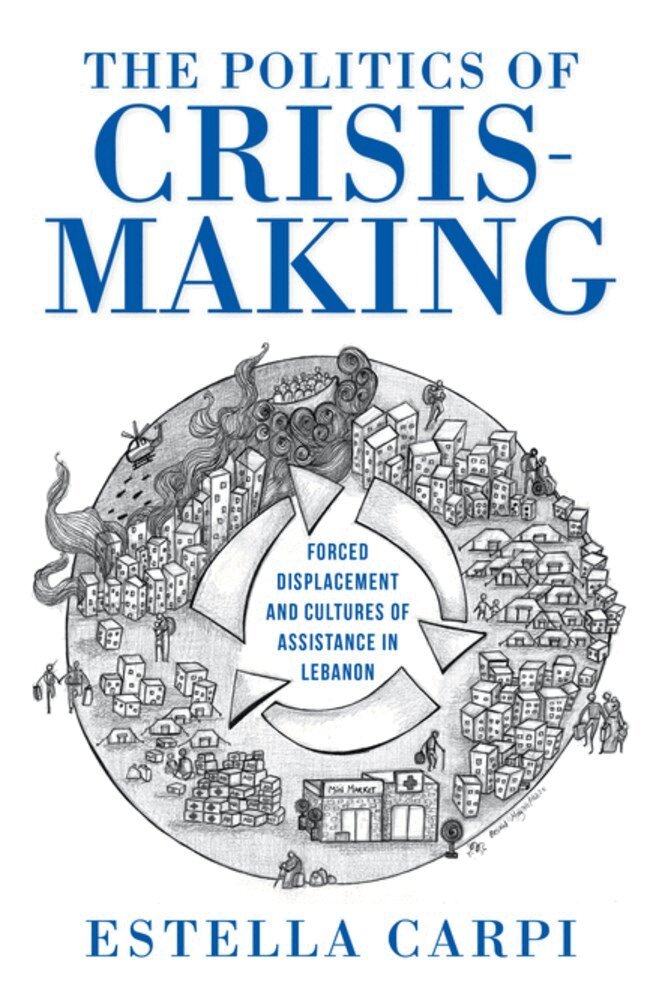
Traditionally, humanitarianism is considered a nonpolitical urgent response to human suffering. However, this characterization ignores the politics that create and are created by the crises and the increasingly long-term dimension of relief. In The Politics of Crisis-Making, by shedding light on how humanitarian practice becomes enmeshed with diverse forms of welfare and development, Estella Carpi exposes how the politics of defining crises affect the social identity and membership of the displaced. Her ethnographic research in Lebanon brings to light interactions among aid workers, government officials, internally displaced citizens, migrants, and refugees after the 2006 war in Beirut's southern suburbs and during the 2011-2013 arrival of refugees from Syria to the Akkar District (northern Lebanon). By documenting different cultures, modalities, and traditions of assistance, Carpi offers a full account of how the politics of crisis-making play out in Lebanon. An important read, The Politics of Crisis-Making shows that it is not crisis per se, but rather the crisis as official discourse and management that are able to reshuffle societies, while engendering unequal political, moral, and nationality-based economies.
Häftad, Engelska, 2023
305 kr
Skickas
Traditionally, humanitarianism is considered a nonpolitical urgent response to human suffering. However, this characterization ignores the politics that create and are created by the crises and the increasingly long-term dimension of relief. In The Politics of Crisis-Making, by shedding light on how humanitarian practice becomes enmeshed with diverse forms of welfare and development, Estella Carpi exposes how the politics of defining crises affect the social identity and membership of the displaced. Her ethnographic research in Lebanon brings to light interactions among aid workers, government officials, internally displaced citizens, migrants, and refugees after the 2006 war in Beirut's southern suburbs and during the 2011-2013 arrival of refugees from Syria to the Akkar District (northern Lebanon). By documenting different cultures, modalities, and traditions of assistance, Carpi offers a full account of how the politics of crisis-making play out in Lebanon. An important read, The Politics of Crisis-Making shows that it is not crisis per se, but rather the crisis as official discourse and management that are able to reshuffle societies, while engendering unequal political, moral, and nationality-based economies.
Inbunden, Engelska, 2024
859 kr
Skickas inom 5-8 vardagar
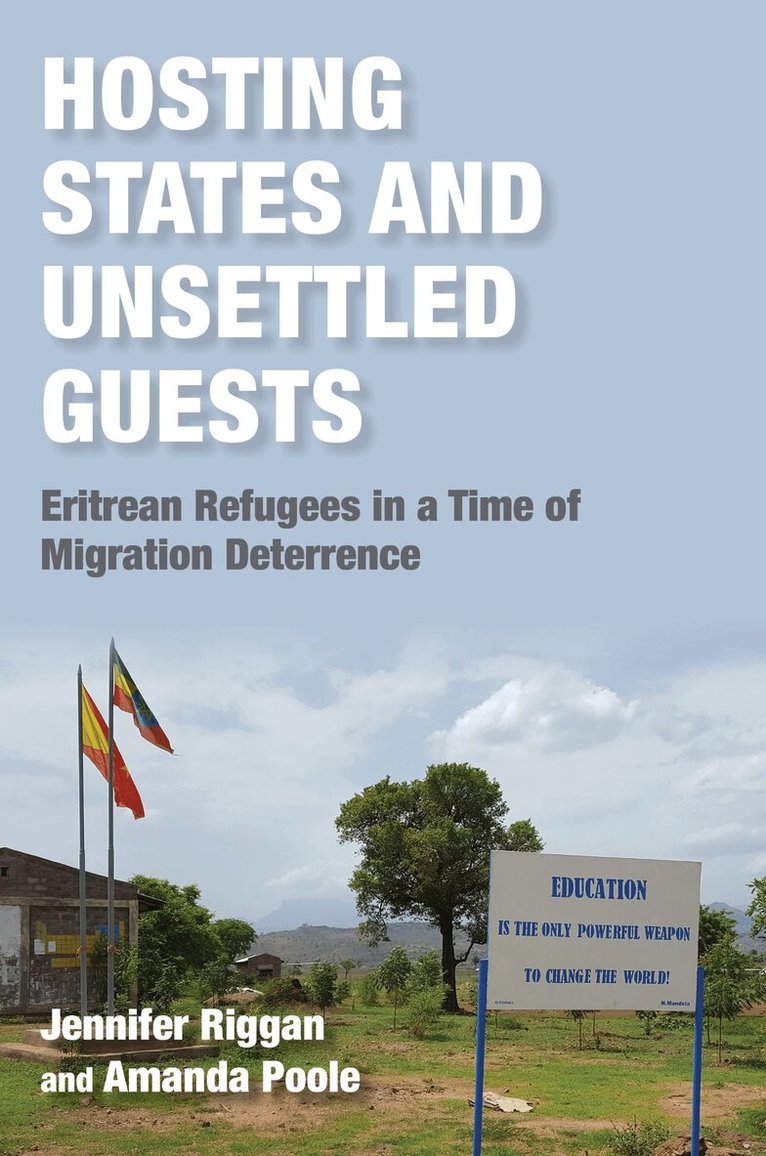
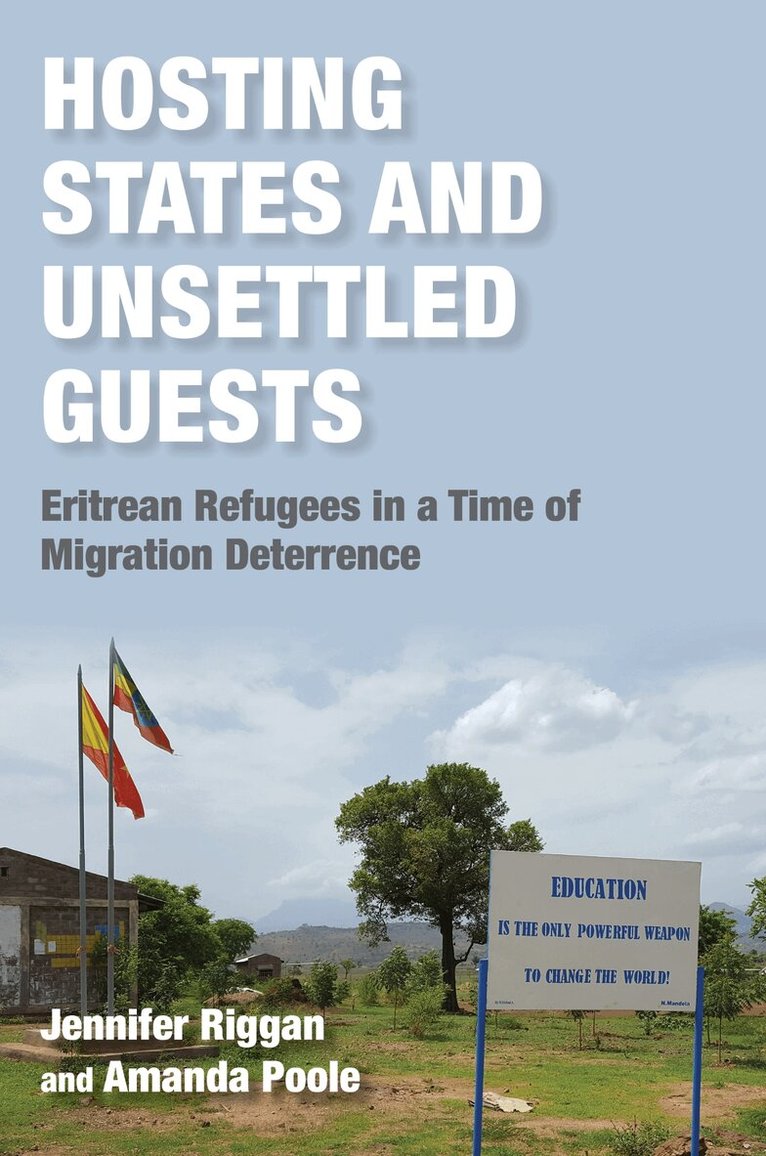
As wealthy countries build walls to keep migrants out, countries in the Global South are celebrated for their hospitality towards refugees. Hosting States and Unsettled Guests asks the question: did these policies enable refugees to consider their new country home?Beginning in 2016, Ethiopia promoted local integration, economic opportunities, and access to education for refugees in order to encourage them to stay long-term rather than migrate towards Europe. But by 2020 a political overhaul and the outbreak of war in Northern Ethiopia foreclosed these opportunities, particularly for Eritrean refugees in Ethiopia. How did Eritrean refugees envision their future in light of the discrepancy between promising policies and ongoing instability? Using ethnographic interviews and participant observation with government officials, NGOs, and refugees in three camps in northern Ethiopia and Addis Ababa, Jennifer Riggan and Amanda Poole explore refugee notions of progress, care, hope, and futurity. Caught at the intersection of teleological violence and temporal agency, refugees endure the present and tenaciously produce a sense of the future even when their efforts to progress are repeatedly challenged. An important read, Hosting States and Unsettled Guests makes key empirical and theoretical contributions in forced migration studies, East African studies, anthropology and international education. Riggan and Poole deftly shift the focus of refugee studies away from Europe to regions in the Global South to understand the violence of emerging forms of migration deterrence.
Häftad, Engelska, 2024
326 kr
Skickas inom 5-8 vardagar
As wealthy countries build walls to keep migrants out, countries in the Global South are celebrated for their hospitality towards refugees. Hosting States and Unsettled Guests asks the question: did these policies enable refugees to consider their new country home?Beginning in 2016, Ethiopia promoted local integration, economic opportunities, and access to education for refugees in order to encourage them to stay long-term rather than migrate towards Europe. But by 2020 a political overhaul and the outbreak of war in Northern Ethiopia foreclosed these opportunities, particularly for Eritrean refugees in Ethiopia. How did Eritrean refugees envision their future in light of the discrepancy between promising policies and ongoing instability? Using ethnographic interviews and participant observation with government officials, NGOs, and refugees in three camps in northern Ethiopia and Addis Ababa, Jennifer Riggan and Amanda Poole explore refugee notions of progress, care, hope, and futurity. Caught at the intersection of teleological violence and temporal agency, refugees endure the present and tenaciously produce a sense of the future even when their efforts to progress are repeatedly challenged. An important read, Hosting States and Unsettled Guests makes key empirical and theoretical contributions in forced migration studies, East African studies, anthropology and international education. Riggan and Poole deftly shift the focus of refugee studies away from Europe to regions in the Global South to understand the violence of emerging forms of migration deterrence.
Inbunden, Engelska, 2026
884 kr
Skickas inom 5-8 vardagar
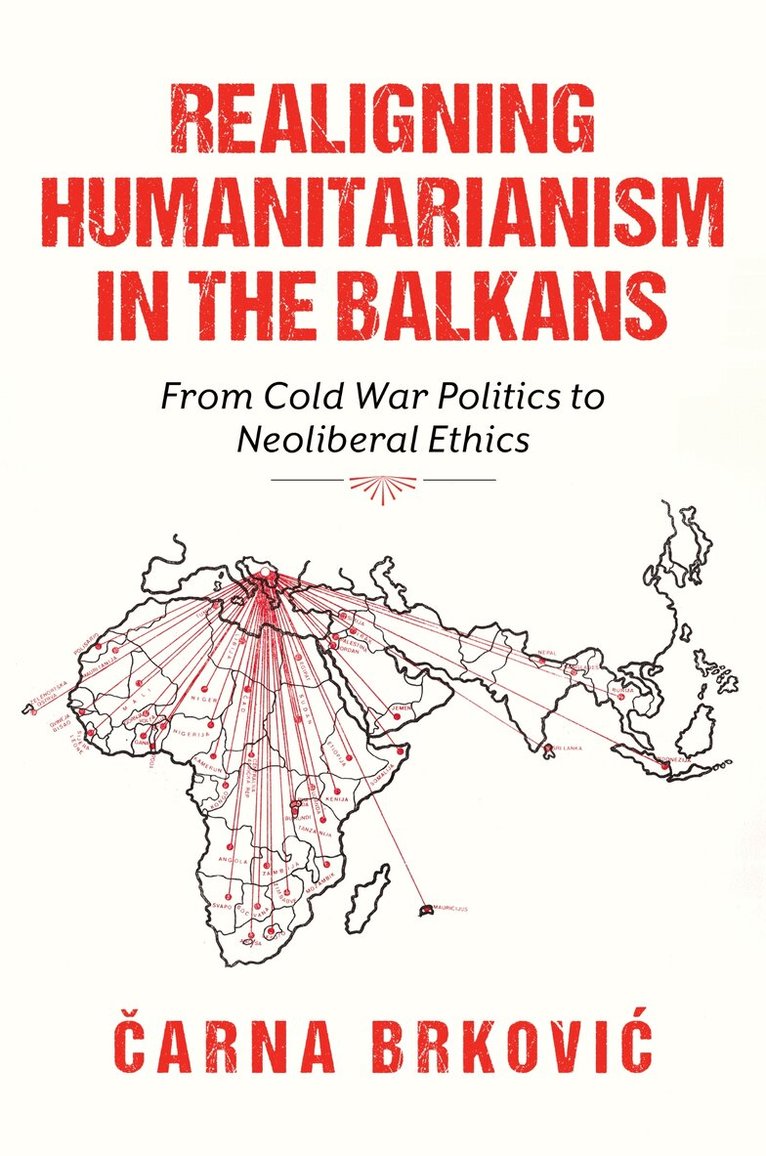
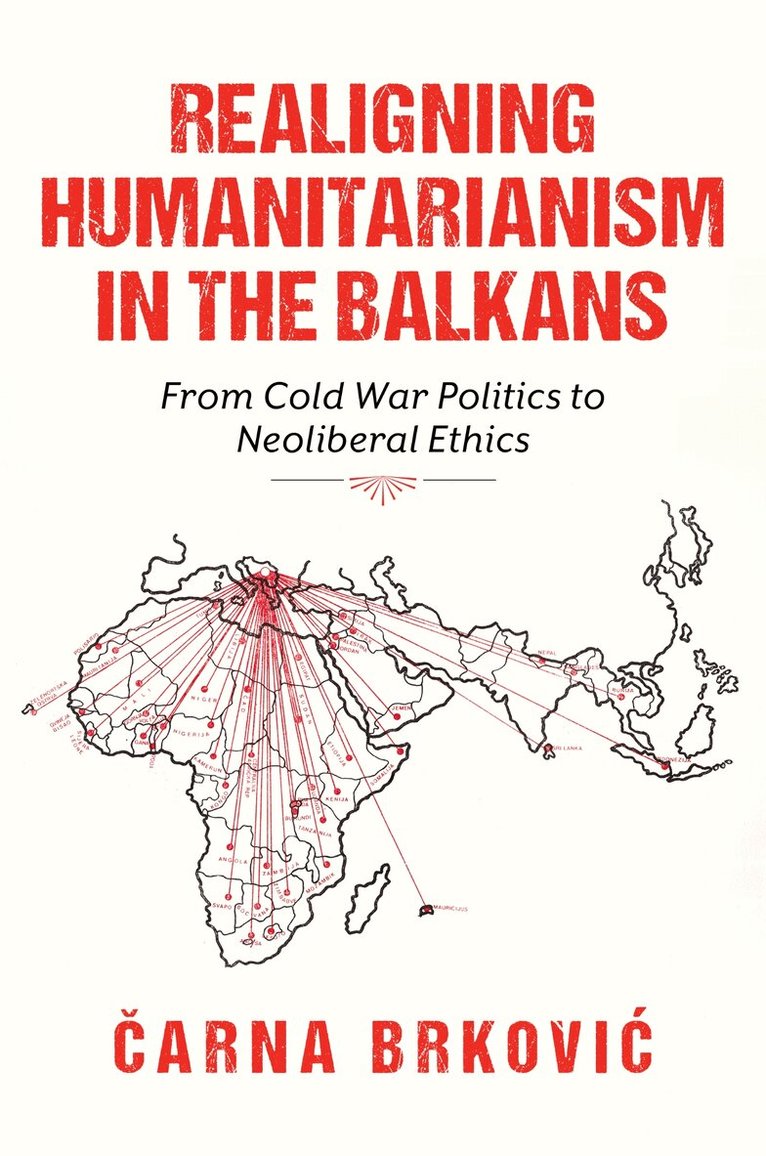
During the Cold War, humanitarianism became the focus of intense debates among intellectuals, politicians, and diplomats from capitalist, socialist, and nonaligned countries about the boundaries between the political and nonpolitical. However, with the fall of socialism near the end of the twentieth century, these discussions over what humanitarianism is, what it could be, and what it ought to be were largely forgotten.Realigning Humanitarianism in the Balkans examines how the fall of socialism changed humanitarianism in the Balkan region, beginning with the work of the Yugoslav Red Cross within the Non-Aligned Movement in the 1970s and continuing with work in Montenegro by local organizations in a refugee camp between 2000 and 2018. Author Čarna Brković traces how humanitarian regimes of care and discipline, implemented by local staff, have become the main source of support and the main channel of sociocultural integration of displaced communities in the Balkans. Within these regimes, though, structural problems generate a profound sense of disappointment for both the humanitarians and the displaced people.By tracing the shifts in humanitarianism between the West, the East, and the South, Realigning Humanitarianism in the Balkans uncovers how the fall of state socialism shaped not only humanitarian practices but also how we analyze them – often in ways that have gone unnoticed.
Häftad, Engelska, 2026
342 kr
Skickas
During the Cold War, humanitarianism became the focus of intense debates among intellectuals, politicians, and diplomats from capitalist, socialist, and nonaligned countries about the boundaries between the political and nonpolitical. However, with the fall of socialism near the end of the twentieth century, these discussions over what humanitarianism is, what it could be, and what it ought to be were largely forgotten.Realigning Humanitarianism in the Balkans examines how the fall of socialism changed humanitarianism in the Balkan region, beginning with the work of the Yugoslav Red Cross within the Non-Aligned Movement in the 1970s and continuing with work in Montenegro by local organizations in a refugee camp between 2000 and 2018. Author Čarna Brković traces how humanitarian regimes of care and discipline, implemented by local staff, have become the main source of support and the main channel of sociocultural integration of displaced communities in the Balkans. Within these regimes, though, structural problems generate a profound sense of disappointment for both the humanitarians and the displaced people.By tracing the shifts in humanitarianism between the West, the East, and the South, Realigning Humanitarianism in the Balkans uncovers how the fall of state socialism shaped not only humanitarian practices but also how we analyze them—often in ways that have gone unnoticed.
Inbunden, Engelska, 2026
965 kr
Skickas inom 5-8 vardagar
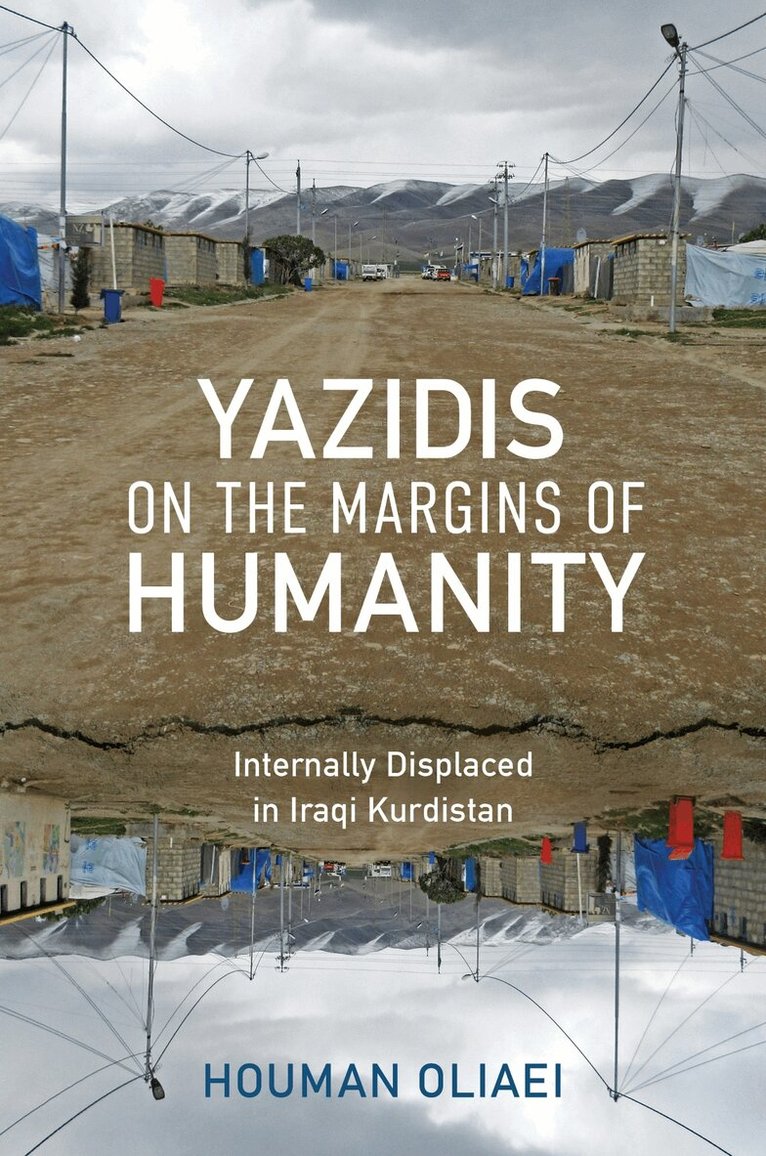
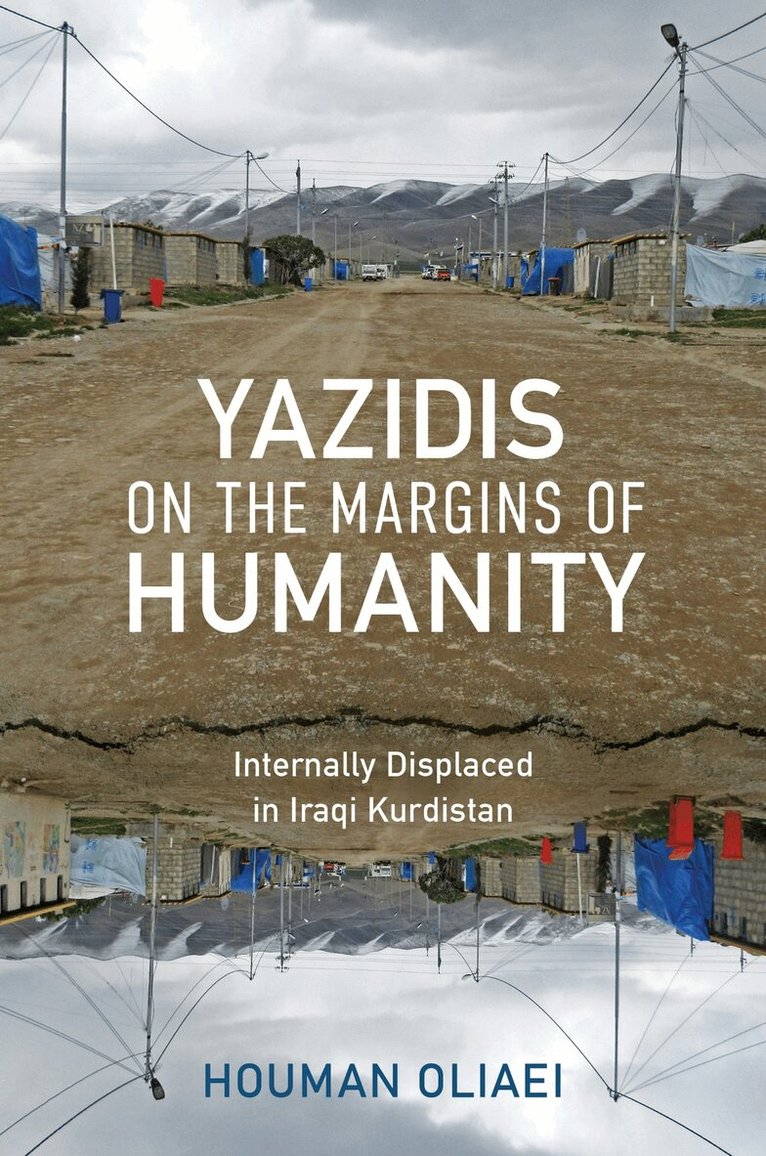
After ISIS's 2014 genocide, hundreds of thousands of Yazidis fled Sinjar, their ancestral homeland in northern Iraq. Most stayed within Iraq's borders, settling in camps and informal settlements in the Kurdistan Region. While global attention often focuses on refugees who cross international borders, the Yazidis' experience exemplifies a far more common but less visible form of displacement: people forced from their homes yet remaining inside their own country as internally displaced persons (IDPs).Drawing on research among displaced Yazidis in the Kurdistan Region of Iraq, Yazidis on the Margins of Humanity traces how they navigate the contradictions of internal displacement. Author Houman Oliaei shows how this produces a paradox of protection: international actors treat IDPs as too much like citizens to merit intervention, while governments deem them too displaced to be recognized as full citizens. In this interstitial space, Yazidis become hypervisible as victims but erased as political subjects. They are caught between formal citizenship and humanitarian aid, suspended between a traumatic past and a future they cannot securely claim, and confined to camps that weaponize impermanence to manage and eventually expel their residents.Yazidis on the Margins of Humanity argues that internal displacement today is not just a humanitarian problem but a political project of dispossession. States maintain sovereignty over populations they have effectively abandoned, while humanitarian institutions transform citizens into objects of care stripped of their political rights.
Häftad, Engelska, 2026
392 kr
Skickas
After ISIS's 2014 genocide, hundreds of thousands of Yazidis fled Sinjar, their ancestral homeland in northern Iraq. Most stayed within Iraq's borders, settling in camps and informal settlements in the Kurdistan Region. While global attention often focuses on refugees who cross international borders, the Yazidis' experience exemplifies a far more common but less visible form of displacement: people forced from their homes yet remaining inside their own country as internally displaced persons (IDPs).Drawing on research among displaced Yazidis in the Kurdistan Region of Iraq, Yazidis on the Margins of Humanity traces how they navigate the contradictions of internal displacement. Author Houman Oliaei shows how this produces a paradox of protection: international actors treat IDPs as too much like citizens to merit intervention, while governments deem them too displaced to be recognized as full citizens. In this interstitial space, Yazidis become hypervisible as victims but erased as political subjects. They are caught between formal citizenship and humanitarian aid, suspended between a traumatic past and a future they cannot securely claim, and confined to camps that weaponize impermanence to manage and eventually expel their residents.Yazidis on the Margins of Humanity argues that internal displacement today is not just a humanitarian problem but a political project of dispossession. States maintain sovereignty over populations they have effectively abandoned, while humanitarian institutions transform citizens into objects of care stripped of their political rights.
Inbunden, Engelska, 2027
998 kr
Kommande
Häftad, Engelska, 2027
407 kr
Kommande