Art, Creativity, and Psychoanalysis Book Series – serie
Visar alla böcker i serien Art, Creativity, and Psychoanalysis Book Series. Handla med fri frakt och snabb leverans.
18 produkter
18 produkter
Inbunden, Engelska, 2019
1 990 kr
Skickas inom 10-15 vardagar
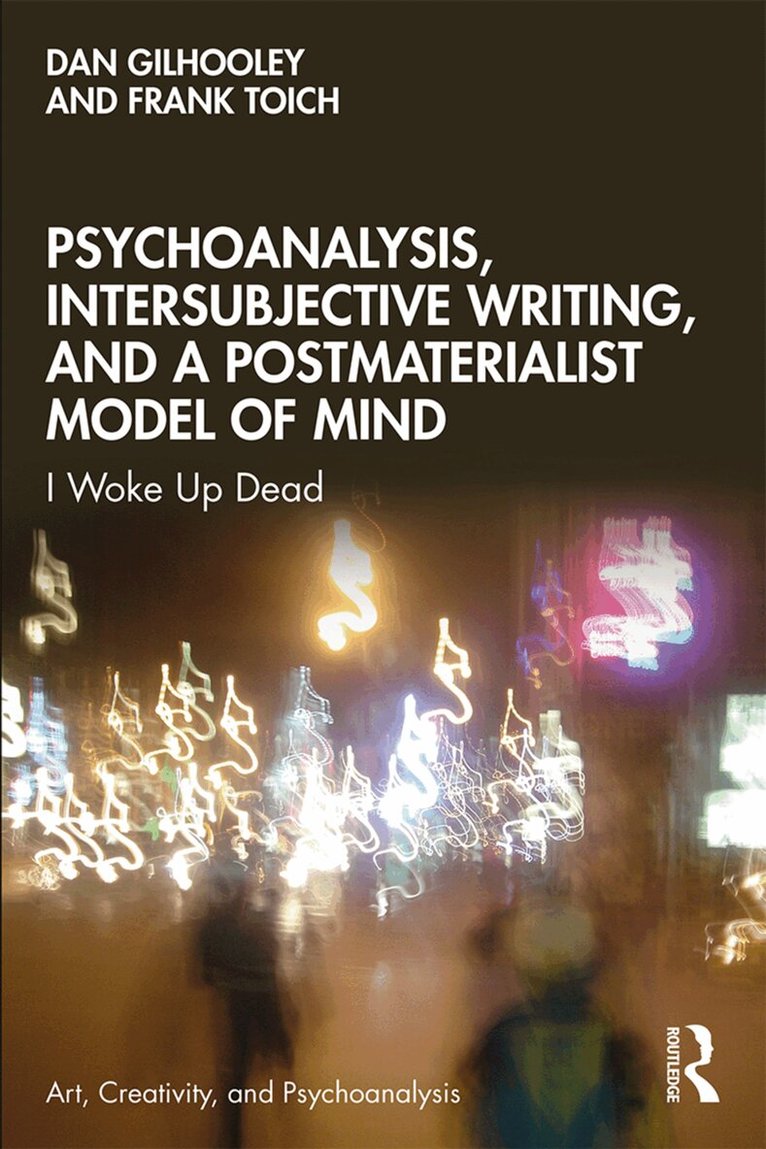
In this in-depth and unique collaboration between a patient and his psychoanalyst, Psychoanalysis, Intersubjective Writing, and a Postmaterialist Model of Mind: I Woke Up Dead examines the unconscious mind by analysing the patient’s novel written during his treatment as the focus. Using the patient’s creative writing and their intersubjective relationship as evidence, Dan Gilhooley and Frank Toich show how psychoanalysis fits within a postmaterialist model of mind.In this ground-breaking exploration, Gilhooley and Toich together demonstrate how a nonlocal unconscious can reshape the psychoanalytic conception of the mind. Split into four parts, Intersubjective, Quantum, History and Collaboration, Dan introduces three themes in the first: recovery from death, the intersubjective nature of therapeutic work and the role of creative imagination, combining these themes with analysis of Frank’s work and short, related stories from his own life. Part II, Quantum, introduces the concept of nonlocality to describe the mind and draws on the appearance of quantum physics in Frank’s science fiction, before moving onto Part III, History, which examines the emergence of psychoanalysis out of animal magnetism, looking at rapport, telepathy and love in psychotherapy. Finally, Collaboration discusses their ongoing psychotherapeutic experiment, the role of imagination, dissociation and the cosmic mind in psychological growth. Interweaving creative writing, psychoanalytic theory and real-life stories, the book re-contextualizes the history and future of psychoanalysis.Due to its multidisciplinary nature, this book will appeal to psychotherapists and psychologists in practice and in training. It would also be a vital resource for academics and students of counseling, consciousness studies, psychoanalysis, psychotherapy and psychology.
Häftad, Engelska, 2019
545 kr
Skickas inom 10-15 vardagar
In this in-depth and unique collaboration between a patient and his psychoanalyst, Psychoanalysis, Intersubjective Writing, and a Postmaterialist Model of Mind: I Woke Up Dead examines the unconscious mind by analysing the patient’s novel written during his treatment as the focus. Using the patient’s creative writing and their intersubjective relationship as evidence, Dan Gilhooley and Frank Toich show how psychoanalysis fits within a postmaterialist model of mind.In this ground-breaking exploration, Gilhooley and Toich together demonstrate how a nonlocal unconscious can reshape the psychoanalytic conception of the mind. Split into four parts, Intersubjective, Quantum, History and Collaboration, Dan introduces three themes in the first: recovery from death, the intersubjective nature of therapeutic work and the role of creative imagination, combining these themes with analysis of Frank’s work and short, related stories from his own life. Part II, Quantum, introduces the concept of nonlocality to describe the mind and draws on the appearance of quantum physics in Frank’s science fiction, before moving onto Part III, History, which examines the emergence of psychoanalysis out of animal magnetism, looking at rapport, telepathy and love in psychotherapy. Finally, Collaboration discusses their ongoing psychotherapeutic experiment, the role of imagination, dissociation and the cosmic mind in psychological growth. Interweaving creative writing, psychoanalytic theory and real-life stories, the book re-contextualizes the history and future of psychoanalysis.Due to its multidisciplinary nature, this book will appeal to psychotherapists and psychologists in practice and in training. It would also be a vital resource for academics and students of counseling, consciousness studies, psychoanalysis, psychotherapy and psychology.
Inbunden, Engelska, 2024
2 132 kr
Skickas inom 10-15 vardagar
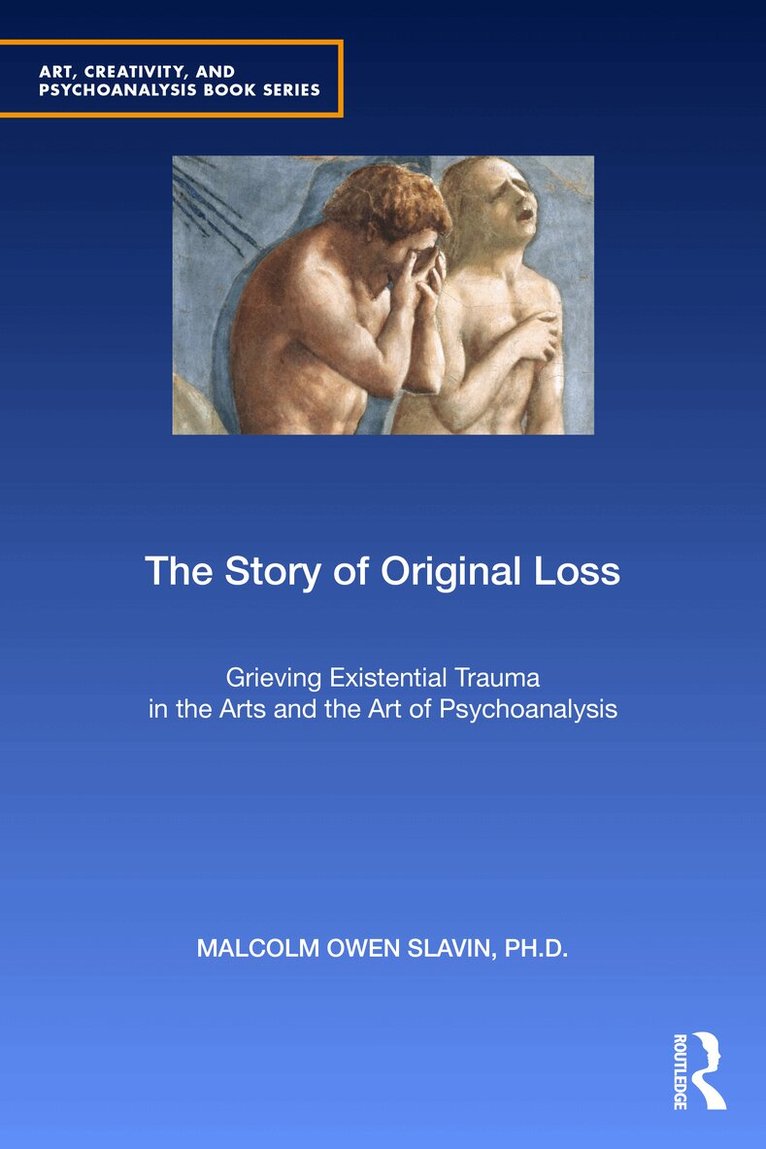
This book explores the universal human existential trauma of "original loss," a trauma the author describes as arising from our primal, human evolutionary loss of experiencing ourselves as innately belonging to, and instinctively at home within, the larger natural world.In this trauma arose our existential awareness of impermanence and mortality along with the need to mourn that loss in order to create a sense of belonging and identity. The book describes how the invention of art and group ritual became the collective ways we mourn our shared existential loss. It describes as well how it is the art within the psychoanalytic practice that enables both patient and analyst to grieve their individual versions of our shared original loss. Drawing on the work of Winnicott, Loewald and Ogden, as well as art theory and religion, this book offers a new perspective on the intersection of metaphorical artistic thinking and psychoanalysis.This book will appeal to psychoanalysts, psychotherapists, and scholars of poetic, visual and muscial metaphor, creativity, evolution and history of art.
Häftad, Engelska, 2024
489 kr
Skickas inom 10-15 vardagar
This book explores the universal human existential trauma of "original loss," a trauma the author describes as arising from our primal, human evolutionary loss of experiencing ourselves as innately belonging to, and instinctively at home within, the larger natural world.In this trauma arose our existential awareness of impermanence and mortality along with the need to mourn that loss in order to create a sense of belonging and identity. The book describes how the invention of art and group ritual became the collective ways we mourn our shared existential loss. It describes as well how it is the art within the psychoanalytic practice that enables both patient and analyst to grieve their individual versions of our shared original loss. Drawing on the work of Winnicott, Loewald and Ogden, as well as art theory and religion, this book offers a new perspective on the intersection of metaphorical artistic thinking and psychoanalysis.This book will appeal to psychoanalysts, psychotherapists, and scholars of poetic, visual and muscial metaphor, creativity, evolution and history of art.
Häftad, Engelska, 2020
502 kr
Skickas inom 10-15 vardagar
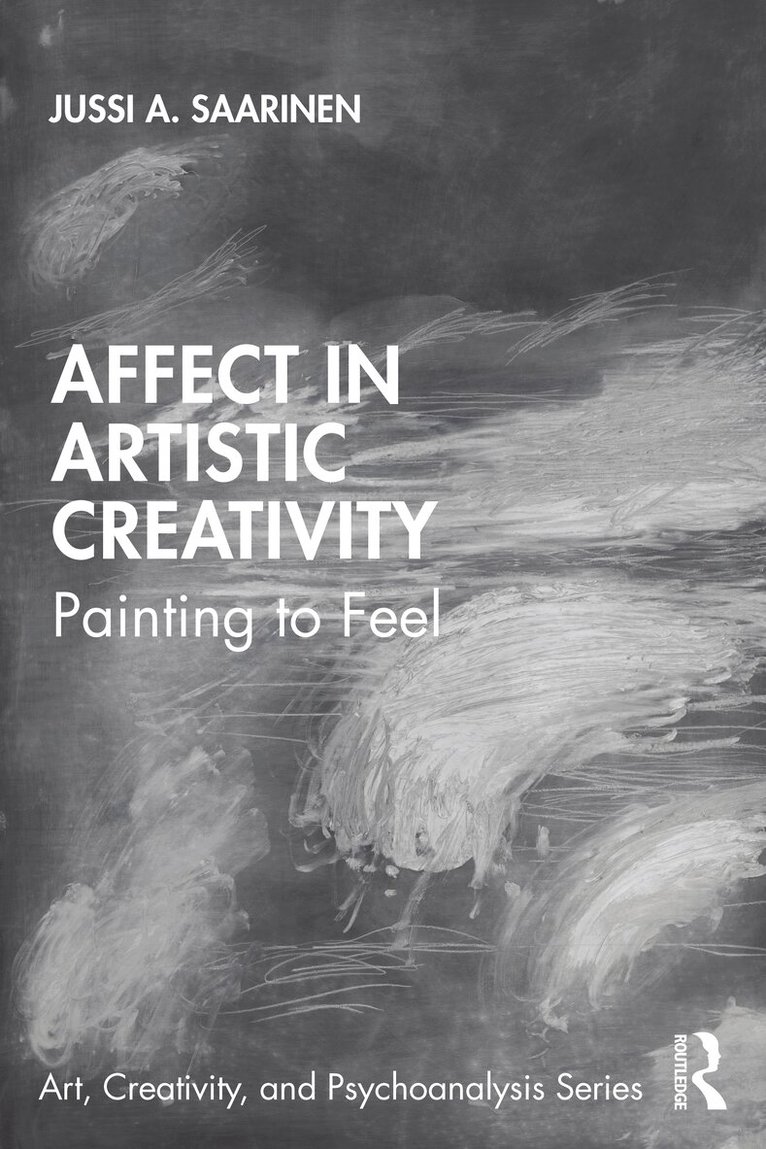
Why do painters paint? Obviously, there are numerous possible reasons. They paint to create images for others’ enjoyment, to solve visual problems, to convey ideas, and to contribute to a rich artistic tradition. This book argues that there is yet another, crucially important but often overlooked reason. Painters paint to feel. They paint because it enables them to experience special feelings, such as being absorbed in creative play and connected to something vitally significant. Painting may even transform the painter’s whole sense of being. Thus, painting is not only about producing art, communicating content, and so on, but also about setting up and inhabiting an experiential space wherein highly valued feelings are interactively enabled and supported. This book investigates how and why this happens by combining psychoanalytical theorization on creativity with philosophical thinking on affectivity. It focuses on creative experience itself, and illuminates the psychological mechanisms and dynamics that underlie the affects at stake. Painters’ own descriptions of how they feel at work are used throughout to give an accurate, true-to-life portrayal of the experience of painting. The strength of the book lies in its open-minded yet critical integration of contemporary psychoanalytic and philosophical thinking, and in its truthfulness to painters’ experiential descriptions of the painterly process. On the whole, it enriches our understanding of artistic creativity and sheds more light on how and why we come to feel the things we do. As such, the book will appeal to philosophers, psychoanalysts, and art researchers alike.
Inbunden, Engelska, 2020
2 002 kr
Skickas inom 10-15 vardagar
Why do painters paint? Obviously, there are numerous possible reasons. They paint to create images for others’ enjoyment, to solve visual problems, to convey ideas, and to contribute to a rich artistic tradition. This book argues that there is yet another, crucially important but often overlooked reason. Painters paint to feel. They paint because it enables them to experience special feelings, such as being absorbed in creative play and connected to something vitally significant. Painting may even transform the painter’s whole sense of being. Thus, painting is not only about producing art, communicating content, and so on, but also about setting up and inhabiting an experiential space wherein highly valued feelings are interactively enabled and supported. This book investigates how and why this happens by combining psychoanalytical theorization on creativity with philosophical thinking on affectivity. It focuses on creative experience itself, and illuminates the psychological mechanisms and dynamics that underlie the affects at stake. Painters’ own descriptions of how they feel at work are used throughout to give an accurate, true-to-life portrayal of the experience of painting. The strength of the book lies in its open-minded yet critical integration of contemporary psychoanalytic and philosophical thinking, and in its truthfulness to painters’ experiential descriptions of the painterly process. On the whole, it enriches our understanding of artistic creativity and sheds more light on how and why we come to feel the things we do. As such, the book will appeal to philosophers, psychoanalysts, and art researchers alike.
Inbunden, Engelska, 2020
2 061 kr
Skickas inom 10-15 vardagar
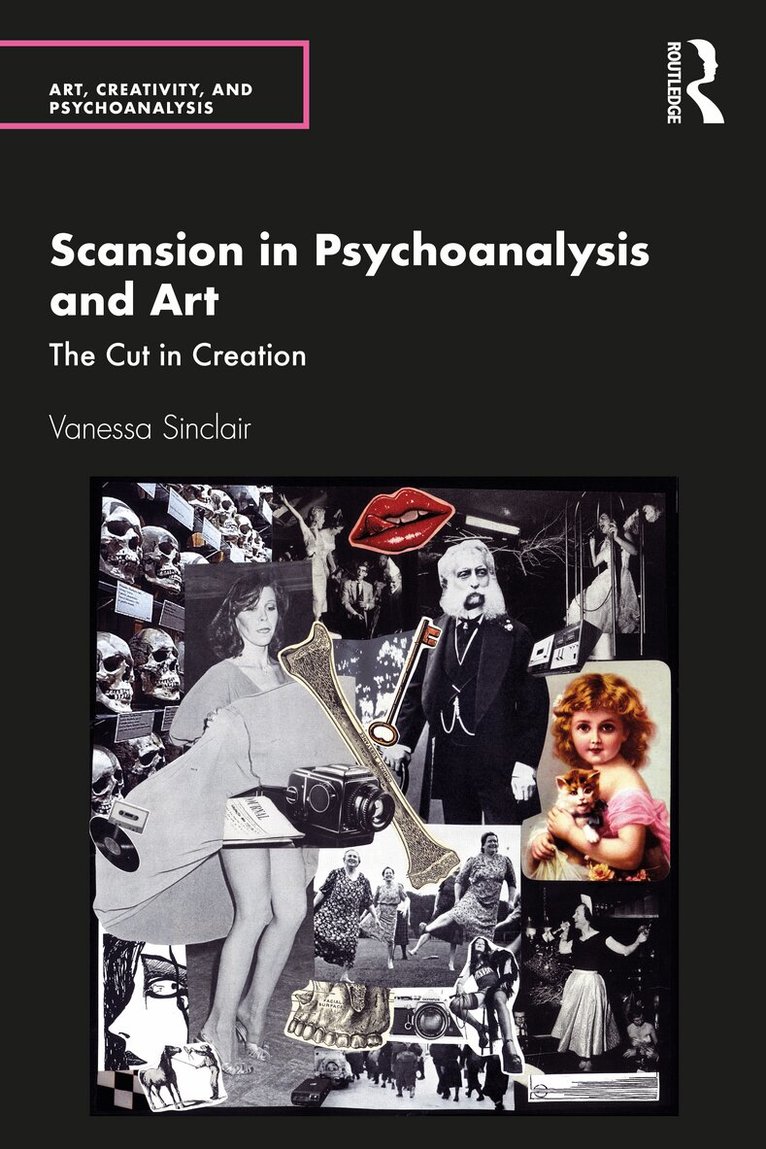
Scansion in Psychoanalysis and Art examines a strain of artists spanning more than a century, beginning at the dawn of photography and culminating in the discussion of contemporary artists, to illustrate various psychoanalytic concepts by examining artists working in a multitude of media.Drawing on the theories of Sigmund Freud, who applied psychoanalytic methods to art and literature to decipher the meaning and intention of the creator, as well as Jacques Lacan’s dissemination of scansion as a powerful disruption of narrative, the book explores examples of the long and rich relationship between psychoanalysis and the fine arts. Whilst guiding readers through the different artists and their artforms – from painting and music to poetry, collage, photography, film, performance art, technology and body modification – Sinclair interrogates scansion as a generative process often inherent of the act of creation itself. This is an intriguing book for psychoanalysts, psychologists and creative arts therapists who wish to explore the generative potential of scansion and the relationship between psychoanalysis and the arts, as well as for artists and art historians interested in a psychoanalytic view of these processes.
Häftad, Engelska, 2020
517 kr
Skickas inom 10-15 vardagar
Scansion in Psychoanalysis and Art examines a strain of artists spanning more than a century, beginning at the dawn of photography and culminating in the discussion of contemporary artists, to illustrate various psychoanalytic concepts by examining artists working in a multitude of media.Drawing on the theories of Sigmund Freud, who applied psychoanalytic methods to art and literature to decipher the meaning and intention of the creator, as well as Jacques Lacan’s dissemination of scansion as a powerful disruption of narrative, the book explores examples of the long and rich relationship between psychoanalysis and the fine arts. Whilst guiding readers through the different artists and their artforms – from painting and music to poetry, collage, photography, film, performance art, technology and body modification – Sinclair interrogates scansion as a generative process often inherent of the act of creation itself. This is an intriguing book for psychoanalysts, psychologists and creative arts therapists who wish to explore the generative potential of scansion and the relationship between psychoanalysis and the arts, as well as for artists and art historians interested in a psychoanalytic view of these processes.
Inbunden, Engelska, 2020
2 061 kr
Skickas inom 10-15 vardagar
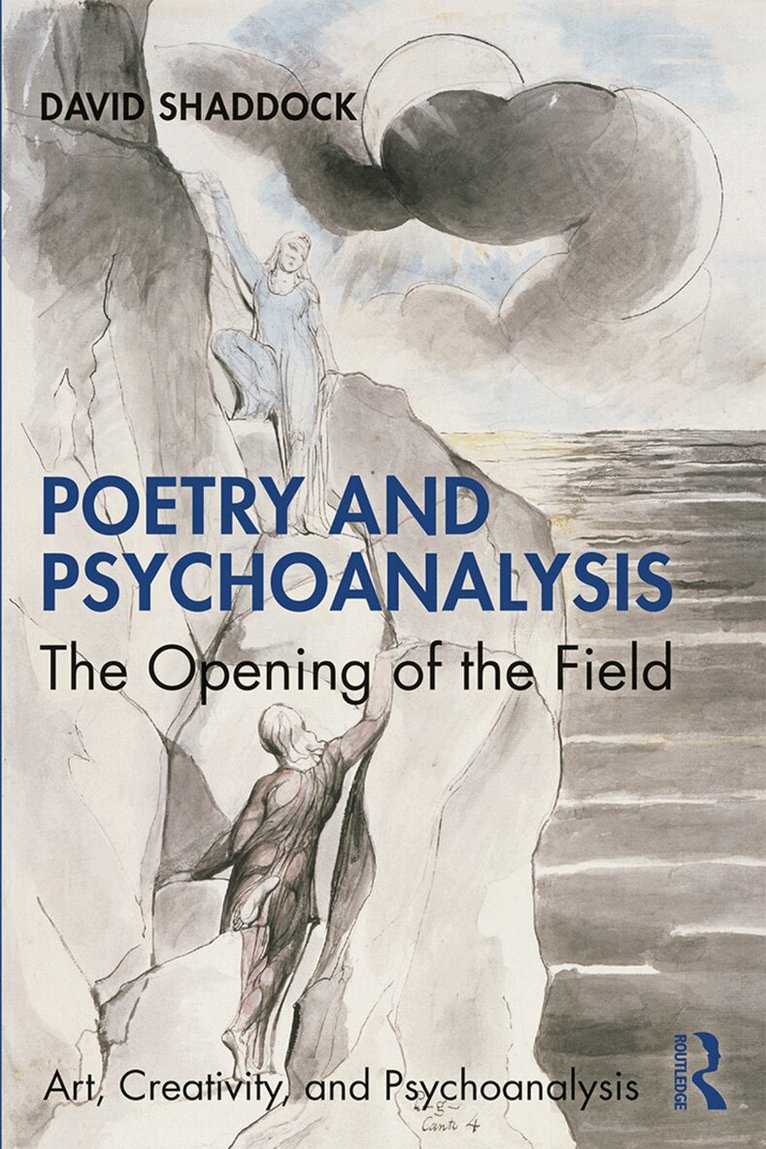
Poetry and Psychoanalysis: The Opening of the Field provides a guide to applying a poet’s imagination and precision of language to the healing endeavours of psychoanalysis while making a lucid journey through 2,000 years of transformative poetry from Virgil, Dante and Blake to the contemporary poet Claudia Rankine. Patients enter treatment with the hope of being recognized and the hope for transformation of a painful experience. David Shaddock shows how poetry can guide psychoanalysts towards meeting that hope. The book is based on the proposition that an accurate recognition of what is leads to the opening of what could be. The imaginative space that opens between poem and reader or therapist and patient can be a place of healing and transformation.Poetry and Psychoanalysis will appeal to psychoanalysts and psychoanalytic psychotherapists interested in using literature and creativity as inspiration for both their clinical work and personal growth, as well as all who love poetry.
Häftad, Engelska, 2020
517 kr
Skickas inom 10-15 vardagar
Poetry and Psychoanalysis: The Opening of the Field provides a guide to applying a poet’s imagination and precision of language to the healing endeavours of psychoanalysis while making a lucid journey through 2,000 years of transformative poetry from Virgil, Dante and Blake to the contemporary poet Claudia Rankine. Patients enter treatment with the hope of being recognized and the hope for transformation of a painful experience. David Shaddock shows how poetry can guide psychoanalysts towards meeting that hope. The book is based on the proposition that an accurate recognition of what is leads to the opening of what could be. The imaginative space that opens between poem and reader or therapist and patient can be a place of healing and transformation.Poetry and Psychoanalysis will appeal to psychoanalysts and psychoanalytic psychotherapists interested in using literature and creativity as inspiration for both their clinical work and personal growth, as well as all who love poetry.
Inbunden, Engelska, 2022
1 933 kr
Skickas inom 10-15 vardagar
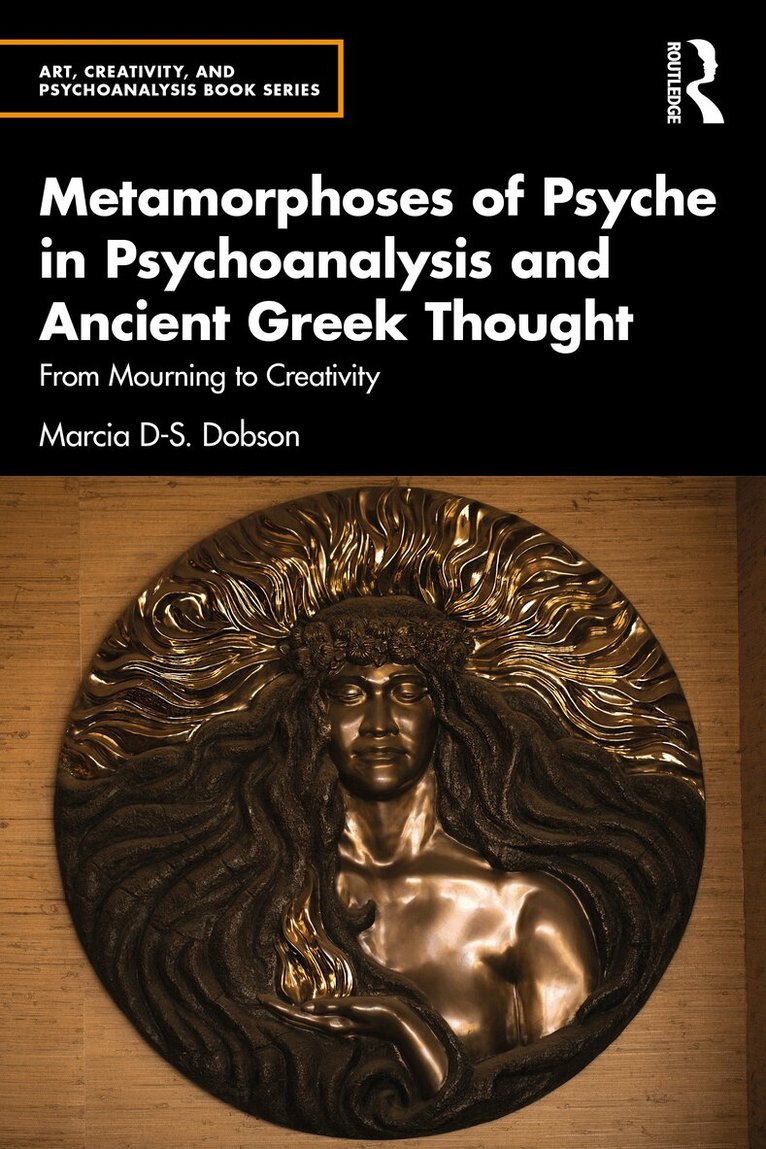
This unusual book explores the transformative power of liminal experiences in ancient Greek texts, psychoanalytic theory, and the author’s own life, to demonstrate how a contemporary understanding of ancient thought can illuminate modern psychoanalytic theory and practice especially as it relates to trauma, grief, and the development of psyche.With the understanding that liminal experiencing involves engaging a psychic space outside the boundaries of ego organization, Dobson artfully interweaves autobiography, literary analysis, philosophical ontology, and psychoanalysis, to formulate a new paradigm for how to construct human beings, how to enliven and deepen personal and therapeutic experience, and how poetic language is the gateway to this magical realm of transformation. Alongside richly detailed case analyses, the author uses her dual expertise in psychoanalysis and ancient Greek literature to explore how the maternal and liminal in human life were displaced with the rise of Athens and a new way of being human — the rational citizen — and how this repression has resulted in diminished, constricted experiencing and the suppression of women throughout western history.With a deep understanding of classical literature and psychoanalysis, and extensive clinical insights, this is essential reading for psychoanalysts, psychotherapists, classicists, and historians wishing to understand how ancient thought and modern psychoanalysis can interact.
Häftad, Engelska, 2022
475 kr
Skickas inom 10-15 vardagar
This unusual book explores the transformative power of liminal experiences in ancient Greek texts, psychoanalytic theory, and the author’s own life, to demonstrate how a contemporary understanding of ancient thought can illuminate modern psychoanalytic theory and practice especially as it relates to trauma, grief, and the development of psyche.With the understanding that liminal experiencing involves engaging a psychic space outside the boundaries of ego organization, Dobson artfully interweaves autobiography, literary analysis, philosophical ontology, and psychoanalysis, to formulate a new paradigm for how to construct human beings, how to enliven and deepen personal and therapeutic experience, and how poetic language is the gateway to this magical realm of transformation. Alongside richly detailed case analyses, the author uses her dual expertise in psychoanalysis and ancient Greek literature to explore how the maternal and liminal in human life were displaced with the rise of Athens and a new way of being human — the rational citizen — and how this repression has resulted in diminished, constricted experiencing and the suppression of women throughout western history.With a deep understanding of classical literature and psychoanalysis, and extensive clinical insights, this is essential reading for psychoanalysts, psychotherapists, classicists, and historians wishing to understand how ancient thought and modern psychoanalysis can interact.
Häftad, Engelska, 2026
562 kr
Skickas inom 10-15 vardagar
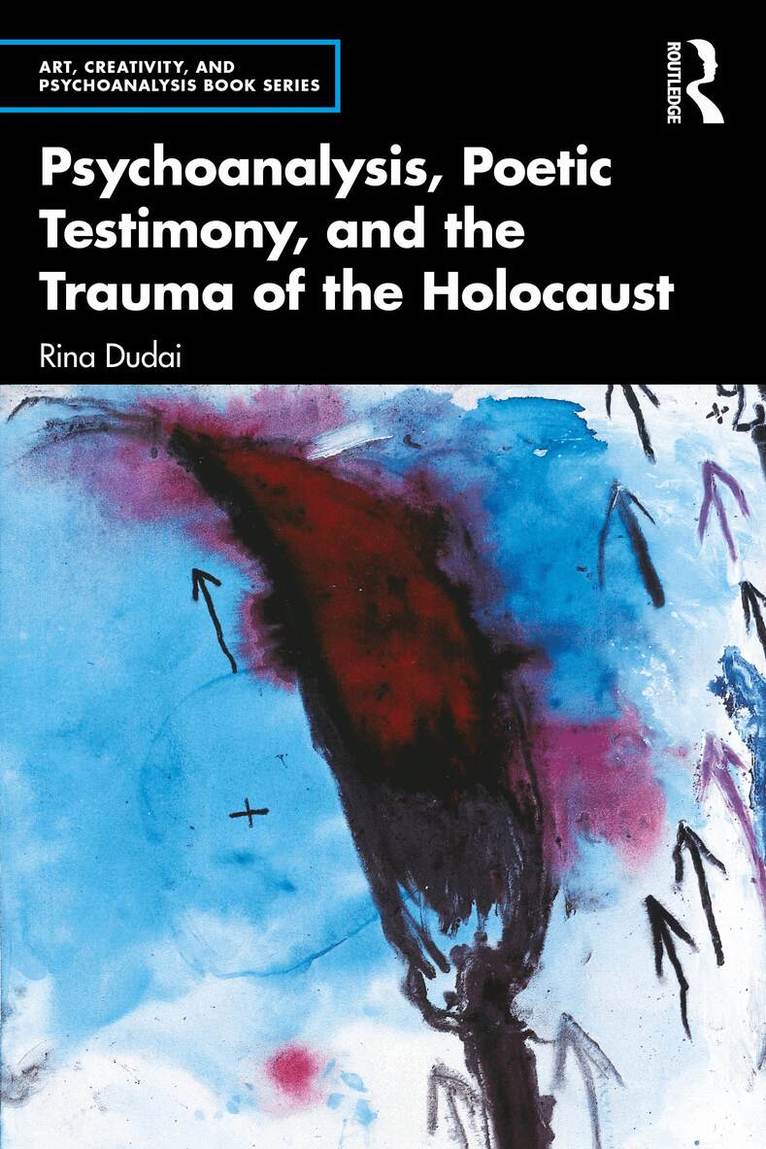
In this fascinating and innovative book, Rina Dudai looks at Holocaust trauma through the lens of poetic testimony: the act of writing poetry and prose to both relay and process traumatic events.Dudai begins with a study of both factual testimony and the act of bearing witness in the aftermath of trauma. She uses these as the foundations for her exploration of poetic testimony and the benefits the creator will find over and above other forms of testimony. Showing how this method avoids the additional trauma often brought about by making survivors directly address their experience, Dudai offers a new toolkit to psychoanalysts and psychotherapists working with patients experiencing trauma. Through an analysis of the works of three writers who survived the Holocaust – Primo Levi, Ka-Tzetnik, and Aharon Appelfeld – Dudai establishes a conceptual framework for discussing this mode of testimony and the poetic language through which it speaks. By comparing the work of these writers, Dudai identifies the distinct qualities of this form of poetic language while establishing a foundation for discourse of other literary works that deal with trauma.Through close textual analysis and the incorporation of therapeutic concepts like "acting out" and "working through," Psychoanalysis, Poetic Testimony, and the Trauma of the Holocaust is an invaluable resource to psychoanalysts and other mental health professionals working with trauma patients, as well as students and scholars of literature and 20th-century history.
Inbunden, Engelska, 2026
2 381 kr
Skickas inom 10-15 vardagar
In this fascinating and innovative book, Rina Dudai looks at Holocaust trauma through the lens of poetic testimony: the act of writing poetry and prose to both relay and process traumatic events.Dudai begins with a study of both factual testimony and the act of bearing witness in the aftermath of trauma. She uses these as the foundations for her exploration of poetic testimony and the benefits the creator will find over and above other forms of testimony. Showing how this method avoids the additional trauma often brought about by making survivors directly address their experience, Dudai offers a new toolkit to psychoanalysts and psychotherapists working with patients experiencing trauma. Through an analysis of the works of three writers who survived the Holocaust – Primo Levi, Ka-Tzetnik, and Aharon Appelfeld – Dudai establishes a conceptual framework for discussing this mode of testimony and the poetic language through which it speaks. By comparing the work of these writers, Dudai identifies the distinct qualities of this form of poetic language while establishing a foundation for discourse of other literary works that deal with trauma.Through close textual analysis and the incorporation of therapeutic concepts like "acting out" and "working through," Psychoanalysis, Poetic Testimony, and the Trauma of the Holocaust is an invaluable resource to psychoanalysts and other mental health professionals working with trauma patients, as well as students and scholars of literature and 20th-century history.
Häftad, Engelska, 2025
488 kr
Skickas inom 10-15 vardagar
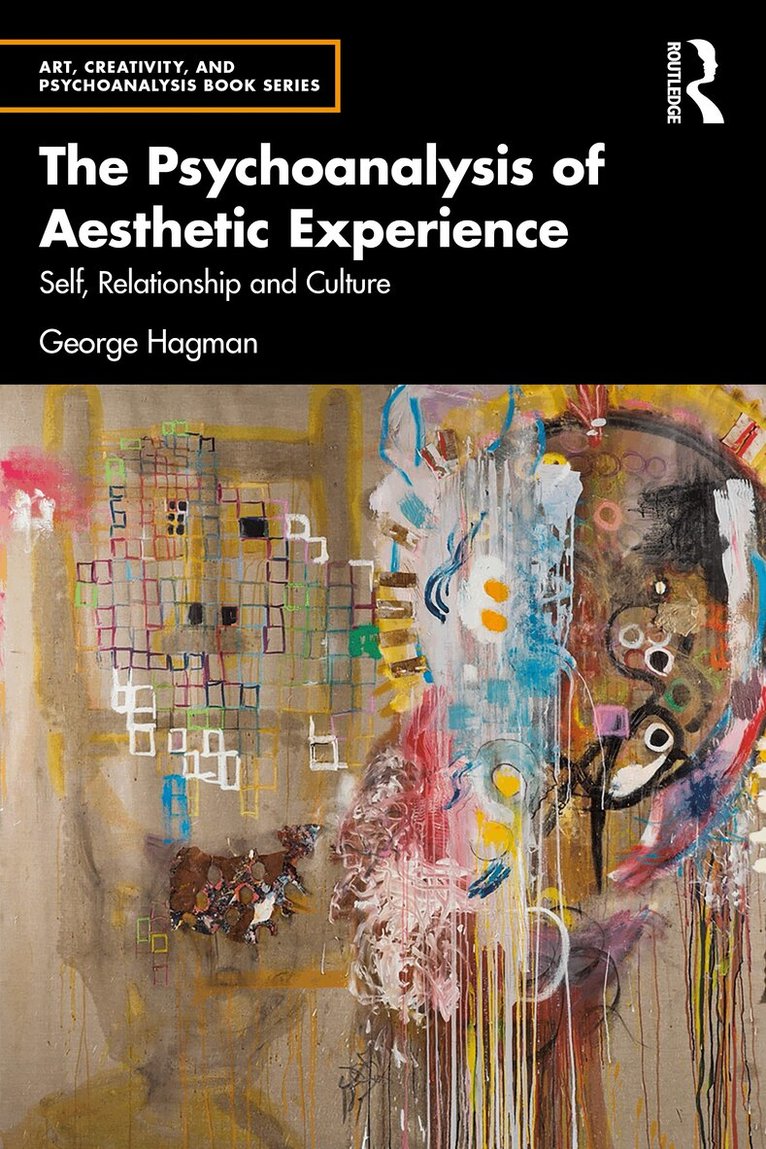
In The Psychoanalysis of Aesthetic Experience: Self, Relationship and Culture, George Hagman eloquently provides an overview of ideas regarding the aesthetic foundation of human experience and the way in which this aesthetic perspective can shed light on human development, culture, and analytic clinical process. The book discusses the relationship between the psychology of art and the aesthetics of psychoanalytic treatment. Hagman presents a comprehensive psychoanalytic model of the psychology of aesthetics, creativity, beauty, ugliness, and the sublime, as well as a theory of aesthetics across the dimensions of subjectivity, self, intersubjectivity, and culture. Starting from the point of early childhood development, he argues for the importance of exploring the implications of this important psychological phenomenon for clinical practice, highlighting how aesthetics can shed light on a dimension of the psychotherapeutic process that has thus been neglected. This book is an illuminating and informative read for all psychoanalysts, and anyone interested in the intersection of psychoanalytic practice, aesthetics, creativity, and culture.
Inbunden, Engelska, 2025
2 070 kr
Skickas inom 10-15 vardagar
In The Psychoanalysis of Aesthetic Experience: Self, Relationship and Culture, George Hagman eloquently provides an overview of ideas regarding the aesthetic foundation of human experience and the way in which this aesthetic perspective can shed light on human development, culture, and analytic clinical process. The book discusses the relationship between the psychology of art and the aesthetics of psychoanalytic treatment. Hagman presents a comprehensive psychoanalytic model of the psychology of aesthetics, creativity, beauty, ugliness, and the sublime, as well as a theory of aesthetics across the dimensions of subjectivity, self, intersubjectivity, and culture. Starting from the point of early childhood development, he argues for the importance of exploring the implications of this important psychological phenomenon for clinical practice, highlighting how aesthetics can shed light on a dimension of the psychotherapeutic process that has thus been neglected. This book is an illuminating and informative read for all psychoanalysts, and anyone interested in the intersection of psychoanalytic practice, aesthetics, creativity, and culture.
Inbunden, Engelska, 2019
1 904 kr
Skickas inom 10-15 vardagar
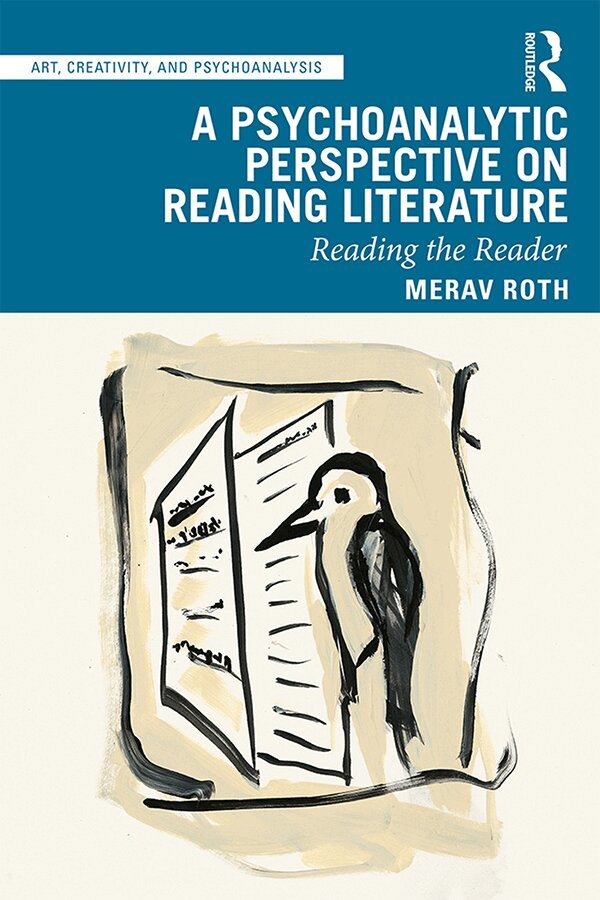
What are the unconscious processes involved in reading literature? How does literature influence our psychological development and existential challenges? A Psychoanalytic Perspective on Reading Literature offers a unique glimpse into the unconscious psychic processes and development involved in reading. The author listens to the 'free associations' of various literary characters, in numerous scenarios where the characters are themselves reading literature, thus revealing the mysterious ways in which reading literature helps us and contributes to our development. The book offers an introduction both to classic literature (Poe, Proust, Sartre, Semprún, Pessoa, Agnon and more) and to the major psychoanalytic concepts that can be used in reading it – all described and widely explained before being used as tools for interpreting the literary illustrations. The book thus offers a rich lexical psychoanalytic source, alongside its main aim in analysing the reader’s psychological mechanisms and development. Psychoanalytic interpretation of those literary readers opens three main avenues to the reader’s experience: the transference relations toward the literary characters;the literary work as means to transcend beyond the reader’s self-identity and existential boundaries; andmobilization of internal dialectic tensions towards new integration and psychic equilibrium. An Epilogue concludes by emphasising the transformational power embedded in reading literature.The fascinating dialogue between literature and psychoanalysis illuminates hitherto concealed aspects of each discipline and contributes to new insights in both fields. A Psychoanalytic Perspective on Reading Literature will be of great interest not only to psychoanalytic-psychotherapists and literature scholars, but also to a wider readership beyond these areas of study.
Häftad, Engelska, 2019
561 kr
Skickas inom 10-15 vardagar
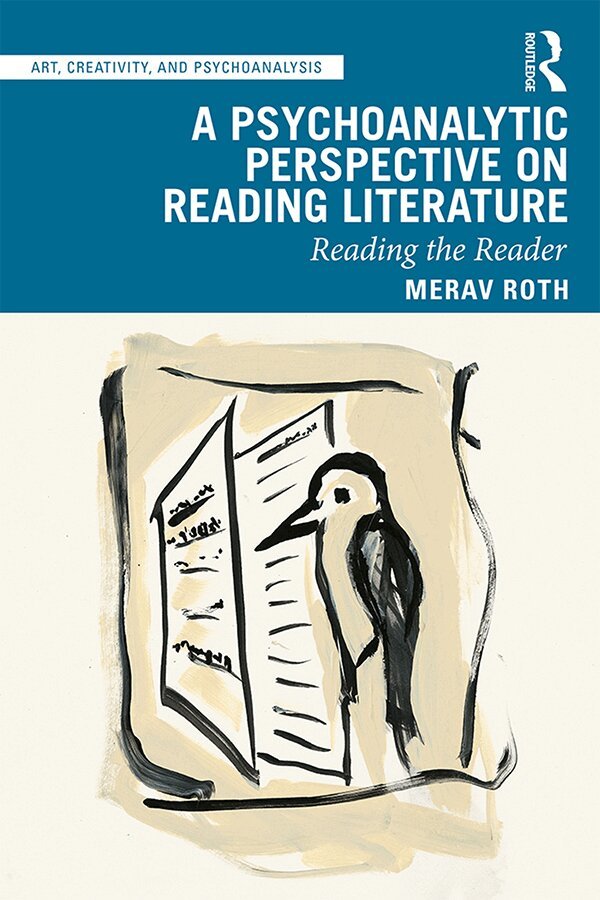
What are the unconscious processes involved in reading literature? How does literature influence our psychological development and existential challenges? A Psychoanalytic Perspective on Reading Literature offers a unique glimpse into the unconscious psychic processes and development involved in reading. The author listens to the 'free associations' of various literary characters, in numerous scenarios where the characters are themselves reading literature, thus revealing the mysterious ways in which reading literature helps us and contributes to our development. The book offers an introduction both to classic literature (Poe, Proust, Sartre, Semprún, Pessoa, Agnon and more) and to the major psychoanalytic concepts that can be used in reading it – all described and widely explained before being used as tools for interpreting the literary illustrations. The book thus offers a rich lexical psychoanalytic source, alongside its main aim in analysing the reader’s psychological mechanisms and development. Psychoanalytic interpretation of those literary readers opens three main avenues to the reader’s experience: the transference relations toward the literary characters;the literary work as means to transcend beyond the reader’s self-identity and existential boundaries; andmobilization of internal dialectic tensions towards new integration and psychic equilibrium. An Epilogue concludes by emphasising the transformational power embedded in reading literature.The fascinating dialogue between literature and psychoanalysis illuminates hitherto concealed aspects of each discipline and contributes to new insights in both fields. A Psychoanalytic Perspective on Reading Literature will be of great interest not only to psychoanalytic-psychotherapists and literature scholars, but also to a wider readership beyond these areas of study.