ART/WORK - Böcker
Visar alla böcker i serien ART/WORK. Handla med fri frakt och snabb leverans.
4 produkter
4 produkter
351 kr
Skickas inom 7-10 vardagar
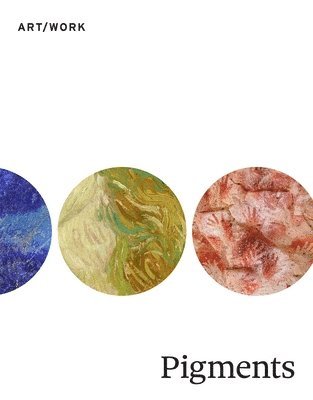
A concise illustrated history of one of art’s most important and elusive elementsOver the millennia, humans have used pigments to decorate, narrate, and instruct. Charred bone, ground earth, stones, bugs, and blood were the first pigments. New pigments were manufactured by simple processes such as corrosion and calcination until the Industrial Revolution introduced colors outside the spectrum of the natural world. Pigments brings together leading art historians and conservators to trace the history of the materials used to create color and their invention across diverse cultures and time periods. This richly illustrated book features incisive historical essays and case studies that shed light on the many forms of pigments—the organic and inorganic; the edible and the toxic; and those that are more precious than gold. It shows how pigments were as central to the earliest art forms and global trade networks as they are to commerce, ornamentation, and artistic expression today. The book reveals the innate instability and mutability of most pigments and discusses how few artworks or objects look as they did when they were first created.From cave paintings to contemporary art, Pigments demonstrates how a material understanding of color opens new perspectives on visual culture and the history of art.
250 kr
Skickas inom 7-10 vardagar
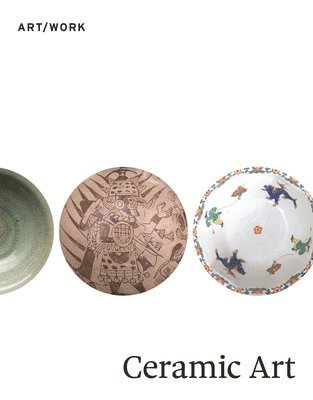
A new examination of the history of ceramic art, spanning ancient to modern times, emphasizing its traditions, materials, and methods of makingConcise but comprehensive, Ceramic Art brings together the voices of art historians, conservators, and artists to tell the history of making art from fired clay. The story spans history and continents, examining the global traditions of ceramists that range from pre-Columbian Peruvian artisans to contemporary African studio potters.The volume shows how human need gave rise to multiple traditions in earthenware, stoneware, porcelain, glaze, and surface decoration from Africa, Asia, Europe, the Middle East, and the Americas. Essays describe the core materials and practice of ceramics, followed by consideration of its production, consumption, and use. Throughout, the focus is on the power of materials and the role conservation plays in the afterlife of a ceramic object.An accessible introduction to an ancient practice, Ceramic Art offers new ways of thinking about the broader forces that have shaped the traditions of the medium.
321 kr
Kommande
A beautifully illustrated look at how weaving has influenced art, industry, and society worldwideWeaving is one of humanity’s oldest technologies and remains central to our global economies. Yet because of the fragility of textiles and their association with women’s labor and craft, they have often been marginalized in art history. From the early-modern Andes to the contemporary artist’s studio, weaving has shaped artistic practice and raised important questions for conservators and museums responsible for preserving these delicate materials.At its core, weaving is an act of material transformation in which discrete threads are organized into coherent cloth. This book brings together some of today’s leading conservationists and art historians to examines this process, highlighting the structural principles that underlie an art often assumed to be intuitive. The contributors explore how weaving reshaped material production and social life across cultures and historical periods, creating networks of skilled makers and new forms of exchange and shared knowledge.Taking readers from the human labor of the handloom to the mechanized production of the industrial age, Weaving demonstrates how a practice at the intersection of art, science, and community has shaped social, technological, and economic histories around the globe.
290 kr
Skickas inom 7-10 vardagar
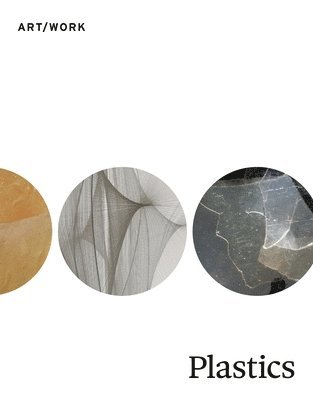
Why modern and contemporary art—and art conservation—can’t be understood without taking account of the revolutionary impact of plasticsModern and contemporary art wouldn’t exist without the invention of plastics. From sculpture to paint, and photography to film, plastics have shaped every major medium of art. In turn, plastics have revolutionized art conservation, transforming the possibilities of preservation but also producing new challenges for conservators struggling to preserve toxic and degrading material. Hailed as utopian in the twentieth century, plastics today are often understood as pollution and waste—a central cause of ecological crisis. Plastics is the first book to address the multifaceted history of plastics from the perspective of artists, art historians, conservators, and environmental scientists.Plastics demonstrates that this material cannot easily be summarized as toxic or utopian, catastrophic or necessary. Instead, plastics define the modern world in both its possibility and failures. The book also reveals how artists have been a critical overlooked voice in debates about plastics, and how they have offered theories of the material through works that explore its potential and harmfulness.Presenting a variety of perspectives on the world of plastics through the lens of art, artmaking, art history, and art conservation, Plastics shows why and how coming to terms with this material is critical to understanding not only modern and contemporary art and art conservation but also the crises of the twenty-first century.