Ashgate Historical Keyboard Series - Böcker
Visar alla böcker i serien Ashgate Historical Keyboard Series. Handla med fri frakt och snabb leverans.
15 produkter
15 produkter
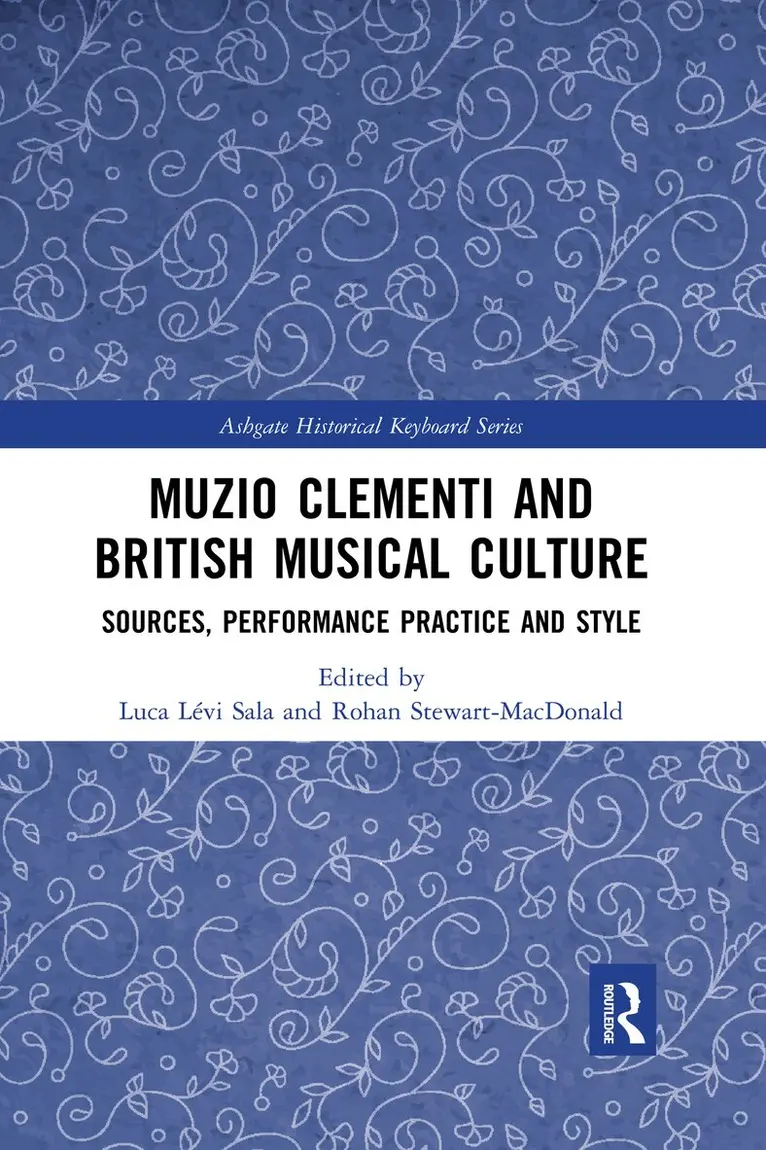
Muzio Clementi and British Musical Culture
Sources, Performance Practice and Style
Häftad, Engelska, 2020
651 kr
Skickas inom 10-15 vardagar
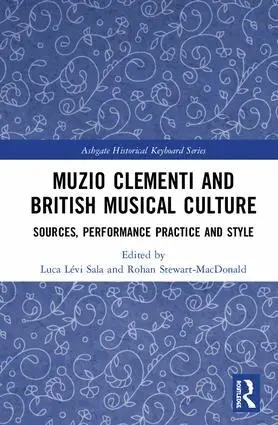
Recent scholarship has vanquished the traditional perception of nineteenth-century Britain as a musical wasteland. In addition to attempting more balanced assessments of the achievements of British composers of this period, scholars have begun to explore the web of reciprocal relationships between the societal, economic and cultural dynamics arising from the industrial revolution, the Napoleonic wars, and the ever-changing contours of British music publishing, music consumption, concert life, instrument design, performance practice, pedagogy and composition. Muzio Clementi (1752–1832) provides an ideal case-study for continued exploration of this web of relationships. Based in London for much of his life, whilst still maintaining contact with continental developments, Clementi achieved notable success in a diversity of activities that centred mainly on the piano. The present book explores Clementi’s multivalent contribution to piano performance, pedagogy, composition and manufacture in relation to British musical life and its international dimensions. An overriding purpose is to interrogate when, how and to what extent a distinctive British musical culture emerged in the early nineteenth century. Much recent work on Clementi has centred on the Italian National Edition of his complete works (MiBACT); several chapters report on this project, whilst continuing to pursue the book’s broader themes.
651 kr
Skickas inom 10-15 vardagar
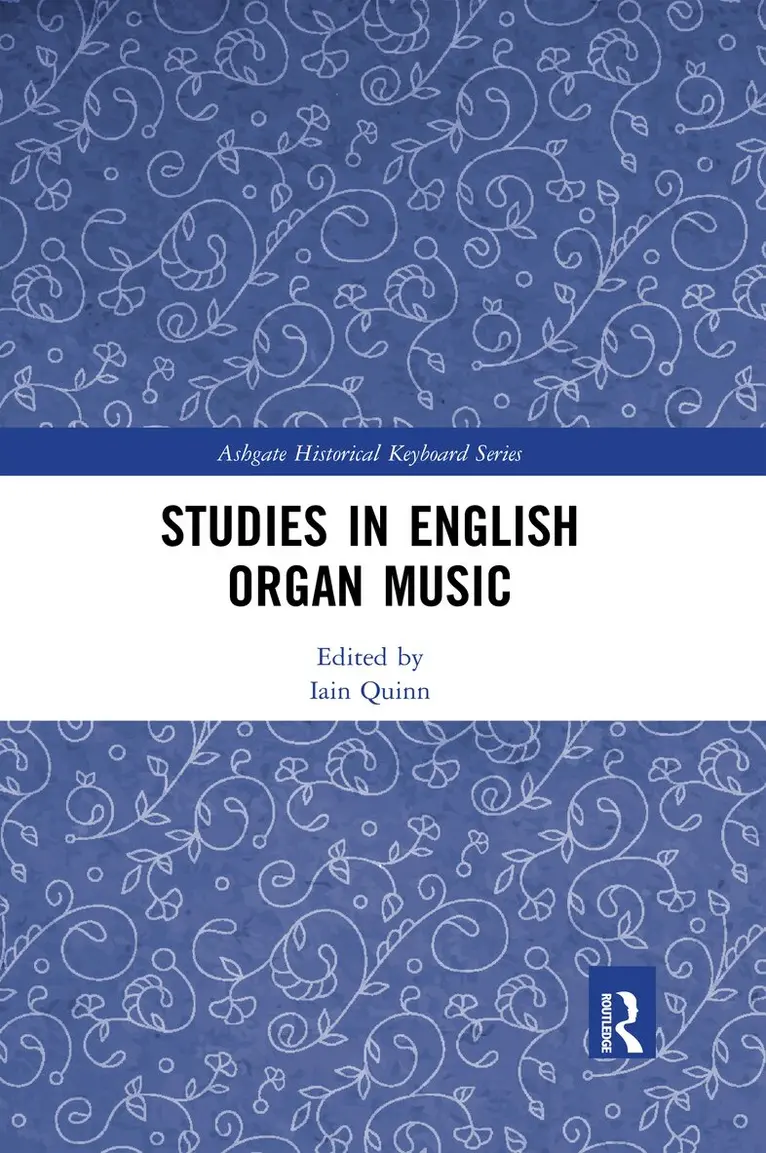
Studies in English Organ Music is a collection of essays by expert authors that examines key areas of the repertoire in the history of organ music in England. The essays on repertoire are placed alongside supporting studies in organ building and liturgical practice in order to provide a comprehensive contextualization. An analysis of the symbiotic relationship between the organ, liturgy, and composers reveals how the repertoire has been shaped by these complementary areas and developed through history. This volume is the first collection of specialist studies related to the field of English organ music.
651 kr
Skickas inom 10-15 vardagar
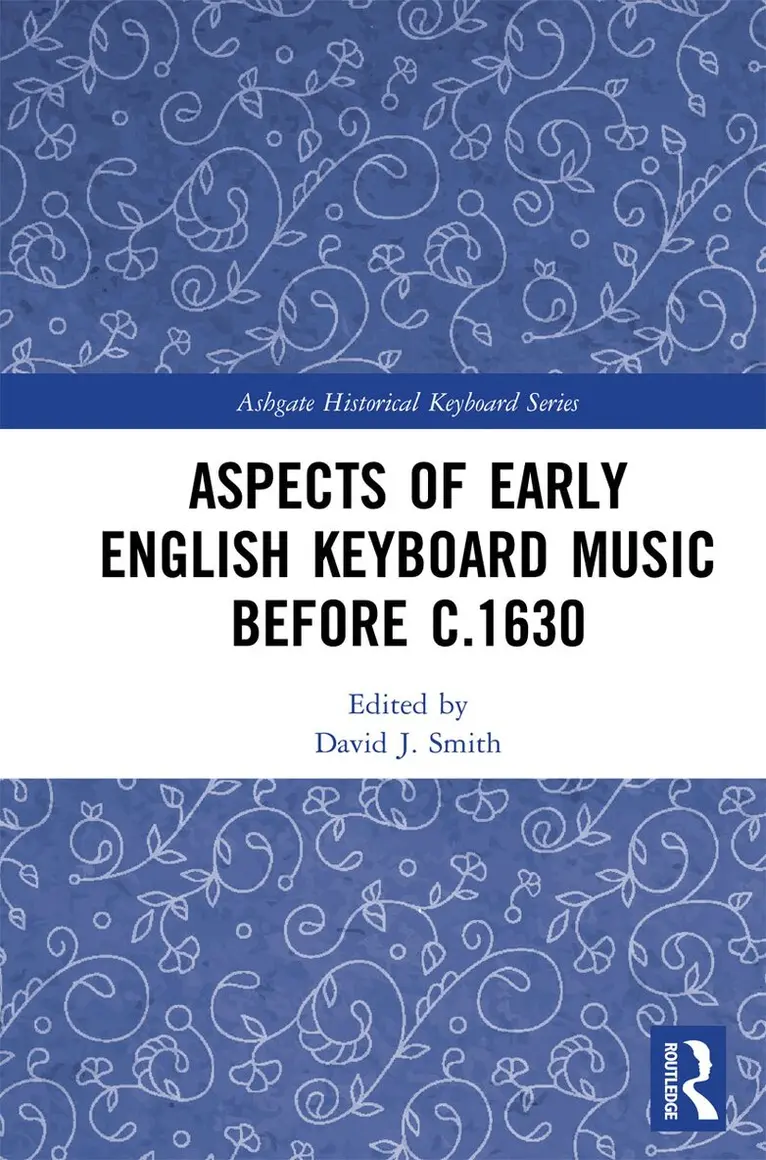
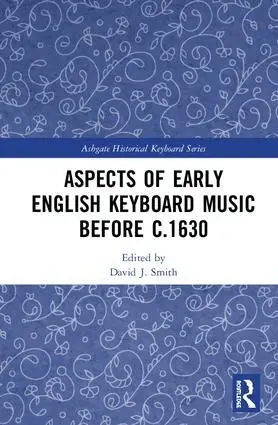
English keyboard music reached an unsurpassed level of sophistication in the late sixteenth and early seventeenth centuries as organists such as William Byrd and his students took a genre associated with domestic, amateur performance and treated it as seriously as vocal music. This book draws together important research on the music, its sources and the instruments on which it was played. There are two chapters on instruments: John Koster on the use of harpsichord during the period, and Dominic Gwynn on the construction of Tudor-style organs based on the surviving evidence we have for them. This leads to a section devoted to organ performance practice in a liturgical context, in which John Harper discusses what the use of organs pitched in F may imply about their use in alternation with vocal polyphony, and Magnus Williamson explores improvisational practice in the Tudor period. The next section is on sources and repertoire, beginning with Frauke Jürgensen and Rachelle Taylor’s chapter on Clarifica me Pater settings, which grows naturally out of the consideration of improvisation in the previous chapter. The next two contributions focus on two of the most important individual manuscript sources: Tihomir Popović challenges assumptions about My Ladye Nevells Booke by reflecting on what the manuscript can tell us about aristocratic culture, and David J. Smith provides a detailed study of the famous Fitzwilliam Virginal Book. The discussion then broadens out into Pieter Dirksen’s consideration of a wider selection of sources relating to John Bull, which in turn connects closely to David Leadbetter’s work on Gibbons, lute sources and questions of style.
651 kr
Skickas inom 10-15 vardagar
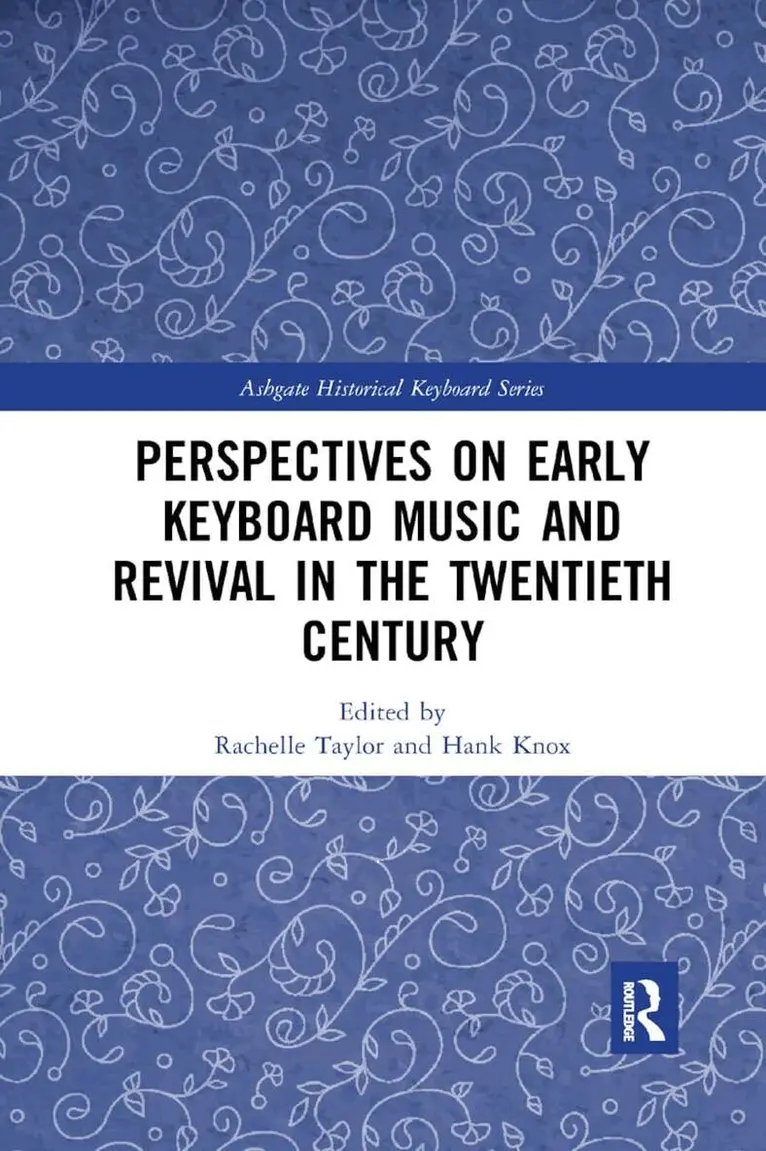
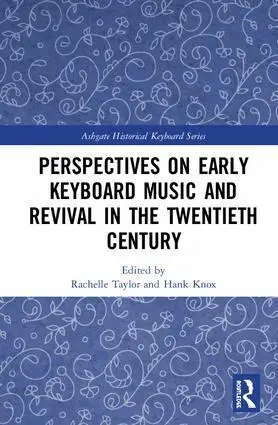
The twentieth-century revival of early music unfolded in two successive movements rooted respectively in nineteenth-century antiquarianism and in rediscovery of the value of original instruments. The present volume is a collection of insights reflecting the principal concerns of the second of those revivals, focusing on early keyboards, and beginning in the 1950s. The volume and its authors acknowledge Canadian harpsichordist Kenneth Gilbert (b. 1931) as one of this revival’s leaders. The content reflects international research on early keyboard music, sources, instruments, theory, editing, and discography. Considerations that echo throughout the book are the problematics of source attributions, progressive institutionalization of early music, historical instruments as agents of artistic change and education, antecedents and networks of the revival seen as a social phenomenon, the impact of historical performance and the quest for understanding style and genre. The chapters cover historical performance practice, source studies, edition, theory and form, and instrument curating and building. Among their authors are prominent figures in performance, music history, editing, instrument building and restoration, and theory, some of whom engaged with the early keyboard revival as it was happening.
2 176 kr
Skickas inom 10-15 vardagar
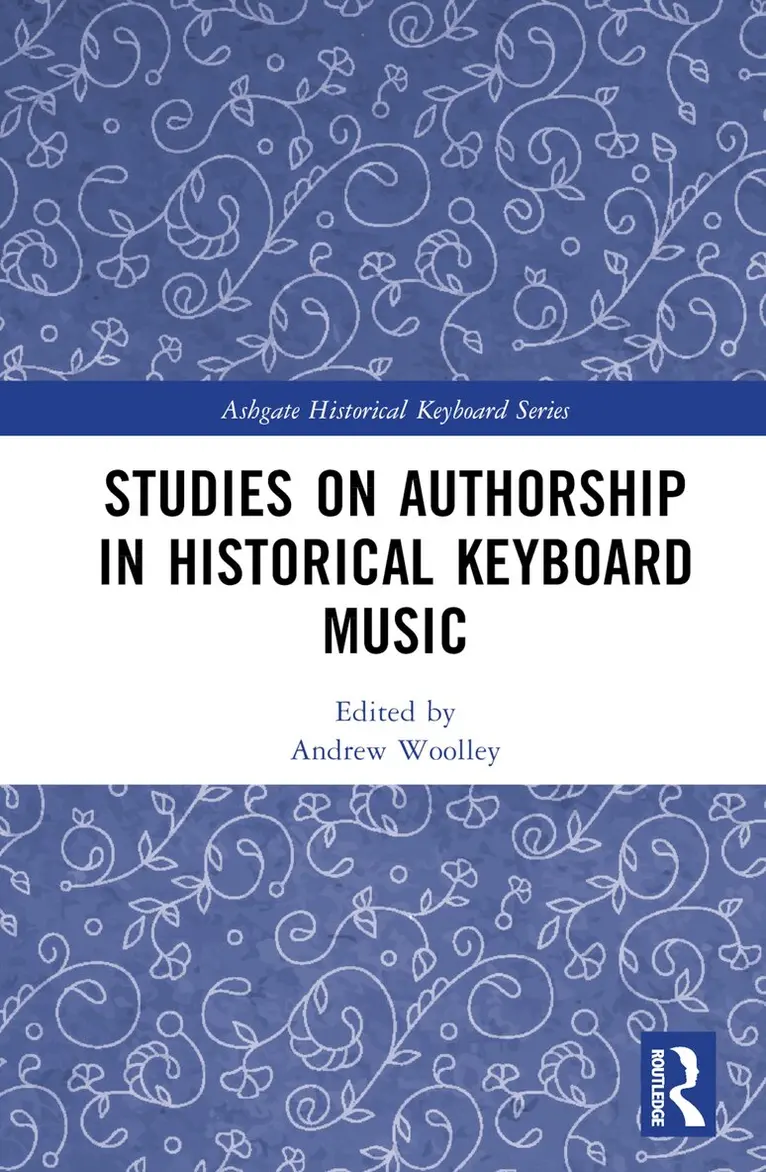
Authorship is a pertinent issue for historical musicology and musicians more widely, and some controversies concerned with major figures have even reached wider consciousness. Scholars have clarified some of the issues at stake in recent decades, such as the places of borrowing and arranging in the creative process and the wider cultural significance of these practices. The discovery of new sources and methodologies has also opened up opportunities for reassessing specific authorship problems. Drawing upon this wider musicological literature as well as insights from other disciplines, such as intellectual history and book history, this book aims to build on what has already been achieved by focussing on keyboard music. The nine chapters cover case studies of authorship problems, the socioeconomic conditions of music publishing, the contributions of composers, arrangers, copyists and music publishers in creating notated keyboard compositions, the functions of attribution and ascription, and how the contexts in which notated pieces were used affected concepts of authorship at different times and places.
651 kr
Skickas inom 10-15 vardagar
Authorship is a pertinent issue for historical musicology and musicians more widely, and some controversies concerned with major figures have even reached wider consciousness. Scholars have clarified some of the issues at stake in recent decades, such as the places of borrowing and arranging in the creative process and the wider cultural significance of these practices. The discovery of new sources and methodologies has also opened up opportunities for reassessing specific authorship problems. Drawing upon this wider musicological literature as well as insights from other disciplines, such as intellectual history and book history, this book aims to build on what has already been achieved by focussing on keyboard music. The nine chapters cover case studies of authorship problems, the socioeconomic conditions of music publishing, the contributions of composers, arrangers, copyists and music publishers in creating notated keyboard compositions, the functions of attribution and ascription, and how the contexts in which notated pieces were used affected concepts of authorship at different times and places.
2 325 kr
Kommande
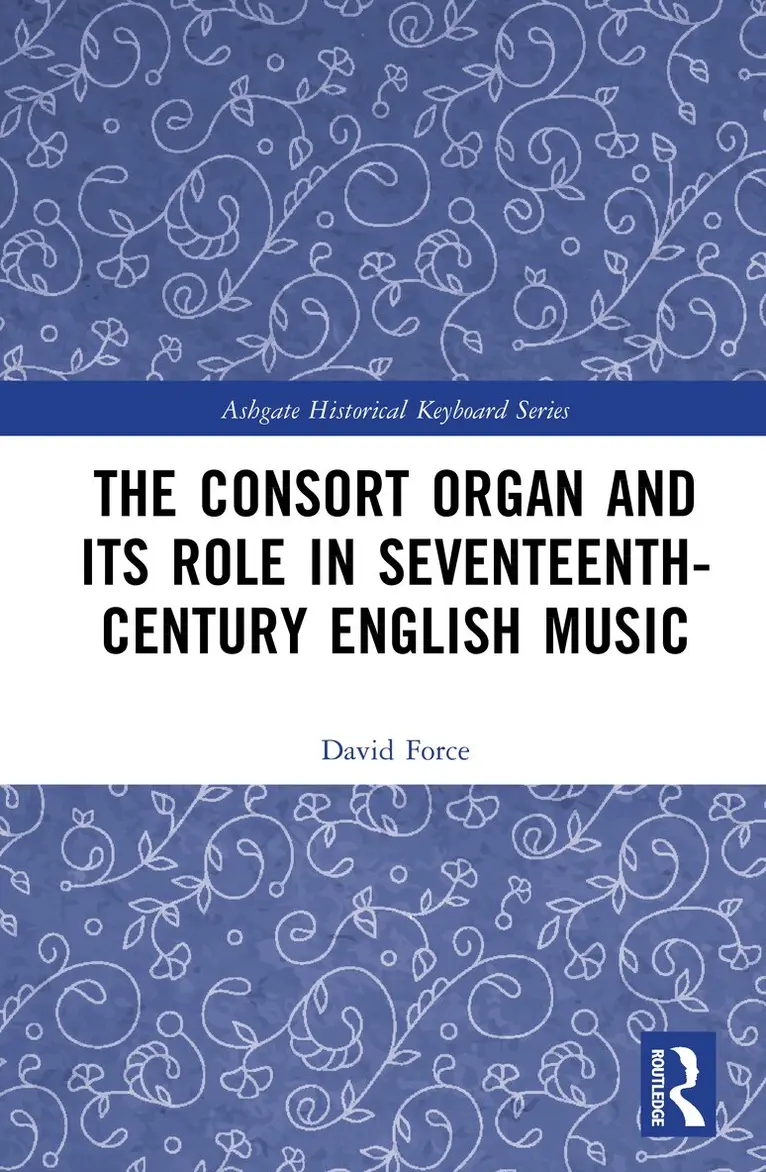
This book presents the first detailed study of the English consort organ, interrogating a wide range of primary source material to provide valuable insights into the role of the instrument and its players in seventeenth-century English consort and vocal music.From the refined confines of the royal court to the lively entertainments of the post-Restoration music-houses, in aristocratic households, universities, and royal Catholic chapels, the consort organ found itself employed in a colourful range of instrumental and vocal repertoire involving the leading musicians of its day. The book traces the story of the English secular organ during the Jacobean and Stuart periods, contrasting its role with that of the contemporary church organ and placing its usage in the context of wider European trends in chamber and devotional music. Alongside chapters focussing on the instrument’s organology and varied playing contexts, a wide range of manuscript sources is used to illustrate in detail performance practices relating to the organ’s use in the string consort and devotional vocal repertoires, thereby providing valuable insights into the approaches taken by secular organists of the time in interpreting musical texts at the keyboard.The book contains much information relevant to scholars and musicians working in the fields of instrumental ensemble music, English choral and vocal music, and historically informed performance practice, as well as to readers interested in European keyboard music, early modern musicology, and the social history of music.
2 176 kr
Skickas inom 10-15 vardagar
Studies in English Organ Music is a collection of essays by expert authors that examines key areas of the repertoire in the history of organ music in England. The essays on repertoire are placed alongside supporting studies in organ building and liturgical practice in order to provide a comprehensive contextualization. An analysis of the symbiotic relationship between the organ, liturgy, and composers reveals how the repertoire has been shaped by these complementary areas and developed through history. This volume is the first collection of specialist studies related to the field of English organ music.
2 176 kr
Skickas inom 10-15 vardagar
English keyboard music reached an unsurpassed level of sophistication in the late sixteenth and early seventeenth centuries as organists such as William Byrd and his students took a genre associated with domestic, amateur performance and treated it as seriously as vocal music. This book draws together important research on the music, its sources and the instruments on which it was played. There are two chapters on instruments: John Koster on the use of harpsichord during the period, and Dominic Gwynn on the construction of Tudor-style organs based on the surviving evidence we have for them. This leads to a section devoted to organ performance practice in a liturgical context, in which John Harper discusses what the use of organs pitched in F may imply about their use in alternation with vocal polyphony, and Magnus Williamson explores improvisational practice in the Tudor period. The next section is on sources and repertoire, beginning with Frauke Jürgensen and Rachelle Taylor’s chapter on Clarifica me Pater settings, which grows naturally out of the consideration of improvisation in the previous chapter. The next two contributions focus on two of the most important individual manuscript sources: Tihomir Popović challenges assumptions about My Ladye Nevells Booke by reflecting on what the manuscript can tell us about aristocratic culture, and David J. Smith provides a detailed study of the famous Fitzwilliam Virginal Book. The discussion then broadens out into Pieter Dirksen’s consideration of a wider selection of sources relating to John Bull, which in turn connects closely to David Leadbetter’s work on Gibbons, lute sources and questions of style.
777 kr
Skickas inom 10-15 vardagar
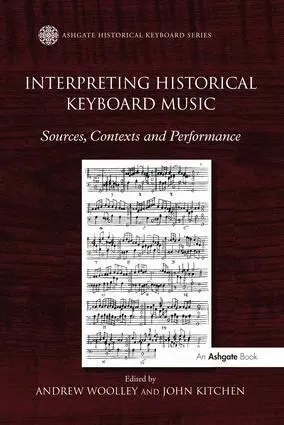
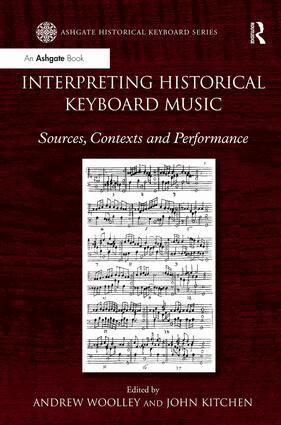
Research in the field of keyboard studies, especially when intimately connected with issues of performance, is often concerned with the immediate working environments and practices of musicians of the past. An important pedagogical tool, the keyboard has served as the ’workbench’ of countless musicians over the centuries. In the process it has shaped the ways in which many historical musicians achieved their aspirations and went about meeting creative challenges. In recent decades interest has turned towards a contextualized understanding of creative processes in music, and keyboard studies appears well placed to contribute to the exploration of this wider concern. The nineteen essays collected here encompass the range of research in the field, bringing together contributions from performers, organologists and music historians. Questions relevant to issues of creative practice in various historical contexts, and of interpretative issues faced today, form a guiding thread. Its scope is wide-ranging, with contributions covering the mid-sixteenth to early twentieth century. It is also inclusive, encompassing the diverse range of approaches to the field of contemporary keyboard studies. Collectively the essays form a survey of the ways in which the study of keyboard performance can enrich our understanding of musical life in a given period.
Muzio Clementi and British Musical Culture
Sources, Performance Practice and Style
Inbunden, Engelska, 2018
2 176 kr
Skickas inom 10-15 vardagar
Recent scholarship has vanquished the traditional perception of nineteenth-century Britain as a musical wasteland. In addition to attempting more balanced assessments of the achievements of British composers of this period, scholars have begun to explore the web of reciprocal relationships between the societal, economic and cultural dynamics arising from the industrial revolution, the Napoleonic wars, and the ever-changing contours of British music publishing, music consumption, concert life, instrument design, performance practice, pedagogy and composition. Muzio Clementi (1752–1832) provides an ideal case-study for continued exploration of this web of relationships. Based in London for much of his life, whilst still maintaining contact with continental developments, Clementi achieved notable success in a diversity of activities that centred mainly on the piano. The present book explores Clementi’s multivalent contribution to piano performance, pedagogy, composition and manufacture in relation to British musical life and its international dimensions. An overriding purpose is to interrogate when, how and to what extent a distinctive British musical culture emerged in the early nineteenth century. Much recent work on Clementi has centred on the Italian National Edition of his complete works (MiBACT); several chapters report on this project, whilst continuing to pursue the book’s broader themes.
2 246 kr
Skickas inom 10-15 vardagar
Research in the field of keyboard studies, especially when intimately connected with issues of performance, is often concerned with the immediate working environments and practices of musicians of the past. An important pedagogical tool, the keyboard has served as the ’workbench’ of countless musicians over the centuries. In the process it has shaped the ways in which many historical musicians achieved their aspirations and went about meeting creative challenges. In recent decades interest has turned towards a contextualized understanding of creative processes in music, and keyboard studies appears well placed to contribute to the exploration of this wider concern. The nineteen essays collected here encompass the range of research in the field, bringing together contributions from performers, organologists and music historians. Questions relevant to issues of creative practice in various historical contexts, and of interpretative issues faced today, form a guiding thread. Its scope is wide-ranging, with contributions covering the mid-sixteenth to early twentieth century. It is also inclusive, encompassing the diverse range of approaches to the field of contemporary keyboard studies. Collectively the essays form a survey of the ways in which the study of keyboard performance can enrich our understanding of musical life in a given period.
2 176 kr
Skickas inom 10-15 vardagar
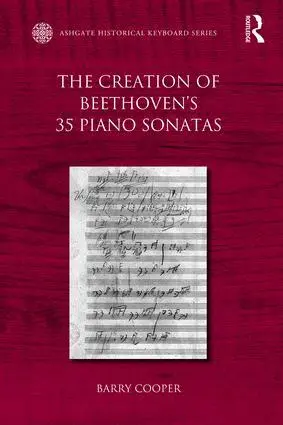
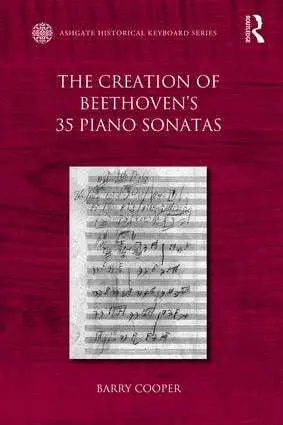
Beethoven’s piano sonatas are a cornerstone of the piano repertoire and favourites of both the concert hall and recording studio. The sonatas have been the subject of much scholarship, but no single study gives an adequate account of the processes by which these sonatas were composed and published. With source materials such as sketches and correspondence increasingly available, the time is ripe for a close study of the history of these works. Barry Cooper, who in 2007 produced a new edition of all 35 sonatas, including three that are often overlooked, examines each sonata in turn, addressing questions such as: Why were they written? Why did they turn out as they did? How did they come into being and how did they reach their final form? Drawing on the composer’s sketches, autograph scores and early printed editions, as well as contextual material such as correspondence, Cooper explores the links between the notes and symbols found in the musical texts of the sonatas, and the environment that brought them about. The result is a biography not of the composer, but of the works themselves.
595 kr
Skickas inom 10-15 vardagar
Beethoven’s piano sonatas are a cornerstone of the piano repertoire and favourites of both the concert hall and recording studio. The sonatas have been the subject of much scholarship, but no single study gives an adequate account of the processes by which these sonatas were composed and published. With source materials such as sketches and correspondence increasingly available, the time is ripe for a close study of the history of these works. Barry Cooper, who in 2007 produced a new edition of all 35 sonatas, including three that are often overlooked, examines each sonata in turn, addressing questions such as: Why were they written? Why did they turn out as they did? How did they come into being and how did they reach their final form? Drawing on the composer’s sketches, autograph scores and early printed editions, as well as contextual material such as correspondence, Cooper explores the links between the notes and symbols found in the musical texts of the sonatas, and the environment that brought them about. The result is a biography not of the composer, but of the works themselves.
2 176 kr
Skickas inom 10-15 vardagar
The twentieth-century revival of early music unfolded in two successive movements rooted respectively in nineteenth-century antiquarianism and in rediscovery of the value of original instruments. The present volume is a collection of insights reflecting the principal concerns of the second of those revivals, focusing on early keyboards, and beginning in the 1950s. The volume and its authors acknowledge Canadian harpsichordist Kenneth Gilbert (b. 1931) as one of this revival’s leaders. The content reflects international research on early keyboard music, sources, instruments, theory, editing, and discography. Considerations that echo throughout the book are the problematics of source attributions, progressive institutionalization of early music, historical instruments as agents of artistic change and education, antecedents and networks of the revival seen as a social phenomenon, the impact of historical performance and the quest for understanding style and genre. The chapters cover historical performance practice, source studies, edition, theory and form, and instrument curating and building. Among their authors are prominent figures in performance, music history, editing, instrument building and restoration, and theory, some of whom engaged with the early keyboard revival as it was happening.