Bloomsbury Critical Introductions to Contemporary Metaphysics – serie
Visar alla böcker i serien Bloomsbury Critical Introductions to Contemporary Metaphysics. Handla med fri frakt och snabb leverans.
18 produkter
18 produkter
E-bok
PDF, Engelska, 2018394 kr
Läs direkt efter köp
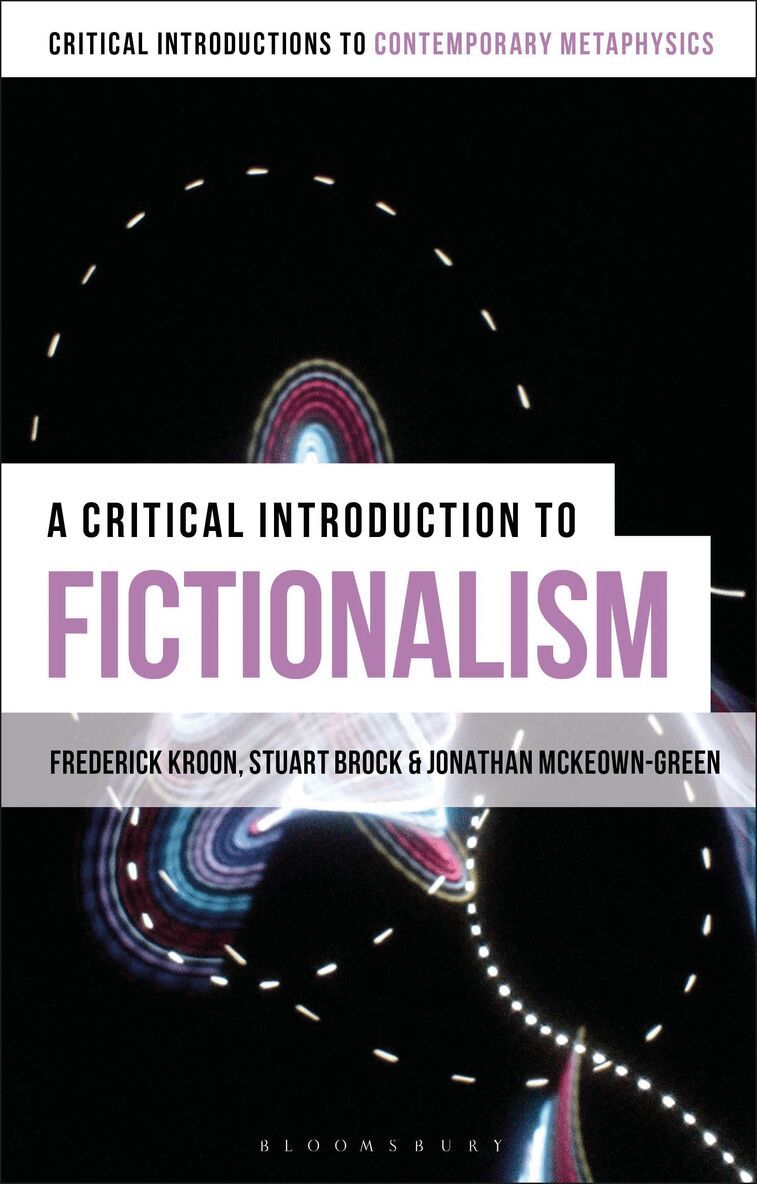
A Critical Introduction to Fictionalism provides a clear and comprehensive understanding of an important alternative to realism. Drawing on questions from ethics, the philosophy of religion, art, mathematics, logic and science, this is a complete exploration of how fictionalism contrasts with other non-realist doctrines and motivates influential fictionalist treatments across a range of philosophical issues.Defending and criticizing influential as well as emerging fictionalist approaches, this accessible overview discuses physical objects, universals, God, moral properties, numbers and other fictional entities. Where possible it draws general lessons about the conditions under which a fictionalist treatment of a class of items is plausible. Distinguishing fictionalism from other views about the existence of items, it explains the central features of this key metaphysical topic.Featuring a historical survey, definitions of key terms, characterisations of important subdivisions, objections and problems for fictionalism, and contemporary fictionalist treatments of several issues, A Critical Introduction to Fictionalism is a valuable resource for students of metaphysics as well as students of philosophical methodology. It is the only book of its kind.
Inbunden, Engelska, 2018
1 317 kr
Skickas inom 10-15 vardagar
A Critical Introduction to Fictionalism provides a clear and comprehensive understanding of an important alternative to realism. Drawing on questions from ethics, the philosophy of religion, art, mathematics, logic and science, this is a complete exploration of how fictionalism contrasts with other non-realist doctrines and motivates influential fictionalist treatments across a range of philosophical issues.Defending and criticizing influential as well as emerging fictionalist approaches, this accessible overview discuses physical objects, universals, God, moral properties, numbers and other fictional entities. Where possible it draws general lessons about the conditions under which a fictionalist treatment of a class of items is plausible. Distinguishing fictionalism from other views about the existence of items, it explains the central features of this key metaphysical topic.Featuring a historical survey, definitions of key terms, characterisations of important subdivisions, objections and problems for fictionalism, and contemporary fictionalist treatments of several issues, A Critical Introduction to Fictionalism is a valuable resource for students of metaphysics as well as students of philosophical methodology. It is the only book of its kind.
Häftad, Engelska, 2018
368 kr
Skickas
A Critical Introduction to Fictionalism provides a clear and comprehensive understanding of an important alternative to realism. Drawing on questions from ethics, the philosophy of religion, art, mathematics, logic and science, this is a complete exploration of how fictionalism contrasts with other non-realist doctrines and motivates influential fictionalist treatments across a range of philosophical issues.Defending and criticizing influential as well as emerging fictionalist approaches, this accessible overview discuses physical objects, universals, God, moral properties, numbers and other fictional entities. Where possible it draws general lessons about the conditions under which a fictionalist treatment of a class of items is plausible. Distinguishing fictionalism from other views about the existence of items, it explains the central features of this key metaphysical topic.Featuring a historical survey, definitions of key terms, characterisations of important subdivisions, objections and problems for fictionalism, and contemporary fictionalist treatments of several issues, A Critical Introduction to Fictionalism is a valuable resource for students of metaphysics as well as students of philosophical methodology. It is the only book of its kind.
E-bok
Engelska, 2018394 kr
Läs direkt efter köp
A Critical Introduction to Fictionalism provides a clear and comprehensive understanding of an important alternative to realism. Drawing on questions from ethics, the philosophy of religion, art, mathematics, logic and science, this is a complete exploration of how fictionalism contrasts with other non-realist doctrines and motivates influential fictionalist treatments across a range of philosophical issues.Defending and criticizing influential as well as emerging fictionalist approaches, this accessible overview discuses physical objects, universals, God, moral properties, numbers and other fictional entities. Where possible it draws general lessons about the conditions under which a fictionalist treatment of a class of items is plausible. Distinguishing fictionalism from other views about the existence of items, it explains the central features of this key metaphysical topic.Featuring a historical survey, definitions of key terms, characterisations of important subdivisions, objections and problems for fictionalism, and contemporary fictionalist treatments of several issues, A Critical Introduction to Fictionalism is a valuable resource for students of metaphysics as well as students of philosophical methodology. It is the only book of its kind.
E-bok
Engelska, 2016482 kr
Läs direkt efter köp
A Critical Introduction to the Metaphysics of Modality examines the eight main contemporary theories of possibility behind a central metaphysical topic. Covering modal skepticism, modal expressivism, modalism, modal realism, ersatzism, modal fictionalism, modal agnosticism, and the new modal actualism, this comprehensive introduction to modality places contemporary debates in an historical context.Beginning with a historical overview, Andrea Borghini discusses Parmenides and Zeno; looks at how central Medieval authors such as Aquinas, and Buridan prepared the ground for the Early Modern radical views of Leibniz, Spinoza, and Hume and discusses advancements in semantics in the later-half of the twentieth century a resulted in the rise of modal metaphysics, the branch characterizing the past few decades of philosophical reflection. Framing the debate according to three main perspectives - logical, epistemic, metaphysical- Borghini provides the basic concepts and terms required to discuss modality. With suggestions of further reading and end-of-chapter study questions, A Critical Introduction to the Metaphysics of Modality is an up-to-date resource for students working in contemporary metaphysics seeking a better understanding of this crucial topic.
Inbunden, Engelska, 2016
1 937 kr
Skickas inom 10-15 vardagar
A Critical Introduction to the Metaphysics of Modality examines the eight main contemporary theories of possibility behind a central metaphysical topic. Covering modal skepticism, modal expressivism, modalism, modal realism, ersatzism, modal fictionalism, modal agnosticism, and the new modal actualism, this comprehensive introduction to modality places contemporary debates in an historical context.Beginning with a historical overview, Andrea Borghini discusses Parmenides and Zeno; looks at how central Medieval authors such as Aquinas, and Buridan prepared the ground for the Early Modern radical views of Leibniz, Spinoza, and Hume and discusses advancements in semantics in the later-half of the twentieth century a resulted in the rise of modal metaphysics, the branch characterizing the past few decades of philosophical reflection. Framing the debate according to three main perspectives - logical, epistemic, metaphysical- Borghini provides the basic concepts and terms required to discuss modality. With suggestions of further reading and end-of-chapter study questions, A Critical Introduction to the Metaphysics of Modality is an up-to-date resource for students working in contemporary metaphysics seeking a better understanding of this crucial topic.
Häftad, Engelska, 2016
462 kr
Skickas inom 10-15 vardagar
A Critical Introduction to the Metaphysics of Modality examines the eight main contemporary theories of possibility behind a central metaphysical topic. Covering modal skepticism, modal expressivism, modalism, modal realism, ersatzism, modal fictionalism, modal agnosticism, and the new modal actualism, this comprehensive introduction to modality places contemporary debates in an historical context.Beginning with a historical overview, Andrea Borghini discusses Parmenides and Zeno; looks at how central Medieval authors such as Aquinas, and Buridan prepared the ground for the Early Modern radical views of Leibniz, Spinoza, and Hume and discusses advancements in semantics in the later-half of the twentieth century a resulted in the rise of modal metaphysics, the branch characterizing the past few decades of philosophical reflection. Framing the debate according to three main perspectives - logical, epistemic, metaphysical- Borghini provides the basic concepts and terms required to discuss modality. With suggestions of further reading and end-of-chapter study questions, A Critical Introduction to the Metaphysics of Modality is an up-to-date resource for students working in contemporary metaphysics seeking a better understanding of this crucial topic.
Häftad, Engelska, 2027
270 kr
Kommande
A Critical Introduction to Causation and Causal Powers responds to a groundswell of interest in the topic of causal powers in contemporary metaphysics, presenting a fresh systematic overview of the realist literature,debates and arguments.Introducing the topic via the lens of a contrast between passivism and anti-passivism, the contrast is established in the opening historical overview, plotting the course from Aristotle to early modern rationalism, through to Hume, Reid, Kant and Mill. As well as covering contemporary and 20th century neo-Humean accounts, this introduction includes a review of foundational work on causal powers and dispositional properties in the 1970s, taking care to include both a descriptive and an analytic component. Exploring contemporary anti-passivist thinking about causation, it covers leading theories of causation and provides powers-based approaches to matters such as laws, essences, necessitation, determinism, pandispositionalism, transitivity and induction. The ascription of causal powers to different kinds of potential causal bearer is also addressed: individual agents, sociological phenomena; abstractions and absences.Offering a balanced approach to this key metaphysical topic, A Critical Introduction to Causation and Causal Powers not only introduces debates amongst anti-passivists, but explains throughout how the same issues are handled by passivists. With study questions and references for further reading at the end of each chapter, this is an accessible, up-to-date overview designed for students and researchers working in metaphysics today.
Inbunden, Engelska, 2027
809 kr
Kommande
A Critical Introduction to Causation and Causal Powers responds to a groundswell of interest in the topic of causal powers in contemporary metaphysics, presenting a fresh systematic overview of the realist literature,debates and arguments.Introducing the topic via the lens of a contrast between passivism and anti-passivism, the contrast is established in the opening historical overview, plotting the course from Aristotle to early modern rationalism, through to Hume, Reid, Kant and Mill. As well as covering contemporary and 20th century neo-Humean accounts, this introduction includes a review of foundational work on causal powers and dispositional properties in the 1970s, taking care to include both a descriptive and an analytic component. Exploring contemporary anti-passivist thinking about causation, it covers leading theories of causation and provides powers-based approaches to matters such as laws, essences, necessitation, determinism, pandispositionalism, transitivity and induction. The ascription of causal powers to different kinds of potential causal bearer is also addressed: individual agents, sociological phenomena; abstractions and absences.Offering a balanced approach to this key metaphysical topic, A Critical Introduction to Causation and Causal Powers not only introduces debates amongst anti-passivists, but explains throughout how the same issues are handled by passivists. With study questions and references for further reading at the end of each chapter, this is an accessible, up-to-date overview designed for students and researchers working in metaphysics today.
E-bok
PDF, Engelska, 2016482 kr
Läs direkt efter köp
A Critical Introduction to the Metaphysics of Modality examines the eight main contemporary theories of possibility behind a central metaphysical topic. Covering modal skepticism, modal expressivism, modalism, modal realism, ersatzism, modal fictionalism, modal agnosticism, and the new modal actualism, this comprehensive introduction to modality places contemporary debates in an historical context.Beginning with a historical overview, Andrea Borghini discusses Parmenides and Zeno; looks at how central Medieval authors such as Aquinas, and Buridan prepared the ground for the Early Modern radical views of Leibniz, Spinoza, and Hume and discusses advancements in semantics in the later-half of the twentieth century a resulted in the rise of modal metaphysics, the branch characterizing the past few decades of philosophical reflection. Framing the debate according to three main perspectives - logical, epistemic, metaphysical- Borghini provides the basic concepts and terms required to discuss modality. With suggestions of further reading and end-of-chapter study questions, A Critical Introduction to the Metaphysics of Modality is an up-to-date resource for students working in contemporary metaphysics seeking a better understanding of this crucial topic.
Inbunden, Engelska, 2016
1 937 kr
Skickas inom 10-15 vardagar
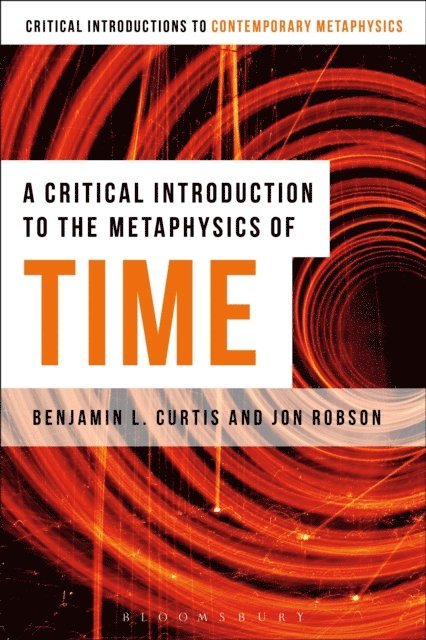
What is the nature of time? Does it flow? Do the past and future exist? Drawing connections between historical and present-day questions, A Critical Introduction to the Metaphysics of Time provides an up-to-date guide to one of the most central and debated topics in contemporary metaphysics.Introducing the views and arguments of Parmenides, Plato, Aristotle, Descartes, Newton and Leibniz, this accessible introduction covers the history of the philosophy of time from the Pre-Socratics to the beginning of the 20th Century. The historical survey presents the necessary background to understanding more recent developments, including McTaggart’s 1908 argument for the unreality of time, the open future, the perdurance/endurance debate, the possibility of time travel, and the relevance of current physics to the philosophy of time.Informed by cutting-edge philosophical research, A Critical Introduction to the Metaphysics of Time evaluates influential historical arguments in the context of contemporary developments. For students looking to gain insights into how ideas within the philosophy of time have developed and better understand recent arguments, this is the ideal starting point.
Häftad, Engelska, 2016
503 kr
Skickas inom 10-15 vardagar
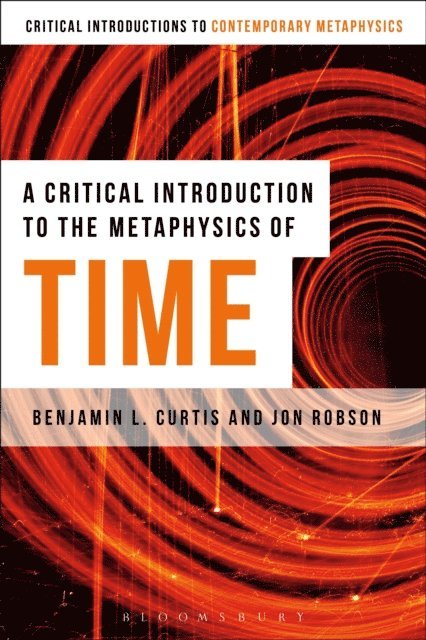
What is the nature of time? Does it flow? Do the past and future exist? Drawing connections between historical and present-day questions, A Critical Introduction to the Metaphysics of Time provides an up-to-date guide to one of the most central and debated topics in contemporary metaphysics.Introducing the views and arguments of Parmenides, Plato, Aristotle, Descartes, Newton and Leibniz, this accessible introduction covers the history of the philosophy of time from the Pre-Socratics to the beginning of the 20th Century. The historical survey presents the necessary background to understanding more recent developments, including McTaggart’s 1908 argument for the unreality of time, the open future, the perdurance/endurance debate, the possibility of time travel, and the relevance of current physics to the philosophy of time.Informed by cutting-edge philosophical research, A Critical Introduction to the Metaphysics of Time evaluates influential historical arguments in the context of contemporary developments. For students looking to gain insights into how ideas within the philosophy of time have developed and better understand recent arguments, this is the ideal starting point.
E-bok
PDF, Engelska, 2016526 kr
Läs direkt efter köp
What is the nature of time? Does it flow? Do the past and future exist? Drawing connections between historical and present-day questions, A Critical Introduction to the Metaphysics of Time provides an up-to-date guide to one of the most central and debated topics in contemporary metaphysics.Introducing the views and arguments of Parmenides, Plato, Aristotle, Descartes, Newton and Leibniz, this accessible introduction covers the history of the philosophy of time from the Pre-Socratics to the beginning of the 20th Century. The historical survey presents the necessary background to understanding more recent developments, including McTaggart''s 1908 argument for the unreality of time, the open future, the perdurance/endurance debate, the possibility of time travel, and the relevance of current physics to the philosophy of time.Informed by cutting-edge philosophical research, A Critical Introduction to the Metaphysics of Time evaluates influential historical arguments in the context of contemporary developments. For students looking to gain insights into how ideas within the philosophy of time have developed and better understand recent arguments, this is the ideal starting point.
E-bok
Engelska, 2016526 kr
Läs direkt efter köp
What is the nature of time? Does it flow? Do the past and future exist? Drawing connections between historical and present-day questions, A Critical Introduction to the Metaphysics of Time provides an up-to-date guide to one of the most central and debated topics in contemporary metaphysics.Introducing the views and arguments of Parmenides, Plato, Aristotle, Descartes, Newton and Leibniz, this accessible introduction covers the history of the philosophy of time from the Pre-Socratics to the beginning of the 20th Century. The historical survey presents the necessary background to understanding more recent developments, including McTaggart''s 1908 argument for the unreality of time, the open future, the perdurance/endurance debate, the possibility of time travel, and the relevance of current physics to the philosophy of time.Informed by cutting-edge philosophical research, A Critical Introduction to the Metaphysics of Time evaluates influential historical arguments in the context of contemporary developments. For students looking to gain insights into how ideas within the philosophy of time have developed and better understand recent arguments, this is the ideal starting point.
E-bok
PDF, Engelska, 2016526 kr
Läs direkt efter köp
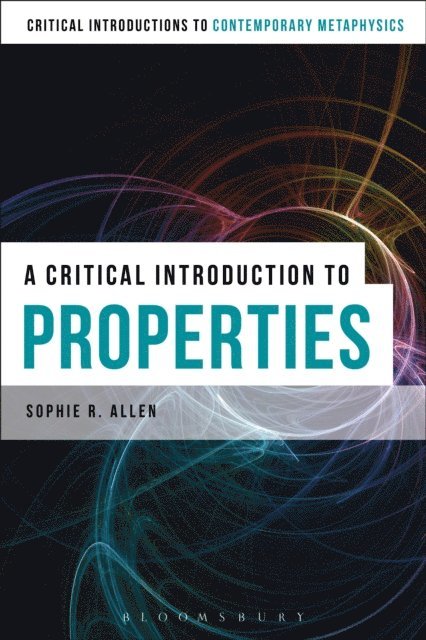
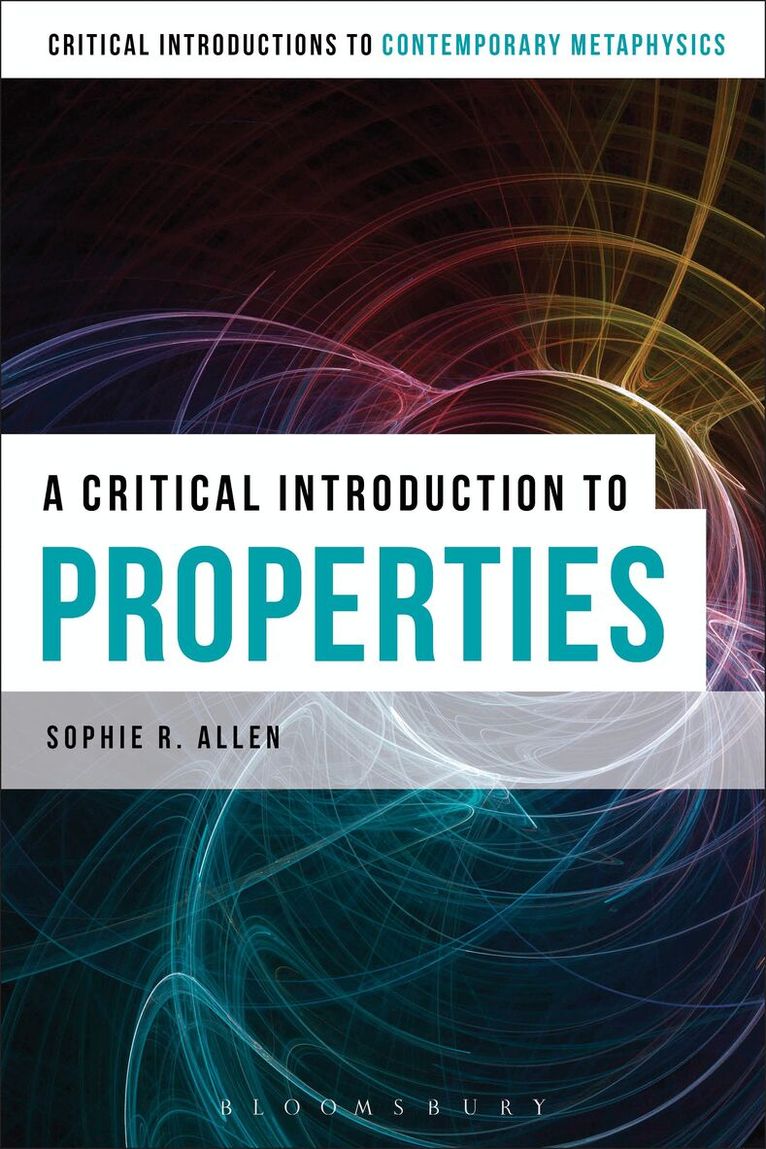
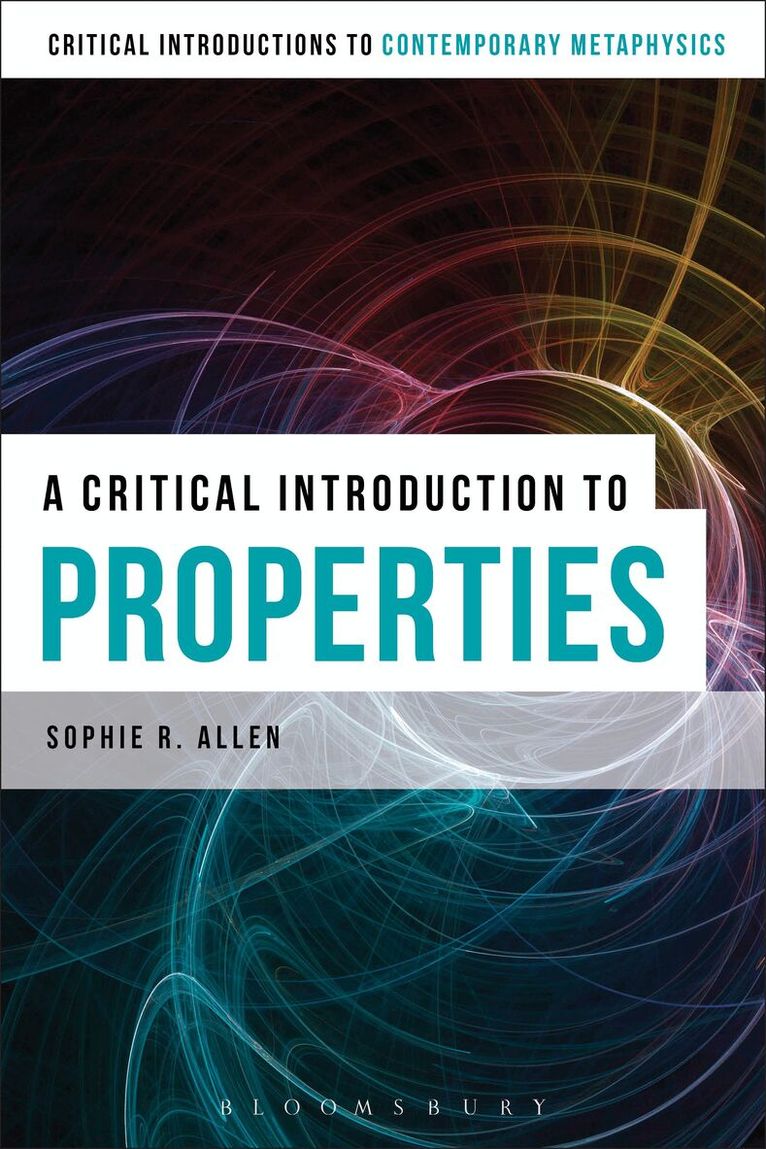
What do blue things have in common? Or electrons? Or planets? Distinct things appear to share properties; but what are properties and what is the best philosophical account of them? A Critical Introduction to Properties introduces different ontological accounts of properties, exploring how their formulation is shaped by the explanatory demands placed upon them.This accessible introduction begins with a discussion of universals, tropes, sets and resemblance classes, the major objections to them and their responses, providing readers with a firm grasp on the competing ontological accounts of what (if anything) grounds similarity and difference. It then explores issues concerning the formulation and justification of property theories such as: how many properties are there? Should we accept a sparse ontology of properties, or an abundant one? Can we make a distinction between intrinsic and extrinsic properties? Do properties have their causal roles necessarily? What is the relationship between properties and other metaphysical phenomena such as causality, laws and modality? These questions get to the heart of why a coherent theory of properties is so important to metaphysics, and to philosophy more generally.By concluding with the question of the ontological status of properties, the reader is introduced to some Carnapian and contemporary themes about the content and methodology of metaphysics. For students looking for an accessible resource and a more comprehensive understanding of contemporary metaphysics, A Critical Introduction to Properties is a valuable starting point.
E-bok
Engelska, 2016526 kr
Läs direkt efter köp
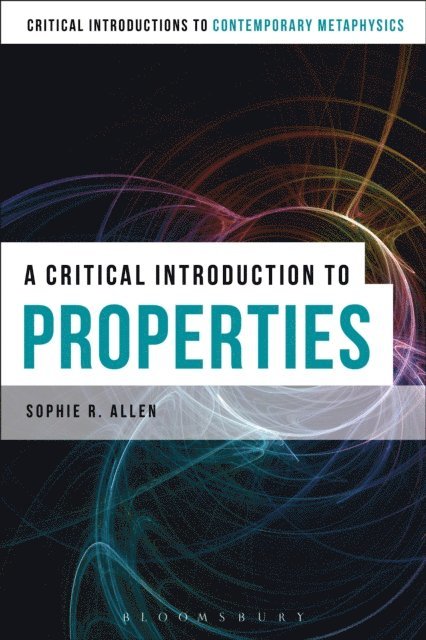
What do blue things have in common? Or electrons? Or planets? Distinct things appear to share properties; but what are properties and what is the best philosophical account of them? A Critical Introduction to Properties introduces different ontological accounts of properties, exploring how their formulation is shaped by the explanatory demands placed upon them.This accessible introduction begins with a discussion of universals, tropes, sets and resemblance classes, the major objections to them and their responses, providing readers with a firm grasp on the competing ontological accounts of what (if anything) grounds similarity and difference. It then explores issues concerning the formulation and justification of property theories such as: how many properties are there? Should we accept a sparse ontology of properties, or an abundant one? Can we make a distinction between intrinsic and extrinsic properties? Do properties have their causal roles necessarily? What is the relationship between properties and other metaphysical phenomena such as causality, laws and modality? These questions get to the heart of why a coherent theory of properties is so important to metaphysics, and to philosophy more generally.By concluding with the question of the ontological status of properties, the reader is introduced to some Carnapian and contemporary themes about the content and methodology of metaphysics. For students looking for an accessible resource and a more comprehensive understanding of contemporary metaphysics, A Critical Introduction to Properties is a valuable starting point.
Häftad, Engelska, 2016
503 kr
Skickas inom 10-15 vardagar
What do blue things have in common? Or electrons? Or planets? Distinct things appear to share properties; but what are properties and what is the best philosophical account of them? A Critical Introduction to Properties introduces different ontological accounts of properties, exploring how their formulation is shaped by the explanatory demands placed upon them.This accessible introduction begins with a discussion of universals, tropes, sets and resemblance classes, the major objections to them and their responses, providing readers with a firm grasp on the competing ontological accounts of what (if anything) grounds similarity and difference. It then explores issues concerning the formulation and justification of property theories such as: how many properties are there? Should we accept a sparse ontology of properties, or an abundant one? Can we make a distinction between intrinsic and extrinsic properties? Do properties have their causal roles necessarily? What is the relationship between properties and other metaphysical phenomena such as causality, laws and modality? These questions get to the heart of why a coherent theory of properties is so important to metaphysics, and to philosophy more generally.By concluding with the question of the ontological status of properties, the reader is introduced to some Carnapian and contemporary themes about the content and methodology of metaphysics. For students looking for an accessible resource and a more comprehensive understanding of contemporary metaphysics, A Critical Introduction to Properties is a valuable starting point.
Inbunden, Engelska, 2016
1 937 kr
Skickas inom 10-15 vardagar
What do blue things have in common? Or electrons? Or planets? Distinct things appear to share properties; but what are properties and what is the best philosophical account of them? A Critical Introduction to Properties introduces different ontological accounts of properties, exploring how their formulation is shaped by the explanatory demands placed upon them.This accessible introduction begins with a discussion of universals, tropes, sets and resemblance classes, the major objections to them and their responses, providing readers with a firm grasp on the competing ontological accounts of what (if anything) grounds similarity and difference. It then explores issues concerning the formulation and justification of property theories such as: how many properties are there? Should we accept a sparse ontology of properties, or an abundant one? Can we make a distinction between intrinsic and extrinsic properties? Do properties have their causal roles necessarily? What is the relationship between properties and other metaphysical phenomena such as causality, laws and modality? These questions get to the heart of why a coherent theory of properties is so important to metaphysics, and to philosophy more generally.By concluding with the question of the ontological status of properties, the reader is introduced to some Carnapian and contemporary themes about the content and methodology of metaphysics. For students looking for an accessible resource and a more comprehensive understanding of contemporary metaphysics, A Critical Introduction to Properties is a valuable starting point.