Bloomsbury Studies on Korea's Place in International Relations – serie
Visar alla böcker i serien Bloomsbury Studies on Korea's Place in International Relations. Handla med fri frakt och snabb leverans.
14 produkter
14 produkter
1 536 kr
Skickas inom 10-15 vardagar
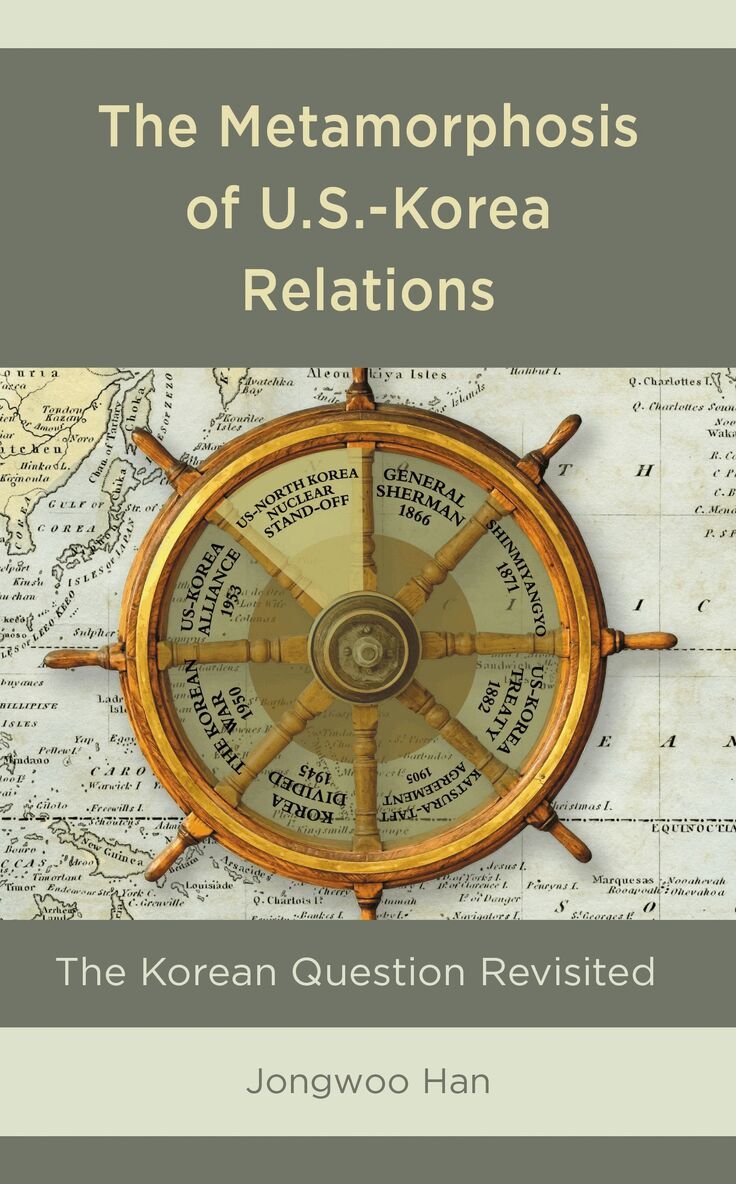
This book contends that the long history of America’s interaction with Korea started with the signing of the Treaty of Peace, Amity, Commerce, and Navigation in 1882, and with the establishment of the Seward-Shufeldt Line. William Seward and Robert Shufeldt shared the same vision of achieving their American goal by opening Korea and extending the Seward-Shufeldt Line from Alaska to link it with the Philippines and the Samoan Islands, thus completing a perfect perimeter for the American era of the Pacific and for its dominance in the Asian market. Initiating diplomatic and trading relations with Korea was Commodore Shufeldt’s finishing touch on the plan for achieving American hegemony in the coming 20th century. In turn, the decline of Chinese sphere of influence over the Korean Peninsula and the fall of Russian power in the region, with the consequential rise of Japanese power there, which led to a change from the SS Line to the Roosevelts’ Theodore-Franklin Line, the colonization of Korea, the division of Korea, the Korean War, and has brought America back nearly full circle to that first encounter in Pyeongyang; the regrettable General Sherman Incident in 1866. This book argues that the United States must uphold its early commitment to peace and amity by now normalizing relations with North Korea in order to bring closure to the “Korean Question.”
507 kr
Skickas inom 10-15 vardagar
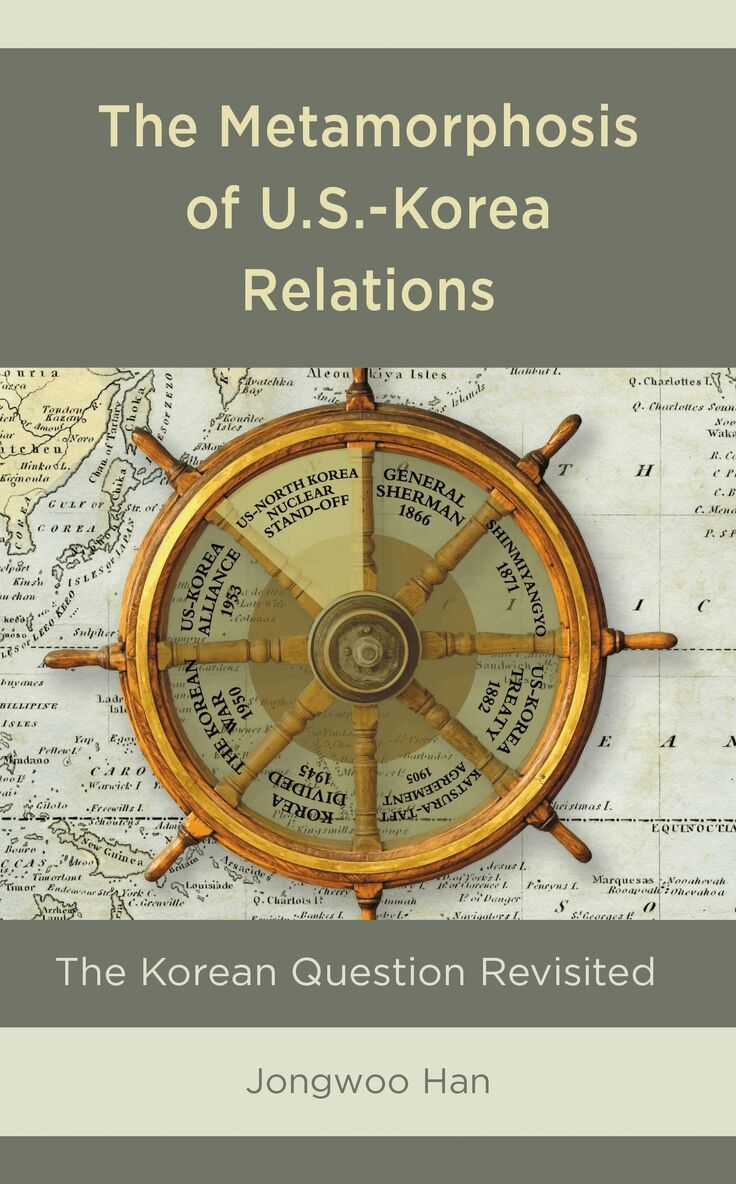
This book contends that the long history of America’s interaction with Korea started with the signing of the Treaty of Peace, Amity, Commerce, and Navigation in 1882, and with the establishment of the Seward-Shufeldt Line. William Seward and Robert Shufeldt shared the same vision of achieving their American goal by opening Korea and extending the Seward-Shufeldt Line from Alaska to link it with the Philippines and the Samoan Islands, thus completing a perfect perimeter for the American era of the Pacific and for its dominance in the Asian market. Initiating diplomatic and trading relations with Korea was Commodore Shufeldt’s finishing touch on the plan for achieving American hegemony in the coming 20th century. In turn, the decline of Chinese sphere of influence over the Korean Peninsula and the fall of Russian power in the region, with the consequential rise of Japanese power there, which led to a change from the SS Line to the Roosevelts’ Theodore-Franklin Line, the colonization of Korea, the division of Korea, the Korean War, and has brought America back nearly full circle to that first encounter in Pyeongyang; the regrettable General Sherman Incident in 1866. This book argues that the United States must uphold its early commitment to peace and amity by now normalizing relations with North Korea in order to bring closure to the “Korean Question.”
1 119 kr
Skickas inom 10-15 vardagar
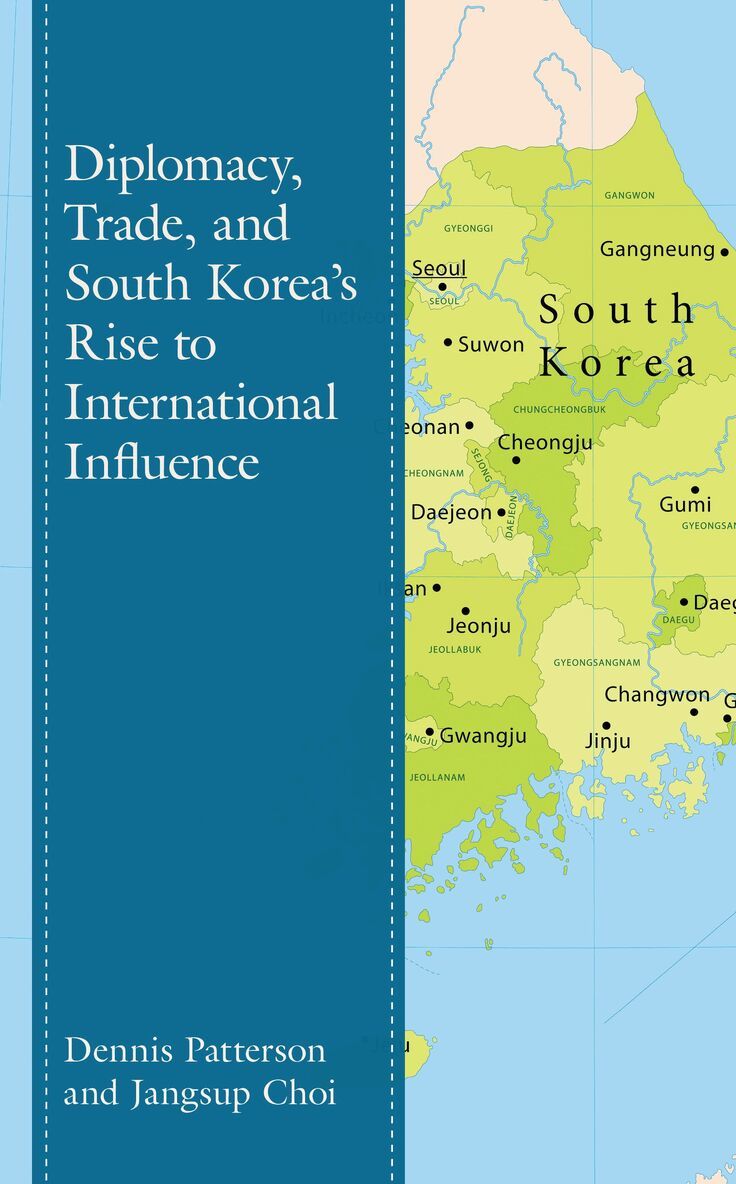
This volume details how the diplomatic successes of South Korean presidents removed the country from the international isolation it experienced in the aftermath of the Korean War and also provided the necessary international connections for the expansions of international trade it experienced. Patterson and Choi explain how diplomacy then was the primary process that allowed for the successful implementation of South Korea’s export-led economic development strategy which in turn led to the rapid growth that allowed it to eventually the internationally influential actor it is today
507 kr
Skickas inom 10-15 vardagar
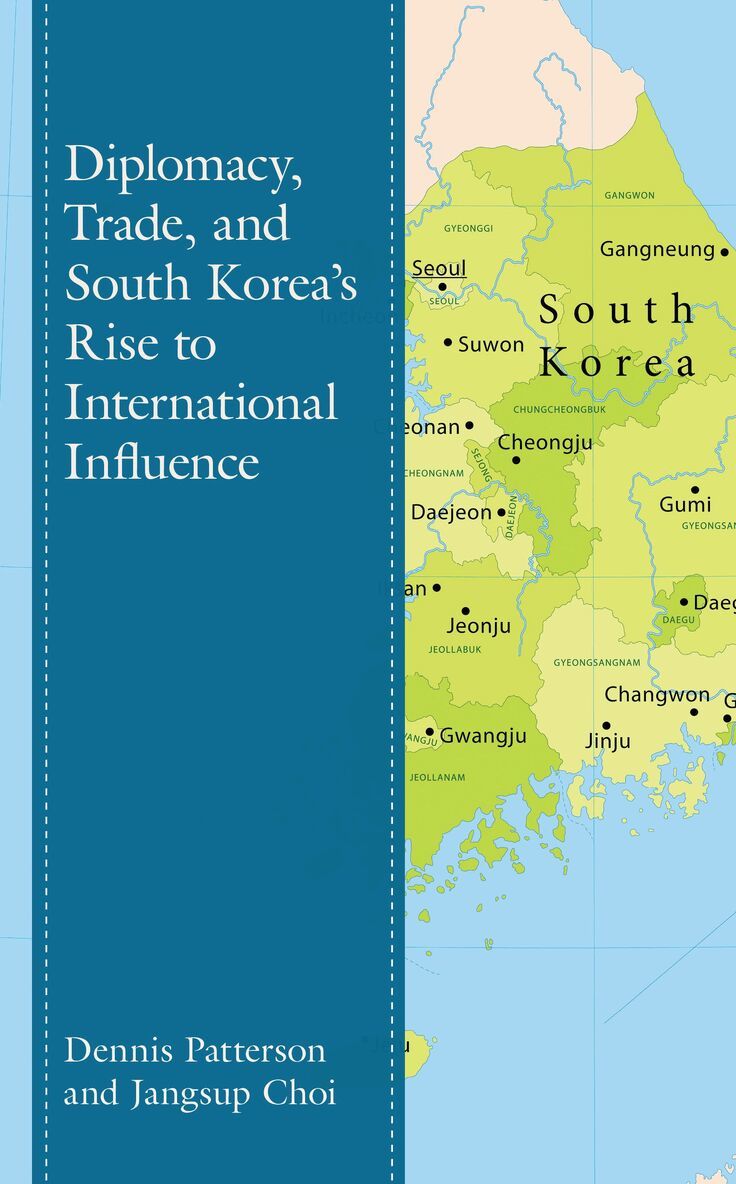
This volume details how the diplomatic successes of South Korean presidents removed the country from the international isolation it experienced in the aftermath of the Korean War and also provided the necessary international connections for the expansions of international trade it experienced. Patterson and Choi explain how diplomacy then was the primary process that allowed for the successful implementation of South Korea’s export-led economic development strategy which in turn led to the rapid growth that allowed it to eventually the internationally influential actor it is today
1 221 kr
Skickas inom 10-15 vardagar
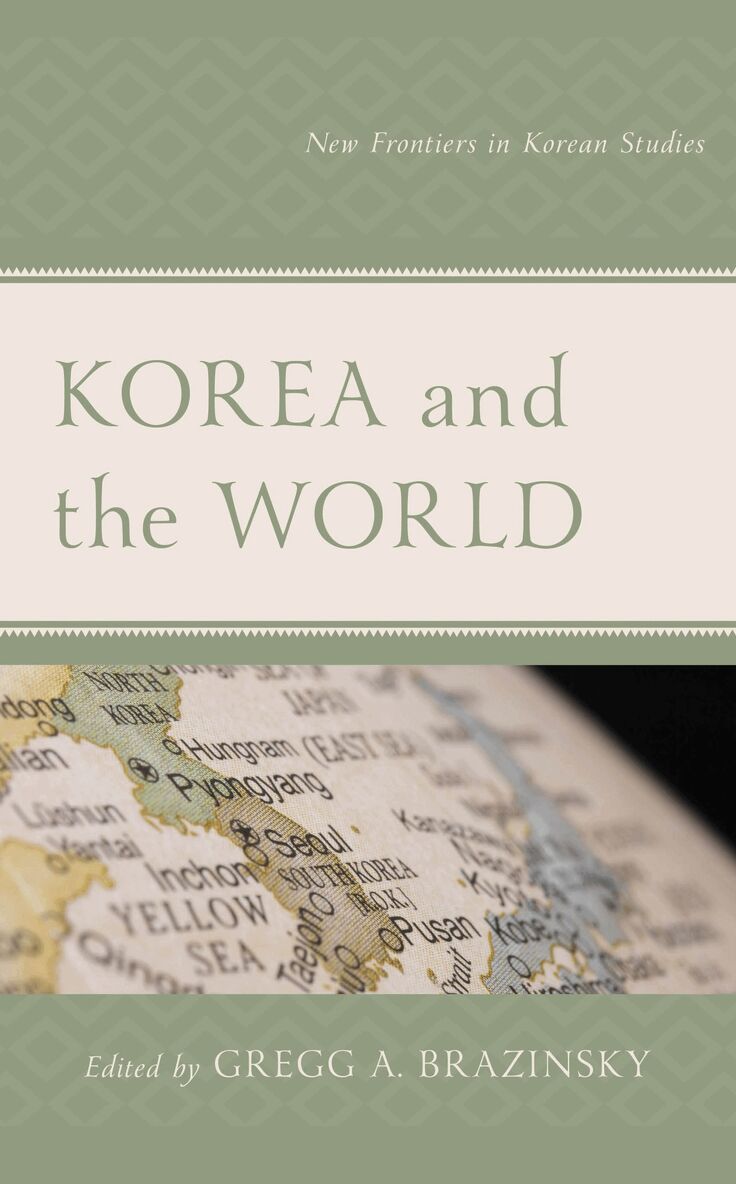
This edited volume brings together a set of essays exploring the global dimensions of Korea’s recent history and politics by a group of the most talented young scholars. Essays in the volume seek to answer two interrelated questions: How have international developments impacted Korea? And how has Korea in turn influenced world events and trends? The volume demonstrates that the most important issues in Korea’s post World War II history—division, war, economic development, and inter-Korean rivalry—cannot be understood without reference to the country’s global interactions. Essays in the volume cover a range of topics including: U.S.-South Korean relations, North Korean foreign policy, immigration, and democratization. The essays included in the volume push the boundaries of several different subfields. Historical essays break new ground by introducing new archival materials and revealing important details about the past diplomacy of the two Korea’s. Others consider aspects of American influence on Korea that have previously been ignored such as the U.S. impact on urban development and food consumption. Essays on contemporary Korean politics and society make sense of most recent developments in North and South Korea while presenting intriguing new interpretive frameworks. By bringing new voices in Korean Studies to the forefront, this volume changes how we understand and reconceptualize Korea’s role in the world.
493 kr
Skickas inom 10-15 vardagar
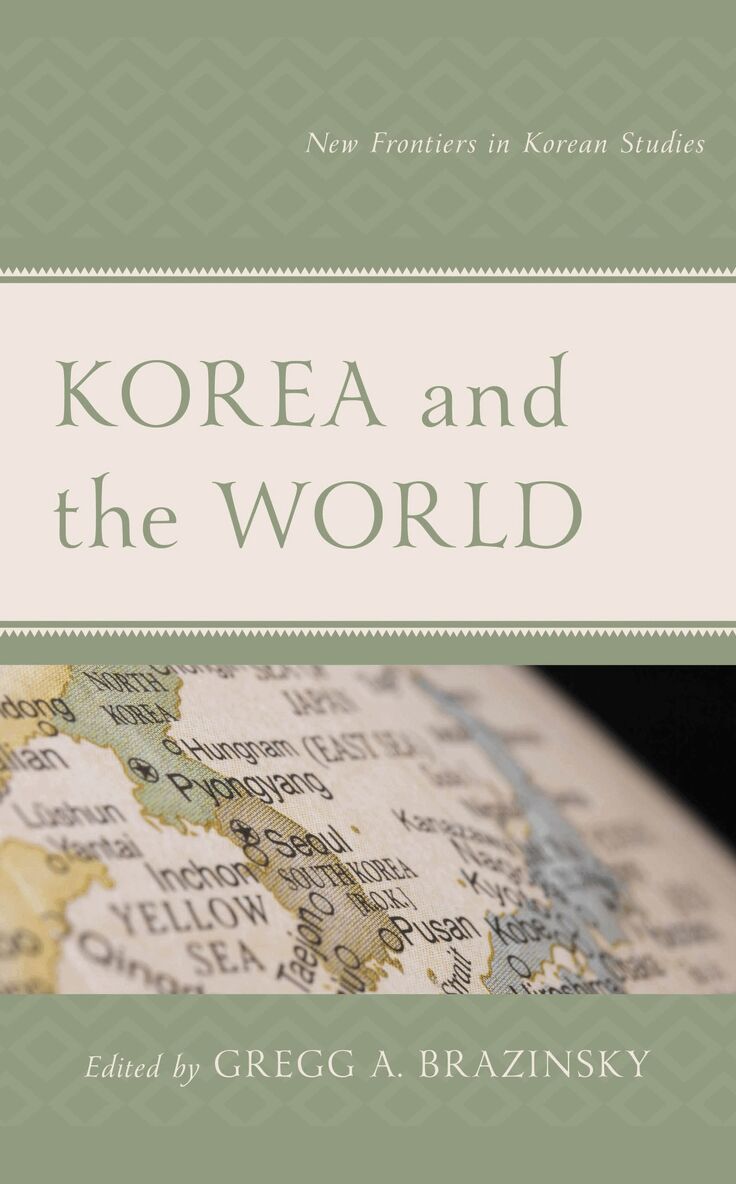
This edited volume brings together a set of essays exploring the global dimensions of Korea’s recent history and politics by a group of the most talented young scholars. Essays in the volume seek to answer two interrelated questions: How have international developments impacted Korea? And how has Korea in turn influenced world events and trends? The volume demonstrates that the most important issues in Korea’s post World War II history—division, war, economic development, and inter-Korean rivalry—cannot be understood without reference to the country’s global interactions. Essays in the volume cover a range of topics including: U.S.-South Korean relations, North Korean foreign policy, immigration, and democratization. The essays included in the volume push the boundaries of several different subfields. Historical essays break new ground by introducing new archival materials and revealing important details about the past diplomacy of the two Korea’s. Others consider aspects of American influence on Korea that have previously been ignored such as the U.S. impact on urban development and food consumption. Essays on contemporary Korean politics and society make sense of most recent developments in North and South Korea while presenting intriguing new interpretive frameworks. By bringing new voices in Korean Studies to the forefront, this volume changes how we understand and reconceptualize Korea’s role in the world.
Understanding Kim Jong-un's North Korea
Regime Dynamics, Negotiation, and Engagement
Inbunden, Engelska, 2022
1 397 kr
Skickas inom 10-15 vardagar
This ambitious book is constructed to provide the reader with unusually broad and deep insight into North Korea, illustrating how the Kim Jong-un regime calculates, balances, and addresses the various key policy challenges it faces. This will be accomplished through the extensive experience of the authors—Korean, European, and American—in North Korea and with North Koreans. There is no substitute for such direct experience in order to address the numerous myths and misconceptions that have grown up and persisted over the years about how the North functions, and how it perceives the world. Moreover, the usual focus on a single issue—for example, just nuclear or just economic matters—fails to provide a sense of how important the inter-relationship of these separate parts is in understanding the whole. The experience brought to bear in the book and the breadth of coverage provides badly needed, critical insights about North Korea at time when policy in Seoul and Washington toward the North is at a crucial hinge point.
Understanding Kim Jong-un's North Korea
Regime Dynamics, Negotiation, and Engagement
Häftad, Engelska, 2026
395 kr
Kommande
This ambitious book is constructed to provide the reader with unusually broad and deep insight into North Korea, illustrating how the Kim Jong-un regime calculates, balances, and addresses the various key policy challenges it faces. This will be accomplished through the extensive experience of the authors—Korean, European, and American—in North Korea and with North Koreans. There is no substitute for such direct experience in order to address the numerous myths and misconceptions that have grown up and persisted over the years about how the North functions, and how it perceives the world. Moreover, the usual focus on a single issue—for example, just nuclear or just economic matters—fails to provide a sense of how important the inter-relationship of these separate parts is in understanding the whole. The experience brought to bear in the book and the breadth of coverage provides badly needed, critical insights about North Korea at time when policy in Seoul and Washington toward the North is at a crucial hinge point.
1 019 kr
Skickas inom 10-15 vardagar
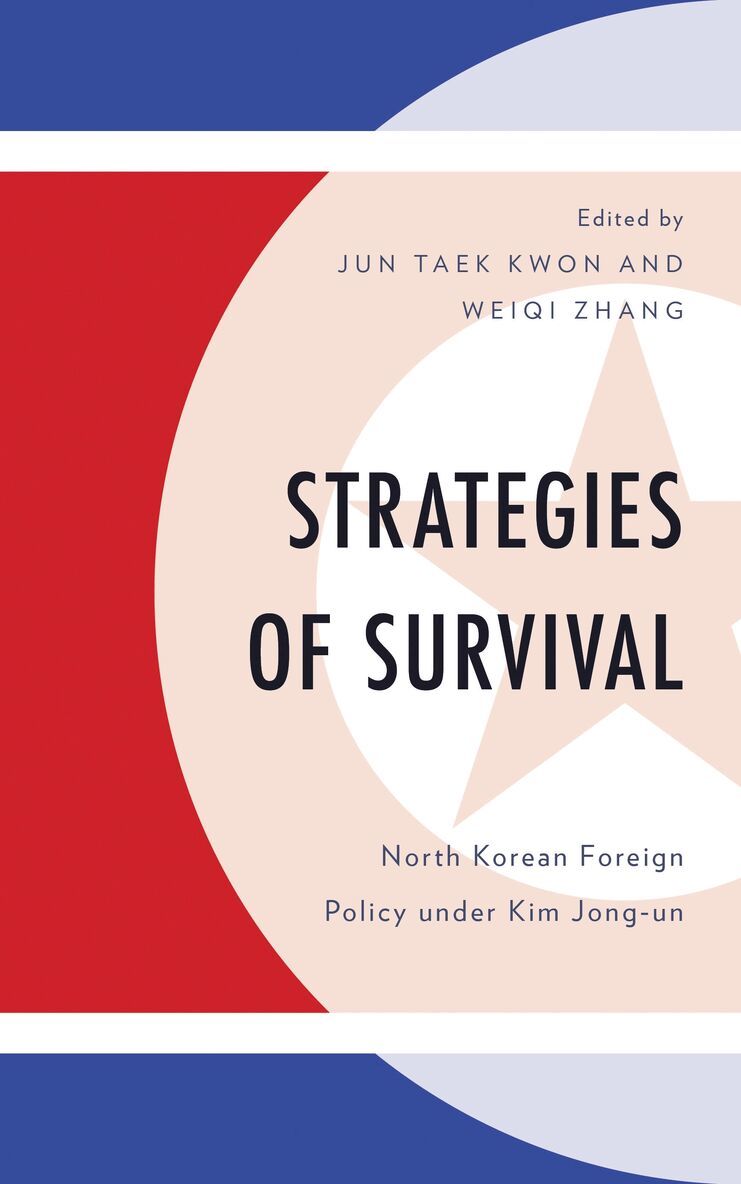
The North Korean nuclear issue has been one of the most significant challenges to international peace and security in the 21st century. The failure to peacefully resolve the issue could trigger regional instability or even nuclear warfare in the worst scenario. Since its first successful nuclear test in 2006, North Korea has repeatedly defied the international community regarding its nuclear program despite the effort and resources that the international community has focused on the issue. Many consider Pyongyang decision-makers irrational or simply crazy. Nonetheless, since early 2018, North Korea has drastically changed its foreign policy and actively pursued rapprochement.How to understand DPRK foreign policy, its past, and future? How will the nuclear issue develop under a possibly new paradigm of North Korean foreign policy? This book seeks to provide readers with a comprehensive analysis of North Korean foreign relations. As the existing analysis and literature on North Korean foreign relations focus primarily on China, the United States, South Korea, and Japan, but such analysis ignores the DPRK’s relations with many other states and organizations that not only interact with North Korea nevertheless also play important roles in its strategy of surviving in the international systems.
317 kr
Skickas inom 10-15 vardagar
The North Korean nuclear issue has been one of the most significant challenges to international peace and security in the 21st century. The failure to peacefully resolve the issue could trigger regional instability or even nuclear warfare in the worst scenario. Since its first successful nuclear test in 2006, North Korea has repeatedly defied the international community regarding its nuclear program despite the effort and resources that the international community has focused on the issue. Many consider Pyongyang decision-makers irrational or simply crazy. Nonetheless, since early 2018, North Korea has drastically changed its foreign policy and actively pursued rapprochement.How to understand DPRK foreign policy, its past, and future? How will the nuclear issue develop under a possibly new paradigm of North Korean foreign policy? This book seeks to provide readers with a comprehensive analysis of North Korean foreign relations. As the existing analysis and literature on North Korean foreign relations focus primarily on China, the United States, South Korea, and Japan, but such analysis ignores the DPRK’s relations with many other states and organizations that not only interact with North Korea nevertheless also play important roles in its strategy of surviving in the international systems.
1 086 kr
Skickas inom 10-15 vardagar
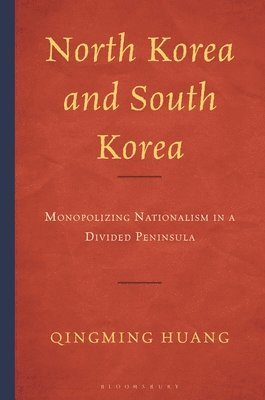
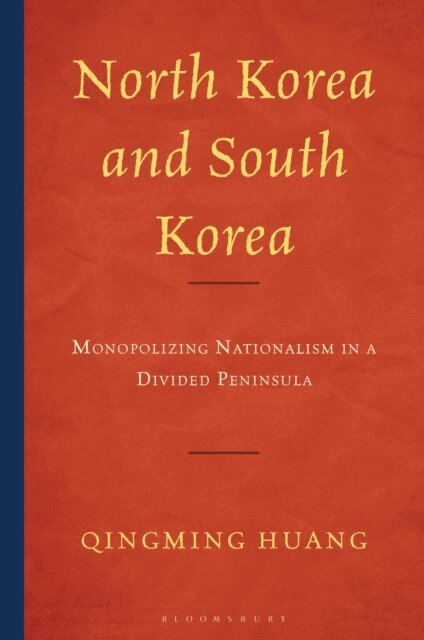
The autocratic regimes in both North Korea and South Korea attempted to legitimize their rule through efforts in nation-building but achieved different results. North Korea and South Korea: Monopolizing Nationalism in a Divided Peninsula seeks to answer: How did these regimes’ nation-building strategies through a variety of tools and venues differ in the process of regime development? How was nationalism utilized to construct a regime-legitimizing founding myth? What implications did these varied efforts have on authoritarian legitimacy and state-society relations under authoritarian rule? Focusing on the period from the end of the Second World War and the start of the Korean War to South Korea’s democratic transitions in the 1980s and North Korea’s crises in the 1990s, Qingming Huang examines the authoritarian regimes’ efforts in monopolizing the narratives of nationalism and constructing the founding myths of the regimes through textbooks and other myth-making venues. Huang argues that the North Korean regime’s monopoly of nationalism helped it construct the founding myth of the party-state as an essential source of regime legitimacy. In contrast, the autocratic regimes in South Korea failed to eliminate the competing narratives about the nation and were unable to monopolize nationalism. As a result, South Korea struggled to construct a founding myth to buttress the regimes and became more vulnerable to domestic challenges.
Construction of Korean Culture in Korean Language Textbooks
Ideologies and Textbooks
Inbunden, Engelska, 2020
1 715 kr
Skickas inom 10-15 vardagar
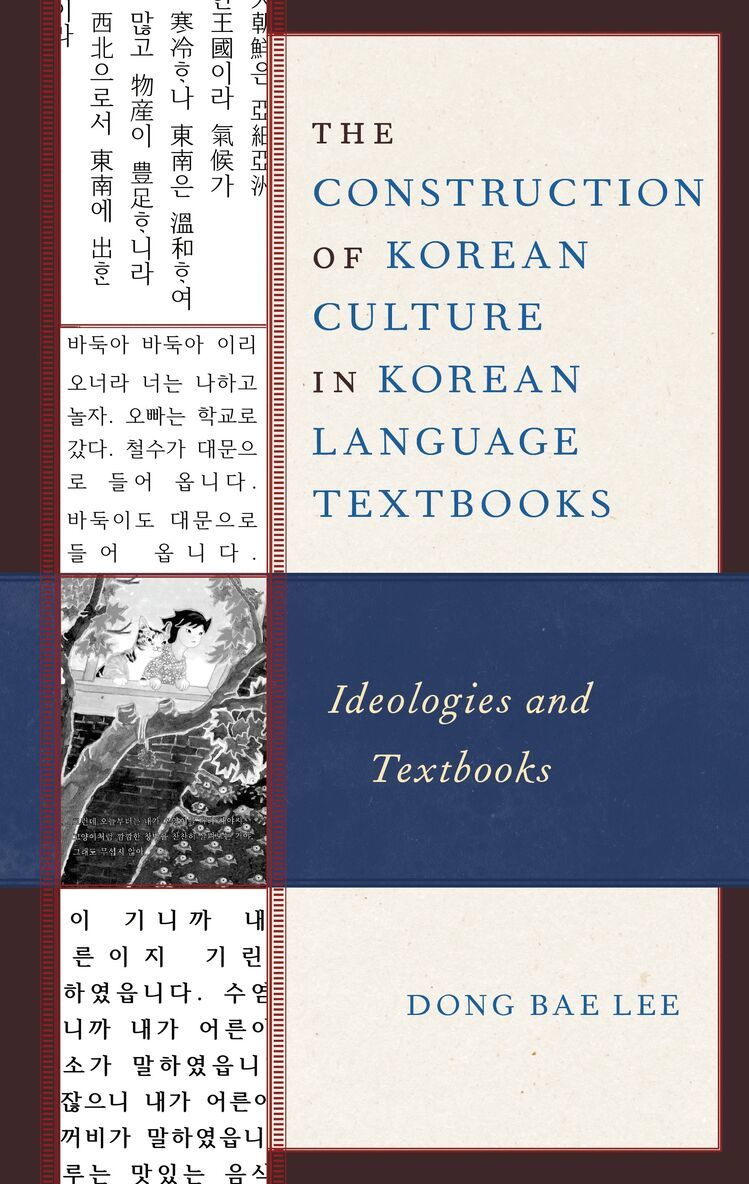
The book examines the themes of cultural values, collective identity, political ideologies, and Korean cultural traditions throughout Korean language textbooks from the last 120 years. Through this analysis, the author explores the colonial, neo-colonial, and postcolonial contexts that have influenced South Korea. This work demonstrates the significant impact of textbooks and how political leaders make use of school curricula to legitimate their regimes.
North Korea, Nuclear Risk-Taking, and the United States
Kim Il Sung, Kim Jong Il, and Kim Jong Un
Inbunden, Engelska, 2023
1 086 kr
Skickas inom 10-15 vardagar
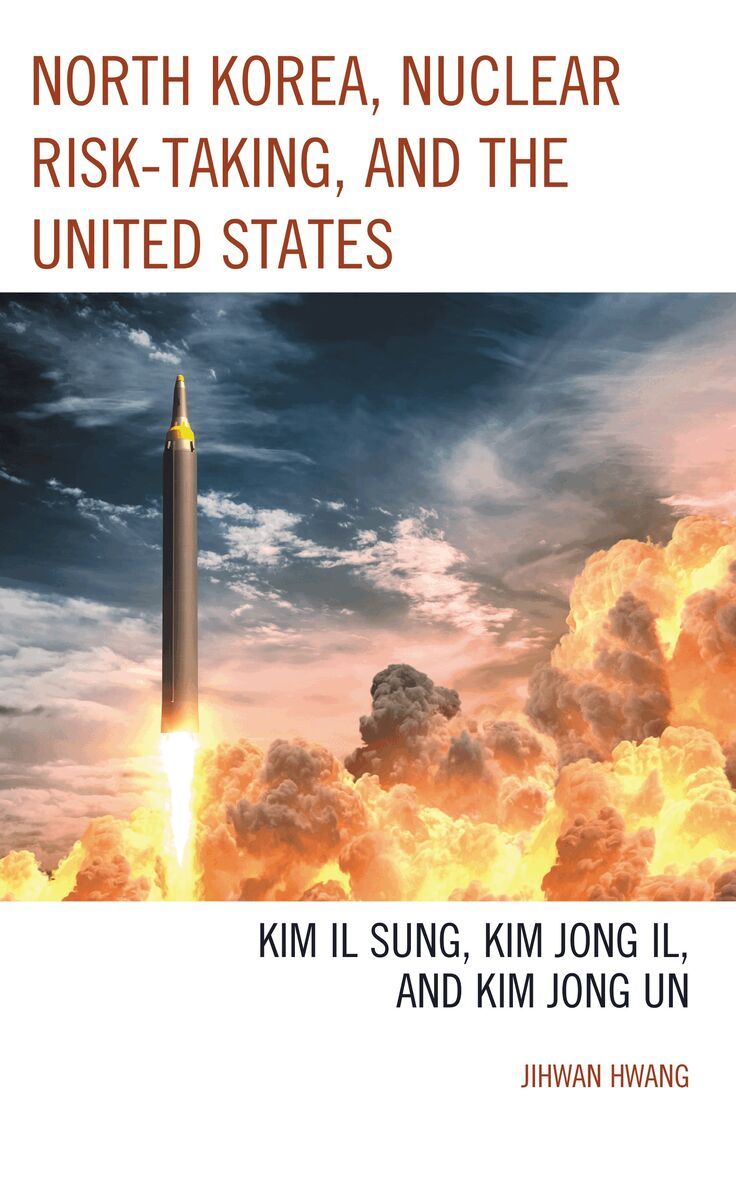
Jihwan Hwang analyzes Pyongyang’s nuclear policy changes over the last three decades under Kim Il Sung, Kim Jong Il and Kim Jong Un. Why did a weaker North Korea take the risk of standing up against the much stronger U.S. with its nuclear weapons program, even escalating the crisis to the point of a war? Later, why did North Korea change its course of action amid the crisis even though the security environment remained essentially the same? Hwang draws on the main tenets of prospect theory in international relations and argues that Pyongyang becomes either risk-acceptant or risk-averse toward the U.S., depending on the situation it faces. When Pyongyang perceived the status quo to be deteriorating, it framed its situation as a loss and chose a risk-acceptant of confrontation to restore the status quo. Equally, when Pyongyang perceived the situation to be improving, it chose a risk-averse engagement in the domain of gain. In contrast, when Pyongyang perceived an extreme loss such as military confrontation against the United States, it would rather choose a risk-averse policy to avoid the catastrophic outcome of war. The issues of risk are central to an understanding of Pyongyang’s nuclear policy decision-making.
North Korea, Nuclear Risk-Taking, and the United States
Kim Il Sung, Kim Jong Il, and Kim Jong Un
Häftad, Engelska, 2026
317 kr
Skickas inom 10-15 vardagar
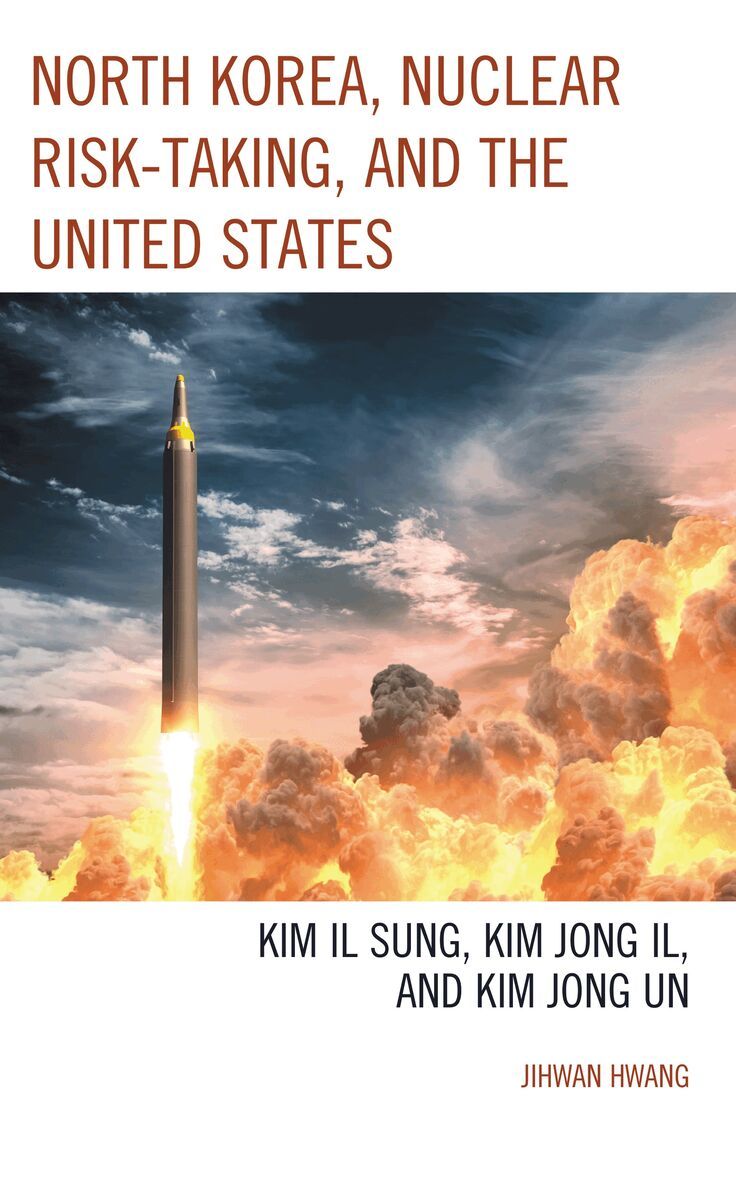
Jihwan Hwang analyzes Pyongyang’s nuclear policy changes over the last three decades under Kim Il Sung, Kim Jong Il and Kim Jong Un. Why did a weaker North Korea take the risk of standing up against the much stronger U.S. with its nuclear weapons program, even escalating the crisis to the point of a war? Later, why did North Korea change its course of action amid the crisis even though the security environment remained essentially the same? Hwang draws on the main tenets of prospect theory in international relations and argues that Pyongyang becomes either risk-acceptant or risk-averse toward the U.S., depending on the situation it faces. When Pyongyang perceived the status quo to be deteriorating, it framed its situation as a loss and chose a risk-acceptant of confrontation to restore the status quo. Equally, when Pyongyang perceived the situation to be improving, it chose a risk-averse engagement in the domain of gain. In contrast, when Pyongyang perceived an extreme loss such as military confrontation against the United States, it would rather choose a risk-averse policy to avoid the catastrophic outcome of war. The issues of risk are central to an understanding of Pyongyang’s nuclear policy decision-making.