Cambridge Studies in Cognitive Linguistics - Böcker
Visar alla böcker i serien Cambridge Studies in Cognitive Linguistics. Handla med fri frakt och snabb leverans.
4 produkter
4 produkter
1 338 kr
Skickas inom 7-10 vardagar
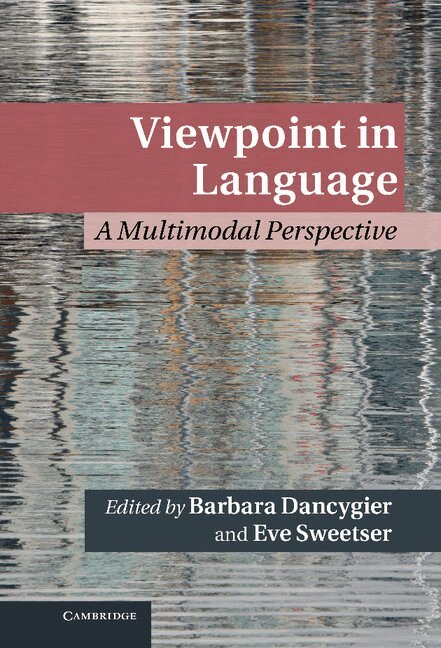
What makes us talk about viewpoint and perspective in linguistic analyses and in literary texts, as well as in landscape art? Is this shared vocabulary marking real connections between the disparate phenomena? This volume argues that human cognition is not only rooted in the human body, but also inherently 'viewpointed' as a result; consequently, so are language and communication. Dancygier and Sweetser bring together researchers who do not typically meet on common ground: analysts of narrative and literary style, linguists examining the uses of grammatical forms in signed and spoken languages, and analysts of gesture accompanying speech. Using models developed within cognitive linguistics, the book uncovers surprising functional similarities across various communicative forms, arguing for specific cognitive underpinnings of such correlations. What emerges is a new understanding of the role and structure of viewpoint and a groundbreaking methodology for investigating communicative choices across various modalities and discourse contexts.
1 417 kr
Skickas inom 7-10 vardagar
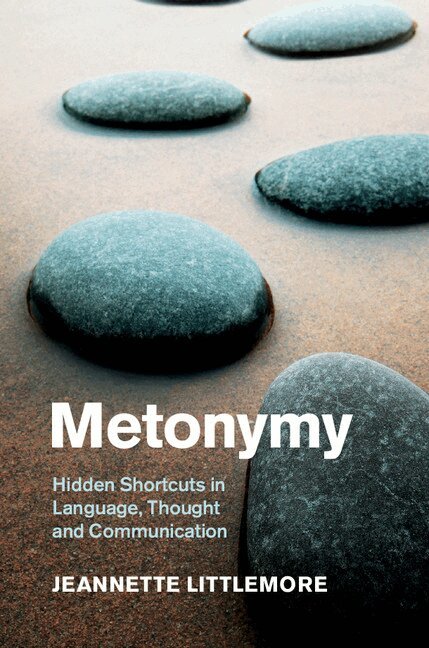
'Metonymy' is a type of figurative language used in everyday conversation, a form of shorthand that allows us to use our shared knowledge to communicate with fewer words than we would otherwise need. 'I'll pencil you in' and 'let me give you a hand' are both examples of metonymic language. Metonymy serves a wide range of communicative functions, such as textual cohesion, humour, irony, euphemism and hyperbole - all of which play a key role in the development of language and discourse communities. Using authentic data throughout, this book shows how metonymy operates, not just in language, but also in gesture, sign language, art, music, film and advertising. It explores the role of metonymy in cross-cultural communication, along with the challenges it presents to language learners and translators. Ideal for researchers and students in linguistics and literature, as well as teachers and general readers interested in the art of communication.
493 kr
Skickas inom 7-10 vardagar
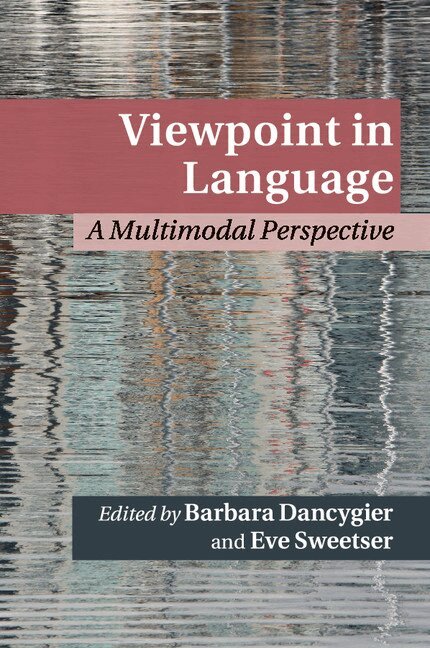
What makes us talk about viewpoint and perspective in linguistic analyses and in literary texts, as well as in landscape art? Is this shared vocabulary marking real connections between the disparate phenomena? This volume argues that human cognition is not only rooted in the human body, but also inherently 'viewpointed' as a result; consequently, so are language and communication. Dancygier and Sweetser bring together researchers who do not typically meet on common ground: analysts of narrative and literary style, linguists examining the uses of grammatical forms in signed and spoken languages, and analysts of gesture accompanying speech. Using models developed within cognitive linguistics, the book uncovers surprising functional similarities across various communicative forms, arguing for specific cognitive underpinnings of such correlations. What emerges is a new understanding of the role and structure of viewpoint and a groundbreaking methodology for investigating communicative choices across various modalities and discourse contexts.
441 kr
Skickas inom 7-10 vardagar
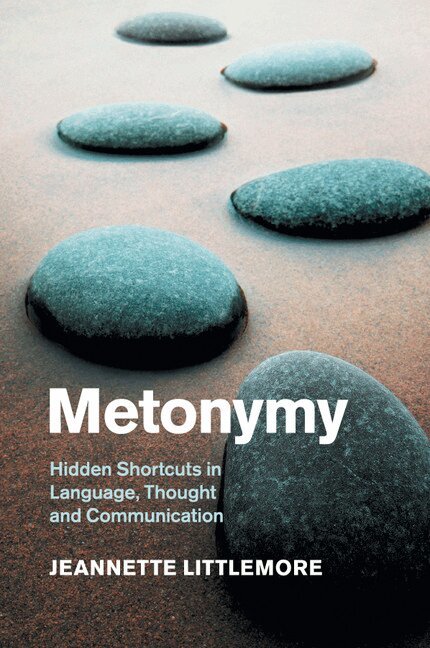
'Metonymy' is a type of figurative language used in everyday conversation, a form of shorthand that allows us to use our shared knowledge to communicate with fewer words than we would otherwise need. 'I'll pencil you in' and 'let me give you a hand' are both examples of metonymic language. Metonymy serves a wide range of communicative functions, such as textual cohesion, humour, irony, euphemism and hyperbole - all of which play a key role in the development of language and discourse communities. Using authentic data throughout, this book shows how metonymy operates, not just in language, but also in gesture, sign language, art, music, film and advertising. It explores the role of metonymy in cross-cultural communication, along with the challenges it presents to language learners and translators. Ideal for researchers and students in linguistics and literature, as well as teachers and general readers interested in the art of communication.