Challenges in Geotechnical and Rock Engineering - Böcker
Visar alla böcker i serien Challenges in Geotechnical and Rock Engineering. Handla med fri frakt och snabb leverans.
14 produkter
14 produkter
3 185 kr
Skickas inom 10-15 vardagar
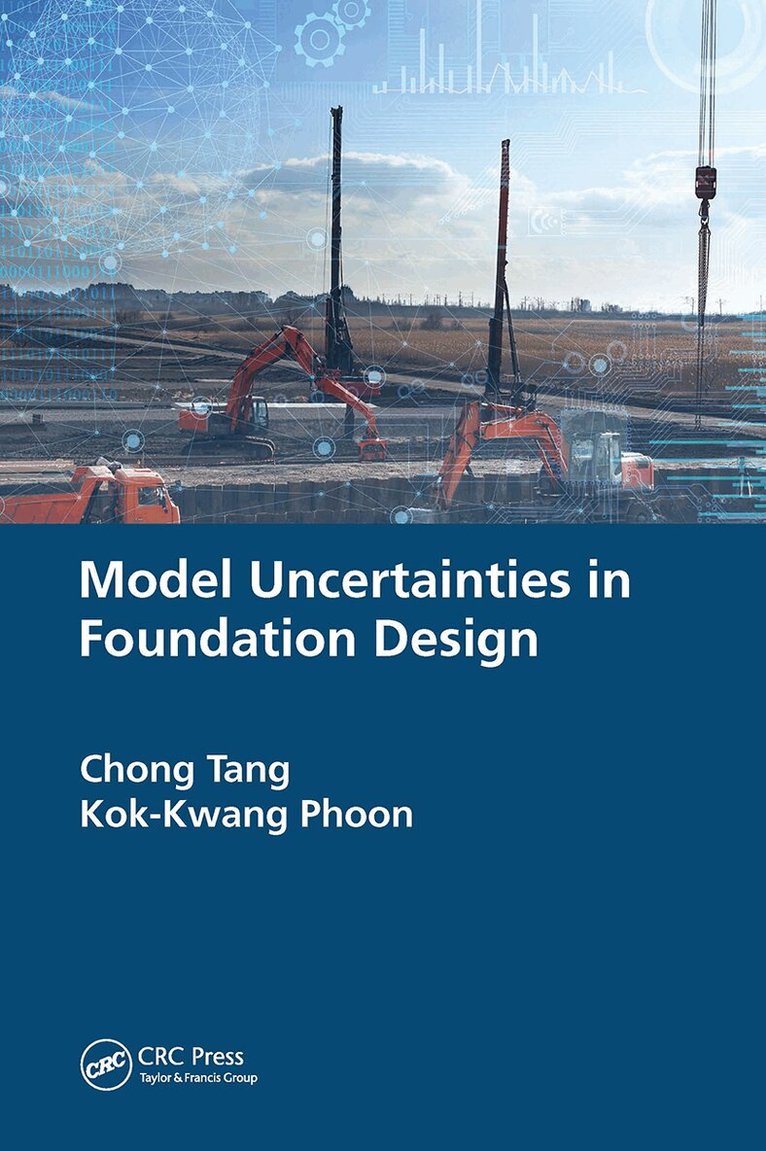
Model Uncertainties in Foundation Design is unique in the compilation of the largest and the most diverse load test databases to date, covering many foundation types (shallow foundations, spudcans, driven piles, drilled shafts, rock sockets and helical piles) and a wide range of ground conditions (soil to soft rock).All databases with names prefixed by NUS are available upon request. This book presents a comprehensive evaluation of the model factor mean (bias) and coefficient of variation (COV) for ultimate and serviceability limit state based on these databases. These statistics can be used directly for AASHTO LRFD calibration.Besides load test databases, performance databases for other geo-structures and their model factor statistics are provided. Based on this extensive literature survey, a practical three-tier scheme for classifying the model uncertainty of geo-structures according to the model factor mean and COV is proposed. This empirically grounded scheme can underpin the calibration of resistance factors as a function of the degree of understanding – a concept already adopted in the Canadian Highway Bridge Design Code and being considered for the new draft for Eurocode 7 Part 1 (EN 1997-1:202x). The helical pile research in Chapter 7 was recognised by the 2020 ASCE Norman Medal.
1 197 kr
Skickas inom 10-15 vardagar
Model Uncertainties in Foundation Design is unique in the compilation of the largest and the most diverse load test databases to date, covering many foundation types (shallow foundations, spudcans, driven piles, drilled shafts, rock sockets and helical piles) and a wide range of ground conditions (soil to soft rock).All databases with names prefixed by NUS are available upon request. This book presents a comprehensive evaluation of the model factor mean (bias) and coefficient of variation (COV) for ultimate and serviceability limit state based on these databases. These statistics can be used directly for AASHTO LRFD calibration.Besides load test databases, performance databases for other geo-structures and their model factor statistics are provided. Based on this extensive literature survey, a practical three-tier scheme for classifying the model uncertainty of geo-structures according to the model factor mean and COV is proposed. This empirically grounded scheme can underpin the calibration of resistance factors as a function of the degree of understanding – a concept already adopted in the Canadian Highway Bridge Design Code and being considered for the new draft for Eurocode 7 Part 1 (EN 1997-1:202x). The helical pile research in Chapter 7 was recognised by the 2020 ASCE Norman Medal.
2 370 kr
Skickas inom 10-15 vardagar
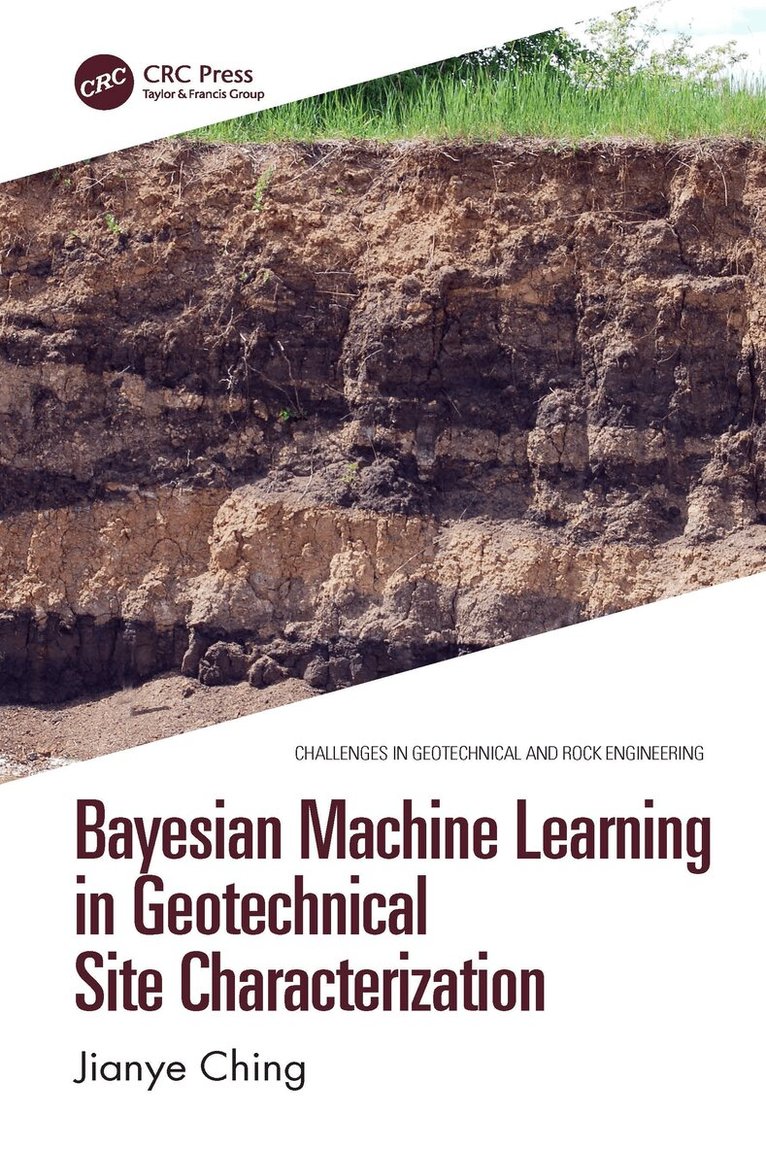
Bayesian data analysis and modelling linked with machine learning offers a new tool for handling geotechnical data. This book presents recent advancements made by the author in the area of probabilistic geotechnical site characterization.Two types of correlation play central roles in geotechnical site characterization: cross-correlation among soil properties and spatial-correlation in the underground space. The book starts with the introduction of Bayesian notion of probability “degree of belief”, showing that well-known probability axioms can be obtained by Boolean logic and the definition of plausibility function without the use of the notion “relative frequency”. It then reviews probability theories and useful probability models for cross-correlation and spatial correlation. Methods for Bayesian parameter estimation and prediction are also presented, and the use of these methods demonstrated with geotechnical site characterization examples.Bayesian Machine Learning in Geotechnical Site Characterization suits consulting engineers and graduate students in the area.
1 006 kr
Skickas inom 10-15 vardagar
Bayesian data analysis and modelling linked with machine learning offers a new tool for handling geotechnical data. This book presents recent advancements made by the author in the area of probabilistic geotechnical site characterization.Two types of correlation play central roles in geotechnical site characterization: cross-correlation among soil properties and spatial-correlation in the underground space. The book starts with the introduction of Bayesian notion of probability “degree of belief”, showing that well-known probability axioms can be obtained by Boolean logic and the definition of plausibility function without the use of the notion “relative frequency”. It then reviews probability theories and useful probability models for cross-correlation and spatial correlation. Methods for Bayesian parameter estimation and prediction are also presented, and the use of these methods demonstrated with geotechnical site characterization examples.Bayesian Machine Learning in Geotechnical Site Characterization suits consulting engineers and graduate students in the area.
2 437 kr
Skickas inom 10-15 vardagar
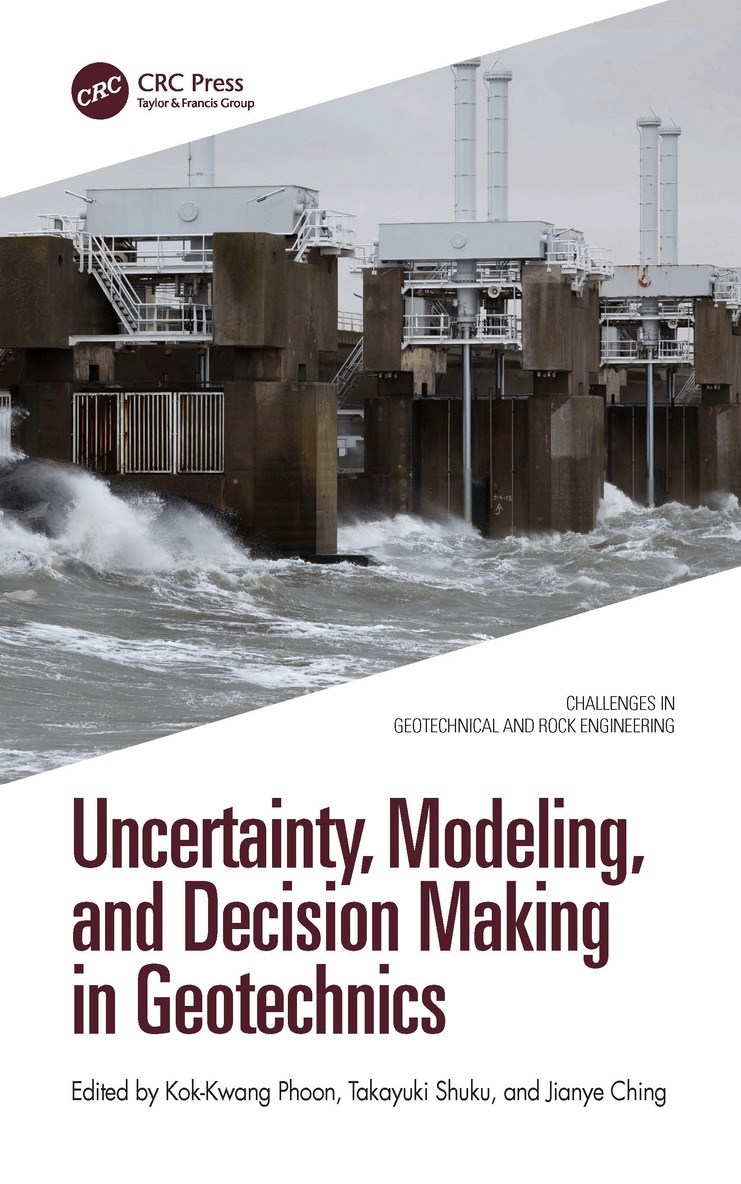
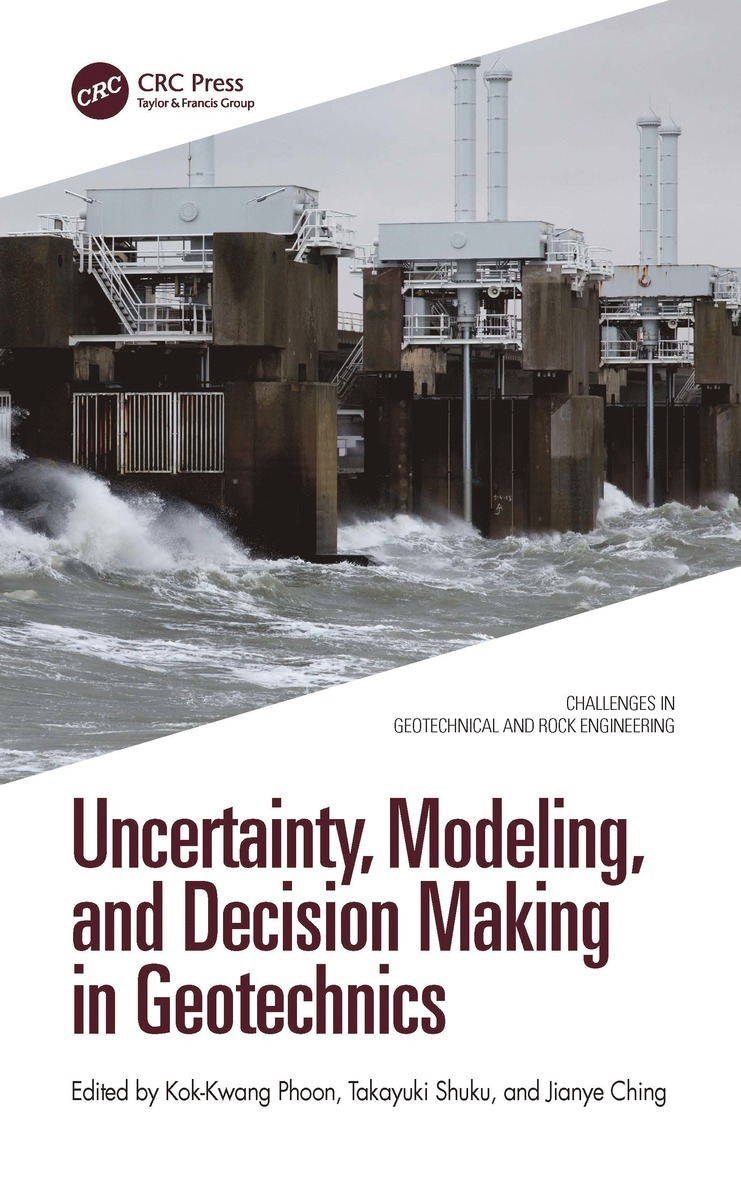
Uncertainty, Modeling, and Decision Making in Geotechnics shows how uncertainty quantification and numerical modeling can complement each other to enhance decision-making in geotechnical practice, filling a critical gap in guiding practitioners to address uncertainties directly.The book helps practitioners acquire a working knowledge of geotechnical risk and reliability methods and guides them to use these methods wisely in conjunction with data and numerical modeling. In particular, it provides guidance on the selection of realistic statistics and a cost-effective, accessible method to address different design objectives, and for different problem settings, and illustrates the value of this to decision-making using realistic examples.Bringing together statistical characterization, reliability analysis, reliability-based design, probabilistic inverse analysis, and physical insights drawn from case studies, this reference guide from an international team of experts offers an excellent resource for state-of-the-practice uncertainty-informed geotechnical design for specialist practitioners and the research community.
1 006 kr
Skickas inom 10-15 vardagar
Uncertainty, Modeling, and Decision Making in Geotechnics shows how uncertainty quantification and numerical modeling can complement each other to enhance decision-making in geotechnical practice, filling a critical gap in guiding practitioners to address uncertainties directly.The book helps practitioners acquire a working knowledge of geotechnical risk and reliability methods and guides them to use these methods wisely in conjunction with data and numerical modeling. In particular, it provides guidance on the selection of realistic statistics and a cost-effective, accessible method to address different design objectives, and for different problem settings, and illustrates the value of this to decision-making using realistic examples.Bringing together statistical characterization, reliability analysis, reliability-based design, probabilistic inverse analysis, and physical insights drawn from case studies, this reference guide from an international team of experts offers an excellent resource for state-of-the-practice uncertainty-informed geotechnical design for specialist practitioners and the research community.
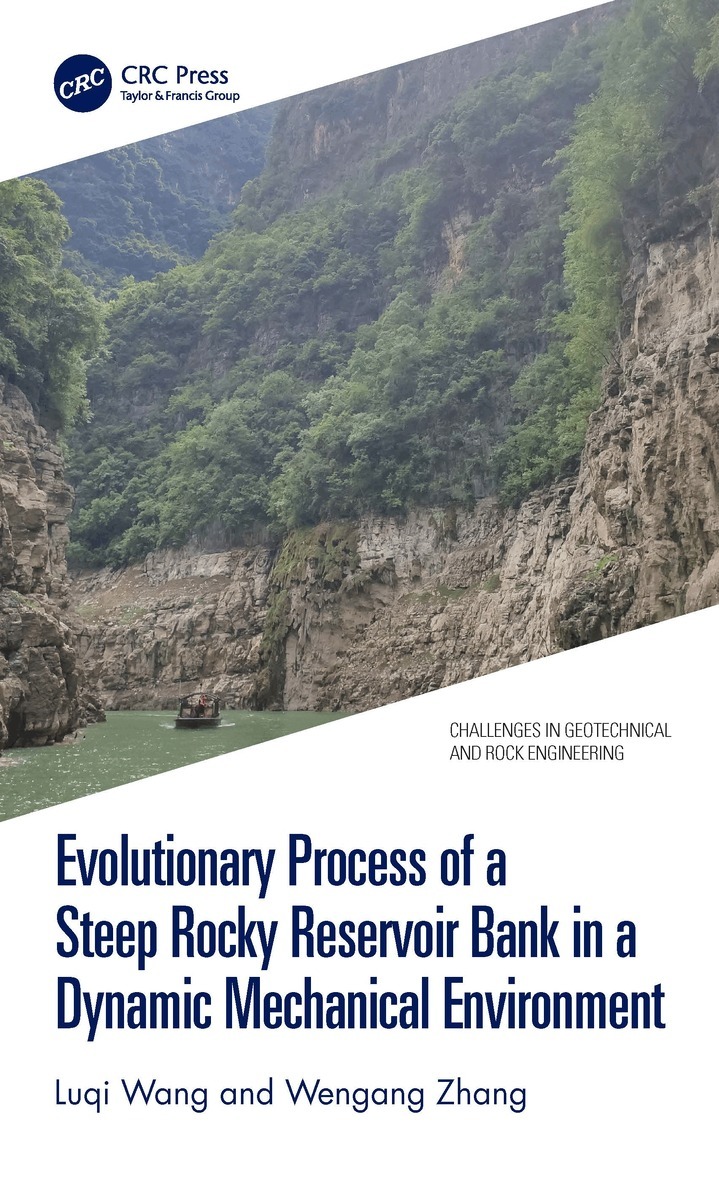
Evolutionary Process of a Steep Rocky Reservoir Bank in a Dynamic Mechanical Environment
Inbunden, Engelska, 2023
2 437 kr
Skickas inom 10-15 vardagar
To prevent the collapse of dangerous rock masses on steep rocky reservoir banks which can cause casualties and property loss, it is essential to design and conduct practical experiments to quantify the evolution processes of the reservoir banks and control such dangerous rock masses.Using the Jianchuandong Dangerous Rock Mass project as a case study, this book generalizes the mechanical model of the project to show how improved equipment can be used to measure the mechanical state transition under the continuous action of axial pressure. It details a series of experiments to study the evolution of a severely steep rocky reservoir bank, which comprehensively consider the influence of hydraulic coupling, dry-wet cycles, axial pressure, and time-dependent effects. The results support a new method for determining the stability of dangerous rock masses on reservoir banks.Combines engineering principles, real data, experimental methods and resultsProvides a complete research method for investigating hydrogeology failure processesThe book suits practitioners in hydropower engineering, engineering geology, and disaster protection.
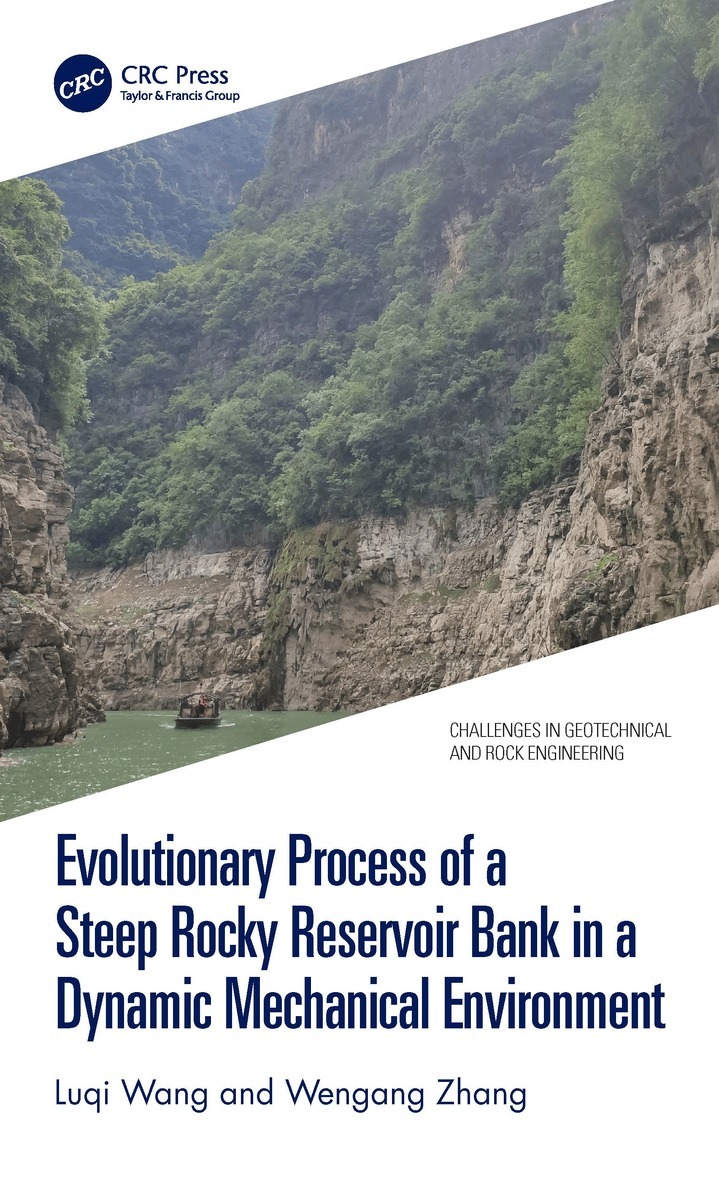
Evolutionary Process of a Steep Rocky Reservoir Bank in a Dynamic Mechanical Environment
Häftad, Engelska, 2024
965 kr
Skickas inom 10-15 vardagar
To prevent the collapse of dangerous rock masses on steep rocky reservoir banks which can cause casualties and property loss, it is essential to design and conduct practical experiments to quantify the evolution processes of the reservoir banks and control such dangerous rock masses.Using the Jianchuandong Dangerous Rock Mass project as a case study, this book generalizes the mechanical model of the project to show how improved equipment can be used to measure the mechanical state transition under the continuous action of axial pressure. It details a series of experiments to study the evolution of a severely steep rocky reservoir bank, which comprehensively consider the influence of hydraulic coupling, dry-wet cycles, axial pressure, and time-dependent effects. The results support a new method for determining the stability of dangerous rock masses on reservoir banks.Combines engineering principles, real data, experimental methods and resultsProvides a complete research method for investigating hydrogeology failure processesThe book suits practitioners in hydropower engineering, engineering geology, and disaster protection.
5 262 kr
Skickas inom 10-15 vardagar
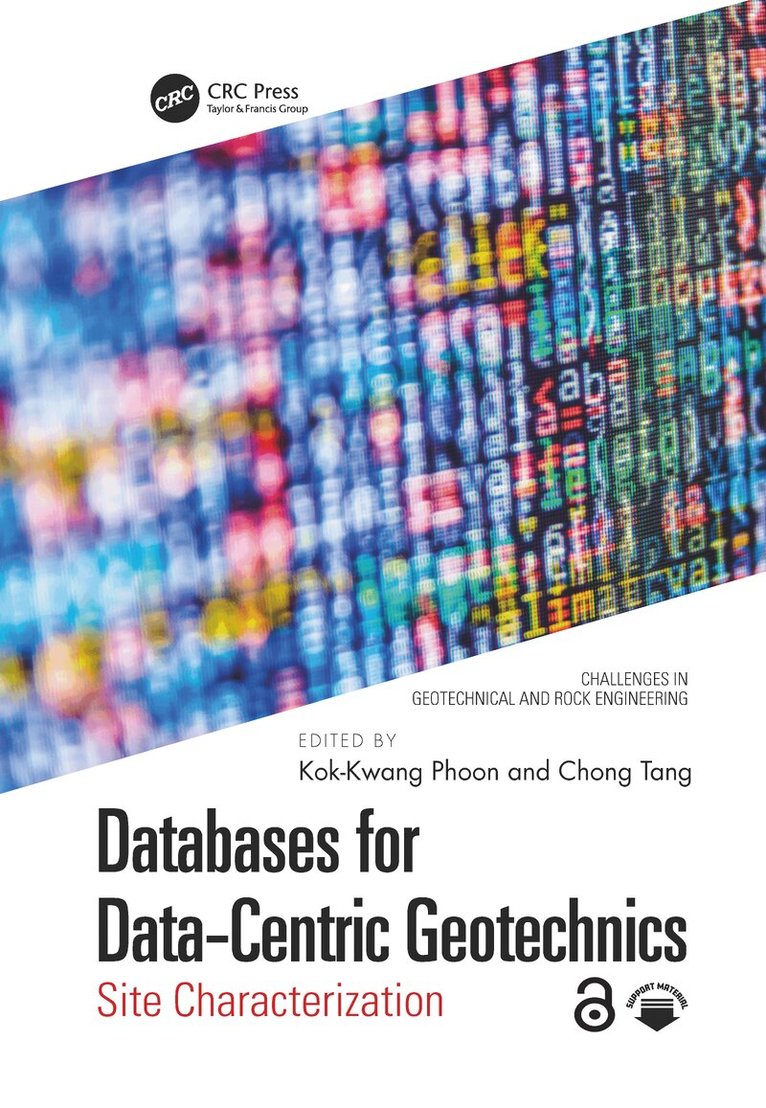
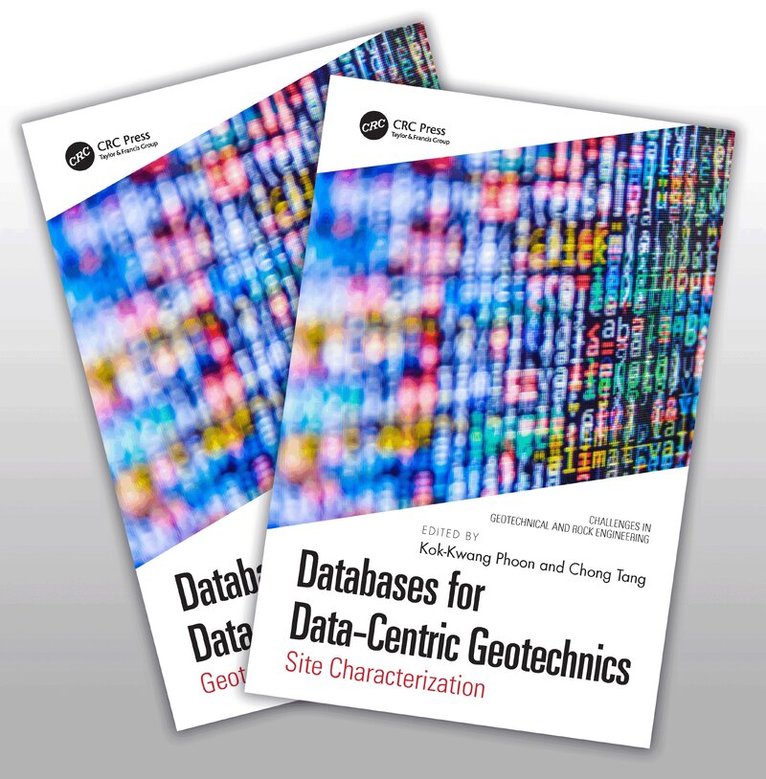
Databases for Data-Centric Geotechnics forms a definitive reference and guide to databases in geotechnical and rock engineering, to enhance decision-making in geotechnical practice using data-driven methods.The first volume pertains to site characterization. The opening chapter presents a deep analysis of site data attributes, including the establishment of a new taxonomy of site data under “4S” (site generalizations, spatial features, sampling characteristics, and smart data) to provide a novel agenda for data-driven site characterization. Type 3 machine learning methods (disruptive value) are possible as sensors become more pervasive and more intelligent. A comprehensive overview of site characterization information is also presented with a focus on its availability, coverage, value to decision making, and challenges. The following 13 chapters then present databases of soil and rock properties and the application of these databases to rock socket behavior, rock classification, settlement on soft marine clays, permeability of fine-grained soils, and liquefaction among others.The second volume pertains to geotechnical structures. The opening chapter presents a substantial survey of performance databases and the effectiveness of our prediction models in matching the field measurements in these databases, based on (1) full-scale field tests, (2) 39 prediction exercises organized as a part of international conferences, and (3) comparison between numerical analyses and in-situ or field measurements conducted by the French LCPC. The focus is on the evaluation of the statistical degree of confidence in predicting various of quantities of interest such as capacity and deformation. The following 18 chapters then present databases on the performance of shallow foundations, spudcan foundations, deep foundations, anchors and pipelines, retaining systems and excavations, and landslides.The databases were compiled from studies undertaken in many countries including Austria, Australia, Brazil, Canada, China, France, Finland, Germany, India, Iran, Japan, Korea, Malaysia, Mexico, New Zealand, Norway, Singapore, Sweden, Thailand, UK and USA.Databases for Data-Centric Geotechnics represents the most diverse and comprehensive assembly of database research in a single publication (consisting of two volumes) to date. It follows from Model Uncertainties for Foundation Design, also published by CRC Press, and suits specialist geotechnical engineers, researchers and graduate students.
2 370 kr
Skickas inom 10-15 vardagar
Site characterization is indispensable to good geotechnical or rock engineering practice as every site is unique, but technical, budget, time, or access constraints typically result in only a tiny fraction of the underground soil and rock in a site being visually inspected, sampled, or tested. This leads to a long- lasting challenge of sparse measurements in geo- sciences and engineering. This book introduces Bayesian compressive sensing or sampling (BCS) as a highly efficient spatial data analytic and simulation method for the efficient modelling of spatial geo- data from sparse measurements, with quantified reliability and uncertainty to further optimize site characterization. It provides the necessary theory and computational tools for setting up and solving a sparse spatial data modeling problem using BCS. This book suits graduate students, academics, researchers, and engineers interested in site characterization from sparse measurements in geotechnical and rock engineering, and also those modeling other spatially varying phenomena such as air quality data, soil or water pollution data, and meteorological data. This is supplemented with a software called Analytics of Sparse Spatial Data using Bayesian compressive sampling/ sensing and illustrative examples, and enables hands- on experience of spatial data analytics and simulation using sparse measurements.
2 238 kr
Skickas inom 10-15 vardagar
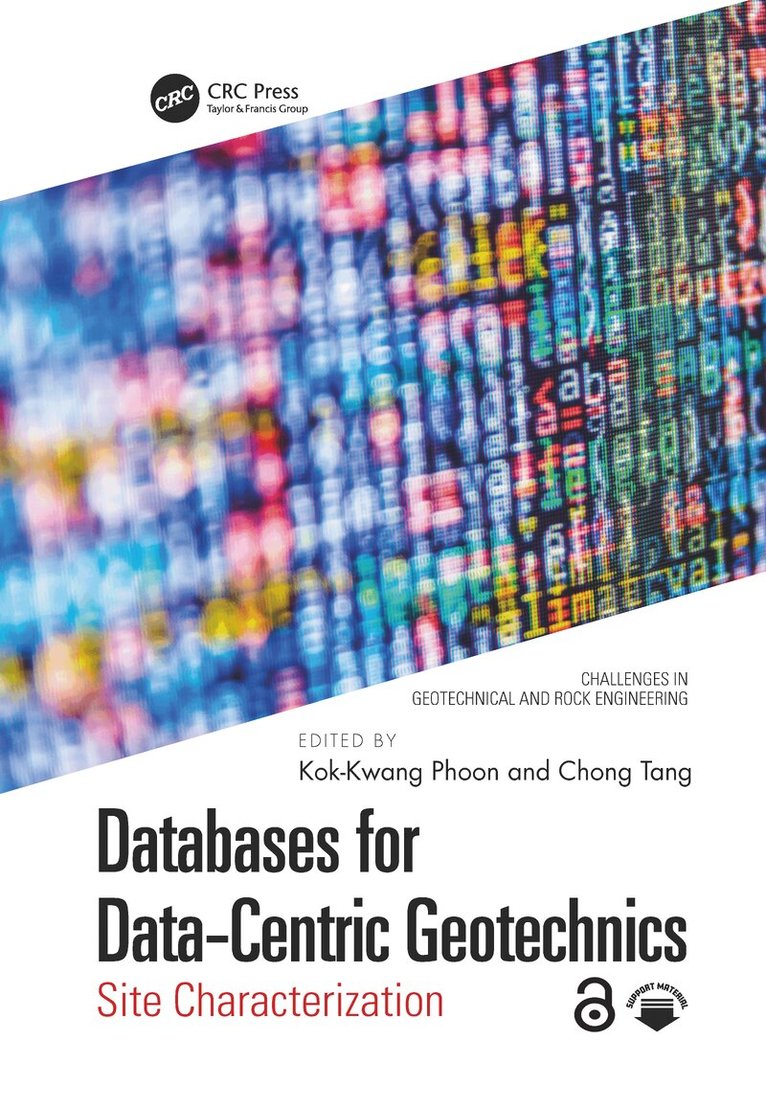
Databases for Data-Centric Geotechnics forms a definitive reference and guide to databases in geotechnical and rock engineering, to enhance decision-making in geotechnical practice using data-driven methods. This first volume pertains to site characterization. The opening chapter presents an in-depth analysis of site data attributes, including the establishment of a new taxonomy of site data under “4S” (site generalizations, spatial features, sampling characteristics, and smart data) to provide a novel agenda for data-driven site characterization. Type 3 machine learning methods (disruptive value) are possible as sensors become more pervasive and more intelligent. A comprehensive overview of site characterization information is also presented with a focus on its availability, coverage, value to decision making, and challenges. The remaining 13 chapters cover databases of soil and rock properties and the application of these databases to rock socket behavior, rock classification, settlement on soft marine clays, permeability of fine-grained soils, and liquefaction among others. The databases were compiled from studies undertaken in many countries including Austria, Australia, Brazil, Canada, China, France, Finland, Germany, India, Iran, Japan, Korea, Malaysia, Mexico, New Zealand, Norway, Singapore, Sweden, Thailand, the United Kingdom, and the United States.This volume on site characterization is a companion to the volume on geotechnical structures. Databases for Data-Centric Geotechnics represents the most diverse and comprehensive assembly of database research in a single publication (consisting of two volumes) to date. It follows from Model Uncertainties for Foundation Design, also published by CRC Press, and suits specialist geotechnical engineers, researchers and graduate students.Chapter 6 of this book is freely available as a downloadable Open Access PDF at http://www.taylorfrancis.com under a Creative Commons [(CC BY)] 4.0 license.
2 235 kr
Skickas inom 10-15 vardagar
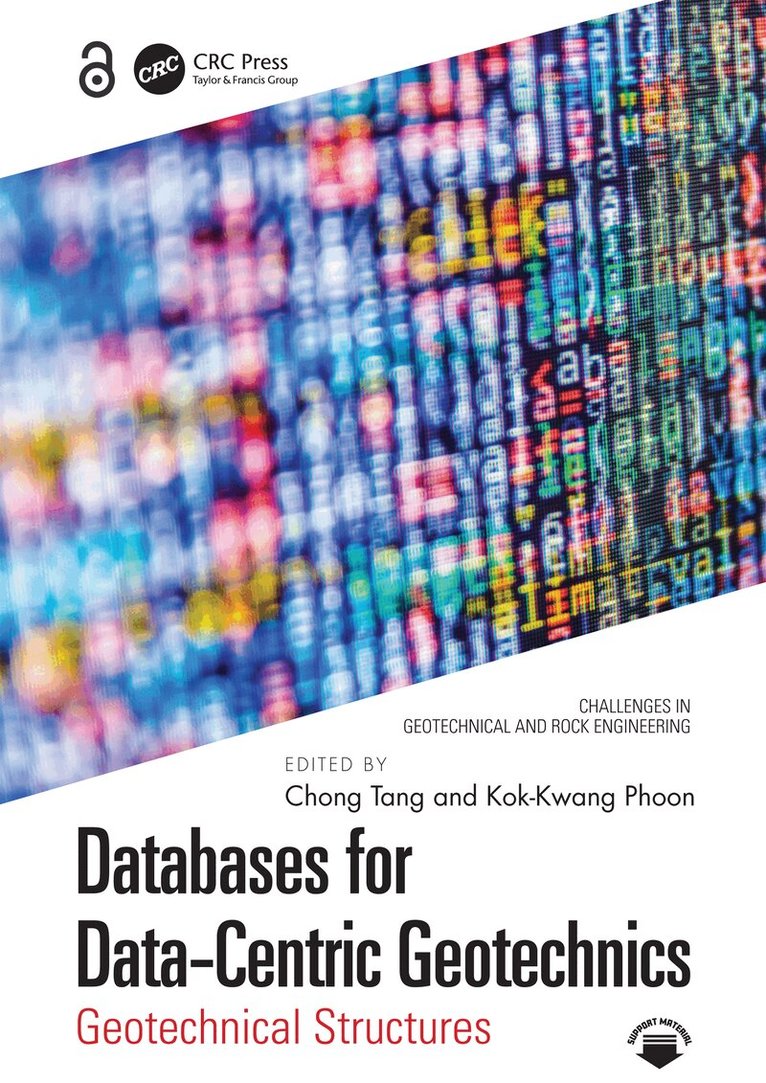
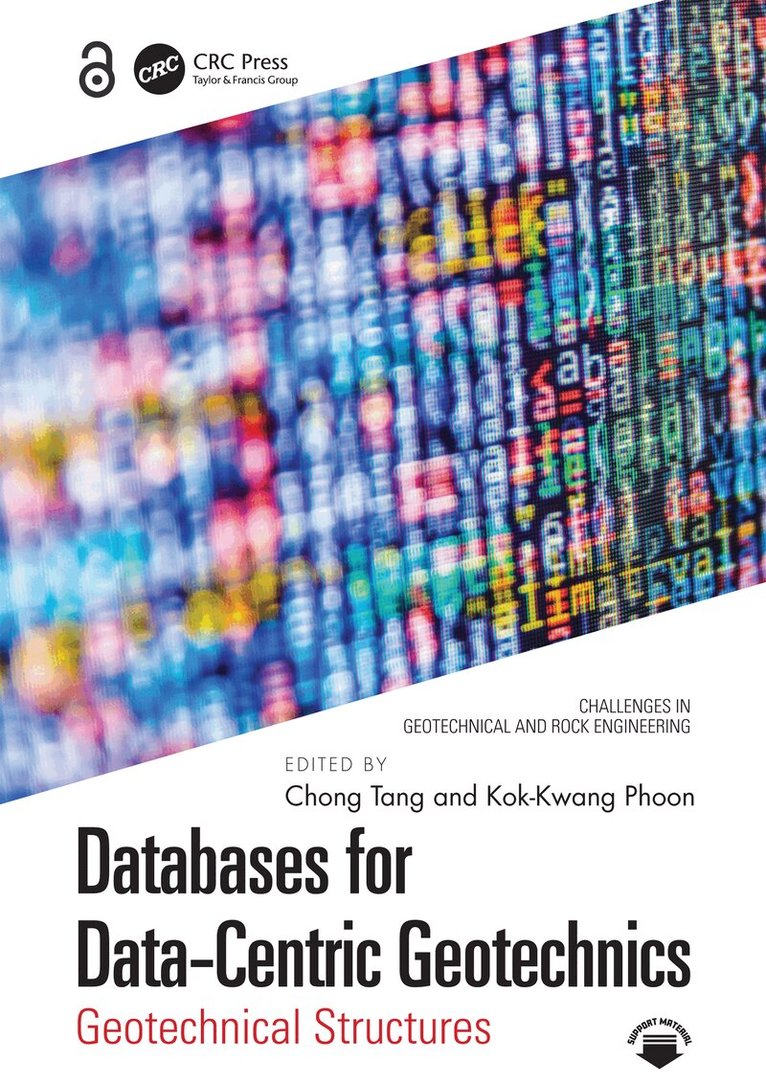
Databases for Data-Centric Geotechnics forms a definitive reference and guide to databases in geotechnical and rock engineering, to enhance decision-making in geotechnical practice using data-driven methods. This second volume pertains to geotechnical structures. The opening chapter presents a substantial survey of performance databases and the effectiveness of our prediction models in matching the field measurements in these databases, based on (1) full-scale field tests, (2) 39 prediction exercises organized as a part of international conferences, and (3) comparison between numerical analyses and in-situ or field measurements conducted by the French LCPC. The focus is on the evaluation of the statistical degree of confidence in predicting various of quantities of interest such as capacity and deformation. The following 18 chapters then present databases on the performance of shallow foundations, spudcan foundations, deep foundations, anchors and pipelines, retaining systems and excavations, and landslides. The databases were compiled from studies undertaken in many countries such as Australia, Belgium, Bolivia, Brazil, Canada, China, Egypt, France, Germany, Hungary, Iran, Ireland, Japan, Kenya, Malaysia, Netherlands, Norway, Poland, Portugal, South Africa, the United Kingdom and the United States.This volume on geotechnical structures is a companion to the volume on site characterization. Databases for Data-Centric Geotechnics represents the most diverse and comprehensive assembly of database research in a single publication (consisting of two volumes) to date. It follows from Model Uncertainties for Foundation Design, also published by CRC Press, and suits specialist geotechnical engineers, researchers and graduate students.Chapter 10 of this book is freely available as a downloadable Open Access PDF at http://www.taylorfrancis.com under a Creative Commons [Attribution (CC BY)] 4.0 license.
2 548 kr
Kommande
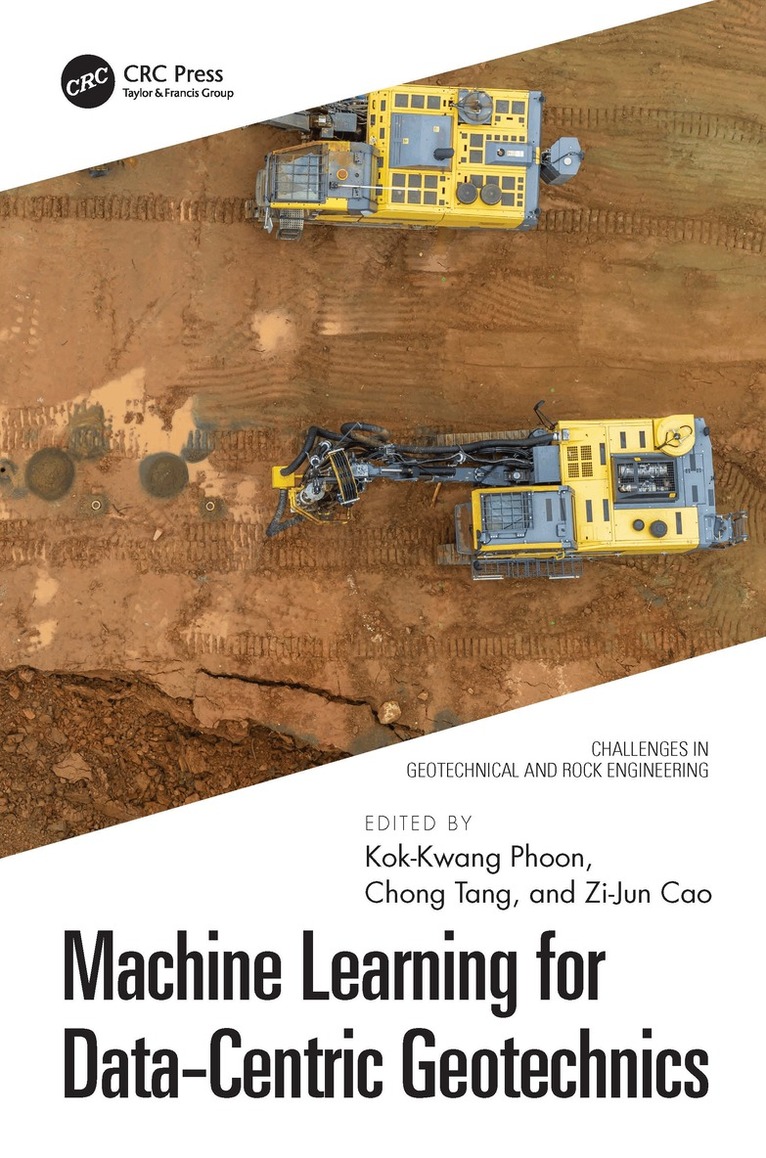
Machine learning and other digital technologies fed with large datasets offer a major set of tools for practical geotechnical design. Large language models and other generative AIs can perform cognitive tasks currently undertaken by humans -- and might even predict the next event based on some time series. This depends on a balance of data centricity, fit-for (and transformative) practice, and geotechnical context, and can be achieved by the integration of information, data, techniques, tools, perspectives, concepts, theories, along with experience from both geotechnical engineering and machine learning in computer science. And yet good engineering and research outcomes are still dependent on how practice (which includes the workforce) is improved or even transformed in the longer term to better serve end-users. This collection of focused chapters from a group of specialists presents principles and broader up to date practice of machine learning, along with a number of example areas of site characterization, design and construction in geotechnics.This book is essential for sophisticated practitioners as well as graduate student.
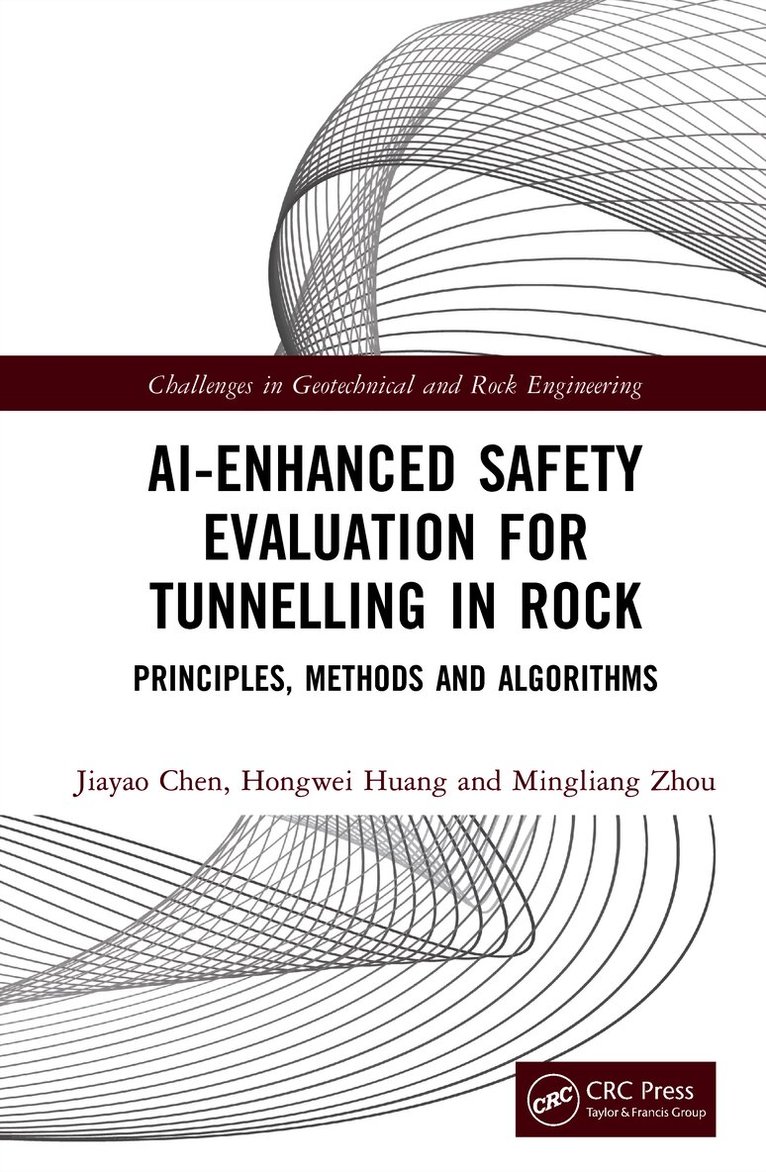
AI-Enhanced Safety Evaluation for Tunnelling in Rock
Principles, Methods and Algorithms
Inbunden, Engelska, 2025
2 374 kr
Skickas inom 10-15 vardagar
Artificial intelligence (AI) techniques for rock tunnel construction offer innovative solutions for assessing rock mass quality and ensuring excavation safety in challenging geological conditions. Both cutting-edge contact methods and noncontact methods such as digital photography can provide continuous geological data during excavation. Then, advanced deep learning algorithms for precise characterization of rock face features, along with pioneering multisource 3D data fusion modelling, can enable refined rock mass classification and sophisticated safety evaluation techniques tailored to complex geological environments. By integrating machine vision and intelligent algorithms with rigorous statistical analysis and machine learning models, this book provides practical and refined solutions for the construction industry. It offers improved safety, efficiency, and reliability for tunnel projects and serves as a valuable reference for graduate students and academics.