Coaching Distinctive Features - Böcker
Visar alla böcker i serien Coaching Distinctive Features. Handla med fri frakt och snabb leverans.
16 produkter
16 produkter
285 kr
Skickas inom 10-15 vardagar
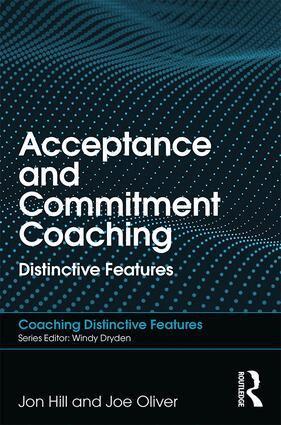
Jon Hill and Joe Oliver introduce the Acceptance and Commitment Coaching (ACC) model with clarity and accessibility, defining it as an approach that incorporates mindfulness and acceptance, focusing on committed, values-based actions to help coachees make meaningful changes to their lives. Acceptance and Commitment Coaching: Distinctive Features explains the ACC model in such a way that the reader will be able to put it into practice immediately, as well as offering sufficient context to anchor the practical tools in a clear theoretical framework. Split into two parts, the book begins by emphasising ACC’s relevance and its core philosophy before providing an overview of its key theoretical points and the research that supports it. The authors also explain the six key ACC processes: defusion, acceptance, contact with the present moment, self as context, values and committed action, and explain how to use them in practice. Hill and Oliver address essential topics, such as the critical work needed before and as you begin working with a coachee, how to use metaphor as an effective tool as a coach, and they finish by offering helpful tips on how to help coachees maintain their positive changes, how to make ACC accessible to all types of client, how to manage challenging coachees and how to work with both individuals and groups using ACC. Aimed specifically at coaches, the book offers context, examples, practicality and a unique combination of practical and theoretical points in a concise format.Acceptance and Commitment Coaching: Distinctive Features is essential reading for coaches, coaching psychologists and executive coaches in practice and in training. It would be of interest to academics and students of coaching psychology and coaching techniques, as well as Acceptance and Commitment Therapy (ACT) practitioners looking to move into coaching.
2 026 kr
Skickas inom 10-15 vardagar
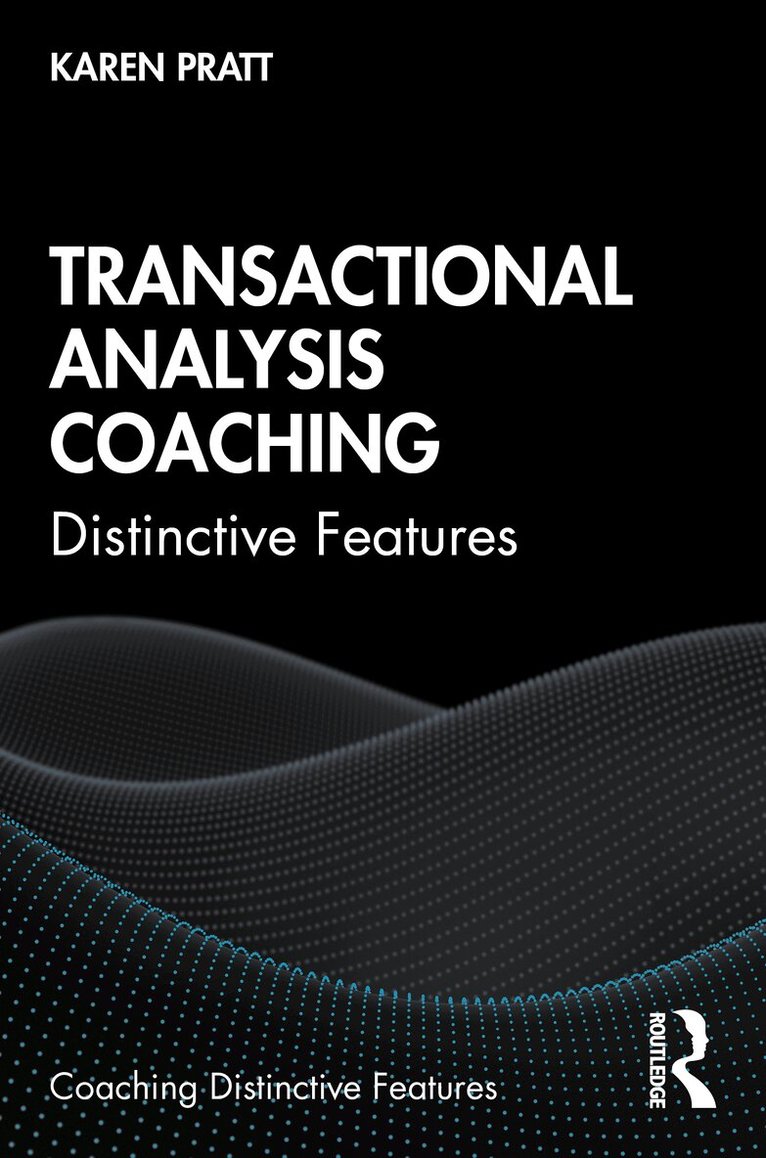
This important book distils the essence of developmental Transactional Analysis (TA) frameworks that are most useful to bring alive professional coaching competencies. Karen Pratt offers clear outlines of TA frameworks as well as describing how they are applied in coaching, with snippets of coaching conversations as illustrations of the theory in practice.Pratt highlights key TA frameworks in enough detail to be easily grasped but with a focus on application in coaching and other developmental conversations. A TA approach powerfully guides coaches in their listening and questioning. TA is not used as a coaching ‘technique’ – it offers psychological understanding of human beings and the meaning they make of who they are in the world. Such awareness is key for both professionals and clients in meaningful partnerships for development. Transactional Analysis Coaching will be key reading for professionals working within present-centered contracts for change – coaches, trainers, facilitators, supervisors, teachers, mentors and managers – seeking to understand how TA can impact their development. It will be of great interest to coaches in training and will provide a useful resource for clients in their ongoing development.
274 kr
Skickas inom 10-15 vardagar
This important book distils the essence of developmental Transactional Analysis (TA) frameworks that are most useful to bring alive professional coaching competencies. Karen Pratt offers clear outlines of TA frameworks as well as describing how they are applied in coaching, with snippets of coaching conversations as illustrations of the theory in practice.Pratt highlights key TA frameworks in enough detail to be easily grasped but with a focus on application in coaching and other developmental conversations. A TA approach powerfully guides coaches in their listening and questioning. TA is not used as a coaching ‘technique’ – it offers psychological understanding of human beings and the meaning they make of who they are in the world. Such awareness is key for both professionals and clients in meaningful partnerships for development. Transactional Analysis Coaching will be key reading for professionals working within present-centered contracts for change – coaches, trainers, facilitators, supervisors, teachers, mentors and managers – seeking to understand how TA can impact their development. It will be of great interest to coaches in training and will provide a useful resource for clients in their ongoing development.
1 847 kr
Skickas inom 10-15 vardagar
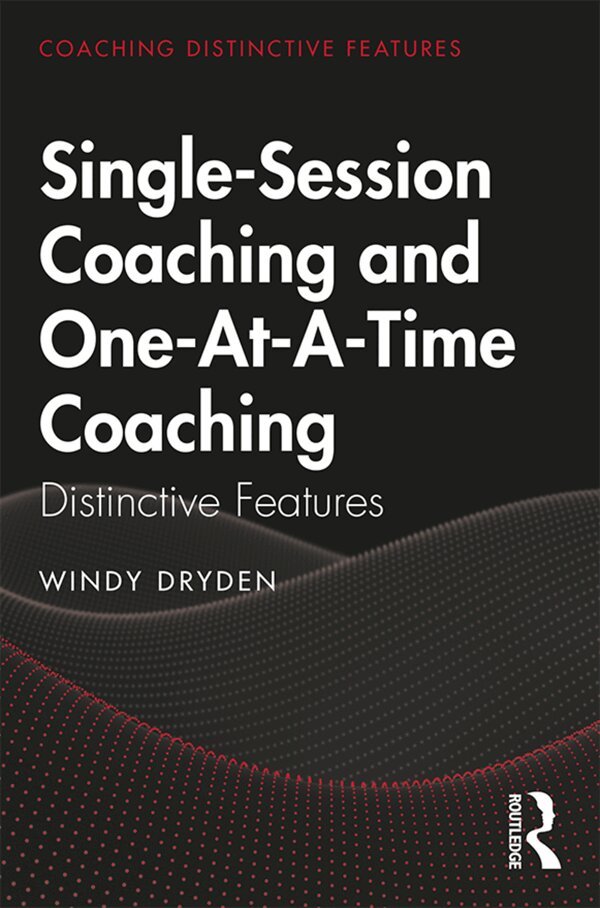
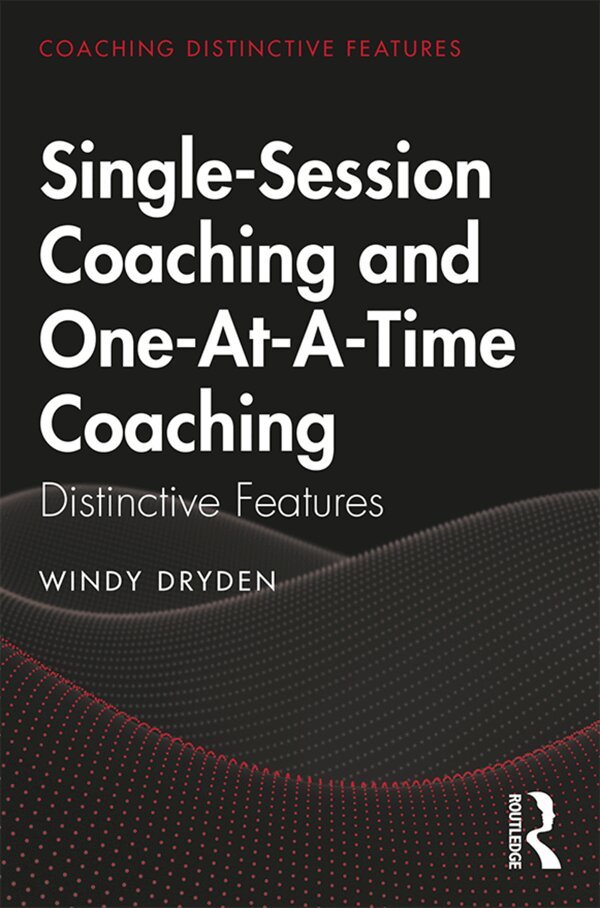
In Single-Session Coaching and One-At-A-Time Coaching: Distinctive Features, Windy Dryden presents a clear and accessible overview of the theory and practice of Single-Session Coaching and One-At-A-Time Coaching (SSC/OAATC). Presented in the highly accessible Distinctive Features format, Dryden explores how these approaches allow coaches and clients to tackle problems and find solutions quickly and flexibly. Single-Session Coaching and One-At-A-Time Coaching is split in two parts, providing a complete understanding of both the theory and practice of SSC/OAATC, as well as clearly examining key topics, including the foundations of SSC/OAATC, what makes a good SSC/OAATC coach and coachee, common misconceptions, preparing for and structuring a session, and considering significant coachee variables. It explains key terminology, such as the difference between Problem-Focused and Development-Focused SSC/OAATC, and portrays these differences in useful case studies to show the benefits of each for individual clients. Finally, it concludes with details on following up with the coachee, including key questions to ask.With case studies throughout, this approach can be applied in various clinical settings, such as primary care, and non-clinical settings, such as voluntary sectors, and is ideal for time-limited scenarios in comparison to other, more time-consuming, coaching methods. This will be an invaluable tool for coaches in practice and in training, as well as for academics and students of coaching.
259 kr
Skickas inom 10-15 vardagar
In Single-Session Coaching and One-At-A-Time Coaching: Distinctive Features, Windy Dryden presents a clear and accessible overview of the theory and practice of Single-Session Coaching and One-At-A-Time Coaching (SSC/OAATC). Presented in the highly accessible Distinctive Features format, Dryden explores how these approaches allow coaches and clients to tackle problems and find solutions quickly and flexibly. Single-Session Coaching and One-At-A-Time Coaching is split in two parts, providing a complete understanding of both the theory and practice of SSC/OAATC, as well as clearly examining key topics, including the foundations of SSC/OAATC, what makes a good SSC/OAATC coach and coachee, common misconceptions, preparing for and structuring a session, and considering significant coachee variables. It explains key terminology, such as the difference between Problem-Focused and Development-Focused SSC/OAATC, and portrays these differences in useful case studies to show the benefits of each for individual clients. Finally, it concludes with details on following up with the coachee, including key questions to ask.With case studies throughout, this approach can be applied in various clinical settings, such as primary care, and non-clinical settings, such as voluntary sectors, and is ideal for time-limited scenarios in comparison to other, more time-consuming, coaching methods. This will be an invaluable tool for coaches in practice and in training, as well as for academics and students of coaching.
1 912 kr
Skickas inom 10-15 vardagar
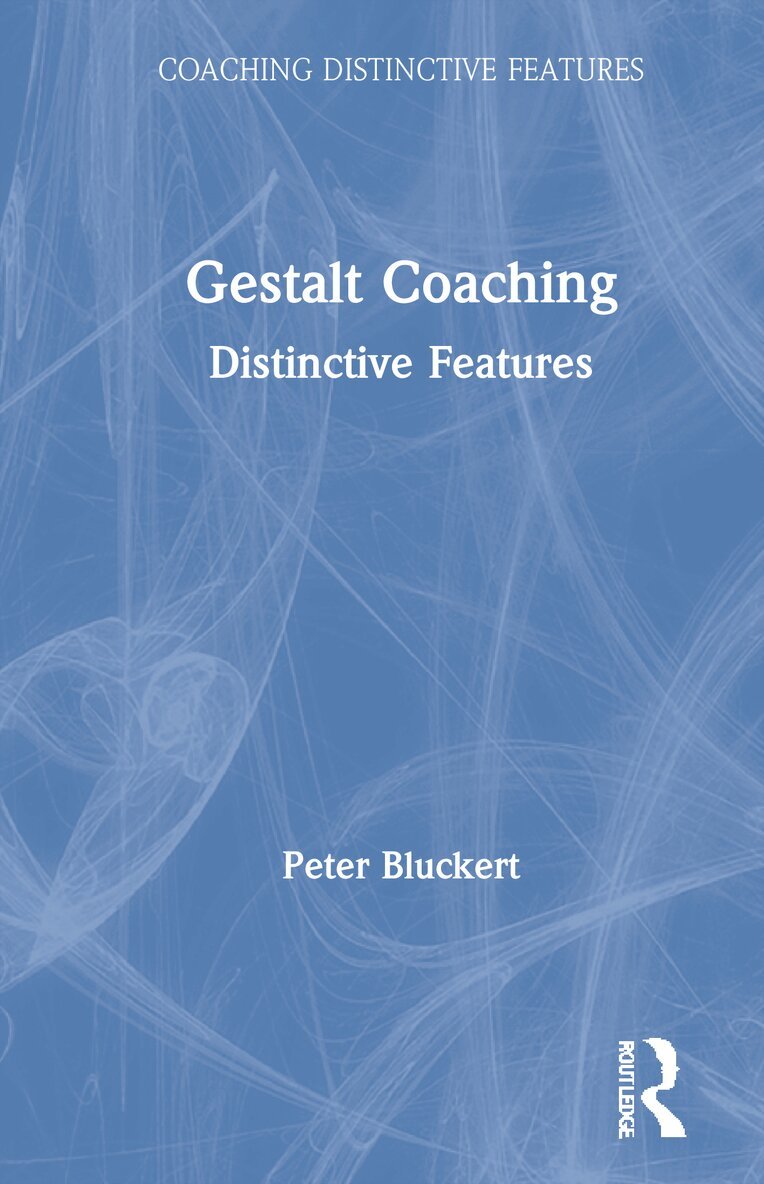
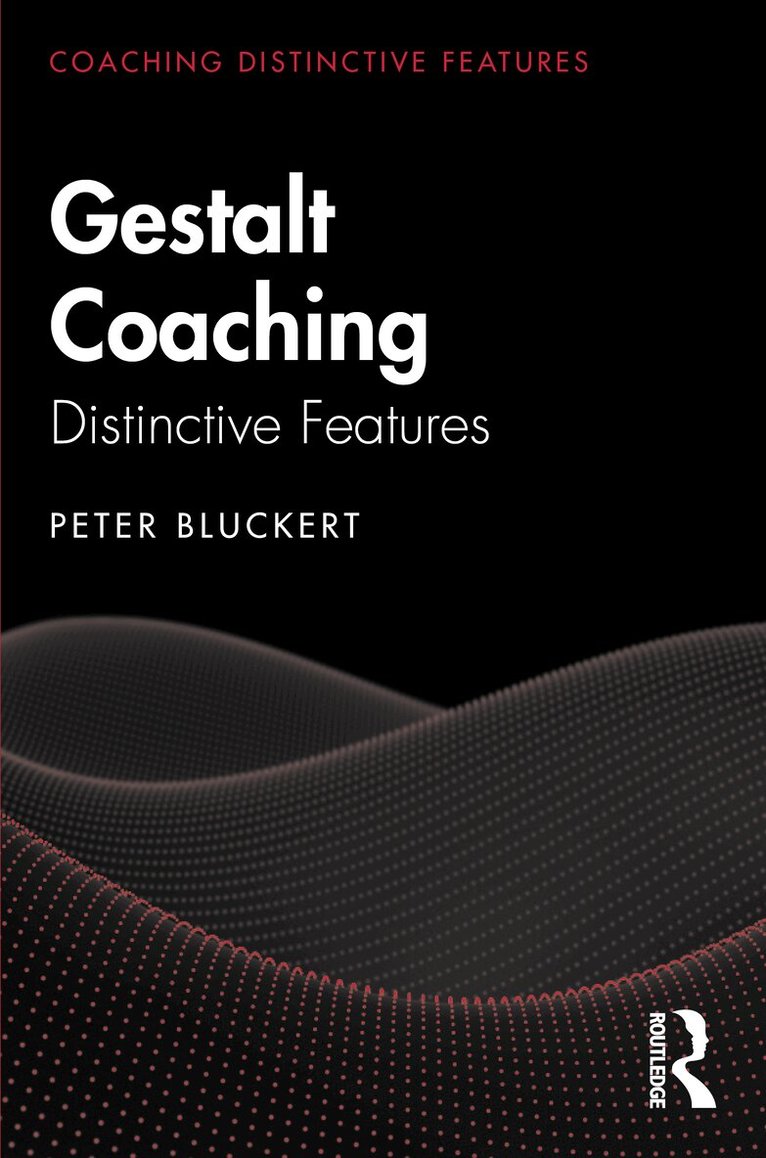
Gestalt Coaching: Distinctive Features makes Gestalt principles, values, and philosophy accessible to coaches of all backgrounds and explains how to apply them in practice. Peter Bluckert introduces 30 distinctive features of this approach, divided equally between theory and practice. The book provides concise but clear summaries of core concepts such as awareness and contact, the nature and power of unfinished situations, the Field perspective, the phenomenological approach, The Gestalt Cycle of Experience, and the nature of strategic and intimate interactions. Bluckert provides a set of practice guidelines and watch-outs for the Gestalt coach, information on training and development and several case examples to bring the approach to life. Gestalt Coaching reveals how this approach can be used in individual development, such as executive coaching, with groups and teams, and in wider social and political contexts.With a focus on personal growth and development and enhancing co-operation, dialogue, and relationships, this book will be an invaluable tool for coaches of all backgrounds in practice and in training, academics and students of coaching, and anyone interested in learning more about how to apply Gestalt principles in their personal and professional life.
285 kr
Skickas inom 10-15 vardagar
Gestalt Coaching: Distinctive Features makes Gestalt principles, values, and philosophy accessible to coaches of all backgrounds and explains how to apply them in practice. Peter Bluckert introduces 30 distinctive features of this approach, divided equally between theory and practice. The book provides concise but clear summaries of core concepts such as awareness and contact, the nature and power of unfinished situations, the Field perspective, the phenomenological approach, The Gestalt Cycle of Experience, and the nature of strategic and intimate interactions. Bluckert provides a set of practice guidelines and watch-outs for the Gestalt coach, information on training and development and several case examples to bring the approach to life. Gestalt Coaching reveals how this approach can be used in individual development, such as executive coaching, with groups and teams, and in wider social and political contexts.With a focus on personal growth and development and enhancing co-operation, dialogue, and relationships, this book will be an invaluable tool for coaches of all backgrounds in practice and in training, academics and students of coaching, and anyone interested in learning more about how to apply Gestalt principles in their personal and professional life.
1 847 kr
Skickas inom 10-15 vardagar
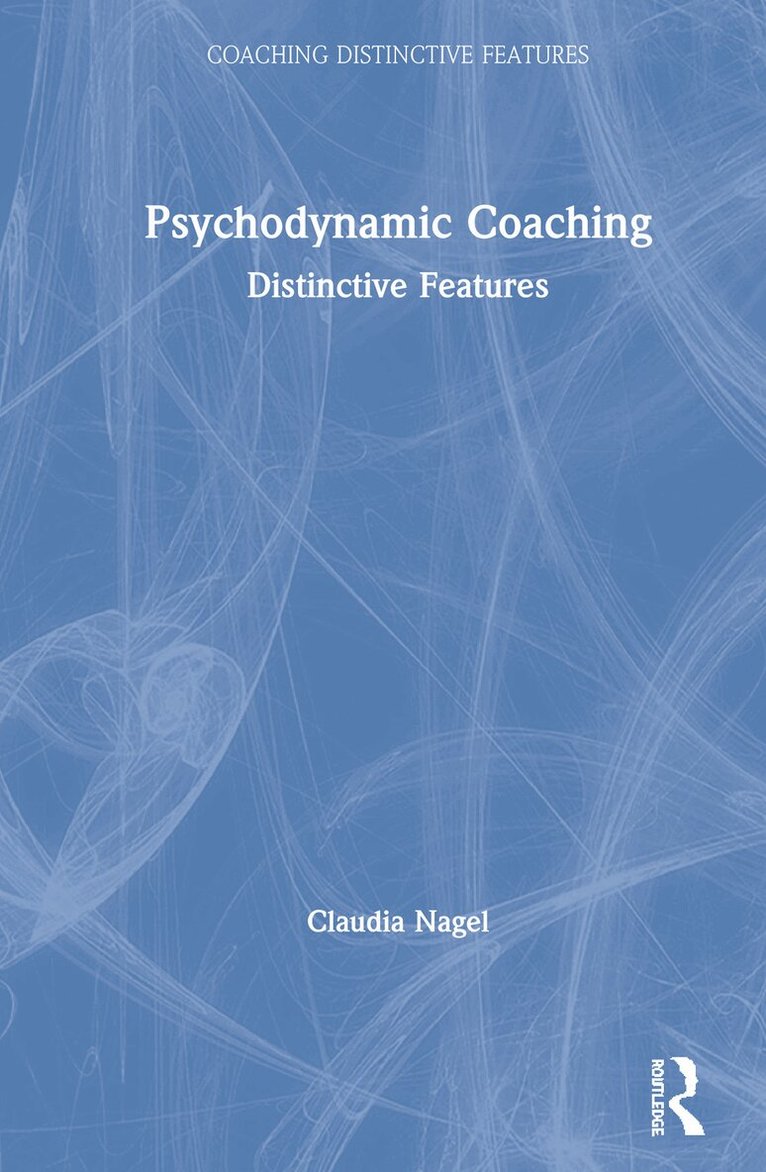
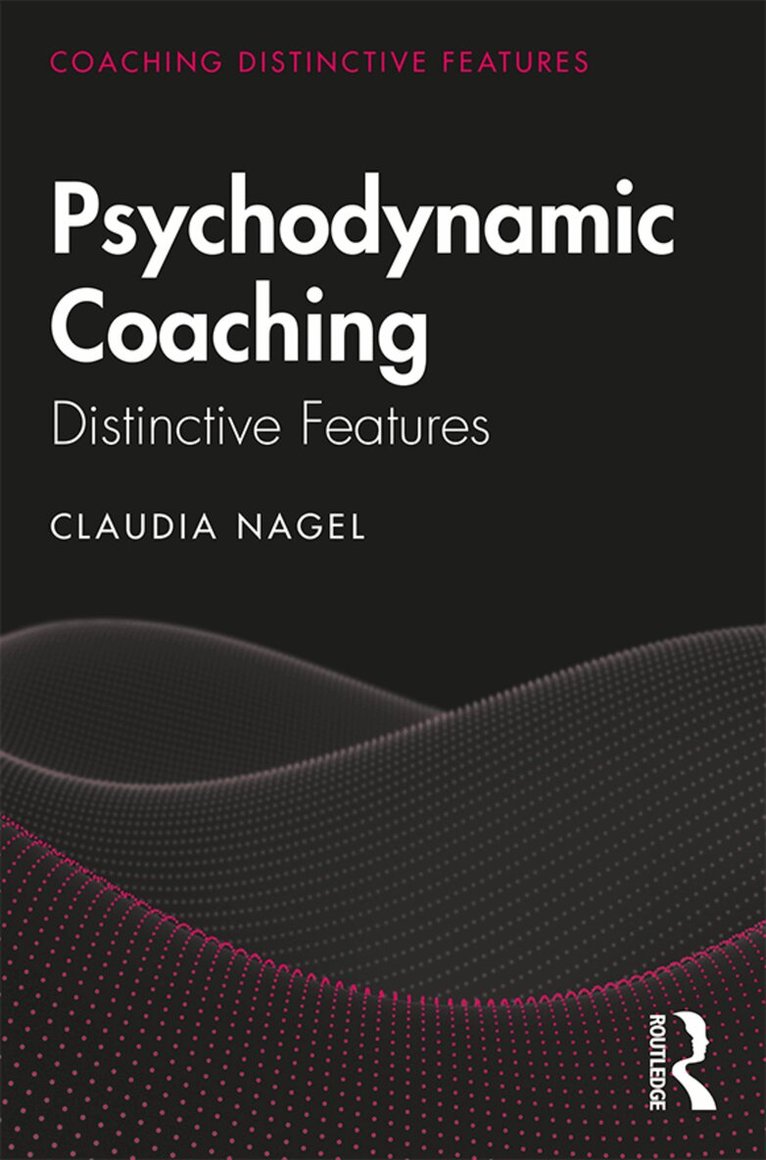
In Psychodynamic Coaching: Distinctive Features, Claudia Nagel presents a comprehensive overview of the unique features of psychodynamic coaching. As leaders and managers acknowledge the need to understand themselves and their context by looking underneath the surface to improve their decision-making, psychodynamic approaches offer unique insight.Psychodynamic Coaching: Distinctive Features covers not only the major theory but also the practice of coaching, giving guidance from beginning to end of the client relationship. Constructive, holistic and accessible, it demonstrates the impact and dynamics of the unconscious whilst illustrating the power of understanding human behaviour in the complexity of the modern world.With a focus on emotions and relationships in supporting modern leaders adapting to organsational challenges, this book will be an invaluable tool for coaches of all backgrounds, academics and students of coaching and organisational behaviour, and also clinicians. It will also be a key resource for senior leaders for their own personal growth.
325 kr
Skickas inom 10-15 vardagar
In Psychodynamic Coaching: Distinctive Features, Claudia Nagel presents a comprehensive overview of the unique features of psychodynamic coaching. As leaders and managers acknowledge the need to understand themselves and their context by looking underneath the surface to improve their decision-making, psychodynamic approaches offer unique insight.Psychodynamic Coaching: Distinctive Features covers not only the major theory but also the practice of coaching, giving guidance from beginning to end of the client relationship. Constructive, holistic and accessible, it demonstrates the impact and dynamics of the unconscious whilst illustrating the power of understanding human behaviour in the complexity of the modern world.With a focus on emotions and relationships in supporting modern leaders adapting to organsational challenges, this book will be an invaluable tool for coaches of all backgrounds, academics and students of coaching and organisational behaviour, and also clinicians. It will also be a key resource for senior leaders for their own personal growth.
1 912 kr
Skickas inom 10-15 vardagar
Michael Neenan clearly and accessibly introduces the 30 Distinctive Features of cognitive behavioural coaching (CBC), an approach which applies the principles of CBT to coaching. Cognitive Behavioural Coaching: Distinctive Features sets out the key theoretical and practical features of CBT and discusses how they integrate into the generic model of coaching. The book covers the four key elements in developing a coaching relationship, provides psychological and practical problem-solving models, shows how to deal with stuck points in coaching and identifies which individuals are unsuitable for CBC. As well as providing research evidence to support the effectiveness of CBC, the book demonstrates the smooth transition of CBT into CBC, and coach–coachee dialogues are interspersed throughout the text to show CBC in action. Cognitive Behavioural Coaching: Distinctive Features will be particularly useful to CBT therapists interested in adding coaching to their practice. It will also appeal to coaches in practice and in training and other professionals in coaching roles seeking an effective and straightforward coaching model.
285 kr
Skickas inom 10-15 vardagar
Michael Neenan clearly and accessibly introduces the 30 Distinctive Features of cognitive behavioural coaching (CBC), an approach which applies the principles of CBT to coaching. Cognitive Behavioural Coaching: Distinctive Features sets out the key theoretical and practical features of CBT and discusses how they integrate into the generic model of coaching. The book covers the four key elements in developing a coaching relationship, provides psychological and practical problem-solving models, shows how to deal with stuck points in coaching and identifies which individuals are unsuitable for CBC. As well as providing research evidence to support the effectiveness of CBC, the book demonstrates the smooth transition of CBT into CBC, and coach–coachee dialogues are interspersed throughout the text to show CBC in action. Cognitive Behavioural Coaching: Distinctive Features will be particularly useful to CBT therapists interested in adding coaching to their practice. It will also appeal to coaches in practice and in training and other professionals in coaching roles seeking an effective and straightforward coaching model.
276 kr
Kommande
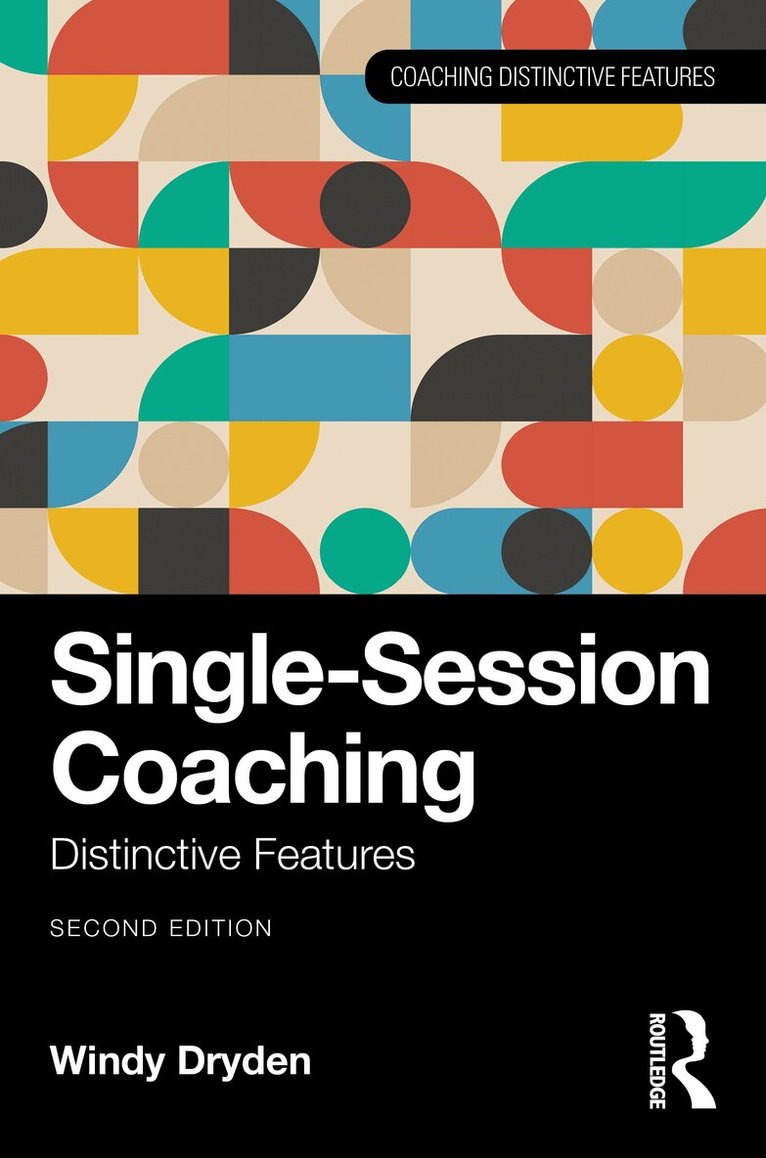
In this revised edition of Single-Session Coaching: Distinctive Features, Windy Dryden presents a clear and accessible overview of the theory and practice of Single-Session Coaching (SSC). Presented in the highly accessible Distinctive Features format, Windy Dryden explores how these approaches allow coaches and clients to tackle problems and find solutions quickly and flexibly. The book is divided into two parts covering the theory and practice of SSC. The chapters clearly examine key topics, including the foundations of SSC, what makes a good SSC coach and coachee, common misconceptions, preparing for and structuring a session and considering significant coachee variables. It explains key terminology, such as the difference between problem-focused and development-focused SSC, and portrays these differences in useful case studies to show the benefits of each for individual clients. Finally, it concludes with details on following up with the coachee, including key questions to ask. With case studies throughout, this approach can be applied in various clinical settings, such as primary care, and non-clinical settings, such as voluntary sectors and is ideal for time-limited scenarios in comparison to other, more time-consuming, coaching methods. This will be an invaluable tool for coaches in practice and in training, as well as for academics and students of coaching.
2 101 kr
Kommande
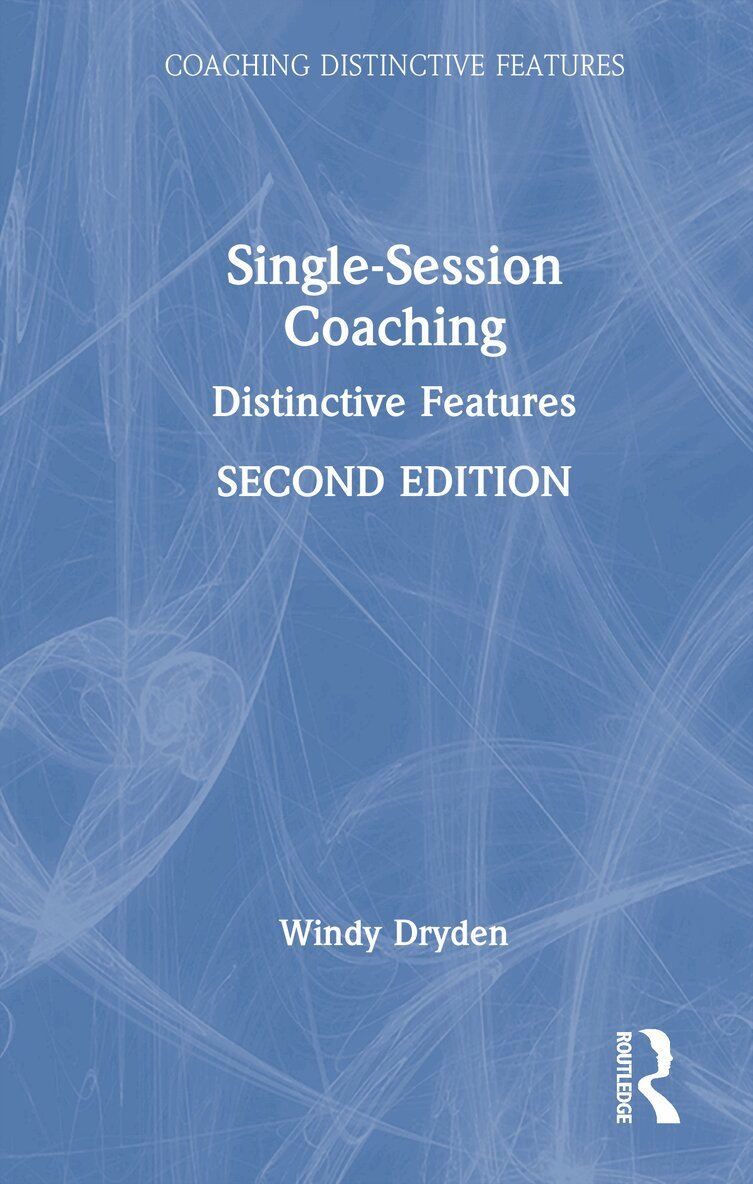
In this revised edition of Single-Session Coaching: Distinctive Features, Windy Dryden presents a clear and accessible overview of the theory and practice of Single-Session Coaching (SSC). Presented in the highly accessible Distinctive Features format, Windy Dryden explores how these approaches allow coaches and clients to tackle problems and find solutions quickly and flexibly. The book is divided into two parts covering the theory and practice of SSC. The chapters clearly examine key topics, including the foundations of SSC, what makes a good SSC coach and coachee, common misconceptions, preparing for and structuring a session and considering significant coachee variables. It explains key terminology, such as the difference between problem-focused and development-focused SSC, and portrays these differences in useful case studies to show the benefits of each for individual clients. Finally, it concludes with details on following up with the coachee, including key questions to ask. With case studies throughout, this approach can be applied in various clinical settings, such as primary care, and non-clinical settings, such as voluntary sectors and is ideal for time-limited scenarios in comparison to other, more time-consuming, coaching methods. This will be an invaluable tool for coaches in practice and in training, as well as for academics and students of coaching.
1 912 kr
Skickas inom 10-15 vardagar
This concise and accessible book introduces the 30 Distinctive Features of Rational Emotive Behavioural Coaching, also known as REBC, an approach which applies the principles of REBT to coaching. Divided between 10 theoretical and 20 practical features, the book covers a range of topics, including meaning and values, development, the working alliance, dealing with obstacles and common coachee problems.The book sets out two different approaches: development-focused REBC, which concentrates on the coachee’s areas of development, and problem-focused REBC, which concentrates on the coachee’s practical and emotional problems of living. Within the latter category, the book also distinguishes between practical problem-focused REBC and emotional problem-focused REBC. Rational Emotive Behavioural Coaching: Distinctive Features will be an essential reference for anyone seeking to understand the key features of this unique approach to coaching.
285 kr
Skickas inom 10-15 vardagar
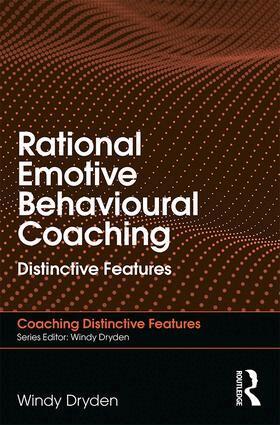
This concise and accessible book introduces the 30 Distinctive Features of Rational Emotive Behavioural Coaching, also known as REBC, an approach which applies the principles of REBT to coaching. Divided between 10 theoretical and 20 practical features, the book covers a range of topics, including meaning and values, development, the working alliance, dealing with obstacles and common coachee problems.The book sets out two different approaches: development-focused REBC, which concentrates on the coachee’s areas of development, and problem-focused REBC, which concentrates on the coachee’s practical and emotional problems of living. Within the latter category, the book also distinguishes between practical problem-focused REBC and emotional problem-focused REBC. Rational Emotive Behavioural Coaching: Distinctive Features will be an essential reference for anyone seeking to understand the key features of this unique approach to coaching.
1 847 kr
Skickas inom 10-15 vardagar
Jon Hill and Joe Oliver introduce the Acceptance and Commitment Coaching (ACC) model with clarity and accessibility, defining it as an approach that incorporates mindfulness and acceptance, focusing on committed, values-based actions to help coachees make meaningful changes to their lives. Acceptance and Commitment Coaching: Distinctive Features explains the ACC model in such a way that the reader will be able to put it into practice immediately, as well as offering sufficient context to anchor the practical tools in a clear theoretical framework. Split into two parts, the book begins by emphasising ACC’s relevance and its core philosophy before providing an overview of its key theoretical points and the research that supports it. The authors also explain the six key ACC processes: defusion, acceptance, contact with the present moment, self as context, values and committed action, and explain how to use them in practice. Hill and Oliver address essential topics, such as the critical work needed before and as you begin working with a coachee, how to use metaphor as an effective tool as a coach, and they finish by offering helpful tips on how to help coachees maintain their positive changes, how to make ACC accessible to all types of client, how to manage challenging coachees and how to work with both individuals and groups using ACC. Aimed specifically at coaches, the book offers context, examples, practicality and a unique combination of practical and theoretical points in a concise format.Acceptance and Commitment Coaching: Distinctive Features is essential reading for coaches, coaching psychologists and executive coaches in practice and in training. It would be of interest to academics and students of coaching psychology and coaching techniques, as well as Acceptance and Commitment Therapy (ACT) practitioners looking to move into coaching.