Conservation Handbooks – serie
Visar alla böcker i serien Conservation Handbooks. Handla med fri frakt och snabb leverans.
18 produkter
18 produkter
Häftad, Engelska, 2015
616 kr
Skickas inom 5-8 vardagar
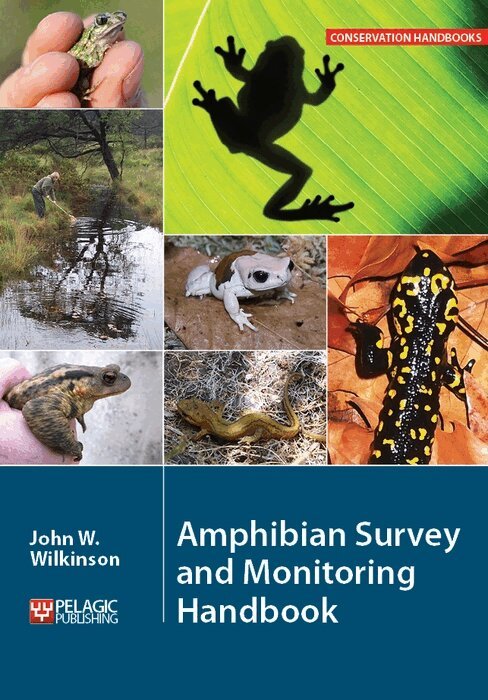
"Evidence bases for conservation are becoming increasingly important to convince landowners and politicians of the need to take action in defence of species and habitats all around the world. A valuable feature of this book is its emphasis on collecting and analysing such essential information." Trevor Beebee, PhyllomedusaAmphibians are among the most globally endangered groups of vertebrates with more than one-third of species being assessed as declining or threatened. Often, amphibian declines can be attributed to a suite of interacting factors, many of which are human in origin, but further information is needed to elaborate the key causes and to discover ways of reversing declines.Robust surveys provide vital ecological and biological data on amphibian populations, and underpin the decisions made to protect species and reverse their declines. Ongoing monitoring informs land managers and decision makers about whether they are taking the right action. This book is designed to help you carry out amphibian surveying and monitoring so that the results of your surveys can be used effectively.Part 1 introduces amphibians: order Anura (frogs and toads); Caudata (newts and salamanders); and order Gymnophonia (caecilians).Part 2 is essential reading before you start surveying. It introduces the different types of survey and monitoring programmes and discusses survey aims and resources. It contains chapters on collecting and handling survey data; survey permissions and licencing; health and safety, and biosecurity; and handling amphibians.Part 3 discusses everything you need to know during your survey, and provides a detailed look at amphibian survey methods.Part 4 covers presenting and using your survey’s data to best effect.A useful resources section is also provided, with example survey forms and details of additional information resources that will optimize the impacts of your surveys.Key amphibian survey techniques are discussed with reference to published examples of successful surveys – so you’ll be able to choose what’s right for your situation. Tips on optimizing your survey effort and handling amphibians in the field are also included. Whether carrying out a student expedition project or seeking information to support the management of a protected area, this book contains essential advice from an amphibian ecologist who has encountered the same sorts of decisions you’ll face when planning your surveys.
Inbunden, Engelska, 2015
1 131 kr
Skickas inom 5-8 vardagar
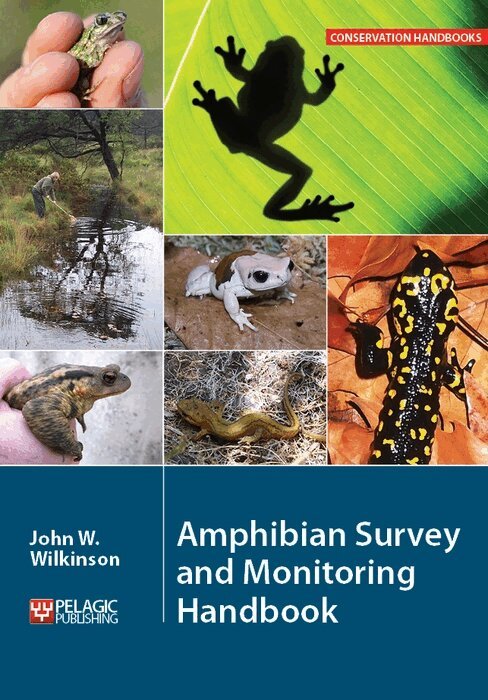
"Evidence bases for conservation are becoming increasingly important to convince landowners and politicians of the need to take action in defence of species and habitats all around the world. A valuable feature of this book is its emphasis on collecting and analysing such essential information." Trevor Beebee, PhyllomedusaAmphibians are among the most globally endangered groups of vertebrates with more than one-third of species being assessed as declining or threatened. Often, amphibian declines can be attributed to a suite of interacting factors, many of which are human in origin, but further information is needed to elaborate the key causes and to discover ways of reversing declines.Robust surveys provide vital ecological and biological data on amphibian populations, and underpin the decisions made to protect species and reverse their declines. Ongoing monitoring informs land managers and decision makers about whether they are taking the right action. This book is designed to help you carry out amphibian surveying and monitoring so that the results of your surveys can be used effectively.Part 1 introduces amphibians: order Anura (frogs and toads); Caudata (newts and salamanders); and order Gymnophonia (caecilians).Part 2 is essential reading before you start surveying. It introduces the different types of survey and monitoring programmes and discusses survey aims and resources. It contains chapters on collecting and handling survey data; survey permissions and licencing; health and safety, and biosecurity; and handling amphibians.Part 3 discusses everything you need to know during your survey, and provides a detailed look at amphibian survey methods.Part 4 covers presenting and using your survey’s data to best effect.A useful resources section is also provided, with example survey forms and details of additional information resources that will optimize the impacts of your surveys.Key amphibian survey techniques are discussed with reference to published examples of successful surveys – so you’ll be able to choose what’s right for your situation. Tips on optimizing your survey effort and handling amphibians in the field are also included. Whether carrying out a student expedition project or seeking information to support the management of a protected area, this book contains essential advice from an amphibian ecologist who has encountered the same sorts of decisions you’ll face when planning your surveys.
Häftad, Engelska, 2026
575 kr
Kommande
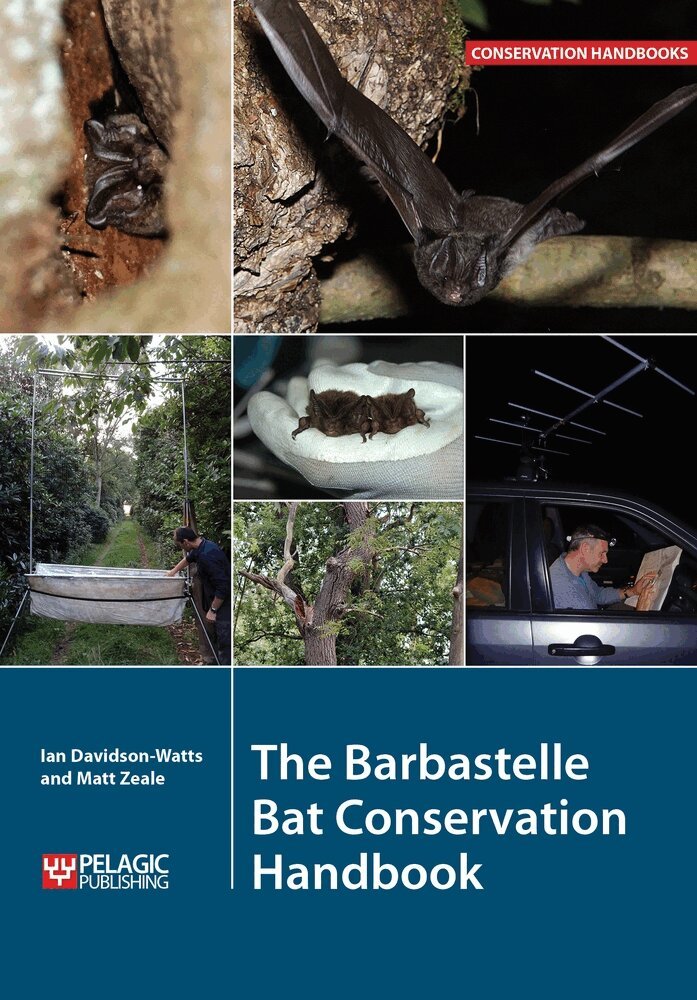
The Barbastelle Bat Conservation Handbook is a long-awaited guide to barbastelle bat ecology, behaviour, conservation management and threats, the first publication of its kind to draw together all of the scientific research on the barbastelle bat into one comprehensive volume.The most up-to-date methods for surveying the species are explained, accompanied by case studies and practical tips on how to conserve and manage the barbastelle bat’s roosting and foraging habitats.A much-needed resource to help conservation planners and others support barbastelle bat conservation, it is an essential manual for land managers and developers, conservation managers, ecologists and ecological consultants, bat workers and bat groups, nature conservation agencies, other government agencies and departments, conservation NGOs, ecologists, zoologists and other researchers.Contents include: Foreword by Chris Packham. Introduction – purpose and aims; what makes the barbastelle bat unique and why it needs our help; identification; current conservation status; distribution; protection. Chapter 1: The ecology of barbastelle bats – roosting ecology; ranging behaviour: home ranges, commuting, the importance of landscape; dietary ecology: foraging behaviour, prey choice, predator-prey interactions; mating and hibernation. Chapter 2: Survey techniques and considerations – challenges; acoustic surveys and sound analysis; catching and radio tracking; roost survey techniques (including hibernation roosts); diet analysis; interpreting data. Chapter 3: Habitat management and enhancement for barbastelle bats –managing woodlands/forests; preservation and future provision of trees; managing wetlands; barbastelle bats and buildings. Chapter 4: Development control and land management policies – landscape approach; managing the effects of development on roosts, foraging areas and flight lines; development control policies around breeding colonies. Chapter 5: Conservation achievements and priorities – UK BAP; National Bat Monitoring Programme; threats: land-use change, habitat loss, climate change; research requirements. Chapter 6: References, contacts and where to get help.
Inbunden, Engelska, 2026
980 kr
Kommande
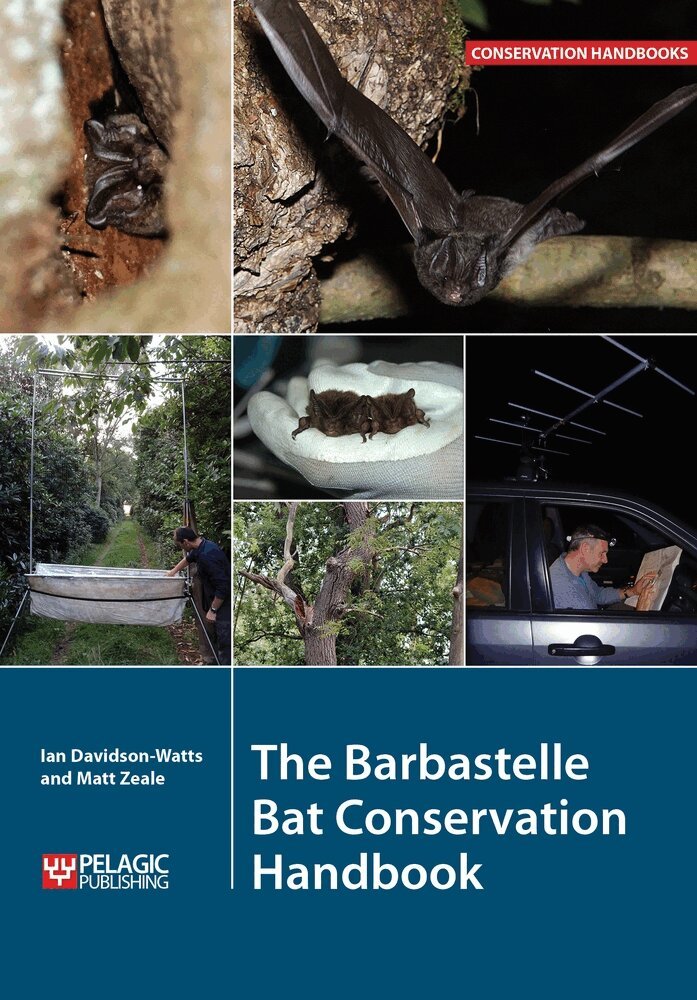
The Barbastelle Bat Conservation Handbook is a long-awaited guide to barbastelle bat ecology, behaviour, conservation management and threats, the first publication of its kind to draw together all of the scientific research on the barbastelle bat into one comprehensive volume.The most up-to-date methods for surveying the species are explained, accompanied by case studies and practical tips on how to conserve and manage the barbastelle bat’s roosting and foraging habitats.A much-needed resource to help conservation planners and others support barbastelle bat conservation, it is an essential manual for land managers and developers, conservation managers, ecologists and ecological consultants, bat workers and bat groups, nature conservation agencies, other government agencies and departments, conservation NGOs, ecologists, zoologists and other researchers.Contents include: Foreword by Chris Packham. Introduction – purpose and aims; what makes the barbastelle bat unique and why it needs our help; identification; current conservation status; distribution; protection. Chapter 1: The ecology of barbastelle bats – roosting ecology; ranging behaviour: home ranges, commuting, the importance of landscape; dietary ecology: foraging behaviour, prey choice, predator-prey interactions; mating and hibernation. Chapter 2: Survey techniques and considerations – challenges; acoustic surveys and sound analysis; catching and radio tracking; roost survey techniques (including hibernation roosts); diet analysis; interpreting data. Chapter 3: Habitat management and enhancement for barbastelle bats –managing woodlands/forests; preservation and future provision of trees; managing wetlands; barbastelle bats and buildings. Chapter 4: Development control and land management policies – landscape approach; managing the effects of development on roosts, foraging areas and flight lines; development control policies around breeding colonies. Chapter 5: Conservation achievements and priorities – UK BAP; National Bat Monitoring Programme; threats: land-use change, habitat loss, climate change; research requirements. Chapter 6: References, contacts and where to get help.
Häftad, Engelska, 2016
708 kr
Skickas inom 5-8 vardagar
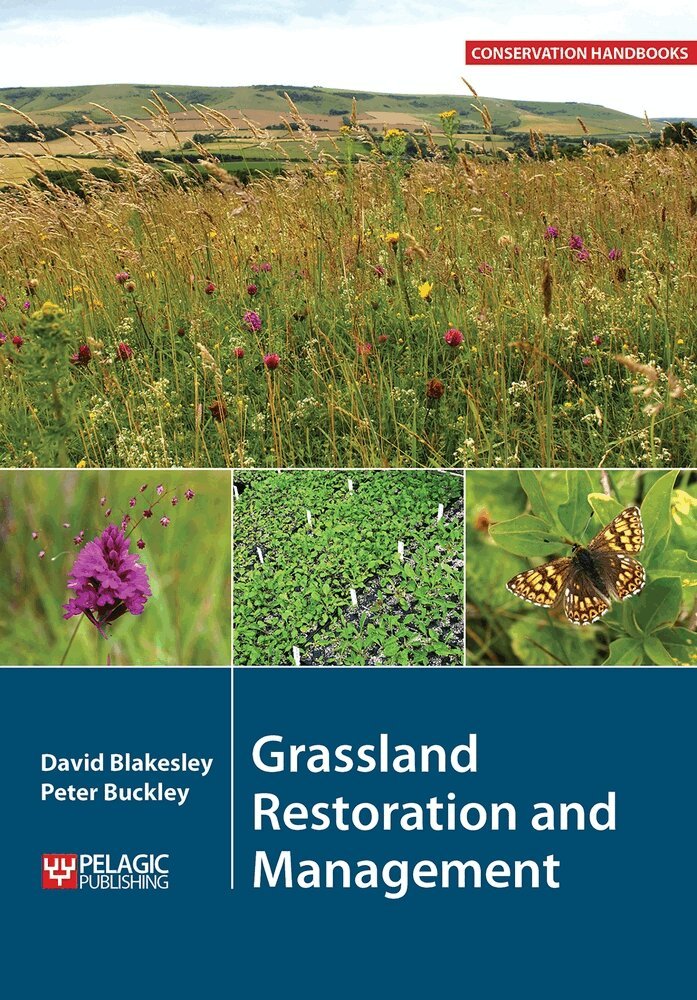
Following the destruction of 95% of meadows during the twentieth century, there is an urgent need to understand what little unspoiled habitat remains in order to plan the management and restoration of existing sites, as well as re-creating future grassland habitats. This book is a much-needed guide to grassland restoration and management.Providing a thorough overview of recent research on grassland restoration and its implications for practical grassland restoration and management, it introduces grassland communities and the wildlife they support, including examples of species of conservation concern, and considers the management of semi-natural grassland habitats with particular emphasis on drier grassland habitats.Chapters cover: - Grassland character and communities - Introduction to grassland wildlife - Managing semi-natural grassland - Grassland restoration – threats and challenges - Opportunities in grassland restoration - Plant material for grassland restoration - Defining success in grassland restoration.A variety of management techniques are examined, including soil amendment, cultivation, harvesting and maintenance in creating suitable conditions for the successful restoration of species-rich grasslands.It is essential reading for conservationists, site owners or managers, practitioners, conservation organizations and students of ecological restoration with an interest in the creation of new grassland habitats, the restoration of semi-natural grassland, as well as the continuing management of semi-natural (unimproved) grassland communities.
Häftad, Engelska, 2016
623 kr
Skickas
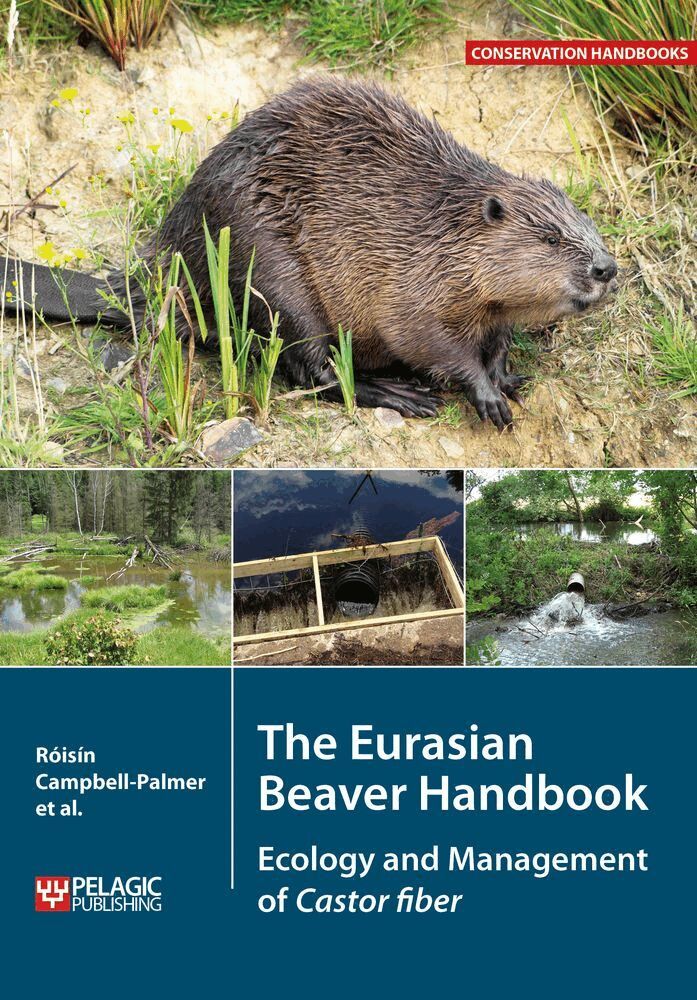
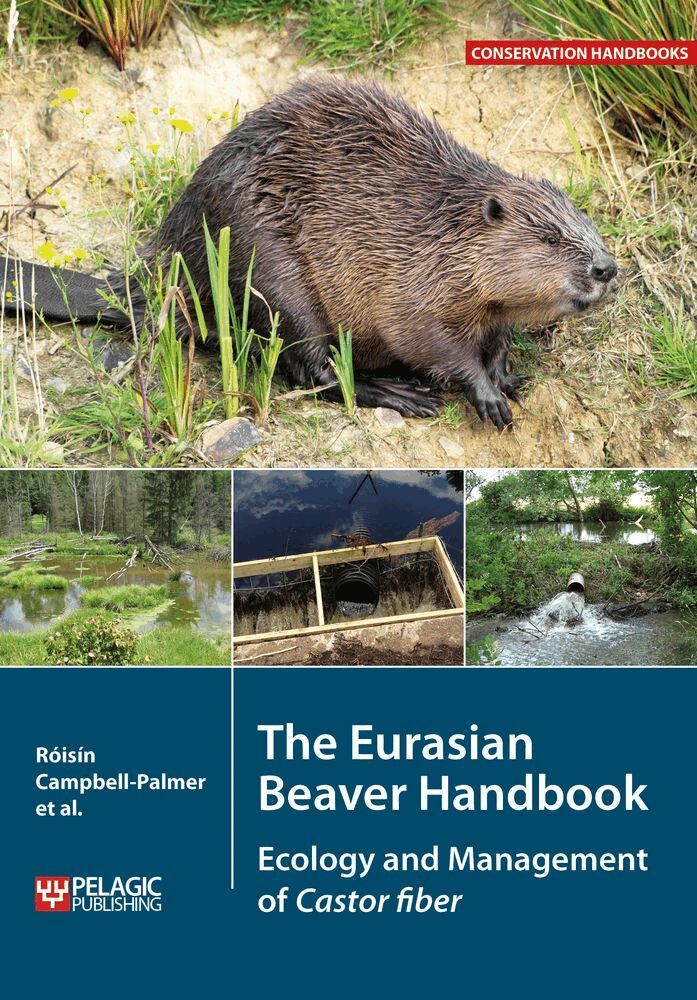
Beavers are widely recognised as a keystone species which play a pivotal role in riparian ecology. Their tree felling and dam building behaviours coupled with a suite of other activities create a wealth of living opportunities that are exploited by a range of other species. Numerous scientific studies demonstrate that beaver-generated living environments that are much richer in terms of both biodiversity and biomass than wetland environments from which they are absent. Emerging contemporary studies indicate clearly that the landscapes they create can afford sustainable, cost-effective remedies for water retention, flood alleviation, silt and chemical capture.Beaver activities, especially in highly modified environments, may be challenging to certain land use activities and landowners. Many trialled and tested methods to mitigate against these impacts, including a wide range of non-lethal management techniques, are regularly implemented across Europe and North America. Many of these techniques will be new to people, especially in areas where beavers are newly re-establishing. This handbook serves to discuss both the benefits and challenges in living with this species, and collates the wide range of techniques that can be implemented to mitigate any negative impacts.The authors of this handbook are all beaver experts and together they have a broad range of scientific knowledge and practical experience regarding the ecology, captive husbandry, veterinary science, pathology, reintroduction and management of beavers in both continental Europe and Britain.
Inbunden, Engelska, 2016
1 215 kr
Skickas inom 3-6 vardagar
Beavers are widely recognised as a keystone species which play a pivotal role in riparian ecology. Their tree felling and dam building behaviours coupled with a suite of other activities create a wealth of living opportunities that are exploited by a range of other species. Numerous scientific studies demonstrate that beaver-generated living environments that are much richer in terms of both biodiversity and biomass than wetland environments from which they are absent. Emerging contemporary studies indicate clearly that the landscapes they create can afford sustainable, cost-effective remedies for water retention, flood alleviation, silt and chemical capture.Beaver activities, especially in highly modified environments, may be challenging to certain land use activities and landowners. Many trialled and tested methods to mitigate against these impacts, including a wide range of non-lethal management techniques, are regularly implemented across Europe and North America. Many of these techniques will be new to people, especially in areas where beavers are newly re-establishing. This handbook serves to discuss both the benefits and challenges in living with this species, and collates the wide range of techniques that can be implemented to mitigate any negative impacts.The authors of this handbook are all beaver experts and together they have a broad range of scientific knowledge and practical experience regarding the ecology, captive husbandry, veterinary science, pathology, reintroduction and management of beavers in both continental Europe and Britain.
Del 1 - Conservation Handbooks
Wildlife and Wind Farms - Conflicts and Solutions
Onshore: Potential Effects
Häftad, Engelska, 2017
1 043 kr
Skickas inom 5-8 vardagar
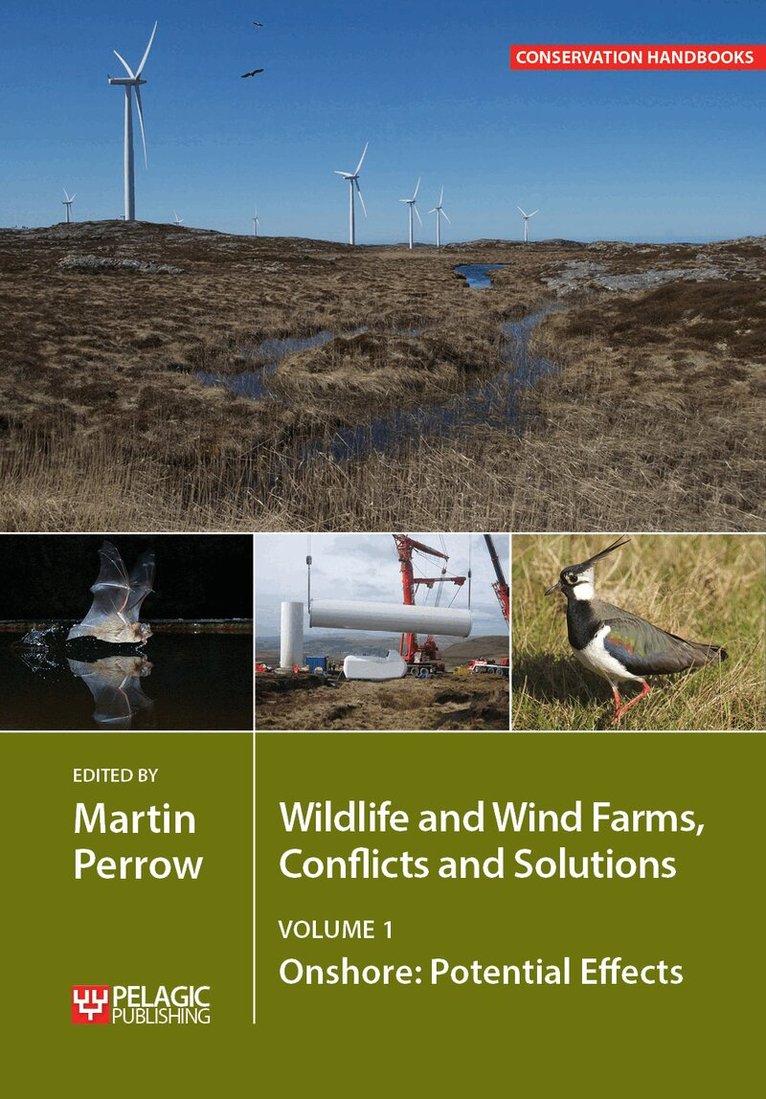
Wind farms are an essential component of global renewable energy policy and the action to limit the effects of climate change. There is, however, considerable concern over the impacts of wind farms on wildlife, leading to a wide range of research and monitoring studies, a growing body of literature and several international conferences on the topic.This unique multi-volume work provides a comprehensive overview of the interactions between wind farms and wildlife.Volume 1 documents the current knowledge of the potential impacts upon wildlife during both construction and operation. An introductory chapter on the nature of wind farms and the impact assessment process is followed by a series of in-depth chapters documenting effects on climatic conditions, vegetation, terrestrial invertebrates, aquatic invertebrates and fish, reptiles and amphibians, birds, bats and terrestrial mammals. A synopsis of the known and potential effects of wind farms upon wildlife in perspective concludes the volume.The authors have been carefully selected from across the globe from the large number of academics, consultants and practitioners now engaged in wind farm studies, for their influential contribution to the science. Edited by Martin Perrow and with contributions by 40 leading researchers including: Robert Barclay, Michael Dillon, Jan Olof Helldin, Hermann Hötker, Jeffrey Lovich, Manuela de Lucas and Eugene Takle. The authors represent a wide range of organisations and institutions including the Universities of Calgary, Iowa State, Lund & Wyoming, US Geological Survey, Michael-Otto-Institut im NABU, Norwegian Institute for Nature Research, Spanish Council for Scientific Research, Renewable Energy Systems and several leading consultancies.Each chapter includes informative figures, tables, colour photographs and detailed case studies. Many of the latter are produced stand-alone from invited additional authors to ensure geographic spread and to showcase exciting new, often previously unpublished research.This book is designed for practitioners, researchers, managers and for a range of students in higher education, particularly those involved with environmental, ecological, conservation, impact assessment and climate change studies.Other volumes: Volume 2: Onshore: Monitoring and Mitigation (978-1-78427-123-7) Volume 3: Offshore: Potential Effects (978-1-78427-127-5) Volume 4: Offshore: Monitoring and Mitigation (978-1-78427-131-2)
Häftad, Engelska, 2019
575 kr
Skickas
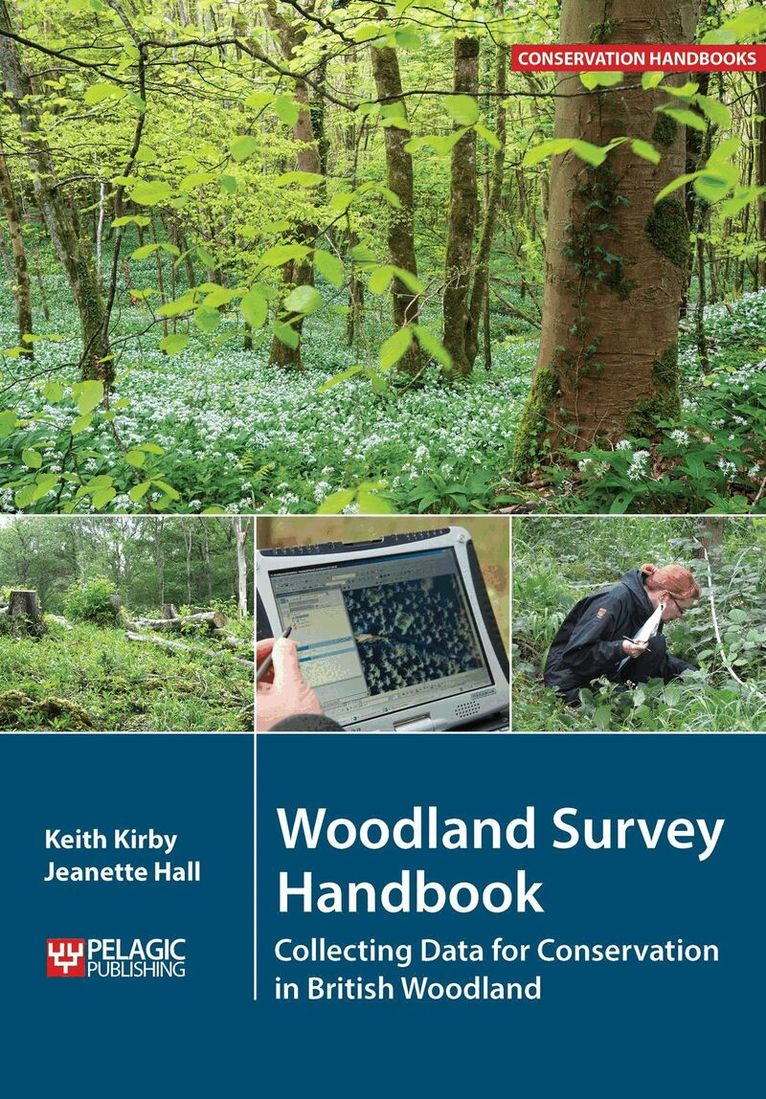
How do you record the wildlife in a wood? This book explains ways to record the flora and fauna found in woodland and outlines the sources you can use to find out more about the history and management of an area. Whether you have just a few hours, or a few years, there are examples that you can follow to find out more about this important habitat.Woods include some of the richest terrestrial wildlife sites in Britain, but some are under threat and many are neglected, such that they are not as rich as they might be. If we are to protect them or increase their diversity we need first to know what species they contain, how they have come to be as they are, to understand how they fit into the wider landscape. Conservation surveys are the bedrock on which subsequent protection and management action is based.There is not one method that will be right for all situations and needs, so the methods discussed range from what one can find out online, to what can be seen on a general walk round a wood, to the insights that can come from more detailed survey and monitoring approaches. Fast-evolving techniques such as eDNA surveys and the use of LiDAR are touched on.
Häftad, Engelska, 2021
461 kr
Skickas
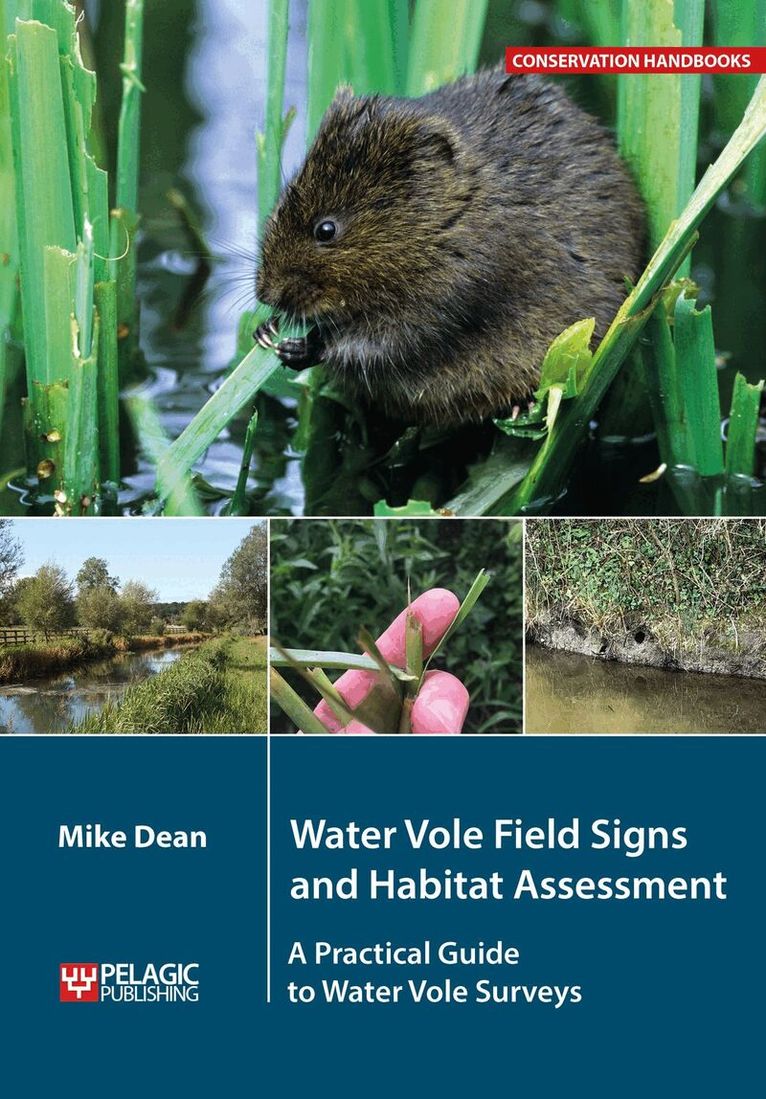
An essential guide to assist those surveying for water voles, whether as a professional ecological consultant, a researcher or simply an interested amateur. This book provides detailed descriptions of all the habitats used by water voles, including ideal habitats as well as less typical places, with annotated photos to help the surveyor home in on just the right areas to look. It also contains a comprehensive photographic reference guide to assist in the correct identification of water vole field signs, and explains how to distinguish them from those of similar species. Tips on where and how to search for field signs are also provided, along with guidance on how best to record survey data.
Häftad, Engelska, 2026
575 kr
Skickas
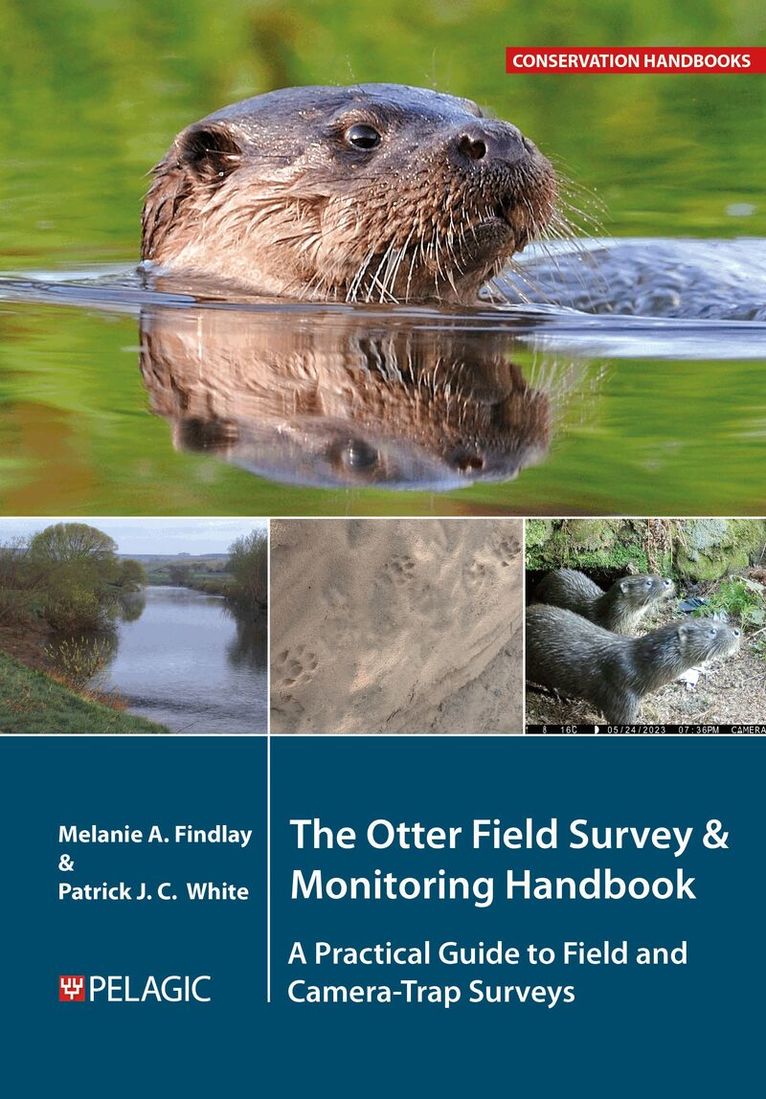
This book is the comprehensive guide for ecologists undertaking site surveys for Eurasian otters. It describes how to carry out initial field-sign surveys, select sites for camera-trapping, deploy camera-traps and interpret data. The methods described are underpinned by years of research.Field-signs have historically been used as the main approach for surveying otters. This book illustrates what to look for and where to find different types of field-sign. It examines whether field-signs are a good predictor of otter activity and describes the limitations of such surveys. Optimal deployment of camera-traps to monitor otter dens (holts) is presented, together with an account of what type of behaviour and activity levels can be expected when they are used for birthing (natal holts), cub-rearing and casual resting.Illustrations, camera-trap images and descriptions of the animals’ behaviour bring the process to life, supported by the latest scientific evidence for application in site surveys and licence applications.- A practical guide to field-sign surveys in freshwater and coastal habitats, how to search for holts and what field-signs can be used to identify otter presence. - When and how to deploy camera-traps at potential holts; optimising set-up for good data quality, and understanding constraints of the equipment, the site and the species. - Organising camera-trap data to quantify activity patterns. - Interpretation of camera-trap footage; identification of males and females, resting activity and natal activity.
Inbunden, Engelska, 2024
1 131 kr
Skickas inom 5-8 vardagar
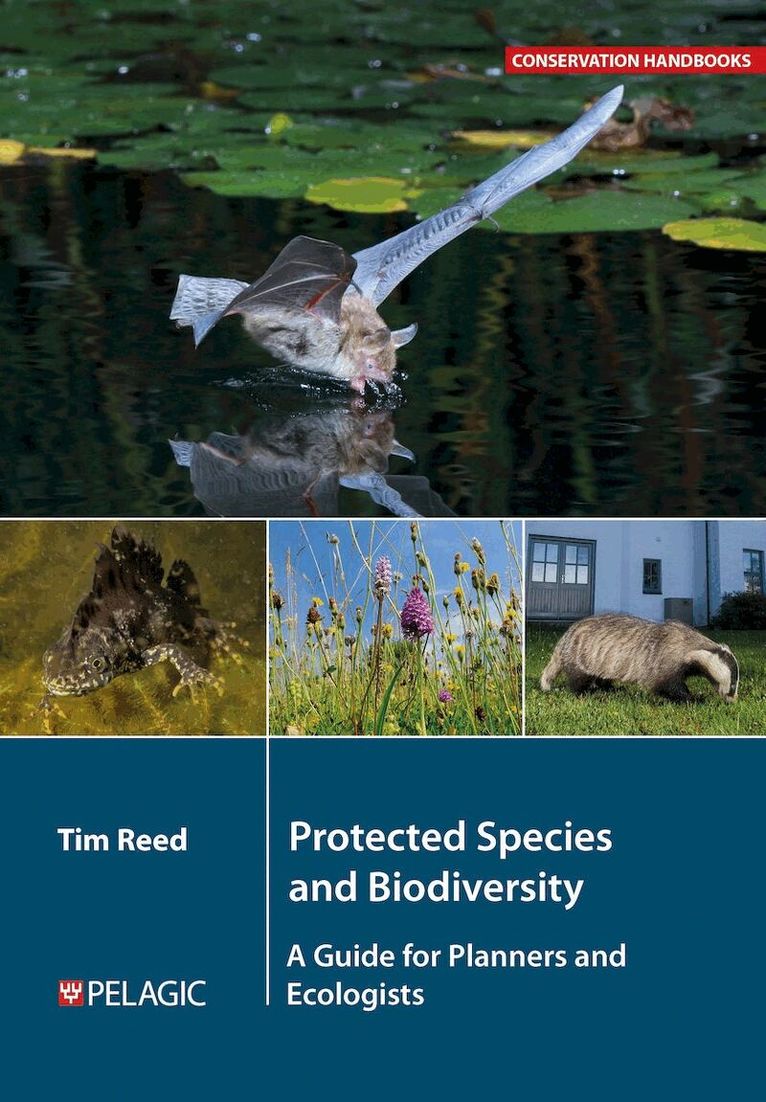
This book provides a single source of guidance on the protected-species survey data that accompany planning applications. Comprehensive and clear, it is an essential reference for planners and ecological consultants.New development proposals potentially affect protected species on a daily basis. For the first time, this guide brings together in one place all the key elements needed to collect and interpret survey data for protected species and therefore help determine planning applications. By working through individual species and group tables, even the least experienced planner can begin critically to evaluate the often-variable material provided by ecologists in planning submissions.Chapters cover: the planning system and biodiversity; government guidance and its interpretation; how to secure better quality data; the most recent standing advice; detailed notes on protected species; drawing in data from other surveys, and biodiversity net gain. Packed with information, the book also codifies what a planner expects from ecologists, so that both target audiences are able to work better together, and thus more effectively help safeguard protected species.
Häftad, Engelska, 2024
818 kr
Skickas
This book provides a single source of guidance on the protected-species survey data that accompany planning applications. Comprehensive and clear, it is an essential reference for planners and ecological consultants.New development proposals potentially affect protected species on a daily basis. For the first time, this guide brings together in one place all the key elements needed to collect and interpret survey data for protected species and therefore help determine planning applications. By working through individual species and group tables, even the least experienced planner can begin critically to evaluate the often-variable material provided by ecologists in planning submissions.Chapters cover: the planning system and biodiversity; government guidance and its interpretation; how to secure better quality data; the most recent standing advice; detailed notes on protected species; drawing in data from other surveys, and biodiversity net gain. Packed with information, the book also codifies what a planner expects from ecologists, so that both target audiences are able to work better together, and thus more effectively help safeguard protected species.
Inbunden, Engelska, 2026
1 045 kr
Skickas inom 5-8 vardagar
This book is the comprehensive guide for ecologists undertaking site surveys for Eurasian otters. It describes how to carry out initial field-sign surveys, select sites for camera-trapping, deploy camera-traps and interpret data. The methods described are underpinned by years of research.Field-signs have historically been used as the main approach for surveying otters. This book illustrates what to look for and where to find different types of field-sign. It examines whether field-signs are a good predictor of otter activity and describes the limitations of such surveys. Optimal deployment of camera-traps to monitor otter dens (holts) is presented, together with an account of what type of behaviour and activity levels can be expected when they are used for birthing (natal holts), cub-rearing and casual resting.Illustrations, camera-trap images and descriptions of the animals’ behaviour bring the process to life, supported by the latest scientific evidence for application in site surveys and licence applications.- A practical guide to field-sign surveys in freshwater and coastal habitats, how to search for holts and what field-signs can be used to identify otter presence. - When and how to deploy camera-traps at potential holts; optimising set-up for good data quality, and understanding constraints of the equipment, the site and the species. - Organising camera-trap data to quantify activity patterns. - Interpretation of camera-trap footage; identification of males and females, resting activity and natal activity.
Häftad, Engelska, 2012
702 kr
Skickas inom 5-8 vardagar
A comprehensive handbook covering all aspects of the conservation of Barn Owls. Written by the Barn Owl Trust, this book includes in-depth information on Barn Owl survey techniques, relevant ecology, Barn Owls and the law, mortality, habitat management, use of nest boxes and barn Owl rehabilitation. Essential reading for ecologists, planners, land managers and ornithologists.
Häftad, Engelska, 2015
873 kr
Skickas inom 5-8 vardagar
Marine Mammal Observer and Passive Acoustic Monitoring Handbook is the ultimate instruction manual for mitigation measures to minimise man-made acoustical and physical disturbances to marine mammals from industrial and defence activities.Based on more than two decades of offshore experience, and a decade of supplying MMO and PAM services (commercial and scientific), the Handbook is a long-overdue reference guide that seeks to improve standards worldwide for marine operations such as seismic and drilling exploration, wind farm and civil engineering piling, dredging, trenching, rock-dumping, hydrographical surveys, and military/defence exercises. By popular request, this manual will also form an accompaniment to MMO and PAM courses.The Handbook consolidates all aspects of this discipline into one easily accessible resource, to educate all stakeholders (e.g. MMOs, PAM operators, suppliers, recruitment agencies, clients, contractors, regulators, NGOs, consultants, scientists, academia and media), regardless of experience.Topics include worldwide legislation, compliance, anthropogenic noise sources and potential effects, training, offshore life, visual and acoustic monitoring (theory and practice), marine mammal distribution, hearing and vocalisations, and report writing.Advice is provided on implementing sensible and practical mitigation techniques, appropriate technologies, data collection, client and regulator liaison, and project kick-off meetings."The Handbook is an indispensable How To guide to the growing and increasingly important occupation of marine mammal monitoring, written with clarity and humor by scientists who have extensive experience in this field." —Dr Phillip J. Clapham, world-renowned cetologist and Director of the Cetacean Assessment and Ecology Program at the National Marine Mammal Laboratory in Seattle.
Inbunden, Engelska, 2015
1 217 kr
Skickas inom 5-8 vardagar
Marine Mammal Observer and Passive Acoustic Monitoring Handbook is the ultimate instruction manual for mitigation measures to minimise man-made acoustical and physical disturbances to marine mammals from industrial and defence activities.Based on more than two decades of offshore experience, and a decade of supplying MMO and PAM services (commercial and scientific), the Handbook is a long-overdue reference guide that seeks to improve standards worldwide for marine operations such as seismic and drilling exploration, wind farm and civil engineering piling, dredging, trenching, rock-dumping, hydrographical surveys, and military/defence exercises. By popular request, this manual will also form an accompaniment to MMO and PAM courses.The Handbook consolidates all aspects of this discipline into one easily accessible resource, to educate all stakeholders (e.g. MMOs, PAM operators, suppliers, recruitment agencies, clients, contractors, regulators, NGOs, consultants, scientists, academia and media), regardless of experience.Topics include worldwide legislation, compliance, anthropogenic noise sources and potential effects, training, offshore life, visual and acoustic monitoring (theory and practice), marine mammal distribution, hearing and vocalisations, and report writing.Advice is provided on implementing sensible and practical mitigation techniques, appropriate technologies, data collection, client and regulator liaison, and project kick-off meetings."The Handbook is an indispensable How To guide to the growing and increasingly important occupation of marine mammal monitoring, written with clarity and humor by scientists who have extensive experience in this field." —Dr Phillip J. Clapham, world-renowned cetologist and Director of the Cetacean Assessment and Ecology Program at the National Marine Mammal Laboratory in Seattle.
Inbunden, Engelska, 2016
1 215 kr
Skickas inom 3-6 vardagar
Following the destruction of 95% of meadows during the twentieth century, there is an urgent need to understand what little unspoiled habitat remains in order to plan the management and restoration of existing sites, as well as re-creating future grassland habitats. This book is a much-needed guide to grassland restoration and management.Providing a thorough overview of recent research on grassland restoration and its implications for practical grassland restoration and management, it introduces grassland communities and the wildlife they support, including examples of species of conservation concern, and considers the management of semi-natural grassland habitats with particular emphasis on drier grassland habitats.Chapters cover: - Grassland character and communities - Introduction to grassland wildlife - Managing semi-natural grassland - Grassland restoration – threats and challenges - Opportunities in grassland restoration - Plant material for grassland restoration - Defining success in grassland restoration.A variety of management techniques are examined, including soil amendment, cultivation, harvesting and maintenance in creating suitable conditions for the successful restoration of species-rich grasslands.It is essential reading for conservationists, site owners or managers, practitioners, conservation organizations and students of ecological restoration with an interest in the creation of new grassland habitats, the restoration of semi-natural grassland, as well as the continuing management of semi-natural (unimproved) grassland communities.