• Fri frakt över 249 kr
  • •
  • Snabba leveranser
  • •
  • Billiga böcker
Kundservice

Du är på sajten för privatpersoner.

Företag, bibliotek eller offentlig verksamhet?

Du handlar på classic.bokus.com, där alla dina funktioner finns intakta.
Till classic.bokus.com
Bokus logotyp. Gå till startsidan.
  • Erbjudanden
  • Nyheter
  • Student
  • Topplistor
  • Barn & ungdom
  • Bokus Play
  • E-böcker
  • Pocketböcker
  • Spel & pussel

Må bättre, för mindre! Upp till 50% rabatt på hälsoböcker

Sidfot

Mina sidor

    Hjälp

    • Kundservice
    • Vanliga frågor och svar
    • Frakt och leverans
    • Retur vid ångerrätt
    • Reklamera vara
    • Betalning
    • Köpvillkor
    • Allmänna villkor
    • Information om webbplatsens tillgänglighet

    Om Bokus

    • Om oss
    • Pressrum
    • För studenter
    • För företag
    • För bibliotek och offentlig verksamhet
    • För leverantörer
    • Hållbarhet

    Populärt

    • Aktuella erbjudanden
    • Presentkort
    • Studentlitteratur
    • Nya böcker
    • Topplistor
    • Signerade böcker
    • Engelska böcker

    Inspiration

    • Boktips
    • BookTok
    • Populära bokserier
    • Barnbokskaraktärer
    • Populära författare
    Logotyp för Bokus
    Följ oss på Facebook (extern länk)Följ oss på Instagram (extern länk)Följ oss på YouTube (extern länk)Följ oss på TikTok (extern länk)
    bokus @ CookiesAnpassa cookiesIntegritetspolicyKöpvillkor
    Till Citymail hemsida (extern länk)Till Budbee hemsida (extern länk)Till Postnord hemsida (extern länk)Till Schenker hemsida (extern länk)Till Early Bird hemsida (extern länk)Till Walleys hemsida (extern länk)
    1. Naturvetenskap och teknik
    2. Matematik och naturvetenskap
    3. Biologi
    4. Groddjur och reptiler

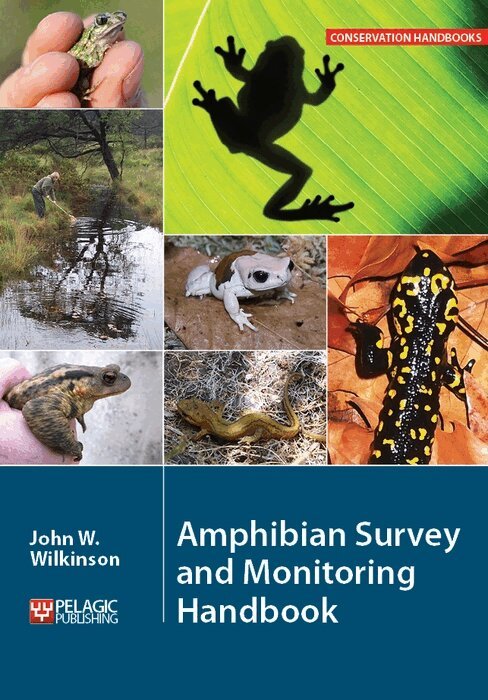
    Amphibian Survey and Monitoring Handbook

    AvJohn W. Wilkinson

    Häftad, Engelska, 2015

    Del i serien Conservation Handbooks

    636 kr

    Beställningsvara. Skickas inom 5-8 vardagar. Fri frakt över 249 kr.

    Fler format och utgåvor

    Inbunden

    1 168 kr

    E-bok

    2 186 kr

    E-bok

    2 186 kr

    Beskrivning

    "Evidence bases for conservation are becoming increasingly important to convince landowners and politicians of the need to take action in defence of species and habitats all around the world. A valuable feature of this book is its emphasis on collecting and analysing such essential information." Trevor Beebee, PhyllomedusaAmphibians are among the most globally endangered groups of vertebrates with more than one-third of species being assessed as declining or threatened. Often, amphibian declines can be attributed to a suite of interacting factors, many of which are human in origin, but further information is needed to elaborate the key causes and to discover ways of reversing declines.Robust surveys provide vital ecological and biological data on amphibian populations, and underpin the decisions made to protect species and reverse their declines. Ongoing monitoring informs land managers and decision makers about whether they are taking the right action. This book is designed to help you carry out amphibian surveying and monitoring so that the results of your surveys can be used effectively.Part 1 introduces amphibians: order Anura (frogs and toads); Caudata (newts and salamanders); and order Gymnophonia (caecilians).Part 2 is essential reading before you start surveying. It introduces the different types of survey and monitoring programmes and discusses survey aims and resources. It contains chapters on collecting and handling survey data; survey permissions and licencing; health and safety, and biosecurity; and handling amphibians.Part 3 discusses everything you need to know during your survey, and provides a detailed look at amphibian survey methods.Part 4 covers presenting and using your survey’s data to best effect.A useful resources section is also provided, with example survey forms and details of additional information resources that will optimize the impacts of your surveys.Key amphibian survey techniques are discussed with reference to published examples of successful surveys – so you’ll be able to choose what’s right for your situation. Tips on optimizing your survey effort and handling amphibians in the field are also included. Whether carrying out a student expedition project or seeking information to support the management of a protected area, this book contains essential advice from an amphibian ecologist who has encountered the same sorts of decisions you’ll face when planning your surveys.

    Produktinformation

    • Utgivningsdatum:2015-08-17
    • Mått:170 x 244 x 13 mm
    • Vikt:312 g
    • Format:Häftad
    • Språk:Engelska
    • Serie:Conservation Handbooks
    • Antal sidor:140
    • Förlag:Pelagic Publishing
    • ISBN:9781784270032

    Utforska kategorier

    • Groddjur och reptiler inom Naturvetenskap och teknik
    • Miljövetenskap och miljöpolitik inom Naturvetenskap och teknik
    • Biovetenskap inom Naturvetenskap och teknik

    Mer om författaren

    John W. Wilkinson is an amphibian biodiversity specialist, lecturer and writer who has spent most of the last twenty years carrying out, organizing or writing about amphibian (and sometimes reptile) surveying, and trying to find ways the information generated can aid in the fight against amphibian declines. He currently works for the UK charity Amphibian and Reptile Conservation and lives in Dawley, Shropshire, near a toad pond.

    Recensioner i media

    In my darker moments, I wonder if there is still a role for books in the modern screen-obsessed world. Then one comes across a book like this, where an expert with a lifetime’s experience provides a guide to everything that someone aiming to carry out amphibian survey and monitoring needs to think about. Splendid.

    Innehållsförteckning

    • 1 Introducing amphibians 1.1 Amphibian diversity 1.2 Order Anura (frogs and toads) 1.3 Order Caudata (newts and salamanders) 1.4 Order Gymnophonia (caecilians)2 Before you start surveying 2.1 Types of survey 2.2 Survey and monitoring programmes 2.3 Survey aims and resources 2.4 Collecting survey data 2.5 Survey permissions and licences 2.6 Health and safety, and biosecurity 2.7 Handling amphibians3 During your survey: amphibian survey methods 3.1 Amphibian surveys in aquatic habitats 3.2 Amphibian surveys in terrestrial habitats 3.3 What other data should you collect?4 After your survey 4.1 Arranging your data for analysis 4.2 Setting out your survey report 4.3 Who needs to see your data and read your report? 4.4 Taking amphibian studies further5 Resources to help you 5.1 Example survey forms 5.3 Guides to amphibian identification and ecology 5.4 Other useful textbooks 5.5 Equipment suppliers 5.6 Amphibian study and conservation organizations and societiesReferences Glossary Index