Contemporary Holocaust Studies - Böcker
Visar alla böcker i serien Contemporary Holocaust Studies. Handla med fri frakt och snabb leverans.
4 produkter
4 produkter
324 kr
Skickas inom 10-15 vardagar
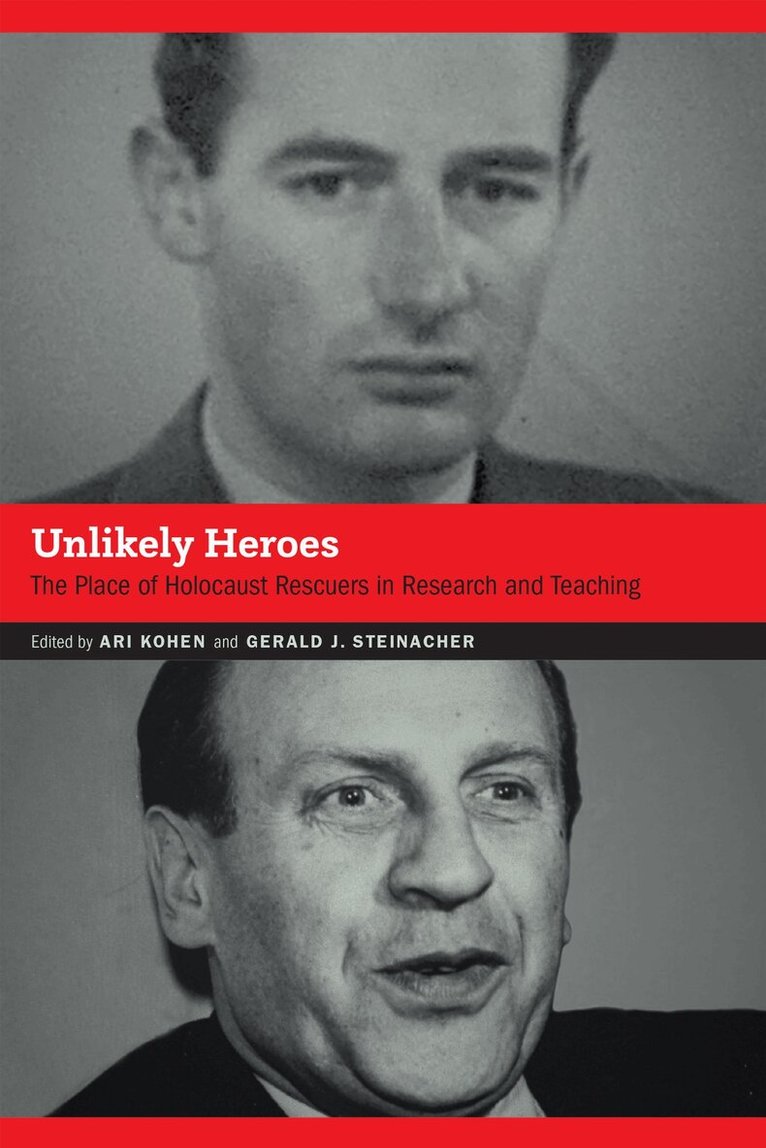
Classes and books on the Holocaust often center on the experiences of victims, perpetrators, and bystanders, but rescuers also occupy a prominent space in Holocaust courses and literature even though incidents of rescue were relatively few and rescuers constituted less than 1 percent of the population in Nazi-occupied Europe. As inspiring figures and role models, rescuers challenge us to consider how we would act if we found ourselves in similarly perilous situations of grave moral import. Their stories speak to us and move us.Yet this was not always the case. Seventy years ago these brave men and women, today regarded as the Righteous Among the Nations, went largely unrecognized; indeed, sometimes they were even singled out for abuse from their co-nationals for their selfless actions. Unlikely Heroes traces the evolution of the humanitarian hero, looking at the ways in which historians, politicians, and filmmakers have treated individual rescuers like Raoul Wallenberg and Oskar Schindler, as well as the rescue efforts of humanitarian organizations. Contributors in this edited collection also explore classroom possibilities for dealing with the role of rescuers, at both the university and the secondary level.
379 kr
Skickas inom 10-15 vardagar
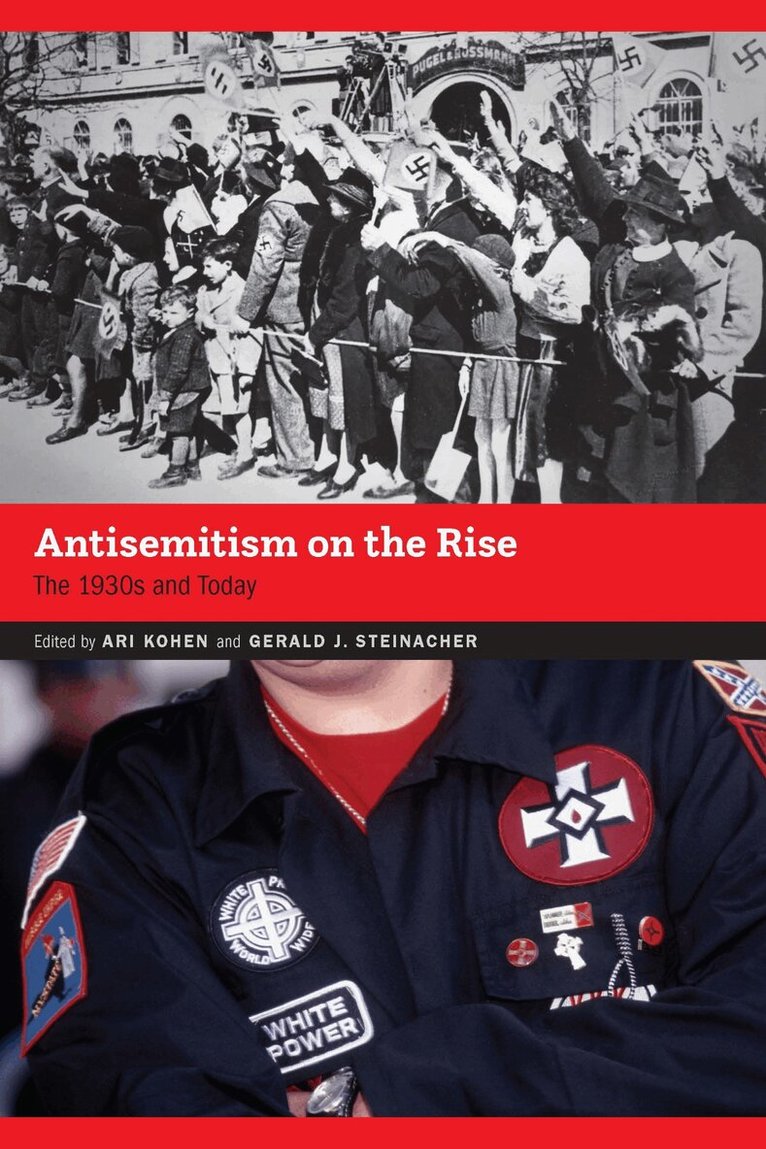
We live in uncertain and unsettling times. Tragically, today’s global culture is rife with violent bigotry, nationalism, and antisemitism. The rhetoric is not new; it is grounded in attitudes and values from the 1930s and the 1940s in Europe and the United States.Antisemitism on the Rise is a collection of essays by some of the world’s leading experts, including Joseph Bendersky, Jean Cahan, R. Amy Elman, Leonard Greenspoon, and JÜrgen MatthÄus, regarding two key moments in antisemitic history: the interwar period and today. Ari Kohen and Gerald J. Steinacher have collected important examples on this crucial topic to illustrate new research findings and learning techniques that have become increasingly vital with the recent rise of white supremacist movements, many of which have a firm root in antisemitism.Part 1 focuses on the antisemitic beliefs and ideas that were predominant during the 1930s and 1940s, while part 2 draws comparisons between this period and today, including examples of ways to teach others about contemporary antisemitism. The volume seeks to inform readers about the historical progression of antisemitism and in doing so asks readers to think about what is at stake and how to bridge the gap between research and teaching.
370 kr
Skickas
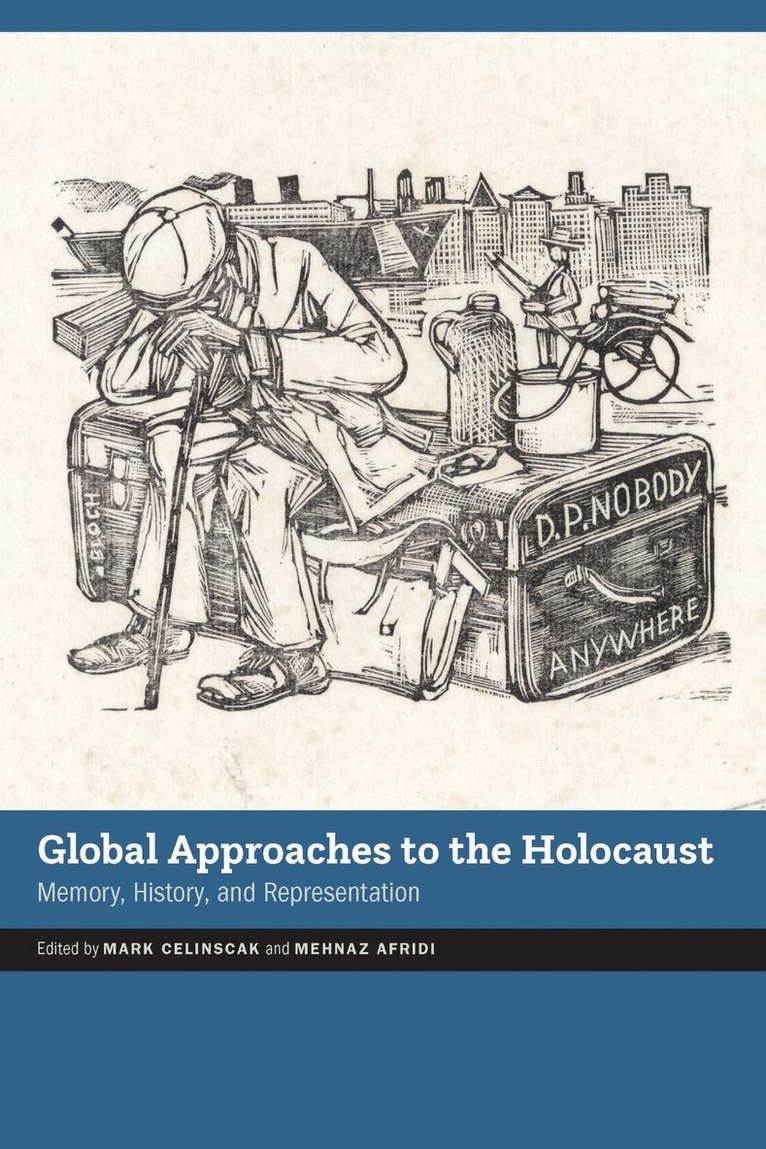
The field of contemporary Holocaust studies is increasingly international in perspective. These approaches do not detach themselves from European history; rather, they incorporate perspectives and voices not always considered in more traditional Holocaust studies.The contributors to this volume take such an approach as they examine the Holocaust, adding to the historical and memorial reach of the subject through an international range of voices. Global Approaches to the Holocaust asks: What happens when scholars shift their focus from an exclusively European perspective of the Holocaust? What new insights are gained from exploring the impact of the Holocaust from outside the European milieu? How do countries that were not directly affected by Nazi policies of occupation and extermination remember the Holocaust? What consequences does an expansive approach to the Holocaust entail?With essays about North and South Africa, Mauritius, Japan, Argentina, Mexico, Chile, the Philippines, the United States, Australia, Canada, India, Pakistan, Palestine, Columbia, New Zealand, and more, Global Approaches to the Holocaust seeks to create a critical voice in Holocaust studies that encompasses not only Europe but also Asia, Africa, South and North America, Australia, and the Middle East.
409 kr
Kommande
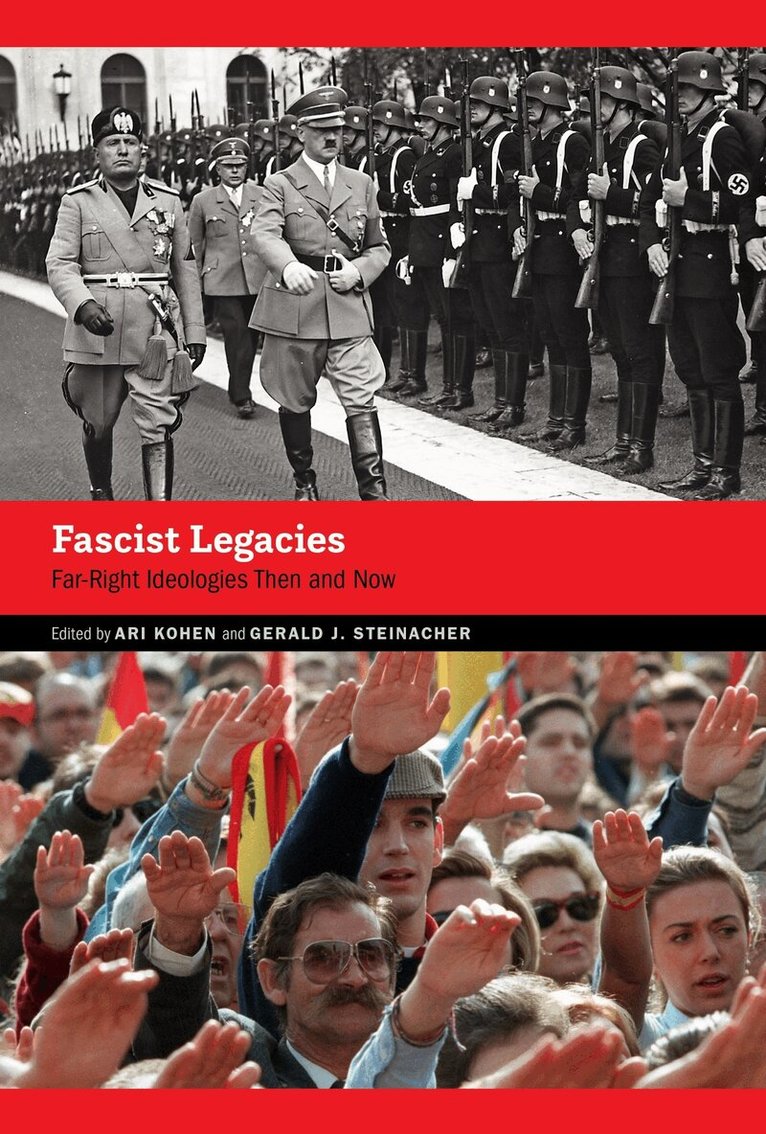
The world has changed since the 1930s, but human nature has not. What can we learn when comparing far-right populism in the United States to far-right populism elsewhere? How can we better understand the underlying ideas and ideologies that seem to transcend time and place? How can we best address them? How can we communicate what we have learned about these issues to those outside of academia? These are the central questions in the three-part conversation of Fascist Legacies.The first part of the book examines the rise of authoritarianism in Europe, the United States, and Latin America; the second part analyzes aspects of the far right and discusses the best strategies for teaching about fascism; and the third part focuses on the relationship between white nationalism, individual Christian churches in the United States, and antisemitism in the past and present. By discussing different aspects of the current global rise of right-wing populism, Fascist Legacies helps readers better understand what is happening in our societies.