Contemporary Topics in Entomology - Böcker
Visar alla böcker i serien Contemporary Topics in Entomology. Handla med fri frakt och snabb leverans.
16 produkter
16 produkter
Invasive Stink Bugs and Related Species (Pentatomoidea)
Biology, Higher Systematics, Semiochemistry, and Management
Häftad, Engelska, 2020
1 292 kr
Skickas inom 10-15 vardagar
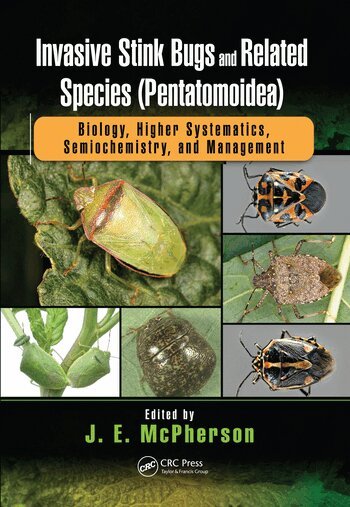
Key features:Presents a brief history of past classifications, a summary of present classification, and speculation on how the classification may evolve in the futureIncludes keys for the identification of families and subfamilies of the Pentatomoidea and for the tribes in the PentatomidaeExplains transmission of plant pathogens and concepts of pathology and heteropteran feeding for the non-specialist Provides an extensive literature review of transmission by stink bugs of viral, bacterial, fungal, and protozoan organisms that cause diseases of plantsDiscusses the diversity of microbial symbionts in the Pentatomidae and related species, showing how microorganisms underpin the evolution of this insect groupReviews semiochemicals (pheromones, kairomones, allomones) of the Pentatomoidea and their vital role in the life histories of pest and beneficial species and their exploitation by natural enemies of true bugs Covers past, current, and future control options for insects, with a focus on stink bugs and related heteropteransThe Superfamily Pentatomoidea (stink bugs and their relatives) is comprised of 18 families with over 8,000 species, the largest of which is the family Pentatomidae (about 5,000 species). These species primarily are phytophagous, and many cause tremendous economic damage to crops worldwide.Within this superfamily are six invasive species, two that occur worldwide and four that are recent invaders in North America. Once established in new geographic regions, these species have increased their numbers and geographic distributions dramatically, causing economic damage totaling billions of dollars. Invasive Stink Bugs and Related Species (Pentatomoidea): Biology, Higher Systematics, Semiochemistry, and Management is the first book that presents comprehensive coverage of the biology of invasive pentatomoids and related true bug species and addresses issues of rapidly growing economic and environmental concerns. Containing the contributions of more than 60 stink bug specialists from 15 countries, this book provides a better understanding of the biology and economic importance of these invasive species, why they became invasive, and how their continued geographical expansion is likely to affect numerous agricultural systems and natural environments. Including over 3,500 references, this authoritative work serves as an access point to the primary literature on their life histories, higher systematics, diapause and seasonal cycles, pathogens, symbionts, semiochemistry, and pest management control strategies for pentatomoid bugs.
697 kr
Skickas inom 10-15 vardagar
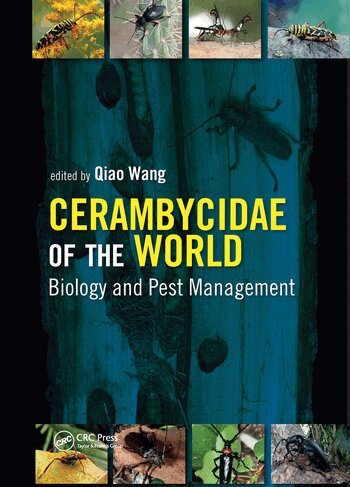
Wang has gathered contributions from an impressive cohort of the world’s most respected experts on longhorned beetles. Chapters review both basics of cerambycid taxonomy, mor- phology, and behavior (feeding, reproduction, and chemical ecology), as well as more applied concerns, such as laboratory rearing, pest control, and bio- security. Overall, this volume is a valuable contribution to the literature as a "one-stop shop" for readers seeking a comprehensive overview of longhorned beetles... It represents a tremendous effort on the part of Wang and the authors, and has resulted in a much-needed update to the literature. This volume is the only work of its kind available at this time, and is a valuable addition to the library of any scientist studying wood-boring beetles.- Ann M. Ray, Biology, Xavier University, Cincinnati, Ohio in The Quarterly Review of Biology, Volume 94, 2019There are more than 36,000 described species in the family Cerambycidae in the world. With the significant increase of international trade in the recent decades, many cerambycid species have become major plant pests outside their natural distribution range, causing serious environmental problems at great cost. Cerambycid pests of field, vine, and tree crops and of forest and urban trees cost billions of dollars in production losses, damage to landscapes, and management expenditures worldwide.Cerambycidae of the World: Biology and Pest Management is the first comprehensive text dealing with all aspects of cerambycid beetles in a global context. It presents our current knowledge on the biology, classification, ecology, plant disease transmission, and biological, cultural, and chemical control tactics including biosecurity measures from across the world.Written by a team of global experts, this book provides an entrance to the scientific literature on Cerambycidae for scientists in research institutions, primary industries, and universities, and will serve as an essential reference for agricultural and quarantine professionals in governmental departments throughout the world.
751 kr
Skickas inom 10-15 vardagar
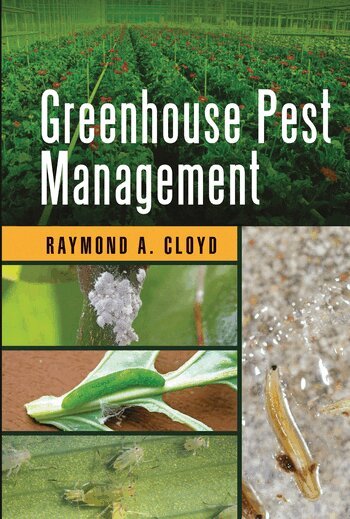
As the sustainable agriculture movement has grown, there has been a dramatic increase in the production of horticultural crops in greenhouses worldwide. Although there are numerous publications associated with pest management in greenhouses, Greenhouse Pest Management is the first comprehensive book on managing greenhouse arthropod pests, particularly in commercial production systems.The book contains the necessary information on major insects and mites, describing their biology and life cycle. Color images are included to help with identification and also to illustrate the damage these insects and mites can cause to greenhouse-grown horticultural crops. The book also assesses strategies for managing greenhouse pests, such as cultural, physical, and biological control as well as the use of pesticides, and describes how cultural practices and sanitation affect pest population dynamics.Richly illustrated and presenting material in a concise and focused format, Greenhouse Pest Management is a vital book for professional growers and pest managers, researchers, crop consultants and advisors, hobbyists, students, and government agricultural extension agents. It provides a thorough source of textual and visual information for handling pests in greenhouses.
697 kr
Skickas inom 10-15 vardagar
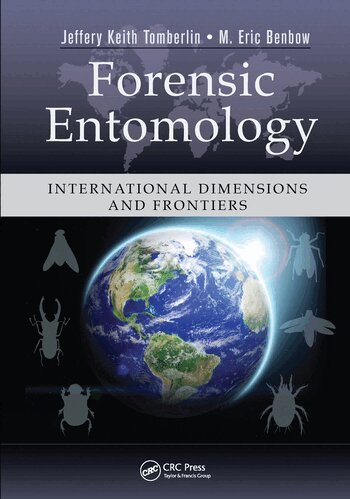
The use of forensic entomology has become established as a global science. Recent efforts in the field bridge multiple disciplines including, but not limited to, microbiology, chemistry, genetics, and systematics as well as ecology and evolution. The first book of its kind, Forensic Entomology: International Dimensions and Frontiers provides an inclusive summary of worldwide research on this body of knowledge that integrates aspects of a wide range of scientific realms.The book first reviews the history of forensic entomology, its accomplishments, and future challenges in nations around the world. It then provides perspectives of other scientific disciplines that are shaping the questions being addressed in the field. With an emphasis on medicolegal investigations, the book: Provides countrywide and regionally relevant syntheses on the current state and future of forensic entomology worldwidePresents insight from up-and-coming entomologists who offer new perspectives on the field while acknowledging their predecessors’ contributions and foundational workHighlights both established and newly emerging areas of forensic entomology research that provide the foundation and future of this exciting disciplineDiscusses the success of forensic entomology and identifies key challenges to current work and practiceSupplies an internationally cohesive perspective to emerging multidisciplinary dimensions and frontiers of forensic entomology The book is designed to provide readers with a firm appreciation of the history of forensic entomology and the scientists who built its foundation in each of the countries presented. In doing so, it is destined to inspire new and exciting global collaboration among established researchers and newcomers to the field.
2 117 kr
Skickas inom 10-15 vardagar
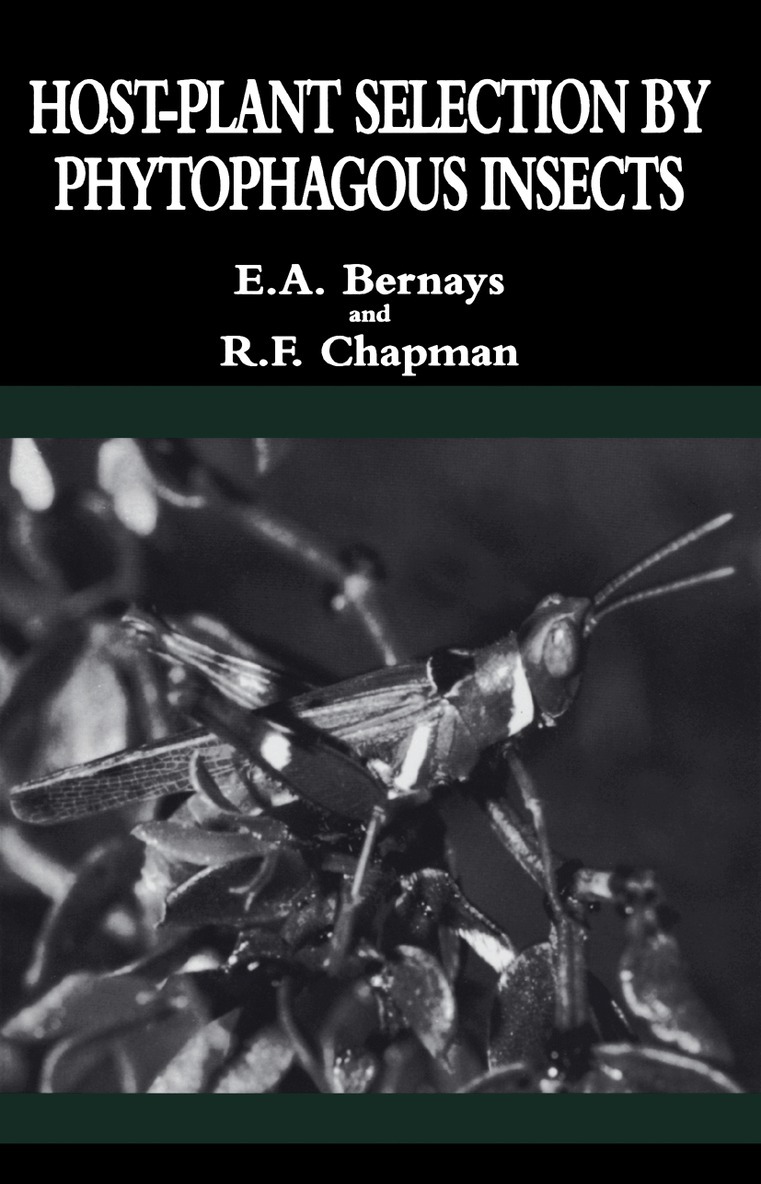
This book focuses on the behaviour of host plant selection by plant-feeding insects. It describes the patterns of host use, the chemical features of plants that determine host selection, the physiology of insect sensory systems, and the insect behaviours, with an emphasis on mechanisms. The book also discusses genetic variability and the effects of experience, and it concludes with a review of the evolution of host plant ranges. This book is for everyone interested in plant-feeding insects, and should serve as a reference for undergraduates, graduate students, research scientists and agriculturists.
2 521 kr
Skickas inom 10-15 vardagar
Insect Symbiosis summarizes the current knowledge of the relationship between symbiotic organisms and their insect hosts and provides an unparalleled analysis of cutting-edge research on this issue. Findings from international experts reveal possible new ways to control disease-carrying insects and agricultural pests worldwide. An examination of Wolbachia, considered by many as a vehicle to deliver anti-malarial and anti-plant virus strategies, is also included. Written by an interdisciplinary team of experts, this book serves as a great reference on host-parasitic relationships for professionals from a broad range of fields.
Insect Sounds and Communication
Physiology, Behaviour, Ecology, and Evolution
Inbunden, Engelska, 2005
2 724 kr
Skickas inom 10-15 vardagar
While we may have always assumed that insects employ auditory communication, our understanding of it has been impeded by various technical challenges. In comparison to the study of an insect's visual and olfactory expression, research in the area of acoustic communication has lagged behind. Filling this void, Insect Sounds and Communication is the first multi-author volume to present a comprehensive portrait on this elusive subject. The text includes 32 chapters written by top experts from all corners of the globe.Divided into two major sections, this groundbreaking text starts with a general introduction to insect sounds and communication that leads into a discussion of the technical aspects of recording and analyzing sounds. It then considers the functioning of the sense organs and sensory systems involved in acoustic behavior, and goes on to investigate the impact that variables such as body size and temperature have on insect sounds and vibrations. Several chapters are devoted to various evolutionary and ecological aspects of insect communication, and include rare information on seldom-studied groups, including Neuropterida and Plecoptera.The second section of the book includes chapters on communication and song repertoires of a wide diversity of insects, including Heteroptera, Auchenorrhyncha, Psylloidea, Diptera, Coleoptera, and Hymenoptera .Insect Sounds and Communication is packaged with a DVD, which holds sound and video recordings of many of the insects discussed throughout the text, as well as many full color illustrations not included in the printed text. The DVD also features an unabridged discussion in French of the contribution of the famous French cicadologist, Michel Boulard.
1 723 kr
Tillfälligt slut
Summarizing current knowledge on symbiotic organisms in the biology of insects, Insect Symbiosis, Volume IIdescribes the diversity of symbiotic bacteria associated with pests such as whiteflies, aphids, mealybugs, psyllids, and tsetse flies. The book illustrates how symbiosis research has important ramifications for evolutionary biology, physiology, parasitology, genetics, and animal behavior and is especially relevant to the control of agricultural and disease-carrying pests.In this second volume, a few repeat authors describe brand new aspects of their research, while a new group covers recently developing aspects of symbiotic relationships. The book includes updated information on Wolbachia biology and how it influences insect life, supplies two new examples of using symbionts in crop protection, and discusses the recent “bug in a bug” mealy bug case. The book provides analysis and synthesis of cutting-edge research in insect symbiosis that sheds light on the evolution of the host/symbiont relationship, and in turn, on the general study of evolution, physiology, and genetics.
1 148 kr
Skickas inom 10-15 vardagar
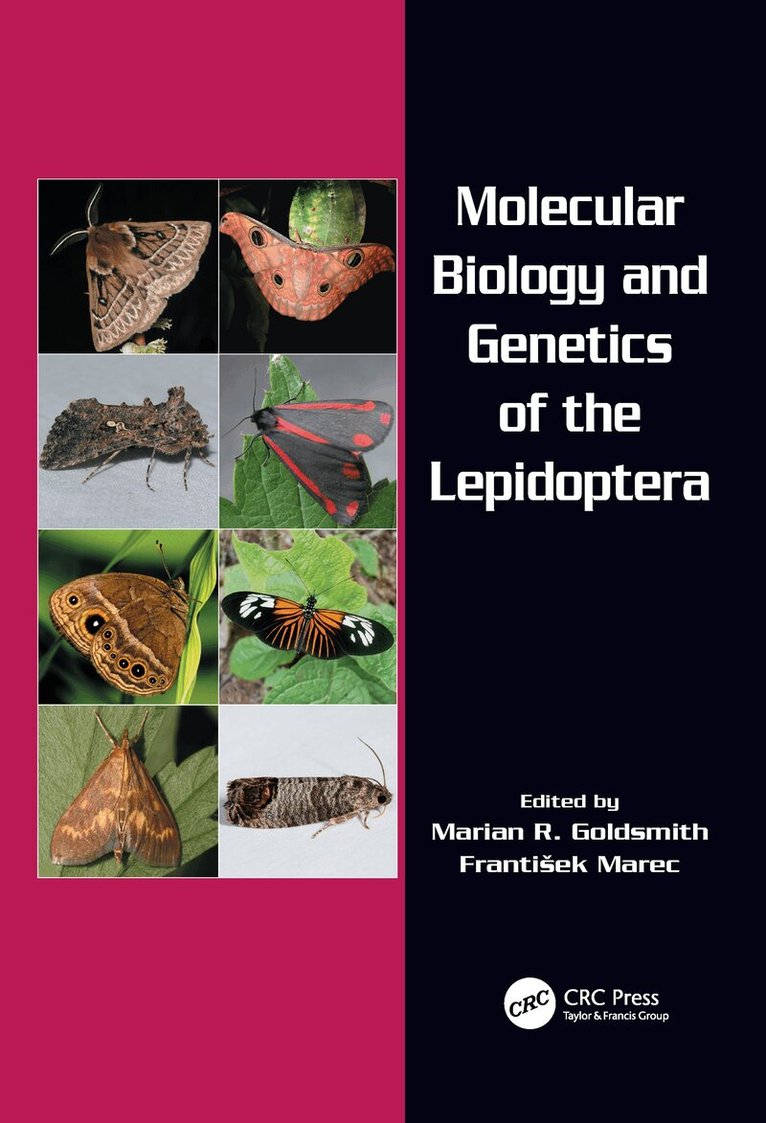
Numerous and charismatic, the Lepidoptera is one of the most widely studied groups of invertebrates. Advances in molecular tools and genomic techniques have reduced the need for large sizes and mass-rearing, and lepidopteran model systems are increasingly used to illuminate broad-based experimental questions as well as those peculiar to butterflies and moths. Molecular Biology and Genetics of the Lepidoptera presents a wide-ranging collection of studies on the Lepidoptera, treating them as specialized insects with distinctive features and as model systems for carrying out cutting-edge research. Leading researchers provide an evolutionary framework for placing moths and butterflies on the Tree of Life. The book covers progress in deciphering the silkworm genome and unraveling lepidopteran sex chromosomes. It features new information on sex determination, evolution, and the development of butterfly wing patterns, eyes, vision, circadian clocks, chemoreceptors, and sexual communication. The contributors discuss the genetics and molecular biology of plant host range and prospects for controlling the major crop pest genus Helicoverpa. They also explore the rise of insecticide resistance, the innate immune response, lepidopteran minihosts for testing human pathogens and antibiotics, and the use of intrahemocoelic toxins for control. The book concludes with coverage of polyDNA virus-carrying parasitoid wasps, and the cloning of the first virus resistance gene in the silkworm.Understanding the biology and genetics of butterflies and moths may lead to new species-selective methods of control, saving billions of dollars in pesticide use and protecting environmental and human health—making the sections on strategies for pest management extremely important. This book will open up new paths to the research literature for a broad audience, including entomologists, evolutionary and systematic biologists, geneticists, physiologists, biochemists, and molecular biologists.
3 200 kr
Skickas inom 10-15 vardagar
Numerous and charismatic, the Lepidoptera is one of the most widely studied groups of invertebrates. Advances in molecular tools and genomic techniques have reduced the need for large sizes and mass-rearing, and lepidopteran model systems are increasingly used to illuminate broad-based experimental questions as well as those peculiar to butterflies and moths. Molecular Biology and Genetics of the Lepidoptera presents a wide-ranging collection of studies on the Lepidoptera, treating them as specialized insects with distinctive features and as model systems for carrying out cutting-edge research. Leading researchers provide an evolutionary framework for placing moths and butterflies on the Tree of Life. The book covers progress in deciphering the silkworm genome and unraveling lepidopteran sex chromosomes. It features new information on sex determination, evolution, and the development of butterfly wing patterns, eyes, vision, circadian clocks, chemoreceptors, and sexual communication. The contributors discuss the genetics and molecular biology of plant host range and prospects for controlling the major crop pest genus Helicoverpa. They also explore the rise of insecticide resistance, the innate immune response, lepidopteran minihosts for testing human pathogens and antibiotics, and the use of intrahemocoelic toxins for control. The book concludes with coverage of polyDNA virus-carrying parasitoid wasps, and the cloning of the first virus resistance gene in the silkworm.Understanding the biology and genetics of butterflies and moths may lead to new species-selective methods of control, saving billions of dollars in pesticide use and protecting environmental and human health—making the sections on strategies for pest management extremely important. This book will open up new paths to the research literature for a broad audience, including entomologists, evolutionary and systematic biologists, geneticists, physiologists, biochemists, and molecular biologists.
1 657 kr
Tillfälligt slut
The associations between insects and microorganisms, while pervasive and of paramount ecological importance, have been relatively poorly understood. The third book in this set, Insect Symbiosis, Volume 3, complements the previous volumes in exploring this somewhat uncharted territory. Like its predecessors, Volume 3 illustrates how symbiosis research has important ramifications for evolutionary biology, microbiology, parasitology, physiology, genetics, and animal behavior, and is especially relevant to the control of agricultural and disease-carrying pests worldwide.Insect Symbiosis, Volume 3, includes pioneering chapters on Paratransgenesis in termites, Bacterial symbionts in anopheles spp. and other mosquito vectors, Endosymbionts of lice, and the Structure and function of the bacterial community associated with the Mediterranean fruit fly. These individual studies suggest practical applications in pest control involving novel, pesticide-free, biological control approaches.This new volume adds to the growing body of knowledge on the ubiquitous endosymbiont Wolbachia. This bacterial genus and its potential as a weapon against insect pests and vectors have been covered in the first two volumes of Insect Symbiosis. Volume 3 contains chapters on Wolbachia and anopheles mosquitoes, Feminizing Wolbachia and the evolution of sex determination in isopods, and Wolbachia–induced sex reversal in Lepidoptera. The book examines symbiotic relationships in the context of how host organisms recognize their own cells as self and other cells or potentially parasitic or pathogenic organisms as nonself, allowing researchers to make predictions of compatible and incompatible interactions. Following in the tradition of the first two volumes, this book serves as a great reference on host-parasitic relationships for professionals from a broad range of disciplines.
1 686 kr
Skickas inom 10-15 vardagar
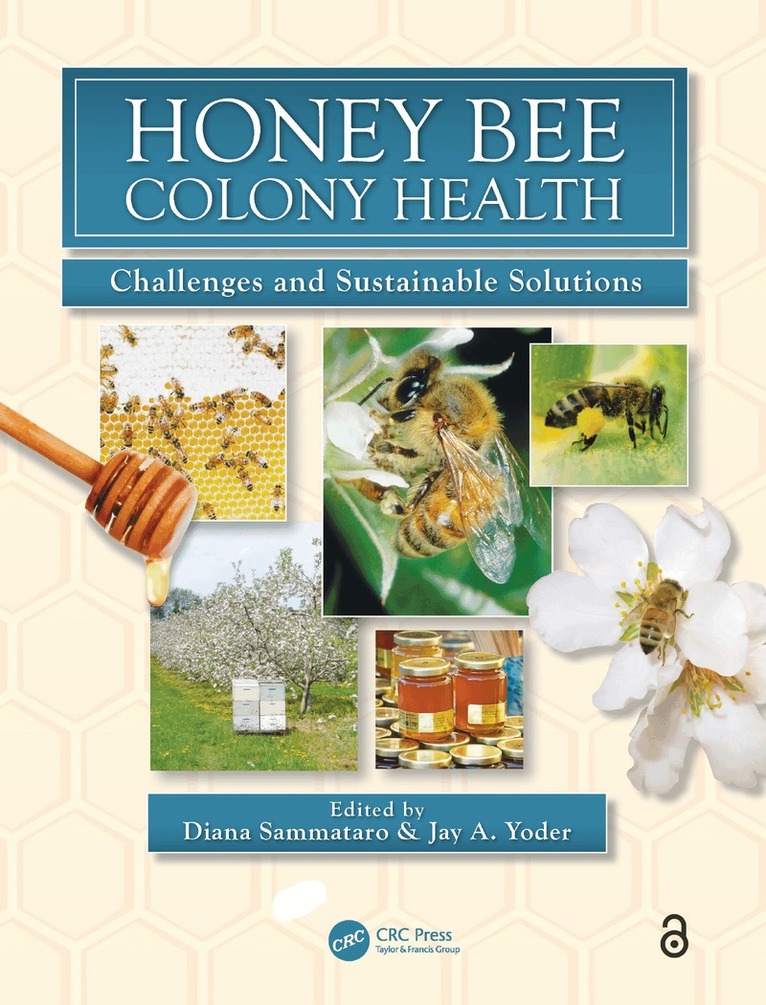
Modern commercial beekeeping has changed from primarily honey production to crop pollination. With this change has come extraordinary stress—colonies are moved multiple times a year, increasing their exposure to diseases, parasites, and hive pests. Antibiotics and acaricides are being applied more frequently, resulting in resistance and comb contamination. The future use of bee colonies as mobile pollinator populations requires modern management methods with fresh perspectives on nutrition, breeding practices, and the role of microbes in sustaining colony health.Honey Bee Colony Health: Challenges and Sustainable Solutions summarizes the current status of honey bees and possible reasons for their decline. This beautifully illustrated volume provides a foundation for management methods that maintain colony health. Integrating discussions of Colony Collapse Disorder, the chapters range from information on the new microsporidian Nosema ceranae pathogens, the current status of the parasitic bee mites, updates on bee viruses, and the effects of these problems on our important bee pollinators. This indispensable text also presents methods for diagnosing diseases and updated information on the current status of bee breeding. Honey bee colonies are in greater demand and are renting for higher fees than ever before. Finding ways to prevent outbreaks of disease and to control parasites is essential for reducing colony losses. The accumulation of knowledge from a range of bee scientists, Honey Bee Colony Health: Challenges and Sustainable Solutions aims to inspire future generations of researchers, beekeepers, and students to continue to study bees and keep them healthy and pollinating.
1 076 kr
Tillfälligt slut
The use of forensic entomology has become established as a global science. Recent efforts in the field bridge multiple disciplines including, but not limited to, microbiology, chemistry, genetics, and systematics as well as ecology and evolution. The first book of its kind, Forensic Entomology: International Dimensions and Frontiers provides an inclusive summary of worldwide research on this body of knowledge that integrates aspects of a wide range of scientific realms.The book first reviews the history of forensic entomology, its accomplishments, and future challenges in nations around the world. It then provides perspectives of other scientific disciplines that are shaping the questions being addressed in the field. With an emphasis on medicolegal investigations, the book: Provides countrywide and regionally relevant syntheses on the current state and future of forensic entomology worldwidePresents insight from up-and-coming entomologists who offer new perspectives on the field while acknowledging their predecessors’ contributions and foundational workHighlights both established and newly emerging areas of forensic entomology research that provide the foundation and future of this exciting disciplineDiscusses the success of forensic entomology and identifies key challenges to current work and practiceSupplies an internationally cohesive perspective to emerging multidisciplinary dimensions and frontiers of forensic entomologyThe book is designed to provide readers with a firm appreciation of the history of forensic entomology and the scientists who built its foundation in each of the countries presented. In doing so, it is destined to inspire new and exciting global collaboration among established researchers and newcomers to the field.
2 576 kr
Skickas inom 7-10 vardagar
Wang has gathered contributions from an impressive cohort of the world’s most respected experts on longhorned beetles. Chapters review both basics of cerambycid taxonomy, mor- phology, and behavior (feeding, reproduction, and chemical ecology), as well as more applied concerns, such as laboratory rearing, pest control, and bio- security. Overall, this volume is a valuable contribution to the literature as a "one-stop shop" for readers seeking a comprehensive overview of longhorned beetles... It represents a tremendous effort on the part of Wang and the authors, and has resulted in a much-needed update to the literature. This volume is the only work of its kind available at this time, and is a valuable addition to the library of any scientist studying wood-boring beetles.- Ann M. Ray, Biology, Xavier University, Cincinnati, Ohio in The Quarterly Review of Biology, Volume 94, 2019There are more than 36,000 described species in the family Cerambycidae in the world. With the significant increase of international trade in the recent decades, many cerambycid species have become major plant pests outside their natural distribution range, causing serious environmental problems at great cost. Cerambycid pests of field, vine, and tree crops and of forest and urban trees cost billions of dollars in production losses, damage to landscapes, and management expenditures worldwide.Cerambycidae of the World: Biology and Pest Management is the first comprehensive text dealing with all aspects of cerambycid beetles in a global context. It presents our current knowledge on the biology, classification, ecology, plant disease transmission, and biological, cultural, and chemical control tactics including biosecurity measures from across the world.Written by a team of global experts, this book provides an entrance to the scientific literature on Cerambycidae for scientists in research institutions, primary industries, and universities, and will serve as an essential reference for agricultural and quarantine professionals in governmental departments throughout the world.
2 588 kr
Skickas inom 10-15 vardagar
As the sustainable agriculture movement has grown, there has been a dramatic increase in the production of horticultural crops in greenhouses worldwide. Although there are numerous publications associated with pest management in greenhouses, Greenhouse Pest Management is the first comprehensive book on managing greenhouse arthropod pests, particularly in commercial production systems.The book contains the necessary information on major insects and mites, describing their biology and life cycle. Color images are included to help with identification and also to illustrate the damage these insects and mites can cause to greenhouse-grown horticultural crops. The book also assesses strategies for managing greenhouse pests, such as cultural, physical, and biological control as well as the use of pesticides, and describes how cultural practices and sanitation affect pest population dynamics.Richly illustrated and presenting material in a concise and focused format, Greenhouse Pest Management is a vital book for professional growers and pest managers, researchers, crop consultants and advisors, hobbyists, students, and government agricultural extension agents. It provides a thorough source of textual and visual information for handling pests in greenhouses.
Invasive Stink Bugs and Related Species (Pentatomoidea)
Biology, Higher Systematics, Semiochemistry, and Management
Inbunden, Engelska, 2018
2 521 kr
Skickas inom 10-15 vardagar
Key features:Presents a brief history of past classifications, a summary of present classification, and speculation on how the classification may evolve in the futureIncludes keys for the identification of families and subfamilies of the Pentatomoidea and for the tribes in the PentatomidaeExplains transmission of plant pathogens and concepts of pathology and heteropteran feeding for the non-specialist Provides an extensive literature review of transmission by stink bugs of viral, bacterial, fungal, and protozoan organisms that cause diseases of plantsDiscusses the diversity of microbial symbionts in the Pentatomidae and related species, showing how microorganisms underpin the evolution of this insect groupReviews semiochemicals (pheromones, kairomones, allomones) of the Pentatomoidea and their vital role in the life histories of pest and beneficial species and their exploitation by natural enemies of true bugs Covers past, current, and future control options for insects, with a focus on stink bugs and related heteropteransThe Superfamily Pentatomoidea (stink bugs and their relatives) is comprised of 18 families with over 8,000 species, the largest of which is the family Pentatomidae (about 5,000 species). These species primarily are phytophagous, and many cause tremendous economic damage to crops worldwide.Within this superfamily are six invasive species, two that occur worldwide and four that are recent invaders in North America. Once established in new geographic regions, these species have increased their numbers and geographic distributions dramatically, causing economic damage totaling billions of dollars. Invasive Stink Bugs and Related Species (Pentatomoidea): Biology, Higher Systematics, Semiochemistry, and Management is the first book that presents comprehensive coverage of the biology of invasive pentatomoids and related true bug species and addresses issues of rapidly growing economic and environmental concerns. Containing the contributions of more than 60 stink bug specialists from 15 countries, this book provides a better understanding of the biology and economic importance of these invasive species, why they became invasive, and how their continued geographical expansion is likely to affect numerous agricultural systems and natural environments. Including over 3,500 references, this authoritative work serves as an access point to the primary literature on their life histories, higher systematics, diapause and seasonal cycles, pathogens, symbionts, semiochemistry, and pest management control strategies for pentatomoid bugs.