Critical Perspectives on Museums and Digital Technology - Böcker
Visar alla böcker i serien Critical Perspectives on Museums and Digital Technology. Handla med fri frakt och snabb leverans.
5 produkter
5 produkter
763 kr
Skickas inom 10-15 vardagar
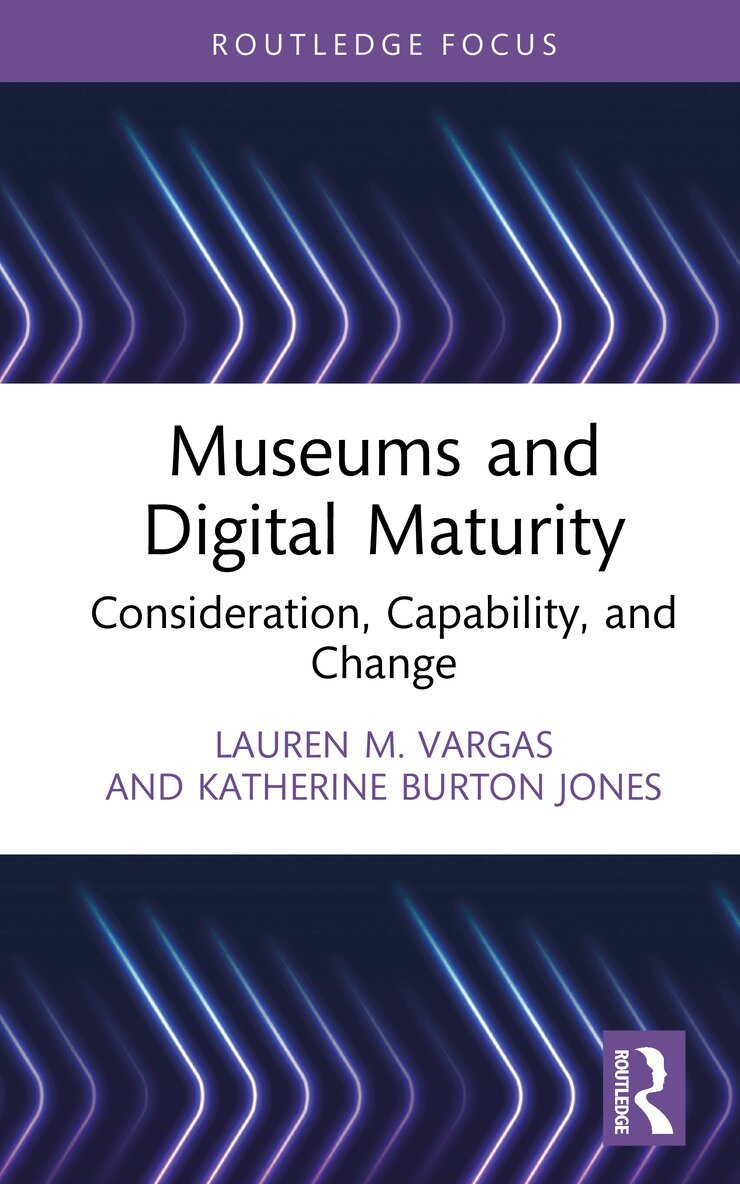
Museums and Digital Maturity helps museums to understand why they should assess their digital maturity and explains how to undertake an assessment, even if an institution has a lack of dedicated funding or digital expertise.Informed and influenced by business development models and practices, the book demonstrates how museum professionals can draw upon business language and tools to assess their institution’s digital maturity. Explaining how to select the right tools and resources for assessment; who to involve in the assessment process; and identify what is needed to sustain transformation, Vargas and Burton Jones demonstrate how professionals can adopt a strategy that will assist the cultural institution to master the increasingly complex digital landscape. Taking account of the unique context of each institution, this book does not advocate the use of any one digital maturity assessment. Instead, it helps museums to evaluate the tools and methods, decide what is best for them, and then make changes to one area at a time, thereby helping the institution to become more digitally mature.Museums and Digital Maturity includes a series of case studies and prompts that will be useful to practitioners and leaders working in museums around the world. The prompts will help readers to make sense of the concepts discussed within the text and will be particularly useful to students engaged in the study of museums, heritage, and arts management.
786 kr
Skickas inom 10-15 vardagar
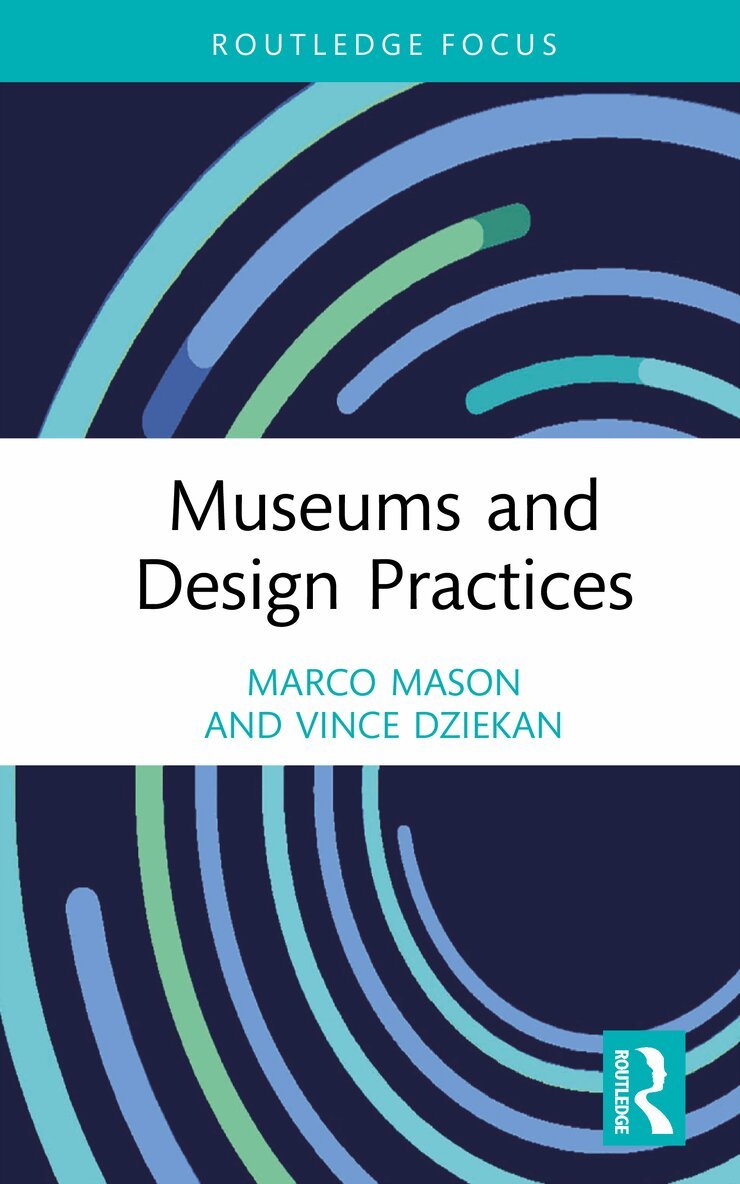
Museums and Design Practices explores the increasingly critical role that design is playing in museums by focusing on how human-centred design approaches are being embraced and incorporated into their work practices.This book advances “design-as-practice” as a way to acknowledge the technosocial dimension of the working culture of cultural organisations. It reveals how designing is a situated phenomenon that enables museums and galleries to respond in a digitally mature way to emerging contexts and challenges of digital transformation. The original thesis forwarded by the authors is reinforced by reflections shared by leading museum practitioners and designers on the complex and multifaceted nature of human-centred practices found in museums and the various ways they function within their organisational working cultures. The infusion of design into all levels of museum practice demonstrates the capacity to transform how museums approach visitor experience, inclusive collaboration, and knowledge sharing in order to build resilience in the face of change and respond to the ‘wicked problems’ confronting cultural organisations today.Museums and Design Practices is for students and researchers as well as museum practitioners – especially those keen to understand emerging relationships that are forming between digital technology, design and the cultural work of museums. It will also be of interest to researchers and students working in the fields of design, digital culture, and museum studies.
763 kr
Skickas inom 10-15 vardagar
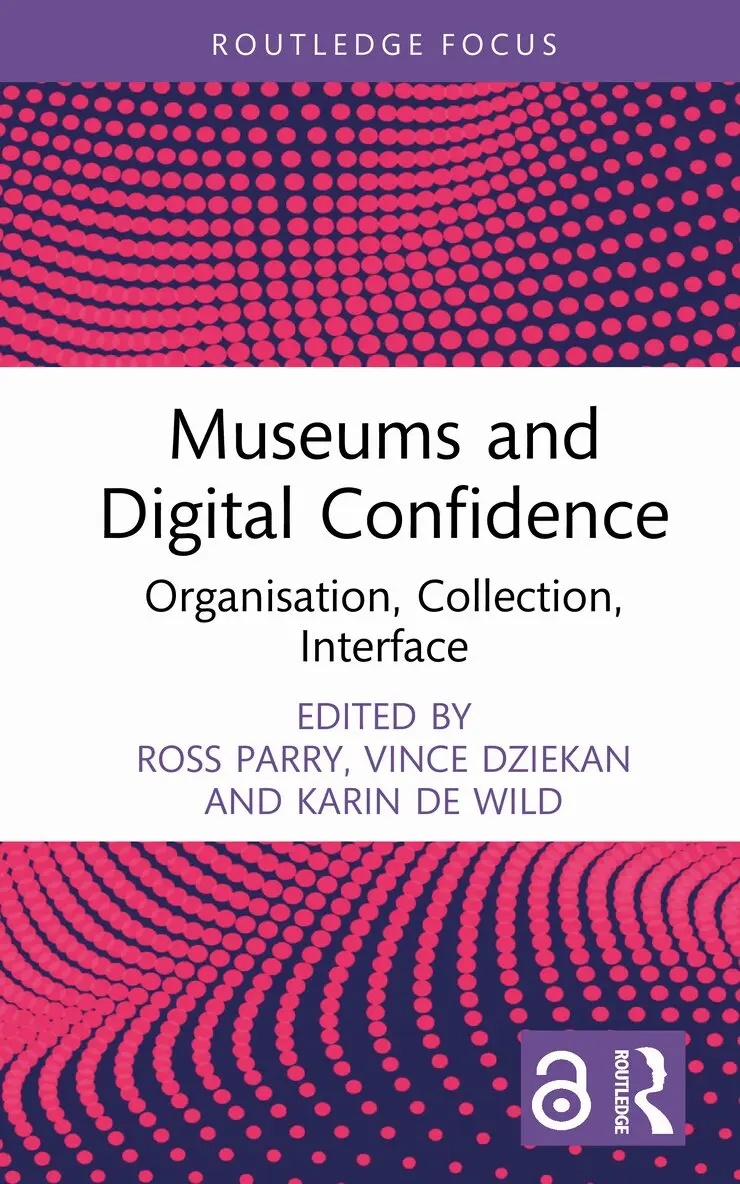
Museums and Digital Confidence explores the evolving nature of digital practices in museums. It interrogates the skills, literacies, and mindsets that can support the use of digital technologies within these institutions. It also reflects on why digital adoption has faltered (at times), why digital continues to matter, and how the digital museum may flourish into the future.Underscored by national and international research, this edited volume brings together leading experts from museology, museum management and curation, organisational studies, and cultural policy to outline a new framing of museum digital confidence. It does so by offering a series of critically engaged perspectives derived from a range of practices that reveal how museums have managed to successfully re-orient themselves in order to not only face but also embrace the ongoing challenges presented by the highly interconnected, media-pervasive, and technologised world to which contemporary museums must continually adapt. This book presents a set of ‘framings’ to help museums clarify how they can work purposefully, productively, and sustainably with digital at an organisational level, in terms of managing collections, and through curating public-facing exhibitions and programmes.Museums and Digital Confidence shares insights that will be essential reading for students, researchers, and museum practitioners who are interested in better understanding – and acting upon – the digital transformation of museums.
790 kr
Skickas inom 10-15 vardagar
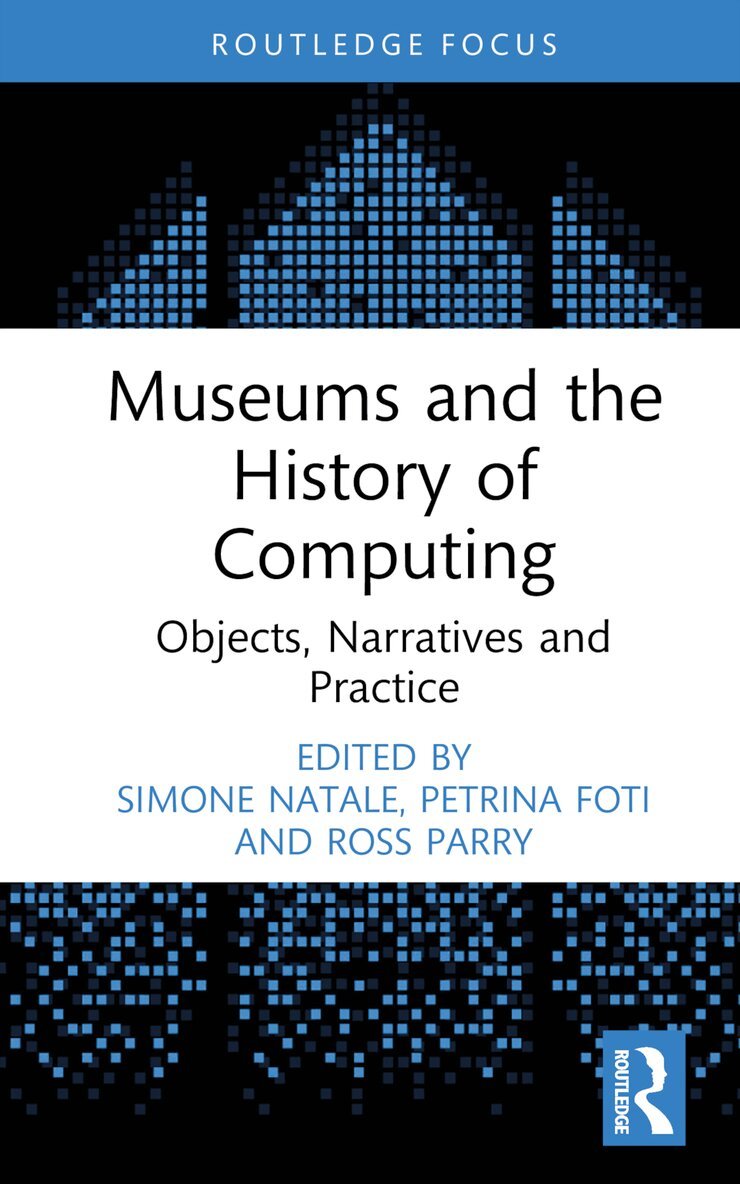
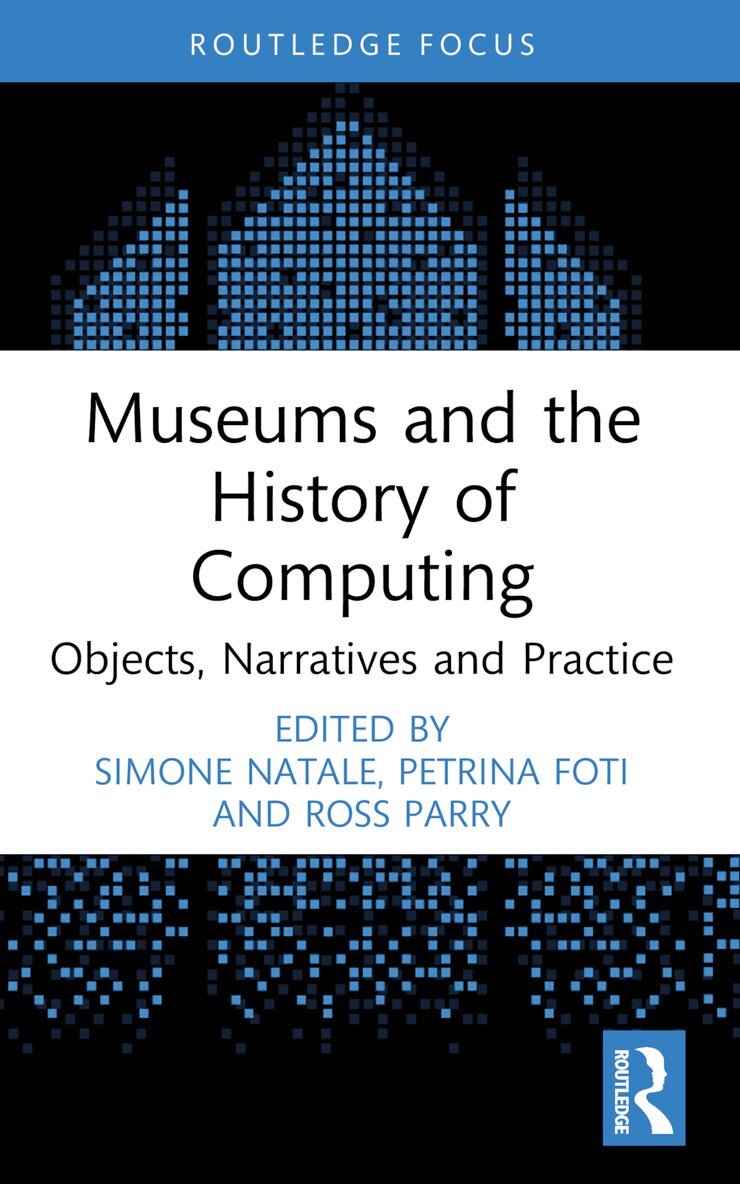
Museums and the History of Computing examines the critical role that cultural organizations, such as museums and galleries, play in shaping ‘digital heritage’: the cultural heritage surrounding computer technology.Focusing on digital technologies as objects and practices that museums collect, exhibit, and preserve for the future, this book highlights how and why museums play a crucial role in preserving the rich heritage of the digital world, constructing powerful narratives that help make it relevant to the public. It demonstrates that the museum can be a powerful means of safeguarding and interpreting ephemeral and continually changing digital technology, offering new pathways for rethinking the very meaning of digital objects and practices in contemporary societies. It provides practices and strategies for the preservation and exhibition of computing artifacts and ways to accommodate and respond to narratives about histories of computing that circulate in the public arena. Bringing together leading museum and university researchers and practitioners, and mobilizing cross-cutting debates and approaches in areas such as museum studies, cultural heritage, history of technology, anthropology, and media studies, this book challenges us to think critically about what ‘digital’ is when examined not only as a tool but as a cultural object deserving of attention and a place within the museum.Museums and the History of Computing is for museum studies students and researchers as well as museum practitioners – especially those with an interest in digital technology and heritage. It will be of interest to researchers and students interested in histories of computing and digital media and in digital media studies.
331 kr
Skickas inom 10-15 vardagar
Museums and the History of Computing examines the critical role that cultural organizations, such as museums and galleries, play in shaping ‘digital heritage’: the cultural heritage surrounding computer technology.Focusing on digital technologies as objects and practices that museums collect, exhibit, and preserve for the future, this book highlights how and why museums play a crucial role in preserving the rich heritage of the digital world, constructing powerful narratives that help make it relevant to the public. It demonstrates that the museum can be a powerful means of safeguarding and interpreting ephemeral and continually changing digital technology, offering new pathways for rethinking the very meaning of digital objects and practices in contemporary societies. It provides practices and strategies for the preservation and exhibition of computing artifacts and ways to accommodate and respond to narratives about histories of computing that circulate in the public arena. Bringing together leading museum and university researchers and practitioners, and mobilizing cross-cutting debates and approaches in areas such as museum studies, cultural heritage, history of technology, anthropology, and media studies, this book challenges us to think critically about what ‘digital’ is when examined not only as a tool but as a cultural object deserving of attention and a place within the museum.Museums and the History of Computing is for museum studies students and researchers as well as museum practitioners – especially those with an interest in digital technology and heritage. It will be of interest to researchers and students interested in histories of computing and digital media and in digital media studies.