Critical Views - Böcker
Visar alla böcker i serien Critical Views. Handla med fri frakt och snabb leverans.
5 produkter
5 produkter
305 kr
Skickas inom 7-10 vardagar
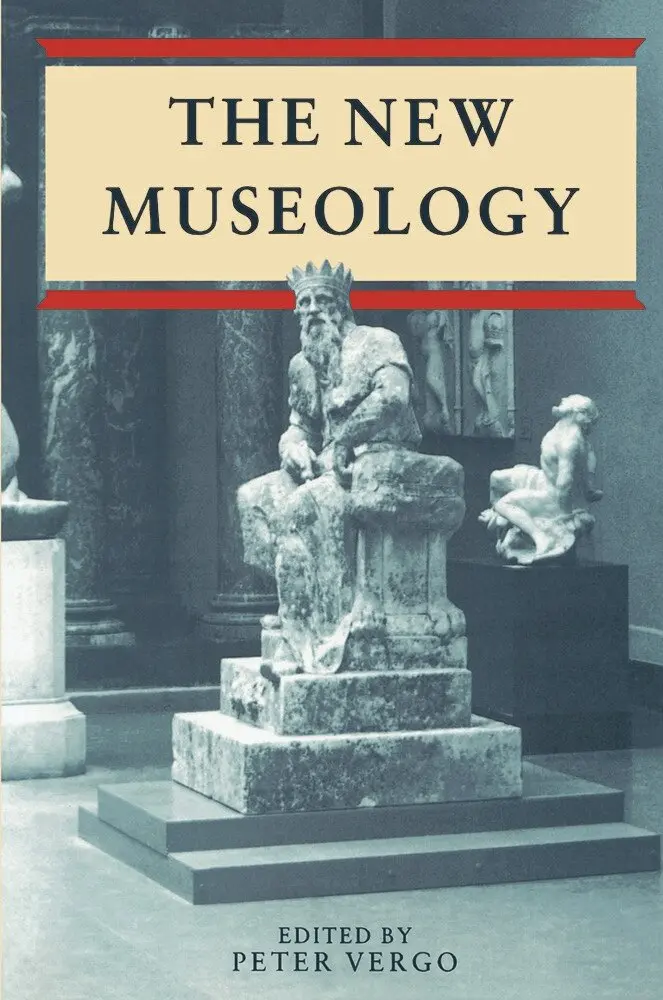
Traditionally, museums have concerned themselves with foremost with conservation and classification. But what is conserved, and why? How is it classified? And who does this benefit? Are exhibitions really designed with the visitor in mind? And what qualities of experience are being offered? These are just some of the pressing questions which the authors - museum professionals, historians and critics - raise in this volume.Art collections, museums of childhood, science and photography, theme parks and ‘time machines’, and the Great Exhibitions are among the diverse subjects discussed. As a collection of critical views of museum history, theory and practice, The New Museology is of interest not only to those in the museum profession, but to all those concerned with society's attitude to its own history and culture.
288 kr
Skickas inom 7-10 vardagar
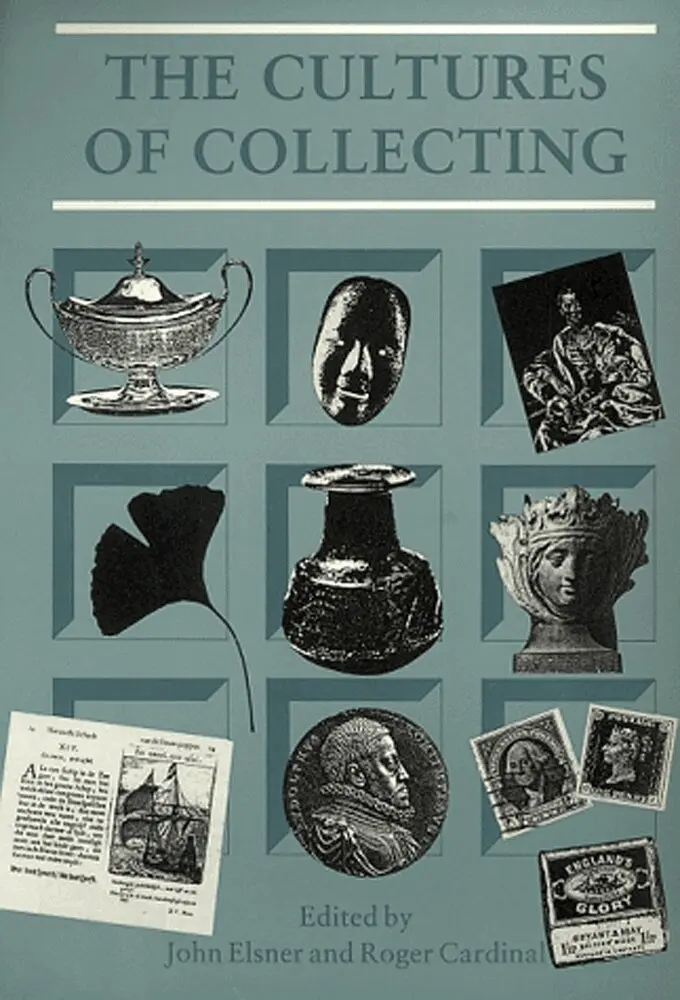
with essays by Jean Baudrillard, Thomas DaCosta Kaufmann, Nicholas Thomas, Mieke Bal, John Forrester, John Windsor, Naomi Schor, Susan Stewart, Anthony Alan Shelton, Jaś Elsner, Roger Cardinal and an interview with Robert Opie.This book traces the psychology, history and theory of the compulsion to collect, focusing not just on the normative collections of the Western canon, but also on collections that reflect a fascination with the ‘Other’ and the marginal – the ephemeral, exotic, or just plain curious.There are essays on the Neoclassical architect Sir John Soane, Sigmund Freud and Kurt Schwitters, one of the masters of collage. Others examine imperialist encounters with remote cultures – the conquistadors in America in the sixteenth century, and the British in the Pacific in the eighteenth - and the more recent collectors of popular culture, be they of Swatch watches, Elvis Presley memorabilia or of packaging and advertising.
269 kr
Skickas inom 7-10 vardagar
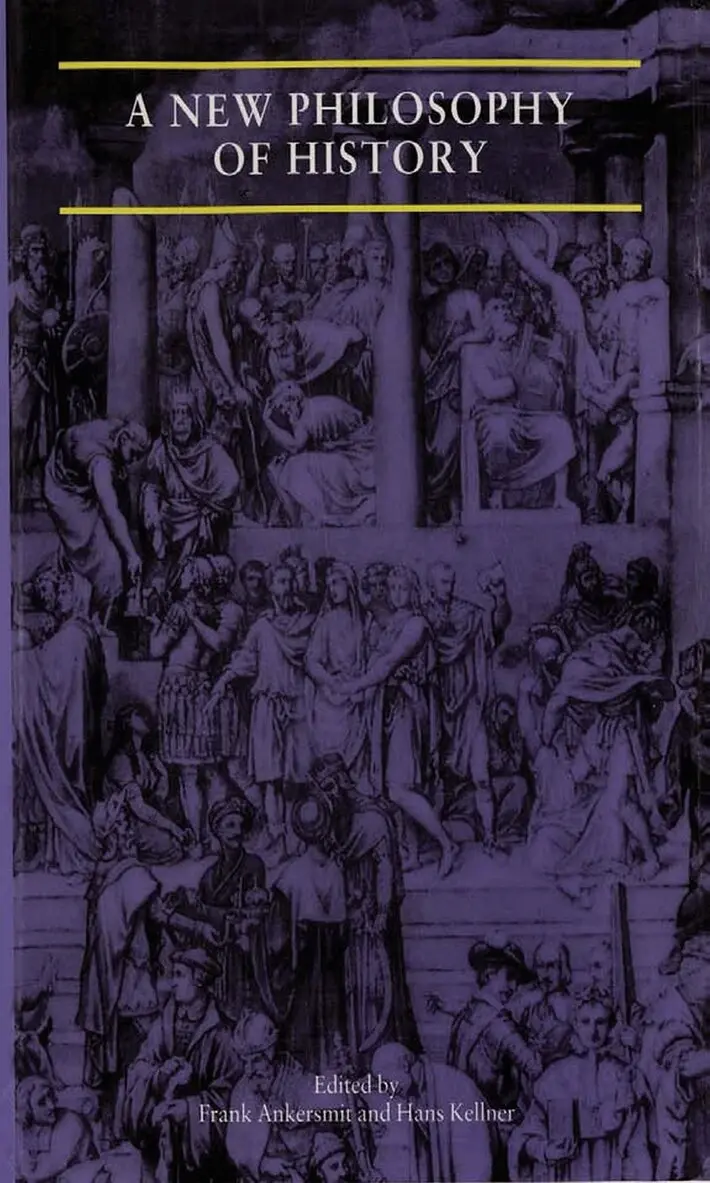
‘What is history?’ From Thucydides to Toynbee, historians and non-historians alike have wondered how to answer this question. A New Philosophy of History reflects on developments over the last two decades in historical writing, not least the renewed interest in the status of narrative itself and the presence of the authorial ‘voice’. Subjects include the problems of Grand Narrative, multiple voices and the personal presence of the historian in his text, the ambitions of the French Annales school and the so-called ‘Grand Chronicler’, and the relevance of non-literary models – museum presentations and picturings – regarding historical discourse. The range of approaches to be found in A New Philosophy of History ensures that this book will establish itself as required reading not only for historians, but for everyone interested in literary theory, philosophy or cultural studies.With essays by Nancy F. Partner, Richard T. Vann, Arthur C. Danto, Linda Orr, Philipagese Carrard, Ann Rigney, Allan Megill, Robert F. Berkhofer, Stephen Bann and Frank Ankersmit.
310 kr
Skickas inom 7-10 vardagar
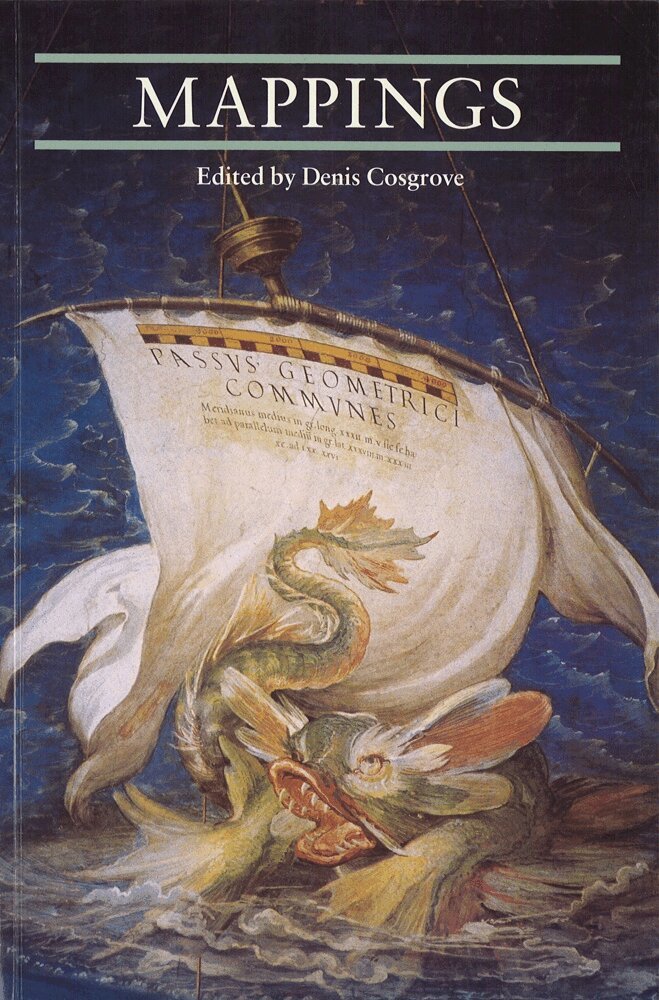
With essays by Jerry Brotton, Paul Carter, Michael Charlesworth, James Corner, Wystan Curnow, Christian Jacob, Luciana de Lima Martins, David Matless, Armand Mattelart, Lucia Nuti and Alessandro Scafi.Mappings explores what mapping has meant in the past and how its meanings have altered. How have maps and mapping served to order and represent physical, social and imaginative worlds? How has the practice of mapping shaped modern seeing and knowing? In what ways do contemporary changes in our experience of the world alter the meanings and practice of mapping, and vice versa?In their diverse expressions, maps and the representational processes of mapping have constructed the spaces of modernity since the early Renaissance. The map’s spatial fixity, its capacity to frame, control and communicate knowledge through combining image and text, and cartography’s increasing claims to scientific authority, make mapping at once an instrument and a metaphor for rational understanding of the world.Among the topics the authors investigate are projective and imaginative mappings; mappings of terraqueous spaces; mapping and localism at the ‘chorographic’ scale; and mapping as personal exploration.
359 kr
Skickas inom 7-10 vardagar
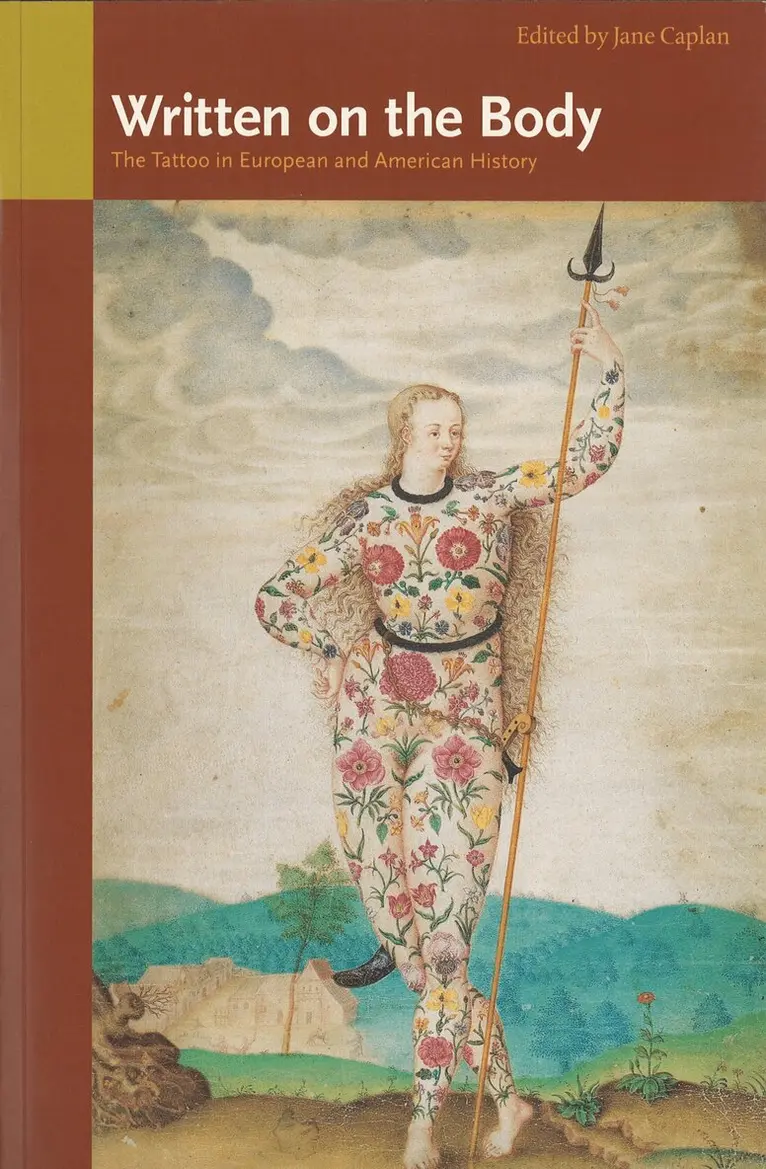
With essays by Clare Anderson, Susan Benson, James Bradley, Jane Caplan, Juliet Fleming, Alan Govenar, Harriet Guest, Mark Gustafson, C. P. Jones, Charles MacQuarrie, Hamish Maxwell-Stuart and Ian Duffield, Stephan Oettermann, Jennipher Allen Rosecrans and Abby M. Schrader Written on the Body surveys the history of the tattoo in Europe and North America from Antiquity to the present. While the subject of tattooing has previously been approached from the viewpoints of anthropology, sociology and cultural studies, this is the first book to set the practice into a historical perspective. This is partly because there was no obvious context for writing a serious history of it prior to the emergence of scholarship on the cultural history of the body. The tattoo emerges as a haunting presence on Europe's margins, figuring as something alien and uncanny. It seems to hover for much of its history in a space between the cosmetic and the punitive, frequently indicative of and complicated by the practice of penal violations of bodily integrity. It is this fluidity of the tattoo's meaning, rather than its marginality, that is the focus of Written on the Body.