Cultographies - Böcker
Visar alla böcker i serien Cultographies. Handla med fri frakt och snabb leverans.
13 produkter
13 produkter
133 kr
Skickas inom 7-10 vardagar
Russ Meyer's Faster, Pussycat! Kill! Kill! (1965) is an enigma. A box-office failure when initially released on the grindhouse circuit, it has since been embraced by art-house audiences, and referenced in countless films, television series, and songs. A riot of styles and story cliches lifted from biker, juvenile delinquency, and beach party movies, it has the coherence of a dream, and the improvisatory daring of a jazz solo. John Waters has called it the greatest movie ever made, and Quentin Tarantino has long promised to remake it. But what draws them, and so many other cult fans to Pussycat? To help answer that question, this book looks at the production and critical reception of the film, its place within the cultural history of the 1960s, its representations of gender and sexuality, and the specific ways it meets the criteria of a cult film.
133 kr
Skickas inom 7-10 vardagar
1964: Mods clash with Rockers in Brighton, creating a moral panic. 1973: ex-Mod band The Who release Quadrophenia, a concept album following young Mod Jimmy Cooper to the Brighton riots and beyond. 1979: Franc Roddam directs Quadrophenia, a film based on Pete Townshend's album narrative; its cult status is immediate. 2013: almost fifty years on from Brighton, this first academic study explores the lasting appeal of 'England's Rebel Without a Cause'. Investigating academic, music, press, and fan-based responses, Glynn argues that the 'Modyssey' enacted in Quadrophenia intrigues because it opens a hermetic subculture to its social-realist context; it enriches because it is a cult film that dares to explore the dangers in being part of a cult; it endures because of its 'emotional honesty', showing Jimmy as failing, with family, job, girl, and group; it excites because we all know that, at some point in our lives, 'I was there!'
133 kr
Skickas inom 7-10 vardagar
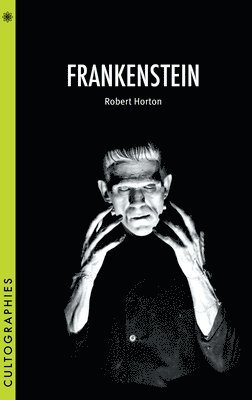
James Whale's Frankenstein (1931) spawned a phenomenon that has been rooted in world culture for decades. This cinematic Prometheus has generated countless sequels, remakes, rip-offs, and parodies in every media, and this granddaddy of cult movies constantly renews its followers in each generation. Along with an in-depth critical reading of the original 1931 film, this book tracks Frankenstein the monster's heavy cultural tread from Mary Shelley's source novel to today's Internet chat rooms.
178 kr
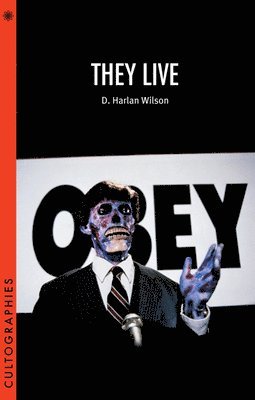
Born out of the cultural flamboyance and anxiety of the 1980s, They Live (1988) is a hallmark of John Carpenter's singular canon, combining the aesthetics of multiple genres and leveling an attack against the politics of Reaganism and the Cold War. The decision to cast the professional wrestler "Rowdy" Roddy Piper as his protagonist gave Carpenter the additional means to comment on the hypermasculine attitudes and codes indicative of the era. This study traces the development of They Live from its comic book roots to its legacy as a cult masterpiece while evaluating the film in light of the paranoid/postmodern theory that matured in the decidedly "Big 80s." Directed by a reluctant auteur, the film is examined as a complex work of metafiction that calls attention to the nature of cinematic production and reception as well as the dynamics of the cult landscape.
133 kr
Skickas inom 7-10 vardagar
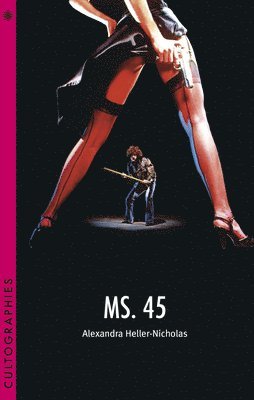
Despite its association with the broadly disparaged rape-revenge category, Abel Ferrara's Ms. 45 is today considered one of the most significant feminist cult films of the 1980s. Straddling mainstream, arthouse, and exploitation film contexts, Ms. 45 is a potent case study for cult film analysis. At its heart lies two figures: Ferrara himself, and the movie's star, the iconic Zoe Lund, who would further collaborate with Ferrara on later projects such as Bad Lieutenant. This book explores the entwining histories and contexts that led to Ms. 45's creation and helped establish its enduring legacy, particularly in terms of feminist cult film fandom, and the film's status as one of the most important, influential, and powerful rape-revenge films ever made.
133 kr
Skickas inom 7-10 vardagar
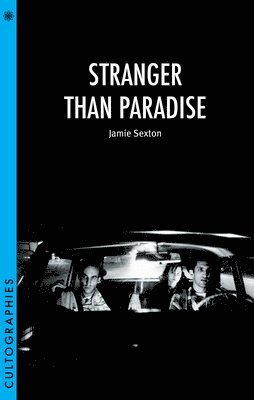
A low-budget breakout film that wowed critics and audiences on its initial release, Stranger than Paradise would prove to be a seminal film in the new American independent cinema movement and establish its director, Jim Jarmusch, as a hip, cult auteur. Taking inspiration from 1960s underground filmmaking, international art cinema, genre cinema, and punk culture, Jarmusch's film provides a bridge between midnight movie features and a new mode of quirky, offbeat independent filmmaking. This book probes the film's production history, initial reception, aesthetics, and legacy in order to understand its place within the cult film canon. In examining the film's cult pedigree, it explores a number of threads that fed into the film - including New York downtown culture of the early 1980s and Jarmusch's involvement in music - as well as reflecting on how the film's status has developed alongside Jarmusch's subsequent output and reputation.
133 kr
Skickas inom 7-10 vardagar
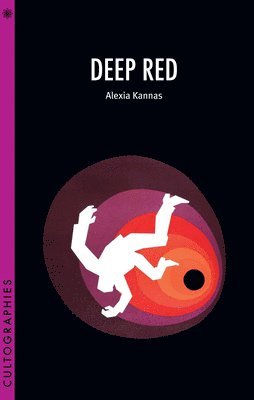
The release of Italian director Dario Argento's Deep Red in 1975 saw both a return to form for the director and the crystallization of tropes of the giallo genre. While the film's immense popularity in Italy spawned a wave of copy-cat formula thrillers, this enthusiastic reception was not replicated by English-speaking audiences on its theatrical release. With its loosely woven narrative and hyper-stylized violent set pieces, Deep Red was critically panned in the United States and the UK as cliched and exploitative Euro-schlock. Tracing the film's history of censorship, re-edited releases, and its subsequent celebration by cult film audiences, this book considers how these competing discourses have helped to transform the film's cultural status and to fashion it as an exemplar of cult cinema.
133 kr
Skickas inom 7-10 vardagar
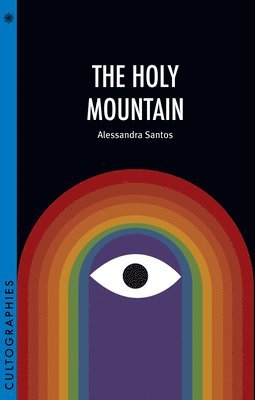
Alejandro Jodorowsky's El Topo helped inaugurate the midnight movie phenomenon. Its success spawned The Holy Mountain, through interventions by John Lennon and Allen Klein. After a scandalous release and a 16-month midnight career, The Holy Mountain was relegated to the underground world of fan bootlegs for over thirty years until its limited restored release in 2007. This short study reveals how The Holy Mountain, a poetic, hilarious, and anarchist cult film by an international auteur, anchored in post-1968 critiques, is - at the same time - an archaeological capsule of the counterculture movement, a timely subversion of mystical tenets, and one of the most mysterious films in the history of world cinema.
318 kr
Skickas inom 3-6 vardagar
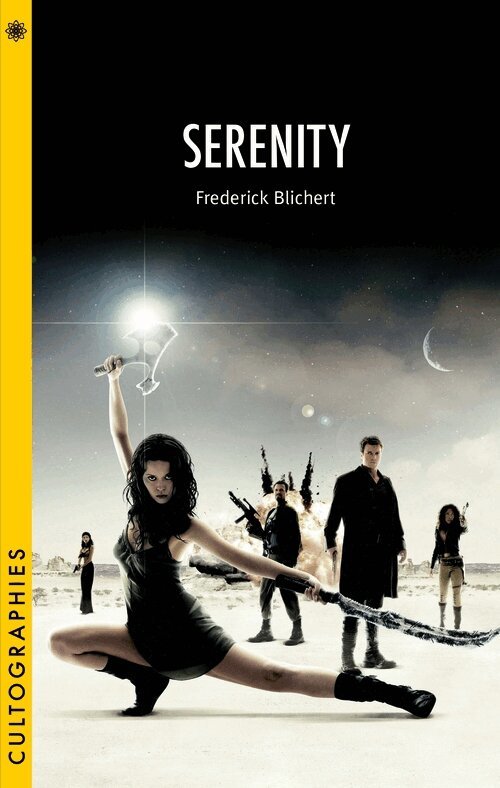
Joss Whedon's Serenity (2005) is at once a symbol of failure and a triumphant success of fan activism. The cult television icon's feature directorial debut functions as an extension of his canceled Fox series Firefly. Mourning their loss, fans of the show fought for more, making Serenity not just a cult film but a monument to cultdom. A minor box-office success upon first release, Serenity continues to be a sci-fi favorite, attracting fans, cosplayers, fan fiction authors, and more to conventions and charity screenings internationally. This book examines the relationship between the film and its peculiar cult following, largely established before a cult object even existed, and situates the film in relation to the series and its other transmedia continuations to plumb the status of different media texts and their platforms. Additionally, it explores those cult features of Serenity-a playful engagement with genre, with high and low culture, with gender roles-that predisposed it to such a fierce following, one that would follow Whedon into future series and blockbuster projects such as The Avengers.
133 kr
Skickas inom 7-10 vardagar
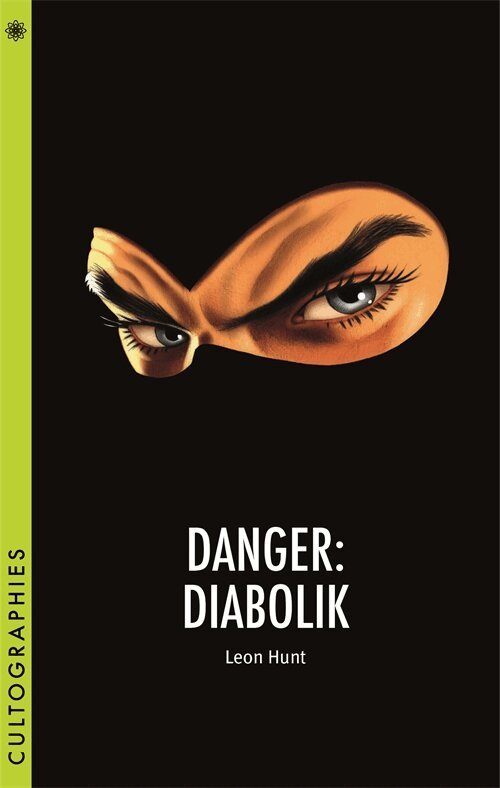
Danger: Diabolik (1968) was adapted from a comic that has been a social phenomenon in Italy for over fifty years, featuring a masked master criminal-part Fantomas, part James Bond-and his elegant companion Eva Kant. The film partially reinvents the character as a countercultural prankster, subverting public officials and the national economy, and places him in a luxurious and futuristic underground hideout and Eva in a series of unforgettable outfits. A commercial disappointment on its original release, Danger: Diabolik's reputation has grown along with that of its director, Mario Bava, the quintessential cult auteur, while the pop-art glamour of its costumes and sets have caught the imagination of such people as Roman Coppola and the Beastie Boys. This study examines its status as a comic-book movie, including its relation both to the original fumetto and to its sister-film, Barbarella. It traces its production and initial reception in Italy, France, the U.S., and the U.K., and its cult afterlife as both a pop-art classic and campy "bad film" featured in the final episode of Mystery Science Theatre 3000.
133 kr
Skickas inom 7-10 vardagar
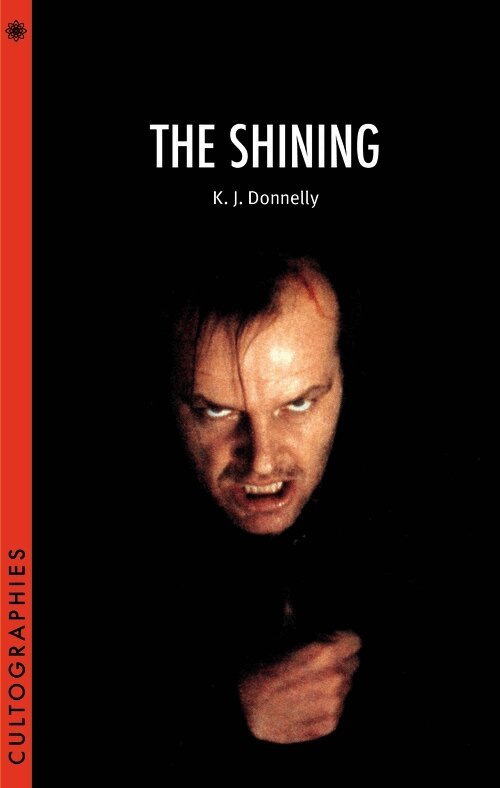
Stanley Kubrick’s The Shining (1980) is an esteemed member of the twentieth century’s pantheon of outstanding films while also perhaps being the director’s most accessible film. It is a rarity in that on the one hand it was a successful mainstream horror film about a violent father in a deserted and haunted hotel, but on the other is a more rarefied and esoteric object for cult audiences who are convinced that the film means something totally different. Indeed, the film appears replete with enigmatic and provocative allusions, which provide The Shining with an almost unmatched sense of resonance. Seeing the film as a vehicle for secret messages has led to a myriad of different interpretations, which has helped elevate the film’s cult status over the years to make it a special case in cinema. Indeed, it is so singular that it arguably even redefines the notion of cult film. This volume investigates The Shining’s most fascinating aspects as a film while also addressing the range of meanings and interpretations assigned to the film, looking into what has made it one of the key cult films of the last half century.
133 kr
Skickas inom 7-10 vardagar
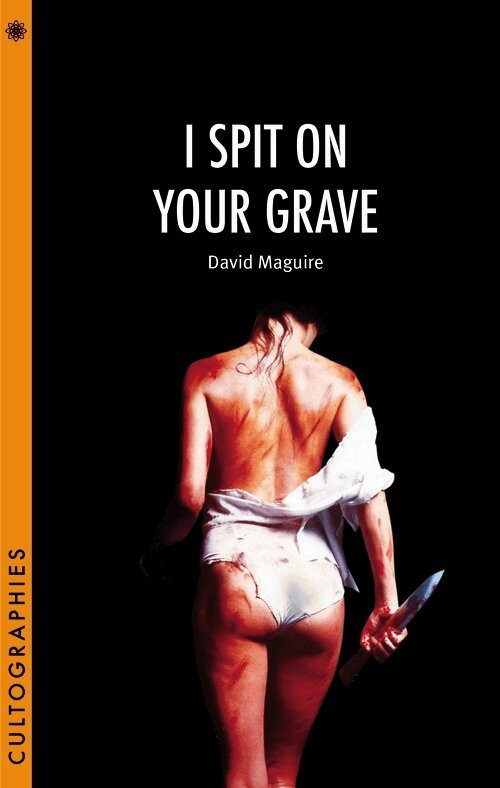
There is no denying that Meir Zarchi’s I Spit on Your Grave (1978) deserves its title as one of the most controversial films ever made. While many condemn it as misogynistic, others praise it for raising uncomfortable issues about sexual violence. While its reputation as a cult film has undoubtedly been cemented by its unique position in the 1970s/80s exploitation era and the "video nasties" scandal, it has also become mythologized by its own official and unofficial franchises.David Maguire examines why the film still continues to provoke fierce debate forty years on, not only investigating the historical, social, and political landscape into which the film was first released—and condemned—but also examining how it is has inadvertently become ground zero for the rape-revenge genre because of its countless imitators. The book explores how academic study has reevaluated the film’s importance as a cultural statement on gender, the conflicting readings that it throws up, the timeless appeal of its story as examined through folklore and mythology, and its updating to reflect contemporary issues in a post-9/11 world of vengeance and retaliation.
133 kr
Skickas inom 7-10 vardagar
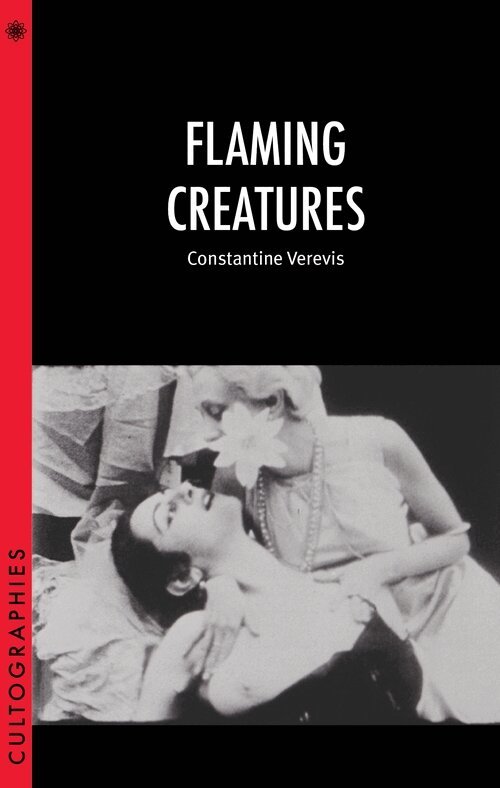
Banned soon after its first midnight screenings, the prints seized and the organizers arrested, Jack Smith’s incendiary Flaming Creatures (1963) quickly became a cause célèbre of the New York underground. Championed and defended by Jonas Mekas and Susan Sontag, among others, the film wildly and gleefully transgresses nearly every norm of Hollywood morality and aesthetics. In a surreal and visually dense series of episodes, the titular “creatures” reenact scenes drawn from the collective cinematic unconscious, playing on mainstream film culture’s moral code in a way that is at once a love letter to classical Hollywood and a searing send-up of its absurdities.Tracing the film’s production and reception history, Constantine Verevis argues that it embodies a unique type of cinematic rewriting, one that combines Smith’s multifaceted artistic work with exotic fragments drawn from the cinematic past. This study of Smith’s magnum opus explores its status as a cult film that appropriates the visual texture, erotic nuance, and overt fabrication of old Hollywood exoticism.