Duke Judaic Studies – serie
Visar alla böcker i serien Duke Judaic Studies. Handla med fri frakt och snabb leverans.
4 produkter
Liturgy in the Life of the Synagogue
Studies in the History of Jewish Prayer
Inbunden, 2005
911 kr
Lägg i varukorg
From the ancient rabbis to medieval Ashkenaz, from North Africa to Syria, from the United States to modern Israel, the articles collected in Liturgy in the Life of the Synagogue reflect the diversity of approaches and the questions that modern scholars residing in North America, Europe, and Israel …
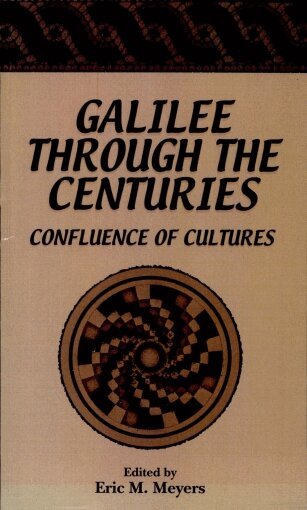
Galilee through the Centuries
Confluence of Cultures
Inbunden, 1999
597 kr
Tillfälligt slut
This volume presents the papers given at the Second International Conference on Galilee in Antiquity held at Duke University and the North Carolina Museum of Art in 1997. The goal of the conference was to examine the significance of Galilee and its rich and diverse culture through an extended …
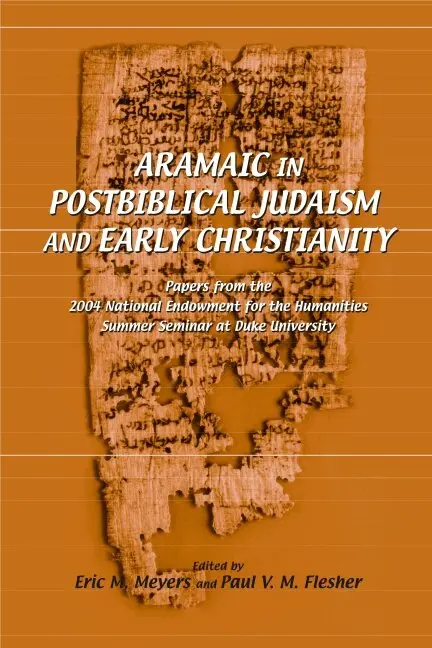
Aramaic in Postbiblical Judaism and Early Christianity
Papers from the 2004 National Endowment for the Humanities Summer Seminar at Duke University
Av Eric M. Meyers, Paul V. M. Flesher
Inbunden, 2010
597 kr
Tillfälligt slut
From the 700s B.C.E. to the late 300s B.C.E., Aramaic was the international language of the ancient Near East. With the arrival of Alexander the Great in the 300s, Greek supplanted Aramaic, but Aramaic did not disappear. Although it gradually broke apart into dialects, in many regions of the former …
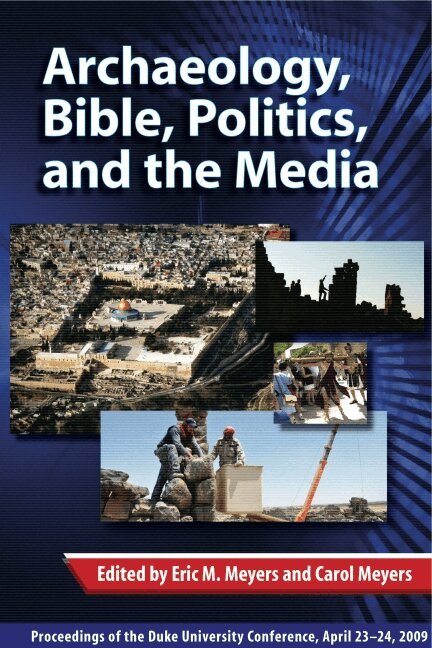
Archaeology, Bible, Politics, and the Media
Proceedings of the Duke University Conference, April 23–24, 2009
Av Eric M. Meyers, Carol L. Meyers
Inbunden, 2012
627 kr
Tillfälligt slut
Archaeological discoveries relating to the Bible are prominent in the public square. Even archaeological controversies normally confined to the pages of obscure journals are considered newsworthy when they touch on biblical themes, people, or places. However, scholars are not always equipped to …