Earthscan Series on Major River Basins of the World – serie
Visar alla böcker i serien Earthscan Series on Major River Basins of the World. Handla med fri frakt och snabb leverans.
14 produkter
14 produkter
2 113 kr
Skickas inom 10-15 vardagar
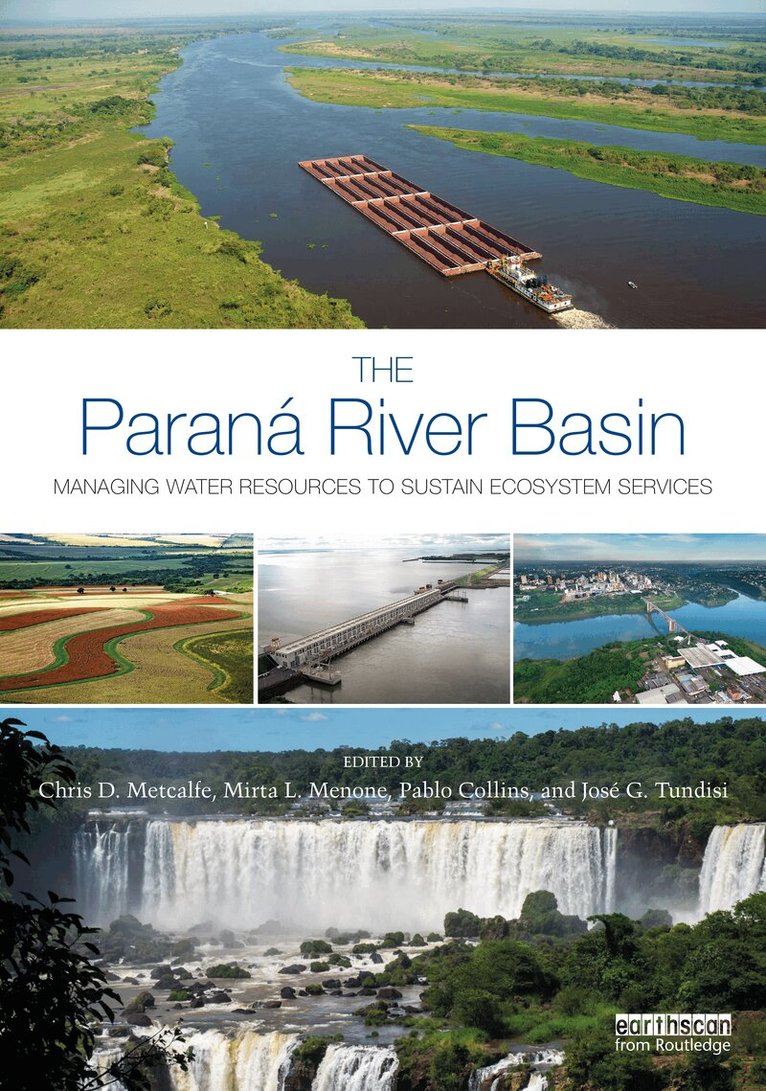
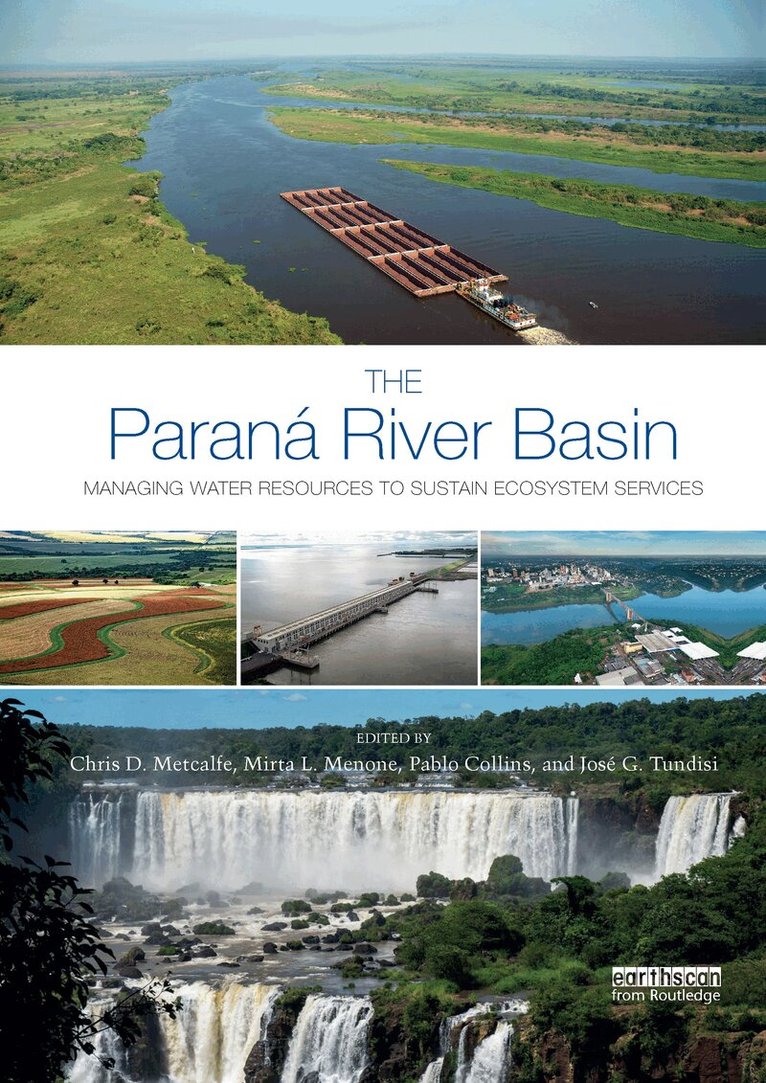
This book provides insight into the hydrology, ecosystem services and management of water resources in the Paraná River basin, including the importance of water to the socio-economic development of the countries within the watershed. Running through Brazil. Paraguay and Argentina, the Paraná River and its watershed is home to some of South America's major population centers as well as important ecosystems threatened by development. At the same time, the river is a major resource driving the economies of the nations within its boundaries. This volume examines the impacts of environmental degradation, and the tradeoffs between the energy sector and the maintenance of ecosystem services. In particular, it focuses on the threats from development to sensitive ecosystems within the basin and the challenges of transboundary management of water resources. In addition to presenting wider perspectives on water management, the volume specifically covers water infrastructure, aquatic ecosystems, water quality, geomorphological influences and the impact of climate change. Finally, by assessing each country's current status in meeting the Sustainable Development Goals this volume provides a timely analysis as national governments within the basin are becoming increasingly concerned about the sustainability of the freshwater ecosystems within the Paraná River basin. This book will be of great interest to students and scholars of water and natural resource management, environmental policy, sustainable development and Latin American studies. It will also be relevant to water management professionals.
618 kr
Skickas inom 10-15 vardagar
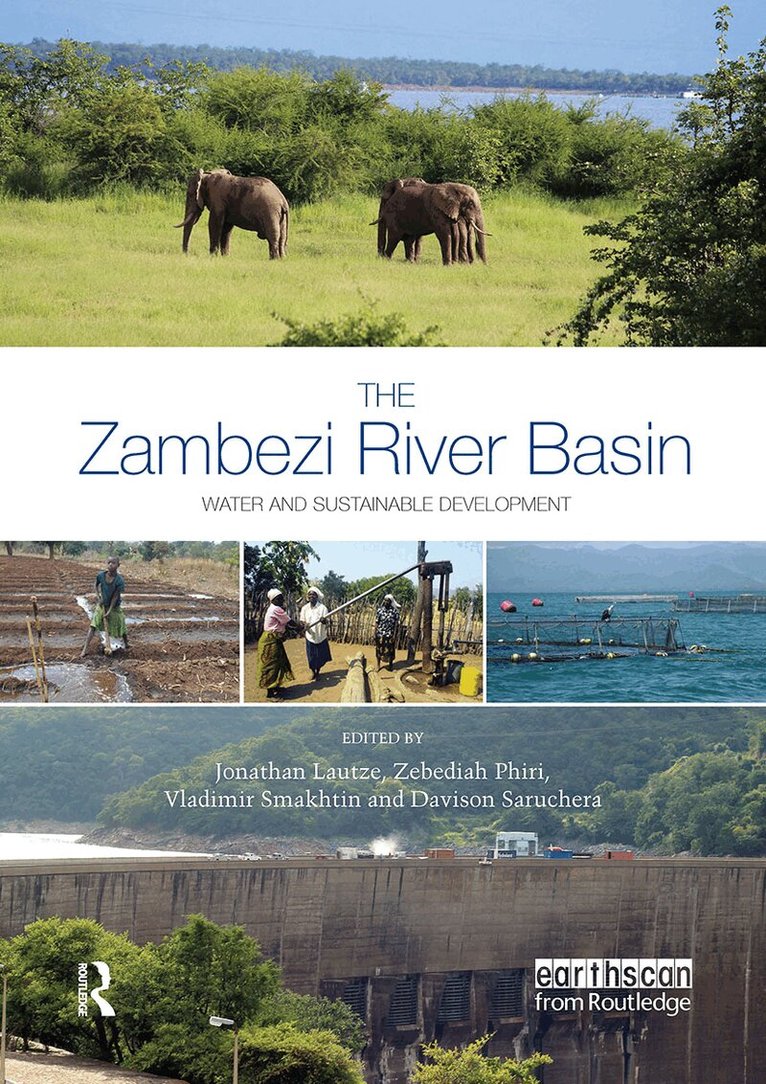
The Zambezi river is the fourth longest in Africa, crossing or bordering Zambia, Angola, Namibia, Botswana, Zimbabwe and Mozambique. The river basin is widely recognised as one of the most important basins in southern Africa and is the focus of contested development, including water for hydropower and for agriculture and the environment. This book provides a thorough review of water and sustainable development in the Zambezi, in order to identify critical issues and propose constructive ways forward.The book first reviews the availability and use of water resources in the basin, outlines the basin’s economic potential and highlights key concerns related to climate vulnerability and risk. Focus is then devoted to hydropower and the water-energy-food (WEF) nexus, sustainable agricultural water management, and threats and opportunities related to provision of ecosystem services. The impact of urbanisation and water quality is also examined, as well as ways to enhance transboundary water cooperation. Last, the book assesses the level of water security in the basin, and provides suggestions for achieving Sustainable Development Goal (SDG) 6. Throughout, emphasis is placed on entry points for basin-level management to foster improved paths forward.
618 kr
Skickas inom 10-15 vardagar
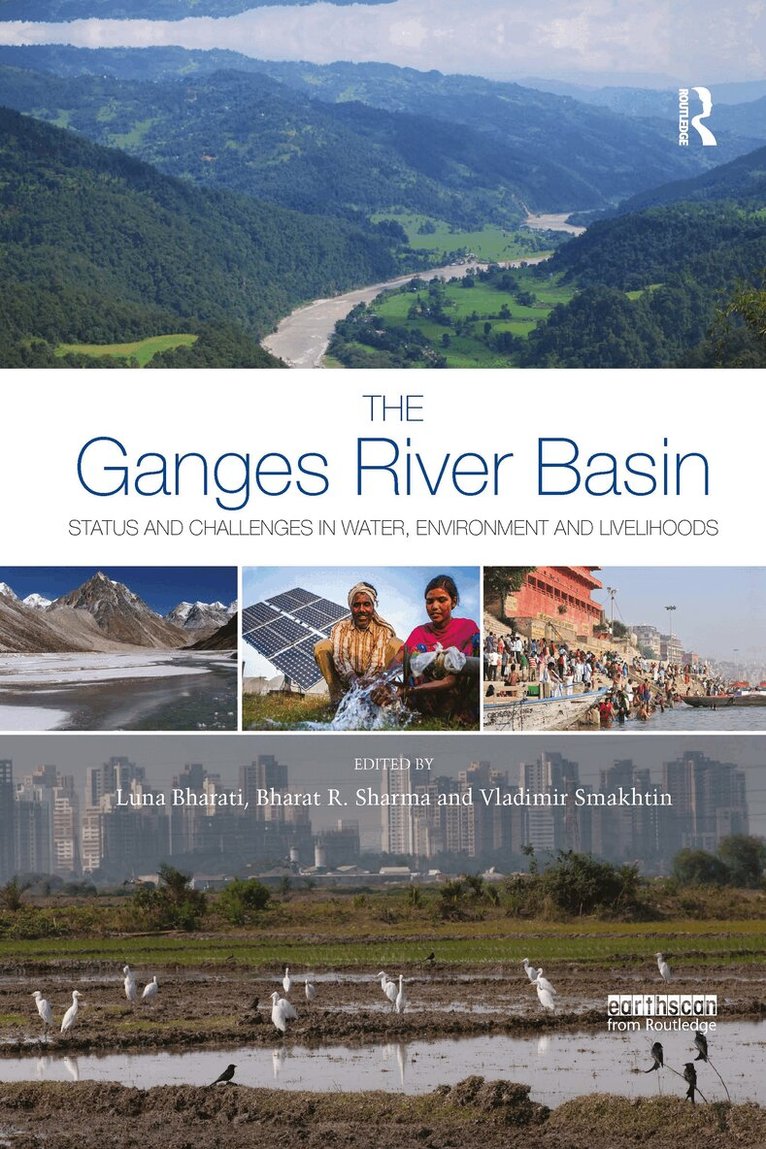
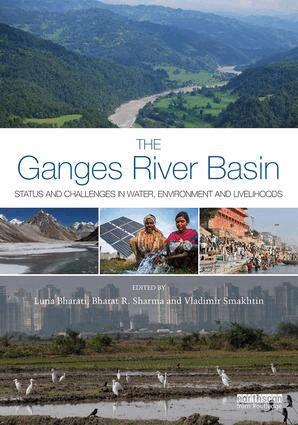
The Ganges is one of the most complex yet fascinating river systems in the world. The basin is characterized by a high degree of heterogeneity from climatic, hydrological, geomorphological, cultural, environmental and socio-economic perspectives. More than 500 million people are directly or indirectly dependent upon the Ganges River Basin, which spans China, Nepal, India and Bangladesh. While there are many books covering one aspect of the Ganges, ranging from hydrology to cultural significance, this book is unique in presenting a comprehensive inter-disciplinary overview of the key issues and challenges facing the region. Contributors from the three main riparian nations assess the status and trends of water resources, including the Himalayas, groundwater, pollution, floods, drought and climate change. They describe livelihood systems in the basin, and the social, economic, geopolitical and institutional constraints, including transboundary disputes, to achieving productive, sustainable and equitable water access. Management of the main water-use sectors and their inter-linkages are reviewed, as well as the sustainability and trade-offs in conservation of natural systems and resource development such as for hydropower or agriculture.
618 kr
Skickas inom 10-15 vardagar
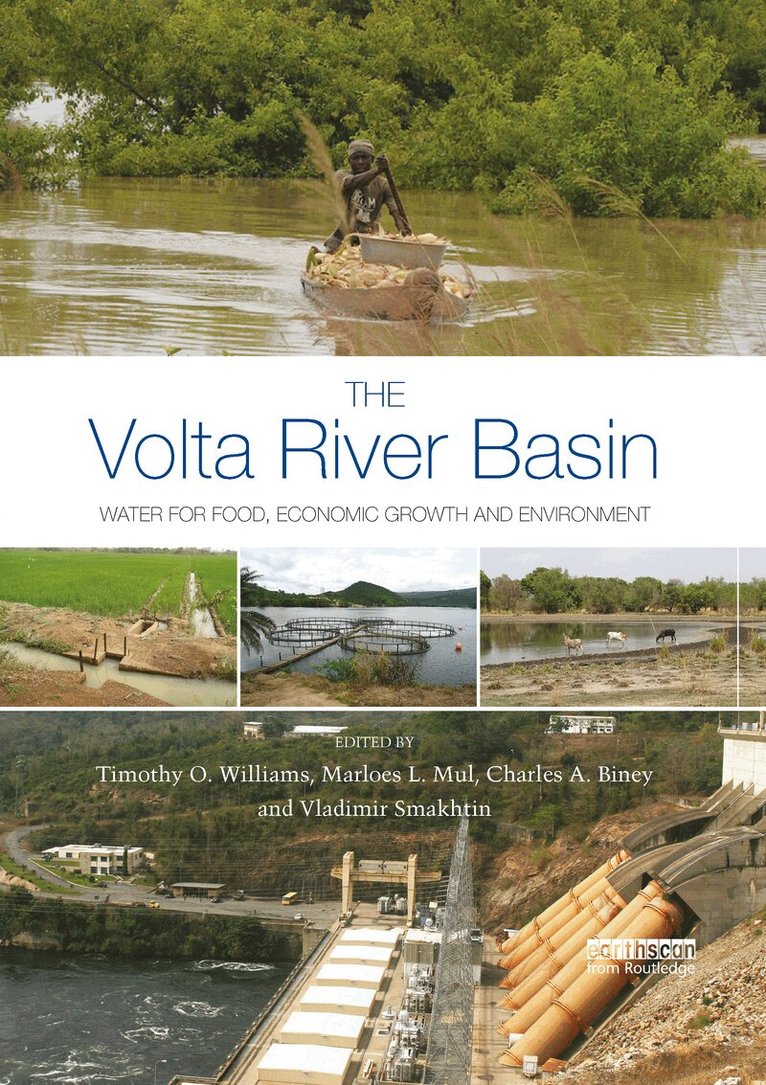
The Volta River Basin (VRB) is an important transboundary basin in West Africa that covers approximately 410,000 square kilometres across six countries: Benin, Burkina Faso, Côte d’Ivoire, Ghana, Mali and Togo. Its natural resources sustain the livelihoods of its population and contribute to economic development. This book provides a comprehensive, interdisciplinary review and assessment of the issues and challenges faced. The authors provide a science-based assessment of current and future scenarios of water availability, the demands of key sectors, including agriculture and hydropower, and the environment under changing demographic, economic, social and climatic conditions. They also identify solutions and strategies that will allow available water resources to be sustainably used to improve agricultural productivity, food security and economic growth in the VRB. Overall, the work examines from a multidisciplinary and multi-stakeholder perspective the solutions and strategies to improve the use of water and other natural resources in the VRB to achieve enhanced food security, livelihoods and economic growth.
2 113 kr
Skickas inom 10-15 vardagar
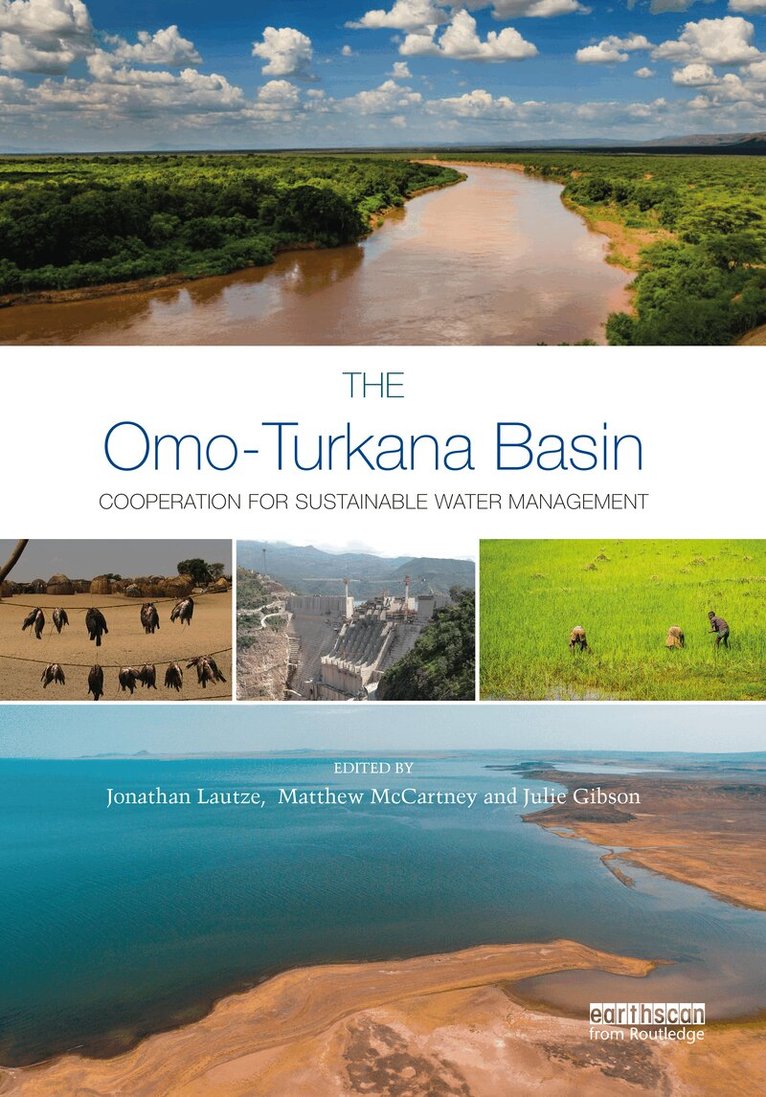
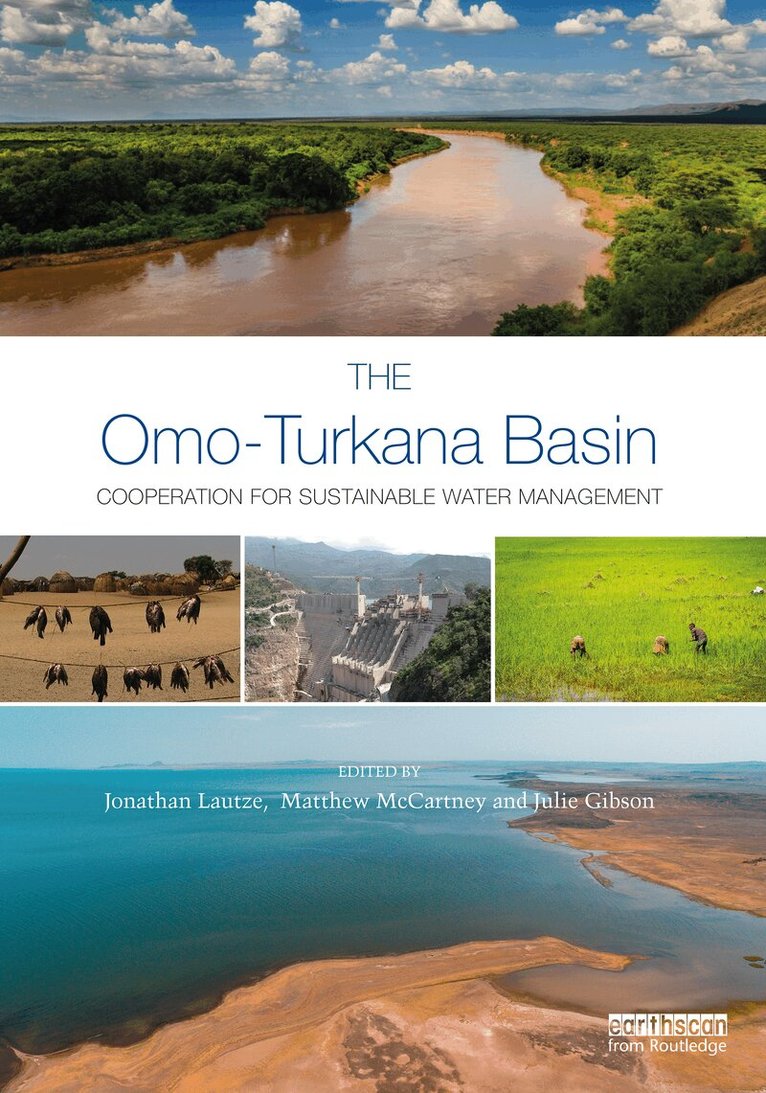
This book provides a comprehensive examination of water resource management in the Omo-Turkana Basin, linking together biophysical, socioeconomic, policy, institutional and governance issues in a solutions-oriented manner.The Omo-Turkana Basin is one of the most important lake basins in Africa, and despite the likely transboundary impacts associated with the management of dams, it is the largest lake basin in Africa without a cooperative water agreement. This volume provides a foundation for integrated decision-making in the management of development in the Lake Turkana Basin. Chapters cover water-related conditions, hydropower, agriculture, ecosystems, resilience and transboundary governance. The final chapter proposes ways forward in light of the potential benefits that can be achieved through cooperation, and practical realities that cooperation is slow and may take time to achieve.This book will be of great interest to students and scholars of water and natural resource management, environmental policy, sustainable development and African studies. It will also be relevant to water management professionals.
618 kr
Skickas inom 10-15 vardagar
This book provides a comprehensive examination of water resource management in the Omo-Turkana Basin, linking together biophysical, socioeconomic, policy, institutional and governance issues in a solutions-oriented manner.The Omo-Turkana Basin is one of the most important lake basins in Africa, and despite the likely transboundary impacts associated with the management of dams, it is the largest lake basin in Africa without a cooperative water agreement. This volume provides a foundation for integrated decision-making in the management of development in the Lake Turkana Basin. Chapters cover water-related conditions, hydropower, agriculture, ecosystems, resilience and transboundary governance. The final chapter proposes ways forward in light of the potential benefits that can be achieved through cooperation, and practical realities that cooperation is slow and may take time to achieve.This book will be of great interest to students and scholars of water and natural resource management, environmental policy, sustainable development and African studies. It will also be relevant to water management professionals.
618 kr
Skickas inom 10-15 vardagar
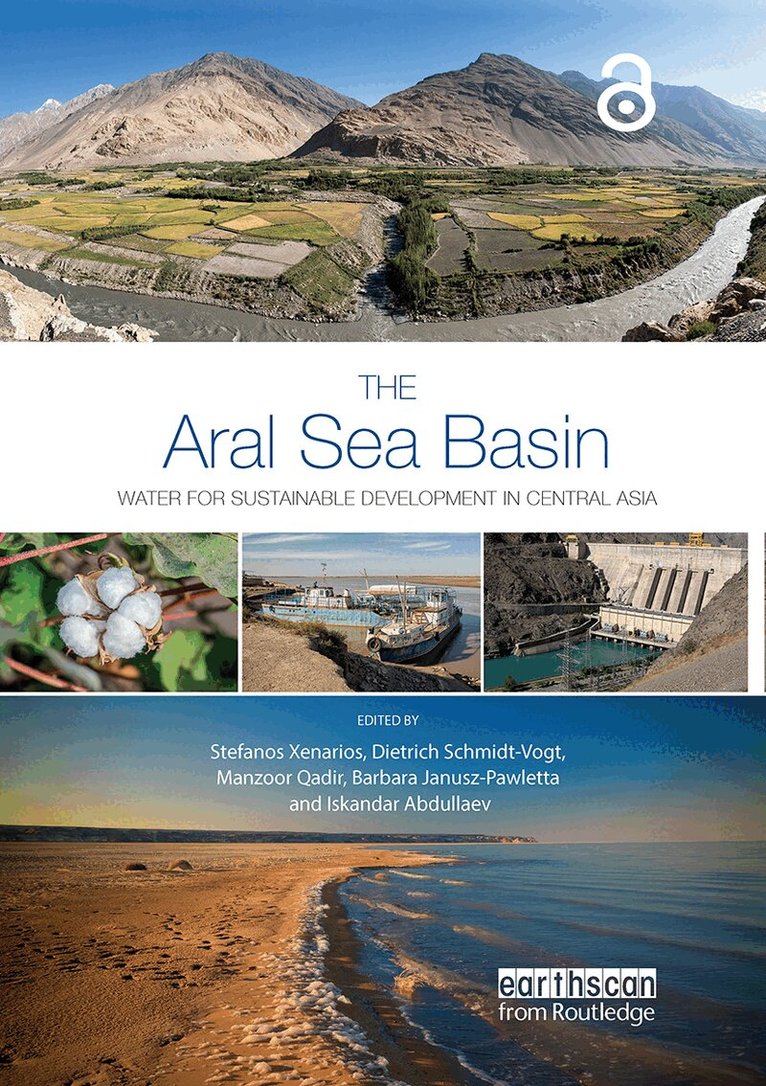
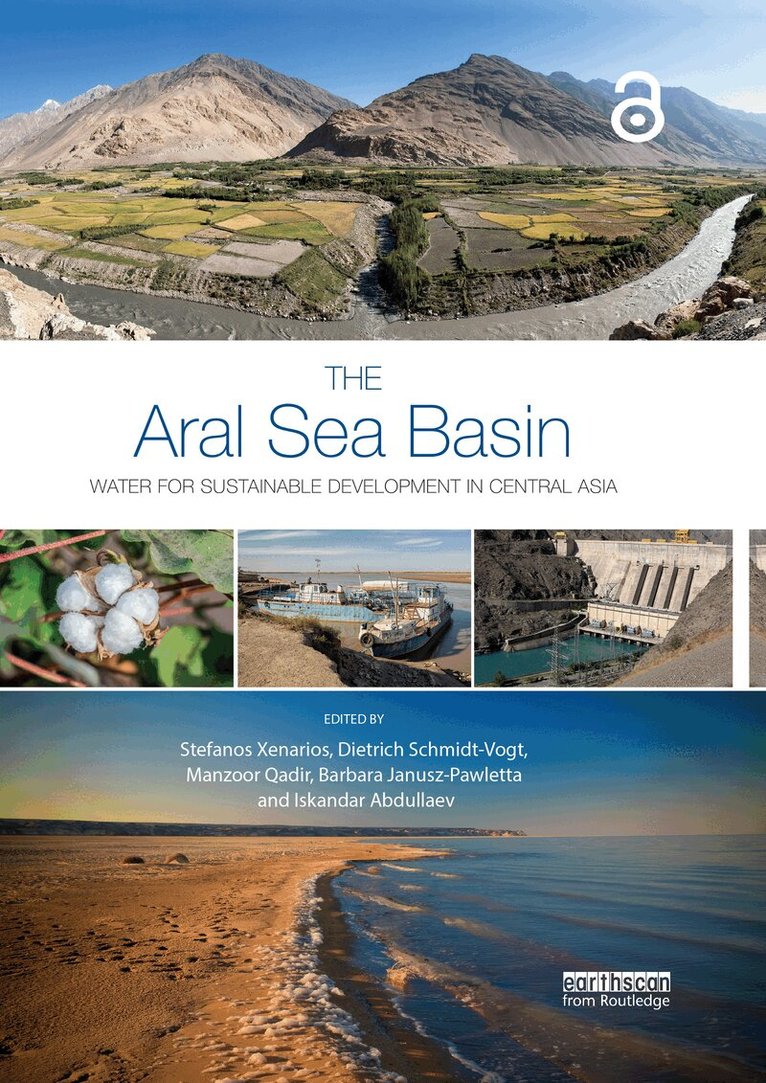
This book offers the first multidisciplinary overview of water resources issues and management in the Aral Sea Basin, covering both the Amu Darya and Syr Darya River Basins.The two main rivers of Amu Darya and Syr Darya and their tributaries comprise the Aral Sea Basin area and are the lifeline for about 70 million inhabitants in Central Asia. Written by regional and international experts, this book critically examines the current state, trends and future of water resources management and development in this major part of the Central Asia region. It brings together insights on the history of water management in the region, surface and groundwater assessment, issues of transboundary water management and environmental degradation and restoration, and an overview of the importance of water for the key economic sectors and overall socio-economic development of Central Asian countries, as well as of hydro politics in the region. The book also focusses on the future of water sector development in the Basin, including a review of local and international actors, as well as an analysis of the current status and progress towards the Sustainable Development Goals by Basin countries.The book will be essential reading for those interested in sea basin management, environmental policy in Central Asia and water resource management more widely. It will also act as a reference source for decision-makers in state agencies, as well as a background source of information for NGOs.Chapter 8 of this book is freely available as a downloadable Open Access PDF under a Creative Commons Attribution-Non Commercial-No Derivatives 3.0 license. https://tandfbis.s3-us-west-2.amazonaws.com/rt-files/docs/Open+Access+Chapters/9781138348882_oachapter08.pdf
618 kr
Skickas inom 10-15 vardagar
This book provides insight into the hydrology, ecosystem services and management of water resources in the Paraná River basin, including the importance of water to the socio-economic development of the countries within the watershed. Running through Brazil. Paraguay and Argentina, the Paraná River and its watershed is home to some of South America's major population centers as well as important ecosystems threatened by development. At the same time, the river is a major resource driving the economies of the nations within its boundaries. This volume examines the impacts of environmental degradation, and the tradeoffs between the energy sector and the maintenance of ecosystem services. In particular, it focuses on the threats from development to sensitive ecosystems within the basin and the challenges of transboundary management of water resources. In addition to presenting wider perspectives on water management, the volume specifically covers water infrastructure, aquatic ecosystems, water quality, geomorphological influences and the impact of climate change. Finally, by assessing each country's current status in meeting the Sustainable Development Goals this volume provides a timely analysis as national governments within the basin are becoming increasingly concerned about the sustainability of the freshwater ecosystems within the Paraná River basin. This book will be of great interest to students and scholars of water and natural resource management, environmental policy, sustainable development and Latin American studies. It will also be relevant to water management professionals.
469 kr
Skickas inom 10-15 vardagar
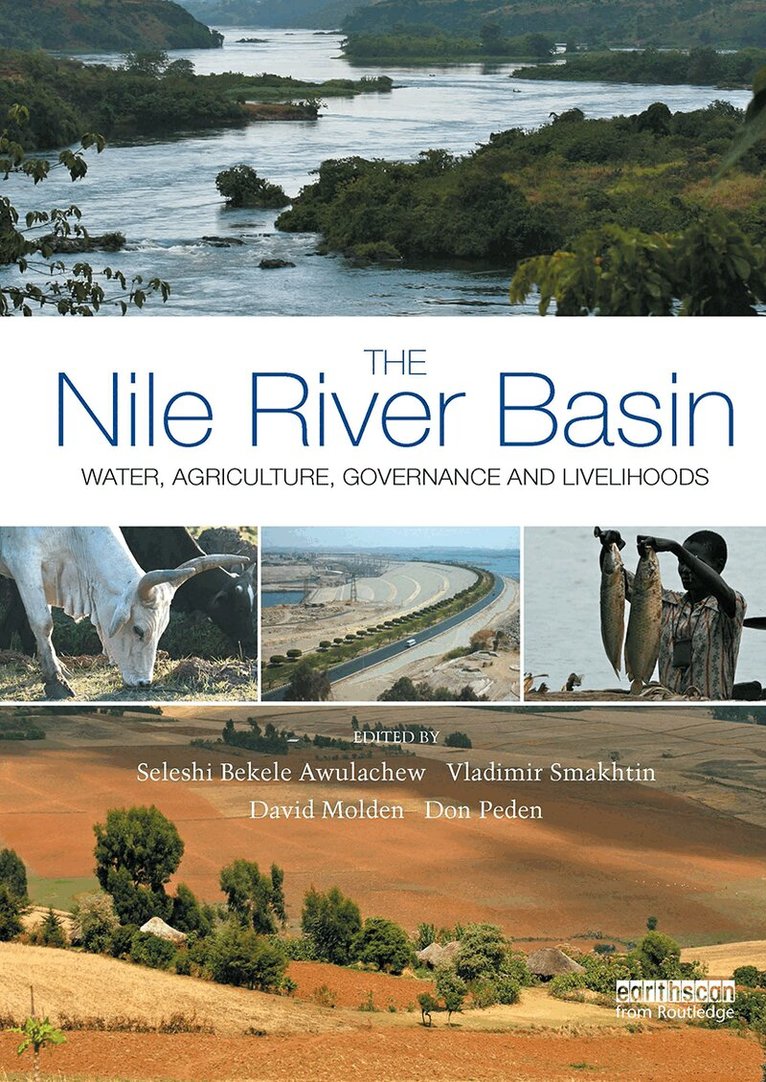
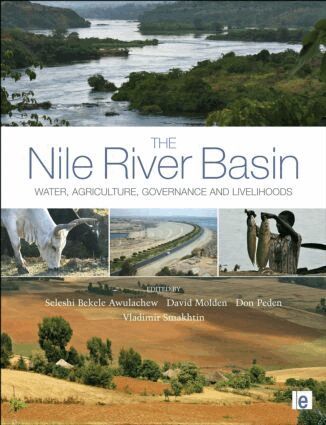
The Nile provides freshwater not only for domestic and industrial use, but also for irrigated agriculture, hydropower dams and the vast fisheries resource of the lakes of Central Africa. The Nile River Basin covers the whole Nile Basin and is based on the results of three major research projects supported by the Challenge Program on Water and Food (CPWF). It provides unique and up-to-date insights on agriculture, water resources, governance, poverty, productivity, upstream-downstream linkages, innovations, future plans and their implications. Specifically, the book elaborates the history and the major current and future challenges and opportunities of the Nile river basin. It analyzes the basin characteristics using statistical data and modern tools such as remote sensing and geographic information systems. Population distribution, poverty and vulnerability linked to production system and water access are assessed at the international basin scale, and the hydrology of the region is also analysed. This text provides in-depth scientific model adaptation results for hydrology, sediments, benefit sharing, and payment for environmental services based on detailed scientific and experimental work of the Blue Nile Basin. Production systems as they relate to crops, livestock, fisheries and wetlands are analyzed for the whole Blue and White Nile basin including their constraints. Policy, institutional and technological interventions that increase productivity of agriculture and use of water are also assessed. Water demand modeling, scenario analysis, and tradeoffs that inform future plans and opportunities are included to provide a unique, comprehensive coverage of the subject.
2 113 kr
Skickas inom 10-15 vardagar
The Zambezi river is the fourth longest in Africa, crossing or bordering Zambia, Angola, Namibia, Botswana, Zimbabwe and Mozambique. The river basin is widely recognised as one of the most important basins in southern Africa and is the focus of contested development, including water for hydropower and for agriculture and the environment. This book provides a thorough review of water and sustainable development in the Zambezi, in order to identify critical issues and propose constructive ways forward.The book first reviews the availability and use of water resources in the basin, outlines the basin’s economic potential and highlights key concerns related to climate vulnerability and risk. Focus is then devoted to hydropower and the water-energy-food (WEF) nexus, sustainable agricultural water management, and threats and opportunities related to provision of ecosystem services. The impact of urbanisation and water quality is also examined, as well as ways to enhance transboundary water cooperation. Last, the book assesses the level of water security in the basin, and provides suggestions for achieving Sustainable Development Goal (SDG) 6. Throughout, emphasis is placed on entry points for basin-level management to foster improved paths forward.
2 113 kr
Skickas inom 10-15 vardagar
This book offers the first multidisciplinary overview of water resources issues and management in the Aral Sea Basin, covering both the Amu Darya and Syr Darya River Basins.The two main rivers of Amu Darya and Syr Darya and their tributaries comprise the Aral Sea Basin area and are the lifeline for about 70 million inhabitants in Central Asia. Written by regional and international experts, this book critically examines the current state, trends and future of water resources management and development in this major part of the Central Asia region. It brings together insights on the history of water management in the region, surface and groundwater assessment, issues of transboundary water management and environmental degradation and restoration, and an overview of the importance of water for the key economic sectors and overall socio-economic development of Central Asian countries, as well as of hydro politics in the region. The book also focusses on the future of water sector development in the Basin, including a review of local and international actors, as well as an analysis of the current status and progress towards the Sustainable Development Goals by Basin countries.The book will be essential reading for those interested in sea basin management, environmental policy in Central Asia and water resource management more widely. It will also act as a reference source for decision-makers in state agencies, as well as a background source of information for NGOs.Chapter 8 of this book is freely available as a downloadable Open Access PDF at http://www.taylorfrancis.com under a Creative Commons Attribution-Non Commercial-No Derivatives (CC-BY-NC-ND) 4.0 license.
2 181 kr
Skickas inom 10-15 vardagar
The Volta River Basin (VRB) is an important transboundary basin in West Africa that covers approximately 410,000 square kilometres across six countries: Benin, Burkina Faso, Côte d’Ivoire, Ghana, Mali and Togo. Its natural resources sustain the livelihoods of its population and contribute to economic development. This book provides a comprehensive, interdisciplinary review and assessment of the issues and challenges faced. The authors provide a science-based assessment of current and future scenarios of water availability, the demands of key sectors, including agriculture and hydropower, and the environment under changing demographic, economic, social and climatic conditions. They also identify solutions and strategies that will allow available water resources to be sustainably used to improve agricultural productivity, food security and economic growth in the VRB. Overall, the work examines from a multidisciplinary and multi-stakeholder perspective the solutions and strategies to improve the use of water and other natural resources in the VRB to achieve enhanced food security, livelihoods and economic growth.
Ganges River Basin
Status and Challenges in Water, Environment and Livelihoods
Inbunden, Engelska, 2016
2 181 kr
Skickas inom 10-15 vardagar
The Ganges is one of the most complex yet fascinating river systems in the world. The basin is characterized by a high degree of heterogeneity from climatic, hydrological, geomorphological, cultural, environmental and socio-economic perspectives. More than 500 million people are directly or indirectly dependent upon the Ganges River Basin, which spans China, Nepal, India and Bangladesh. While there are many books covering one aspect of the Ganges, ranging from hydrology to cultural significance, this book is unique in presenting a comprehensive inter-disciplinary overview of the key issues and challenges facing the region. Contributors from the three main riparian nations assess the status and trends of water resources, including the Himalayas, groundwater, pollution, floods, drought and climate change. They describe livelihood systems in the basin, and the social, economic, geopolitical and institutional constraints, including transboundary disputes, to achieving productive, sustainable and equitable water access. Management of the main water-use sectors and their inter-linkages are reviewed, as well as the sustainability and trade-offs in conservation of natural systems and resource development such as for hydropower or agriculture.
2 113 kr
Skickas inom 10-15 vardagar
The Nile provides freshwater not only for domestic and industrial use, but also for irrigated agriculture, hydropower dams and the vast fisheries resource of the lakes of Central Africa. The Nile River Basin covers the whole Nile Basin and is based on the results of three major research projects supported by the Challenge Program on Water and Food (CPWF). It provides unique and up-to-date insights on agriculture, water resources, governance, poverty, productivity, upstream-downstream linkages, innovations, future plans and their implications. Specifically, the book elaborates the history and the major current and future challenges and opportunities of the Nile river basin. It analyzes the basin characteristics using statistical data and modern tools such as remote sensing and geographic information systems. Population distribution, poverty and vulnerability linked to production system and water access are assessed at the international basin scale, and the hydrology of the region is also analysed. This text provides in-depth scientific model adaptation results for hydrology, sediments, benefit sharing, and payment for environmental services based on detailed scientific and experimental work of the Blue Nile Basin. Production systems as they relate to crops, livestock, fisheries and wetlands are analyzed for the whole Blue and White Nile basin including their constraints. Policy, institutional and technological interventions that increase productivity of agriculture and use of water are also assessed. Water demand modeling, scenario analysis, and tradeoffs that inform future plans and opportunities are included to provide a unique, comprehensive coverage of the subject.