Elections of Israel - Böcker
Visar alla böcker i serien Elections of Israel. Handla med fri frakt och snabb leverans.
6 produkter
6 produkter
618 kr
Skickas inom 10-15 vardagar
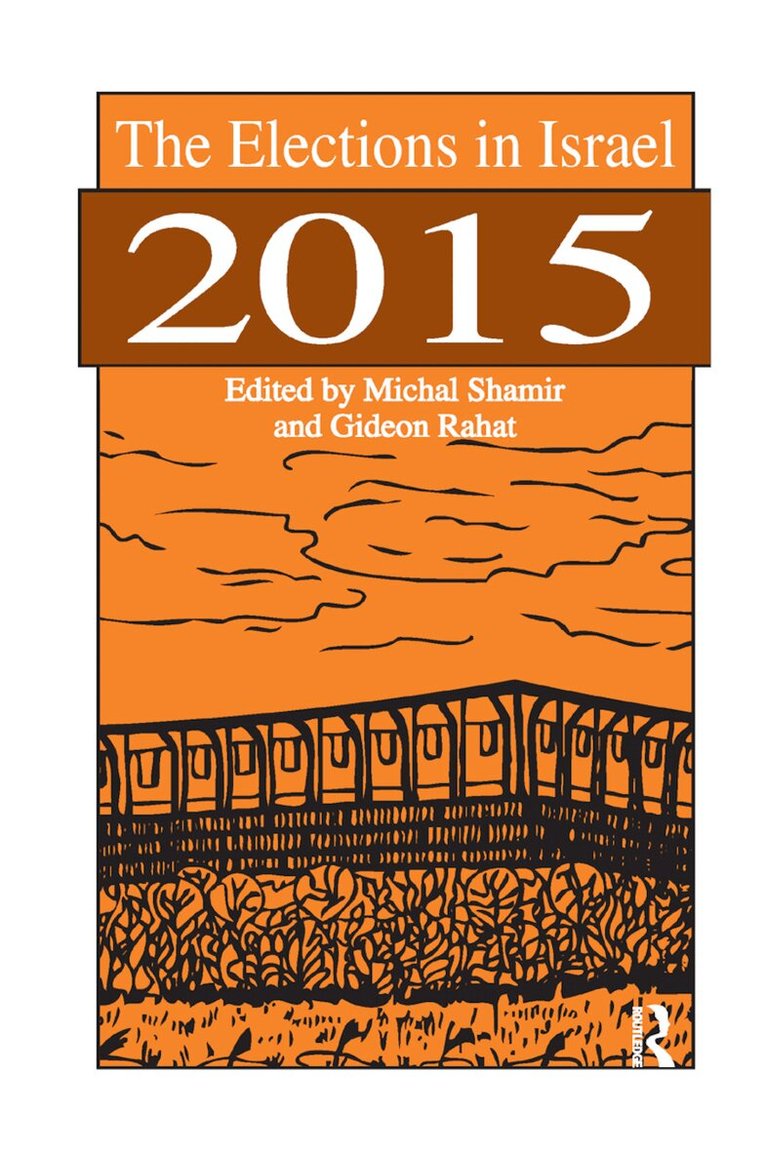
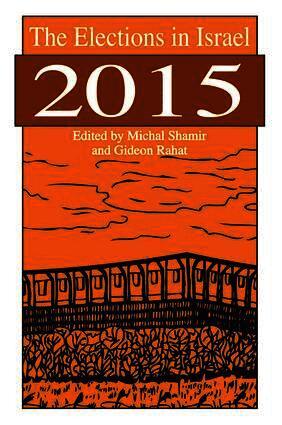
The newest volume in the Elections in Israel series focuses on the twentieth Knesset elections held in March 2015 following the collapse of the third Netanyahu government. Prime Minister Benjamin Netanyahu’s main opposition party, the Zionist Camp, ran a negative personalized election campaign, assuming that Israelis had grown tired of him. Netanyahu, however, achieved a surprising and dramatic victory by enhancing and radicalizing the same identity politics strategies that helped him win in 1996. The Elections in Israel 2015 dissects these and other campaigns, from the perspective of the voters, the media and opinion polls, the political parties, and electoral competition. Several contributors delve into the Left and Arab fear mongering Likud campaign, which produced strategic identity voting. Other contributions analyze in-depth the Israeli party and electoral systems, highlighting the exceptional decline of the mainstream parties and the adoption of a higher electoral threshold. Providing a close analysis of electoral competition, legitimacy struggles, stability and change in the voting behavior of various groups, partisanship, personalization and political polarization, this volume is a crucial record of Israeli political history.
1 909 kr
Skickas inom 10-15 vardagar
The 16th book in The Elections in Israel series, this book covers an extraordinary political event of having four national elections in two years, which were much (but not all) about one person, "King Bibi."Analyzing Israel’s national elections from 2019 to 2021, this book argues the four elections became, to a large extent, a referendum on Benjamin Netanyahu, the incumbent prime minister and head of the Likud party, facing investigations, a hearing, and indictment on charges of bribery, fraud, and breach of trust. Thus, the first part of the book is dedicated to political personalization and to Netanyahu himself. The second part of the volume covers the traditional actors in parliamentary elections: voters, parties, and the mass media. The book relies on empirical analysis, including extensive use of the Israel National Election Studies data; on theoretical rigor; and on the contextualization of the elections from comparative and long-term perspectives.The book should interest students and researchers of Israeli politics and society, electoral studies, and the crisis of democracy more generally. Many chapters will be of interest to political science, communications and sociology students and scholars who study themes that are prominent on the academic and public agenda including political personalization and personalized politics, populism, party decline, and democratic backsliding. Chapter 8 of this book is freely available as a downloadable Open Access PDF at http://www.taylorfrancis.com under a Creative Commons [Attribution-Non Commercial-No Derivatives (CC-BY-NC-ND)] 4.0 license.
578 kr
Skickas inom 10-15 vardagar
The 16th book in The Elections in Israel series, this book covers an extraordinary political event of having four national elections in two years, which were much (but not all) about one person, "King Bibi."Analyzing Israel’s national elections from 2019 to 2021, this book argues the four elections became, to a large extent, a referendum on Benjamin Netanyahu, the incumbent prime minister and head of the Likud party, facing investigations, a hearing, and indictment on charges of bribery, fraud, and breach of trust. Thus, the first part of the book is dedicated to political personalization and to Netanyahu himself. The second part of the volume covers the traditional actors in parliamentary elections: voters, parties, and the mass media. The book relies on empirical analysis, including extensive use of the Israel National Election Studies data; on theoretical rigor; and on the contextualization of the elections from comparative and long-term perspectives.The book should interest students and researchers of Israeli politics and society, electoral studies, and the crisis of democracy more generally. Many chapters will be of interest to political science, communications and sociology students and scholars who study themes that are prominent on the academic and public agenda including political personalization and personalized politics, populism, party decline, and democratic backsliding. Chapter 8 of this book is freely available as a downloadable Open Access PDF at http://www.taylorfrancis.com under a Creative Commons [Attribution-Non Commercial-No Derivatives (CC-BY-NC-ND)] 4.0 license.
2 113 kr
Skickas inom 10-15 vardagar
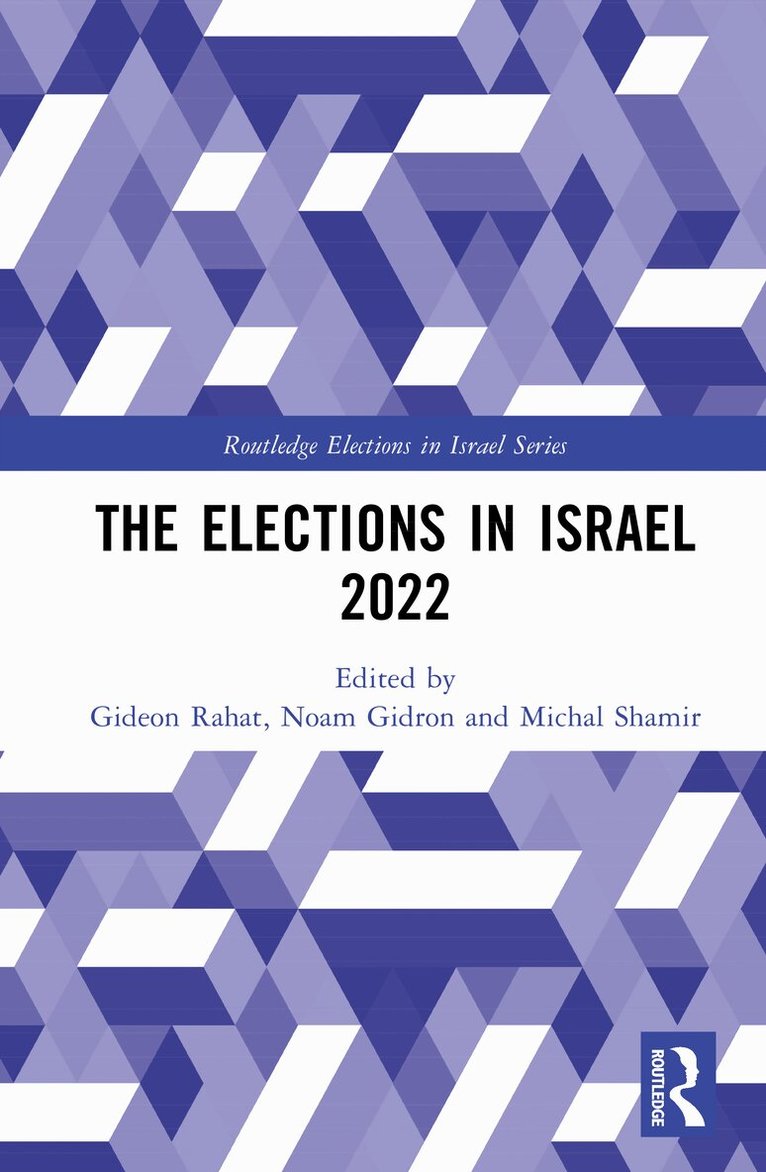
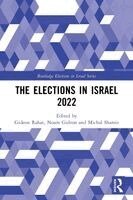
The 2022 Israeli elections stand out as a turning point in the country’s political history. Following a period of unprecedented political instability, the right-wing government formed following the elections—Benjamin Netanyahu's sixth government—was the most radical in Israel’s history.This book examines the 2022 Israeli elections through various theoretical perspectives and diverse research designs and data sources. The first part scrutinizes various aspects of Israeli democracy related to the elections. These include ideological and affective polarization, cleavages, voter turnout, involvement of citizens and civil organizations in election campaigns and the nature of the government that was established following the elections. The second part of the book presents studies of parties that participated in the elections: those that declined (Labor), those that ascended (Religious Zionism and Otzma Yehudit), and those that ascertained their power (United Torah Judaism and Shas). A valuable addition to the Elections in Israel series, the book—written by leading scholars of Israeli politics and society—touches on key themes, including political personalization, polarization, populism, the radical right, party decline and adaptation and democratic backsliding.The book will be of particular interest to students and researchers of Israeli politics and society—especially relating to the events of 2023 and the war in Gaza—as well as to social scientists interested in these political phenomena and their effects on democratic countries worldwide.
675 kr
Kommande
The 2022 Israeli elections stand out as a turning point in the country’s political history. Following a period of unprecedented political instability, the right-wing government formed following the elections—Benjamin Netanyahu's sixth government—was the most radical in Israel’s history.This book examines the 2022 Israeli elections through various theoretical perspectives and diverse research designs and data sources. The first part scrutinizes various aspects of Israeli democracy related to the elections. These include ideological and affective polarization, cleavages, voter turnout, involvement of citizens and civil organizations in election campaigns and the nature of the government that was established following the elections. The second part of the book presents studies of parties that participated in the elections: those that declined (Labor), those that ascended (Religious Zionism and Otzma Yehudit), and those that ascertained their power (United Torah Judaism and Shas). A valuable addition to the Elections in Israel series, the book—written by leading scholars of Israeli politics and society—touches on key themes, including political personalization, polarization, populism, the radical right, party decline and adaptation and democratic backsliding.The book will be of particular interest to students and researchers of Israeli politics and society—especially relating to the events of 2023 and the war in Gaza—as well as to social scientists interested in these political phenomena and their effects on democratic countries worldwide.
2 176 kr
Skickas inom 10-15 vardagar
The newest volume in the Elections in Israel series focuses on the twentieth Knesset elections held in March 2015 following the collapse of the third Netanyahu government. Prime Minister Benjamin Netanyahu’s main opposition party, the Zionist Camp, ran a negative personalized election campaign, assuming that Israelis had grown tired of him. Netanyahu, however, achieved a surprising and dramatic victory by enhancing and radicalizing the same identity politics strategies that helped him win in 1996. The Elections in Israel 2015 dissects these and other campaigns, from the perspective of the voters, the media and opinion polls, the political parties, and electoral competition. Several contributors delve into the Left and Arab fear mongering Likud campaign, which produced strategic identity voting. Other contributions analyze in-depth the Israeli party and electoral systems, highlighting the exceptional decline of the mainstream parties and the adoption of a higher electoral threshold. Providing a close analysis of electoral competition, legitimacy struggles, stability and change in the voting behavior of various groups, partisanship, personalization and political polarization, this volume is a crucial record of Israeli political history.