Essential Zizek – serie
Visar alla böcker i serien Essential Zizek. Handla med fri frakt och snabb leverans.
11 produkter
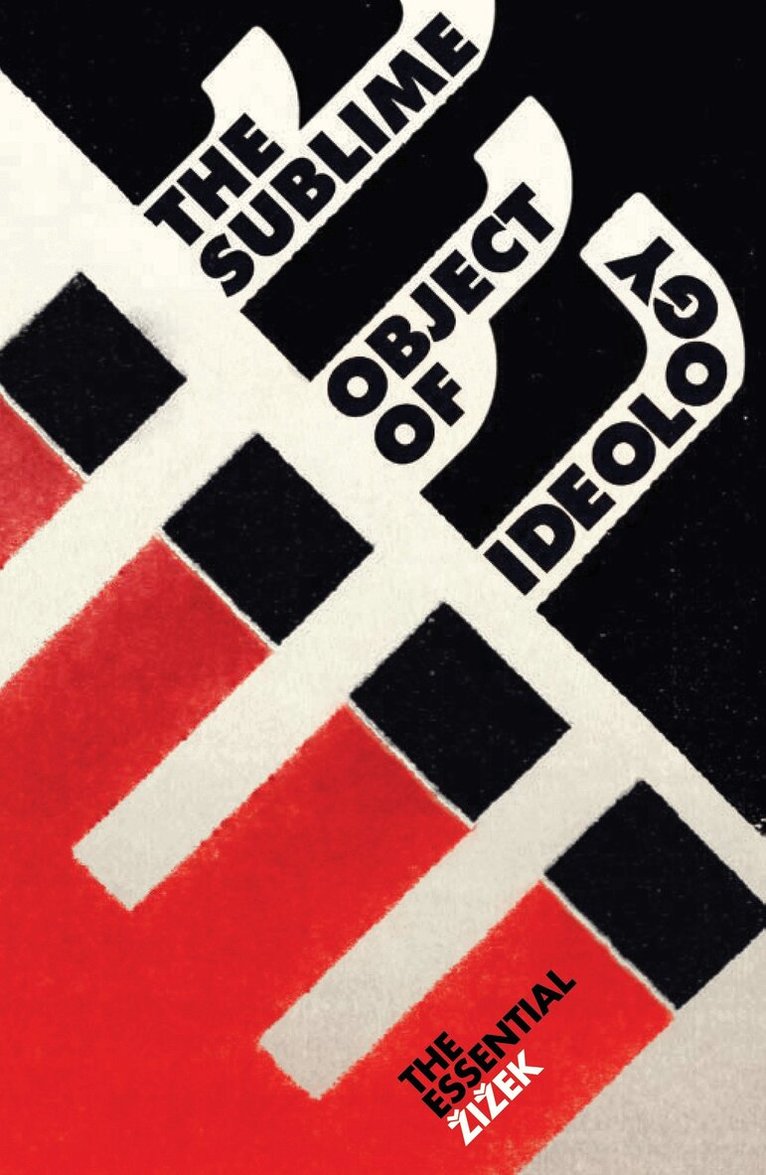
Sublime Object of Ideology
Av Slavoj Zizek
Häftad, 2009
3,5 utav 5 stjärnor. Totalt antal röster: (4)
192 kr
Lägg i varukorg
Slavoj Zizek, the maverick philosopher, author of over 30 books, acclaimed as the "Elvis of cultural theory", and today's most controversial public intellectual. His work traverses the fields of philosophy, psychoanalysis, theology, history and political theory, taking in film, popular culture, …
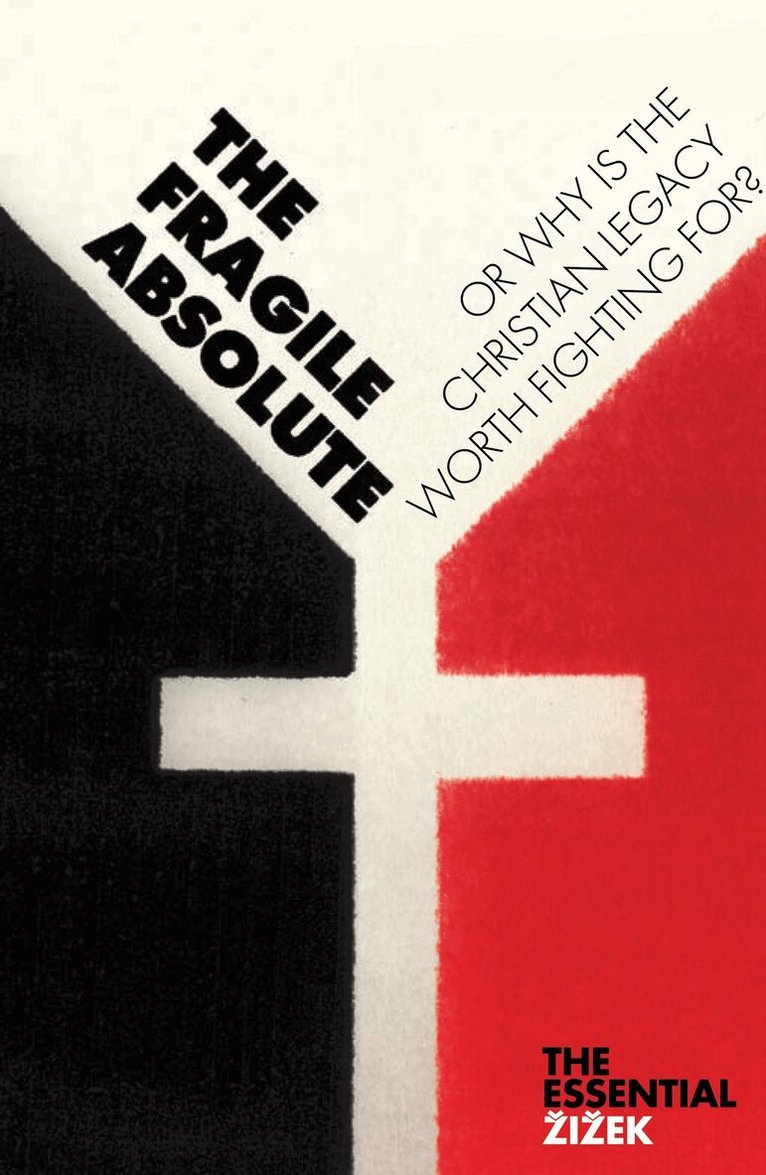
Fragile Absolute
Or, Why Is the Christian Legacy Worth Fighting For?
Av Slavoj Zizek
Häftad, 2009
309 kr
Lägg i varukorg
One of the signal features of our era is the re-emergence of the 'sacred' in all its different guises, from New Age paganism to the emerging religious sensitivity within cultural and political theory.The wager of Zizek's The Fragile Absolute - published here with a new preface by the author - is …
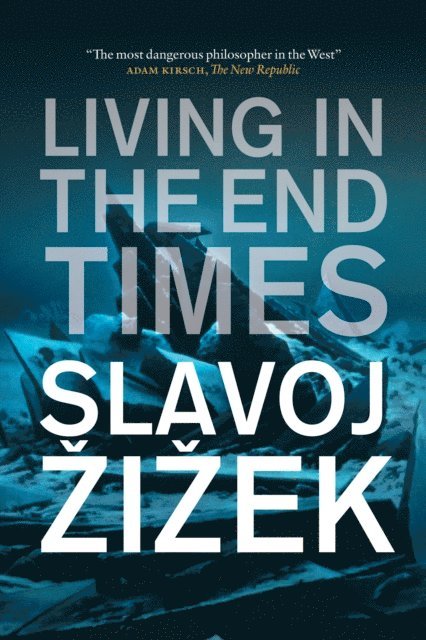
Living in the End Times
Av Slavoj Zizek
Häftad, 2018
208 kr
Lägg i varukorg
There should no longer be any doubt: global capitalism is fast approaching its terminal crisis. But if the end of capitalism seems to many like the end of the world, how is it possible for Western society to face up to the end times? In a major new analysis of our global situation, Zizek argues …
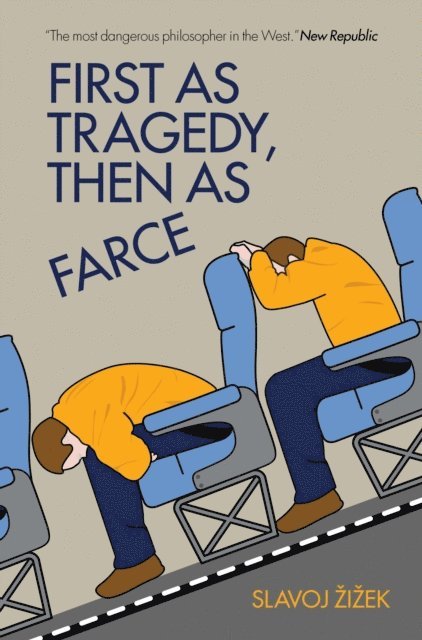
First as Tragedy, Then as Farce
Av Slavoj Zizek
Häftad, 2018
4,0 utav 5 stjärnor. Totalt antal röster: (1)
149 kr
Lägg i varukorg
Billions of dollars were hastily poured into the global banking system in a frantic attempt at financial stabilisation. So why has it not been possible to bring the same forces to bear in addressing world poverty and environmental crisis? In this take-no-prisoners analysis, Slavoj Zizek frames the …
Living in the End Times
Av Slavoj Zizek
E-bok, 2011
174 kr
Lägg i varukorg
There should no longer be any doubt: global capitalism is fast approaching its terminal crisis. But if the end of capitalism seems to many like the end of the world, how is it possible for Western society to face up to the end times? In a major new analysis of our global situation, Zizek argues …
First as Tragedy, Then as Farce
Av Slavoj Zizek
E-bok, 2009
130 kr
Lägg i varukorg
Billions of dollars were hastily poured into the global banking system in a frantic attempt at financial stabilisation. So why has it not been possible to bring the same forces to bear in addressing world poverty and environmental crisis? In this take-no-prisoners analysis, Slavoj Zizek frames the …
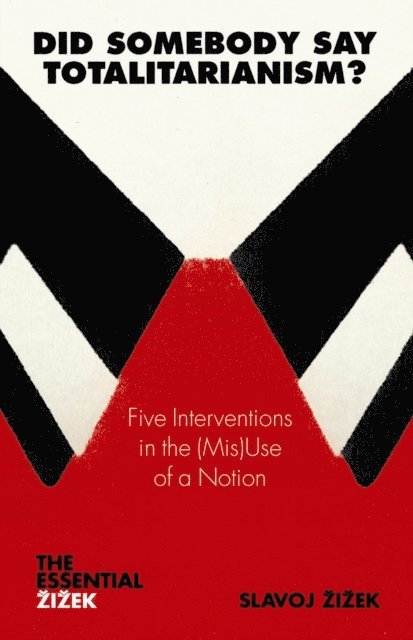
Did Somebody Say Totalitarianism?
Five Interventions in the (Mis)Use of a Notion
Av Slavoj Zizek
E-bok, 2014
174 kr
Lägg i varukorg
In some circles, a nod towards totalitarianism is enough to dismiss any critique of the status quo. Such is the insidiousness of the neo-liberal ideology, argues Slavoj Zizek. Did Somebody Say Totalitarianism? turns a specious rhetorical strategy on its head to identify a network of family …
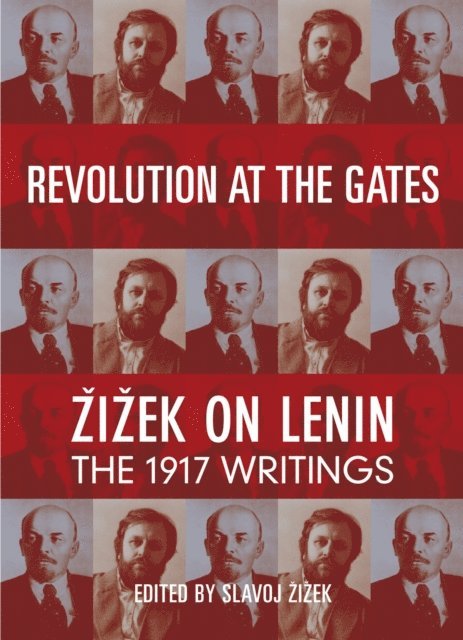
Revolution at the Gates
Selected Writings of Lenin from 1917
E-bok, 2014
200 kr
Lägg i varukorg
The idea of a Lenin renaissance might well provoke an outburst of sarcastic laughter. Marx is OK, but Lenin? Doesn''t he stand for the big catastrophe which left its mark on the entire twentieth-century? Lenin, however, deserves wider consideration than this, and his writings of 1917 are testament …
Ticklish Subject
The Absent Centre of Political Ontology
Av Slavoj Zizek
Häftad, 2009
456 kr
Lägg i varukorg
Slavoj Zizek, the maverick philosopher, author of over 30 books, acclaimed as the "Elvis of cultural theory", and today's most controversial public intellectual. His work traverses the fields of philosophy, psychoanalysis, theology, history and political theory, taking in film, popular culture, …
Did Somebody Say Totalitarianism?
Five Interventions in the (Mis)Use of a Notion
Av Slavoj Zizek
Häftad, 2011
374 kr
Lägg i varukorg
In some circles, a nod towards totalitarianism is enough to dismiss any critique of the status quo. Such is the insidiousness of the neo-liberal ideology, argues Slavoj Zizek. Did Somebody Say Totalitarianism? turns a specious rhetorical strategy on its head to identify a network of family …
Revolution at the Gates
Selected Writings of Lenin from 1917
Häftad, 2011
3,0 utav 5 stjärnor. Totalt antal röster: (2)
470 kr
Lägg i varukorg
The idea of a Lenin renaissance might well provoke an outburst of sarcastic laughter. Marx is OK, but Lenin? Doesn't he stand for the big catastrophe which left its mark on the entire twentieth-century?Lenin, however, deserves wider consideration than this, and his writings of 1917 are testament to …