Exeter Strategic & Security Studies - Böcker
Visar alla böcker i serien Exeter Strategic & Security Studies. Handla med fri frakt och snabb leverans.
5 produkter
5 produkter
1 235 kr
Skickas inom 5-8 vardagar
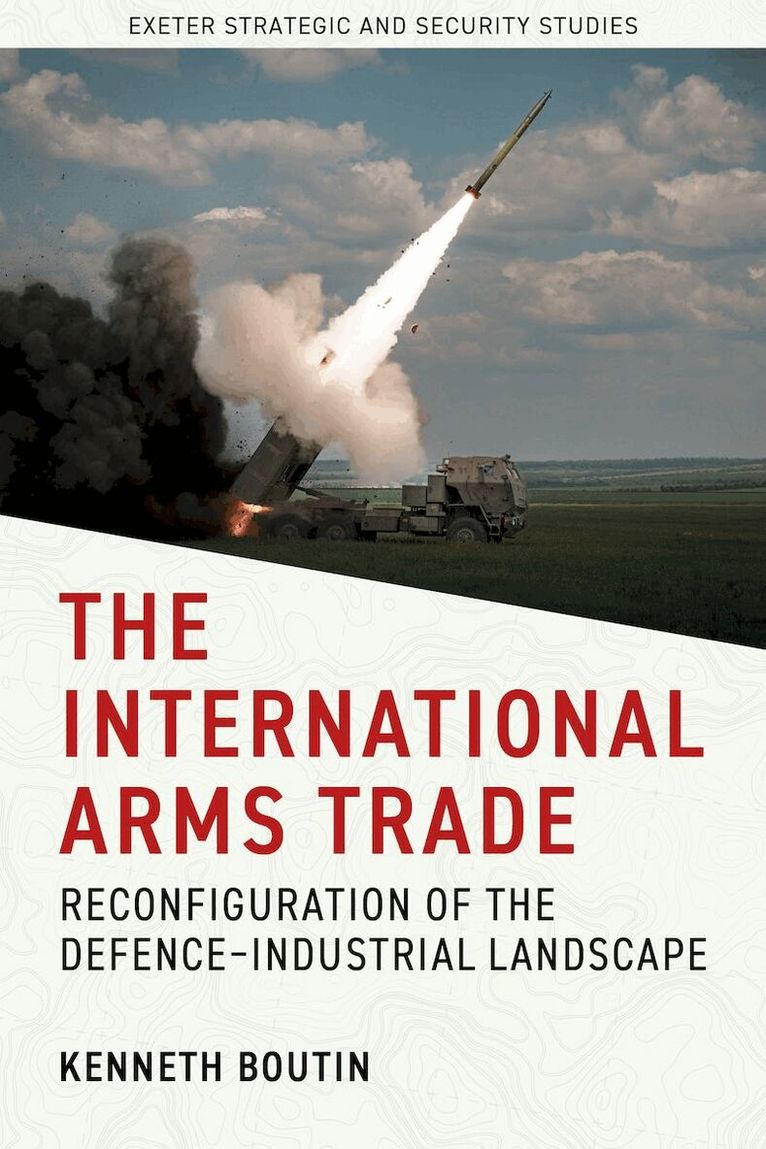
The International Arms Trade provides an analytical framework and offers important insights into a system that is experiencing structural transformation. Breaking new ground by situating international arms transfers within the reconfiguration of the global defence-industrial landscape, the book considers the coevolving nature of arms transfer and defence-industrial processes.Understanding how the arms transfer system is evolving is crucial in light of its impact on the proliferation of conventional arms and on efforts to control the arms trade. The importance of the international arms trade is demonstrated by its contribution to the defence of Ukraine and by increasing concern over the proliferation of advanced arms, a trend in which emerging supplier states feature prominently.Covering all aspects of arms supply, the book also offers a window onto how the international arms transfer system might look in the near future. This volume is intended for those with a professional or research interest in international security and strategic studies, either in general or in terms of the international arms trade, arms trade control, or defence development issues.
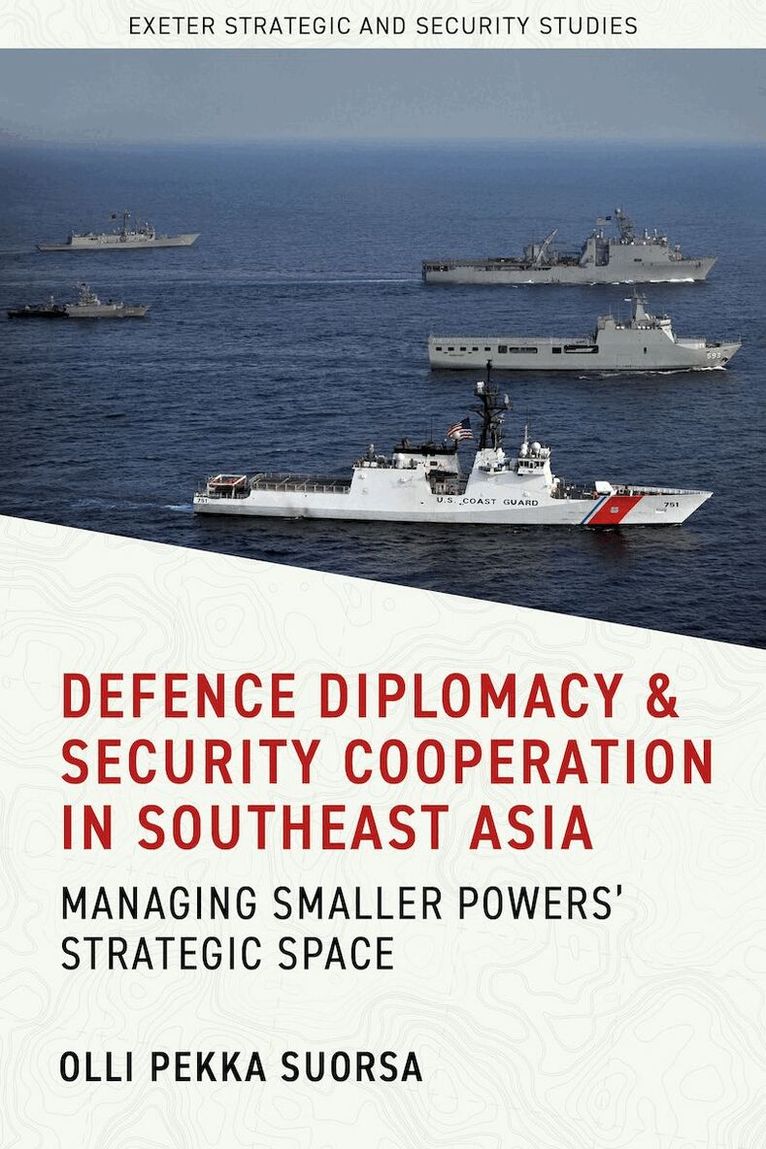
Defence Diplomacy and Security Cooperation in Southeast Asia
Managing Smaller Powers’ Strategic Space
Inbunden, Engelska, 2027
1 227 kr
Kommande
Defence diplomacy is an increasingly important tool for strategic engagement used by states in Southeast Asia. This approach underpins simultaneous cooperation and competition in the contemporary Indo-Pacific region amid major power rivalries and growing activity in Southeast Asia and the South China Sea.The rise of China and the intensifying Sino–US competition has caught Southeast Asia at a geostrategic pivot where smaller states’ strategic autonomy is increasingly difficult to manage. To address uncertainty in contemporary international relations, Southeast Asian states tend to hedge omnidirectionally. This helps them to avoid entrapment, abandonment, and over-dependence on any one major power. Such an adaptive combination of bilateral, multilateral, and minilateral defence diplomacy and security cooperation allows these states to diversify their relations with several bigger powers, avoiding direct involvement of outside powers in Southeast Asian affairs while delaying having to choose sides between China and the United States.This is the first book-length coverage of defence diplomacy in Southeast Asia and an important update on previous studies. It bridges a gap in the literature by linking defence diplomacy to a broader theoretical framework of alignment behaviour, and offers much-needed look into smaller powers’ manoeuvring between major powers. This volume will be of interest to academics and policymakers alike, providing fresh perspectives and ideas for civilian and military decisionmakers and practitioners. More broadly, it will attract those seeking to better understand the military’s role in foreign and security policy.
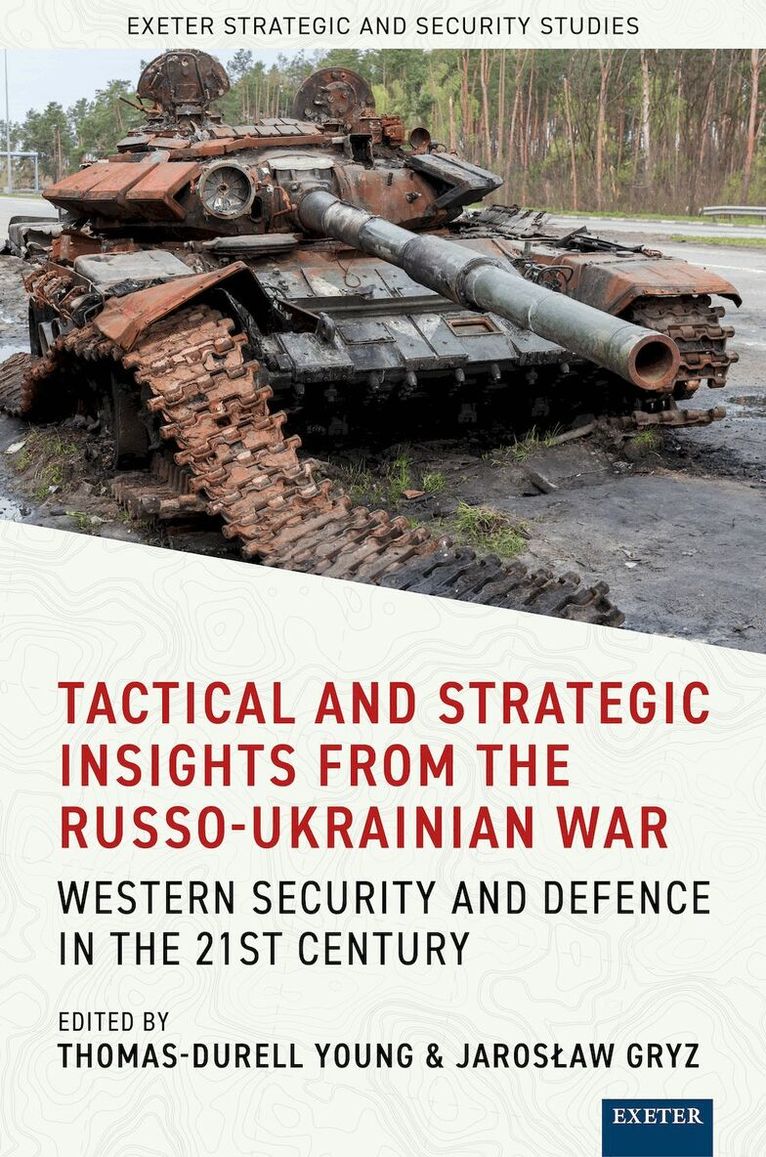
Tactical and Strategic Insights from the Russo-Ukrainian War
Western Security and Defence in the 21st Century
Inbunden, Engelska, 2025
1 271 kr
Skickas inom 5-8 vardagar
This edited collection is the first volume to consider potential new insights afforded by the Russo-Ukrainian War that could be salient for Western defence officials and planners. The contributors reflect on what are likely to be important issues that need to be addressed in order to ensure that Western armed forces are capable of deterring Russia. Closely examining how the war is being fought throughout the battlespace, the chapters avoid falling into the trap of making determinative statements about which developments might be trendsetters or are ‘new’ aspects of modern war. Rather, and given that this conflict apparently is far from over, the contributors eschew determinism and instead offer open-ended and clear-eyed analysis of what is playing out on the ground. Individual chapters address the following lines of analysis, among others, arising from the war: - Russian thinking on warfare and how it has been misunderstood by many in the West, as well as judging Russian military performance as simply being represented in numerical results. - Manoeuvre, and the growing importance of urban areas in land warfare. - Developments in the delivery of kinetic force (land, air, maritime and cyber) and operational fires. - Longer-term effects of Russia’s rejection of the law of war and its systematic breaches of international legal norms by actively attacking non-military targets (economic, infrastructure, cultural assets), and the implications of this for NATO’s logistic formations and higher-level policy. - Communications—both field signals and strategic narratives.
1 271 kr
Skickas inom 5-8 vardagar
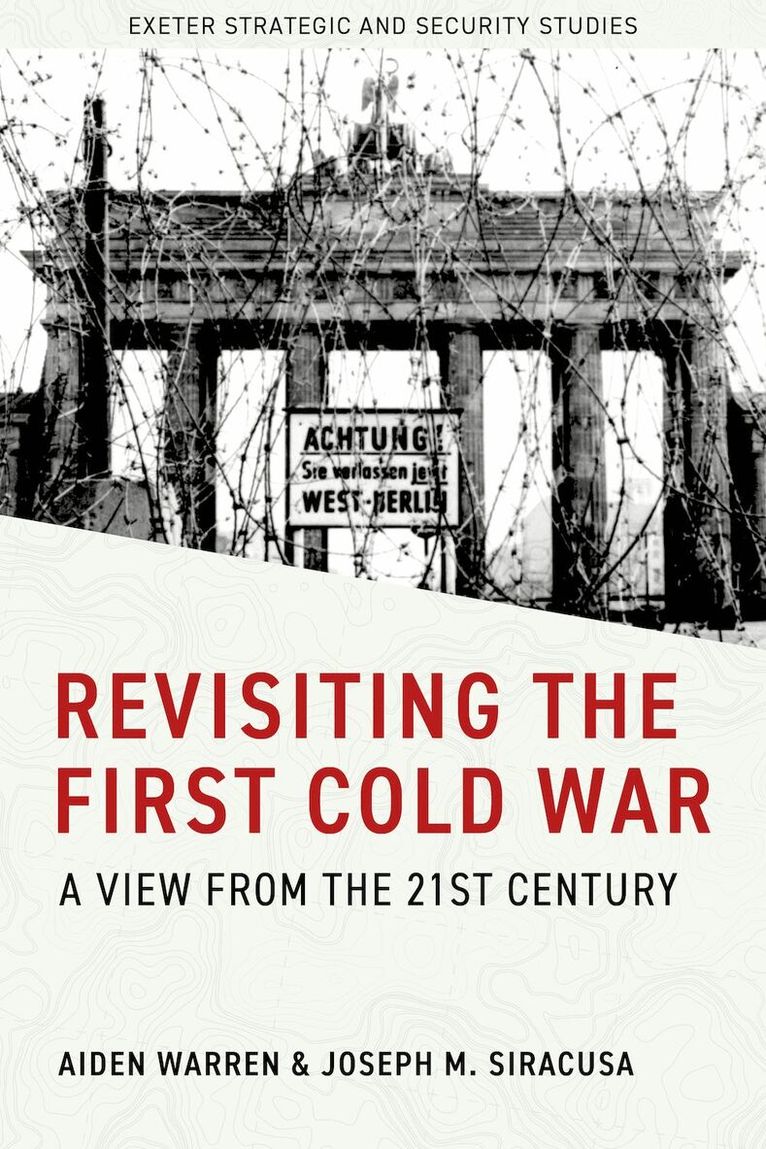
Against the backdrop of major geopolitical developments, including Russia’s invasion of Ukraine and intensifying great-power competition in the Indo-Pacific, this book undertakes a comprehensive reassessment of the United States’ first Cold War strategy. In examining the machinations and dynamics of the Cold War era, it offers a nuanced understanding of today’s security challenges and the underlying continuities that may inform contemporary security strategies.While there are marked differences between the Cold War era and the geopolitics of the twenty-first century, there are also certain equivalences—increasing bipolarity, deepening polemics, sharpening distinctions between autocracies and democracies—that are very much driving developments. It is no longer questionable that the United States and China, tacit allies during the first half of the last Cold War, are engaged in their own new cold war: Chinese President Xi Jinping has proclaimed it, and a unique bipartisan consensus in the United States recognizes the contest. What, then, might previous challenges suggest about the current situation?The core objective here is to demonstrate how the greatest ever unfought war—the Soviet–American Cold War—as well as other preceding struggles, might expand our understanding and foster resilience in adapting to the evolving Sino–American rivalry. When applied with a sophisticated grasp of contemporary dynamics, the lessons of the past can guide effective policy-making, enhance strategic foresight, and advance stability amid the many uncertainties of the present century.
1 235 kr
Skickas inom 5-8 vardagar
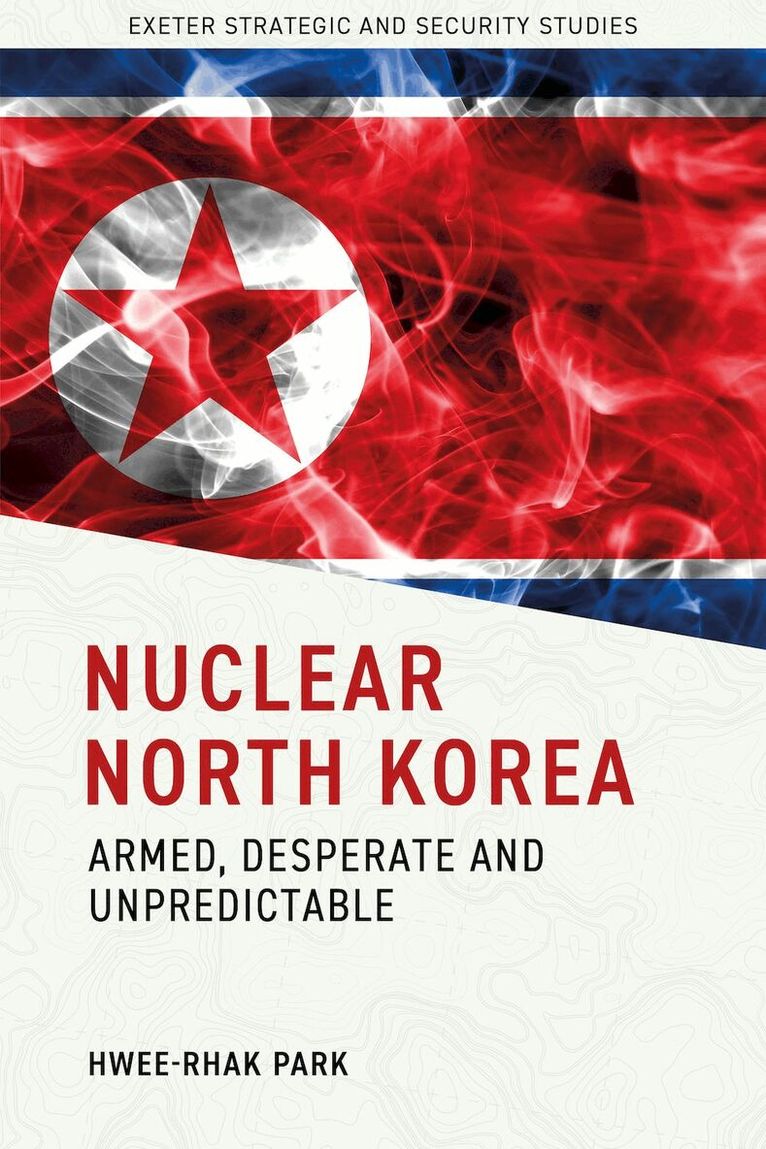
This book evaluates the extent of North Korea’s nuclear threat and proposes practical, viable options for the United States and South Korea to deter and defend against it. With North Korea’s alliance treaty with Russia and its involvement in Russia’s war in Ukraine, the nuclear-armed regime now poses not only a direct threat to US and South Korean security but also presents a major challenge on the global stage. However, due to North Korea’s secrecy and isolation, combined with a lack of in-depth analysis, the specifics of its nuclear capabilities remain largely unknown. A comprehensive examination of this threat and the development of actionable solutions are both urgent and essential.Although nuclear weapons have become central to international politics due to their immense destructive power, they were developed for military purposes and should be addressed through military means. Purely diplomatic approaches to the issue have ultimately exacerbated the threat. As a retired army colonel with expertise in international relations and military affairs, the author provides detailed practical analysis and informed policy recommendations. As a South Korean scholar, he is also uniquely placed to offer a nuanced understanding of North Korea’s rhetoric and actions.By integrating theoretical research with the realities of North Korea’s nuclear armament, this timely volume presents insightful analysis and pragmatic policy proposals. It is an invaluable resource for readers and students seeking to understand North Korea’s nuclear threat and offers crucial guidance for policymakers in the United States, South Korea, and beyond in formulating effective long-term strategies to address this pressing issue.