F.E.M.S. Symposium Series – serie
Visar alla böcker i serien F.E.M.S. Symposium Series. Handla med fri frakt och snabb leverans.
17 produkter
17 produkter
Inbunden, Engelska, 1991
2 138 kr
Skickas inom 10-15 vardagar
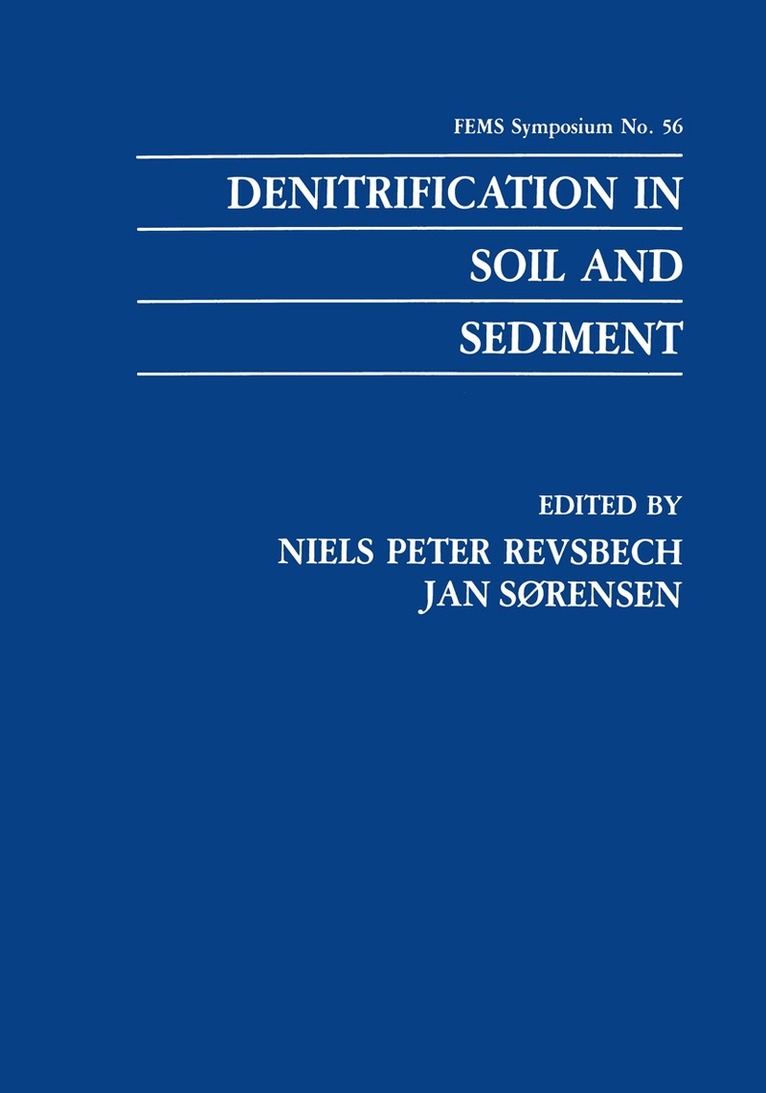
The formation of atmospheric nitrogen gas by denitrifying bacteria may represent a significant nutrient sink in natural ecosystems. The rate of denitrification has often been difficult to measure in situ, however, and new methodologies should stimulate research on distribution of activity in space and time. The load of fertilizer nitrogen in modem agriculture has led to increasing nutrient reservoirs in recipient subsoils, aquifers, inland waters and coastal seas. By its conversion of nitrate to atmospheric nitrogen, bacterial denitrification is the only biological process to potentially reduce the impact of increasing nutrient loadings by fertilizer nitrogen in the environment. As part of a scientific program set up by the Danish Ministry of Environment to study environment cycling of nitrogen, phosphorous and organic matter (NPO program) in the light of agricultural, domestic and industrial activities, a symposium on DENITRIFICATION IN SOIL AND SEDIMENT was held at the University of Aarhus, Denmark from 6-9 June 19i\9. On the basis of lectures given at the symposium, this book contains a number of invited contributions on the regulation of denitrification activity (control of enzyme synthesis and activity) and measurement of in situ rates of denitrification in terrestrial and aquatic environments (control factors, diel and seasonal variations, etc). Emphasis has been placed on including the recent improvements in methodologies and current understanding of process regulation, however the book also contains examples of integrated research on the significance of denitrification in environmental nutrient cycling.
Inbunden, Engelska, 1991
2 138 kr
Skickas inom 10-15 vardagar
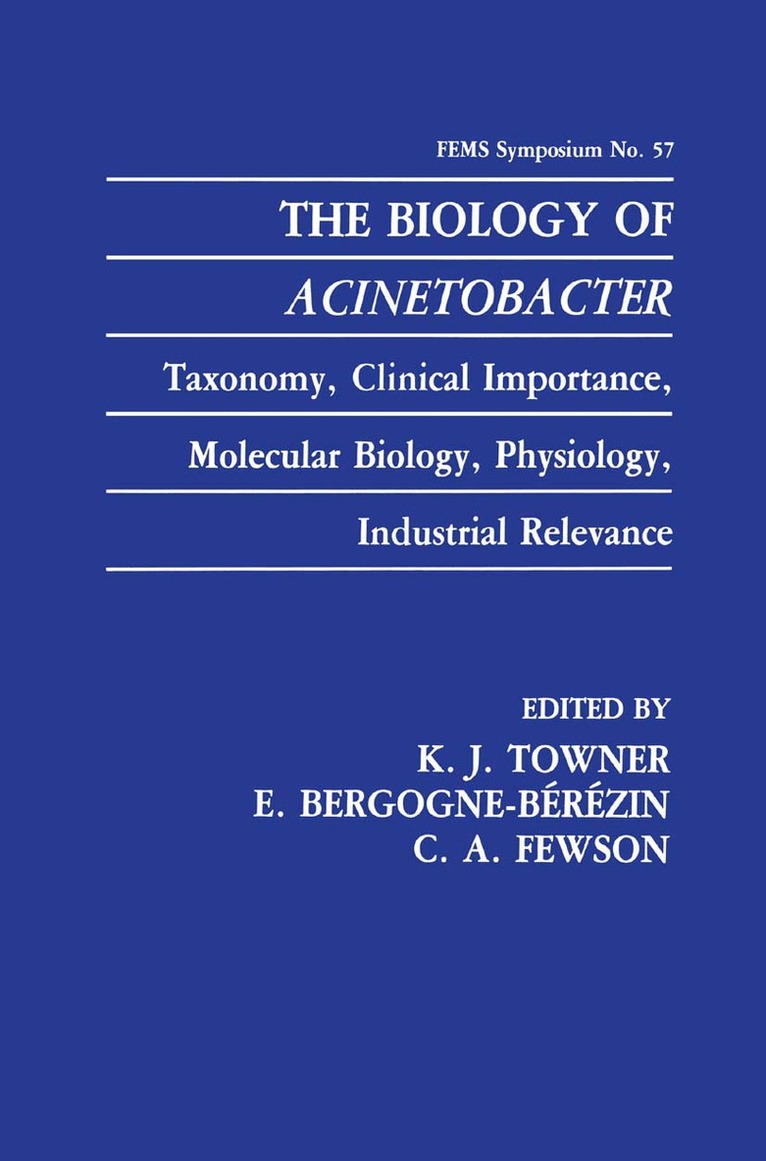
The 1st International Workshop on Acinetobacter was held on 6th September, 1986, in Manchester, England, in association with the 14th International Congress of Microbiology. That occasion was so well attended and productive that there were soon discussions about how, when and where the next meeting should be held. This time, however, there was sufficient confidence to think of a more substantial meeting and to plan for the proceedings to be published. It emerged that there was wide agreement that the time was ripe to take stock of the entire biology of Acinetobacter: its occurrence and taxonomy; its molecular biology, biochemistry and physiology; its clinical importance and its industrial and commercial applications. The 2nd International Workshop on Acinetobacter took place from 6th to 7th September, 1990, at the Institut Pasteur, Paris, and was sponsored by the Federation of European Microbiological Societies. There were about 100 participants from 19 countries. The backbone of the meeting consisted of 23 plenary lectures. There were 28 posters and the meeting closed with a general discussion which went on long after the official finishing time despite all the counter-attractions of a sunny Parisian Friday afternoon. Indeed discussions continued while cruising along the Seine and while dining at the top of the Tour Montparnasse. However, the vitality and usefulness of even the most successful meeting is difficult to transmit by the printed word.
Inbunden, Engelska, 1993
2 138 kr
Skickas inom 10-15 vardagar
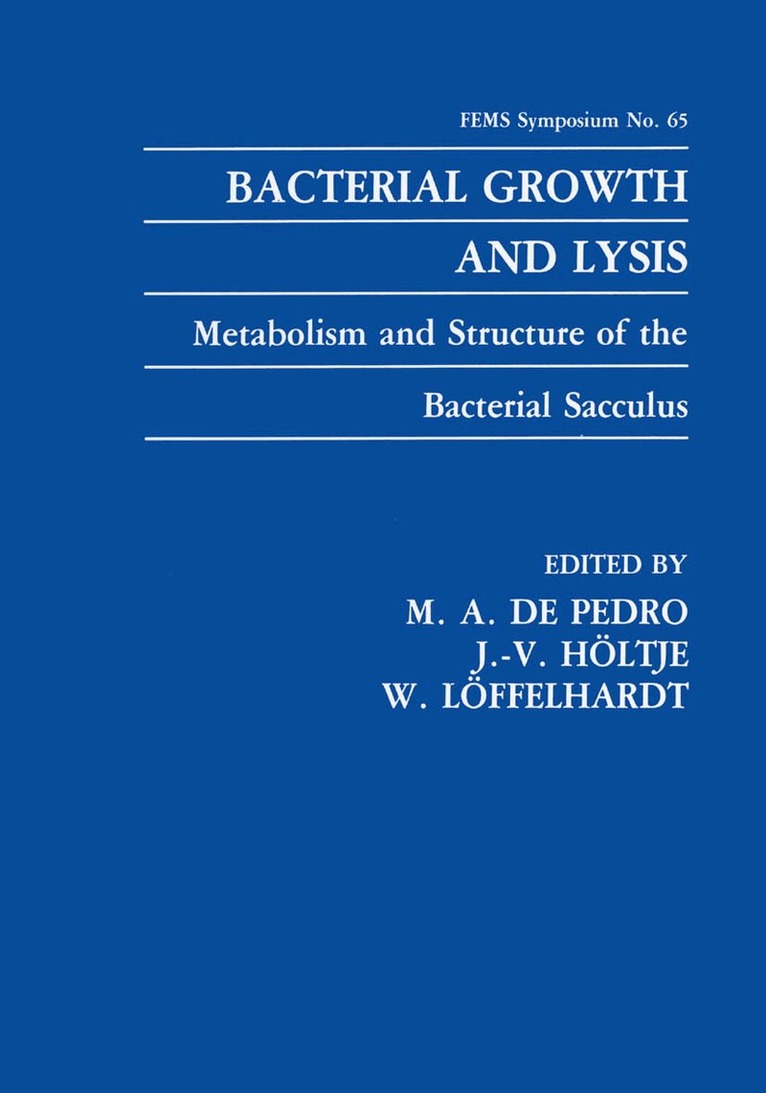
This volume is based on a FEMS Symposium entitled "Bacterial Growth and Lysis: Metabolism and Structure of the Bacterial Sacculus" held at the Monastery of Lluc (Mallorca, Spain) on 5-10 April, 1992. The goals of the symposium were to assess the present state of knowledge on the structure and physiology of the bacterial murein sacculus, and to develop new hypotheses and strategies to promote further development of the field. Consequently, the contributions compiled in this volume include broadly different approaches, from the introduction of new analytical methods to the presentation of provocative models for cell wall growth and division. Structural, biochemical, and genetic aspects are widely covered with special emphasis on the enzymology and regulation of murein hydrolases (autolysins). Comprehensive reviews on bacterial S layers and yeast cell walls are included to stimulate conceptual cross-feeding with these closely related topics. We believe that this book will provide the reader with a useful and up-to-date review of the topic. We would feel deeply rewarded by any positive influence this book may have on the future progress of the field, whereby all the scientific credit for it should be given to the authors of the excellent contributions presented.
Inbunden, Engelska, 1994
2 138 kr
Skickas inom 10-15 vardagar
Proceedings of a symposium held in Canterbury, United Kingdom, April 5-8, 1993.
Häftad, Engelska, 2011
1 114 kr
Skickas inom 10-15 vardagar
If ripple effect is a measure of greatness in scientific discovery then GEMMOs have a lot going for them and this book dramatically illustrates the risks associated with advances being made by researchers to mobilize and control the power of the microorganism in the world's fight to perfect nature and fmd remedies for its imperfections. In the field of genetic science it is abundantly clear that so much more can be achieved through prevention rather than cure and that the indirect kill, by reason of its logic is a much more powerful weapon for winning results. Nevertheless the dilemma facing politicians arises over whether man should tamper with something which is God-given such as Radioactivity and Genetic endowment. The Roman Catholic church fmds difficulty in accepting the proposition that what is God given can be treated as a product under human control and maybe that is why recently half a century of genetic research on a strain of bees resistant to a devastating parasite at the Buckfastleigh Benedictine Monastery has inexplicably ceased whilst verging on scientific success.(l) The Anglican Community on the other hand does not see the sacrosanctity of Radioactivity and Genetic material as a bar to man-manipulation with appropriate safeguards.
Häftad, Engelska, 2011
561 kr
Skickas inom 10-15 vardagar
The belief that energy might be a limiting factor for the development of humanity led twenty years ago to a great interest being'taken in research on anaerobic digestion. The first international symposium held in Cardiff in 1979 was followed by the meetings in Travenmund (1981), Boston (1983), Guangzhou (1985) and Bologna (1988). By now anaerobic digestion has come to be recognized as an appropriate technology for waste treatment. More recently, the increase in the carbon dioxide content of the atmosphere and (in developed countries, especially_ in the EEC) the· fact that more and more land is becoming available for purposes other than food production make biomass production economically and/or socially feasible for industrial purposes. The possibility of using renewable organic carbon resources in this way is of great potential interest for developing biological techniques and could considerably increase the use of anaerobic micro-organisms in cellulose biotransformation and energy production from crop residues. This FEMS Symposium is devoted to the interspecies hydrogen transfer phenomenon involved in the mineralization of organic matter in anaerobiosis. This process is carried out in Nature by consortia of anaerobic micro-organisms living syntrophically. Many industrial applications of these consortia as black boxes for biogas production and waste treatment have been described. Although these early approaches were fruitful, it seems likely that a better knowledge at the molecular level of the more characteristic anaerobic bacteria which constitute these consortia would greatly increase and improve the utilization of these organisms.
Del 75 - F.E.M.S. Symposium Series
Bacterial Diversity and Systematics
Häftad, Engelska, 2012
561 kr
Skickas inom 10-15 vardagar
Bacterial taxonomy as a specialized discipline is practised by a minority but the applications of taxonomy are important to most, if not all microbiologists. It is the implementation of taxonomic ideas and practises which gives rise to identification and typing systems, procedures for the analysis and characterization of biodiversity, hypotheses about the evolution of micro-organisms, and improved procedures for the isolation and implementation of bacteria in biotechnological processes. Without taxonomic theory providing a sound basis to these many facets of microbiology there would be severe problems faced by many scientists working with micro-organisms. Taxonomy comprises three sequential but independent processes; classification, nomenclature and identification. The first two stages are the prime concern of the specialist taxonomist but the third stage should result in identification schemes of value to all microbiologists. As the classification and identification of micro-organisms improves, largely due to the introduction of new technologies, so does its contribution to the subject as a whole. It therefore seemed timely to hold a conference in the autumn of 1993 devoted to microbial identification. Such a topic could not be addressed without some reference to the enabling discipline of classification, but the principal aims were to assess improvements in identification and typing and how these were benefiting microbiological topics ranging from ecological and biotechnological studies of extremophilic bacteria to the use of pyrolysis mass spectrometry in epidemiology. The meeting, which was held in Granada, Spain, was supported by FEMS (FEMS Symposium No.
Del 62 - F.E.M.S. Symposium Series
Rapid Diagnosis of Mycoplasmas
Häftad, Engelska, 2012
561 kr
Skickas inom 10-15 vardagar
This compendium is the result of the FEMS Workshop on "Rapid Diagnosis of Mycoplasmas" which I organized and which took place in Jerusalem, Israel, August 11-23, 1991. The first week's sessions were held at a resort on the outskirts of Jerusalem and consisted of lectures and discussions. This part was modelled along the lines of the Gordon Conference in the USA, i.e., in an intimate atmo sphere in which everyone could mix and exchange ideas, and was very benefi cial. About 100 scientists from around the world attended the first week. Dur ing the first week, the biology, molecular biology and pathophysiology of myco plasmas, as well as all the main diagnostic methods were covered, including both conventional and the newer technologies. The session on mycoplasmas in the human urogenital tracts was held in conjunction with the Israel Society for the Study and Prevention of Sexually Transmitted Disease. The second week was a laboratory session and was held at the Hebrew University-Hadassah Medical School campus in Ein Karem, Jerusalem. All ex periments were conducted by eminent specialists in their field. The lab session had 36 participants from 19 countries who used the most modern techniques for the diagnosis of mycoplasmas in medicine, veterinary medicine and agri culture. The efficacy of several commercial kits were also tested at this time. I want to again thank everyone who helped and supported this work shop, as well as the authors of the various chapters.
Del 61 - F.E.M.S. Symposium Series
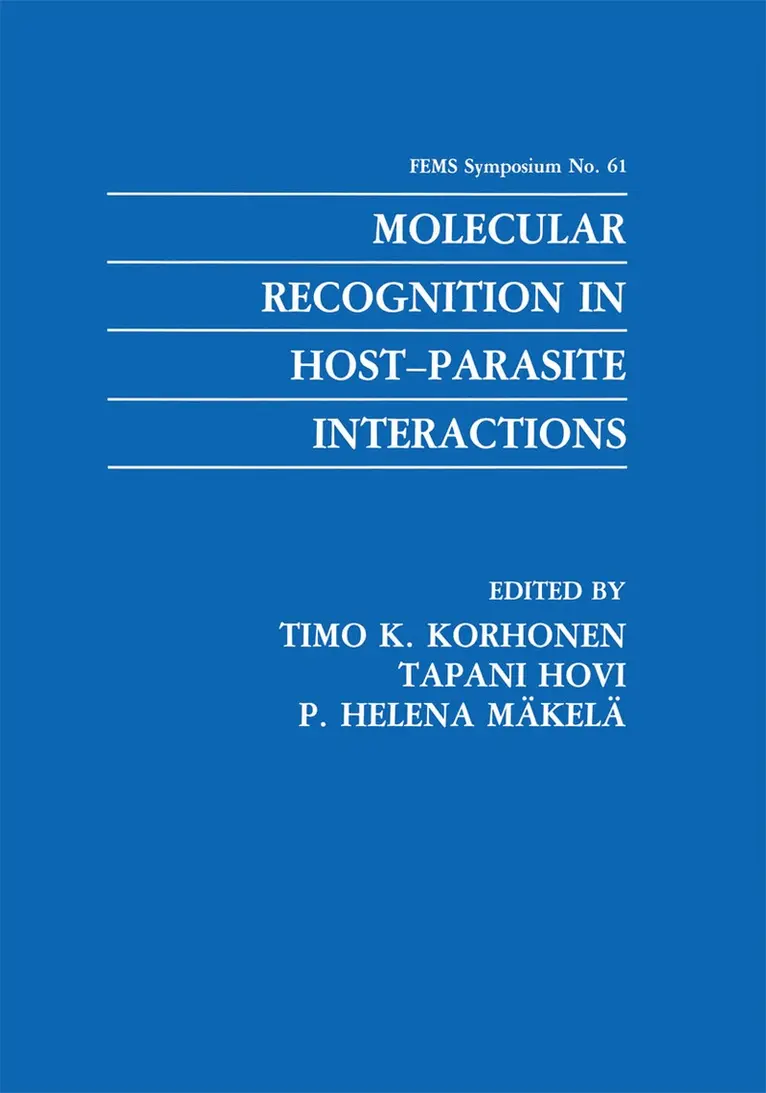
Molecular Recognition in Host-Parasite Interactions
Häftad, Engelska, 2012
561 kr
Skickas inom 10-15 vardagar
A very early step in microbial colonization and pathogenesis is that involving recog nition of the host by the microbe. In the final analysis such recognition is due to interaction between specific molecules on the two sides, without which host and microbe would ignore each other. It is therefore exciting to learn the rules that govern host-microbe interaction at to a large extent determines whether or not we are infected by the molecular level, which influenza virus, leishmanias, staphylococci and other pathogens. This book is a compendium of the addresses delivered at a symposium on molecular interaction at Porvoo, Finland in August 1991. Realizing that there are no a priori differ ences in receptor recognition in viruses, eukaryotic parasites and bacteria, we freely inter mingled these microbes at the symposium, and in this book. We found the interdisciplinary discussions and comparisons both educative and stimulating. Thus the book is divided into parts that focus on host cell receptors, on microbial recognition molecules and molecules that mediate microbial interaction with a host cell receptor and, briefly, on the molecular events that follow. Although many microbes and many cellular receptors are missing from the book -owing to the limited duration and size of the symposium -the articles presented here constitute an impressive body of examples of how initial host-microbe interaction can come about. We believe that as such the book is a useful and interesting overview of the mechanisms and principles involved in these interactions.
Del 50 - F.E.M.S. Symposium Series
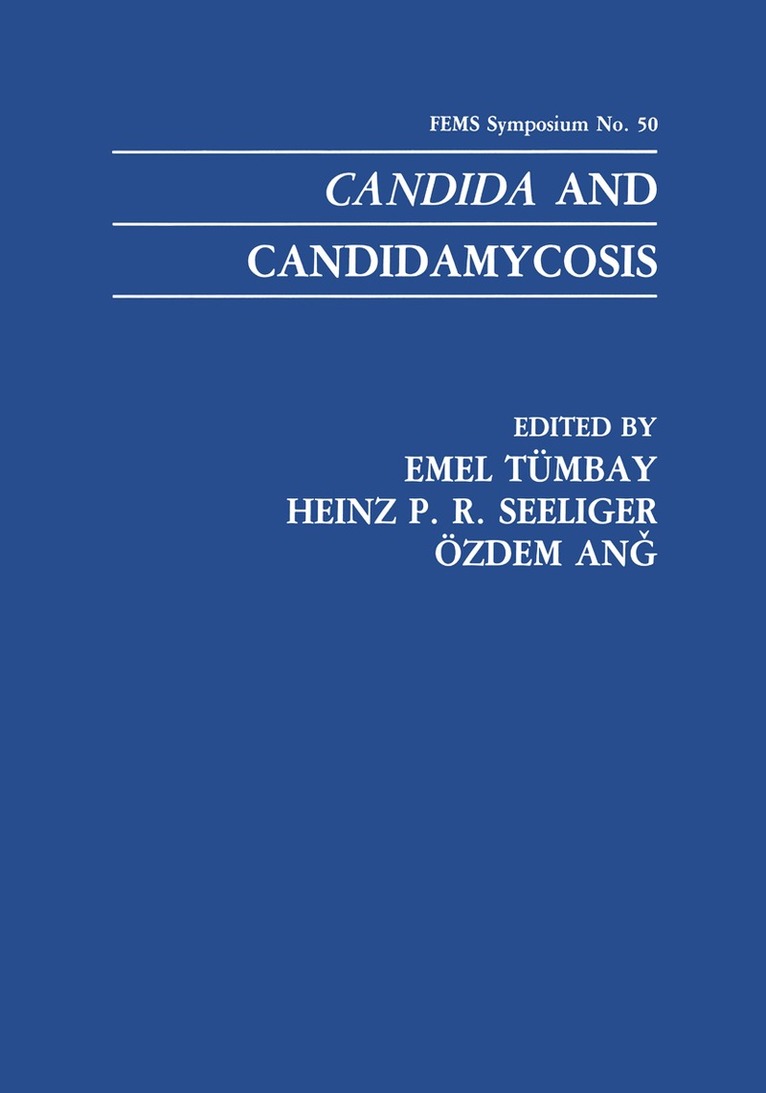
Candida and Candidamycosis
Häftad, Engelska, 2012
561 kr
Skickas inom 10-15 vardagar
Scientists from 24 countries who participated in the ~ Symposium on Candida and Candidamycosis, 24-28 April 1989, Antalya, Turkey, have made important contributions to a better understanding of Candida and its infections - by their presence, presentations and discussions in the meeting. The Turkish Microbiological Society, organizing the Symposium in the name of the Federation of European Microbiological Societies (FEMS), thanks all participants for realising this important meeting on such an important subject. In this book the full manuscripts of invited and free papers of the meeting are presented. The Editors extend their sincere thanks to all contributors of papers; to FEMS for encouraging and undertaking the arrangements for publication; to Ege University Publishing House for printing; to Plenum Publishing Company for publishing; and to all colleagues and friends who with their help contributed to this book. The Editors wish that this volume would contribute to a better understanding of Candida and its infections by colleagues working and/or interested in mycology and mycotic diseases.
Del 55 - F.E.M.S. Symposium Series
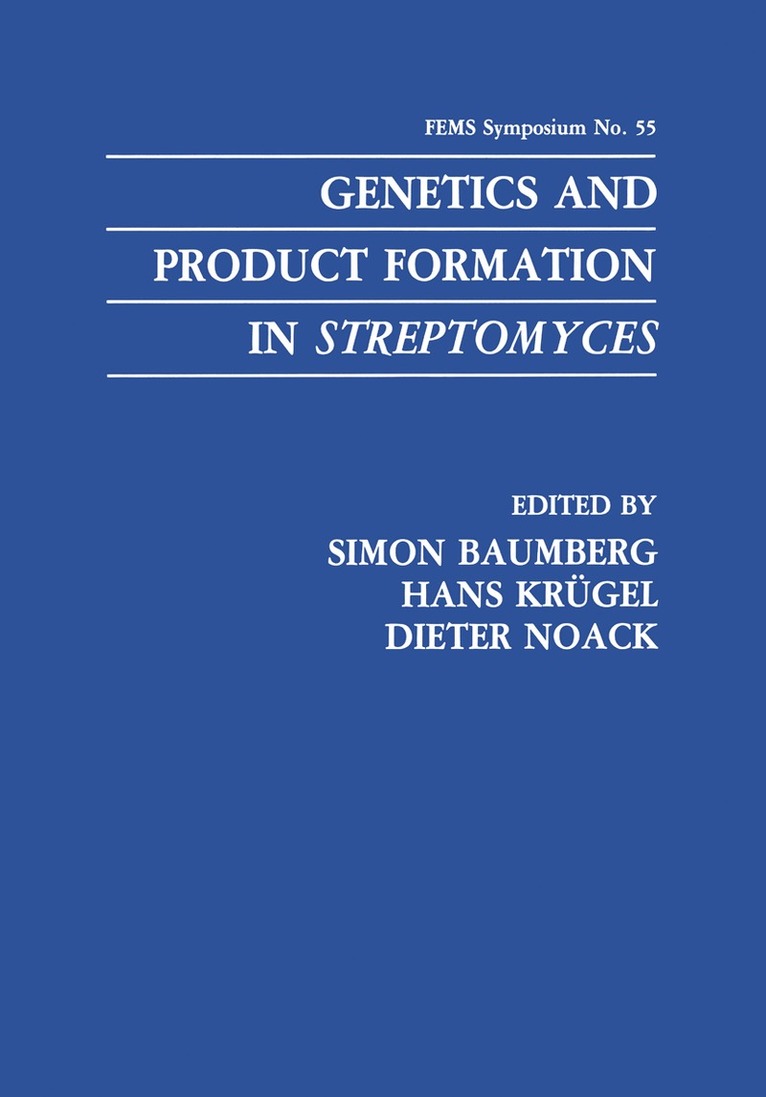
Genetics and Product Formation in Streptomyces
Häftad, Engelska, 2012
561 kr
Skickas inom 10-15 vardagar
The Streptomycetes are industrially widely used microorganisms due to their ability to produce numerous different chemical compounds. These show very varied effects upon other living systems, and result from profound and subtle biochemical and morphological differentiation during the streptomycete life cycle. It is therefore not surprising that research on the genetics of antibiotic biosynthesis and differentiation in this group is currently progressing rapidly in many countries. Intimately connected with the production of antibiotics is resistance to them; analysis of this is giving further information about the origin and evolution of this class of genes and their hypothesized spread among other microorganisms. Another interesting feature of the Streptomyces group is their mycelial growth. Also, their ecologically important utilization of high molecular weight compounds requires enzymes to be transported outside the cell to hydrolyze non-diffusible substrates. Finally, we have as yet limited understanding of the various mechanisms of genome rearrangement observed in some of these species; deletions and/or amplifications of enormous amounts of DNA can occur without seriously affecting the viability of the organism under laboratory conditions. The present volume, which includes contributions addressing the above subjects and others, originates from a meeting on "Genetics and Product Formation in Streptomyces" sponsored by the Federation of European Microbiological Societies in Erfurt on May 1-6 1990. Compared to previous ones of this kind held in 1979, 1983 and 1987 in Weimar, one can point to impressive progress in the study and applications of Streptomyces genetics.
Häftad, Engelska, 2013
561 kr
Skickas inom 10-15 vardagar
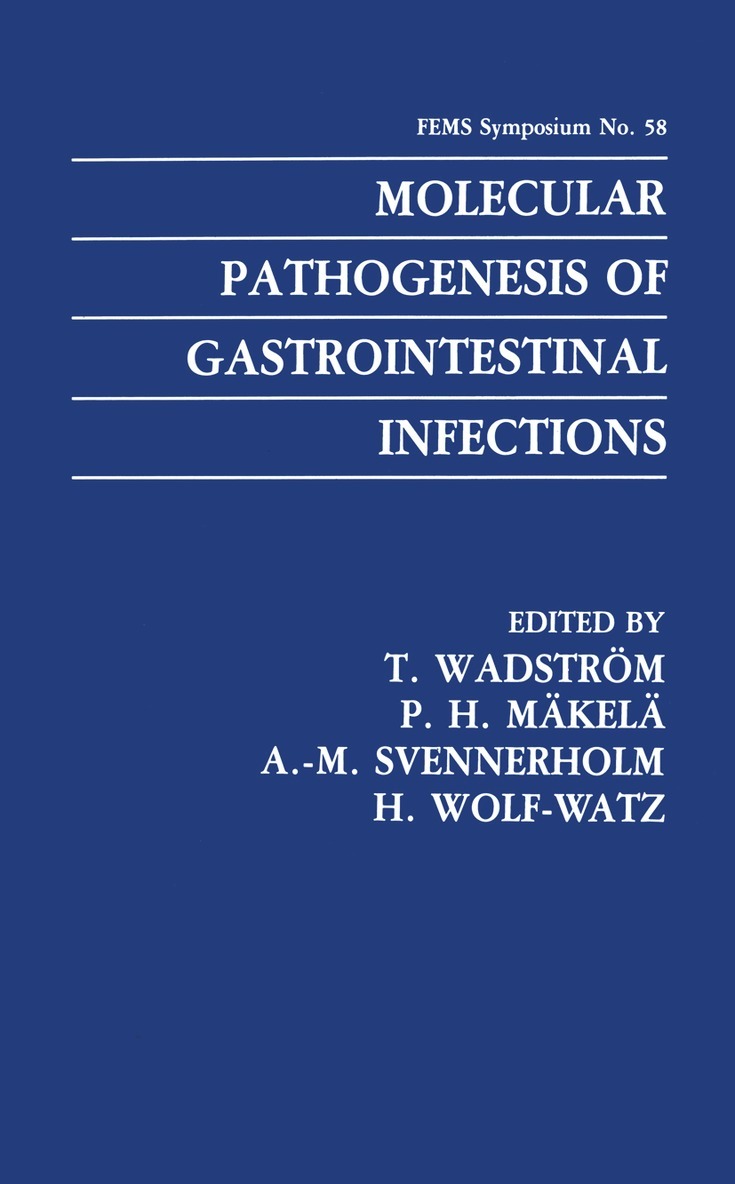
The meeting that provided the material for this book was the 58th Symposium of the Federation of European Microbiological Societies (FEMS) entitled MOLECULAR PATHOGENESIS OF GASTROINTESTINAL INFECTIONS which was held in Helsingor, Denmark from 2nd to 4th September, 1990. The aim of this meeting was to bring together scientists from a range of discipline- microbiology, cell biology, molecular biology and immunology - to consider how microbes, including parasites, colonize and infect the gastrointestinal tract. The programme was designed to focus particular attention on the range of strategies whereby enterovirulent bacteria and parasites colonize the gastrointestinal mucin layer, how they adhere to and penetrate the epithelial layer by entering the cells or passing between them, and how various protein toxins may facilitate these processes. Speakers were especially encouraged to highlight the recent expansion in our knowledge of the molecular mechanisms by which enterotoxigenic and enteropathogenic Escherichia coli, shigellae, salmonellae and Yersinia enterocolitica cause intestinal disease. There were also discussions of recently-discovered gastrointestinal pathogens such as Clostridium difficile and Helicobacter pylori as well as accounts of how virulent determinants can be used to develop new diagnostic methods based on DNA gene probes and the polymerase chain reaction (PCR). These presentations provided the basis for the chapters in this book.
Del 51 - F.E.M.S. Symposium Series
Microbial Surface Components and Toxins in Relation to Pathogenesis
Häftad, Engelska, 2012
561 kr
Skickas inom 10-15 vardagar
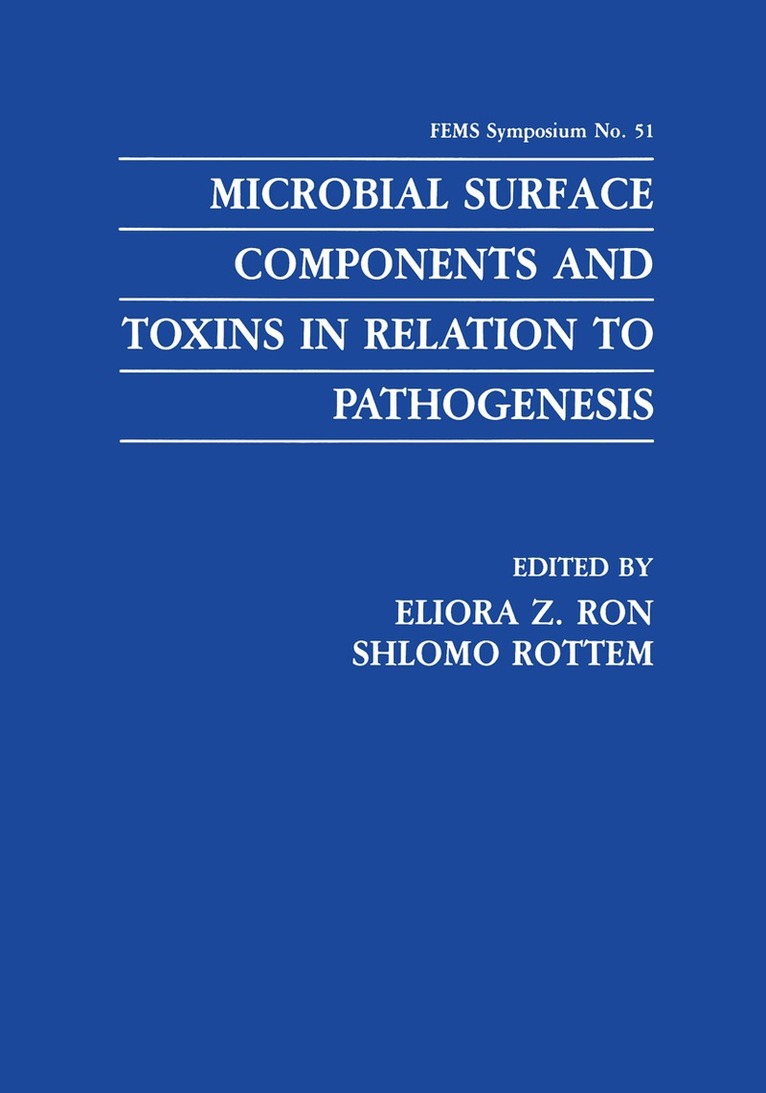
The meeting on "Microbial Surface Components and Toxins in Relation to Pathogenesis" was held on May 15-19, 1989, in the Mitzpe Rachel guesthouse of Kibbutz Ramat Rachel in Israel. Four major topics formed the basis for the meeting: adhesion and colonization; cell invasion and intracellular multipli cation; evasion of host defenses; toxins and systemic effects. The presentations clearly show that our understanding of the pathology, pathogenesis and bacteria-host cell inter-action has greatly advanced over the last few years. The contributions to our knowledge on the biogenesis of adhesins and their molecular organization, as well as on the mechanism of adherence to infected target tissue by pathogenic bacteria, have been particularly impressive. significant progress has been made in defining the nature of pathogenic and cytotoxic factors produced by bacteria, and much has been learned about the biochemical and antigenic modifications occurring in diverse types of host cells upon infection. The discussions of poly saccharide capsules, bacterial endotoxins and secreted toxins illustrated the challenge and the possibilities for vaccine development.
Häftad, Engelska, 2013
2 221 kr
Skickas inom 10-15 vardagar
This volume is based on a FEMS Symposium entitled "Bacterial Growth and Lysis: Metabolism and Structure of the Bacterial Sacculus" held at the Monastery of Lluc (Mallorca, Spain) on 5-10 April, 1992. The goals of the symposium were to assess the present state of knowledge on the structure and physiology of the bacterial murein sacculus, and to develop new hypotheses and strategies to promote further development of the field. Consequently, the contributions compiled in this volume include broadly different approaches, from the introduction of new analytical methods to the presentation of provocative models for cell wall growth and division. Structural, biochemical, and genetic aspects are widely covered with special emphasis on the enzymology and regulation of murein hydrolases (autolysins). Comprehensive reviews on bacterial S layers and yeast cell walls are included to stimulate conceptual cross-feeding with these closely related topics. We believe that this book will provide the reader with a useful and up-to-date review of the topic. We would feel deeply rewarded by any positive influence this book may have on the future progress of the field, whereby all the scientific credit for it should be given to the authors of the excellent contributions presented.
Häftad, Engelska, 2013
2 221 kr
Skickas inom 10-15 vardagar
The formation of atmospheric nitrogen gas by denitrifying bacteria may represent a significant nutrient sink in natural ecosystems. The rate of denitrification has often been difficult to measure in situ, however, and new methodologies should stimulate research on distribution of activity in space and time. The load of fertilizer nitrogen in modem agriculture has led to increasing nutrient reservoirs in recipient subsoils, aquifers, inland waters and coastal seas. By its conversion of nitrate to atmospheric nitrogen, bacterial denitrification is the only biological process to potentially reduce the impact of increasing nutrient loadings by fertilizer nitrogen in the environment. As part of a scientific program set up by the Danish Ministry of Environment to study environment cycling of nitrogen, phosphorous and organic matter (NPO program) in the light of agricultural, domestic and industrial activities, a symposium on DENITRIFICATION IN SOIL AND SEDIMENT was held at the University of Aarhus, Denmark from 6-9 June 19i\9. On the basis of lectures given at the symposium, this book contains a number of invited contributions on the regulation of denitrification activity (control of enzyme synthesis and activity) and measurement of in situ rates of denitrification in terrestrial and aquatic environments (control factors, diel and seasonal variations, etc). Emphasis has been placed on including the recent improvements in methodologies and current understanding of process regulation, however the book also contains examples of integrated research on the significance of denitrification in environmental nutrient cycling.
Häftad, Engelska, 2013
2 442 kr
Skickas inom 10-15 vardagar
Proceedings of a symposium held in Canterbury, United Kingdom, April 5-8, 1993.
Häftad, Engelska, 2013
2 221 kr
Skickas inom 10-15 vardagar
The 1st International Workshop on Acinetobacter was held on 6th September, 1986, in Manchester, England, in association with the 14th International Congress of Microbiology. That occasion was so well attended and productive that there were soon discussions about how, when and where the next meeting should be held. This time, however, there was sufficient confidence to think of a more substantial meeting and to plan for the proceedings to be published. It emerged that there was wide agreement that the time was ripe to take stock of the entire biology of Acinetobacter: its occurrence and taxonomy; its molecular biology, biochemistry and physiology; its clinical importance and its industrial and commercial applications. The 2nd International Workshop on Acinetobacter took place from 6th to 7th September, 1990, at the Institut Pasteur, Paris, and was sponsored by the Federation of European Microbiological Societies. There were about 100 participants from 19 countries. The backbone of the meeting consisted of 23 plenary lectures. There were 28 posters and the meeting closed with a general discussion which went on long after the official finishing time despite all the counter-attractions of a sunny Parisian Friday afternoon. Indeed discussions continued while cruising along the Seine and while dining at the top of the Tour Montparnasse. However, the vitality and usefulness of even the most successful meeting is difficult to transmit by the printed word.