General Engineering and K-12 Engineering Education Collection - Böcker
Visar alla böcker i serien General Engineering and K-12 Engineering Education Collection. Handla med fri frakt och snabb leverans.
9 produkter
9 produkter
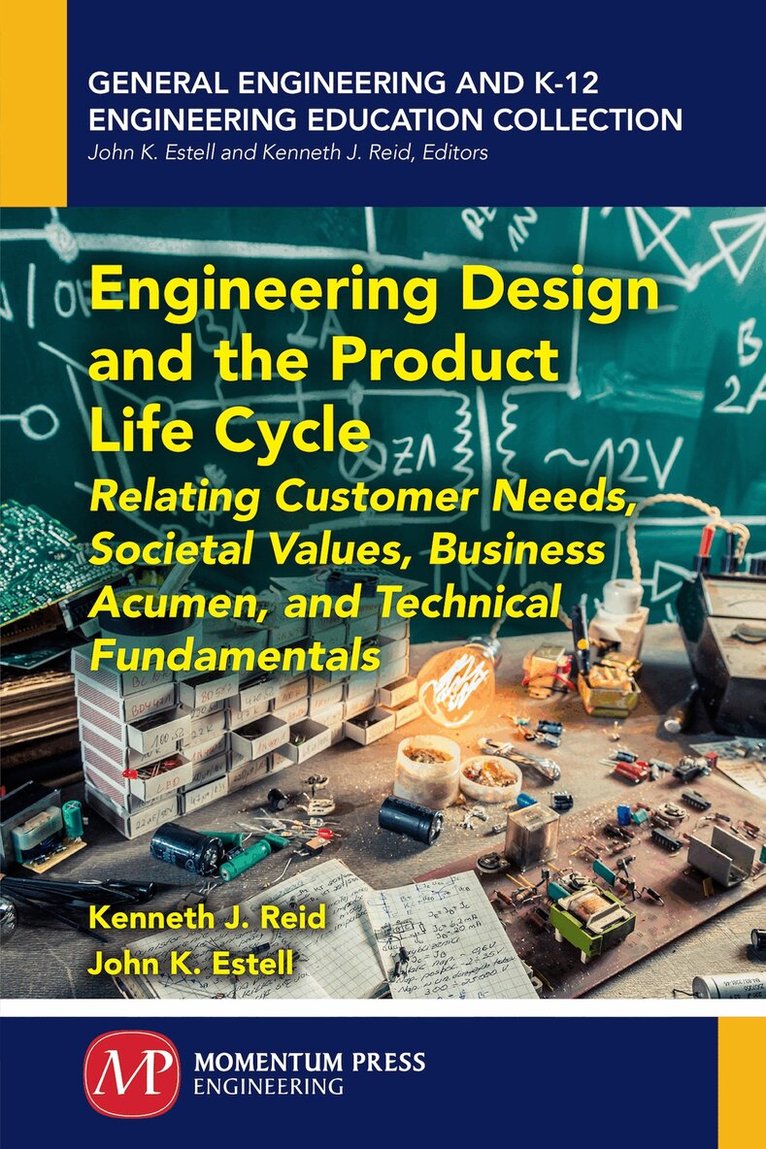
Engineering Design and the Product Life Cycle
Relating Customer Needs, Societal Values, Business Acumen, and Technical Fundamentals
Häftad, Engelska, 2017
504 kr
Skickas inom 3-6 vardagar
Design, within the context of engineering, is a term that is sometimes difficult to define. Design can be innovative, impressive, and earthshattering, but it can also be observed in the building of simple devices using everyday materials in a classroom environment. This text examines the concept of design, where success means that the designers fulfilled the established requirements, stayed within the specified constraints, and met the evaluation criteria as optimally as possible. Along the way, the reader will walk through an example design process (no, there is not a single, universally accepted design process) that presents relevant terminology and will examine design in a broader context through means of the product life cycle, where a product is followed from its initial definition to the end of its life. Finally, the text attempts to the question of what is good design by exploring some of the fundamental principles associated with design.
781 kr
Skickas inom 3-6 vardagar
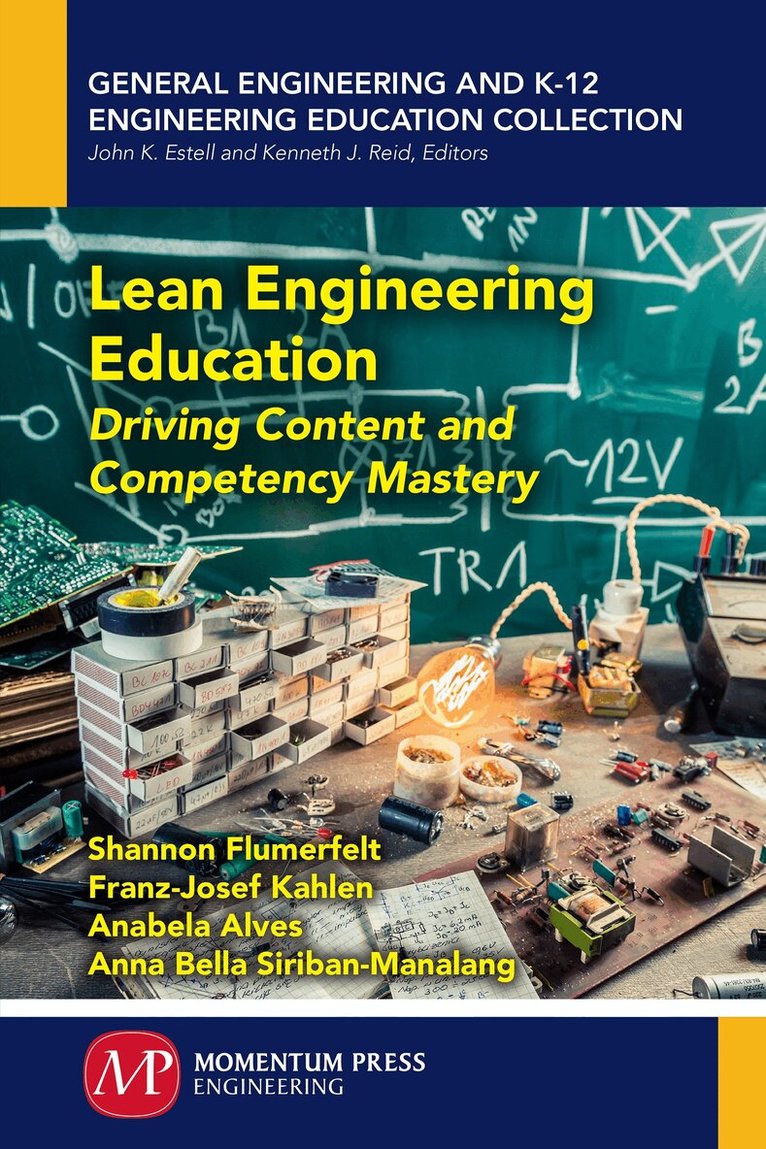
Recent studies by professional organizations devoted to engineering education, such as Vision 2030 (ASME) and Vision 2025 (ASCE), highlight the need for the restructuring of engineering education. Deficiencies of many engineering graduates include poor systems thinking and systems analysis skills, lack of sensitivity for sustainability issues, poorly developed problem solving skills and lack of training to work in (multi- disciplinary) teams, as well as a lack of leadership, entrepreneurship, innovation, and project management skills. The book's contents include an analysis of current shortfalls in engineering education and education related to professional practice in engineering. Further, the authors describe desirable improvements as well as advocacy for the use of lean tenets and tools to create a new future for engineering education. This book presents, for the first time, an outside-in lean engineering perspective of how this commonly accepted and widely practiced and adapted engineering perspective can shape the direction in which the engineers of the future are trained and educated. By its very nature, lean engineering demands systems thinking and systems analysis as well as problem solving skills. In this sense, ""Lean Engineering"" immediately talks to sustainability of operations. Hence, this book adds to the body of knowledge regarding engineering education. It blends the perspectives and expertise of mechanical, industrial and production engineers and academics and the perspective from social sciences on the challenges encountered in engineering education. Because of the unique mix of authors, the book presents a well-rounded perspective of how lean thinking can address shortcomings in engineering education.
374 kr
Skickas inom 7-10 vardagar
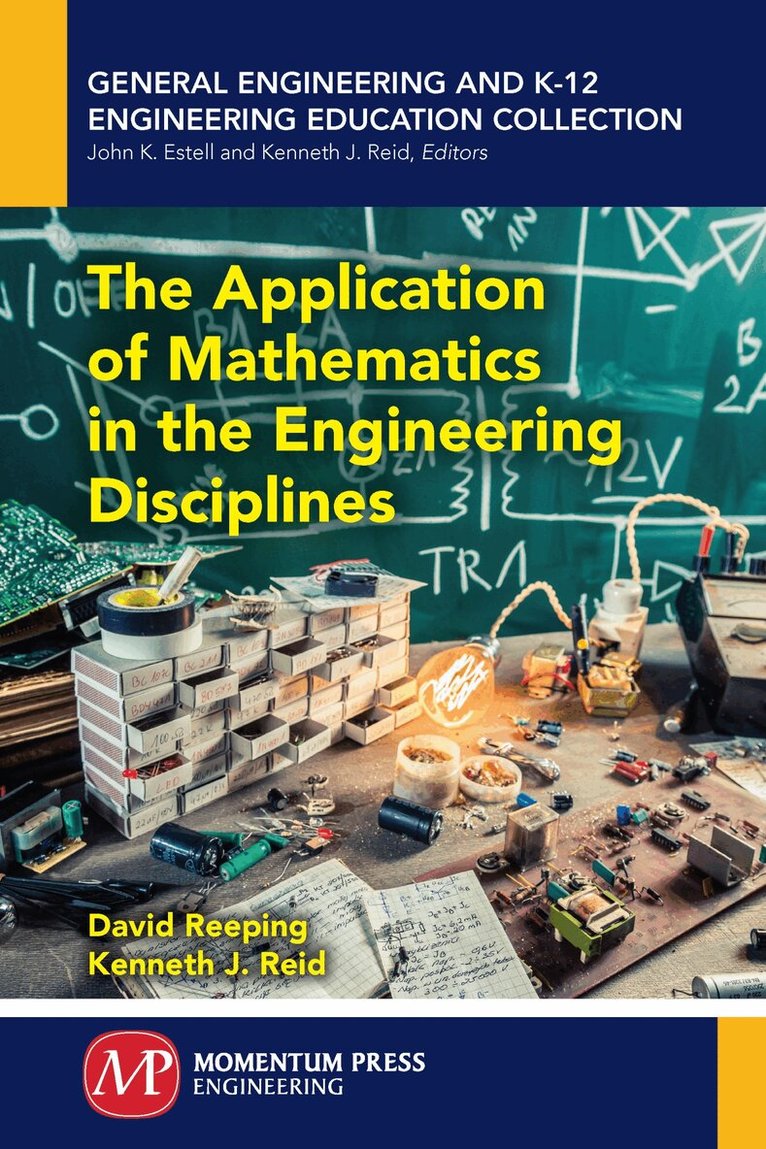
This text serves as the companion text to Introductory Engineering Mathematics, which introduces common mathematical concepts we see in engineering, including trigonometry, calculus, and functions. This text assumes a level of mathematics of a high school senior, plus some elements from the introductory text. Additional concepts we see in engineering are also introduced: specifically, matrices, differential equations, and some introduction to series. The concepts are introduced by examples rather than strict mathematical derivation. As a result, this text likely will not be an effective substitute for a differential equations course, but by illustrating the implementation of differential equations, it can be a companion to such a course. We primarily use historical events as examples (including failures) to illustrate the use of mathematics in engineering and the intersection of the disciplines. We hope you develop an appreciation for how to apply these concepts, and find a new lens through which to view engineering successes (and failures).
504 kr
Skickas inom 3-6 vardagar
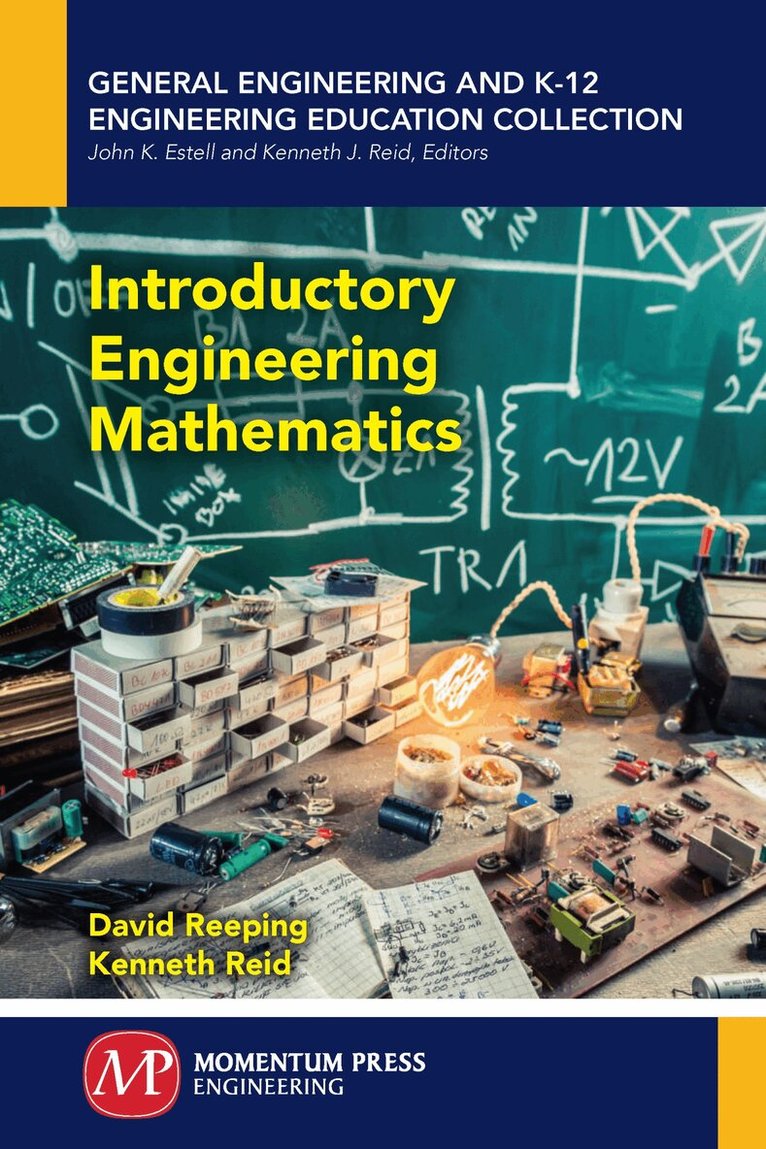
This text serves as a concise introduction to the ocean of information collectively known as ""Engineering Mathematics."" Admittedly, compiling everything into a short book that is useful to any audience is an impossible task; therefore, we picked a few main ideas holding up the mathematics within the engineering curriculum instead of stuffing all of the details into such a small package. This text addresses conceptual understanding as often as possible by providing an intuitive basis for formalized study within engineering/mathematics. Whether you are a math or science instructor tasked to teach an engineering class, a high school student looking into engineering, or an engineering student already, we hope you are able to walk away from this text with tangible outcomes—maybe even a refined perspective on the subject.
504 kr
Skickas inom 3-6 vardagar
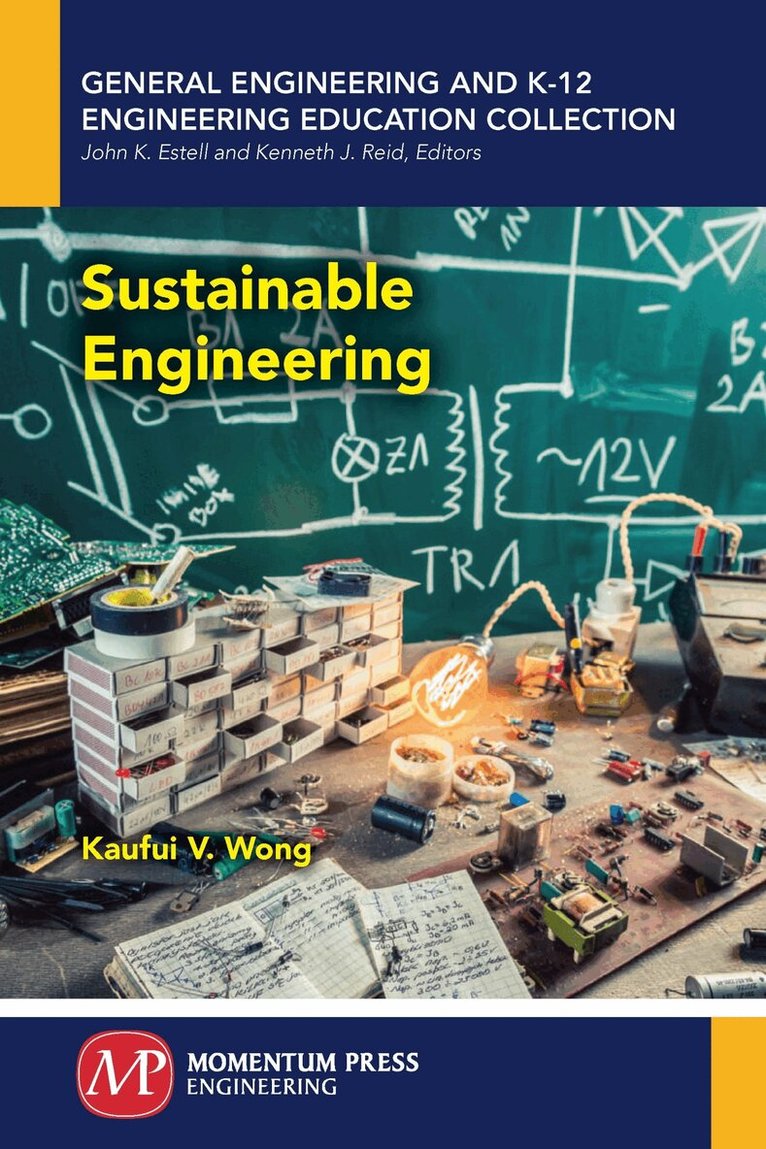
Sustainability can be interpreted as the principle that practices in engineering have to be implemented with respect to constraints in energy and materials and waste minimization. Sustainable science and engineering will provide the basis to solutions to the changing environment. This book is about the matrix of solutions and actions that can be used to help humankind face the challenges of the changing world. This is not a traditional engineering text for engineering students, with worked examples and quantitative problems. Instead, it presents lots of global problems, which lends itself first to a conceptual solution, which may be followed by real practical solutions for implementation. For students, conceptual solutions may be required in the form of essays and presentations. This book is the reference for both engineers and non-engineers who want to participate fully in the betterment of the world.
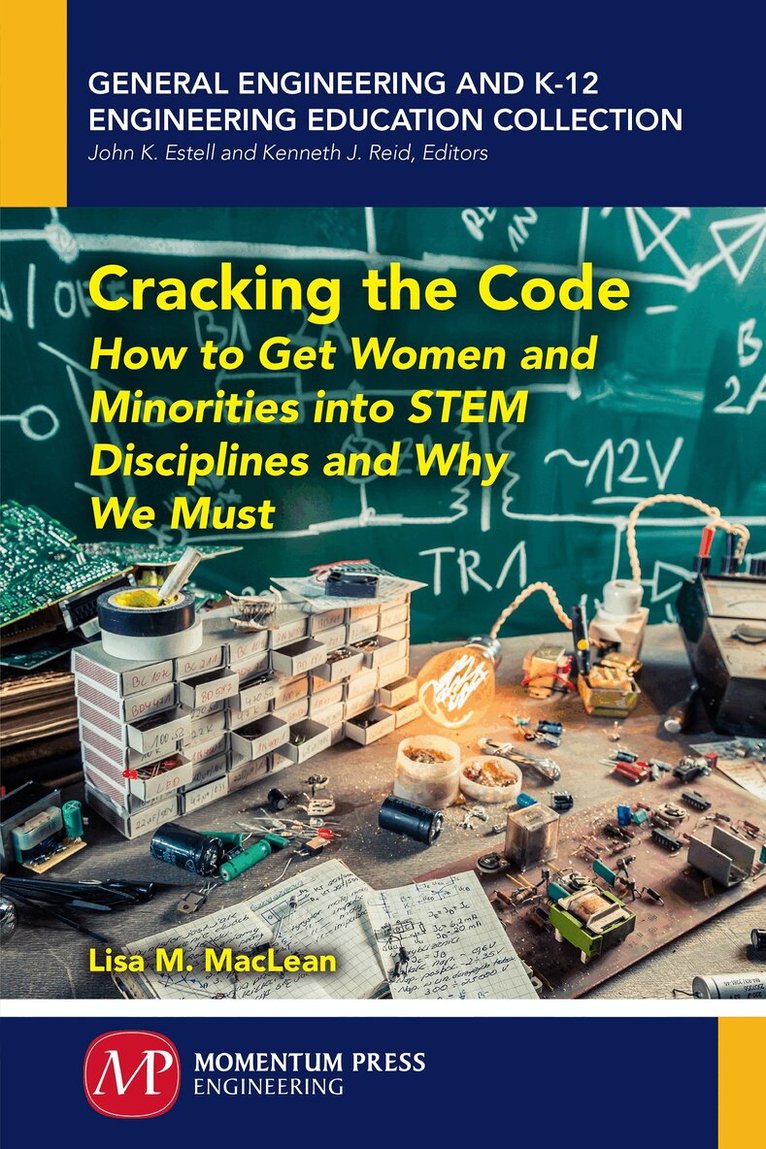
Cracking the Code
How to Get Women and Minorities Into STEM Disciplines and Why We Must
Häftad, Engelska, 2017
504 kr
Skickas inom 3-6 vardagar
This book will examine the problem of under-represented populations (URPs) in the so-called ""STEM"" fields: science, technology, engineering, and mathematics, this problem is especially acute in computer science. Who are these under-represented populations? What creates them? And finally, why should there be concern about URPs in STEM? This book brings to light the crisis of a dearth of women, especially minority women, in STEM. The text highlights what has combined to create the perfect storm of impending economic stagnation, impoverished populations, diminished innovation, and lack of interest in choosing these fields. The author discusses what must be done to correct this social injustice and stave off losing America's status one of the leaders in technological innovation and economic opportunity.
504 kr
Skickas inom 3-6 vardagar
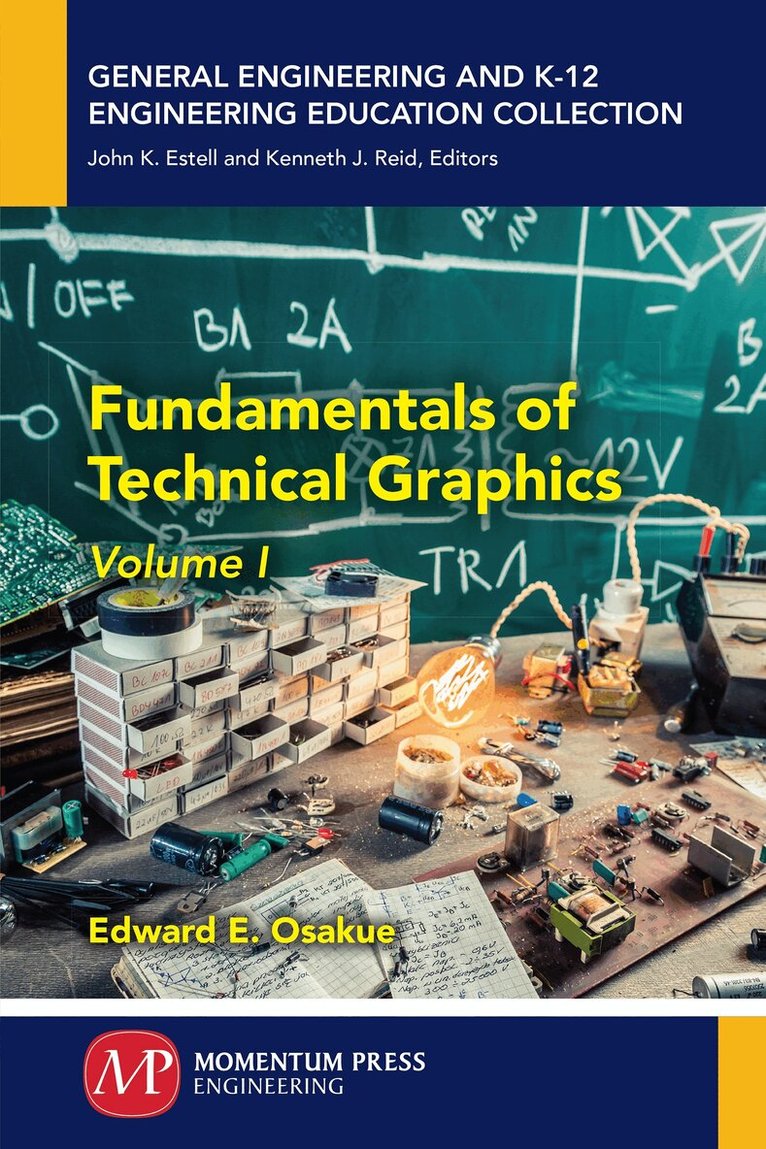
Fundamentals of Technical Graphics concentrates on the main concepts and principles of technical graphics.The book is divided into two volumes: volume one contains chapters one to five, whereas volume two comprises of chapters six to ten. Volume one covers the topics of drafting guidelines, free hand sketching, computer design drafting (CDD) systems, geometric and shape construction, and standard multiview drawing creation. Volume two treats the topics of auxiliary views, section views, basic dimensioning, isometric drawings, and working drawings. The appendices provide introductory discussions about screw fasteners, general and geometric tolerancing, and surface quality and symbols. The book is written with current drafting standards of American National Standards Institute/American Society for Mechanical Engineers (ANSI/ASME) in mind. The style is plain and discussions are straight to the point. Its principle goal is meeting the needs of first- and second-year students in engineering, engineering technology, design technology, and related disciplines.
483 kr
Skickas inom 3-6 vardagar
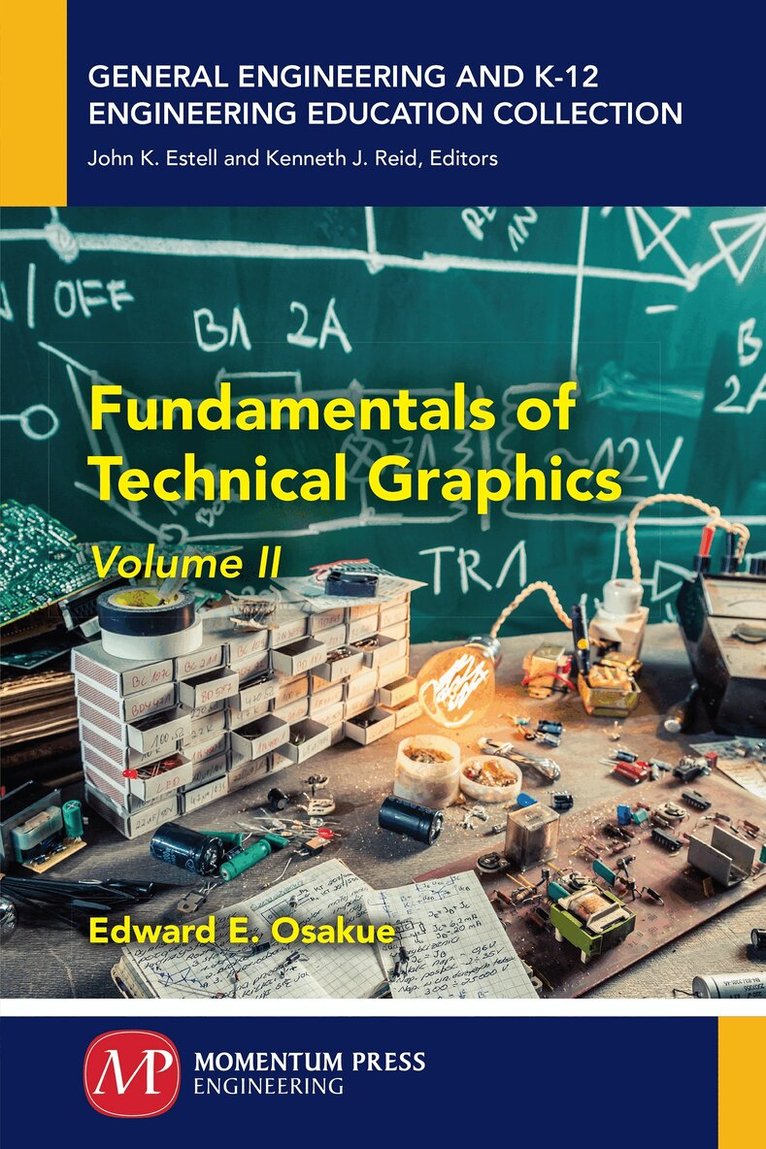
Fundamentals of Technical Graphics concentrates on the main concepts and principles of technical graphics.The book is divided into two volumes: volume one contains chapters one to five, whereas volume two comprises of chapters six to ten. Volume one covers the topics of drafting guidelines, free hand sketching, computer design drafting (CDD) systems, geometric and shape construction, and standard multiview drawing creation. Volume two treats the topics of auxiliary views, section views, basic dimensioning, isometric drawings, and working drawings. The appendices provide introductory discussions about screw fasteners, general and geometric tolerancing, and surface quality and symbols. The book is written with current drafting standards of American National Standards Institute/American Society for Mechanical Engineers (ANSI/ASME) in mind. The style is plain and discussions are straight to the point. Its principle goal is meeting the needs of first- and second-year students in engineering, engineering technology, design technology, and related disciplines.
504 kr
Skickas inom 3-6 vardagar
Introductory Engineering Graphics concentrates on the main concepts and principles of technical graphics.The chapters and topics are organized in a sequence that makes learning a gradual transition from one level to another. However, each chapter is presented in a self-contained manner and may be studied separately. Chapter 1 discusses guidelines for drafting and Chapter 2 presents the principles and techniques for creating standard multiview drawings. Chapter 3 discusses auxiliary view creation, whereas Chapter 4 focuses on section view creation. Basic dimensioning is covered in Chapter 5. Isometric pictorials are presented in Chapter 6. Working drawings are covered in Chapter 7 and the Appendices provide introductory discussions about screw fasteners, general and geometric tolerancing, and surface quality and symbols.The book is designed as a material for instruction and study for students and instructors of engineering, engineering technology, and design technology. It should be useful to technical consultants, design project managers, CDD managers, design supervisors, design engineers, and everyone interested in learning the fundamentals of design drafting. The book is in accord with current standards of American National Standards Institute/American Society for Mechanical Engineers (ANSI/ASME). Its principal goal is meeting the needs of first- and second-year students in engineering, engineering technology, design technology, and related disciplines.