German Annual of Spatial Research and Policy – Serie
Visar alla böcker i serien German Annual of Spatial Research and Policy. Handla med fri frakt och snabb leverans.
10 produkter
10 produkter
1 589 kr
Skickas inom 10-15 vardagar
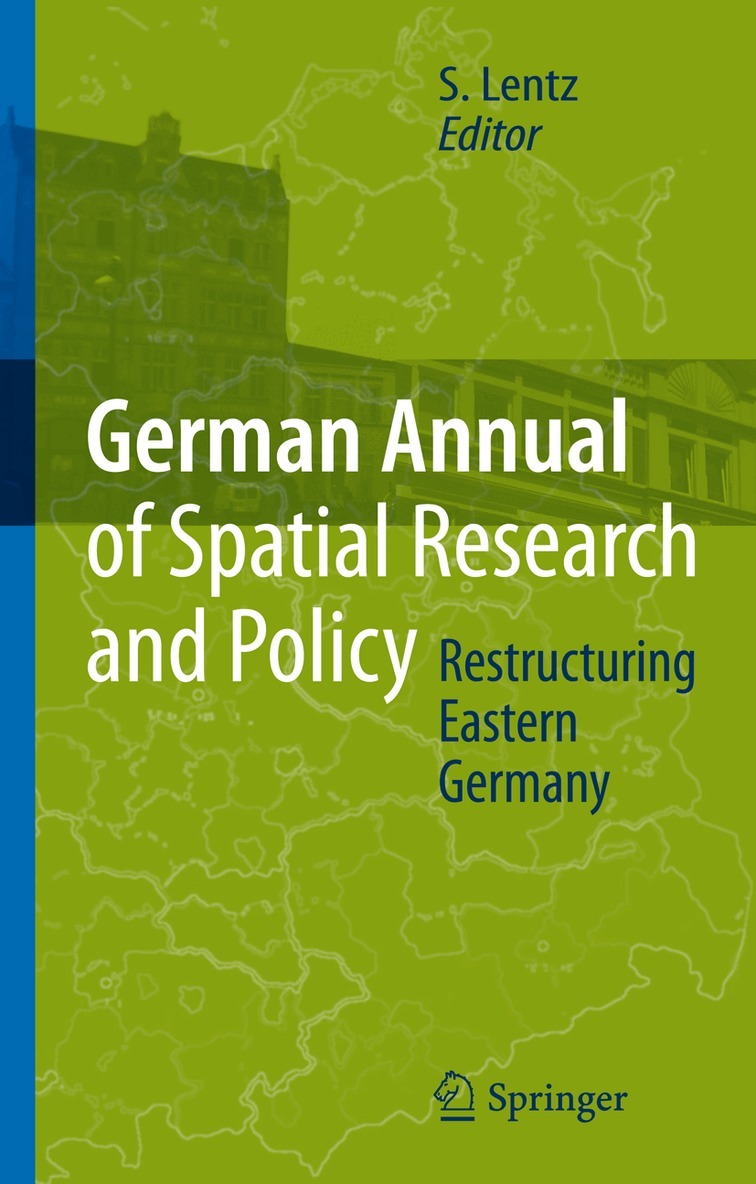
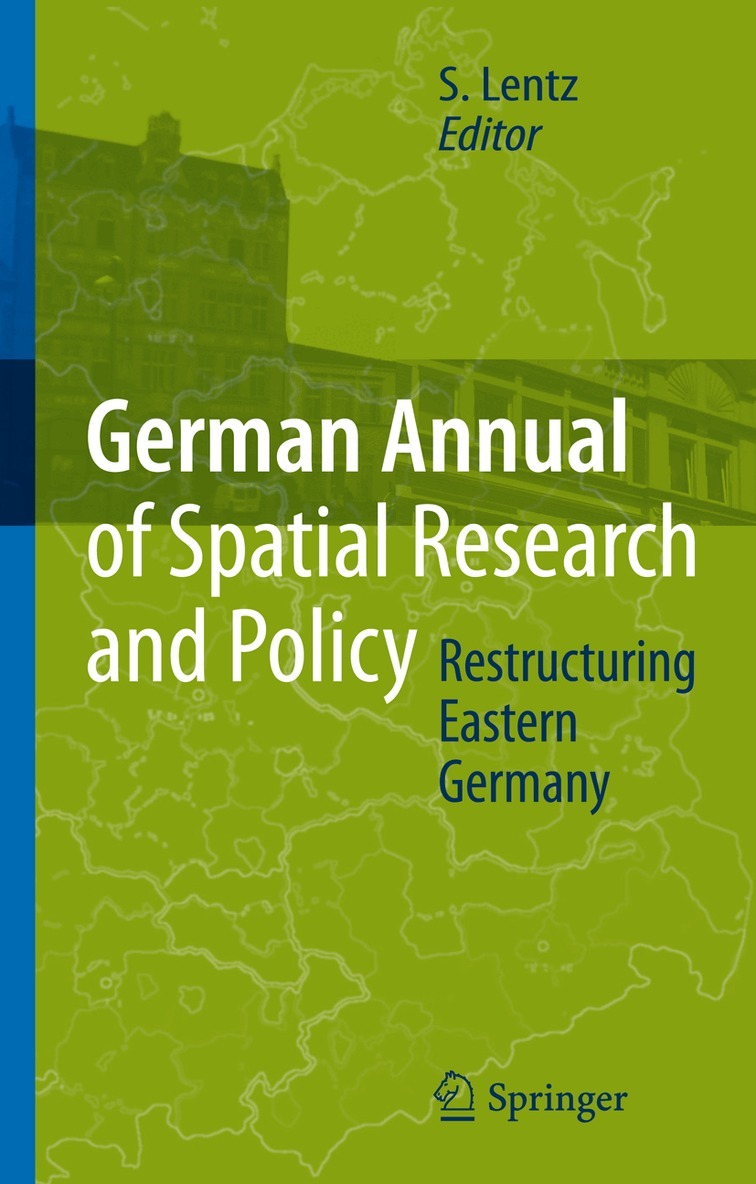
Preface – Introduction 1 Sebastian Lentz With “Restructuring Eastern Germany” ? ve spatial research institutes have - troduced the ? rst volume of the German Annual for Spatial Research and Policy. Four of these institutes belong to the Leibniz Association: The Academy for Spatial Research and Planning (ARL) in Hannover, the Leibniz Institute for Regional Geography (IfL) in Leipzig, the Leibniz Institute of Ecological and Regional Development (IÖR) in Dresden and the Leibniz Institute for Regional Development and Structural Planning (IRS) in Erkner, near Berlin. The ? fth institute is the Federal Of? ce for Building and Regional Planning (BBR) in Bonn, a large partner of great importance. These research institutes have founded this new scienti? c series with the goal of providing international colleagues with information on an annual basis concerning problems and research results within this current and socially relevant issue in Germany. The combined presentation of issues addressed in articles from these individual institutes is an example of how complementary the respective research approaches and abilities are. This kind of year-book therefore documents a network which has existed for several years between the institutes in the form of mutual information and trusting research cooperation. After the political union of both German states the structural equalisation of l- ing conditions was an enormous challenge for the entire German populace and for all of the functional systems within this new and larger country.
1 094 kr
Skickas inom 10-15 vardagar
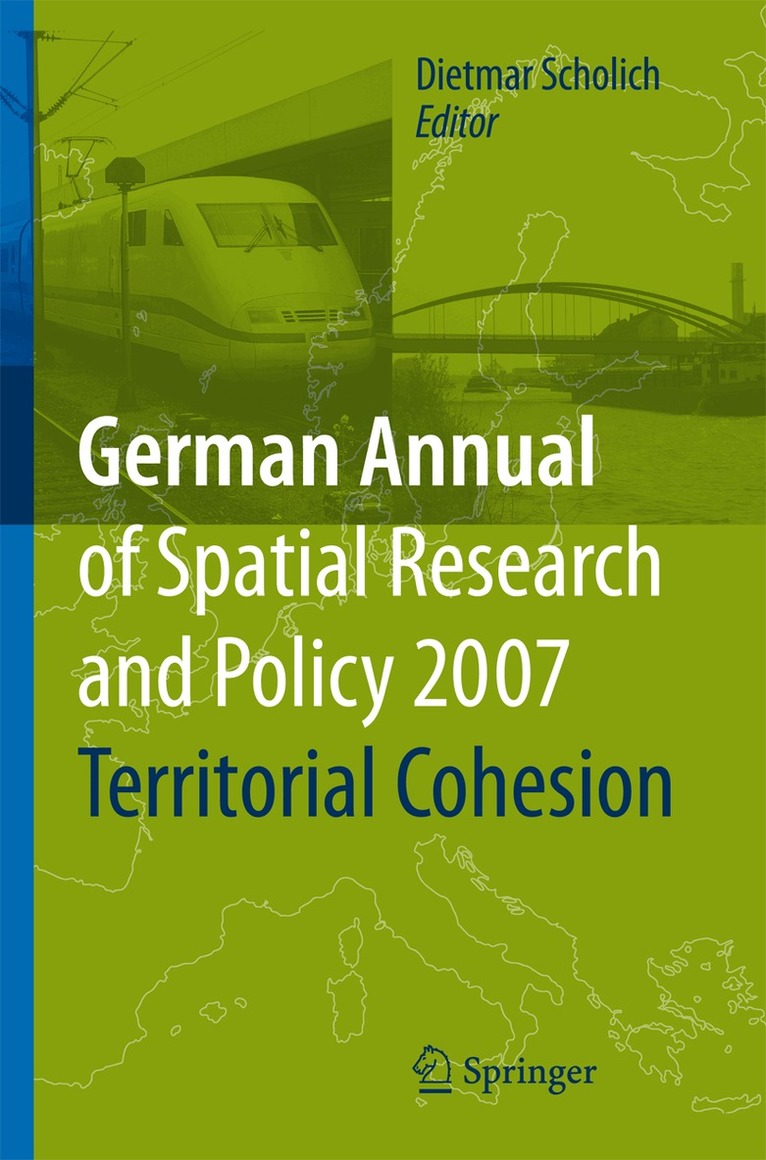
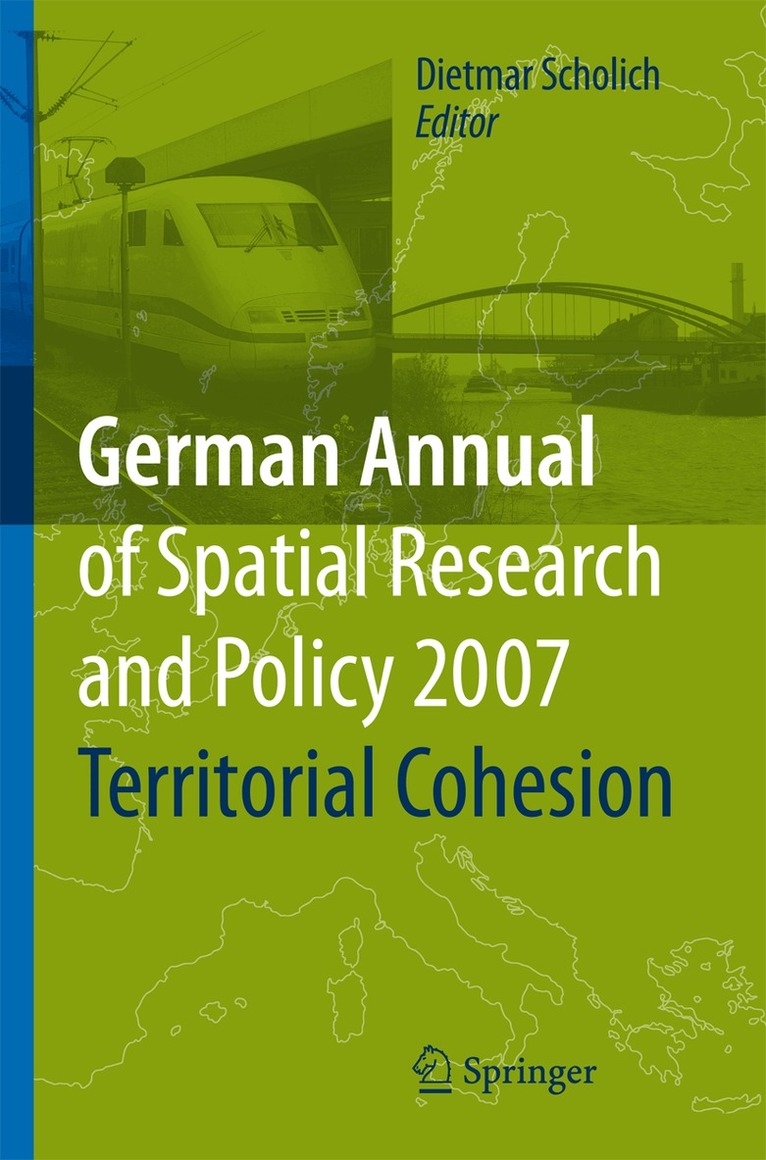
Preface–Introduction 1 Dietmar Scholich The various regions within the European Union are marked by a high degree of disparity with regard to economic performance and productivity, and with respect to their labour markets. The intention underlying the EU’s concept of ‘territorial cohesion’ is to reduce these differences and imbalances and, at the same time, to ensure more balanced spatial development throughout the EU. Territorial cohesion – for which the German language uses two slightly different terms, “territoriale Kohäsion” and “territorialer Zusammenhalt” – has to be seen as a general term encompassing a number of different components. In addition to redressing disparities and spatial imbalances, this concept aims to improve territorial integration and to promote co-operation among EU regions. In striving to bring about territorial cohesion, due account must be taken of the diversity of the European continent, and consideration should be given to the advantages and disadvantages each area exhibits. Among the special challenges to be faced are the concentration of population and economic activity in what has come to be known as the Pentagon, the process of EU enlargement, and the severe imbalances which exist between the major centres of population and other parts of the EU territory. Against this background, it was only right and proper that territorial cohesion should be included in the draft of the Treaty establishing a Constitution for Europe (Article I-3), which lists economic, social, and territorial cohesion as being among the Union’s objectives.
1 062 kr
Skickas inom 10-15 vardagar
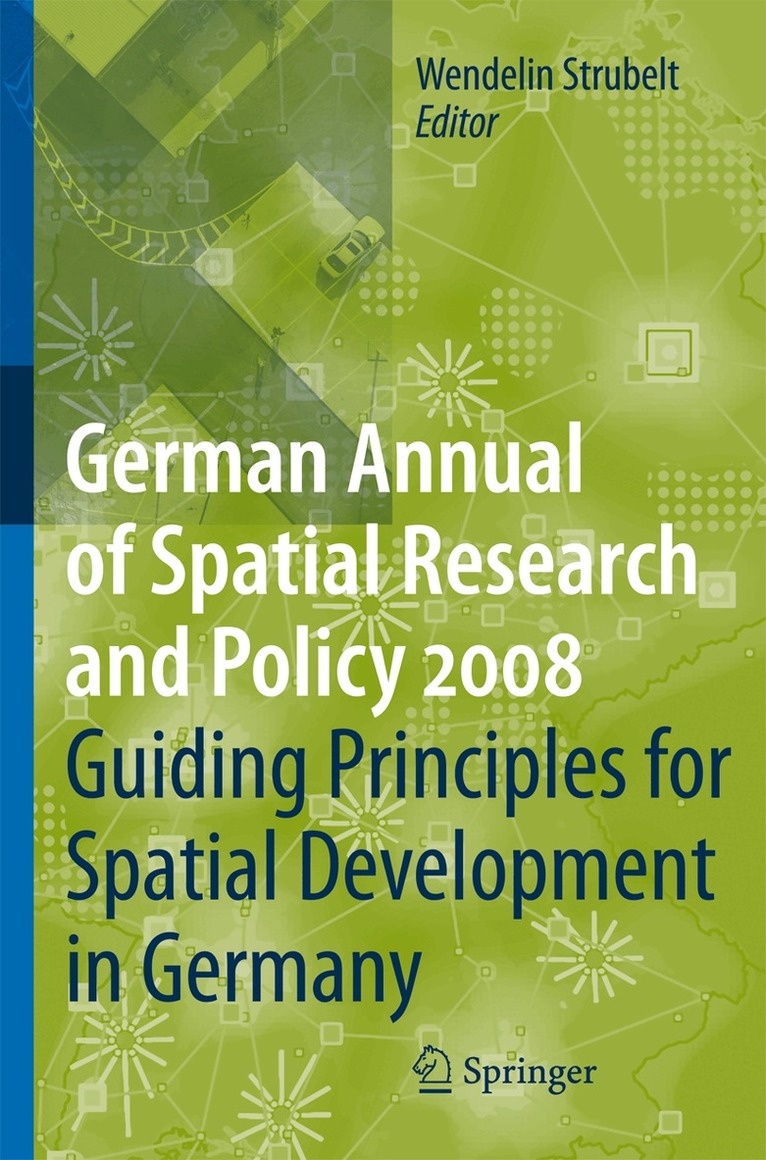
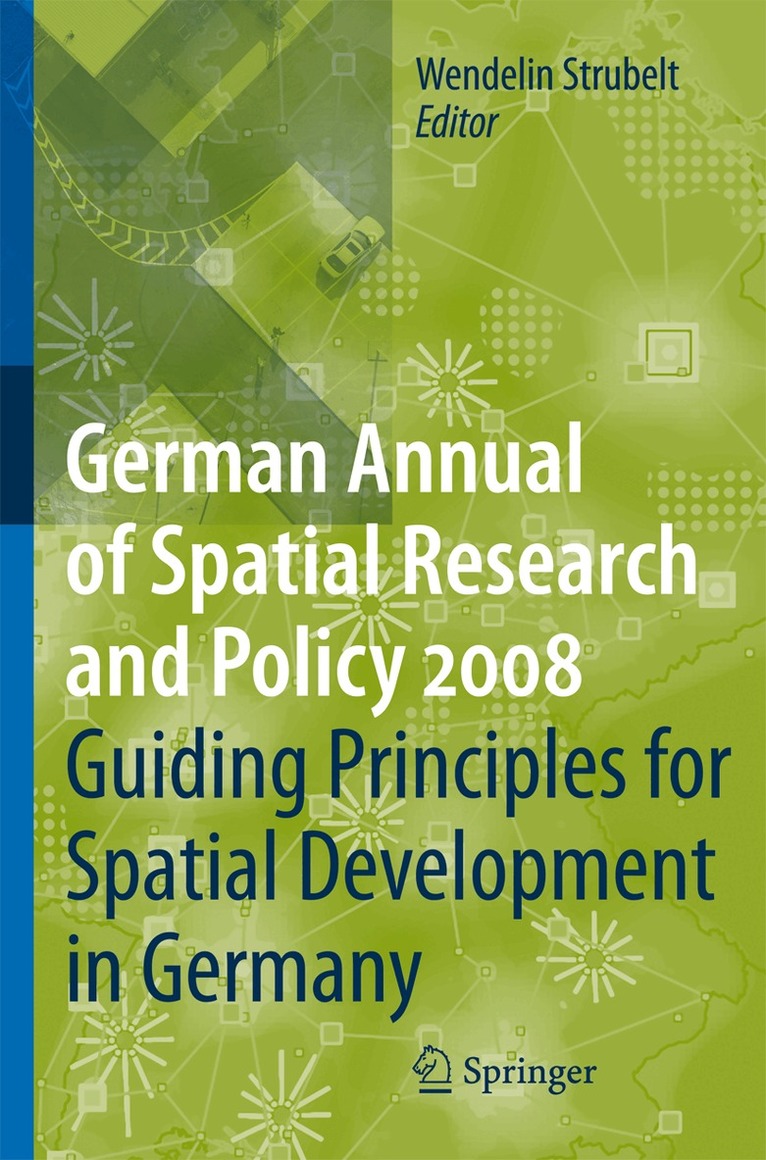
As an annual of the five leading German institutes working in the field of the analysis of spatial development and policies, this book will present discussions about the guiding principles for spatial development being a virulent new approach to the future development of Germany in spatial differentiation. The papers will discuss these guiding principles theoretically and empirically.
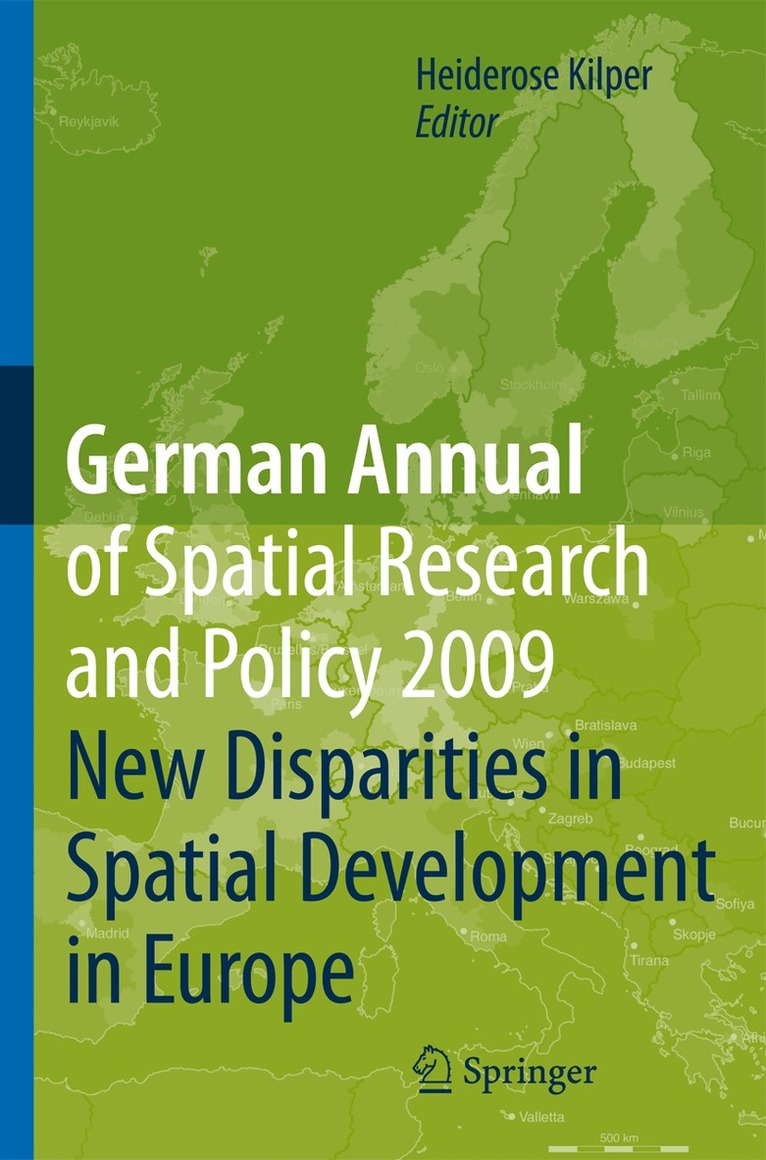
German Annual of Spatial Research and Policy 2009
New Disparities in Spatial Development in Europe
Inbunden, Engelska, 2009
1 589 kr
Skickas inom 10-15 vardagar
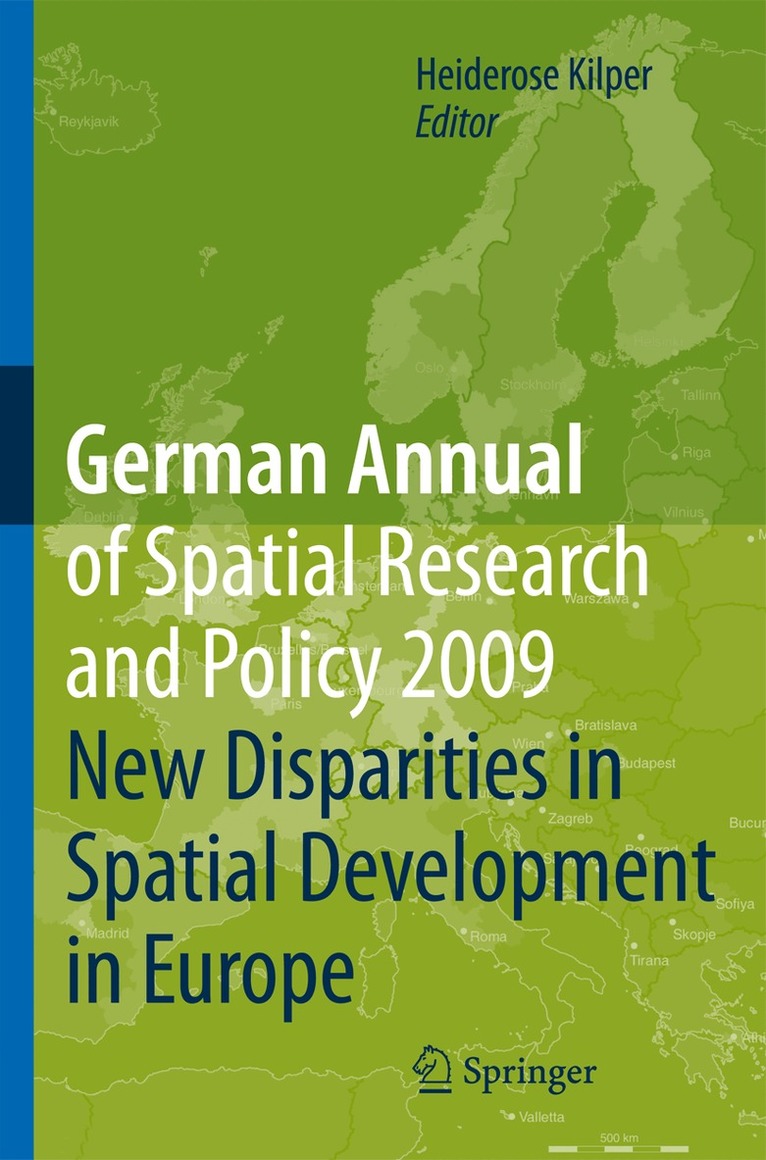
Preface – Introduction 1 Heiderose Kilper “New Disparities in Spatial Development in Europe” – several topics are included in both the title and theme of the German Annual of Spatial Research and Policy for the Year 2009. We are frst of all concerned with the concept of spatial disparities, which has its roots in national spatial planning and spatial development policy. Regional development as interregional equalisation policy, for example, is well-anchored in the German constitution through fundamental legal standards and the division of powers among the respective federal states. The “establishment of uniform living conditions within the federal territory” and “securing the uniformity of living conditions beyond the borders of any single federal state” (Section 72 Paragraph 2 of German Basic Law [GG]) are expressly specifed as aims of government action in the constitution of the Federal Republic of Germany. With the major reform of Germany’s fnancial system in 1969 and incorporation of the joint task “Improvement 1 of the Regional Economic Structure” in Section 91a of German Basic Law [GG] interventions on the part of the federal government and the wealthy federal states for the beneft of states and regions with less economic success were legitimised in constitutional terms as well. All of this would be inconceivable without the concept of spatial disparities.
1 589 kr
Skickas inom 10-15 vardagar
Preface – Introduction 1 Sebastian Lentz With “Restructuring Eastern Germany” ? ve spatial research institutes have - troduced the ? rst volume of the German Annual for Spatial Research and Policy. Four of these institutes belong to the Leibniz Association: The Academy for Spatial Research and Planning (ARL) in Hannover, the Leibniz Institute for Regional Geography (IfL) in Leipzig, the Leibniz Institute of Ecological and Regional Development (IÖR) in Dresden and the Leibniz Institute for Regional Development and Structural Planning (IRS) in Erkner, near Berlin. The ? fth institute is the Federal Of? ce for Building and Regional Planning (BBR) in Bonn, a large partner of great importance. These research institutes have founded this new scienti? c series with the goal of providing international colleagues with information on an annual basis concerning problems and research results within this current and socially relevant issue in Germany. The combined presentation of issues addressed in articles from these individual institutes is an example of how complementary the respective research approaches and abilities are. This kind of year-book therefore documents a network which has existed for several years between the institutes in the form of mutual information and trusting research cooperation. After the political union of both German states the structural equalisation of l- ing conditions was an enormous challenge for the entire German populace and for all of the functional systems within this new and larger country.
1 062 kr
Skickas inom 10-15 vardagar
Preface–Introduction 1 Dietmar Scholich The various regions within the European Union are marked by a high degree of disparity with regard to economic performance and productivity, and with respect to their labour markets. The intention underlying the EU’s concept of ‘territorial cohesion’ is to reduce these differences and imbalances and, at the same time, to ensure more balanced spatial development throughout the EU. Territorial cohesion – for which the German language uses two slightly different terms, “territoriale Kohäsion” and “territorialer Zusammenhalt” – has to be seen as a general term encompassing a number of different components. In addition to redressing disparities and spatial imbalances, this concept aims to improve territorial integration and to promote co-operation among EU regions. In striving to bring about territorial cohesion, due account must be taken of the diversity of the European continent, and consideration should be given to the advantages and disadvantages each area exhibits. Among the special challenges to be faced are the concentration of population and economic activity in what has come to be known as the Pentagon, the process of EU enlargement, and the severe imbalances which exist between the major centres of population and other parts of the EU territory. Against this background, it was only right and proper that territorial cohesion should be included in the draft of the Treaty establishing a Constitution for Europe (Article I-3), which lists economic, social, and territorial cohesion as being among the Union’s objectives.
1 062 kr
Skickas inom 10-15 vardagar
As an annual of the five leading German institutes working in the field of the analysis of spatial development and policies, this book will present discussions about the guiding principles for spatial development being a virulent new approach to the future development of Germany in spatial differentiation. The papers will discuss these guiding principles theoretically and empirically.
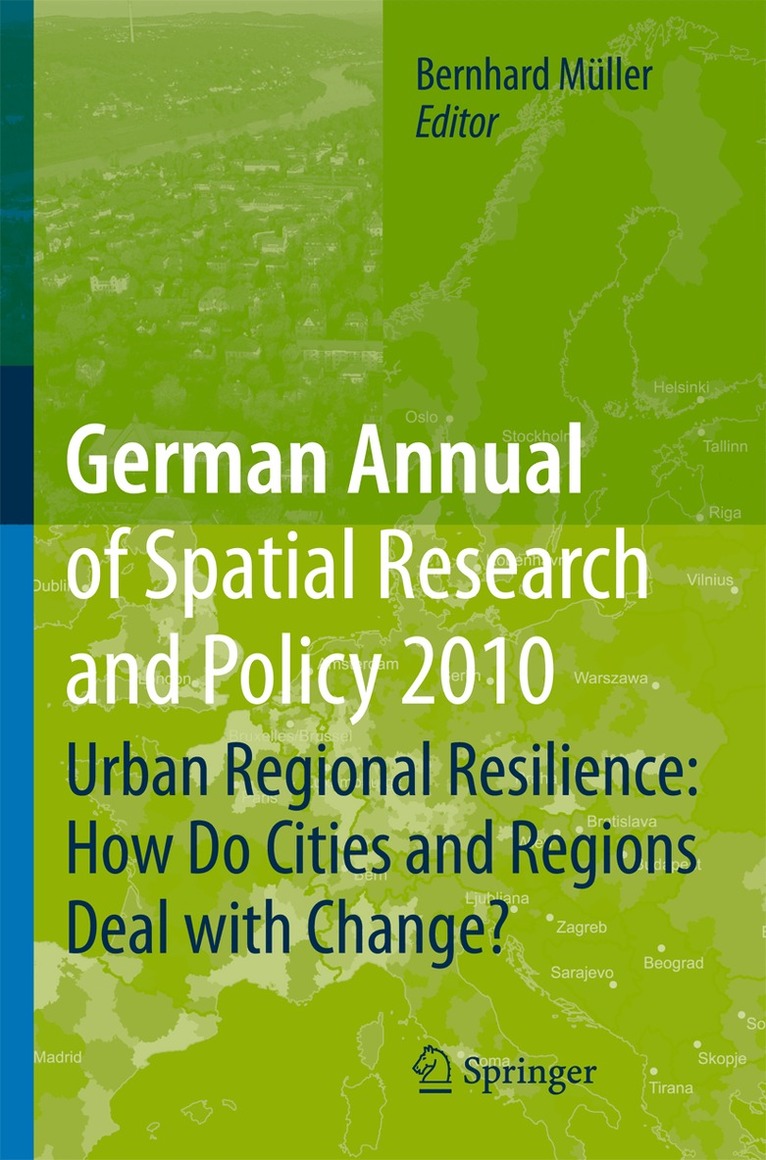
German Annual of Spatial Research and Policy 2010
Urban Regional Resilience: How Do Cities and Regions Deal with Change?
Inbunden, Engelska, 2010
1 589 kr
Skickas inom 10-15 vardagar
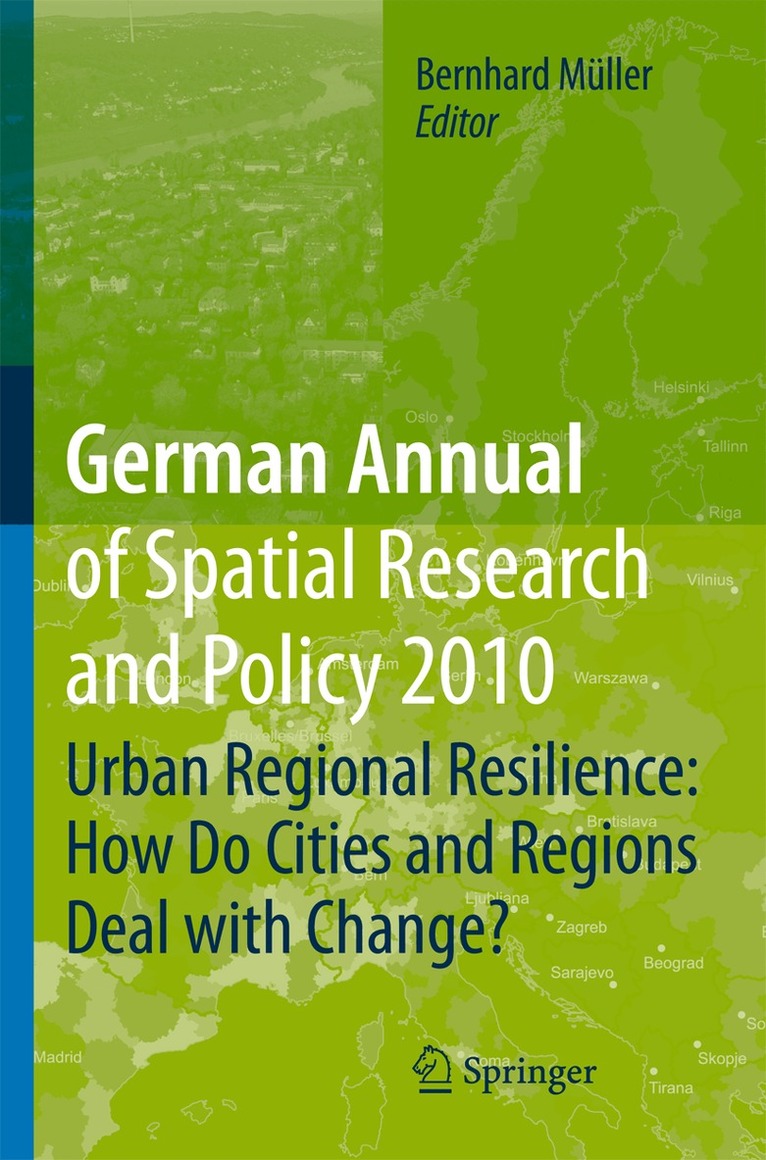
Resilience is increasingly becoming a catchword in current discussions about urban and regional development. While there has been a strong research focus on sustainability, there is a lack of understanding of the processes and factors that make cities and regions more vulnerable and others more resilient, for example, when dealing with climate change, demographic decline and ageing, as well as economic crises. The German Annual of Spatial Research and Policy 2010 sheds some light on this by discussing examples of how actors deal with change. On the one hand, concepts are described and analysed which are oriented towards increasing urban regional resilience, for example regarding energy consumption, climate change, and urban decline. Moreover, institutional aspects are discussed. On the other hand, barriers for using the concept of resilience in planning are described and suggestions are made about how to deal with these barriers in strategic planning.
German Annual of Spatial Research and Policy 2009
New Disparities in Spatial Development in Europe
Häftad, Engelska, 2012
1 589 kr
Skickas inom 10-15 vardagar
Preface – Introduction 1 Heiderose Kilper “New Disparities in Spatial Development in Europe” – several topics are included in both the title and theme of the German Annual of Spatial Research and Policy for the Year 2009. We are frst of all concerned with the concept of spatial disparities, which has its roots in national spatial planning and spatial development policy. Regional development as interregional equalisation policy, for example, is well-anchored in the German constitution through fundamental legal standards and the division of powers among the respective federal states. The “establishment of uniform living conditions within the federal territory” and “securing the uniformity of living conditions beyond the borders of any single federal state” (Section 72 Paragraph 2 of German Basic Law [GG]) are expressly specifed as aims of government action in the constitution of the Federal Republic of Germany. With the major reform of Germany’s fnancial system in 1969 and incorporation of the joint task “Improvement 1 of the Regional Economic Structure” in Section 91a of German Basic Law [GG] interventions on the part of the federal government and the wealthy federal states for the beneft of states and regions with less economic success were legitimised in constitutional terms as well. All of this would be inconceivable without the concept of spatial disparities.
German Annual of Spatial Research and Policy 2010
Urban Regional Resilience: How Do Cities and Regions Deal with Change?
Häftad, Engelska, 2013
1 589 kr
Skickas inom 10-15 vardagar
Resilience is increasingly becoming a catchword in current discussions about urban and regional development. While there has been a strong research focus on sustainability, there is a lack of understanding of the processes and factors that make cities and regions more vulnerable and others more resilient, for example, when dealing with climate change, demographic decline and ageing, as well as economic crises. The German Annual of Spatial Research and Policy 2010 sheds some light on this by discussing examples of how actors deal with change. On the one hand, concepts are described and analysed which are oriented towards increasing urban regional resilience, for example regarding energy consumption, climate change, and urban decline. Moreover, institutional aspects are discussed. On the other hand, barriers for using the concept of resilience in planning are described and suggestions are made about how to deal with these barriers in strategic planning.