Global Islamic Cultures - Böcker
Visar alla böcker i serien Global Islamic Cultures. Handla med fri frakt och snabb leverans.
6 produkter
6 produkter
2 113 kr
Skickas inom 10-15 vardagar
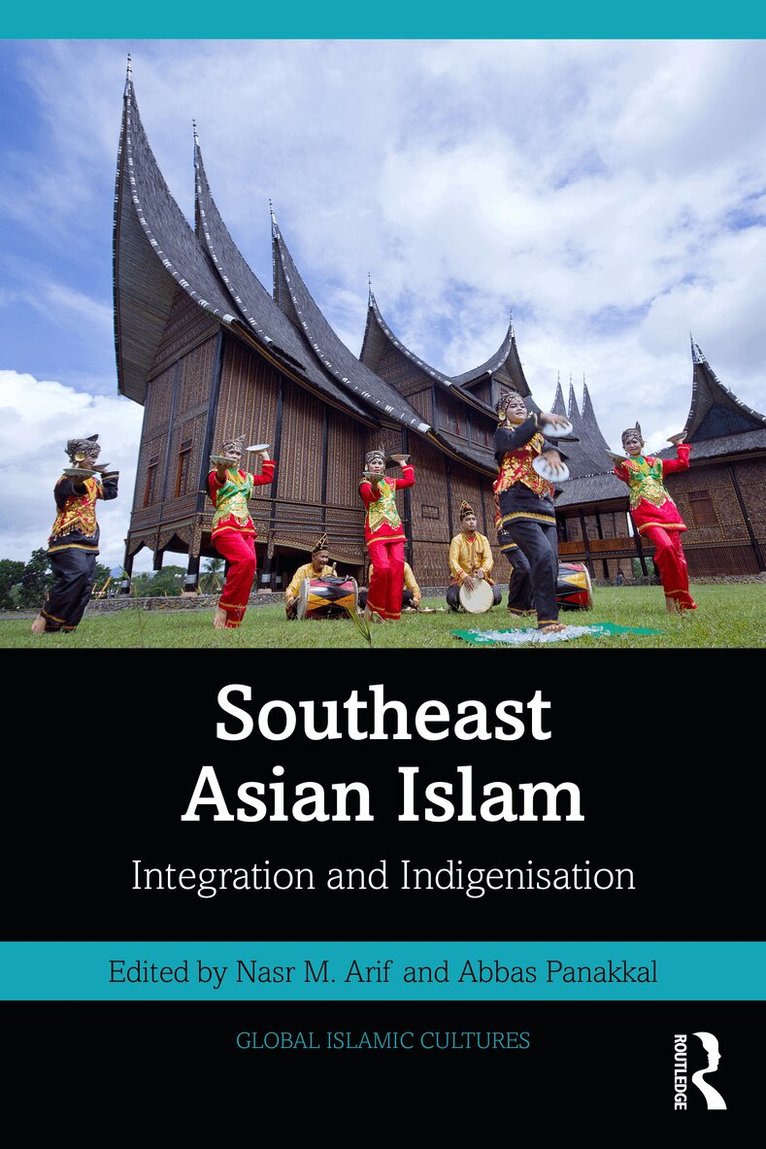
This book explores Muslim communities in Southeast Asia and the integration of Islamic culture with the diverse ethnic cultures of the region, offering a look at the practice of cultural and religious coexistence in various realms.The volume traces the origins and processes of adoption, transmission, and adaptation of Islam by diverse ethnic communities such as the Malay, Acehnese, Javanese, Sundanese, the Bugis, Batak, Betawi, and Madurese communities, among others. It examines the integration of Islam within local politics, cultural networks, law, rituals, education, art, and architecture, which engendered unique regional Muslim identities.Additionally, the book illuminates distinctive examples of cultural pluralism, cosmopolitanism, and syncretism that persisted in Islamic religious practices in the region owing to its maritime economy and reputation as a marketplace for goods, languages, cultures, and ideas.As part of the Global Islamic Cultures series that investigates integrated and indigenized Islam, this book will be of interest to students and researchers of theology and religion, Islamic studies, religious history, political Islam, cultural studies, and Southeast Asian studies. It also offers an engaging read for general audiences interested in world religions and cultures.
2 113 kr
Skickas inom 10-15 vardagar
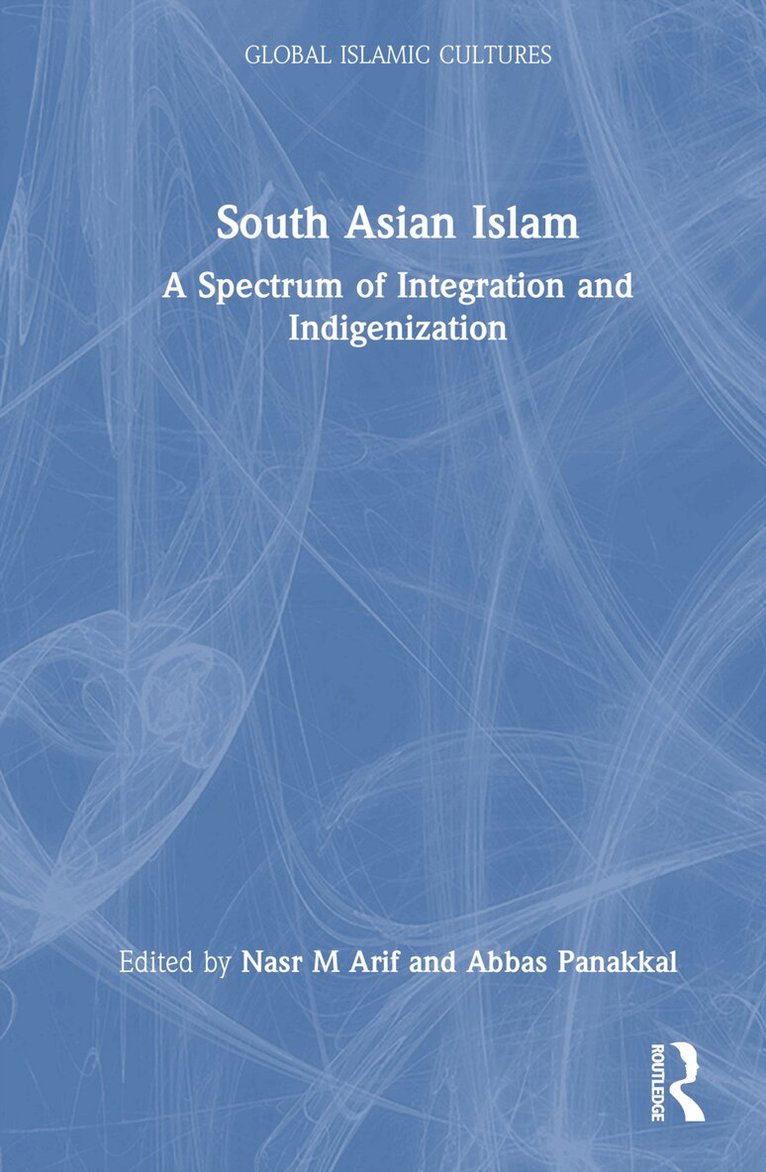
This volume explores the historical trajectory of the spread of Islam in South Asia and how the engagements of the past have played a crucial role in the making of the present outfits of South Asian Islam.Islam in South Asia has maintained a distinct role while imbibing cultural, social, ethnic, folk, and artistic networks of the subcontinent in diverse echelons. In an unequivocal analysis, this volume showcases the visible varieties of Islam from an array of regional cultural, ethnic, and vernacular groups. While many characteristics remain distinct in different provinces or regions of South Asia, similarities are palpable in etiquettes, customary laws, art, and architecture. More than regional differences, various ethnic groups from all poles of the Indian subcontinent have paved the way for the dissimilar landscapes of Islam, in tandem with differences in language, culture, and festivals. The case studies in this book exhibit forms of cultural pluralism in the communities, which have helped in building a cohesive community.Part of the ‘Global Islamic Cultures’ series that looks at integrated and indigenized Islam, this book will be of interest to students and researchers of religion, religious history, theology, study of Islamic law and politics, cultural studies, and South Asian Studies. It will also be useful to general readers who are interested in world religions and cultures.
632 kr
Skickas inom 10-15 vardagar
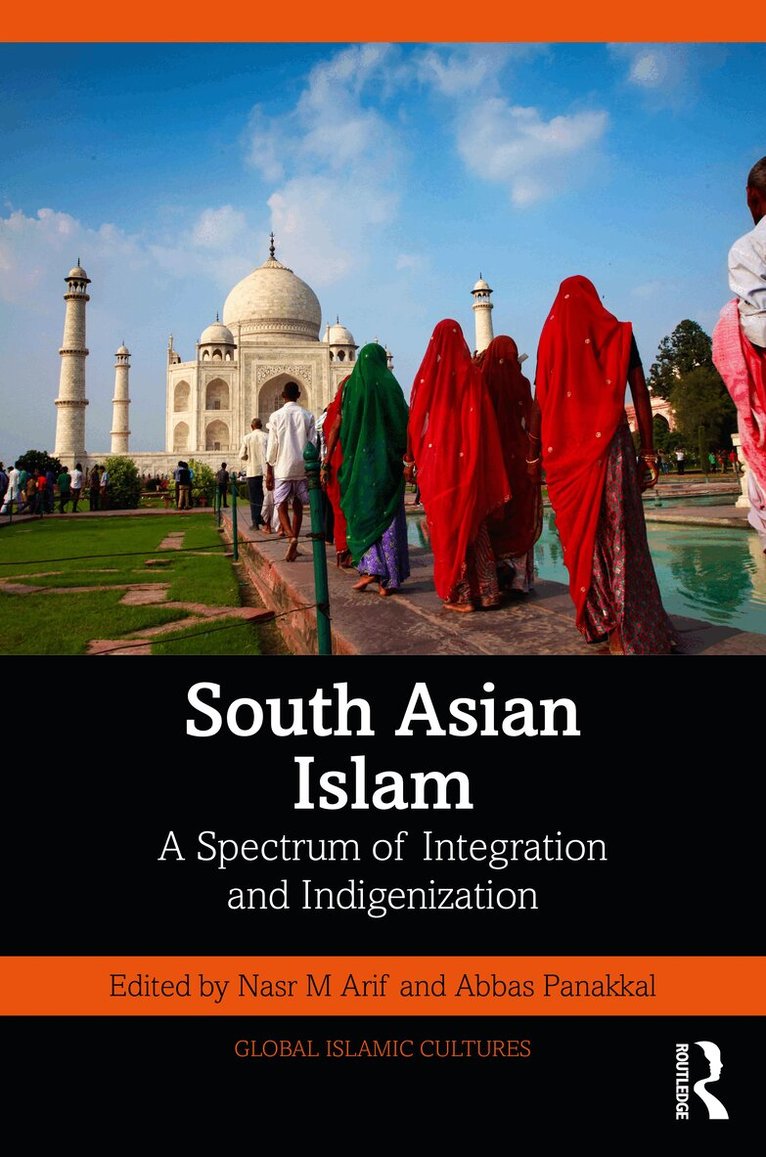
This volume explores the historical trajectory of the spread of Islam in South Asia and how the engagements of the past have played a crucial role in the making of the present outfits of South Asian Islam.Islam in South Asia has maintained a distinct role while imbibing cultural, social, ethnic, folk, and artistic networks of the subcontinent in diverse echelons. In an unequivocal analysis, this volume showcases the visible varieties of Islam from an array of regional cultural, ethnic, and vernacular groups. While many characteristics remain distinct in different provinces or regions of South Asia, similarities are palpable in etiquettes, customary laws, art, and architecture. More than regional differences, various ethnic groups from all poles of the Indian subcontinent have paved the way for the dissimilar landscapes of Islam, in tandem with differences in language, culture, and festivals. The case studies in this book exhibit forms of cultural pluralism in the communities, which have helped in building a cohesive community.Part of the ‘Global Islamic Cultures’ series that looks at integrated and indigenized Islam, this book will be of interest to students and researchers of religion, religious history, theology, study of Islamic law and politics, cultural studies, and South Asian Studies. It will also be useful to general readers who are interested in world religions and cultures.
2 113 kr
Skickas inom 10-15 vardagar
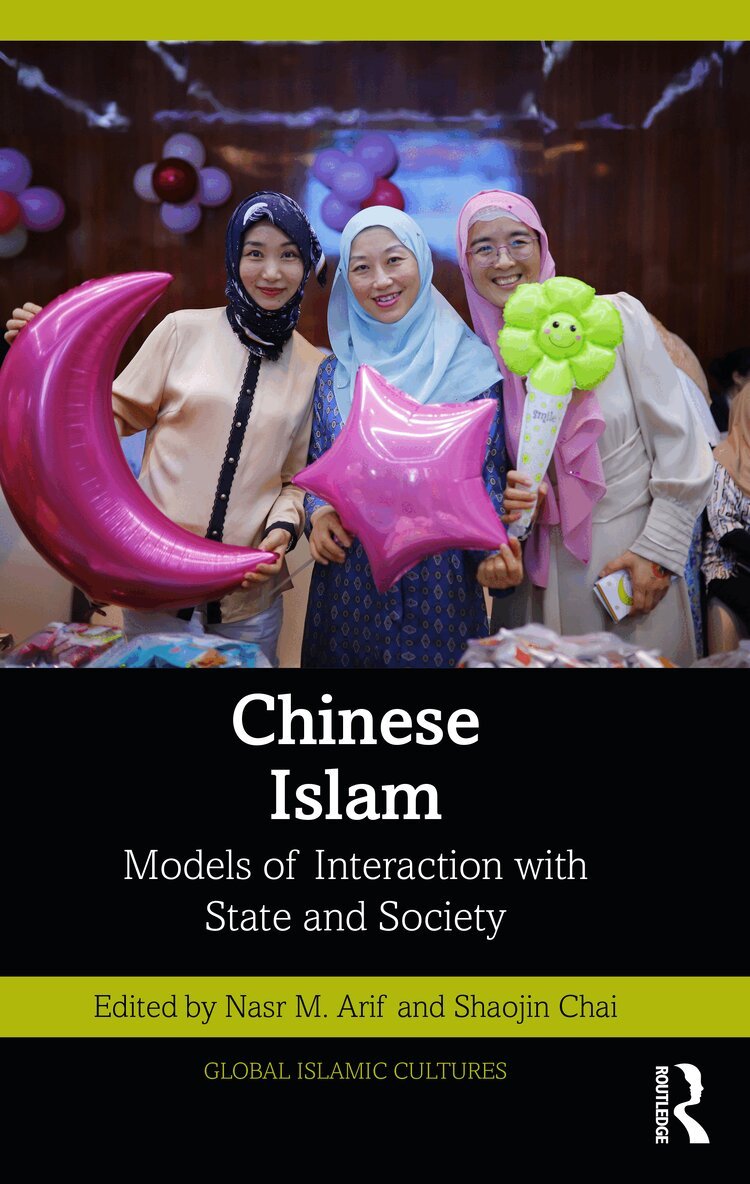
This book explores the fascinating and complex histories of Islam and China. Meticulously researched and captivating, it provides a comprehensive history of the encounters and relationship between these two great civilizations, as well as the unique development and indigenization of Islam within China.The work looks at the early interactions between Arab Muslim traders and the Tang dynasty in the seventh century, shedding light on the establishment of the first Muslim communities in China. The narrative then progresses through subsequent dynasties, examining the ebbs and flows of Muslim influence, integration, and indigenization. It looks at the emergence of the Hui and other Muslim ethnic groups, who play a central role in the story of Chinese Islam. By delving into their customs, beliefs, and distinctive practices, the authors unveil the intricate process of indigenization, where Islam becomes deeply rooted in Chinese culture and society. One of the unique features of this collection is the nuanced analysis of the impact of major political events, as well as gradual social changes, on the process of adoption and transmission of Islam in China. The authors also highlight the role of economic activities, Chinese Islamic scholars, and key architectural landmarks in this multifaceted history.Part of the Global Islamic Cultures series that looks at integrated and indigenized Islam, this book will be of interest to students and researchers of religion, Islamic studies, religious history, political Islam, cultural studies, Islamic law, and Asian studies. It will also be useful to readers who are interested in world religions, theology, and cultures.
578 kr
Skickas inom 10-15 vardagar
This book explores Muslim communities in Southeast Asia and the integration of Islamic culture with the diverse ethnic cultures of the region, offering a look at the practice of cultural and religious coexistence in various realms.The volume traces the origins and processes of adoption, transmission, and adaptation of Islam by diverse ethnic communities such as the Malay, Acehnese, Javanese, Sundanese, the Bugis, Batak, Betawi, and Madurese communities, among others. It examines the integration of Islam within local politics, cultural networks, law, rituals, education, art, and architecture, which engendered unique regional Muslim identities.Additionally, the book illuminates distinctive examples of cultural pluralism, cosmopolitanism, and syncretism that persisted in Islamic religious practices in the region owing to its maritime economy and reputation as a marketplace for goods, languages, cultures, and ideas.As part of the Global Islamic Cultures series that investigates integrated and indigenized Islam, this book will be of interest to students and researchers of theology and religion, Islamic studies, religious history, political Islam, cultural studies, and Southeast Asian studies. It also offers an engaging read for general audiences interested in world religions and cultures.
578 kr
Skickas inom 10-15 vardagar
This book explores the fascinating and complex histories of Islam and China. Meticulously researched and captivating, it provides a comprehensive history of the encounters and relationship between these two great civilizations, as well as the unique development and indigenization of Islam within China.The work looks at the early interactions between Arab Muslim traders and the Tang dynasty in the seventh century, shedding light on the establishment of the first Muslim communities in China. The narrative then progresses through subsequent dynasties, examining the ebbs and flows of Muslim influence, integration, and indigenization. It looks at the emergence of the Hui and other Muslim ethnic groups, who play a central role in the story of Chinese Islam. By delving into their customs, beliefs, and distinctive practices, the authors unveil the intricate process of indigenization, where Islam becomes deeply rooted in Chinese culture and society. One of the unique features of this collection is the nuanced analysis of the impact of major political events, as well as gradual social changes, on the process of adoption and transmission of Islam in China. The authors also highlight the role of economic activities, Chinese Islamic scholars, and key architectural landmarks in this multifaceted history.Part of the Global Islamic Cultures series that looks at integrated and indigenized Islam, this book will be of interest to students and researchers of religion, Islamic studies, religious history, political Islam, cultural studies, Islamic law, and Asian studies. It will also be useful to readers who are interested in world religions, theology, and cultures.