Greenwood Guides to Business and Economics – serie
Visar alla böcker i serien Greenwood Guides to Business and Economics. Handla med fri frakt och snabb leverans.
11 produkter
11 produkter
695 kr
Skickas inom 10-15 vardagar
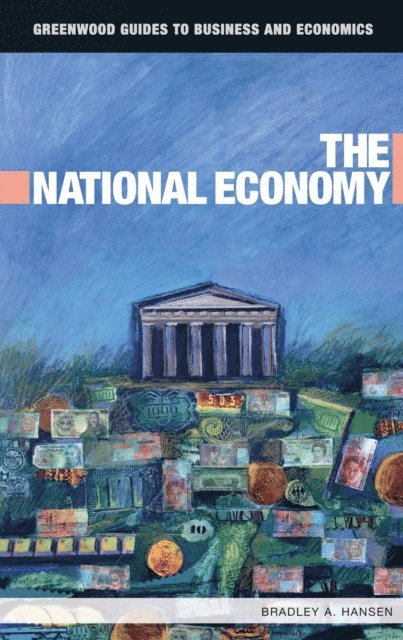
From the impact of rising gas prices to debates over free trade agreements, the workings of the economy remain a mystery to most, even as the demands on our economic resources increase. This volume presents a basic introduction to the national economy—how it works and how various political and business decisions affect it. Chapters one through four explain the concept of Gross Domestic Product, with an emphasis on supply and demand, long-term growth, and short-term fluctuations, resulting from such factors as interest rates and inflation. Chapters five through eight highlight the four basic sectors of the economy—businesses, households, the government, and the international arena—and how they interact. The national economy is the engine of growth for any country—whether it is a superpower with global reach or a small nation struggling to emerge from poverty. Every citizen is a participant in the economy, as they work to create income for their families, pay taxes, spend their earnings of products and services, or draw from government programs, such as welfare or Social Security. And yet the workings of the economy remain a mystery to most, even as the demands on our economic resources increase.Featuring graphs and charts, a glossary and timeline, examples drawn from the popular press, and sources of current data and information, The National Economy will provide readers with the tools to understand and interpret economic events, conditions, policies, and issues.
695 kr
Skickas inom 10-15 vardagar
Today's culture is increasingly influenced—even dominated—by business; The Corporation provides readers with a basic understanding of how a corporation works and how it contributes to the wealth of its shareholders, employees, communities, and nations in which it is active. Part I addresses how and why the corporation developed historically (in legal, political, economic, and social context) and how it become the most dominant business form in the U.S. Part II covers the laws and regulations that influence the corporation's daily operations and compares it with other business entities (such as partnerships) in the U.S. and around the world. Part III explores issues related to ethical conduct and accountability, and considers the future of the corporation in an era of economic anxiety. Featuring many company examples, illustrations, charts, a glossary, timeline, and listings of resources and references, The Corporation is an essential introduction to business and its role in society.Today's culture is increasingly influenced—even dominated—by business, and the corporation is the quintessential enterprise, representing everything that is popularly considered both good and evil about business. The Corporation provides readers with a basic understanding of how a corporation works, generating wealth for its shareholders, employees, communities, and the nations in which it is active.The first part addresses the importance of the corporation in the United States—how and why this business form developed historically (in legal, political, economic, and social context), how it became the country's most dominant business form, and its vital role in the economy today, including its contributions to Gross Domestic Product and employment. The next section focuses on the nature of a corporation as a business entity, including the process of incorporating, laws and regulations that influence its daily operations, and a comparison with other business entities (such as partnerships) in the U.S. and around the world. The final chapters explore issues related to ethical conduct and accountability—governance, auditing and financial reporting, business-government relations, social responsibility, and compensation of directors and executives—and considers the future of the corporation in an era of economic anxiety. Featuring many company examples, illustrations, charts, a glossary, timeline, and listings of resources and references, The Corporation is an essential introduction to business and its role in society.
764 kr
Skickas inom 10-15 vardagar
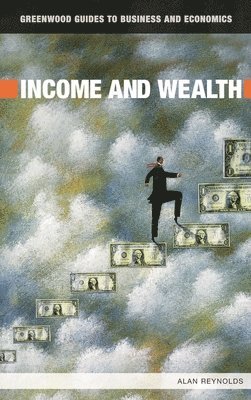
Why some people are rich and others poor can be explained in a number of ways. Income and Wealth focuses on who gets what and why. It explains the dynamics of income generation, how it is measured, and how such dramatic disparities in distribution come about. The book first defines various characteristics of income, with an emphasis on the gap between the rich and the poor, and reviews several theories to explain the disparities. Subsequent chapters discuss such timely topics as the vanishing middle class and the sky-high salaries of CEOs, Hollywood stars, and athletes. The final chapters consider the implications of policies, such as the minimum wage, taxes, immigration, and trade quotas, and expand the discussion to consider international comparisons. Featuring graphs and charts, a glossary of key terms, and a listing of references and resources, Income and Wealth explains the intricate, and often controversial, effects of economic policies on individuals, families, and communities. Moreover, it shows how the numbers can be manipulated by policymakers, pundits, journalists, and academics to promote various agendas—and shows readers how to recognize hyberbole and make better-informed decisions.
695 kr
Skickas inom 10-15 vardagar
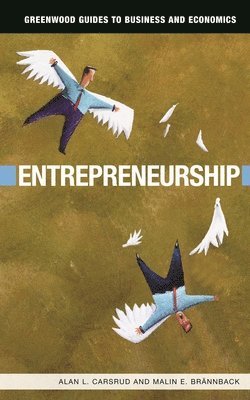
Are entrepreneurs born or made? How do they recognize opportunity? How do they address the risks associated with designing, launching, and sustaining a new venture? There are many steps between having an idea and going public—this book explores the entrepreneurial process through all of its stages, a process in which some half a billion people are engaged worldwide every year. Illustrated through numerous real-life examples, the book is a map of the entrepreneurial journey, exploring the wide variety of opportunities open to the entrepreneur and how to build upon them, including an overview of such essential principles as screening, market research, product development, financing, and marketing and sales strategies. It also covers legal issues, intellectual property protection, motivating employees, managing boards and investors, use of technology, and the international environment. Featuring examples of business plans and presentations, exercises and checklists, and a glossary of key terms, this volume provides a solid overview and introduction to the process of business creation that will appeal to students and educators, general readers, and budding entrepreneurs.Nearly everyone recognizes iconic companies like Microsoft, Dell, and Ford. But what do we really know about the entrepreneurs (Bill Gates, Michael Dell, and Henry Ford, respectively) who founded these firms or the factors that influenced the birth and development of these corporate giants? How do entrepreneurs identify opportunity and how do they address the personal, social, and financial risks associated with designing, launching, and sustaining a new venture? There are many steps between having an idea and going public—this book explores the entrepreneurial process through all of its stages, a process in which some half a billion people are engaged worldwide every year.Illustrated through numerous real-life examples, the book is a map of the entrepreneurial journey, exploring the wide variety of opportunities open to the entrepreneur and how to build upon them, including an overview of such essential principles as screening, market research, product development, financing, and marketing and sales strategies. It also covers legal issues, intellectual property protection, motivating employees, managing boards and investors, use of technology, and the international environment. Featuring examples of business plans and presentations, exercises and checklists, and a glossary of key terms, this volume provides a solid introduction to the process of business creation that will appeal to students and educators, general readers, and budding entrepreneurs.
764 kr
Skickas inom 10-15 vardagar
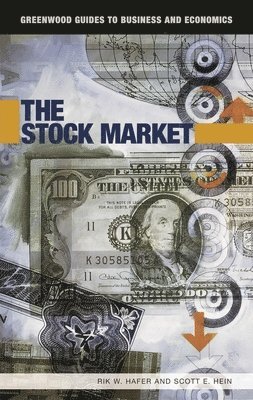
The stock market—the virtual place where corporations raise capital—has come to symbolize business more profoundly than any other entity or institution. This book provides a glimpse into the history, development, regulation, and increasing importance that the stock market plays in business and economic growth, as well as the investment strategies of individuals—in the U.S. and around the world, including Europe, Japan, Hong Kong, and emerging markets in the developing world that are rapidly integrating into the global economy.To explore the roles and workings of the stock market, the authors trace its evolution from its origins on Wall Street in the 1700s to the present, and examine the varied ways in which it is used to generate economic value. From initial public offerings (IPOs) to hedge funds to American Depository Receipts (ADRs) to options and more, the authors go beyond basic stocks and bonds to highlight the development and current applications of a wide variety of financial instruments that are used to raise capital. Featuring examples, graphics, illustrations, glossary, index, and references and on-line resources, this volume offers an accessible and engaging introduction to the world of investment and corporate finance, while illuminating one of the icons of capitalism.
764 kr
Skickas inom 10-15 vardagar
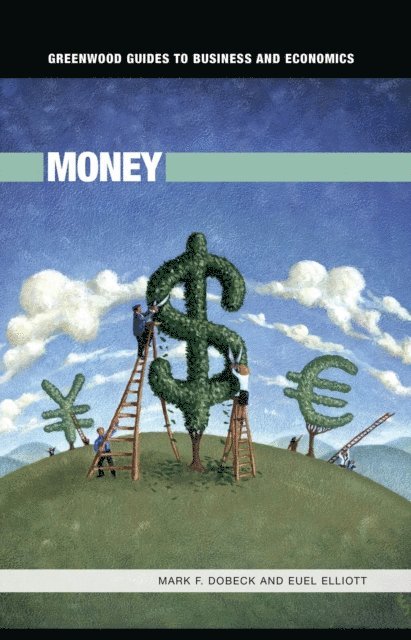
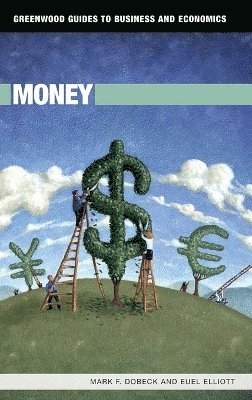
Money makes the world go around. From the earliest bartering systems to today's sophisticated electronic transfers of billions of dollars in a split second, systems of exchange have conferred value upon goods and services and created the economic glue that binds individuals, businesses, communities, and nations together. In this volume, the authors present a colorful history of money in its economic, political, socio-cultural, and even pscyhological context. The first section focuses on banks and financial institutions. The second part covers the role of currency in national sovereignty; the impact of technology; debt, credit, and equity; and money markets. The final chapters explore emerging issues, such as risk management, and emerging forms of money and investment in the electronic age. Featuring a glossary and timeline, charts and graphs, index and references, Money is an engaging introduction to this vital component of the economy.
675 kr
Skickas inom 10-15 vardagar
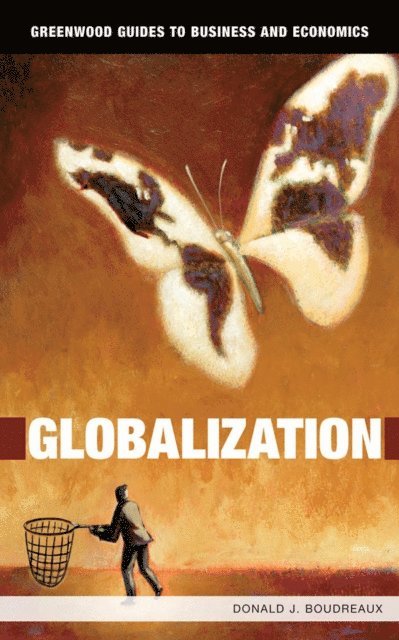
The contemporary era of globalization demonstrates that the local and global aspects of business and government are increasingly intertwined. This volume defines and makes sense of the workings of the global economy—and how it influences businesses and individuals. Each chapter identifies common questions and issues that have gained exposure in the popular media—such as outsourcing, the high cost of international travel, and the impact of a fast-growing China—to illustrate underlying drivers and mechanisms at work. Covering international trade, national wealth disparities (the haves vs. the have-nots), foreign investment, and geographical and cultural issues, and supported with illustrations, maps, charts, a glossary and timeline of key events,Globalization illuminates the dynamics of the global economy and informs readers of its profound impact on our daily lives.
675 kr
Skickas inom 10-15 vardagar
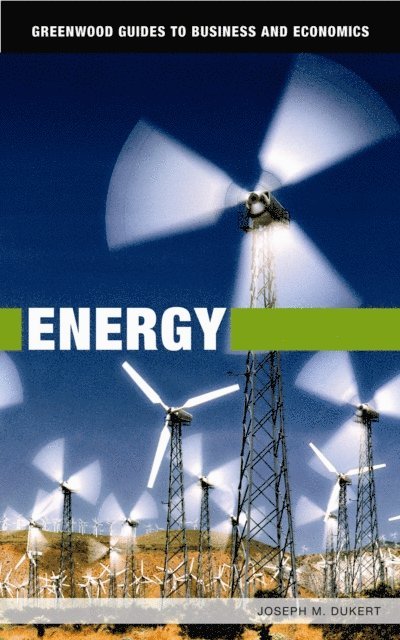
Energy: We want it affordable, we want it available in ample quantities and from reliable sources, and we want it to be produced and used in ways that are safe and environmentally benign. In other words, we want plenty of energy too cheap to meter and with no impact on the environment. Ha! With a refreshing lack of bias, this book dissects all major sources of energy, from oil and coal to renewables like solar and wind power. In an easy, understandable style, energy expert Joseph Dukert explains how each fits into the overall global energy mix that powers everything from automobiles and appliances to assembly lines and space stations.As Dukert details, all energy sources have pluses and minuses. Those who champion any single energy source (or even energy efficiency by itself) as the sole answer to our energy problems are off track, he argues, as are the cynics who condemn one source or another or pooh-pooh the threat of global warming. In short, we need every significant source of energy we have today, while also making greater efforts to improve the efficiency of energy production and energy consumption. Dukert also explores the choices made by individuals, businesses, and society as each group juggles conflicting, interconnected factors: affordability, reliability, adequacy of supply, environmental concerns, and time. In explaining why there's no magic bullet solution to the energy crisis, the author blends simple technical descriptions, economics, and real-world politics. Besides providing a cogent overview of a huge—and hugely important—industry, this short, comprehensive volume helps readers decide for themselves which choices are in their best interest. As Dukert suggests, energy independence is probably not a realistic goal for any country, but the search for a dynamic, practical energy balance can nonetheless result in a wiser national energy policy.
675 kr
Skickas inom 10-15 vardagar
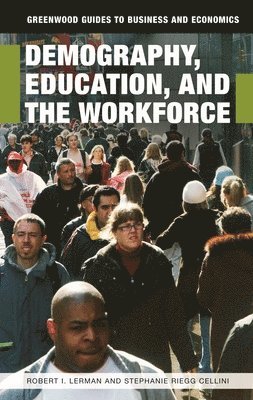
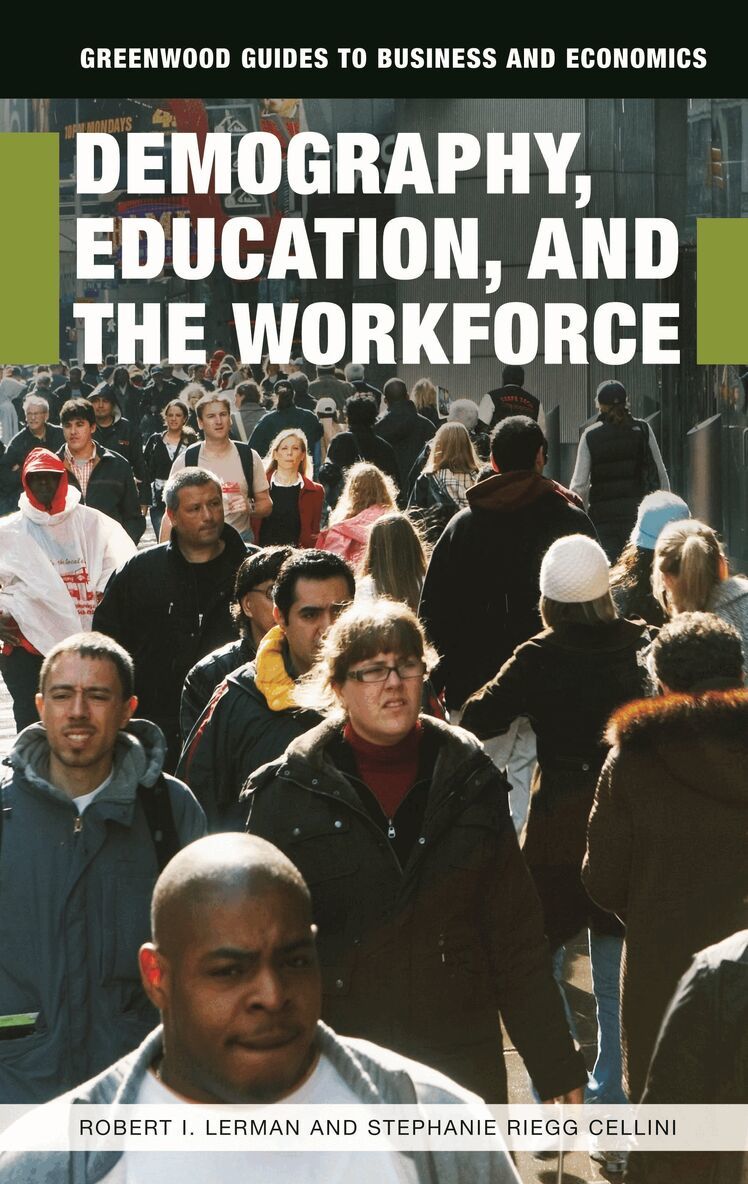
Leading experts demystify demographics and show how population changes affect everything from government policy to business opportunities to educational standards.Demographics, as Peter Drucker famously pointed out, is one of the seven sources of entrepreneurial opportunity. Why are demographics so important? Consider the quality and quantity of the U.S. labor force. Birth rates largely determine the size of the future workforce, and the numbers of younger and older people affect public spending on education. What's more, patterns in marriage and child-bearing affect the labor force, and migration and immigration alter the mix of job skills, languages, and cultures in the U.S. workforce. While business and government must react to these trends, they can also shape them. Immigration, education, welfare, and tax policies influence births, family composition, and the locations of people and businesses. In private markets, demography interacts with income levels to affect the mix of goods purchased, the types of workers in demand, and the range of new business opportunities available. Demography is a key item in every business or policy planner's toolbox. Demography, Education, and the Workforce shows how to use its principles to advantage.15 illustrations
742 kr
Skickas inom 10-15 vardagar
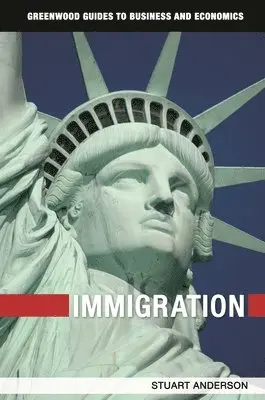
Immigration is a comprehensive and practical guide to the history, economics, and contributions of immigrants, written by a former key policymaker who is now a leading researcher in the field.Immigration is a comprehensive examination of U.S. immigration policies and their impact on the nation, combining a historical overview and a guide to how immigration works in practice. In this one-volume compendium on the history, politics, culture, and contributions of immigrants to the United States, the author uses his experience in key immigration policy posts to provide an insider's perspective on a broad array of immigration-related issues.Offering a detached, unbiased analysis of the economic, fiscal, and other impacts of current immigration policies, he recommends reforms and policy solutions for the thorniest immigration issues, such as illegal immigration. But the book does not ignore the fact that immigration has always enriched and strengthened our nation. Along with policy considerations, it also encompasses enlightening profiles detailing the many contributions of individual immigrants in such diverse areas as science, sports, the military, and business.
394 kr
Skickas inom 10-15 vardagar
Leading experts demystify demographics and show how population changes affect everything from government policy to business opportunities to educational standards.Demographics, as Peter Drucker famously pointed out, is one of the seven sources of entrepreneurial opportunity. Why are demographics so important? Consider the quality and quantity of the U.S. labor force. Birth rates largely determine the size of the future workforce, and the numbers of younger and older people affect public spending on education. What's more, patterns in marriage and child-bearing affect the labor force, and migration and immigration alter the mix of job skills, languages, and cultures in the U.S. workforce. While business and government must react to these trends, they can also shape them. Immigration, education, welfare, and tax policies influence births, family composition, and the locations of people and businesses. In private markets, demography interacts with income levels to affect the mix of goods purchased, the types of workers in demand, and the range of new business opportunities available. Demography is a key item in every business or policy planner's toolbox. Demography, Education, and the Workforce shows how to use its principles to advantage.