Culture, Labor, History – serie
Visar alla böcker i serien Culture, Labor, History. Handla med fri frakt och snabb leverans.
21 produkter
21 produkter
Häftad, Engelska, 2013
385 kr
Skickas inom 5-8 vardagar
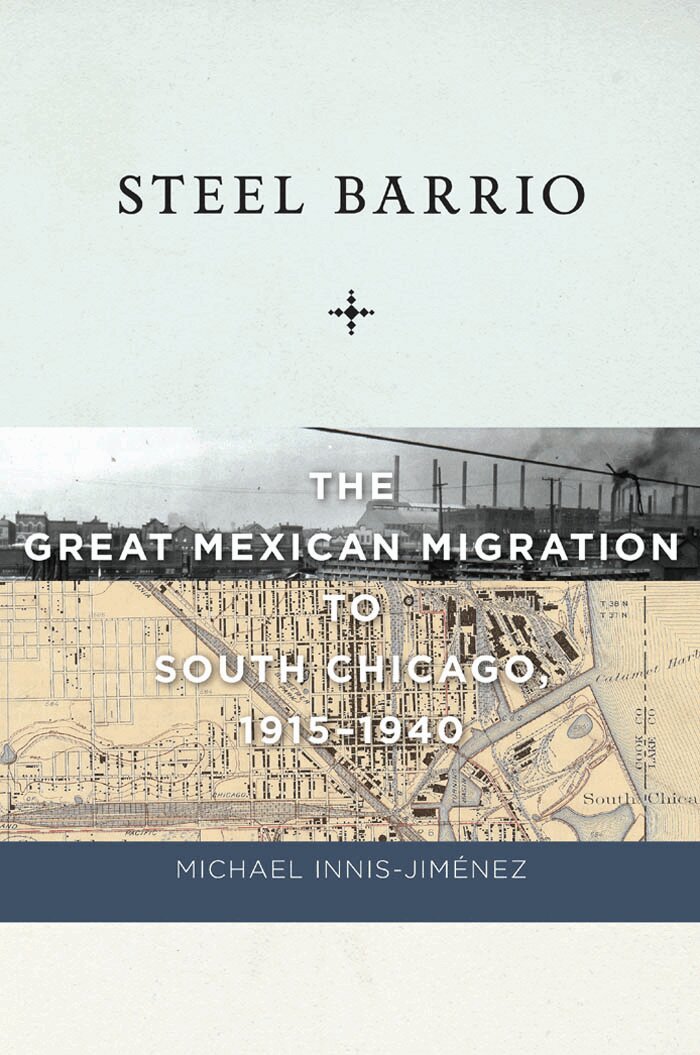
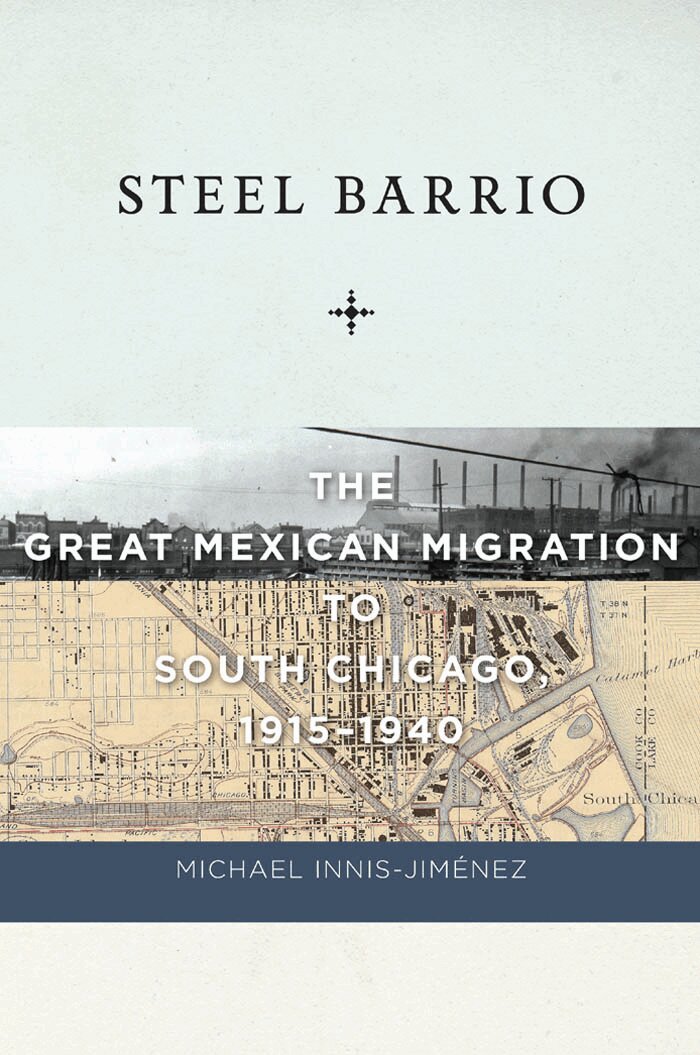
Since the early twentieth century, thousands of Mexican Americans have lived, worked, and formed communities in Chicago's steel mill neighborhoods. Drawing on individual stories and oral histories, Michael Innis-Jiménez tells the story of a vibrant, active community that continues to play a central role in American politics and society. Examining how the fortunes of Mexicans in South Chicago were linked to the environment they helped to build, Steel Barrio offers new insights into how and why Mexican Americans created community. This book investigates the years between the World Wars, the period that witnessed the first, massive influx of Mexicans into Chicago. South Chicago Mexicans lived in a neighborhood whose literal and figurative boundaries were defined by steel mills, which dominated economic life for Mexican immigrants. Yet while the mills provided jobs for Mexican men, they were neither the center of community life nor the source of collective identity. Steel Barrio argues that the Mexican immigrant and Mexican American men and women who came to South Chicago created physical and imagined community not only to defend against the ever-present social, political, and economic harassment and discrimination, but to grow in a foreign, polluted environment. Steel Barrio reconstructs the everyday strategies the working-class Mexican American community adopted to survive in areas from labor to sports to activism. This book links a particular community in South Chicago to broader issues in twentieth-century U.S. history, including race and labor, urban immigration, and the segregation of cities.
Inbunden, Engelska, 2010
1 015 kr
Skickas inom 10-15 vardagar
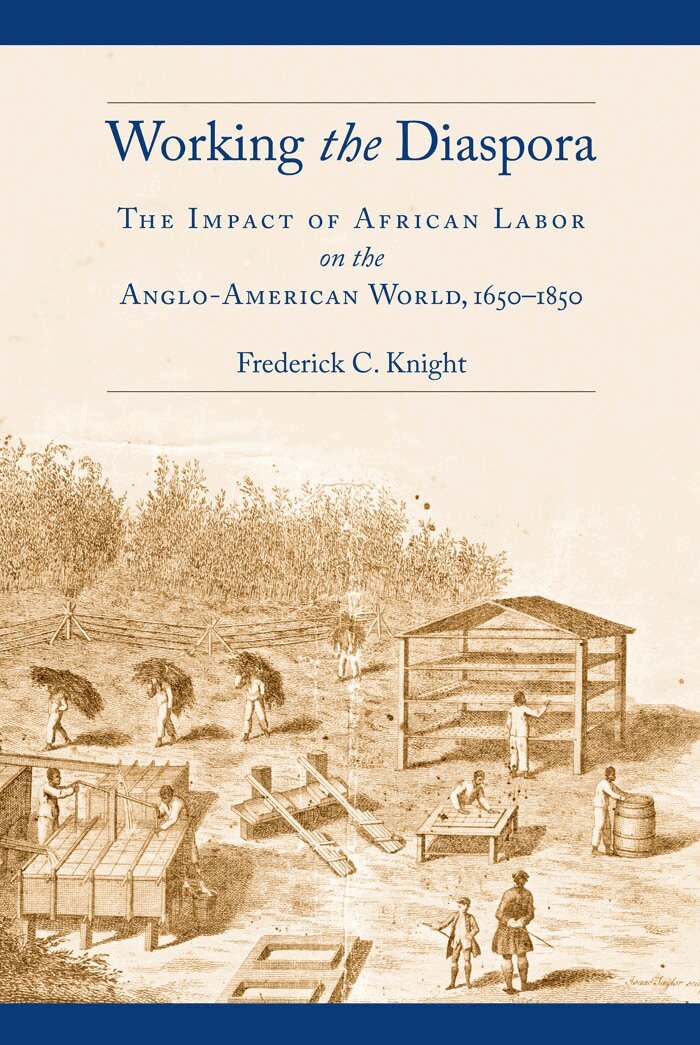
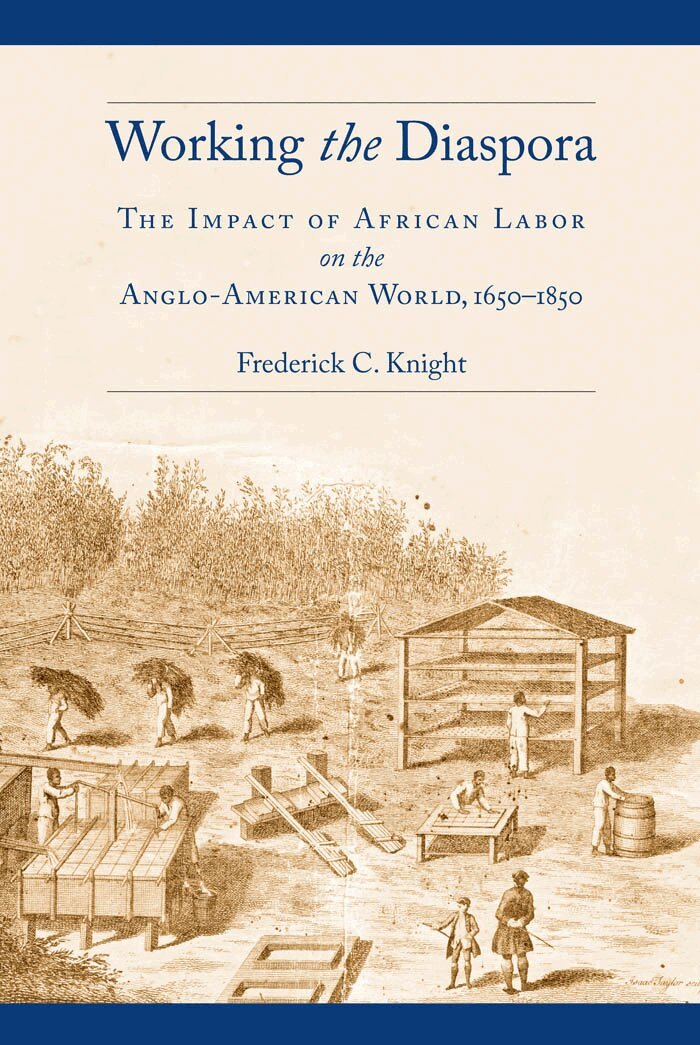
From the sixteenth to early-nineteenth century, four times more Africans than Europeans crossed the Atlantic Ocean to the Americas. While this forced migration stripped slaves of their liberty, it failed to destroy many of their cultural practices, which came with Africans to the New World. In Working the Diaspora, Frederick Knight examines work cultures on both sides of the Atlantic, from West and West Central Africa to British North America and the Caribbean.Knight demonstrates that the knowledge that Africans carried across the Atlantic shaped Anglo-American agricultural development and made particularly important contributions to cotton, indigo, tobacco, and staple food cultivation. The book also compellingly argues that the work experience of slaves shaped their views of the natural world. Broad in scope, clearly written, and at the center of current scholarly debates, Working the Diaspora challenges readers to alter their conceptual frameworks about Africans by looking at them as workers who, through the course of the Atlantic slave trade and plantation labor, shaped the development of the Americas in significant ways.
Inbunden, Engelska, 2017
1 065 kr
Skickas inom 10-15 vardagar
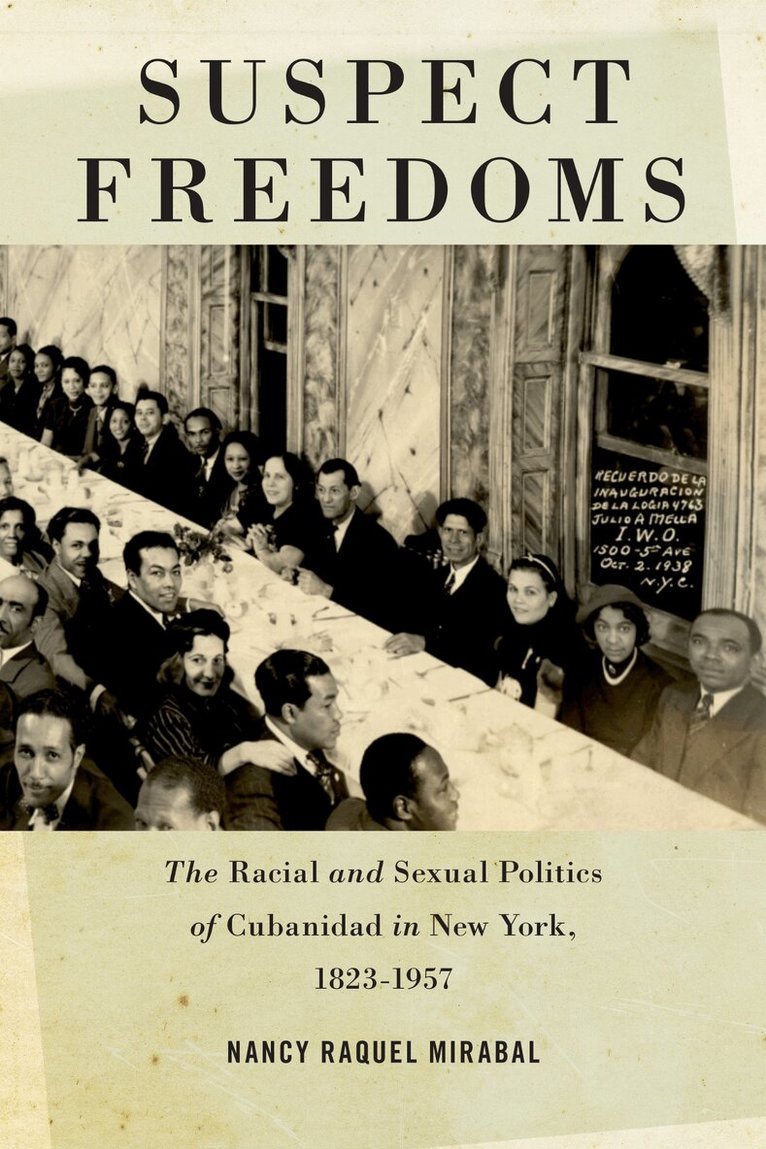
Beginning in the early nineteenth century, Cubans migrated to New York City to organize and protest against Spanish colonial rule. While revolutionary wars raged in Cuba, expatriates envisioned, dissected, and redefined meanings of independence and nationhood. An underlying element was the concept of Cubanidad, a shared sense of what it meant to be Cuban. Deeply influenced by discussions of slavery, freedom, masculinity, and United States imperialism, the question of what and who constituted "being Cuban" remained in flux and often, suspect. The first book to explore Cuban racial and sexual politics in New York during the nineteenth and twentieth centuries, Suspect Freedoms chronicles the largely unexamined and often forgotten history of more than a hundred years of Cuban exile, migration, diaspora, and community formation. Nancy Raquel Mirabal delves into the rich cache of primary sources, archival documents, literary texts, club records, newspapers, photographs, and oral histories to write what Michel Rolph Trouillot has termed an "unthinkable history." Situating this pivotal era within larger theoretical discussions of potential, future, visibility, and belonging, Mirabal shows how these transformations complicated meanings of territoriality, gender, race, power, and labor. She argues that slavery, nation, and the fear that Cuba would become "another Haiti" were critical in the making of early diasporic Cubanidades, and documents how, by the late nineteenth and early twentieth centuries, Afro-Cubans were authors of their own experiences; organizing movements, publishing texts, and establishing important political, revolutionary, and social clubs. Meticulously documented and deftly crafted, Suspect Freedoms unravels a nuanced and vital history.
Häftad, Engelska, 2017
363 kr
Skickas inom 5-8 vardagar
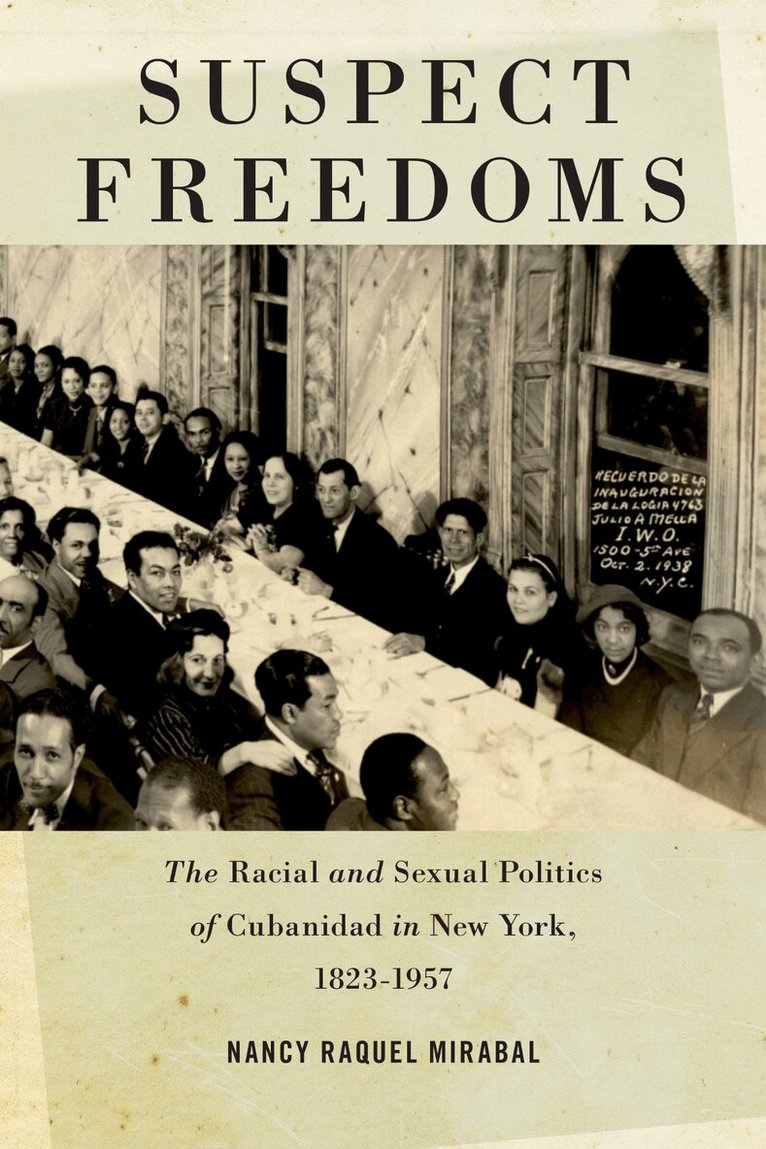
Beginning in the early nineteenth century, Cubans migrated to New York City to organize and protest against Spanish colonial rule. While revolutionary wars raged in Cuba, expatriates envisioned, dissected, and redefined meanings of independence and nationhood. An underlying element was the concept of Cubanidad, a shared sense of what it meant to be Cuban. Deeply influenced by discussions of slavery, freedom, masculinity, and United States imperialism, the question of what and who constituted "being Cuban" remained in flux and often, suspect. The first book to explore Cuban racial and sexual politics in New York during the nineteenth and twentieth centuries, Suspect Freedoms chronicles the largely unexamined and often forgotten history of more than a hundred years of Cuban exile, migration, diaspora, and community formation. Nancy Raquel Mirabal delves into the rich cache of primary sources, archival documents, literary texts, club records, newspapers, photographs, and oral histories to write what Michel Rolph Trouillot has termed an "unthinkable history." Situating this pivotal era within larger theoretical discussions of potential, future, visibility, and belonging, Mirabal shows how these transformations complicated meanings of territoriality, gender, race, power, and labor. She argues that slavery, nation, and the fear that Cuba would become "another Haiti" were critical in the making of early diasporic Cubanidades, and documents how, by the late nineteenth and early twentieth centuries, Afro-Cubans were authors of their own experiences; organizing movements, publishing texts, and establishing important political, revolutionary, and social clubs. Meticulously documented and deftly crafted, Suspect Freedoms unravels a nuanced and vital history.
Häftad, Engelska, 2012
385 kr
Skickas inom 5-8 vardagar
From the sixteenth to early-nineteenth century, four times more Africans than Europeans crossed the Atlantic Ocean to the Americas. While this forced migration stripped slaves of their liberty, it failed to destroy many of their cultural practices, which came with Africans to the New World. In Working the Diaspora, Frederick Knight examines work cultures on both sides of the Atlantic, from West and West Central Africa to British North America and the Caribbean.Knight demonstrates that the knowledge that Africans carried across the Atlantic shaped Anglo-American agricultural development and made particularly important contributions to cotton, indigo, tobacco, and staple food cultivation. The book also compellingly argues that the work experience of slaves shaped their views of the natural world. Broad in scope, clearly written, and at the center of current scholarly debates, Working the Diaspora challenges readers to alter their conceptual frameworks about Africans by looking at them as workers who, through the course of the Atlantic slave trade and plantation labor, shaped the development of the Americas in significant ways.
Inbunden, Engelska, 2014
689 kr
Skickas inom 10-15 vardagar
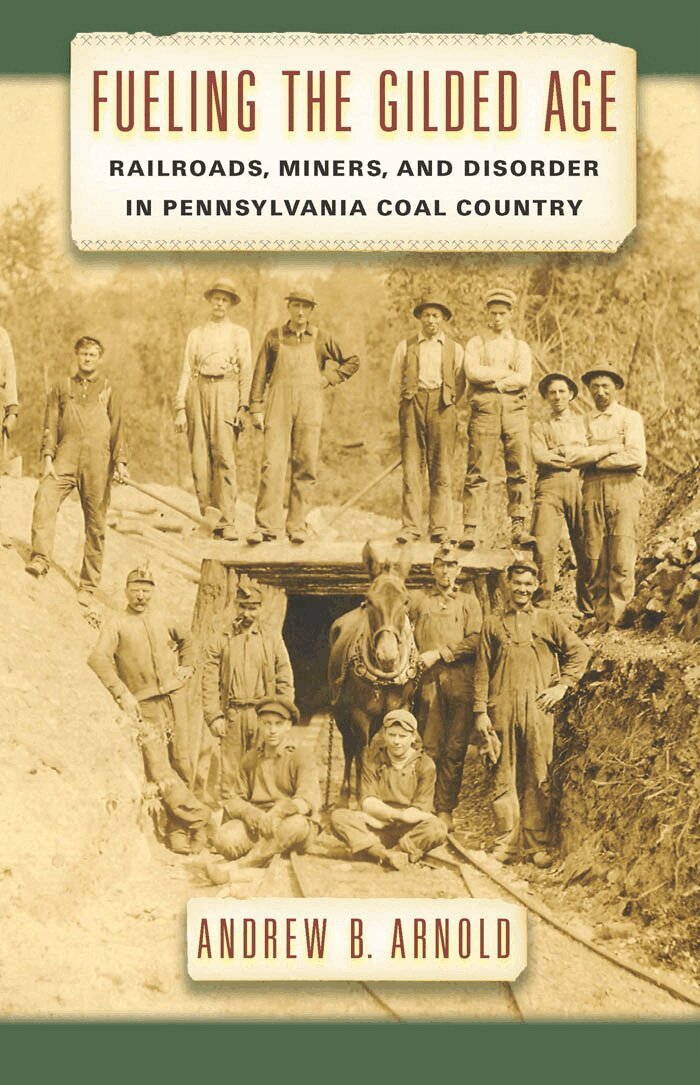
If the railroads won the Gilded Age, the coal industry lost it. Railroads epitomized modern management, high technology, and vast economies of scale. By comparison, the coal industry was embarrassingly primitive. Miners and operators dug coal, bought it, and sold it in 1900 in the same ways that they had for generations. In the popular imagination, coal miners epitomized anti-modern forces as the so-called "Molly Maguire" terrorists. Yet the sleekly modern railroads were utterly dependent upon the disorderly coal industry. Railroad managers demanded that coal operators and miners accept the purely subordinate role implied by their status. They refused. Fueling the Gilded Age shows how disorder in the coal industry disrupted the strategic plans of the railroads. It does so by expertly intertwining the history of two industries—railroads and coal mining—that historians have generally examined from separate vantage points. It shows the surprising connections between railroad management and miner organizing; railroad freight rate structure and coal mine operations; railroad strategy and strictly local legal precedents. It combines social, economic, and institutional approaches to explain the Gilded Age from the perspective of the relative losers of history rather than the winners. It beckons readers to examine the still-unresolved nature of America's national conundrum: how to reconcile the competing demands of national corporations, local businesses, and employees.
Inbunden, Engelska, 2012
973 kr
Skickas inom 10-15 vardagar
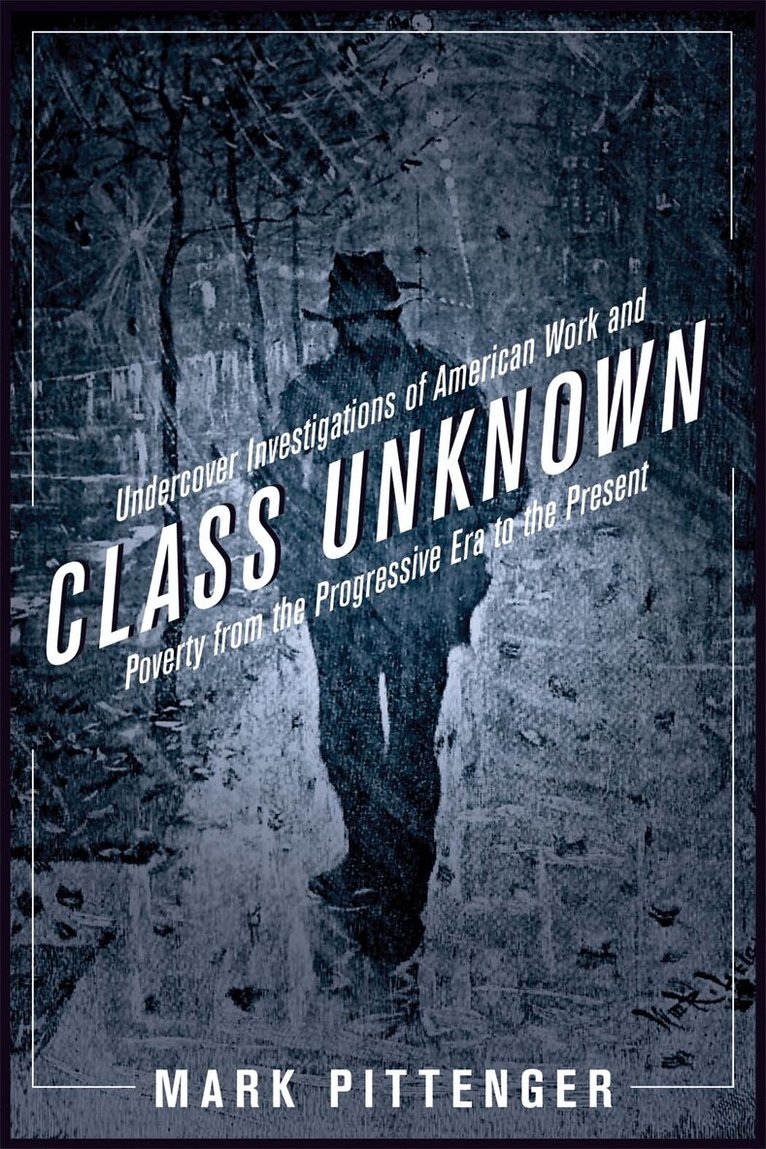
How well-meaning intellectuals helped develop our understanding of the American underclassSince the Gilded Age, social scientists, middle-class reformers, and writers have left the comforts of their offices to "pass" as steel workers, coal miners, assembly-line laborers, waitresses, hoboes, and other working and poor people in an attempt to gain a fuller and more authentic understanding of the lives of the working class and the poor. In this first, sweeping study of undercover investigations of work and poverty in America, award-winning historian Mark Pittenger examines how intellectuals were shaped by their experiences with the poor, and how despite their sympathy toward working-class people, they unintentionally helped to develop the contemporary concept of a degraded and "other" American underclass.While contributing to our understanding of the history of American social thought, Class Unknown offers a new perspective on contemporary debates over how we understand and represent our own society and its class divisions.
Häftad, Engelska, 2012
427 kr
Skickas inom 5-8 vardagar
How well-meaning intellectuals helped develop our understanding of the American underclassSince the Gilded Age, social scientists, middle-class reformers, and writers have left the comforts of their offices to "pass" as steel workers, coal miners, assembly-line laborers, waitresses, hoboes, and other working and poor people in an attempt to gain a fuller and more authentic understanding of the lives of the working class and the poor. In this first, sweeping study of undercover investigations of work and poverty in America, award-winning historian Mark Pittenger examines how intellectuals were shaped by their experiences with the poor, and how despite their sympathy toward working-class people, they unintentionally helped to develop the contemporary concept of a degraded and "other" American underclass.While contributing to our understanding of the history of American social thought, Class Unknown offers a new perspective on contemporary debates over how we understand and represent our own society and its class divisions.
Inbunden, Engelska, 2017
539 kr
Skickas inom 5-8 vardagar
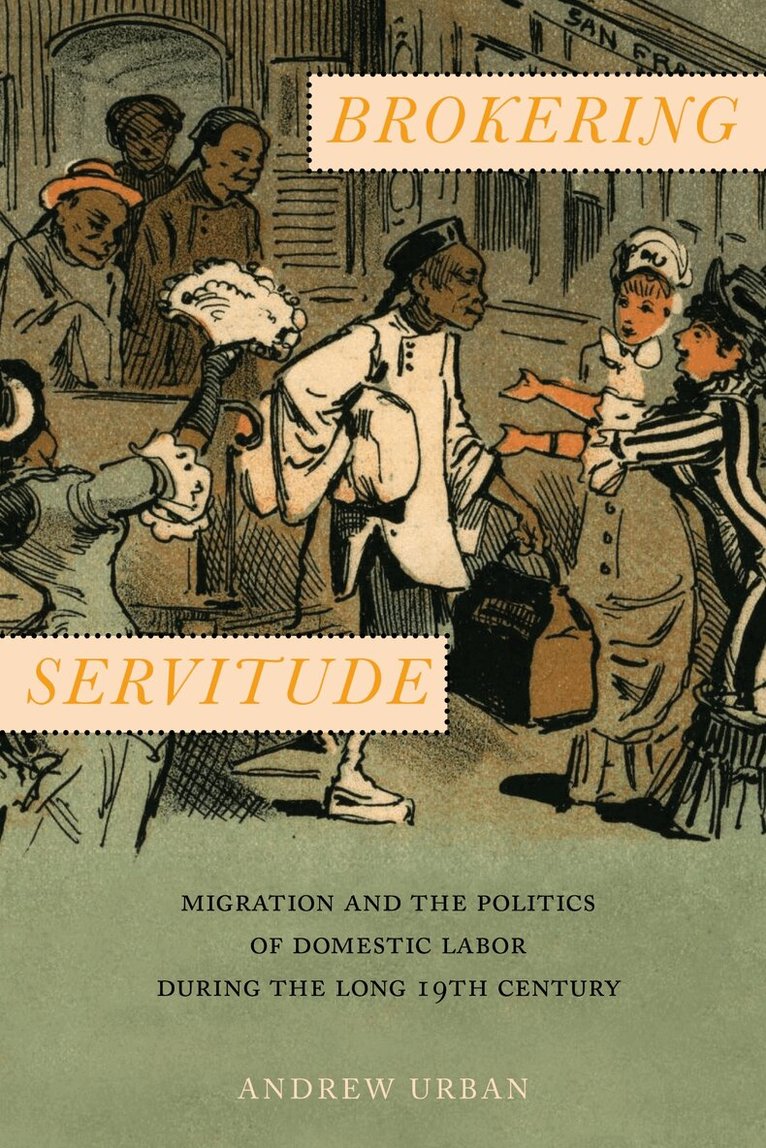
The history of domestic labor markets in 19th century America From the era of Irish Famine migration to the passage of quota restrictions in the 1920s, household domestic service was the single largest employer of women in the United States, and, in California, a pivotal occupation for male Chinese immigrants. Servants of both sexes accounted for eight percent of the total labor force – about one million people. In Brokering Servitude, Andrew Urban offers a history of these domestic servants, focusing on how Irish immigrant women, Chinese immigrant men, and American-born black women navigated the domestic labor market in the nineteenth century – a market in which they were forced to grapple with powerful racial and gendered discrimination. Through vivid examples like how post-famine Irish immigrants were enlisted to work as servants in exchange for relief, this book examines how race, citizenship, and the performance of domestic labor relate to visions of American expansion. Because household service was undesirable work stigmatized as unfree, brokers were integral to steering and compelling women, men, and children into this labor. By the end of the nineteenth century, the federal government became a major broker of domestic labor through border controls, and immigration officials became important actors in dictating which workers were available for domestic labor and under what conditions they could be contracted.Drawing on a range of sources – from political cartoons to immigrant case files to novels – Brokering Servitude connects Asian immigration, European immigration, and internal, black migration. The book ultimately demonstrates the ways in which employers pitted these groups against each other in competition for not only servant positions, but also certain forms of social inclusion, offering important insights into an oft-overlooked area of American history.
Inbunden, Engelska, 2013
1 015 kr
Skickas inom 10-15 vardagar
Since the early twentieth century, thousands of Mexican Americans have lived, worked, and formed communities in Chicago's steel mill neighborhoods. Drawing on individual stories and oral histories, Michael Innis-Jiménez tells the story of a vibrant, active community that continues to play a central role in American politics and society. Examining how the fortunes of Mexicans in South Chicago were linked to the environment they helped to build, Steel Barrio offers new insights into how and why Mexican Americans created community. This book investigates the years between the World Wars, the period that witnessed the first, massive influx of Mexicans into Chicago. South Chicago Mexicans lived in a neighborhood whose literal and figurative boundaries were defined by steel mills, which dominated economic life for Mexican immigrants. Yet while the mills provided jobs for Mexican men, they were neither the center of community life nor the source of collective identity. Steel Barrio argues that the Mexican immigrant and Mexican American men and women who came to South Chicago created physical and imagined community not only to defend against the ever-present social, political, and economic harassment and discrimination, but to grow in a foreign, polluted environment. Steel Barrio reconstructs the everyday strategies the working-class Mexican American community adopted to survive in areas from labor to sports to activism. This book links a particular community in South Chicago to broader issues in twentieth-century U.S. history, including race and labor, urban immigration, and the segregation of cities.
Inbunden, Engelska, 2015
760 kr
Skickas inom 10-15 vardagar
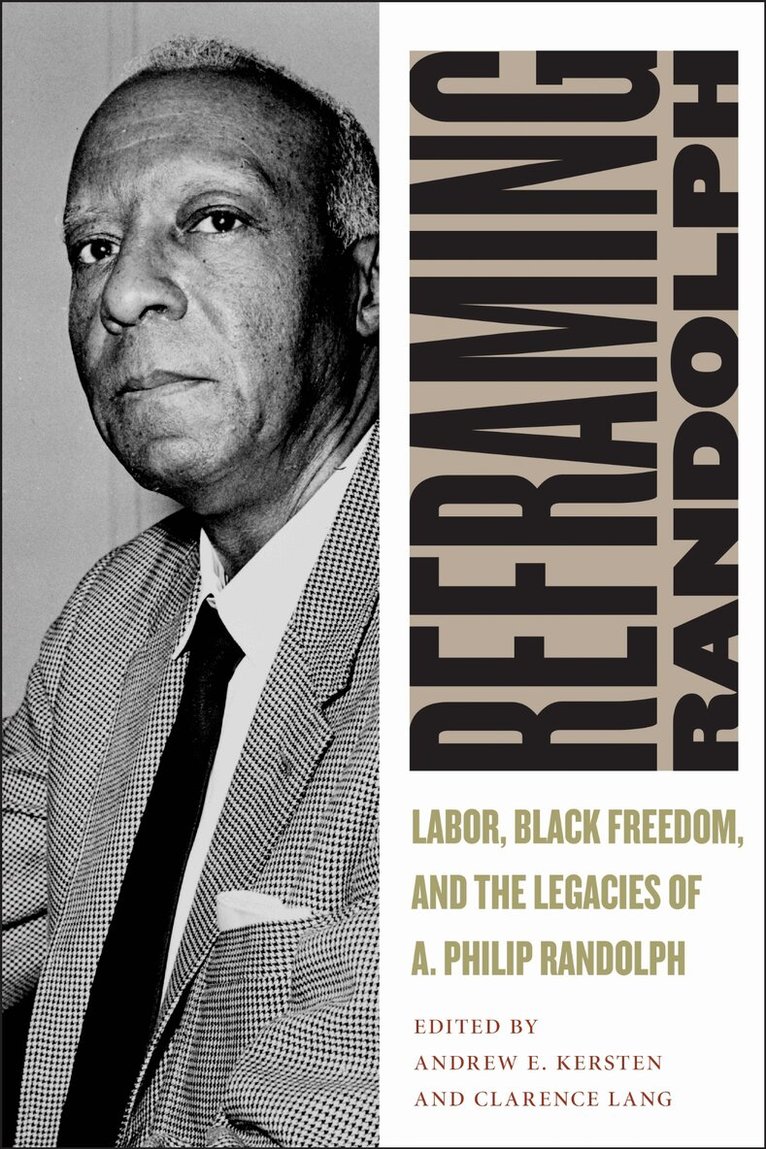
Atone time, Asa Philip Randolph (1889-1979) was a household name. As president ofthe all-black Brotherhood of Sleeping Car Porters (BSCP), he was an embodimentof America's multifaceted radical tradition, a leading spokesman for BlackAmerica, and a potent symbol of trade unionism and civil rights agitation fornearly half a century. But with the dissolution of the BSCP in the 1970s, theassaults waged against organized labor in the 1980s, and the overall silencingof labor history in U.S. popular discourse, he has been largely forgotten amonglarge segments of the general public before whom he once loomed so large.Historians, however, have not only continued to focus on Randolph himself, buthis role (either direct, or via his legacy) in a wide range of social,political, cultural, and even religious milieu and movements. The authors of Reframing Randolph have taken Randolph's dusty portrait down fromthe wall to reexamine and reframe it, allowing scholars to regard him in new,and often competing, lights. This collection of essays gathers, for the veryfirst time, many genres of perspectives on Randolph. Featuring both establishedand emergent intellectual voices, this project seeks to avoid both hagiographyand blanket condemnation alike. The contributors represent the diverse waysthat historians have approached the importance of his long and complex careerin the main political, social, and cultural currents of twentieth-centuryAfrican American specifically, and twentieth-century U.S. history overall. Thecentral goal of Reframing Randolph isto achieve a combination of synthetic and critical reappraisal.
Inbunden, Engelska, 2014
1 015 kr
Skickas inom 10-15 vardagar
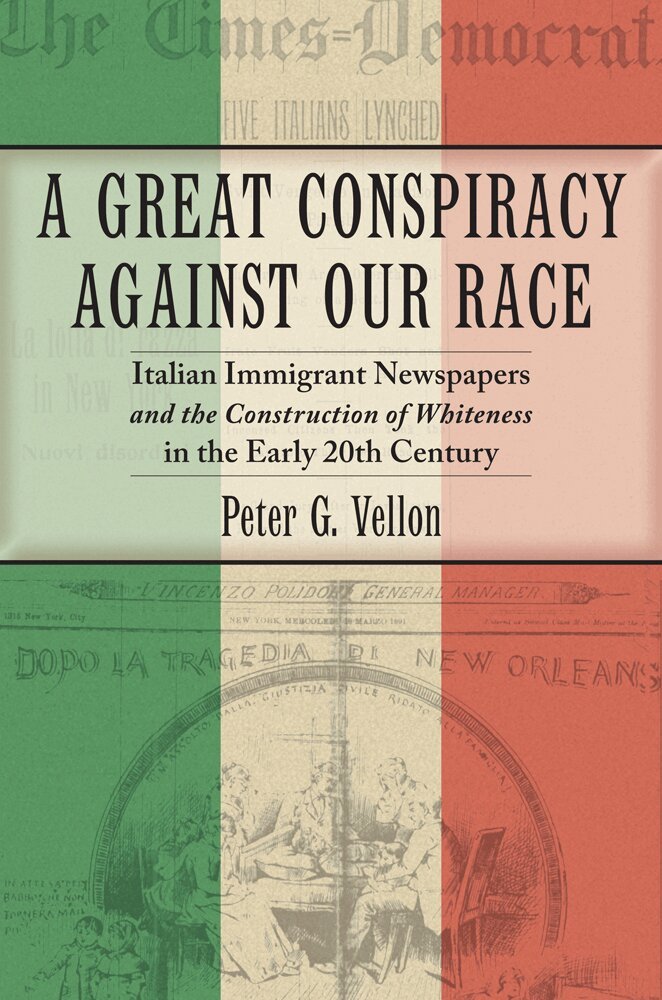
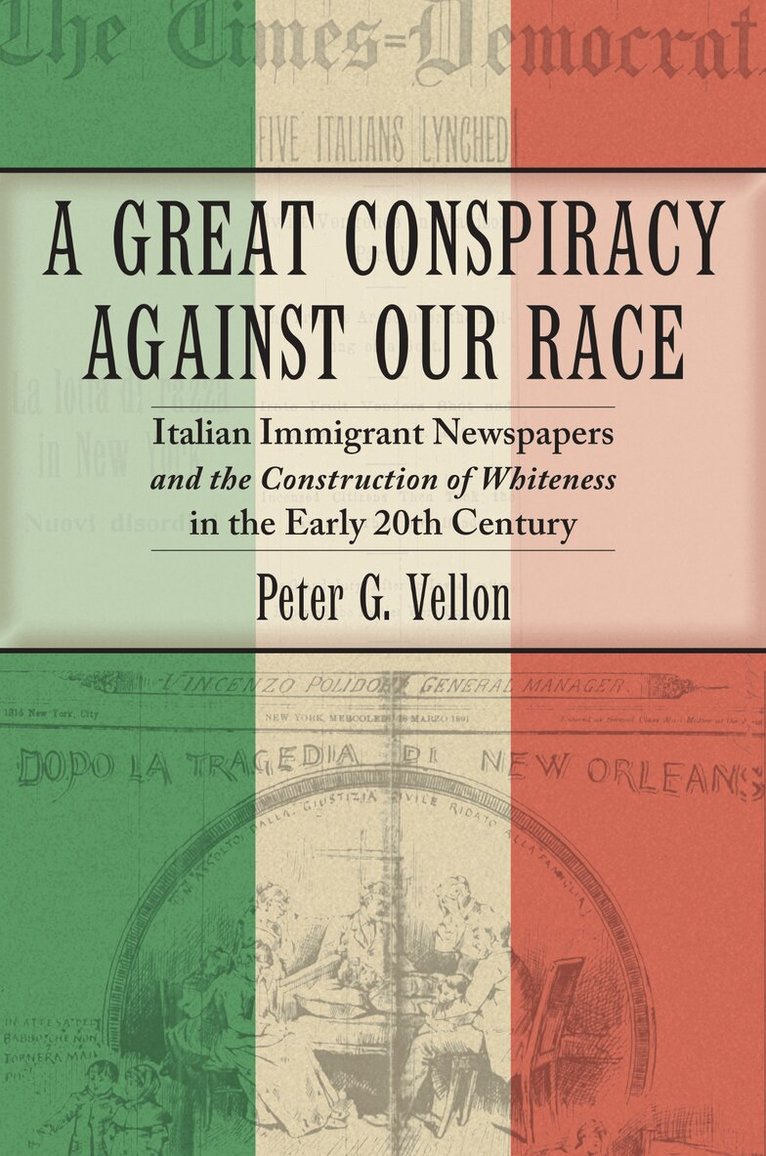
In A Great Conspiracy against Our Race, Peter Vellon explores how Italian immigrants, a once undesirable and "swarthy" race, assimilated into dominant white culture through the influential national and radical Italian language press in New York City. Racial history has always been the thorn in America's side, with a swath of injustices—slavery, lynching, segregation, and many other ills—perpetrated against black people. This very history is complicated by, and also dependent on, what constitutes a white person in this country. Many of the European immigrant groups now considered white also had to struggle with their own racial identities. Examining the press as a cultural production of the Italian immigrant community, this book investigates how this immigrant press constructed race, class, and identity from 1886 through 1920. Their frequent coverage of racially charged events of the time, as well as other topics such as capitalism and religion, reveals how these papers constructed a racial identity as Italian, American, and white. A Great Conspiracy against Our Race vividly illustrates how the immigrant press was a site where socially constructed categories of race, color, civilization, and identity were reworked, created, contested, and negotiated. Vellon also uncovers how Italian immigrants filtered societal pressures and redefined the parameters of whiteness, constructing their own identity. This work is an important contribution to not only Italian American history, but America's history of immigration and race.
Inbunden, Engelska, 2015
1 228 kr
Skickas inom 10-15 vardagar
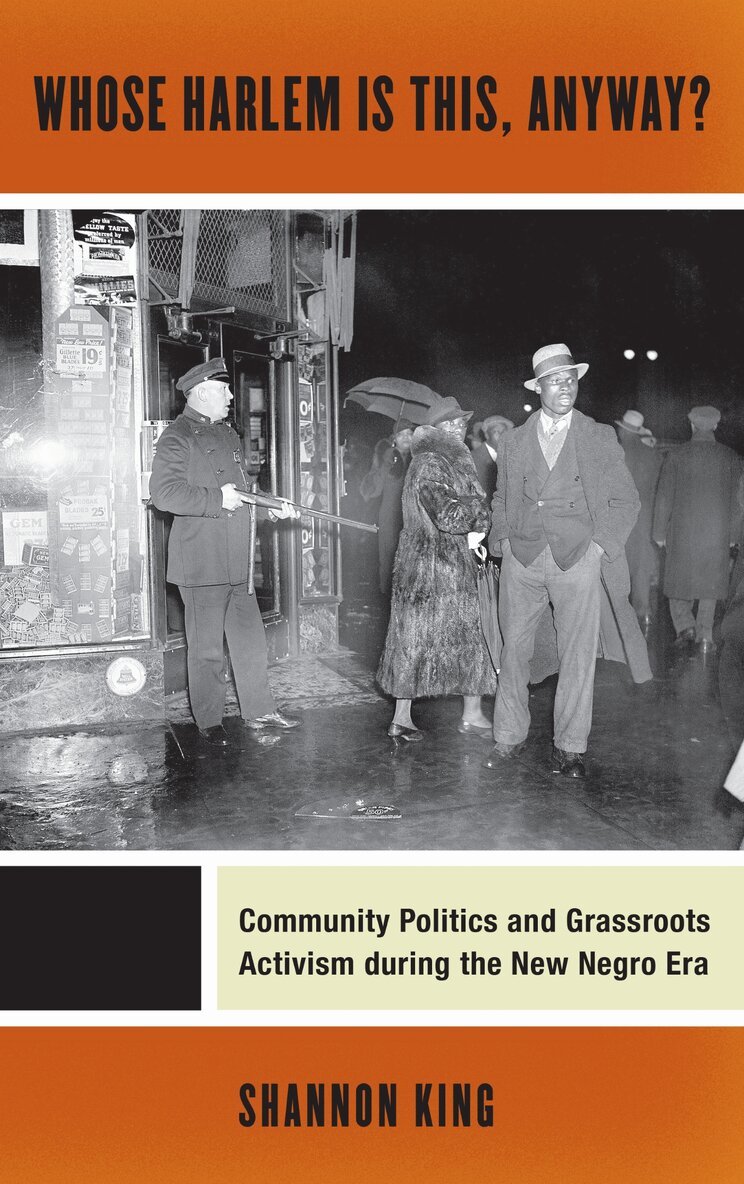
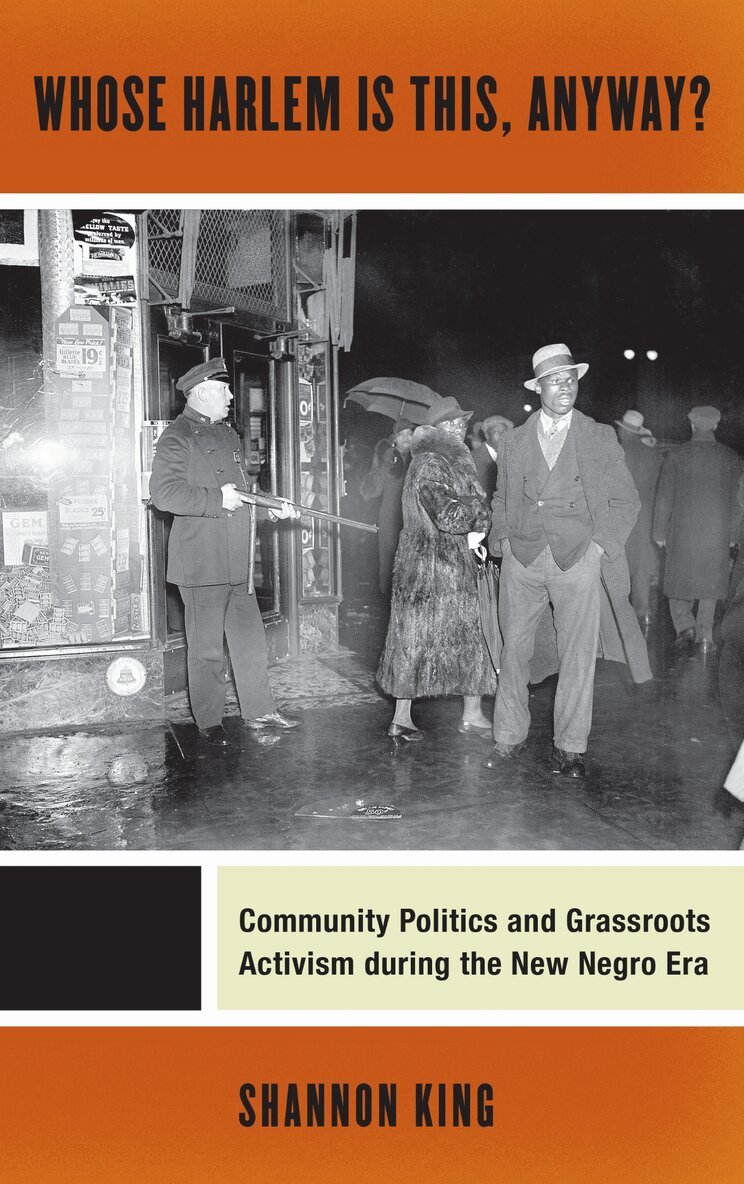
2015 Choice Outstanding Academic Title Winner of the Anna Julia Cooper/CLR James Award for Outstanding Book in Africana Studies presented by the National Council for Black Studies Demonstrates how Harlemite's dynamic fight for their rights and neighborhood raised the black community's racial consciousness and established Harlem's legendary political culture In Whose Harlem Is This, Anyway?, Shannon King vividly uncovers early twentieth century Harlem as an intersection between the black intellectuals and artists who created the New Negro Renaissance and the working class who found fought daily to combat institutionalized racism and gender discrimination in both Harlem and across the city. New Negro activists, such as Hubert Harrison and Frank Crosswaith, challenged local forms of economic and racial inequality in attempts to breakdown the structural manifestations that upheld them. Insurgent stay-at-home black mothers took negligent landlords to court, complaining to magistrates about the absence of hot water and heat in their apartment buildings. Black men and women, propelling dishes, bricks, and other makeshift weapons from their apartment windows and their rooftops, retaliated against hostile policemen harassing blacks on the streets of Harlem. From the turn of the twentieth century to the Great Depression, black Harlemites mobilized around local issues—such as high rents, jobs, leisure, and police brutality—to make their neighborhood an autonomous black community. In Whose Harlem Is This, Anyway?, Shannon King demonstrates how, against all odds, the Harlemite's dynamic fight for their rights and neighborhood raised the black community's racial consciousness and established Harlem's legendary political culture. By the end of the 1920s, Harlem had experience a labor strike, a tenant campaign for affordable rents, and its first race riot. These public forms of protest and discontent represented the dress rehearsal for black mass mobilization in the 1930s and 1940s. By studying blacks' immense investment in community politics, King makes visible the hidden stirrings of a social movement deeply invested in a Black Harlem. Whose Harlem Is This, Anyway? is a vibrant story of the shaping of a community during a pivotal time in American History.
Häftad, Engelska, 2018
347 kr
Skickas inom 5-8 vardagar
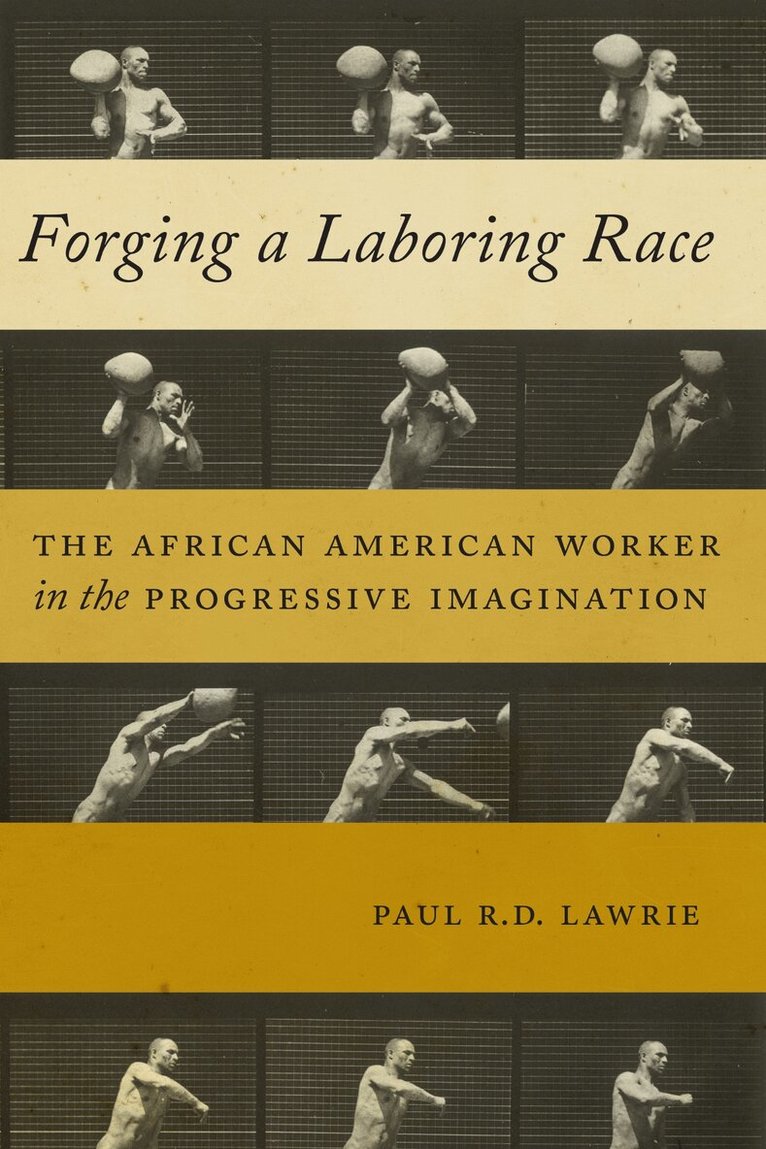
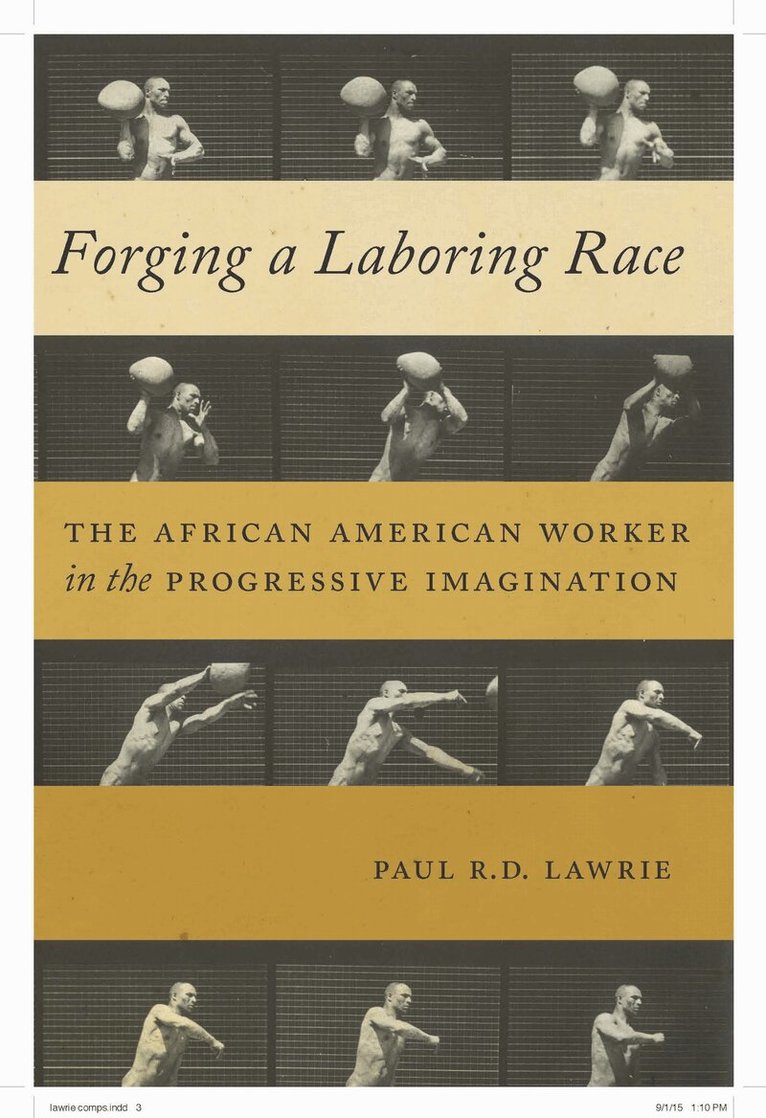
Foregrounds the working black body as both a category of analysis and lived experience"How does it feel to be a problem?" asked W.E.B. DuBois in The Souls of Black Folk. For many thinkers across the color line, the "Negro problem" was inextricably linked to the concurrent "labor problem," occasioning debates regarding blacks' role in the nation's industrial past, present and future. With blacks freed from the seemingly protective embrace of slavery, many felt that the ostensibly primitive Negro was doomed to expire in the face of unbridled industrial progress. Yet efforts to address the so-called "Negro problem" invariably led to questions regarding the relationship between race, industry and labor writ large. In consequence, a collection of thinkers across the natural and social sciences developed a new culture of racial management, linking race and labor to color and the body. Evolutionary theory and industrial management combined to identify certain peoples with certain forms of work and reconfigured the story of races into one of development and decline, efficiency and inefficiency, and the thin line between civilization and savagery.Forging a Laboring Race charts the history of an idea—race management—building on recent work in African American, labor, and disability history to analyze how ideas of race, work, and the "fit" or "unfit" body informed the political economy of early twentieth-century industrial America.
Inbunden, Engelska, 2016
628 kr
Skickas inom 10-15 vardagar
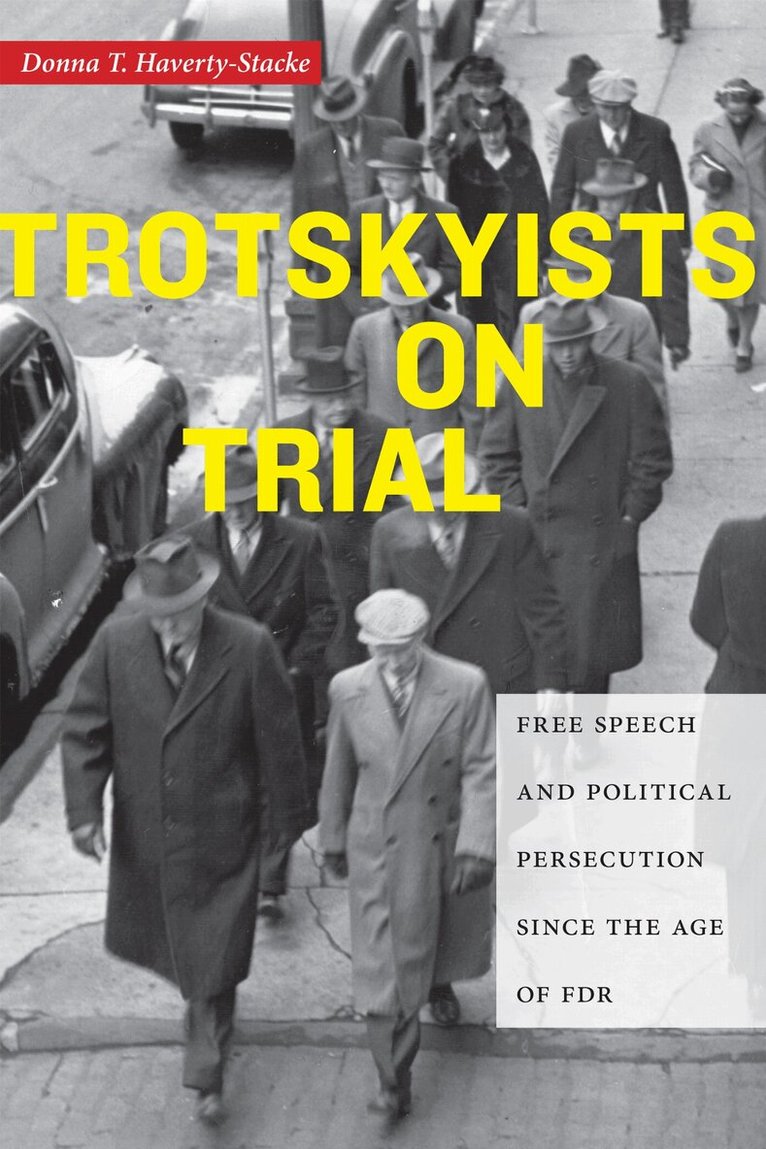
Passed in June 1940, the Smith Act was a peacetime anti-sedition law that marked a dramatic shift in the legal definition of free speech protection in America by criminalizing the advocacy of disloyalty to the government by force. It also criminalized the acts of printing, publishing, or distributing anything advocating such sedition and made it illegal to organize or belong to any association that did the same. It was first brought to trial in July 1941, when a federal grand jury in Minneapolis indicted twenty-nine Socialist Workers Party members, fifteen of whom also belonged to the militant Teamsters Local 544. Eighteen of the defendants were convicted of conspiring to overthrow the government. Examining the social, political, and legal history of the first Smith Act case, this book focuses on the tension between the nation's cherished principle of free political expression and the demands of national security on the eve of America's entry into World War II. Based on newly declassified government documents and recently opened archival sources, Trotskyists on Trial explores the implications of the case for organized labor and civil liberties in wartime and postwar America. The central issue of how Americans have tolerated or suppressed dissent during moments of national crisis is not only important to our understanding of the past, but also remains a pressing concern in the post-9/11 world. This volume traces some of the implications of the compromise between rights and security that was made in the mid-twentieth century, offering historical context for some of the consequences of similar bargains struck today.
Häftad, Engelska, 2017
343 kr
Skickas inom 5-8 vardagar
In A Great Conspiracy against Our Race, Peter Vellon explores how Italian immigrants, a once undesirable and "swarthy" race, assimilated into dominant white culture through the influential national and radical Italian language press in New York City. Racial history has always been the thorn in America's side, with a swath of injustices—slavery, lynching, segregation, and many other ills—perpetrated against black people. This very history is complicated by, and also dependent on, what constitutes a white person in this country. Many of the European immigrant groups now considered white also had to struggle with their own racial identities. Examining the press as a cultural production of the Italian immigrant community, this book investigates how this immigrant press constructed race, class, and identity from 1886 through 1920. Their frequent coverage of racially charged events of the time, as well as other topics such as capitalism and religion, reveals how these papers constructed a racial identity as Italian, American, and white. A Great Conspiracy against Our Race vividly illustrates how the immigrant press was a site where socially constructed categories of race, color, civilization, and identity were reworked, created, contested, and negotiated. Vellon also uncovers how Italian immigrants filtered societal pressures and redefined the parameters of whiteness, constructing their own identity. This work is an important contribution to not only Italian American history, but America's history of immigration and race.
Häftad, Engelska, 2015
319 kr
Skickas inom 5-8 vardagar
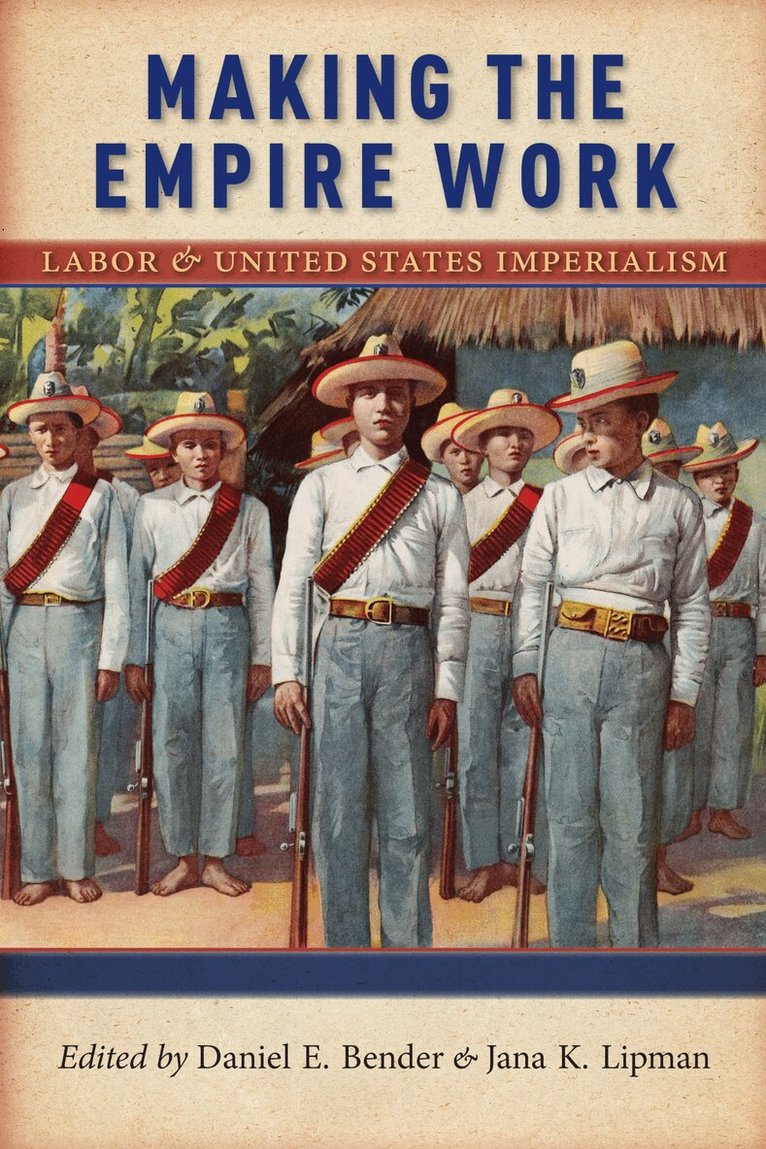
Millions of laborers, from the Philippines to the Caribbean, performed the work of the United States empire. Forging a global economy connecting the tropics to the industrial center, workers harvested sugar, cleaned hotel rooms, provided sexual favors, and filled military ranks. Placing working men and women at the center of the long history of the U.S. empire, these essays offer new stories of empire that intersect with the "grand narratives" of diplomatic affairs at the national and international levels. Missile defense, Cold War showdowns, development politics, military combat, tourism, and banana economics share something in common—they all have labor histories. This collection challenges historians to consider the labor that formed, worked, confronted, and rendered the U.S. empire visible. The U.S. empire is a project of global labor mobilization, coercive management, military presence, and forced cultural encounter. Together, the essays in this volume recognize the United States as a global imperial player whose systems of labor mobilization and migration stretched from Central America to West Africa to the United States itself. Workers are also the key actors in this volume. Their stories are multi-vocal, as workers sometimes defied the U.S. empire's rhetoric of civilization, peace, and stability and at other times navigated its networks or benefited from its profits. Their experiences reveal the gulf between the American 'denial of empire' and the lived practice of management, resource exploitation, and military exigency. When historians place labor and working people at the center, empire appears as a central dynamic of U.S. history.
Inbunden, Engelska, 2016
986 kr
Skickas inom 10-15 vardagar
Foregrounds the working black body as both a category of analysis and lived experience"How does it feel to be a problem?" asked W.E.B. DuBois in The Souls of Black Folk. For many thinkers across the color line, the "Negro problem" was inextricably linked to the concurrent "labor problem," occasioning debates regarding blacks' role in the nation's industrial past, present and future. With blacks freed from the seemingly protective embrace of slavery, many felt that the ostensibly primitive Negro was doomed to expire in the face of unbridled industrial progress. Yet efforts to address the so-called "Negro problem" invariably led to questions regarding the relationship between race, industry and labor writ large. In consequence, a collection of thinkers across the natural and social sciences developed a new culture of racial management, linking race and labor to color and the body. Evolutionary theory and industrial management combined to identify certain peoples with certain forms of work and reconfigured the story of races into one of development and decline, efficiency and inefficiency, and the thin line between civilization and savagery.Forging a Laboring Race charts the history of an idea—race management—building on recent work in African American, labor, and disability history to analyze how ideas of race, work, and the "fit" or "unfit" body informed the political economy of early twentieth-century industrial America.
Inbunden, Engelska, 2015
476 kr
Skickas
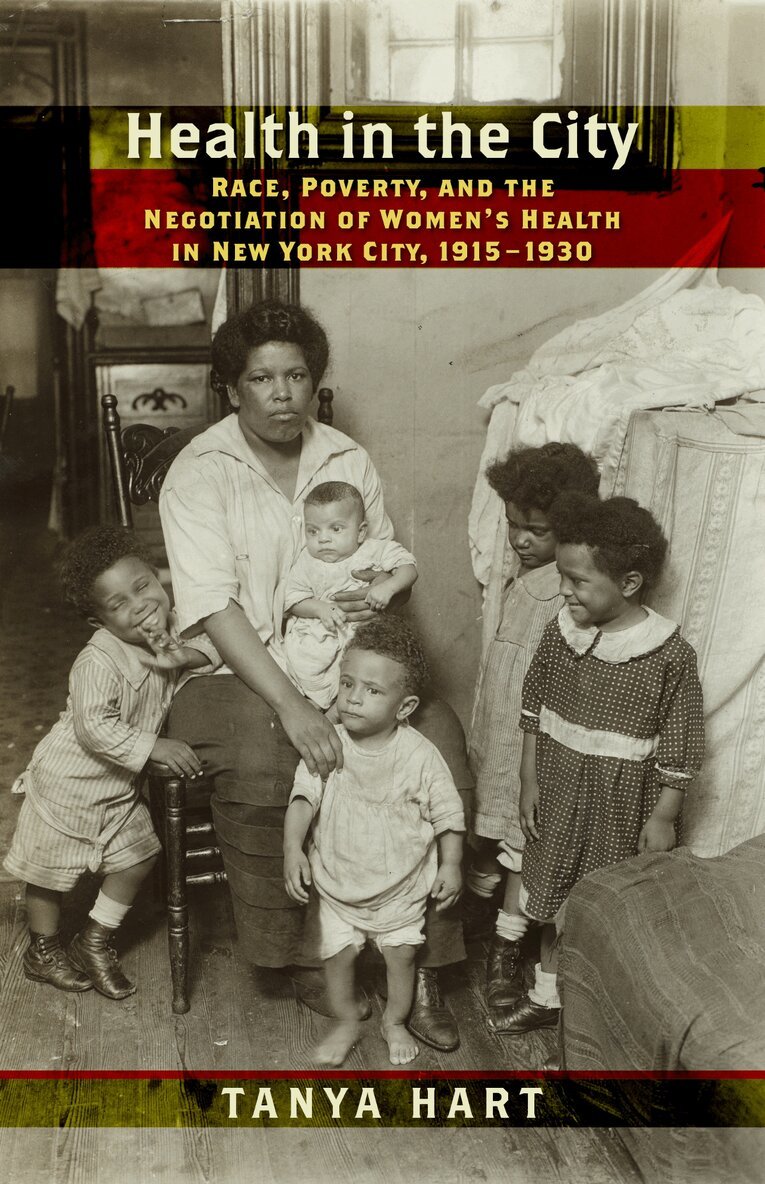
Shortly after the dawn of the twentieth century, the New York City Department of Health decided to address what it perceived as the racial nature of health. It delivered heavily racialized care in different neighborhoods throughout the city: syphillis treatment among African Americans, tuberculosis for Italian Americans, and so on. It was a challenging and ambitious program, dangerous for the providers, and troublingly reductive for the patients. Nevertheless, poor and working-class African American, British West Indian, and Southern Italian women all received some of the nation's best health care during this period.Health in the City challenges traditional ideas of early twentieth-century urban black health care by showing a program that was simultaneously racialized and cutting-edge. It reveals that even the most well-meaning public health programs may inadvertently reinforce perceptions of inferiority that they were created to fix.
Inbunden, Engelska, 2015
1 211 kr
Skickas inom 10-15 vardagar
Millions of laborers, from the Philippines to the Caribbean, performed the work of the United States empire. Forging a global economy connecting the tropics to the industrial center, workers harvested sugar, cleaned hotel rooms, provided sexual favors, and filled military ranks. Placing working men and women at the center of the long history of the U.S. empire, these essays offer new stories of empire that intersect with the "grand narratives" of diplomatic affairs at the national and international levels. Missile defense, Cold War showdowns, development politics, military combat, tourism, and banana economics share something in common—they all have labor histories. This collection challenges historians to consider the labor that formed, worked, confronted, and rendered the U.S. empire visible. The U.S. empire is a project of global labor mobilization, coercive management, military presence, and forced cultural encounter. Together, the essays in this volume recognize the United States as a global imperial player whose systems of labor mobilization and migration stretched from Central America to West Africa to the United States itself. Workers are also the key actors in this volume. Their stories are multi-vocal, as workers sometimes defied the U.S. empire's rhetoric of civilization, peace, and stability and at other times navigated its networks or benefited from its profits. Their experiences reveal the gulf between the American 'denial of empire' and the lived practice of management, resource exploitation, and military exigency. When historians place labor and working people at the center, empire appears as a central dynamic of U.S. history.
Häftad, Engelska, 2017
385 kr
Skickas inom 5-8 vardagar
2015 Choice Outstanding Academic Title Winner of the Anna Julia Cooper/CLR James Award for Outstanding Book in Africana Studies presented by the National Council for Black Studies Demonstrates how Harlemite's dynamic fight for their rights and neighborhood raised the black community's racial consciousness and established Harlem's legendary political culture In Whose Harlem Is This, Anyway?, Shannon King vividly uncovers early twentieth century Harlem as an intersection between the black intellectuals and artists who created the New Negro Renaissance and the working class who found fought daily to combat institutionalized racism and gender discrimination in both Harlem and across the city. New Negro activists, such as Hubert Harrison and Frank Crosswaith, challenged local forms of economic and racial inequality in attempts to breakdown the structural manifestations that upheld them. Insurgent stay-at-home black mothers took negligent landlords to court, complaining to magistrates about the absence of hot water and heat in their apartment buildings. Black men and women, propelling dishes, bricks, and other makeshift weapons from their apartment windows and their rooftops, retaliated against hostile policemen harassing blacks on the streets of Harlem. From the turn of the twentieth century to the Great Depression, black Harlemites mobilized around local issues—such as high rents, jobs, leisure, and police brutality—to make their neighborhood an autonomous black community. In Whose Harlem Is This, Anyway?, Shannon King demonstrates how, against all odds, the Harlemite's dynamic fight for their rights and neighborhood raised the black community's racial consciousness and established Harlem's legendary political culture. By the end of the 1920s, Harlem had experience a labor strike, a tenant campaign for affordable rents, and its first race riot. These public forms of protest and discontent represented the dress rehearsal for black mass mobilization in the 1930s and 1940s. By studying blacks' immense investment in community politics, King makes visible the hidden stirrings of a social movement deeply invested in a Black Harlem. Whose Harlem Is This, Anyway? is a vibrant story of the shaping of a community during a pivotal time in American History.