History in Photographs - Böcker
Visar alla böcker i serien History in Photographs. Handla med fri frakt och snabb leverans.
10 produkter
10 produkter
214 kr
Skickas
On 26 April 1986, the unthinkable happened near the Ukrainian town of Pripyat: two massive steam explosions ruptured No. 4 Reactor at the Chernobyl Nuclear Power Plant, immediately killing 30 people and setting off the worst nuclear accident in history. The explosions were followed by an open-air reactor core fire that released huge amounts of radioactive contamination into the atmosphere for the next nine days, spreading across the Soviet Union, parts of Europe, and especially neighbouring Belarus, where around 70% of the waste landed. The following clean-up operation involved more than half a million personnel at a cost of $68 billion, and a further 4,000 people were estimated to have died from disaster-related illnesses in the following 20 years. Some 350,000 people were evacuated as a result of the accident (including 95 villages in Belarus), and much of the area returned to the wild, with the nearby city of Pripyat now a ghost town. Chernobyl provides a photographic exploration of the catastrophe and its aftermath in 180 authentic photos. See the twisted wreckage of No. 4 Reactor, the cause of the nuclear disaster; marvel at historic photos of the clean-up operation, with helicopters spraying decontamination liquid and liquidators manually clearing radioactive debris; see the huge cooling pond used to cool the reactors, and which today is home to abundant wildlife, despite the radiation; explore the ghost town of Pripyat, with its decaying apartment blocks, empty basketball courts, abandoned amusement park, wrecked schools, and deserted streets.
214 kr
Skickas
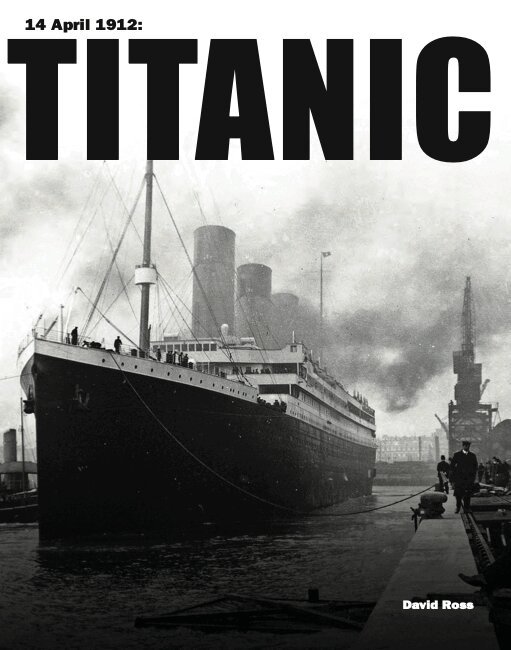
On 14 April 1912, less than a week into a transatlantic trip from Southampton to New York, the largest luxury cruise liner in the world struck an iceberg off the coast of Labrador, causing the hull to buckle. The massive 50,000 ton ship hailed as ‘unsinkable’ was soon slipping into the cold Atlantic Ocean, the crew and passengers scrambling to launch lifeboats before being sucked into the deep. Of the 2,224 passengers and crew aboard, more than 1,500 died, making the sinking one of the deadliest for a single ship up to that time. The sinking has captured the public imagination ever since, in part because of the scale of the tragedy, but also because the ship represented in microcosm Edwardian society, with the super-rich sharing the vessel with poor migrants seeking a new life in North America. Other factors, such as why there were only enough lifeboats to hold half the passengers, also caused controversy and led to changes in maritime safety. In later years many survivors told their stories to the press, and Titanic celebrates these accounts. A final chapter examines the shipwreck today, which has been visited underwater by explorers, scientists and film-makers, and many artifacts recovered as the old liner steadily disintegrates. Titanic offers a compact, insightful photographic history of the sinking and its aftermath in 180 authentic photographs.
214 kr
Skickas
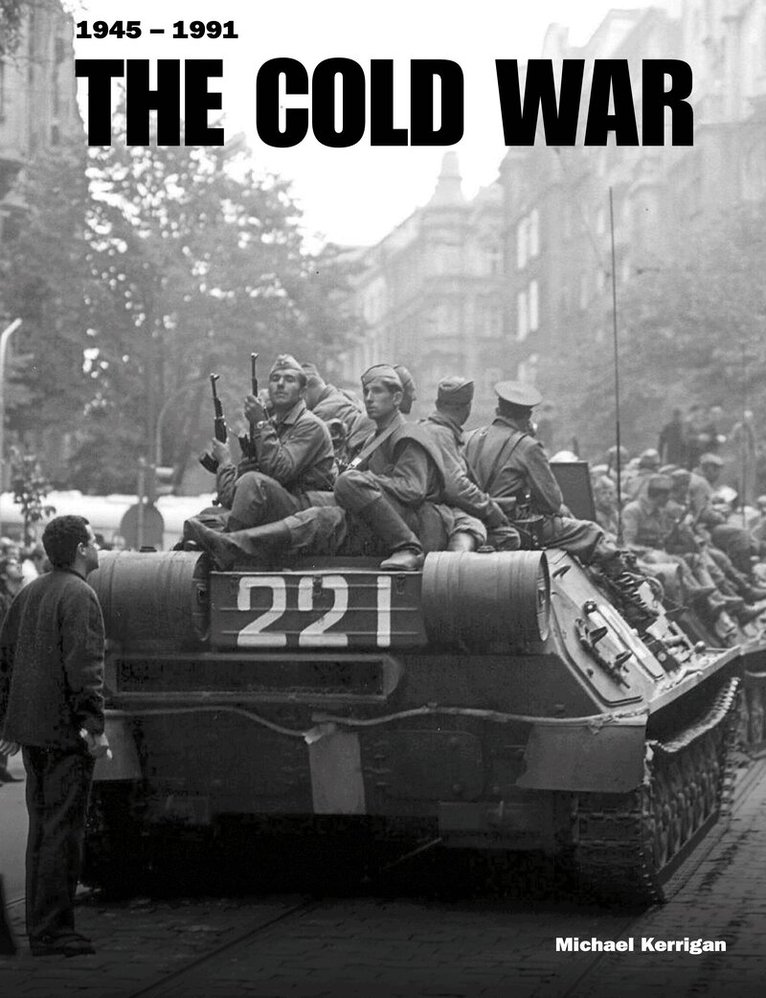
“From Stettin in the Baltic to Trieste in the Adriatic, an iron curtain has descended across the Continent. Behind that line lie all the capitals of the ancient states of Central and Eastern Europe. Warsaw, Berlin, Prague, Vienna, Budapest, Belgrade, Bucharest and Sofia” – Winston Churchill, 5 March 1946 Following the Allies’ victory in World War II, the European continent was soon divided into two broad zones of influence, with Eastern Europe coming under communist Soviet control, and the west under the oversight of the liberal democracies led by the United States. What developed over the next 40 years was a military and ideological stand-off that defined Europe and much of the world until 1989. In countries such as Germany, the Cold War divided families between the two zones of control. The two opponents competed for global dominance, building up ever greater arsenals of nuclear weapons, funding and fighting costly proxy wars in Southeast Asia, Africa and Central America, deploying espionage and trade embargoes, and even seeking technological advantage in space exploration, which became known as the “Space Race”. The Cold War provides a pictorial examination of this crucial era in 20th century history, offering the reader an instant understanding of the key events and figures in this 40-year period through 150 dramatic photographs.
279 kr
Skickas inom 7-10 vardagar
“A date which will live in infamy.”—US President Franklin Delano Roosevelt Sunday, December 7, 1941, was supposed to be a day of rest for the military personnel at Hawaii’s Pearl Harbor naval base on the island of Oahu. But at 7:55 a.m., Japanese carrier-based planes launched a surprise attack on the US Pacific Fleet moored in the harbour. Thousands of lives were lost that day, drawing the United States into World War II and beginning a new phase of the war in East Asia. In Pearl Harbor, our expert author offers a concise photographic guide to this key turning point in World War II. The book is divided into chapters covering the origins and military strength of the naval station; Japanese plans and dispositions; the attack itself; the damage caused; the clean-up operation and aftermath; and the life of the base today. See rare photographs of Japanese airplanes taking off to launch the attack; aerial views of the US naval base before and during the air attack; the destruction wrought; the key figures involved on both sides; and the memorials that have been erected, especially to the sunken battleship USS Arizona. Pearl Harbor provides a photographic exploration of this momentous event and its aftermath in 160 dramatic photos.
214 kr
Skickas
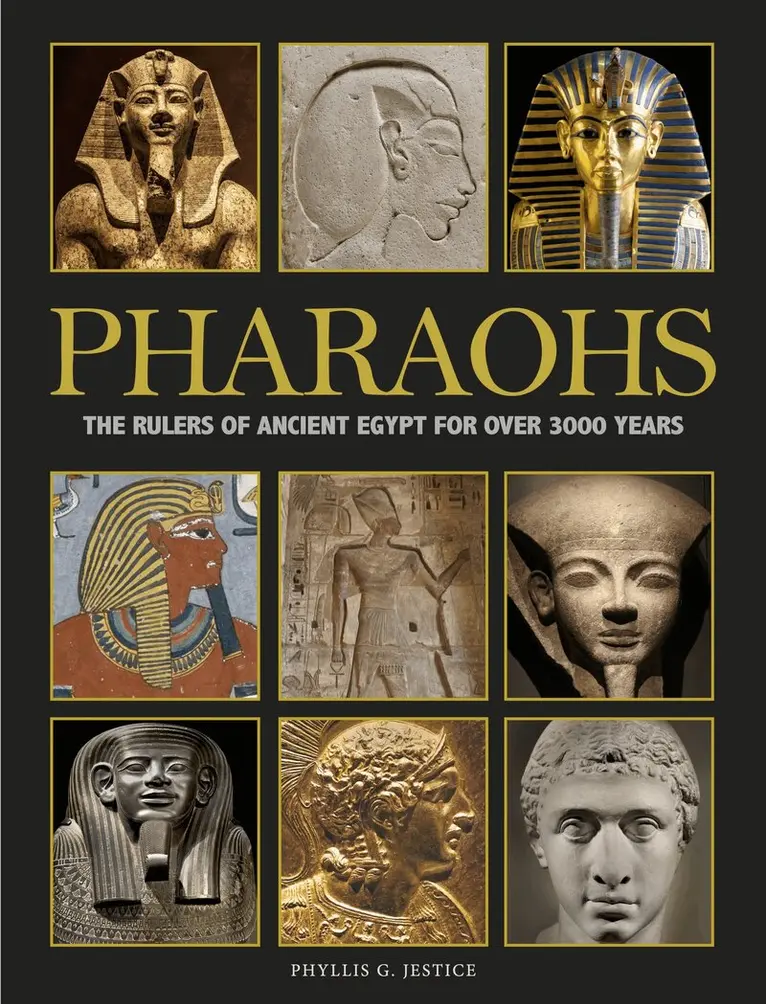
Ancient Egypt is one of the great wellsprings of human civilization, first developing around the city of Memphis on the Nile River in the fourth millennium BCE. Egyptian life was centred on a complex system of religious rituals, with the pharaoh (king) seen as a living god among the people. Mighty pyramids, tombs and monuments were built to celebrate the pharaohs, many of which can still be seen in all their grandeur today. Arranged by dynastic period, Pharaohs offers a compact history of the reign of these god- kings, from Menes, who united the north and south kingdoms, to the Ptolemaic Queen Cleopatra, who was defeated along with her lover Mark Antony at the Battle of Actium (31 BCE) by imperial Rome. Along the way the reader will learn about the Great Pyramid constructed by Khufu, the last of the Seven Wonders of the ancient world; Queen Hatshepsut, a rare female pharaoh whose name means “foremost of noblewomen” and who launched a massive building programme at Luxor; the young pharaoh Tutankhamun, whose tomb was discovered intact in the Valley of the Kings, complete with the fabulous trappings of his divine status; and Ramesses II (“the Great”), who is thought to have enslaved the Israelites, built the magnificent temple of Abu Simbel, and defeated the Hittites at the Battle of Kadesh (1274 BCE) riding his trade-mark chariot. Carefully researched, superbly entertaining and illustrated throughout with more than 180 photographs and artworks, Pharaohs is an accessible history of the kings who ruled Ancient Egypt for more than 4,000 years.
345 kr
Skickas inom 3-6 vardagar
“The United States of America will use all our resources to conquer this enemy. We will rally the world. We will be patient. We’ll be focused, and we will be steadfast in our determination.” – President George W. Bush, September 12, 2001 On September 11, 2001, Islamic terrorists hijacked four airliners, crashing them into the Twin Towers of the World Trade Center in New York City, the Pentagon and near the White House, killing nearly 3,000 people. Osama bin Laden and the al-Qaeda network quickly claimed responsibility for the outrage. The aftermath still reverberates around the world today, with President Bush declaring a “War on Terror” against al-Qaeda and its allies. By October, the US military was carrying out air strikes against al-Qaeda training camps in Afghanistan, and US ground forces were deployed against bin Laden’s protectors, the incumbent Taliban regime. By June 2002 the Taliban had been ousted and a US-friendly government established in the capital, Kabul. But the campaign didn’t end there, as American and allied NATO forces became bogged down for the next two decades. Afghanistan provides a photographic exploration of the 20-year war in Afghanistan, from the first deployment of US special forces in October 2001 to the final withdrawal of US forces in August 2021. In between, the book offers a compact overview of the operations fought by the US and NATO forces against the Taliban/al- Qaeda insurgency, including the bombing of the Tora Bora cave complex, Operation Anaconda, President Obama’s deployment surge, the Navy SEAL’s assassination of Osama bin Laden in neighbouring Pakistan, the development of a local Afghan army, police force and government, the eventual withdrawal of US forces and the collapse of the Afghan administration amidst renewed Taliban pressure. Afghanistan offers a concise pictorial history of the war that came to define US policy in Central Asia and the Middle East in the 21st century.
214 kr
Skickas
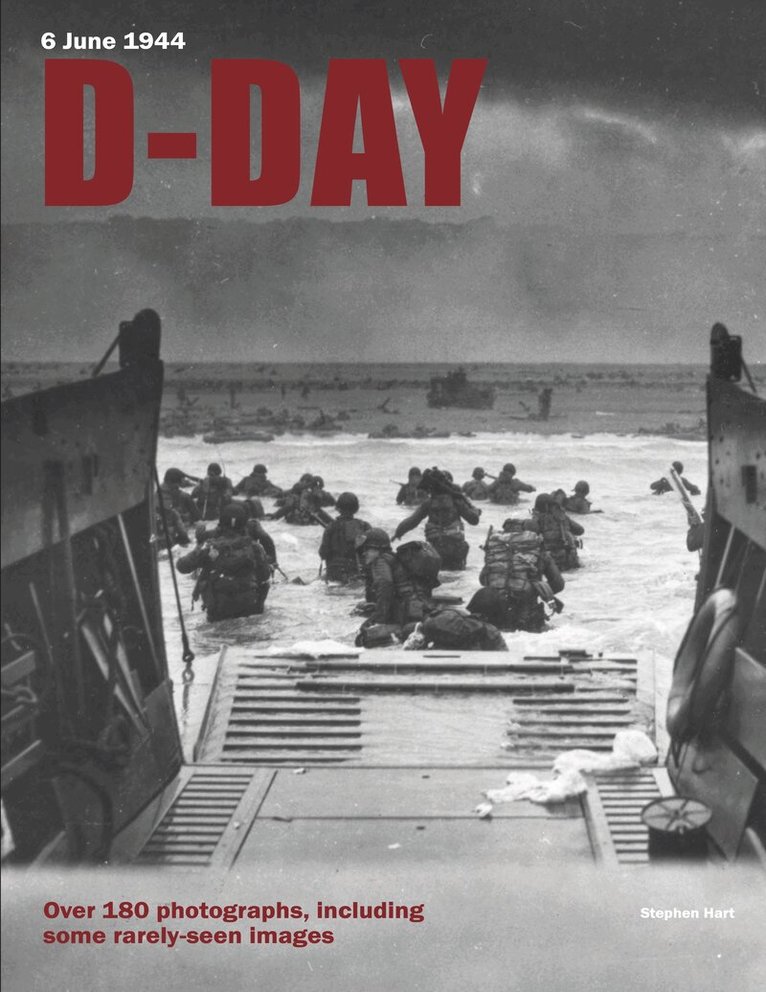
“You are about to embark upon the Great Crusade, toward which we have striven these many months. The eyes of the world are upon you. The hope and prayers of liberty-loving people everywhere march with you.” – General Dwight D. Eisenhower, Order of the Day, June 6, 1944 By May 1944, more than 2.8 million Allied troops, with 4,000 American, British and Canadian ships, were amassed in southern England, waiting to cross the English Channel in the largest seaborne invasion of history. More that 1,200 planes stood ready to deliver specialist airborne troops behind enemy lines, to silence German ground resistance and destroy local infrastructure, and to dominate the skies of the battle theatre. D-Day provides a photographic exploration of this monumental military and political event that helped bring about the end of Nazi Germany’s four-year occupation of Europe. The book is divided into chapters covering the first days of the landings on the five beaches: Omaha, Utah, Gold, Juno and Sword; separate chapters cover the airborne landings of the famous American 82nd and 101st Airborne Divisions and the British 6th Airborne, as well as the crucial help of French Resistance fighters in providing intelligence and disrupting German communications and supply lines.
249 kr
Skickas
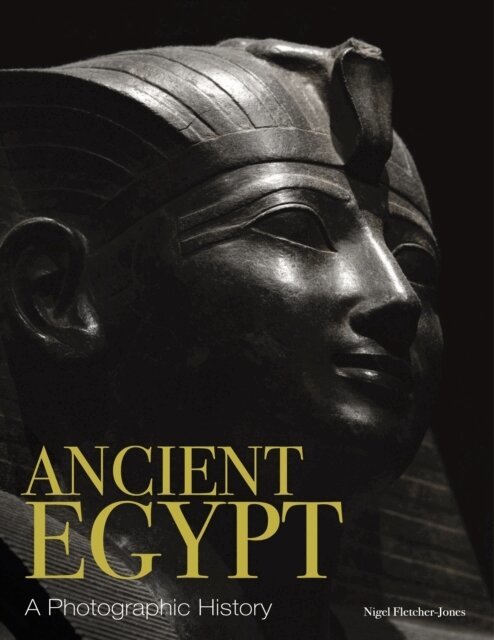
First appearing around the mighty River Nile in the fourth millennium BC, Ancient Egypt is one of the great wellsprings of human civilization. Egyptian culture developed around a complex system of religious rituals tied to the agricultural seasons, with the pharaoh a living deity at the centre. Mighty pyramids, tombs and monuments were built to celebrate the pharaohs, many of which can still be seen in all their splendour today. Arranged chronologically, Ancient Egypt offers a compact photographic guide, from the 4000 BC Naqada culture to the end of the Ptolemy dynasty with the suicide of Cleopatra in 30 BC. In between, discover the Narmer Palette, a 31st century BC stone tablet that records the unification of Upper and Lower Egypt by King Narmer; learn about Amenhotep the Magnificent, during whose reign Egypt reached the peak of its artistic and international power; marvel at the massive, rock-cut temples of Abu Simbel, dedicated to Pharaoh Ramesses II (“the Great”), marking the southern extent of the Egyptian empire and celebrating his victory over the Hittites at the Battle of Kadesh; and discover how Egypt was ruled by Archaemenid Persia for almost 200 years, until the arrival of Alexander the Great and his all-conquering Macedonian army. Colourful, engaging and illustrated throughout with more than 180 photographs, Ancient Egypt is a vivid pictorial introduction to 4,000 years of Ancient Egyptian civilization.
214 kr
Skickas
Discover more about Robert the Bruce and other unforgettable figures that made Scotland the great nation it is today. Through fascinating images and expert text, A History of Scotland takes you through each decade of Scotland’s varied and dramatic past up to the present day. A History of Scotland provides a pictorial exploration from the times of the Neolithic stone circles of Orkney to the turbulent referendums of the contemporary era. The book is arranged chronologically, from the Roman invasion of Scotland in the 1st century to Mary Queen of Scots and her downfall, David Hume and Adam Smith, Dolly the Sheep in 1997 and the construction of the Scottish Parliament in Edinburgh in the 21st Century.
249 kr
Skickas
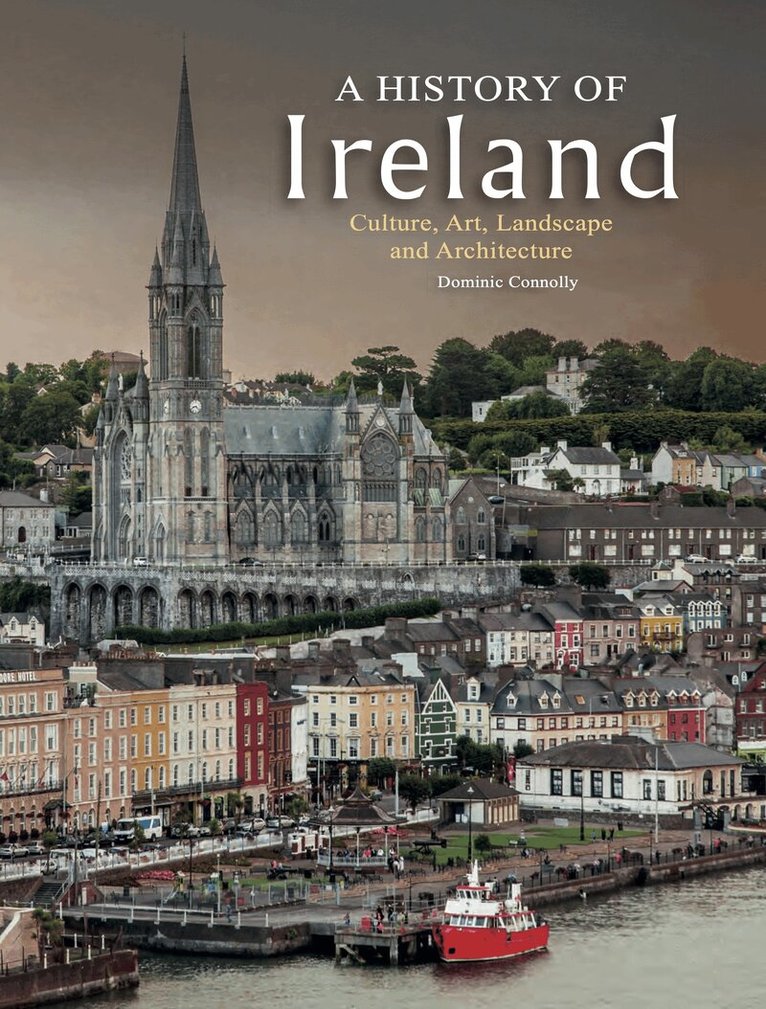
The history of the island of Ireland is both complex and connected to the wider world: it was the first place in the British and Irish archipelago to be settled by Christian monks, and has suffered Viking invasion, Norman colonization, British decimation, mass migration to the New World, civil war and eventually independence for Éire in the early 20th century. Despite its often troubled past, Ireland is today a dynamic island with a blossoming economy and culture. Arranged chronologically from ancient times to the 21st century, History of Ireland provides a pictorial exploration of a land that is well-known but often little understood. Discover the remains of the country’s many Iron Age hill forts, such as the atmospheric stone fort at Grianán Aileach; explore the first Christian colonies in the monastic settlement at Glendalough in County Wicklow; read of the legend of St Patrick, and stood atop a hillside and banished snakes from Ireland – prompting all serpents to slither away into the sea; discover the Book of Kells, an illuminated manuscript of the Celtic Gospel written in the 9th century; learn about the Plantation of Ulster in the 17th century, where English and Scottish settlers established Protestant communities, causing lasting communal strife; understand the Easter Rising and the traumatic war for independence, which led to Ireland’s current political shape; and experience modern Ireland, a place of prosperity, with thriving cities like Dublin and Belfast alongside beautiful countryside.