India in the Modern World – serie
Visar alla böcker i serien India in the Modern World. Handla med fri frakt och snabb leverans.
18 produkter
India - From Regional to World Power
Av Ashok Kapur
Inbunden, 2006
2504 kr
Lägg i varukorg
This book provides an in-depth account of India's role in world politics at the beginning of the twenty-first century. The author shows how the approach laid down by Nehru and followed by his successors (an approach that included nuclear self-restraint, the search for friendly relations with …
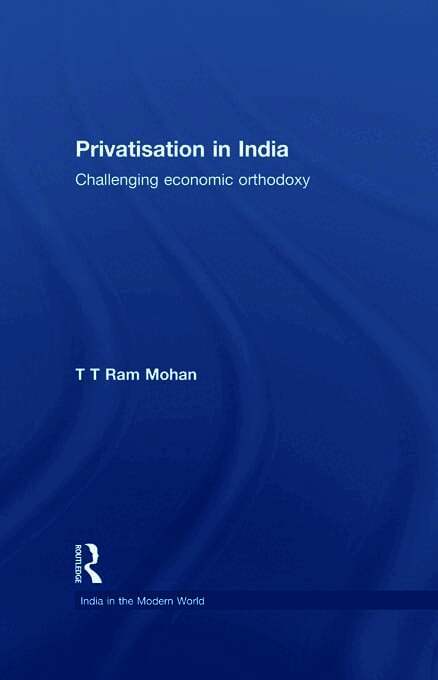
Privatisation in India
Challenging economic orthodoxy
Inbunden, 2005
3262 kr
Lägg i varukorg
Over the past decade India has been undertaking a programme of economic reform, and at the same time the economy has been growing at a high rate. As part of the reform programme, and in line with prevailing economic thinking, India has been privatising its large, ungainly public sector. One …
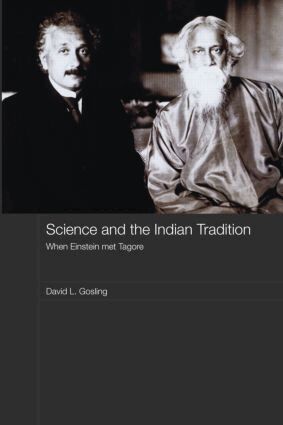
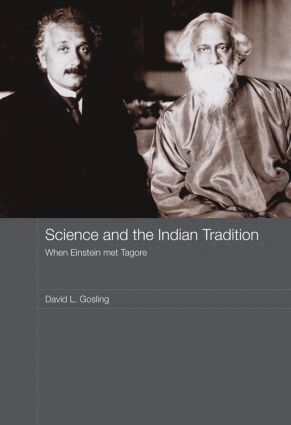
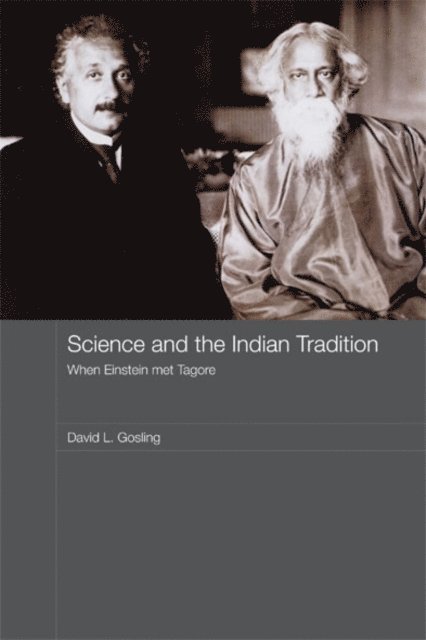
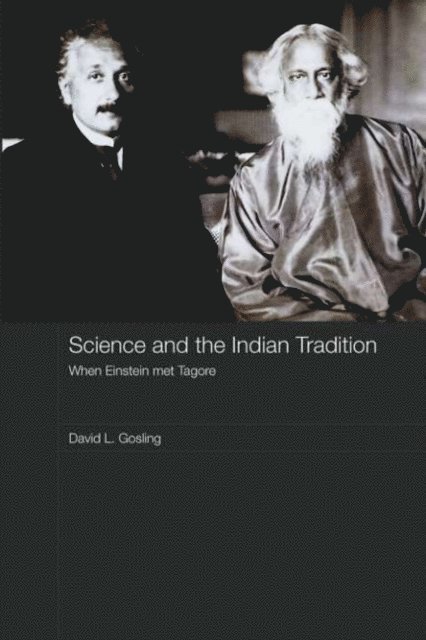
Science and the Indian Tradition
When Einstein Met Tagore
Inbunden, 2007
2586 kr
Lägg i varukorg
This new text is a detailed study of an important process in modern Indian history. During the late nineteenth and early twentieth century, India experienced an intellectual renaissance, which owed as much to the influx of new ideas from the West as to traditional religious and cultural insights. …
India - From Regional to World Power
Av Ashok Kapur
Häftad, 2007
750 kr
Lägg i varukorg
This book examines the rise of India to the status of a world power capable of dealing with the full spectrum of international and regional issues in a critical part of the world. It traces the evolution of Indian diplomacy in the hands of key Indian practitioners comparing Nehru, the founder of …
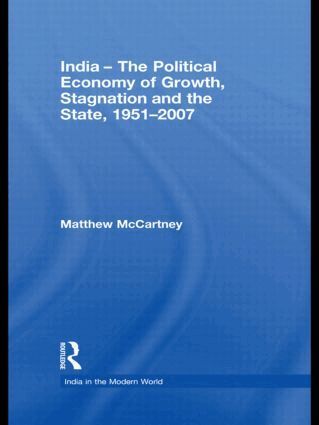
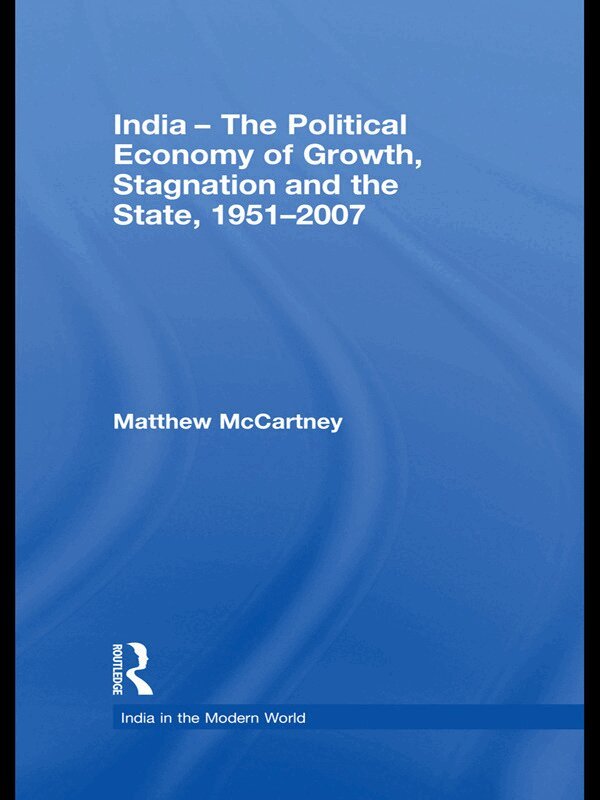
India - The Political Economy of Growth, Stagnation and the State, 1951-2007
Inbunden, 2009
764 kr
Lägg i varukorg
Understanding the drivers and inhibitors of economic growth is critical for promoting development in less developed countries, including India. This book examines economic growth in India from 1951 to the present, challenging many accepted orthodox views. It argues that growth and stagnation should …
Science and the Indian Tradition
When Einstein Met Tagore
Häftad, 2008
772 kr
Lägg i varukorg
This new text is a detailed study of an important process in modern Indian history. During the late nineteenth and early twentieth century, India experienced an intellectual renaissance, which owed as much to the influx of new ideas from the West as to traditional religious and cultural insights. …
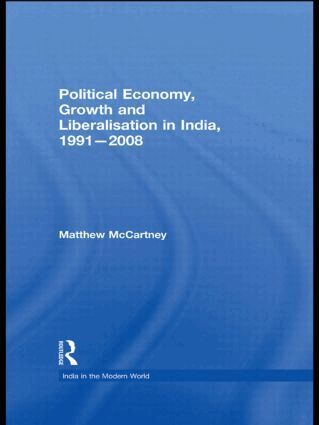
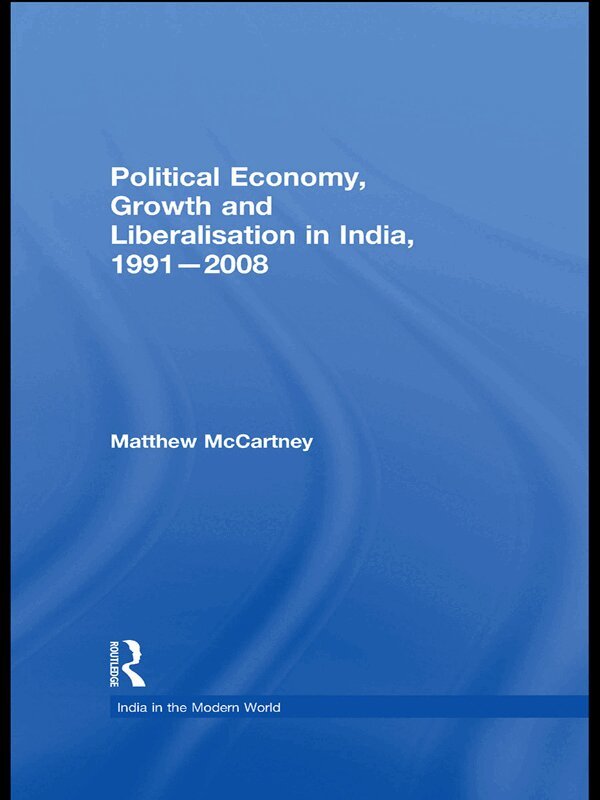
Political Economy, Growth and Liberalisation in India, 1991-2008
Inbunden, 2009
2586 kr
Lägg i varukorg
The phenomenal growth and liberalisation of the Indian economy has been the subject of extensive scholarly documentation and competing interpretations. This book examines the key period of liberalisation in India from 1991 to 2008. It analyses the relationship between growth and liberalisation and, …
Privatisation in India
Challenging economic orthodoxy
Häftad, 2012
940 kr
Lägg i varukorg
Over the past decade India has been undertaking a programme of economic reform, and at the same time the economy has been growing at a high rate. As part of the reform programme, and in line with prevailing economic thinking, India has been privatising its large, ungainly public sector. One …
India - The Political Economy of Growth, Stagnation and the State, 1951-2007
Häftad, 2011
370 kr
Lägg i varukorg
Understanding the drivers and inhibitors of economic growth is critical for promoting development in less developed countries, including India. This book examines economic growth in India from 1951 to the present, challenging many accepted orthodox views. It argues that growth and stagnation should …
India - The Political Economy of Growth, Stagnation and the State, 1951-2007
E-bok, 2009
424 kr
Lägg i varukorg
Understanding the drivers and inhibitors of economic growth is critical for promoting development in less developed countries, including India. This book examines economic growth in India from 1951 to the present, challenging many accepted orthodox views. It argues that growth and stagnation should …
India - The Political Economy of Growth, Stagnation and the State, 1951-2007
E-bok, 2009
433 kr
Lägg i varukorg
Understanding the drivers and inhibitors of economic growth is critical for promoting development in less developed countries, including India. This book examines economic growth in India from 1951 to the present, challenging many accepted orthodox views. It argues that growth and stagnation should …
Science and the Indian Tradition
When Einstein Met Tagore
E-bok, 2007
890 kr
Lägg i varukorg
This new text is a detailed study of an important process in modern Indian history. During the late nineteenth and early twentieth century, India experienced an intellectual renaissance, which owed as much to the influx of new ideas from the West as to traditional religious and cultural insights. …
Science and the Indian Tradition
When Einstein Met Tagore
E-bok, 2007
890 kr
Lägg i varukorg
This new text is a detailed study of an important process in modern Indian history. During the late nineteenth and early twentieth century, India experienced an intellectual renaissance, which owed as much to the influx of new ideas from the West as to traditional religious and cultural insights. …
Privatisation in India
Challenging economic orthodoxy
E-bok, 2013
874 kr
Lägg i varukorg
Over the past decade India has been undertaking a programme of economic reform, and at the same time the economy has been growing at a high rate. As part of the reform programme, and in line with prevailing economic thinking, India has been privatising its large, ungainly public sector. One …
Privatisation in India
Challenging economic orthodoxy
E-bok, 2013
874 kr
Lägg i varukorg
Over the past decade India has been undertaking a programme of economic reform, and at the same time the economy has been growing at a high rate. As part of the reform programme, and in line with prevailing economic thinking, India has been privatising its large, ungainly public sector. One …
Political Economy, Growth and Liberalisation in India, 1991-2008
E-bok, 2009
890 kr
Lägg i varukorg
The phenomenal growth and liberalisation of the Indian economy has been the subject of extensive scholarly documentation and competing interpretations. This book examines the key period of liberalisation in India from 1991 to 2008. It analyses the relationship between growth and liberalisation and, …
Political Economy, Growth and Liberalisation in India, 1991-2008
E-bok, 2009
910 kr
Lägg i varukorg
The phenomenal growth and liberalisation of the Indian economy has been the subject of extensive scholarly documentation and competing interpretations. This book examines the key period of liberalisation in India from 1991 to 2008. It analyses the relationship between growth and liberalisation and, …
Political Economy, Growth and Liberalisation in India, 1991-2008
Häftad, 2016
774 kr
Lägg i varukorg
The phenomenal growth and liberalisation of the Indian economy has been the subject of extensive scholarly documentation and competing interpretations. This book examines the key period of liberalisation in India from 1991 to 2008. It analyses the relationship between growth and liberalisation and, …