Innovative Learning for All – serie
Visar alla böcker i serien Innovative Learning for All. Handla med fri frakt och snabb leverans.
6 produkter
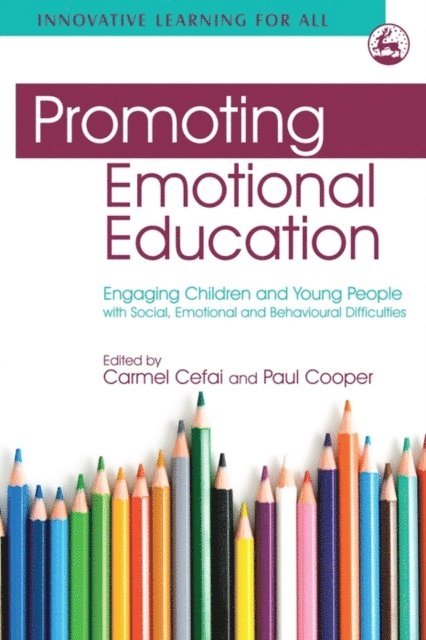
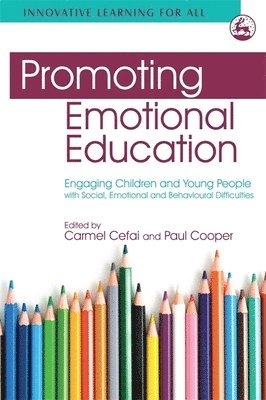
Promoting Emotional Education
Engaging Children and Young People with Social, Emotional and Behavioural Difficulties
E-bok, 2009
444 kr
Lägg i varukorg
Unlike IQ, emotional competence can be nurtured and developed, and is a key factor in physical and mental health, social competence, academic achievement and other aspects in the personal and social development of children and young people. Promoting Emotional Education connects with the …
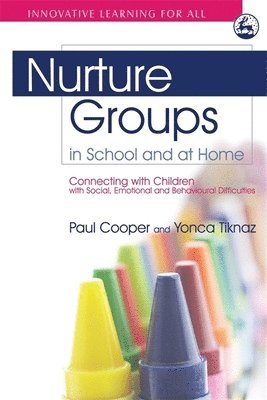
Nurture Groups in School and at Home
Connecting with Children with Social, Emotional and Behavioural Difficulties
Häftad, 2007
425 kr
Lägg i varukorg
This book explores the ways in which pupils with social, emotional and behavioural difficulties can be effectively engaged in schooling - either in school or at home. It explains the social and emotional underpinnings of learning and presents practical strategies for aiding engagement.Nurture …
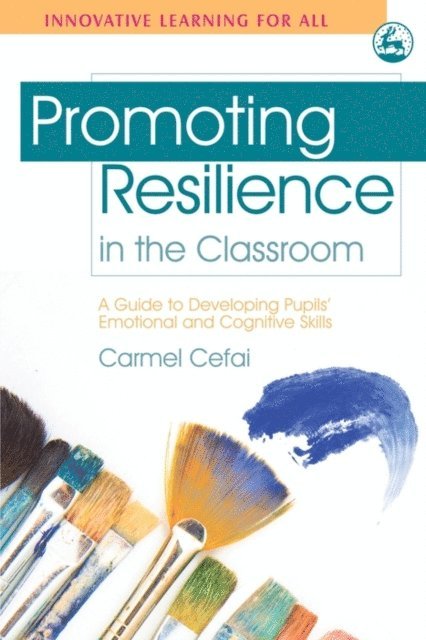
Promoting Resilience in the Classroom
A Guide to Developing Pupils' Emotional and Cognitive Skills
Av Carmel Cefai
Häftad, 2008
375 kr
Lägg i varukorg
Resilience is a set of qualities that enable children to adapt and transform, to overcome risk and adversity, and to develop social competence, problem-solving skills, autonomy and a sense of purpose. For children and young people it is as vital to possess these qualities in school environments as …
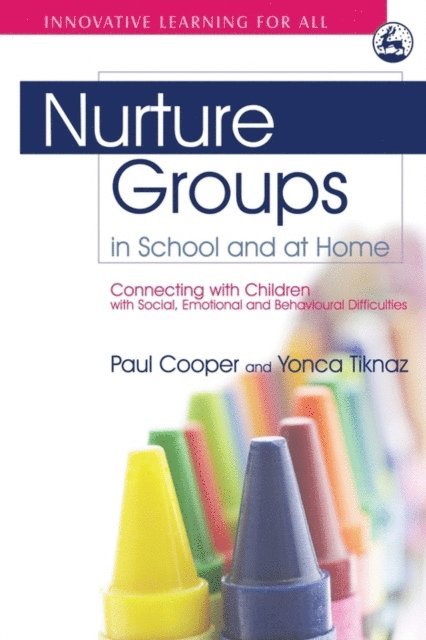
Nurture Groups in School and at Home
Connecting with Children with Social, Emotional and Behavioural Difficulties
E-bok, 2007
396 kr
Lägg i varukorg
This book explores the ways in which pupils with social, emotional and behavioural difficulties can be effectively engaged in schooling - either in school or at home. It explains the social and emotional underpinnings of learning and presents practical strategies for aiding engagement.Nurture …
Promoting Resilience in the Classroom
A Guide to Developing Pupils' Emotional and Cognitive Skills
Av Carmel Cefai
E-bok, 2008
341 kr
Lägg i varukorg
Resilience is a set of qualities that enable children to adapt and transform, to overcome risk and adversity, and to develop social competence, problem-solving skills, autonomy and a sense of purpose. For children and young people it is as vital to possess these qualities in school environments as …
Promoting Emotional Education
Engaging Children and Young People with Social, Emotional and Behavioural Difficulties
Häftad, 2009
238 kr
Tillfälligt slut
Unlike IQ, emotional competence can be nurtured and developed, and is a key factor in physical and mental health, social competence, academic achievement and other aspects in the personal and social development of children and young people. Promoting Emotional Education connects with the …