Jenny Stanford Series on Biomedical Nanotechnology – Serie
Visar alla böcker i serien Jenny Stanford Series on Biomedical Nanotechnology. Handla med fri frakt och snabb leverans.
7 produkter
7 produkter
1 616 kr
Skickas inom 10-15 vardagar
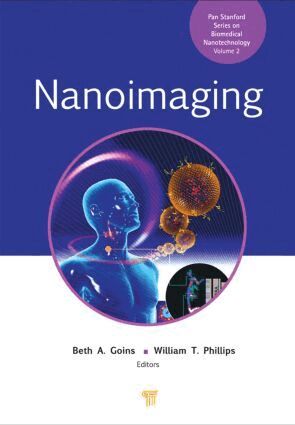
This book covers cutting-edge research on the use of nanoparticles for in vivo diagnostic medical imaging and therapy. It discusses a variety of nanoparticles, including quantum dots, carbon nanotubes, dendrimers, gold nanoshells, metal nanorods, micelles, liposomes, polymers, MRI iron oxide particles, and microbubbles. Examples in the book include multifunctional nanoparticles that are designed for multimodality imaging and simultaneous diagnostic and therapy (theranostic) applications.
4 254 kr
Skickas inom 7-10 vardagar
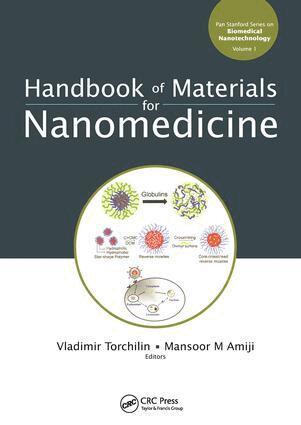
The fast developing field of nanomedicine uses a broad variety of materials to serve as delivery systems for drugs, genes, and diagnostic agents. This book is the first attempt to put under one cover all major available information about these materials, both still on experimental levels and already applied in patients.
1 616 kr
Skickas inom 10-15 vardagar
This book draws together recent data on both cytoplasmic and flagellar dyneins and the proteins they interact with, to give the reader a clear picture of what is currently known about the structure and mechanics of these remarkable macro-molecular machines. Each chapter is written by active researchers, with a focus on currently used biophysical, biochemical, and cell biological methods. In addition to comprehensive coverage of structural information gained by electron microscopy, electron cryo-tomography, X-ray crystallography, and nuclear magnetic resonance, this book provides detailed descriptions of mechanistic experiments by single-molecule nanometry.
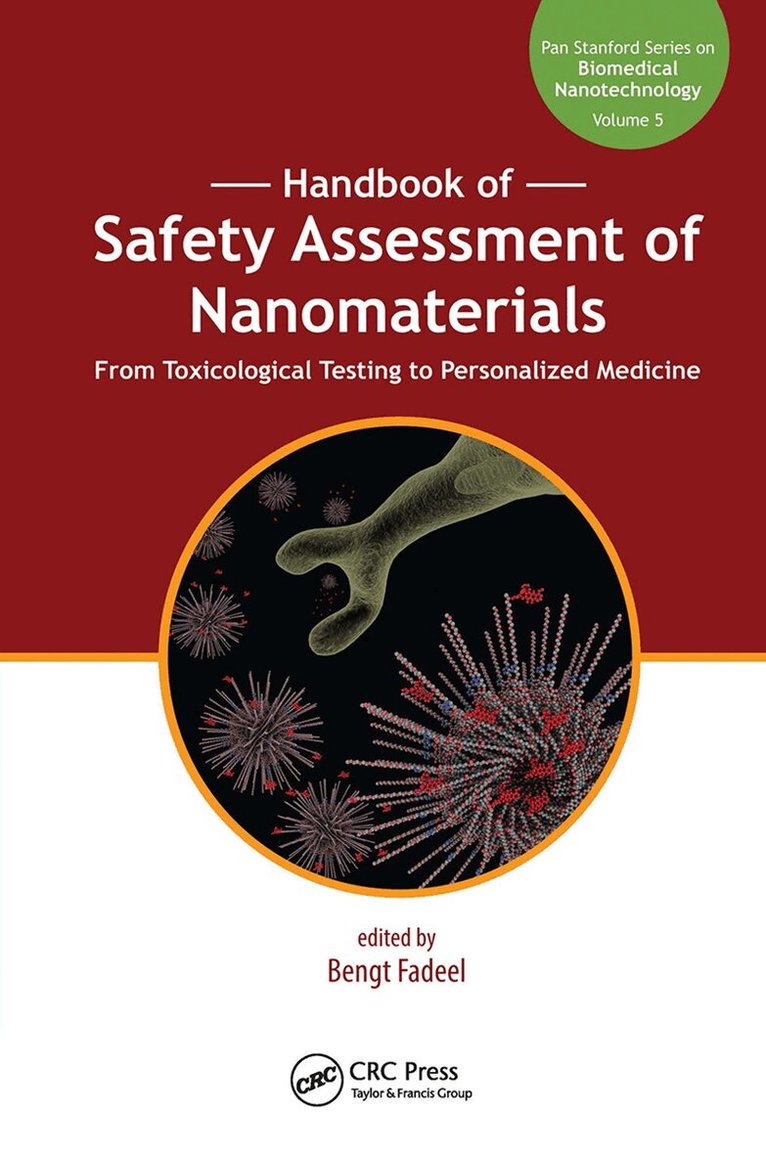
Handbook of Safety Assessment of Nanomaterials
From Toxicological Testing to Personalized Medicine
Inbunden, Engelska, 2014
2 576 kr
Skickas inom 7-10 vardagar
The rapidly evolving field of nanomedicine refers to the clinical application of nanotechnologies. However, as with all new technologies, there are ethical, safety, and regulatory issues. This handbook, written by leading international experts, provides a meticulous overview of the state of the art of safety assessment of nanomaterials (nanotoxicology) in the context of their application in nanomedicine. The volume includes a historical perspective on the development of nanomedicine and its regulation, and a personal view of the future of (nano)medicine by Patrick Hunziker, president of the European Society of Nanomedicine. Ethical considerations in relation to nanomedicine are discussed. There are a series of chapters on organ-specific toxicities of nanomaterials, including pulmonary and cardiovascular toxicity, neurotoxicity, dermatotoxicity, and reproductive toxicity, as well as a discussion on immunotoxicity and genotoxicity. The importance of a thorough characterization of physicochemical properties of nanomaterials is emphasized. The handbook also contains a critical discussion on the applicability of in vitro versus in vivo methods and models for nanosafety assessment, along with an introduction to mathematical modeling approaches with a view to a predictive toxicology of nanomaterials. The overall aim is to provide a comprehensive, science-based framework for safety assessment of current and future nanomedicines.
Handbook of Materials for Nanomedicine
Lipid-Based and Inorganic Nanomaterials
Inbunden, Engelska, 2020
2 708 kr
Skickas inom 10-15 vardagar
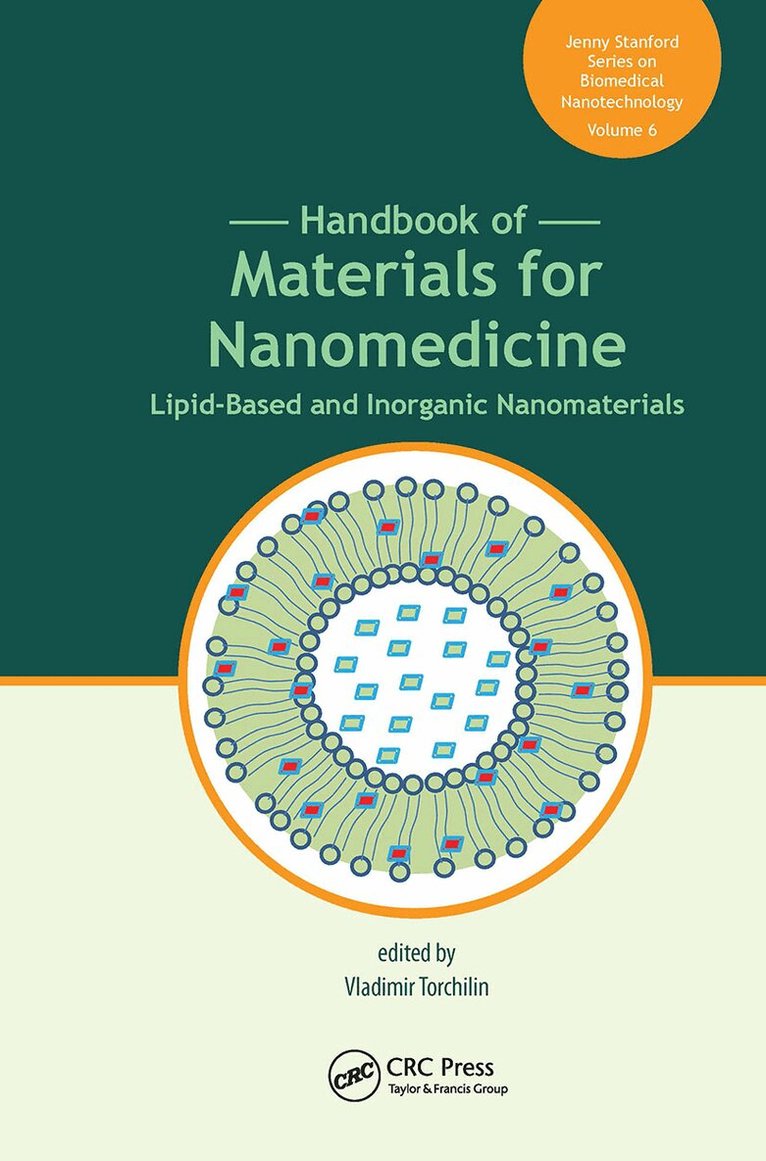
In the fast-developing field of nanomedicine, a broad variety of materials have been used for the development of advanced delivery systems for drugs, genes, and diagnostic agents. With the recent breakthroughs in the field, we are witnessing a new age of disease management, which is governed by precise regulation of dosage and delivery.This book presents the advances in the use of lipid-based and inorganic nanomaterials for medical imaging, diagnosis, theranostics, and drug delivery. The materials discussed include liposome-scaffold systems, elastic liposomes, targeted liposomes, solid lipid nanoparticles, lipoproteins, exosomes, porous inorganic nanomaterials, silica nanoparticles, and inorganic nanohybrids. The book provides all available information about them and describes in detail their advantages and disadvantages and the areas where they could be utilized successfully.
2 708 kr
Skickas inom 10-15 vardagar
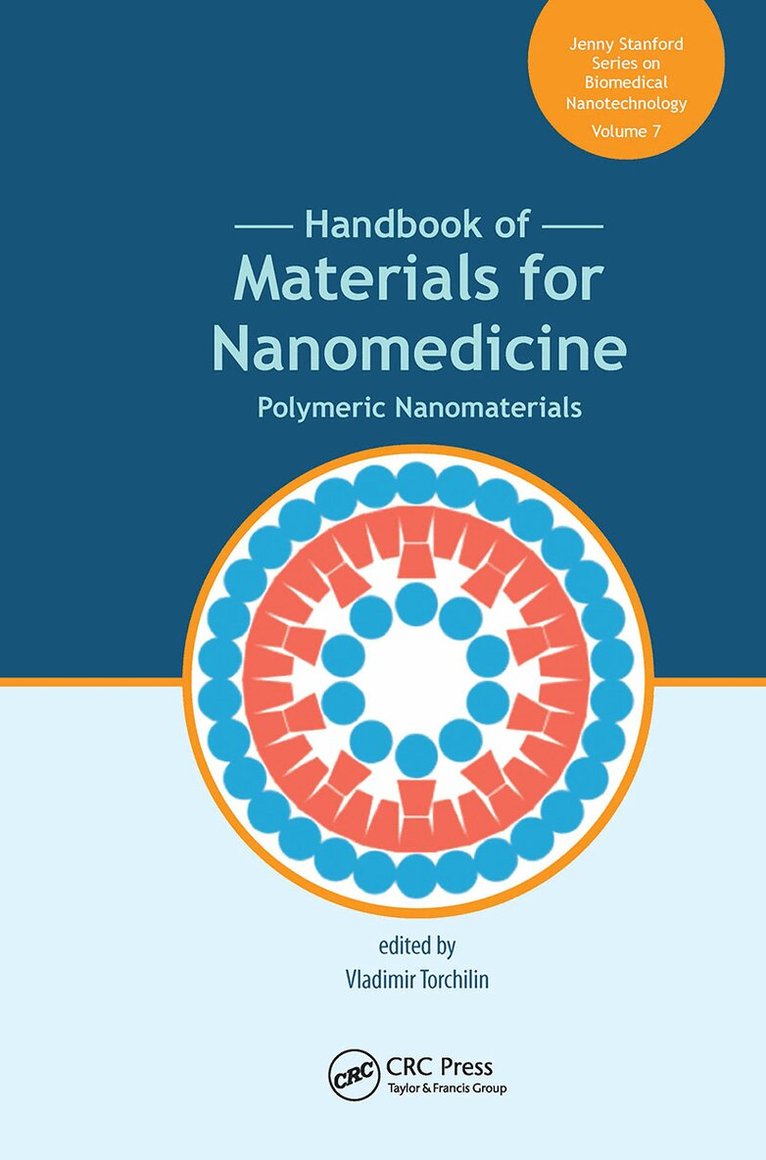
In the fast-developing field of nanomedicine, a broad variety of materials have been used for the development of advanced delivery systems for drugs, genes, and diagnostic agents. With the recent breakthroughs in the field, we are witnessing a new age of disease management, which is governed by precise regulation of dosage and delivery.This book presents the advances in the use of polymeric nanomaterials for medical imaging, diagnosis, theranostics, and drug delivery. Beginning with the combinatorial approach for polymer design, it discusses star-shaped amphiphilic polymers, self-assembling polymer–drug conjugates, amphiphilic dendrimers, dendrimer nanohybrids, sustainable green polymeric nanoconstructs, chitosan-based nanogels, and multifunctional hybrid nanogels. The book provides all available information about these materials and describes in detail their advantages and disadvantages and the areas where they could be utilized successfully.
2 708 kr
Skickas inom 10-15 vardagar
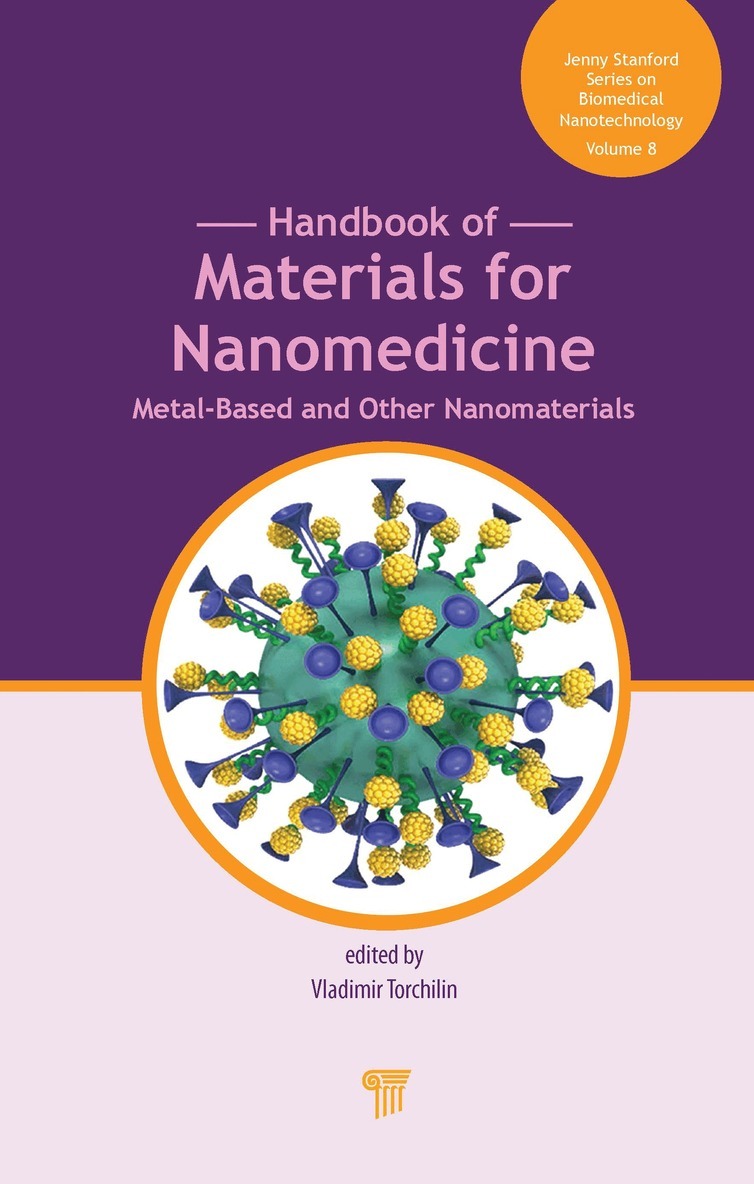
In the fast-developing field of nanomedicine, a broad variety of materials have been used for the development of advanced delivery systems for drugs, genes, and diagnostic agents. With the recent breakthroughs in the field, we are witnessing a new age of disease management, which is governed by precise regulation of dosage and delivery. This book presents the advances in the use of metal-based and other nanomaterials for medical imaging, diagnosis, theranostics, and drug delivery. It discusses silver, hybrid gold, and surface-modified magnetic nanoparticles, fluorescent quantum dots, lipid bubbles, and nanobubbles. It provides all available information about these materials and describes in detail their advantages and disadvantages and the areas where they could be utilized successfully. The text also covers topics such as improving bioactivity of poorly soluble actives, cellular and molecular toxicology of nanoparticles, and biofate of nanoemulsions.