Mansoor M. Amiji – författare
1 521 kr
Skickas inom 10-15 vardagar
Diagnostic and Therapeutic Applications of Exosomes in Cancer evaluates the potential of exosome content manipulation in the development of novel therapeutics. In recent years, exosomes, the small vesicles produced by all cell types, have been identified as contributors to cancer growth and metastasis. However, due to their unique biophysical properties, they are also being tested for use in therapeutic design and delivery, as well as in diagnostics. This book presents a comprehensive analysis on exosomes, with a main emphasis on their biogenesis and signaling, use as biomarkers, and as tools for imaging, drug delivery and the treatment of cancer.
Covers emerging pharmaceutical and diagnostic applications, including exosomes being tested as carriers of anticancer drugs, ongoing clinical trials, and exosomes as imaging agents for cancer diagnosis and treatment Brings together a team of highly regarded international authors who provide a full-rounded analysis Presents comprehensive coverage of the unique biophysical properties of exosomes Explores current and future possibilities2 108 kr
Läs direkt efter köp
2 022 kr
Skickas inom 10-15 vardagar
Delivery Technologies for Immuno-Oncology: Volume 1: Delivery Strategies and Engineering Technologies in Cancer Immunotherapy�examines the challenges of delivering immuno-oncology therapies. Immuno-oncology (IO) is a growing field of medicine at the interface of immunology and cancer biology leading to development of novel therapeutic approaches, such as chimeric antigen receptor T-cell (CAR-T) and immune checkpoint blockade antibodies, that are clinically approved approaches for cancer therapy. Although currently approved IO approaches have shown tremendous promise for select types of cancers, broad application of IO strategies could even further improve the clinical success, especially for diseases such as pancreatic cancer, brain tumors where the success of IO so far has been limited.
Nanotechnology-based targeted delivery strategies could improve the delivery efficiency of IO agents as well as provide additional avenues for novel therapeutic and vaccination strategies. Additionally, a number of locally-administered immunogenic scaffolds and therapeutic strategies, such as the use of STING agonist, could benefit from rationally designed biomaterials and delivery approaches.
Delivery Technologies for Immuno-Oncology: Volume 1: Delivery Strategies and Engineering Technologies in Cancer Immunotherapy creates a comprehensive treaty that engages the scientific and medical community who are involved in the challenges of immunology, cancer biology, and therapeutics with possible solutions from the nanotechnology and drug delivery side.
Comprehensive treaty covering all aspects of immuno-oncology (IO) Novel strategies for delivery of IO therapeutics and vaccines Forecasting on the future of nanotechnology and drug delivery for IO2 842 kr
Läs direkt efter köp
970 kr
Läs direkt efter köp
2 022 kr
Skickas inom 10-15 vardagar
Systemic Drug Delivery Strategies: Delivery Strategies and Engineering Technologies in Cancer Immunotherapy, Volume 2 examines the challenges of delivering immuno-oncology therapies, focusing specifically on the multiple technologies of affective drug delivery strategies. Immuno-oncology (IO) is a growing field of medicine at the interface of immunology and cancer biology leading to development of novel therapeutic approaches, such as chimeric antigen receptor T-cell (CAR-T) and immune checkpoint blockade antibodies, that are clinically approved approaches for cancer therapy. Although currently approved IO approaches have shown tremendous promise for select types of cancers, broad application of IO strategies could even further improve the clinical success, especially for diseases such as pancreatic cancer, brain tumors where the success of IO so far has been limited. This volume of Delivery Strategies and Engineering Technologies in Cancer Immunotherapy discusses methods of targeting tumors, CRISPR technology, and vaccine delivery among many other delivery strategies.
Systemic Drug Delivery Strategies: Delivery Strategies and Engineering Technologies in Cancer Immunotherapy, Volume 2 creates a comprehensive treaty that engages the scientific and medical community who are involved in the challenges of immunology, cancer biology, and therapeutics with possible solutions from the nanotechnology and drug delivery side.
Comprehensive treaty covering all aspects of immuno-oncology (IO) Novel strategies for delivery of IO therapeutics and vaccines Forecasting on the future of nanotechnology and drug delivery for IO2 842 kr
Läs direkt efter köp
2 022 kr
Skickas inom 10-15 vardagar
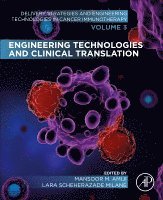
Engineering Technologies and Clinical Translation: Volume 3: Delivery Strategies and Engineering Technologies in Cancer Immunotherapy examines the challenges of delivering immuno-oncology therapies, focusing specifically on the development of solutions for drug delivery and its clinical outcomes. Immuno-oncology (IO) is a growing field of medicine at the interface of immunology and cancer biology leading to development of novel therapeutic approaches, such as chimeric antigen receptor T-cell (CAR-T) and immune checkpoint blockade antibodies, that are clinically approved approaches for cancer therapy. Although currently approved IO approaches have shown tremendous promise for select types of cancers, broad application of IO strategies could even further improve the clinical success, especially for diseases such as pancreatic cancer, brain tumors where the success of IO so far has been limited. This volume of Delivery Strategies and Engineering Technologies in Cancer Immunotherapy?discusses biomaterial, microfluidic, and biodegradable devices, engineered microbes, personalized medicine, clinical approval process, and many other IO technologies.
Engineering Technologies and Clinical Translation: Volume 3: Delivery Strategies and Engineering Technologies in Cancer Immunotherapy creates a comprehensive treaty that engages the scientific and medical community who are involved in the challenges of immunology, cancer biology, and therapeutics with possible solutions from the nanotechnology and drug delivery side.
Explores engineering technologies and their clinical translation in a comprehensive way Presents forecasting on the future of nanotechnology and drug delivery for IO Engages the scientific and medical community who are involved in the challenges of immunology, cancer biology, and therapeutics with possible solutions from the nanotechnology and drug delivery side2 742 kr
Läs direkt efter köp
967 kr
Skickas inom 10-15 vardagar
3 787 kr
Skickas inom 10-15 vardagar
749 kr
Skickas inom 10-15 vardagar
749 kr
Skickas inom 10-15 vardagar
2 099 kr
Skickas inom 10-15 vardagar
2 656 kr
Läs direkt efter köp
2 034 kr
Kommande
5 095 kr
Läs direkt efter köp
849 kr
Läs direkt efter köp
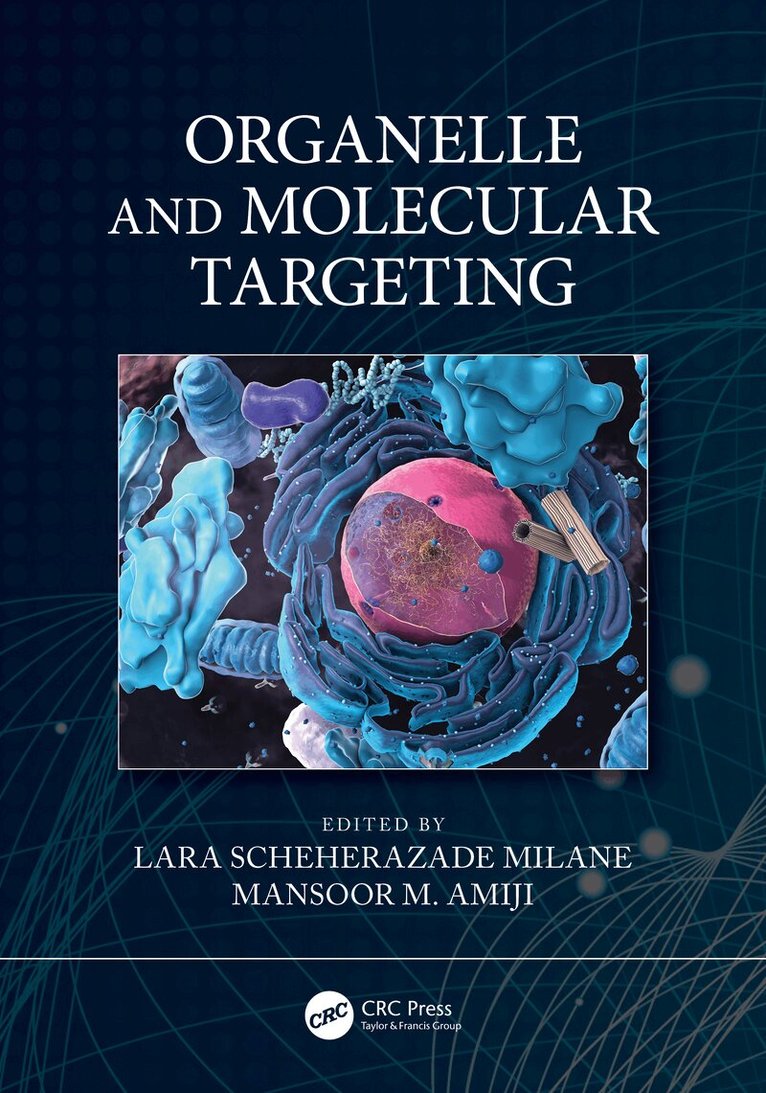
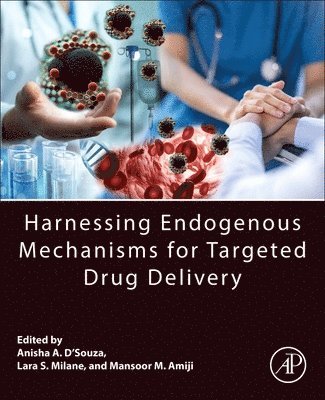
We have surpassed the omics era and are truly in the Age of Molecular Therapeutics. The fast-paced development of SARS-CoV-2 vaccines, such as the mRNA vaccines encoding the viral spike protein, demonstrated the need for and capability of molecular therapy and nanotechnology-based solutions for drug delivery. In record speed, the SARS-CoV-2 viral RNA genome was sequenced and shared with the scientific community, allowing the rapid design of molecular therapeutics. The mRNA vaccines exploit the host cell endoplasmic reticulum to produce viral spike proteins for antigen presentation and recognition by the innate and adaptive immune system. Lipid nanoparticles enable the delivery of the fragile, degradation-sensitive nucleic acid payloads. Molecular-based therapeutics and nanotechnology solutions continue to drive the scientific and medical response to the COVID-19 pandemic as new mRNA, DNA, and protein-based vaccines are developed and approved and the emergency use approved vaccines are rapidly manufactured and distributed throughout the globe.
The need for molecular therapies and drug delivery solutions is clear, and as these therapies progress and become more specialized there will be important advancements in organelle targeting. For example, using organelle targeting to direct lipid nanoparticles with mRNA payloads to the endoplasmic reticulum would increase the efficacy of mRNA vaccines, reducing the required dose and therefore the biomanufacturing demand. Likewise, improving the delivery of DNA therapeutics to the nucleus would improve efficacy. Organelles and molecules have always been drug targets, but until recently we have not had the tools or capability to design and develop such highly specific therapeutics. Organelle targeting has far-reaching implications. For example, mitochondria are central to both energy production and intrinsic apoptosis. Effectively targeting and manipulating mitochondria has therapeutic applications for diseases such as myopathies, cancer, neurodegeneration, progerias, diabetes, and the natural aging process. The SARS-CoV-2 vaccines that exploit the endoplasmic reticulum (for mRNA vaccines) and the nucleic translational process (DNA vaccines) attest to the need for organelle and molecular therapeutics. This book covers the status, demand, and future of organelle- and molecularly targeted therapeutics that are critical to the advancement of modern medicine. Organelle and molecular targeting is the drug design and drug delivery approach of today and the future; understanding this approach is essential for students, scientists, and clinicians contributing to modern medicine.
819 kr
Läs direkt efter köp
We have surpassed the omics era and are truly in the Age of Molecular Therapeutics. The fast-paced development of SARS-CoV-2 vaccines, such as the mRNA vaccines encoding the viral spike protein, demonstrated the need for and capability of molecular therapy and nanotechnology-based solutions for drug delivery. In record speed, the SARS-CoV-2 viral RNA genome was sequenced and shared with the scientific community, allowing the rapid design of molecular therapeutics. The mRNA vaccines exploit the host cell endoplasmic reticulum to produce viral spike proteins for antigen presentation and recognition by the innate and adaptive immune system. Lipid nanoparticles enable the delivery of the fragile, degradation-sensitive nucleic acid payloads. Molecular-based therapeutics and nanotechnology solutions continue to drive the scientific and medical response to the COVID-19 pandemic as new mRNA, DNA, and protein-based vaccines are developed and approved and the emergency use approved vaccines are rapidly manufactured and distributed throughout the globe.
The need for molecular therapies and drug delivery solutions is clear, and as these therapies progress and become more specialized there will be important advancements in organelle targeting. For example, using organelle targeting to direct lipid nanoparticles with mRNA payloads to the endoplasmic reticulum would increase the efficacy of mRNA vaccines, reducing the required dose and therefore the biomanufacturing demand. Likewise, improving the delivery of DNA therapeutics to the nucleus would improve efficacy. Organelles and molecules have always been drug targets, but until recently we have not had the tools or capability to design and develop such highly specific therapeutics. Organelle targeting has far-reaching implications. For example, mitochondria are central to both energy production and intrinsic apoptosis. Effectively targeting and manipulating mitochondria has therapeutic applications for diseases such as myopathies, cancer, neurodegeneration, progerias, diabetes, and the natural aging process. The SARS-CoV-2 vaccines that exploit the endoplasmic reticulum (for mRNA vaccines) and the nucleic translational process (DNA vaccines) attest to the need for organelle and molecular therapeutics. This book covers the status, demand, and future of organelle- and molecularly targeted therapeutics that are critical to the advancement of modern medicine. Organelle and molecular targeting is the drug design and drug delivery approach of today and the future; understanding this approach is essential for students, scientists, and clinicians contributing to modern medicine.
1 143 kr
Läs direkt efter köp
970 kr
Läs direkt efter köp
883 kr
Läs direkt efter köp
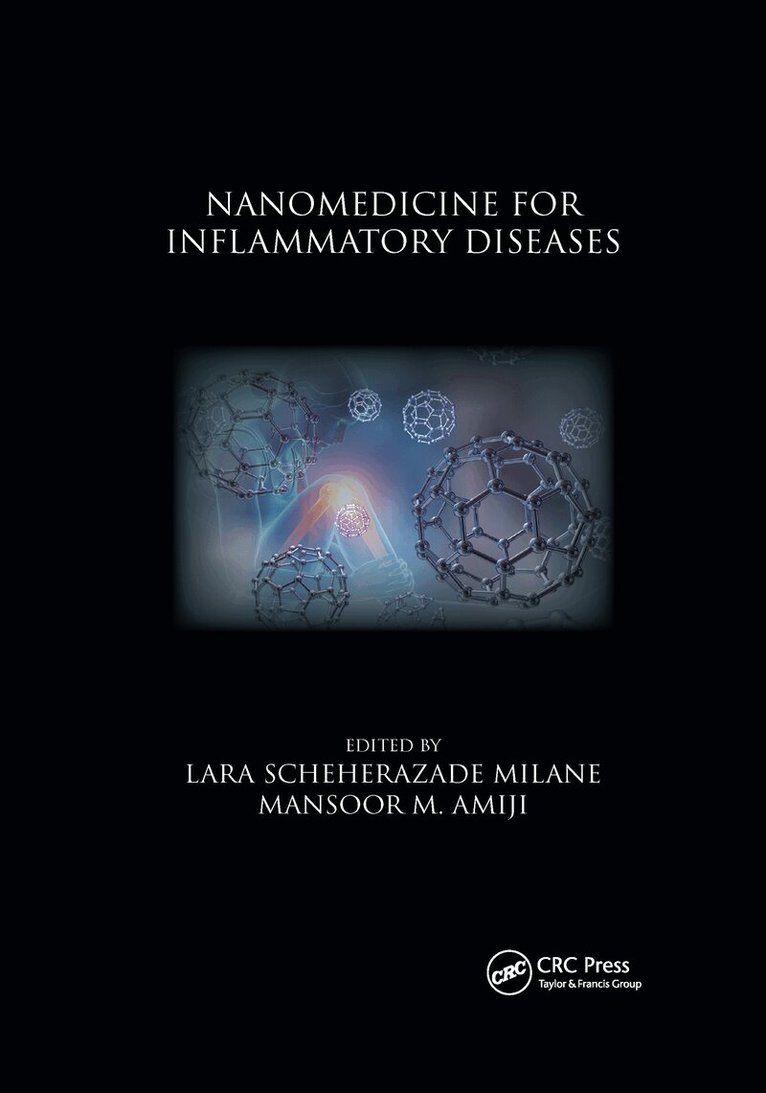
Nanomedicine for Inflammatory Diseases is a cutting-edge resource for clinicians and scientists alike, working at the intersection of development and clinical therapeutics. This text is ideal for graduate level courses in nanomedicine, translational medicine, or inflammatory disease. This book is a progressive hallmark in translational medicine as it unites clinicians treating inflammatory disease with scientists developing experimental nanomedicine therapeutics. The commonality is made through a translational nanomedicine expert – bridging the gap between the laboratory benchtop and the clinical bedside.
1 103 kr
Läs direkt efter köp
2 919 kr
Skickas inom 10-15 vardagar
883 kr
Läs direkt efter köp
Nanomedicine for Inflammatory Diseases is a cutting-edge resource for clinicians and scientists alike, working at the intersection of development and clinical therapeutics. This text is ideal for graduate level courses in nanomedicine, translational medicine, or inflammatory disease. This book is a progressive hallmark in translational medicine as it unites clinicians treating inflammatory disease with scientists developing experimental nanomedicine therapeutics. The commonality is made through a translational nanomedicine expert – bridging the gap between the laboratory benchtop and the clinical bedside.
2 813 kr
Skickas inom 5-8 vardagar
2 516 kr
Läs direkt efter köp
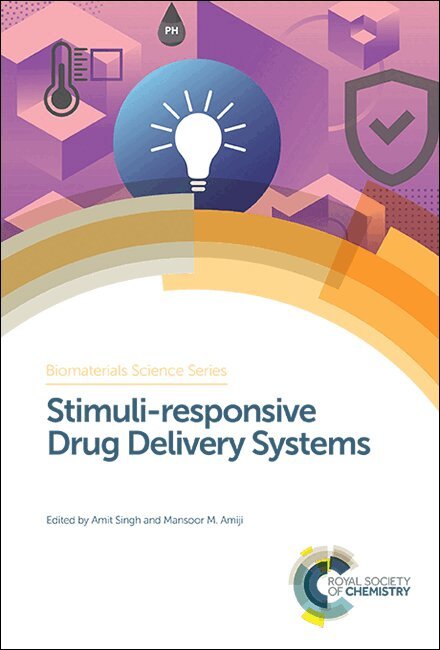
The increased understanding of molecular aspects associated with chronic diseases, such as cancer and the role of tumor microenvironment, has led to the identification of endogenous and exogenous stimuli that can be exploited to devise “stimuli-responsive” materials for site-specific drug delivery applications. This book provides a comprehensive account on the design, materials chemistry, and application aspects behind these novel stimuli-responsive materials.
Setting the scene, the editors open with a chapter addressing the need for smart materials in delivery applications for therapy, imaging and disease diagnosis. The following chapter describes the key physical and chemical aspects of smart materials, from lipids to polymers to hybrid materials, providing the reader with a springboard to delve into the more application oriented chapters that follow. With in-depth coverage of key drug delivery systems such as pH-responsive, temperature responsive, enzyme-responsive and light responsive systems, this book provides a rigorous foundation to the field. A perfect resource for graduate students and newcomers, the closing chapter on regulatory and commercialization challenges also makes the book ideal for those wanting to take the next step towards clinical translation.
2 428 kr
Läs direkt efter köp
The increased understanding of molecular aspects associated with chronic diseases, such as cancer and the role of tumor microenvironment, has led to the identification of endogenous and exogenous stimuli that can be exploited to devise “stimuli-responsive” materials for site-specific drug delivery applications. This book provides a comprehensive account on the design, materials chemistry, and application aspects behind these novel stimuli-responsive materials.
Setting the scene, the editors open with a chapter addressing the need for smart materials in delivery applications for therapy, imaging and disease diagnosis. The following chapter describes the key physical and chemical aspects of smart materials, from lipids to polymers to hybrid materials, providing the reader with a springboard to delve into the more application oriented chapters that follow. With in-depth coverage of key drug delivery systems such as pH-responsive, temperature responsive, enzyme-responsive and light responsive systems, this book provides a rigorous foundation to the field. A perfect resource for graduate students and newcomers, the closing chapter on regulatory and commercialization challenges also makes the book ideal for those wanting to take the next step towards clinical translation.
4 426 kr
Skickas inom 5-8 vardagar
5 280 kr
Läs direkt efter köp