Key Themes in Organizational Communication - Böcker
Visar alla böcker i serien Key Themes in Organizational Communication. Handla med fri frakt och snabb leverans.
12 produkter
12 produkter
Del 5 - Key Themes in Organizational Communication
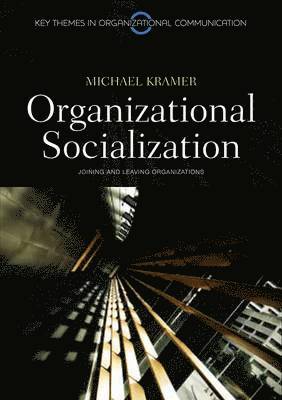
Organizational Socialization
Joining and Leaving Organizations
Inbunden, Engelska, 2010
767 kr
Skickas inom 5-8 vardagar
The experiences of joining and leaving organizations permeate most people’s lives in the 21st century. This book provides a framework for increasing our understanding of those experiences using a mixture of specific examples, scholarly findings, and theoretical concepts and models. Each chapter begins with a realistic scenario that illustrates its concepts and theories. Then the chapters explore the entire socialization process from anticipatory socialization, in which individuals choose occupations and organizations to join, to voluntarily or involuntarily exit from those same organizations. In between, chapters examine the process of entering organizations, learning their culture, developing personal relationships, and experiencing individual transitions, like promotions, and organizational transitions, like mergers and acquisitions, as part of the ongoing socialization process. It expands the study of socialization by considering socialization of organizational volunteers as well as paid employees, and by exploring the ways that work-family issues and new technologies influence the socialization process. Throughout, particular attention is paid to the role and importance of communication in these experiences. The book’s organization allows scholars, students, and organizational participants in every walk of life to increase their understanding of their organizational experiences. It will be particularly useful for those studying organizational communication, business and management.
Del 6 - Key Themes in Organizational Communication
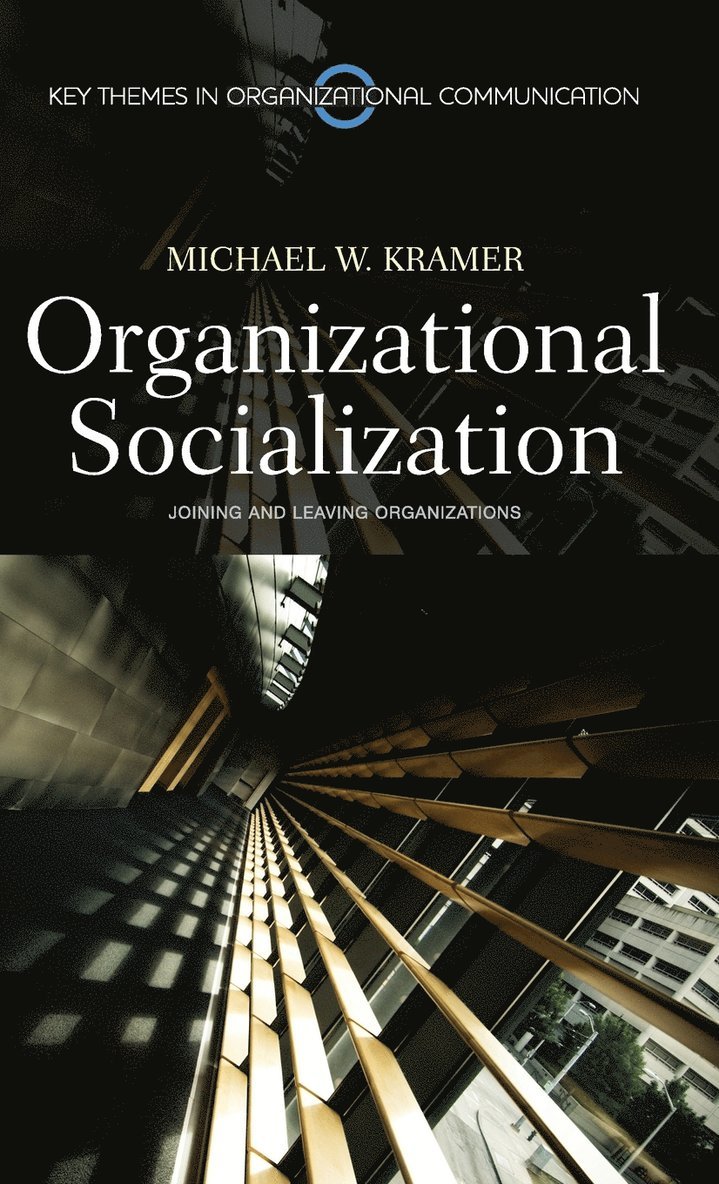
Organizational Socialization
Joining and Leaving Organizations
Häftad, Engelska, 2010
223 kr
Skickas inom 7-10 vardagar
The experiences of joining and leaving organizations permeate most people’s lives in the 21st century. This book provides a framework for increasing our understanding of those experiences using a mixture of specific examples, scholarly findings, and theoretical concepts and models. Each chapter begins with a realistic scenario that illustrates its concepts and theories. Then the chapters explore the entire socialization process from anticipatory socialization, in which individuals choose occupations and organizations to join, to voluntarily or involuntarily exit from those same organizations. In between, chapters examine the process of entering organizations, learning their culture, developing personal relationships, and experiencing individual transitions, like promotions, and organizational transitions, like mergers and acquisitions, as part of the ongoing socialization process. It expands the study of socialization by considering socialization of organizational volunteers as well as paid employees, and by exploring the ways that work-family issues and new technologies influence the socialization process. Throughout, particular attention is paid to the role and importance of communication in these experiences. The book’s organization allows scholars, students, and organizational participants in every walk of life to increase their understanding of their organizational experiences. It will be particularly useful for those studying organizational communication, business and management.
713 kr
Skickas inom 7-10 vardagar
Why do citizens demand that their political systems be democratic, but tolerate autocratic rule within their organizations? Why do governments spend trillions to aid corporations in spite of intense opposition by the vast majority of their citizens? Why do most people accept cultural myths about economies and organizations in spite of contradictory evidence, while others resist them? This book argues that the answers lie in the power of organizational rhetoric--the strategic use of symbols to manipulate popular opinion and political power. Organizational Rhetoricmines the mythical systems that underlie corporate influence and explains how corporate rhetors use these mythologies to create and sustain preferential public policies and favorable images. Each chapter also examines resistance to these mythologies, and concludes with an illustrative case study.This accessible and engaging book asks readers to think carefully and critically about domination and resistance. Moreover, it engages them in an analysis of how their own practices contribute to underlying structures and ideologies, and how their actions could contribute to change.
216 kr
Skickas inom 7-10 vardagar
Why do citizens demand that their political systems be democratic, but tolerate autocratic rule within their organizations? Why do governments spend trillions to aid corporations in spite of intense opposition by the vast majority of their citizens? Why do most people accept cultural myths about economies and organizations in spite of contradictory evidence, while others resist them? This book argues that the answers lie in the power of organizational rhetoric--the strategic use of symbols to manipulate popular opinion and political power. Organizational Rhetoric examines the mythical systems that underlie corporate influence and explains how corporate rhetors use these mythologies to create and sustain preferential public policies and favorable images. Each chapter also examines resistance to these mythologies, and concludes with an illustrative case study.This accessible and engaging book asks readers to think carefully and critically about domination and resistance. Moreover, it engages them in an analysis of how their own practices contribute to underlying structures and ideologies, and how their actions could contribute to change.
842 kr
Skickas inom 5-8 vardagar
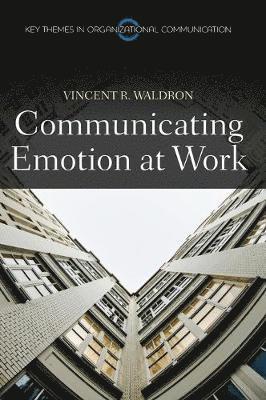
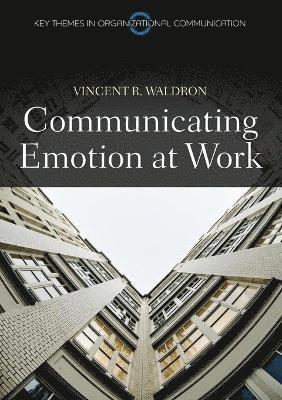
Communicating Emotion at Work chronicles the rich emotional experiences of employees drawn from a broad cross-section of industries and occupations. It takes a decidedly positive approach, recognizing that emotional communication is a vital and creative response to the challenges of life in complex organizations. The text introduces readers to the engaging and cross-disciplinary body of research that has emerged around organizational emotion. At the same time, each chapter is steeped in real-life emotional narratives, concrete examples, and the contemporary trends that are changing the emotional tenor of work.
223 kr
Skickas inom 7-10 vardagar
Communicating Emotion at Work chronicles the rich emotional experiences of employees drawn from a broad cross-section of industries and occupations. It takes a decidedly positive approach, recognizing that emotional communication is a vital and creative response to the challenges of life in complex organizations. The text introduces readers to the engaging and cross-disciplinary body of research that has emerged around organizational emotion. At the same time, each chapter is steeped in real-life emotional narratives, concrete examples, and the contemporary trends that are changing the emotional tenor of work.
681 kr
Skickas inom 7-10 vardagar
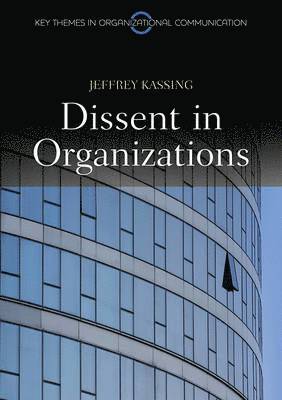
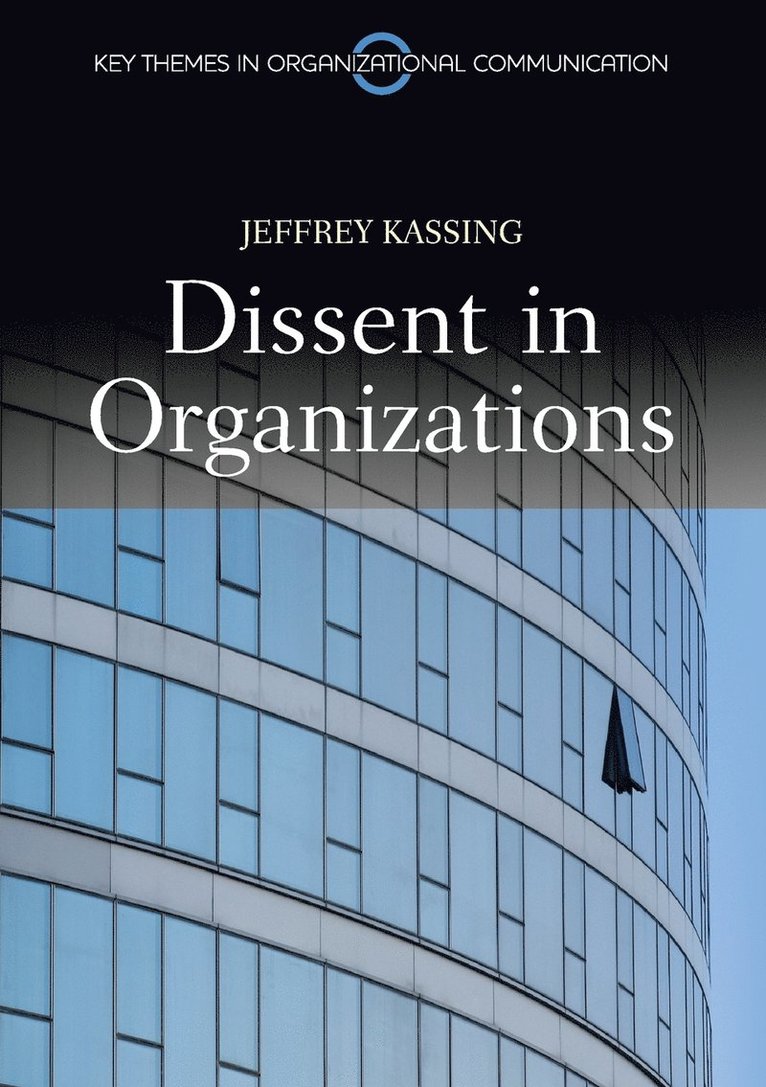
Employees often disagree with workplace policies and practices, leaving few workplaces unaffected by organizational dissent. While disagreement persists in most contemporary organizations, how employees express dissent at work and how their respective organizations respond to it vary widely. Through the use of case studies, first-person accounts, current examples, conceptual models, and scholarly findings this work offers a comprehensive treatment of organizational dissent. Readers will find a sensible balance between theoretical considerations and practical applications.Theoretical considerations include: how dissent fits within classical and contemporary organizational communication approaches dissent's relationship to, yet distinctiveness from, related organizational concepts like conflict, resistance, and voiceexplanations for why employees express dissent and how they make sense of itthe relationship between organizational dissent and ethicsPractical applications encompass: recommendations for employees expressing dissent and managers responding to it consideration of the range of events that trigger dissentstrategies employees use to express dissent and tools organizations can apply to solicit it effectivelythe unique challenges and benefits associated with expressing dissent to managementThe book's specific focus and engaged voice provide students, scholars, and practitioners with a deeper understanding of dissent as an important aspect of workplace communication.
302 kr
Skickas inom 5-8 vardagar
Employees often disagree with workplace policies and practices, leaving few workplaces unaffected by organizational dissent. While disagreement persists in most contemporary organizations, how employees express dissent at work and how their respective organizations respond to it vary widely. Through the use of case studies, first-person accounts, current examples, conceptual models, and scholarly findings this work offers a comprehensive treatment of organizational dissent. Readers will find a sensible balance between theoretical considerations and practical applications.Theoretical considerations include: how dissent fits within classical and contemporary organizational communication approaches dissent's relationship to, yet distinctiveness from, related organizational concepts like conflict, resistance, and voiceexplanations for why employees express dissent and how they make sense of itthe relationship between organizational dissent and ethicsPractical applications encompass: recommendations for employees expressing dissent and managers responding to it consideration of the range of events that trigger dissentstrategies employees use to express dissent and tools organizations can apply to solicit it effectivelythe unique challenges and benefits associated with expressing dissent to managementThe book's specific focus and engaged voice provide students, scholars, and practitioners with a deeper understanding of dissent as an important aspect of workplace communication.
656 kr
Skickas inom 7-10 vardagar
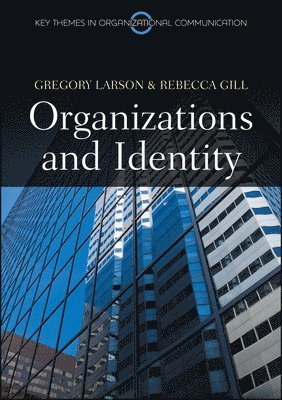
The question “who am I?” represents one of the key challenges of contemporary life in a globalized world. For most of us, organizations play a key role in answering that question.In this book, Gregory Larson and Rebecca Gill explain how identities are formed, managed, and regulated in our interactions with organizations, and why identity has become so relevant in modern life. Their examination includes frameworks for organizing and understanding identity scholarship, the nature of multiple identities and how these are managed, and the use of identity as a way to control workers. Organizations and Identity introduces a discursive approach to the topic, highlighting what is unique and consequential about studying identity from a communication perspective. It is essential reading for students and scholars of organizational communication.
223 kr
Skickas inom 7-10 vardagar
The question “who am I?” represents one of the key challenges of contemporary life in a globalized world. For most of us, organizations play a key role in answering that question.In this book, Gregory Larson and Rebecca Gill explain how identities are formed, managed, and regulated in our interactions with organizations, and why identity has become so relevant in modern life. Their examination includes frameworks for organizing and understanding identity scholarship, the nature of multiple identities and how these are managed, and the use of identity as a way to control workers. Organizations and Identity introduces a discursive approach to the topic, highlighting what is unique and consequential about studying identity from a communication perspective. It is essential reading for students and scholars of organizational communication.
681 kr
Skickas inom 7-10 vardagar
How can we study organizations from a discursive perspective? What are the characteristics, strengths and weaknesses of each perspective on organizational discourse? To what extent do discourse and communication constitute the organizational world? This accessible book addresses these questions by showing how classical organizational themes, objects and questions can be illuminated from various discursive perspectives.Six approaches are presented and explained: semiotics, rhetoric, speech act theory, conversation analysis/ethnomethodology, narrative analysis, and critical discourse analysis. These six perspectives are then mobilized throughout the book to study coordination and organizing, organizational culture and identity, as well as negotiation, decision making and conflicts in the context of meetings.The unifying thread of this volume is the communicative constitutive approach (CCO) to organizations, as implicitly or explicitly advocated by the great majority of organizational discourse analysts and theorists today. Throughout Organizational Discourse, this theme will help readers distinguish between discursive perspectives and other approaches to organizational life, and to understand how discourse matters in organizations.
236 kr
Skickas inom 7-10 vardagar
How can we study organizations from a discursive perspective? What are the characteristics, strengths and weaknesses of each perspective on organizational discourse? To what extent do discourse and communication constitute the organizational world? This accessible book addresses these questions by showing how classical organizational themes, objects and questions can be illuminated from various discursive perspectives.Six approaches are presented and explained: semiotics, rhetoric, speech act theory, conversation analysis/ethnomethodology, narrative analysis, and critical discourse analysis. These six perspectives are then mobilized throughout the book to study coordination and organizing, organizational culture and identity, as well as negotiation, decision making and conflicts in the context of meetings.The unifying thread of this volume is the communicative constitutive approach (CCO) to organizations, as implicitly or explicitly advocated by the great majority of organizational discourse analysts and theorists today. Throughout Organizational Discourse, this theme will help readers distinguish between discursive perspectives and other approaches to organizational life, and to understand how discourse matters in organizations.