Library of Middle East History – serie
Visar alla böcker i serien Library of Middle East History. Handla med fri frakt och snabb leverans.
6 produkter
6 produkter
Del 75 - Library of Middle East History
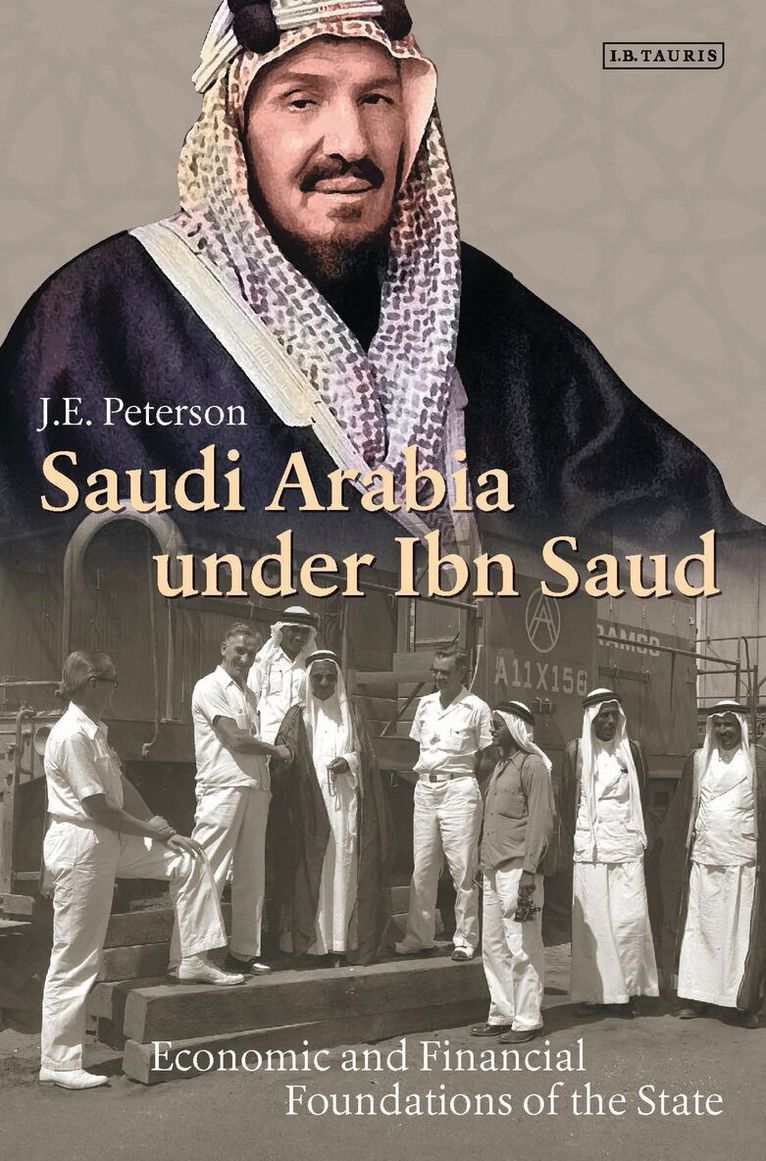
Saudi Arabia Under Ibn Saud
Economic and Financial Foundations of the State
Inbunden, Engelska, 2018
1 383 kr
Skickas inom 10-15 vardagar
At its founding in 1932, the Kingdom of Saudi Arabia was characterized by tribal warfare, political instability, chronic financial shortages and economic crises. As a desert chieftain, Abd al-Aziz Ibn Saud, the ruler and king until 1953, had the skills, the cunning and the power to control the tribes and bring peace to this realm. But financial and economic matters were not his forte and these he left mostly to a single individual, Abdullah al-Sulayman al-Hamdan. He was entrusted with nearly all of the country's early financial dealings and administrative development. The Ministry of Finance, which he headed from its inception, served as nearly the sole government agency dealing with a wide variety of matters, many of which had only a peripheral connection to finance or the economy. This book examines the role of the Ministry of Finance and its minister, Abdullah al-Sulayman, in holding the country together financially and administratively until the promise of substantial oil income was realized a few years after the end of World War II. It will be essential reading for anyone interested in Gulf History and the Economic History of the Middle East.
Del 2 - Library of Middle East History
Ottoman Haifa
A History of Four Centuries Under Turkish Rule
Inbunden, Engelska, 2010
1 754 kr
Skickas inom 10-15 vardagar
Under Ottoman rule, the city of Haifa, located at the southern point of the largest bay on the coast of what today is Israel, was transformed from a scarcely-inhabited fortress town to a major modern city. This book details the history of Haifa under the Ottomans during the period 1516-1918. Alex Carmel uses a variety of original sources to uncover the realities of life in Haifa under Ottoman rule and paints a vivid picture of the development of the city in this era. Carmel's work has become the benchmark of the historiography of Israel's third largest city and remains to this day, the best-known and most highly-regarded survey of Haifa under Ottoman rule. This, the first English edition of 'Ottoman Haifa', will be essential reading for all historians of the Ottoman Empire and the Middle East.
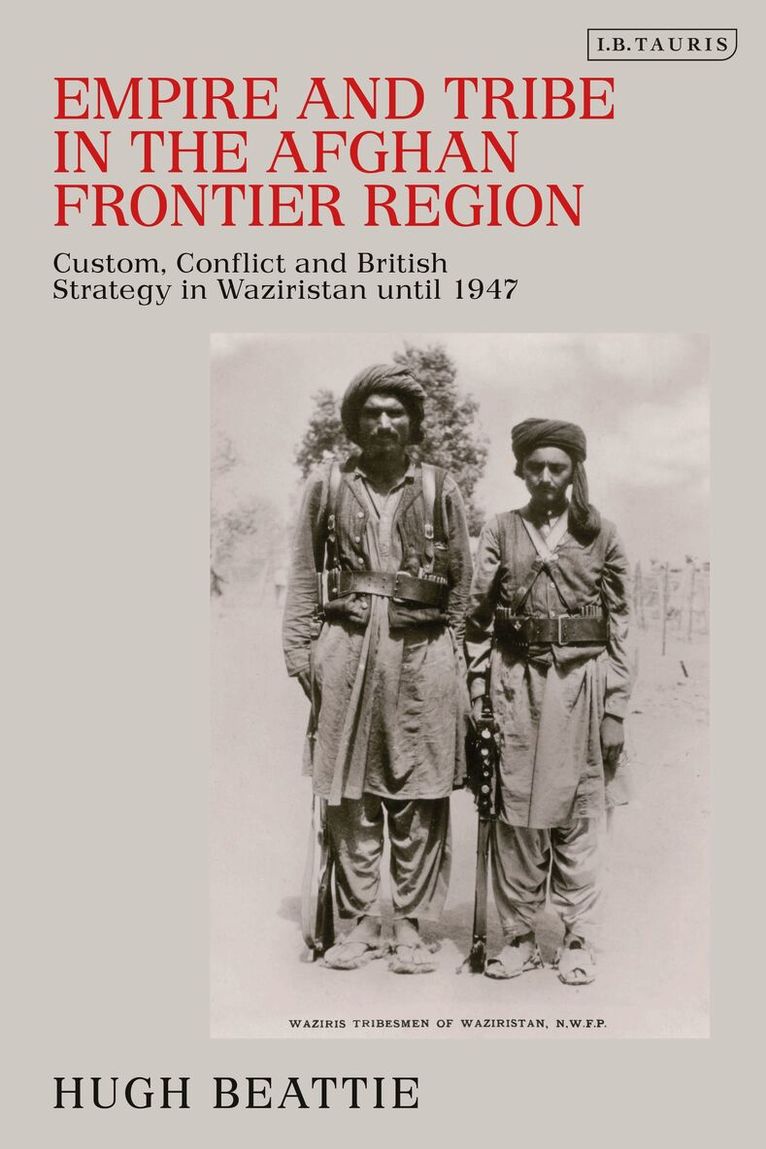
Empire and Tribe in the Afghan Frontier Region
Custom, Conflict and British Strategy in Waziristan until 1947
Inbunden, Engelska, 2019
1 619 kr
Skickas inom 10-15 vardagar
Waziristan, a region on the border between Afghanistan and Pakistan, has in recent years become a flash point in the so-called ‘War on Terror’. Hugh Beattie looks at the history of this region, examining British attempts to manage the tribes from 1849 until Pakistan’s declaration of independence in 1947. He explores British attempts to divide the frontier region into separate British and Afghan spheres of influence. In the minds of British policymakers, this demarcation would secure the position of the Empire, and so Beattie highlights the various policy initiatives towards the frontier region over the period in question. Crucially, he analyses how the British perceived the local tribes, what constituted authority within tribal frameworks, and the military and political ramifications of these perceptions. As he also explores the contemporary relevance of this region, taking into account the resurgence of the Taliban in Waziristan, Beattie’s analysis is vital for those interested in the history and security implications of the Afghan frontier with Pakistan.
2 108 kr
Skickas inom 10-15 vardagar
Close Relationships is Geert Jan van Gelder's groundbreaking and comprehensive study of the diverse facts and opinions concerning incest and close-kin marriage found in literary and non-literary pre-modern Arabic texts. The pre-Islamic Arabs knew about the dangers of inbreeding; the Qur'an formulates the basic principles of marriage impediments in Islam, which were elaborated by generations of jurists. Incest is a motif found in lampoons, anecdotes, stories, legends, dream interpretation, and polemics with other religions, in particular the Zoroastrians, who in pre-Islamic times allegedly recommended next-of-kin marriage. Many of the relevant passages are presented as English translations in this richly documented book.
2 248 kr
Skickas inom 5-8 vardagar
The Savafid dynasty represented, in political, cultural and economic terms the pinnacle of Iran's power and influence in its early modern history. The evidence for this -the creation of a nation state, military expansion and success, economic dynamism and the exquisite art and architecture of the period - is well-known. What is less understood is the extent to which the Safavid success depended on - and was a product of - a class of elite originating from outside Iran: the slaves of Caucasian descent and the Armenian merchants of New Julfa in the city of Isfahan. It was these groups, bolstered by Shah Abbas the Great (1589 - 1629) and his successors, who became the pillars of Safavid political, economic and cultural life. This book describes how these elites, following their conversion to Islam, helped to form a new language of Savafid absolutism. It documents their contributions, financed by the Armenian trade in Safavid silk, to the transformation of Isfahan's urban, artistic and social landscape.The insights provided here into the multi-faceted roles of the Safavid royal household offer an original and comprehensive study of slave elites in imperial systems common to the political economies of the Malmuk, Ottoman and Safavid courts as well as contributing to the earlier Abbasid, Ghaznavid and Saljuq eras. As such this book makes an original and important contribution to our understanding of the history of the Islamic world from the 16th to the 18th centuries and will prove invaluable for students and scholars of the period.
1 888 kr
Skickas inom 10-15 vardagar
This study examines the history behind an idea: a new polity of "Greater Lebanon". It shows how, under the powerful influence of the French Mandate, various groups of the local elite attempted to create what amounted to a new Lebanese nationalism, carving the state into Maronite Christian, Sunni and Shiite power bases. The results only accentuated the divisions already inherent in this multi-ethnic and multi-faith society, and were to pave the way for the instability and wars that have plagued the country ever since.