Mappings - Böcker
Visar alla böcker i serien Mappings. Handla med fri frakt och snabb leverans.
5 produkter
5 produkter
314 kr
Skickas inom 3-6 vardagar
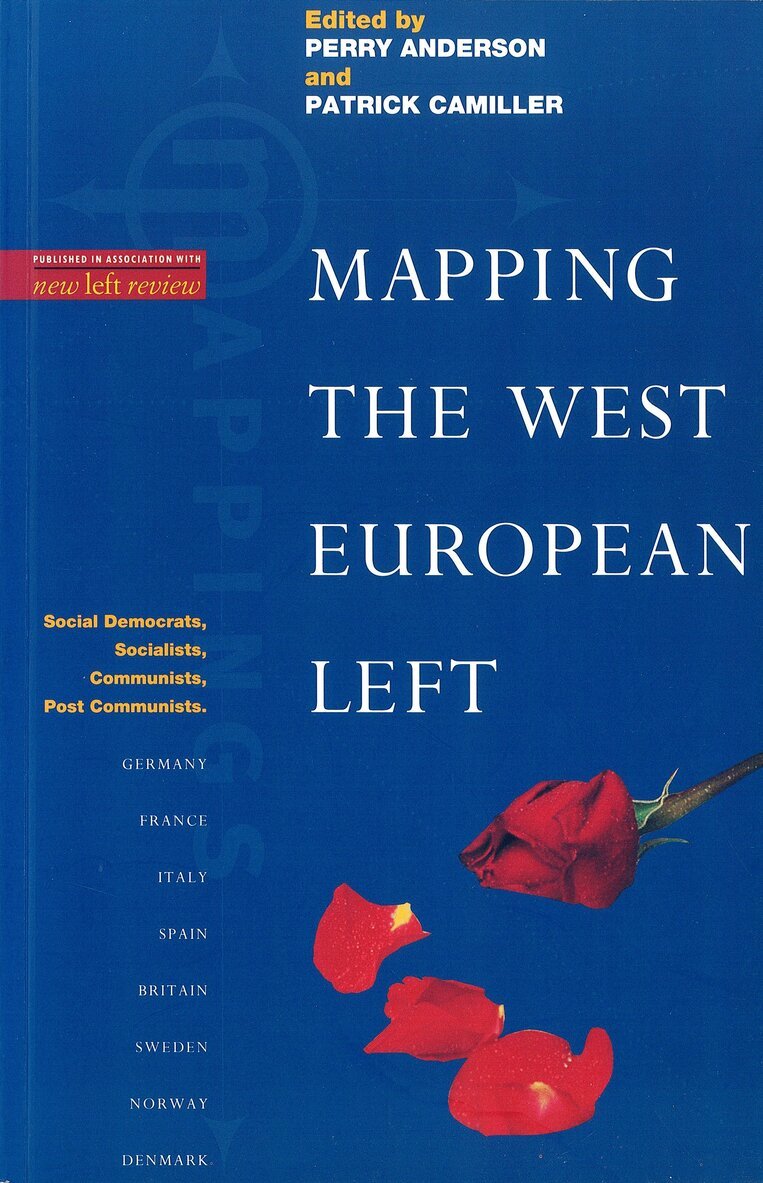
Organized as a series of tightly linked, comparative assessments, Mapping the West European Left provides a guide to the state of the left in Sweden, Norway, Denmark, Germany, Britain, France, Italy and Spain. While all the essays are detailed historical compositions-setting recent crises and dilemmas in a longer perspective reaching back into the postwar settlement-they articulate original insights into the contemporary political conjuncture.Why did Swedish social democracy lose hegemony and direction while its Norwegian counterpart showed unexpected resilience? What was the background to the Danish rebellion against Maastricht? What are the prospects for the SPD and the Greens in post-unification Germany? Should the British Labour Party embrace electoral reform? What propelled the French Socialist Party from triumph to disaster? And why did the Italian left fail to fill the vacuum created by the collapse of the Christian Democrats?Behind the questions explored by the contributors to Mapping the West European Left lie deeper issues concerning the future of radical politics in Europe after the repudiation of Keynesianism and the end of communism. With the individual country analyses synthesized by the editors in a concise and comprehensive introductory essay, this book provides key pointers to the social forces and ideological platforms that offer lines of advance to the left today.
198 kr
Skickas inom 7-10 vardagar
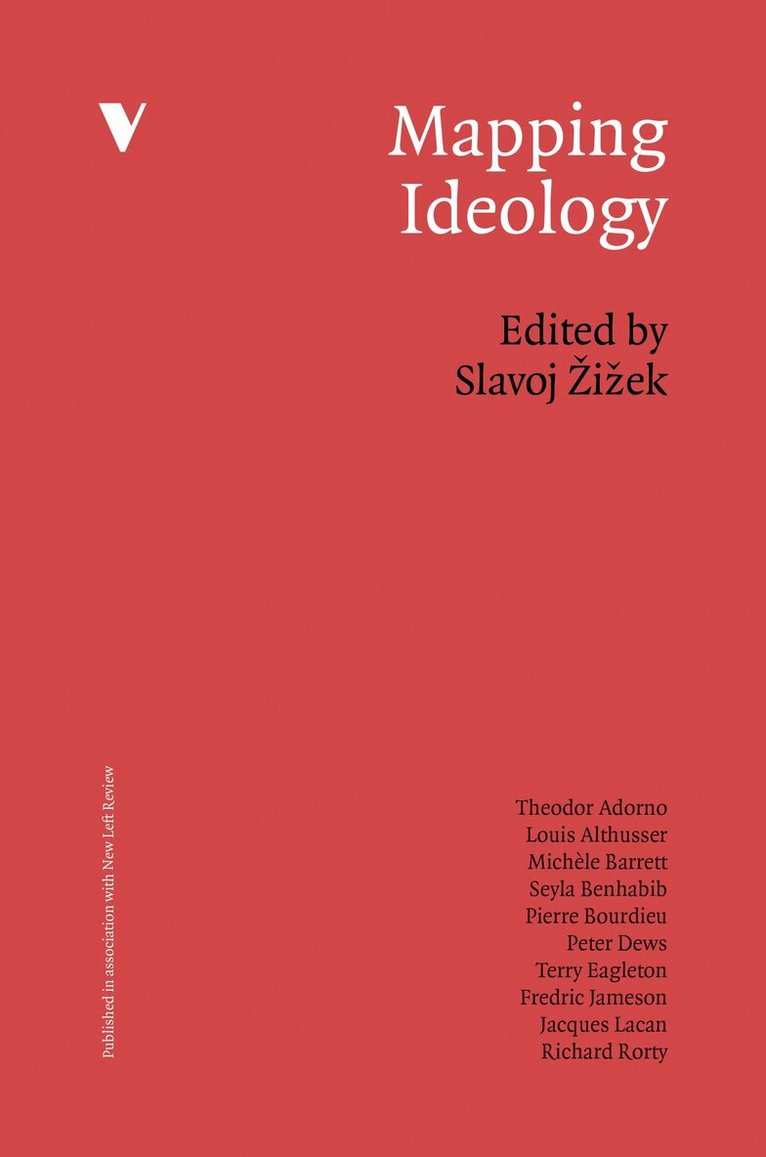
For a long time, the term 'ideology' was in disrepute, having become associated with such unfashionable notions as fundamental truth and the eternal verities. The tide has turned, and recent years have seen a revival of interest in the questions that ideology poses to social and cultural theory, and to political practice.Mapping Ideology is a comprehensive reader covering the most important contemporary writing on the subject. Including Slavoj Zizek's study of the development of the concept from Marx to the present, assessments of the contributions of Lukács and the Frankfurt School by Terry Eagleton, Peter Dews and Seyla Benhabib, and essays by Adorno, Lacan and Althusser, Mapping Ideology is an invaluable guide to the most dynamic field in cultural theory.
420 kr
Skickas inom 3-6 vardagar
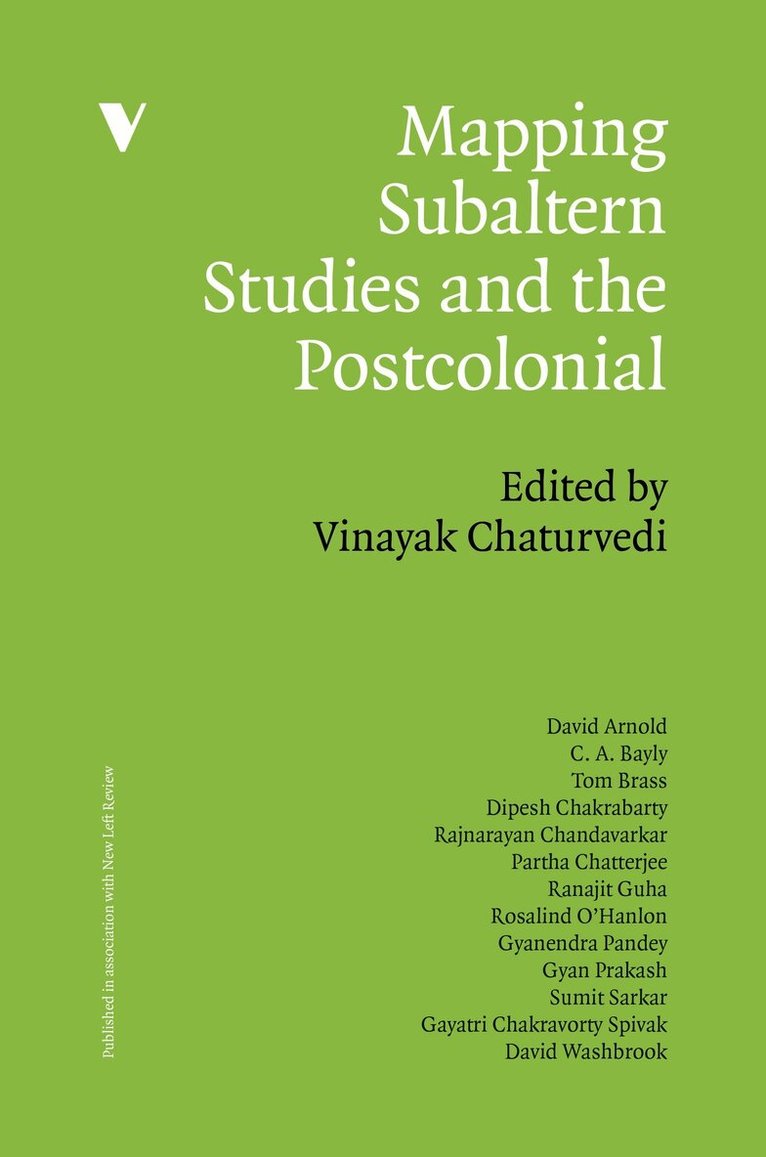
Inspired by Antonio Gramsci's writings on the history of subaltern classes, the authors in Mapping Subaltern Studies and the Postcolonial sought to contest the elite histories of Indian nationalists by adopting the paradigm of 'history from below'. Later on, the project shifted from its social history origins by drawing upon an eclectic group of thinkers that included Edward Said, Roland Barthes, Michel Foucault, and Jacques Derrida. This book provides a comprehensive balance sheet of the project and its developments, including Ranajit Guha's original subaltern studies manifesto, Partha Chatterjee, Dipesh Chakrabarty and Gayatri Spivak.
408 kr
Skickas inom 3-6 vardagar
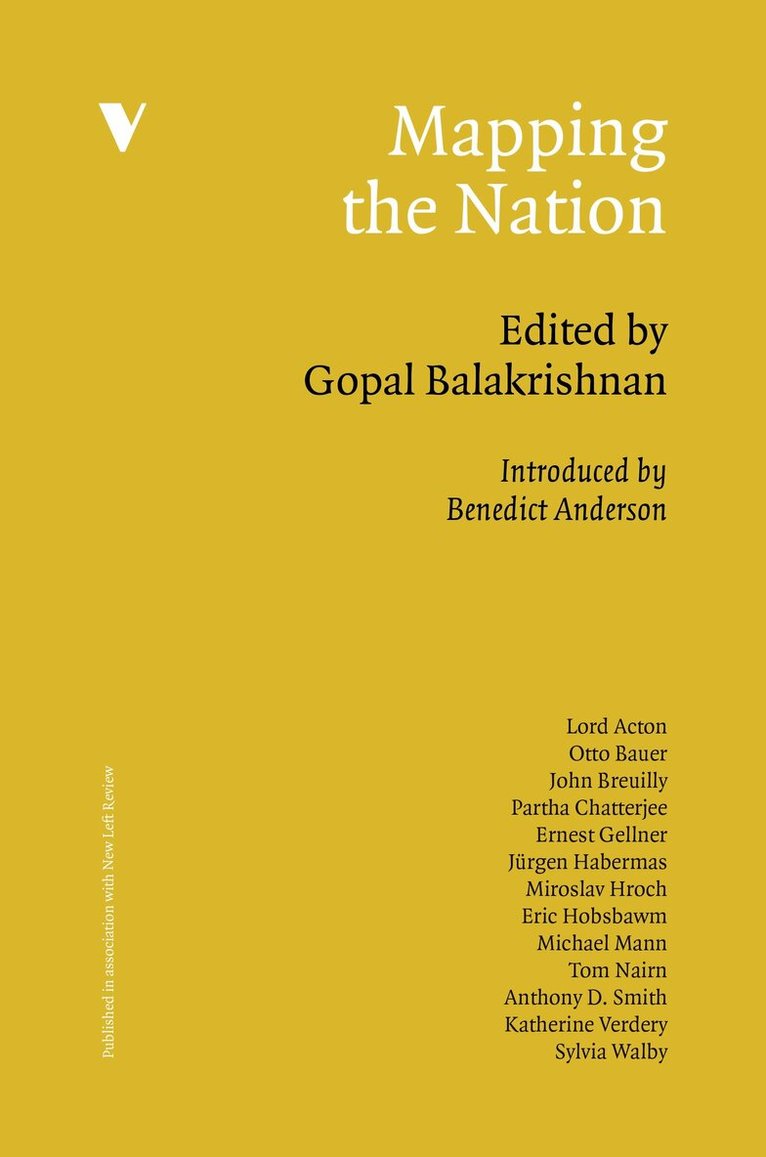
In nearly two decades since Samuel P. Huntington proposed his influential and troubling 'clash of civilizations' thesis, nationalism has only continued to puzzle and frustrate commentators, policy analysts and political theorists. No consensus exists concerning its identity, genesis or future. Are we reverting to the petty nationalisms of the nineteenth century or evolving into a globalized, supranational world? Has the nation-state outlived its usefulness and exhausted its progressive and emancipatory role?Opening with powerful statements by Lord Acton and Otto Bauer - the classic liberal and socialist positions, respectively - Mapping the Nation presents a wealth of thought on this issue: the debate between Ernest Gellner and Miroslav Hroch; Gopal Balakrishnan's critique of Benedict Anderson's seminal Imagined Communities; Partha Chatterjee on the limitations of the Enlightenment approach to nationhood; and contributions from Michael Mann, Eric Hobsbawm, Tom Nairn, and Jürgen Habermas.
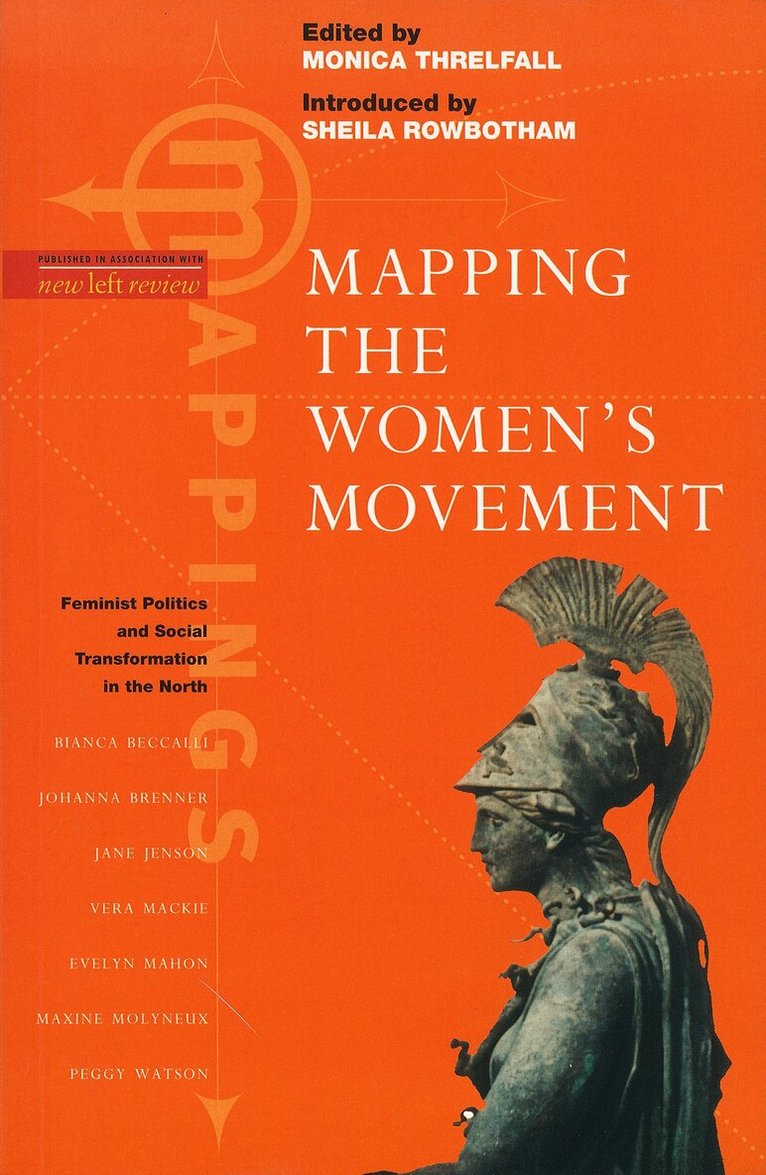
Mapping the Women's Movement
Feminist Politics and Social Transformation in the North
Häftad, Engelska, 1996
218 kr
Tillfälligt slut
The movement that began in the 1960s in the United States has gone through many permutations, continuously emerging in new forms in different parts of the world. Awareness of the issue of gender has reached international institutions and has entered popular culture. Yet this worldwide phenomenon is made up of individual movements, occurring within national boundaries and shaped by distinct sets of circumstances.Mapping the Women's Movement charts the development, diversification and politics of movements in the United States and key countries in Western and Eastern Europe, as well as Japan, in order to draw out their wider implications. It shows that feminist political action to change institutions, policy-making and the law has been far more successful in delivering gains to women's lives than was presaged by the early movement's emphasis on personal liberation. These gains have been accomplished mainly through public action and the mobilization of alliances with parties of the left or with the support of governments and legislators. But the emergence of a distinctly 'second-class' female workforce, plagued by low pay and bereft of employment protection and benefits, shows up the limits of women's ability to rely on market forces to consolidate their position. Coupled with governmental moves to roll back the boundaries of public responsibility, such developments reveal the extent to which the women's movement needs instead to ally itself with political forces tat value the role of the public realm, and develop a strategy for operating in the current business-oriented policy environment.An authoritative survey by some of the most important contemporary writers on the subject, Mapping the Women's Movement provides key pointers to the political and ideological forces which shape women's lives today.