Molecular and Cellular Neurobiology Series - Böcker
Visar alla böcker i serien Molecular and Cellular Neurobiology Series. Handla med fri frakt och snabb leverans.
6 produkter
6 produkter
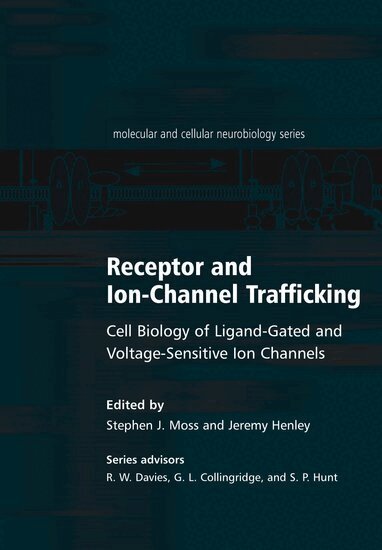
Receptor and Ion-Channel Trafficking
Cell Biology of Ligand-Gated and Voltage-Sensitive Ion Channels
Inbunden, Engelska, 2002
3 879 kr
Skickas inom 7-10 vardagar
A volume in the Molecular and Cellular Neurobiology series.This book reviews the recent advances in our understanding of the molecular and cellular mechanisms that control the assembly, transport, targeting and anchoring of the protein complexes making up the most important ion channels and receptor families, fundamental to synaptic function. Improved understanding of these processes is expected to reveal novel therapeutic targets relevant to a range of disease states.The first section of the book contains three chapters dealing with cation channels and provides an accessible, succinct and comprehensive account of what is known about the structures and the assembly and targeting of these multimeric proteins. The focus of the book then moves on to cover ligand-gated ion channels with two chapters on acetylcholine receptors. The final section of the book contains four chapters covering the excitatory and inhibitory amino acid receptors.Receptor and Ion-Channel Trafficking provides an integrated overview of the significant recent advances in the field of molecular neurobiology and will be essential reading for all researchers in neuroscience, neurobiology, biochemistry, cellular and molecular biology.
1 289 kr
Skickas inom 5-8 vardagar
Nerve cells - neurons - are arguably the most complex of all cells. From the action of these cells comes movement, thought and consciousness. It is a challenging task to understand what molecules direct the various diverse aspects of their function. This has produced an ever-increasing amount of molecular information about neurons, and only in Molecular Biology of the Neuron can a large part of this information be found in one source. In this book, a non-specialist can learn about the molecules that control information flow in the brain or the progress of brain disease in an approachable format, while the expert has access to a wealth of detailed information from a wide range of topics impacting on his or her field of endeavour. The text is designed to achieve a balance of accessibility and broad coverage with up-to-date molecular detail. In the six years since the first edition of Molecular Biology of the Neuron there has been an explosion in the molecular information about neurons that has been discovered, and this information is incorporated into this second edition. Entirely new chapters have been introduced where recent advances have made a new aspect of neuronal function more comprehensible at the molecular level. Written by leading researchers in the field, the book provides an essential overview of the molecular structure and function of neurons, and will be an invaluable tool to students and researchers alike.
996 kr
Skickas inom 7-10 vardagar
Neurons are arguably the most complex of all cells. From the action of these cells comes movement, thought and consciousness. It is a challenging task to understand what molecules direct the various diverse aspects of their function. This has produced an ever-increasing amount of molecular information about neurons, and only in Molecular Biology of the Neuron can a large part of this information be found in one source. In this book, a non-specialist can learn about the molecules that control information flow in the brain or the progress of brain disease in an approachable format, while the expert has access to a wealth of detailed information from a wide range of topics impacting on his or her field of endeavour. The text is designed to achieve a balance of accessibility and broad coverage with up-to-date molecular detail.In the six years since the first edition of Molecular Biology of the Neuron there has been an explosion in the molecular information about neurons that has been discovered, and this information is incorporated into this second edition. Entirely new chapters have been introduced where recent advances have made a new aspect of neuronal function more comprehensible at the molecular level. Written by leading researchers in the field, the book provides an essential overview of the molecular structure and function of neurons, and will be an invaluable tool to students and researchers alike.
2 797 kr
Skickas inom 5-8 vardagar
The last decade has seen major advances in the neurobiology of pain, primarily resulting from a deeper understanding of the way in which pain signals are coded and processed in the nervous system. This volume in the Molecular and Cellular Neurobiology series is the first book for many years to present an integrated overview of the current state of research into the neurobiology of chronic and acute pain.While recent molecular aspects of nociception are covered in some detail, the book also emphasises the importance of viewing the pain experience as the co-ordinated response of many different areas of the nervous system. The molecular advances are set in the context of the neurobiological system of pain processing. The appropriate behavioural response to injury can therefore be thought of as the result of the integration of information processed within areas of the brain concerned with cognition, affect, sensory discrimination and movement.Chapters cover recent advances in nociceptor transduction mechanisms, nociceptor plasticity and the biochemical anatomy of pain pathways. Other contributions are concerned with the development of pain systems and with the central processing of nociceptive information studied with brain imaging techniques. Several chapters additionally cover the mechanisms of clinically important pain states such as neuropathic pain, cancer related pain and migraine.This volume presents a state-of-the-art account of the neurobiological basis of pain, edited and written by the leading scientists in this field.
2 041 kr
Skickas inom 7-10 vardagar
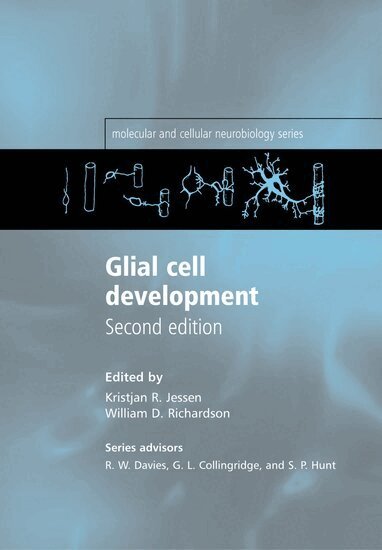
This is a new edition in the Cellular and Molecular Neurobiology series. The majority of cells in the nervous system are glial cells. During development, these cells provide growth factors that stimulate the proliferation, migration and survival of neurones and their precursors, and promote and guide axonal growth. In the mature nervous system, glial cells provide insulating myelin sheath around axons and provide metabolic and structural support for neurones. Glial cells also have a major influence on the local response to injury of central nerve tracts and the peripheral nervous system, either promoting, or inhibiting, axonal regrowth and recovery of lost function. This book provides a comprehensive, state-of-the-art overview of research into the development, function and malfunction of glial cells. It offers a compelling insight into how basic research throws light onto diseases and disorders and points the way towards treatments. Teams of internationally renowned experts, all active in research, have contributed chapters.
1 403 kr
Skickas inom 7-10 vardagar
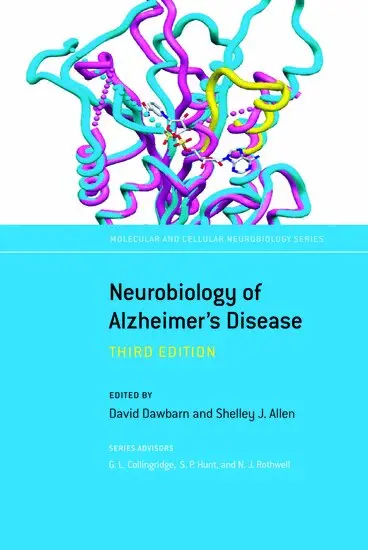
Alzheimer's disease is the most common form of dementia in the elderly; 450,000 people in the UK and 4.5 million people in the USA suffer with this disease. This 3rd edition of Neurobiology of Alzheimer's Disease gives a comprehensive and readable introduction to the disease, from molecular pathology to clinical practice.The book is intended for readers new to the field, and it also covers an extensive range of themes for those with in-depth knowledge of Alzheimer's disease. It will therefore act either as an introduction to the whole field of neurodegeneration or it will help experienced researchers to access the latest research in specialist topics. Each chapter is written by eminent scientists leading their fields in neuropathology, clinical practice and molecular neurobiology; appendices detail disease-associated proteins, their sequences, familial mutations and known structures.It will be essential reading for students interested in neurodegeneration and for researchers and clinicians, giving a coherent and cohesive approach to the whole area of research, and allowing access at different levels. For those in the pharmaceutical industry it describes the underlying molecular mechanisms involved in the pathogenesis of Alzheimer's disease and explains how current and potential therapeutics may work.