Multidisciplinary Perspectives on Global Africa – serie
Visar alla böcker i serien Multidisciplinary Perspectives on Global Africa. Handla med fri frakt och snabb leverans.
3 produkter
3 produkter
996 kr
Skickas inom 7-10 vardagar
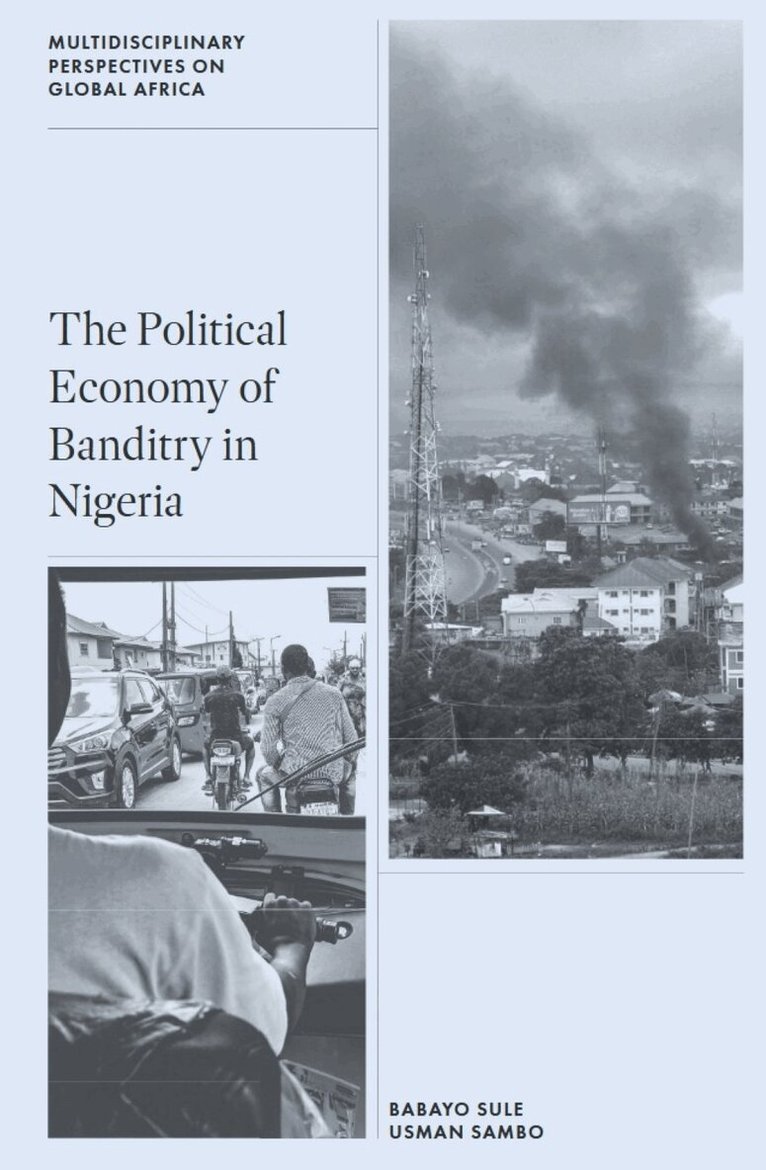
Banditry in Nigeria has been intensifying for almost a decade, however there is no study that focuses specifically on the financial impact or political economy of banditry. Filling this gap, authors Sambo and Sule explore this unique and new aspect and dimension of the banditry in Nigeria, comparing cases in Africa and Asia with the Nigerian experience to provide a view of the political economy implications of banditry at regional and global levels.The Political Economy of Banditry in Nigeria explores the escalation of new areas of political economy triggered by banditry in Nigeria, where new strategies of bandits have turned crime into a multi-billion Naira business. The chapters investigate acts such as kidnapping for ransom, abduction of school children for ransom, illegal mining, capture and confiscation of farmlands by the bandits, collection of taxes and levies by the bandits from the local populace, as well as the cost of response by policy makers. Delving into an emerging security crisis relating to the political economy of banditry, the chapters explore the impacts causing food insecurity, shortage of livestock, and a huge outflow of government funds. Chronicling these events beyond Nigeria’s borders, the analysis shows the financial costs or economic loss incurred by the Nigerian state and looks at what can be done.Concluding with practical policy implications and potential solutions for combatting economic crisis and poverty, the authors pose strategies relating to institutional strengthening, social inclusion and political will. This is important reading for scholars interested in securing lasting peace and prosperity in Nigeria and the wider international community beyond its borders.
1 127 kr
Skickas inom 7-10 vardagar
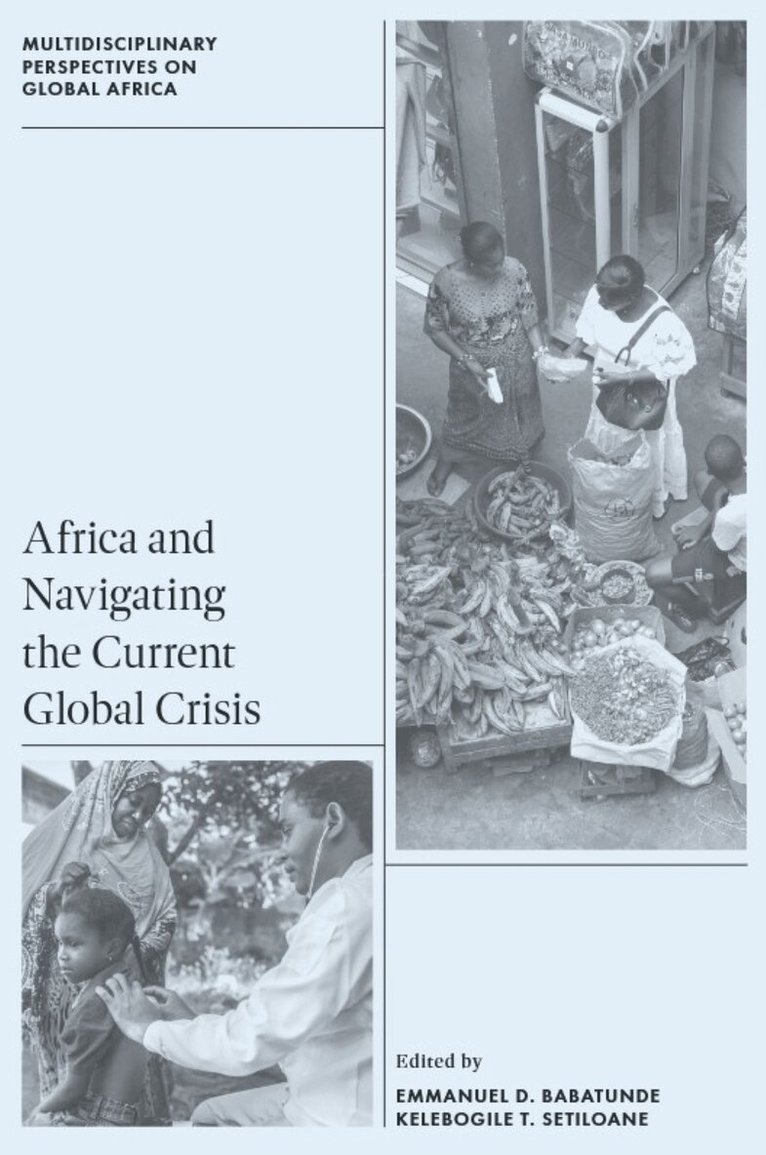
In 2022, UN Secretary-General António Guterres established the UN Global Crisis Response Group on Food, Energy and Finance (GCRG) to respond to the unprecedented and interconnected food, energy and finance crises in the world. Africa and Navigating the Current Global Crisis is the first comprehensive book on how Africa and its Diaspora have been affected by, and in turn have responded to, this current global crisis.Featuring chapters written by contributors from around the globe and various disciplines, authors share their current research on the pertinent issues surrounding the current global crisis as they relate to African people in the African continent and Diaspora. The volume features topics such as Women and Gender, Health, Politics, Education, Economics, Business and Trade, Social, Technology, Religion, the Environment in relation to Global Warming and Climate Change, as well as Peace and Security.Dealing with real world issues that impact people at all levels, this powerful interdisciplinary collection makes important connections between ideas and concepts across different disciplines, providing readers with a comprehensive overview of how Africa and its Diaspora have been navigating the current global crisis.
Gender and Climate Finance in Africa
Addressing Inequalities and Bridging Gaps
Inbunden, Engelska, 2026
1 169 kr
Kommande
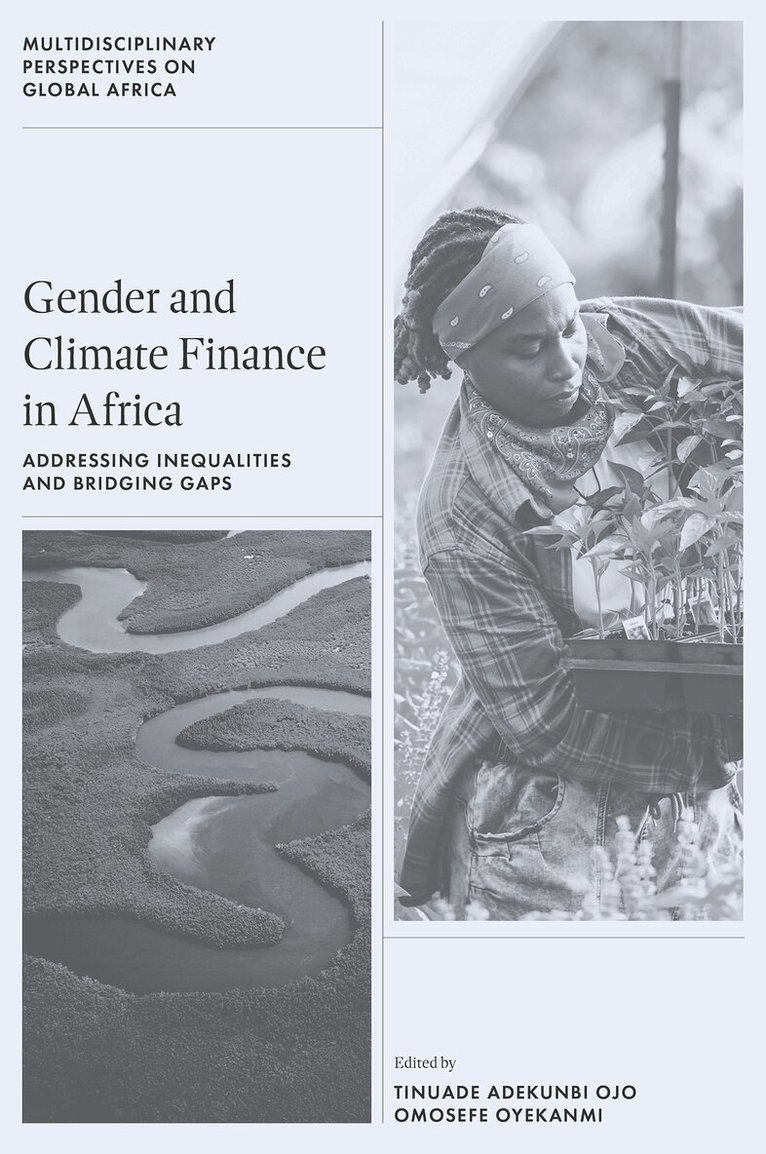
The nexus between gender and climate finance is a crucial yet underexplored dimension in advancing sustainable development in Africa. This collection examines the intersection of gender and climate finance in Africa, highlighting the persistent inequalities in resource access. It provides evidence-based insights and innovative policy recommendations to promote gender-responsive climate finance frameworks and enhance inclusivity in sustainable development.Offering an in-depth analysis of gender-responsive climate finance in Africa, this volume brings together interdisciplinary perspectives from scholars, policymakers, and practitioners to explore policy frameworks, financial inclusion mechanisms, and gender equity strategies in climate finance. The book addresses crucial themes, including policy and institutional mechanisms, barriers to access, innovative financing models, intersectionality, capacity building, and accountability. Providing a comprehensive understanding of gender-specific climate finance challenges in Africa, the chapters highlight successful gender-inclusive financial models and best practices and offer policy recommendations to drive equitable climate finance governance. Encouraging interdisciplinary discourse and collaboration among academia, government, and development organization, the volume forges a new path for ensuring gender-equitable climate finance access and implementation.Given the urgency of climate action and the global commitment to gender equality, Gender and Climate Finance in Africa is an essential resource for scholars, policymakers, financial institutions, and development practitioners working towards sustainable and inclusive climate finance solutions in Africa.