New Literary Theory - Böcker
Visar alla böcker i serien New Literary Theory. Handla med fri frakt och snabb leverans.
11 produkter
11 produkter
2 419 kr
Skickas inom 10-15 vardagar
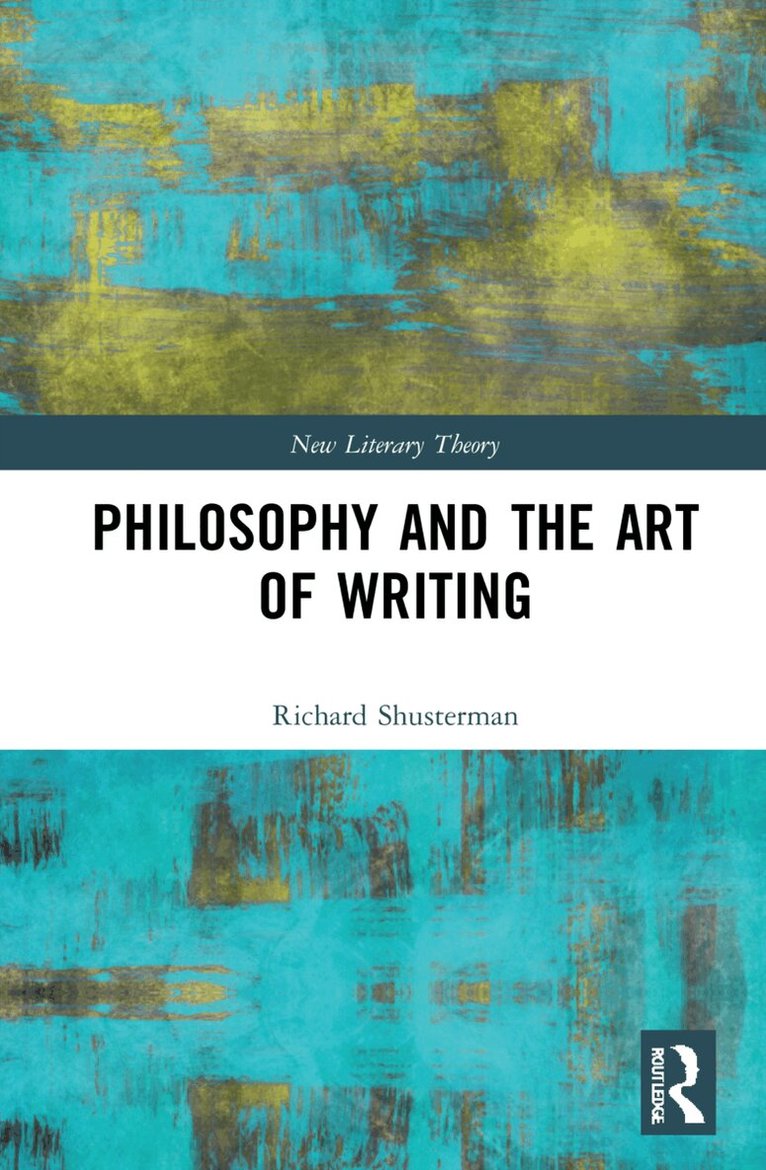
Philosophy and literature enjoy a close, complex relationship. Elucidating the connections between these two fields, this book examines the ways philosophy deploys literary means to advance its practice, particularly as a way of life that extends beyond literary forms and words into physical deeds, nonlinguistic expression, and subjective moods and feelings.Exploring thinkers from Socrates and Confucius to Foucault and Simone de Beauvoir, Richard Shusterman probes the question of what roles literature could play in a vision of philosophy as something essentially lived rather than merely written. To develop this vision of philosophy that incorporates literature but seeks to go beyond the verbal to realize the embodied fullness of life and capture its inexpressible dimensions, Shusterman gives particular attention to authors who straddle the literature/philosophical divide: from Augustine and Montaigne through Wordsworth and Kierkegaard to T.S. Eliot, Georges Bataille, Maurice Blanchot, and Bertrand Russell. The book concludes with a chapter on the Chinese art of writing with its mixture of poetry, calligraphy, and painting.Philosophy and the Art of Writing should interest students and researchers in literary theory and philosophy. It also opens the practice of philosophy to people who are not professionals in the writing of philosophy or literary theory.
863 kr
Skickas inom 10-15 vardagar
This book introduces the reader to the ways in which happiness has been explored in philosophy and literature for thousands of years, in order to understand the newest theoretical approaches to happiness. Jeffrey R. Di Leo draws on its long and rich history as a window into our present obsession with happiness. Each of the four chapters of this book provides a substantially different literary-theoretical account of how and why literature matters with respect to considerations of happiness. From the neoliberal happiness industry and the psychoanalytic rejection of happiness to aesthetic hedonism and revolutionary happiness, literature viewed from the perspective of happiness becomes a story about what is and is not the goal of life. The multidisciplinary approach of this book will appeal to a variety of readers from literary studies, critical theory, philosophy and psychology and anyone with an interest in happiness and theories of emotion.
335 kr
Skickas inom 10-15 vardagar
This book introduces the reader to the ways in which happiness has been explored in philosophy and literature for thousands of years, in order to understand the newest theoretical approaches to happiness. Jeffrey R. Di Leo draws on its long and rich history as a window into our present obsession with happiness. Each of the four chapters of this book provides a substantially different literary-theoretical account of how and why literature matters with respect to considerations of happiness. From the neoliberal happiness industry and the psychoanalytic rejection of happiness to aesthetic hedonism and revolutionary happiness, literature viewed from the perspective of happiness becomes a story about what is and is not the goal of life. The multidisciplinary approach of this book will appeal to a variety of readers from literary studies, critical theory, philosophy and psychology and anyone with an interest in happiness and theories of emotion.
863 kr
Skickas inom 10-15 vardagar
Combining personal narrative, interviews, and literary analysis, Fool elaborates the potential for fool figures from throughout literary history to reconfigure subject-object relations and point towards new possibilities in creative and critical thought. Drawing on Johanna Skibsrud’s experience in clown classes in France and the US, Fool challenges and extends the correlation Theodor Adorno suggests between thinking and clowning. It considers a diverse range of literary and theoretical sources from Richard Wagner’s Parsifal to Karen Barad’s Meeting the Universe Halfway. The book also refers to a varied cast of literary and historical clowns and fools, including the early Shakespearean actor Richard Tarlton, Alban Berg’s Wozzeck, and Cirque du Soleil’s Shannan Calcutt.Skibsrud elaborates on the role of the ‘fool’ and ‘foolishness’ in literature, not as an element of a particular work’s content, plot, or style but instead as a creative mode of thought activated through the reading and writing of literary texts. This innovative book charts new ground in literature, philosophy, and performance studies, and is an invaluable resource for specialists in all three fields.
319 kr
Skickas inom 10-15 vardagar
Combining personal narrative, interviews, and literary analysis, Fool elaborates the potential for fool figures from throughout literary history to reconfigure subject-object relations and point towards new possibilities in creative and critical thought. Drawing on Johanna Skibsrud’s experience in clown classes in France and the US, Fool challenges and extends the correlation Theodor Adorno suggests between thinking and clowning. It considers a diverse range of literary and theoretical sources from Richard Wagner’s Parsifal to Karen Barad’s Meeting the Universe Halfway. The book also refers to a varied cast of literary and historical clowns and fools, including the early Shakespearean actor Richard Tarlton, Alban Berg’s Wozzeck, and Cirque du Soleil’s Shannan Calcutt.Skibsrud elaborates on the role of the ‘fool’ and ‘foolishness’ in literature, not as an element of a particular work’s content, plot, or style but instead as a creative mode of thought activated through the reading and writing of literary texts. This innovative book charts new ground in literature, philosophy, and performance studies, and is an invaluable resource for specialists in all three fields.
661 kr
Skickas inom 10-15 vardagar
Philosophy and literature enjoy a close, complex relationship. Elucidating the connections between these two fields, this book examines the ways philosophy deploys literary means to advance its practice, particularly as a way of life that extends beyond literary forms and words into physical deeds, nonlinguistic expression, and subjective moods and feelings.Exploring thinkers from Socrates and Confucius to Foucault and Simone de Beauvoir, Richard Shusterman probes the question of what roles literature could play in a vision of philosophy as something essentially lived rather than merely written. To develop this vision of philosophy that incorporates literature but seeks to go beyond the verbal to realize the embodied fullness of life and capture its inexpressible dimensions, Shusterman gives particular attention to authors who straddle the literature/philosophical divide: from Augustine and Montaigne through Wordsworth and Kierkegaard to T.S. Eliot, Georges Bataille, Maurice Blanchot, and Bertrand Russell. The book concludes with a chapter on the Chinese art of writing with its mixture of poetry, calligraphy, and painting.Philosophy and the Art of Writing should interest students and researchers in literary theory and philosophy. It also opens the practice of philosophy to people who are not professionals in the writing of philosophy or literary theory.
801 kr
Skickas inom 10-15 vardagar
Autofiction and Cultural Memory breaks new ground in autofiction research by showing how it gives postcolonial writers a means of bearing witness to past cultural or political struggles, and hence of contributing to new forms of cultural memory.Most discussion of autofiction has treated it as an individualistic form, dealing with the personal growth of its authors. In doing so, it privileges narratives of private development over those of social commitment and accords with Western concepts of ownership and authorship. By contrast, Hywel Dix shows how a variety of writers outside the Western world have used the techniques of autofiction in a different way, placing themselves on the side lines of their own stories to show solidarity with struggles against imperialism and tyranny.Drawing on examples from Algeria, Ethiopia, the Caribbean, the Americas, India and Turkey, Dix presents autofiction as a form which combines the life stories of authors with the collective struggles of their societies to restore to view historical injustices that have been marginalised and forgotten. By contributing to new forms of cultural memory, autofiction raises important questions about what we choose to remember and what we value in the present. This book will be of interest to anyone working in postcolonial studies, world literature, trauma studies, autobiography, life writing or social justice.
335 kr
Skickas inom 10-15 vardagar
Autofiction and Cultural Memory breaks new ground in autofiction research by showing how it gives postcolonial writers a means of bearing witness to past cultural or political struggles, and hence of contributing to new forms of cultural memory.Most discussion of autofiction has treated it as an individualistic form, dealing with the personal growth of its authors. In doing so, it privileges narratives of private development over those of social commitment and accords with Western concepts of ownership and authorship. By contrast, Hywel Dix shows how a variety of writers outside the Western world have used the techniques of autofiction in a different way, placing themselves on the side lines of their own stories to show solidarity with struggles against imperialism and tyranny.Drawing on examples from Algeria, Ethiopia, the Caribbean, the Americas, India and Turkey, Dix presents autofiction as a form which combines the life stories of authors with the collective struggles of their societies to restore to view historical injustices that have been marginalised and forgotten. By contributing to new forms of cultural memory, autofiction raises important questions about what we choose to remember and what we value in the present. This book will be of interest to anyone working in postcolonial studies, world literature, trauma studies, autobiography, life writing or social justice.
381 kr
Skickas inom 10-15 vardagar
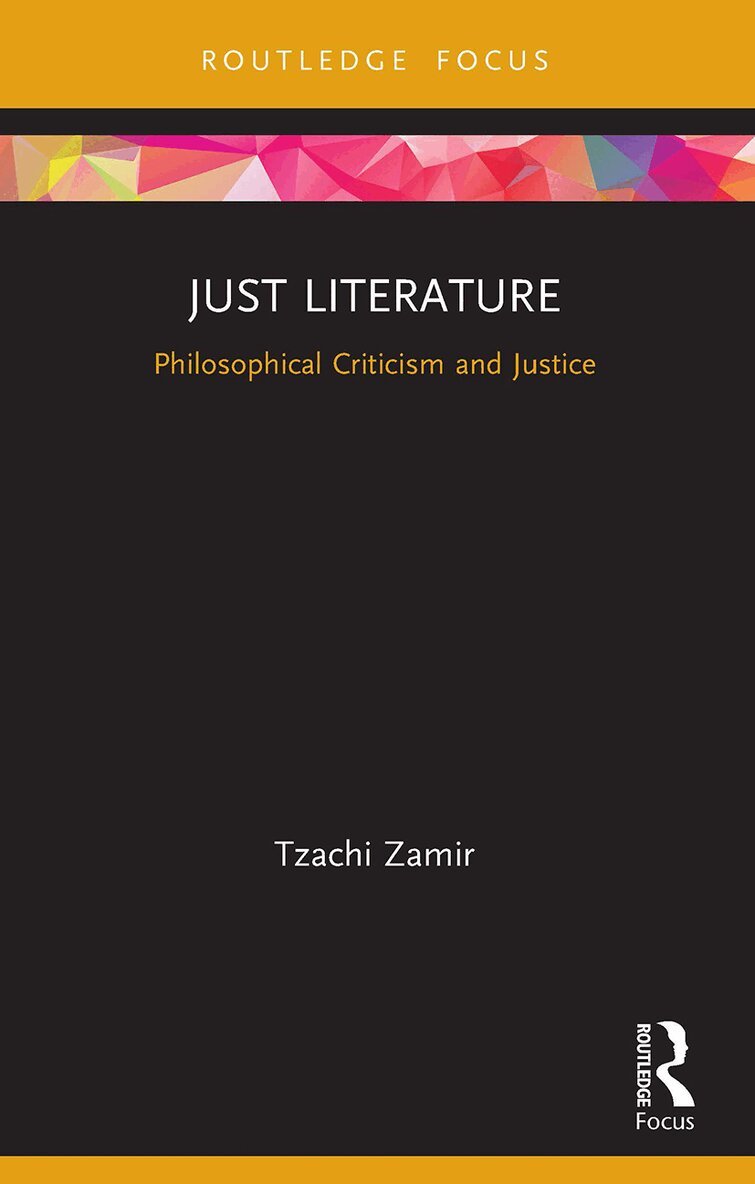
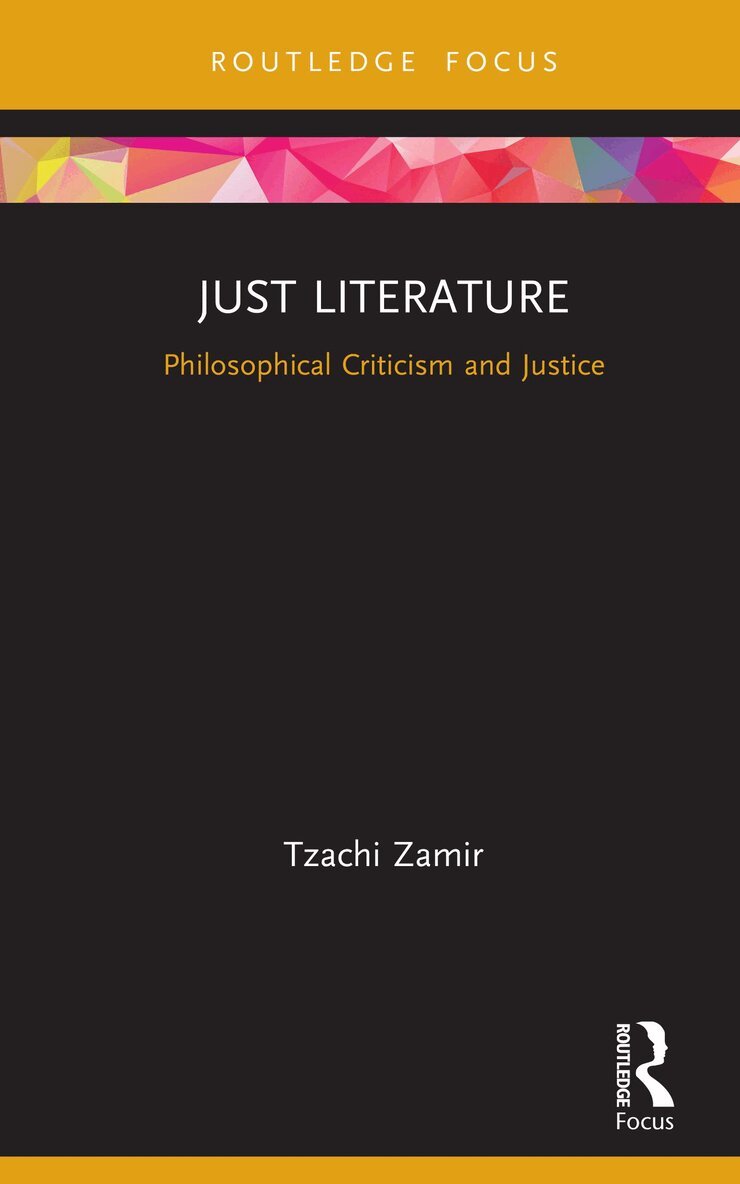
In Just Literature, Tzachi Zamir introduces the idea of 'philosophical criticism' as an innovative approach to interpreting literary texts. Throughout the book, Zamir uses the theme of justice as a case study for this new critical approach. By using ‘philosophical criticism’, Zamir posits that a stronger grasp of the idea of justice can increase one’s understanding of literature, and thus its value. He offers philosophical readings of works by Dante, Shakespeare, Toni Morrison, J. M. Coetzee and Philip Roth to explore the relationship between aesthetic and epistemic value. Zamir argues that, while literature and philosophy remain separate entities, examining the two in tandem may help inform the study of both. Offering an inventive twist on an established dynamic, this book is essential reading for any student or scholar of literature or philosophy.
943 kr
Kommande
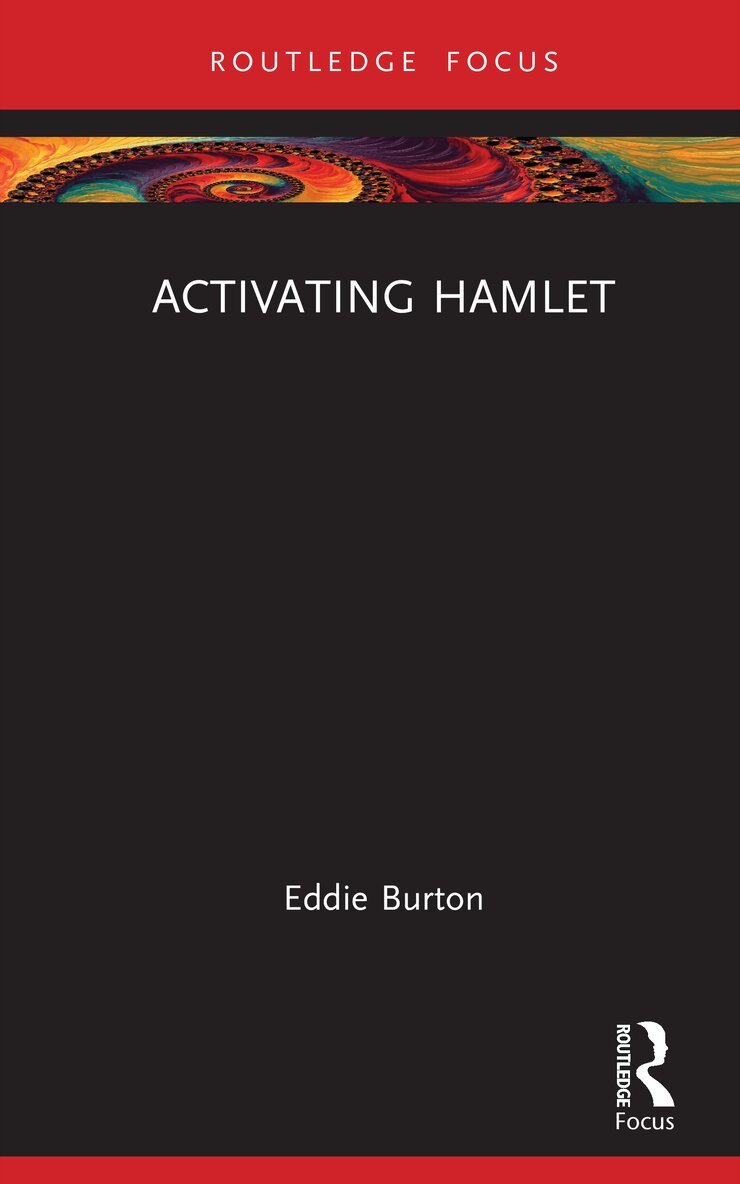
Activating Hamlet offers a new theory of Hamlet, highlighting how significant philosophical themes within the play mirror those that surround the text’s complex and mysterious bibliographical history.Hamlet is a cornerstone of western literature, a play obsessed with the ideas of likeness, authenticity, and the relationship between a thing’s outer appearance and its hidden inner nature, yet there is no definitive version of the play itself. Eddie Burton explores the three different early texts that have come to dominate subsequent editions of the play, examining editing, authenticity, likeness, the appropriateness of names and the veracity of language. Burton discusses how the challenge of deciding on a singular ‘true’ version of the text may lead to a deeper understanding of the play itself, affording a new vision of Hamlet, and considers if we should re-think how we engage with literature itself.This book will be of interest to anyone studying Shakespeare, early modern culture, or theatre and performance.
863 kr
Skickas inom 10-15 vardagar
In Just Literature, Tzachi Zamir introduces the idea of 'philosophical criticism' as an innovative approach to interpreting literary texts. Throughout the book, Zamir uses the theme of justice as a case study for this new critical approach. By using ‘philosophical criticism’, Zamir posits that a stronger grasp of the idea of justice can increase one’s understanding of literature, and thus its value. He offers philosophical readings of works by Dante, Shakespeare, Toni Morrison, J. M. Coetzee and Philip Roth to explore the relationship between aesthetic and epistemic value. Zamir argues that, while literature and philosophy remain separate entities, examining the two in tandem may help inform the study of both. Offering an inventive twist on an established dynamic, this book is essential reading for any student or scholar of literature or philosophy.