New Studies in Phenomenology and Hermeneutics – serie
Visar alla böcker i serien New Studies in Phenomenology and Hermeneutics. Handla med fri frakt och snabb leverans.
43 produkter
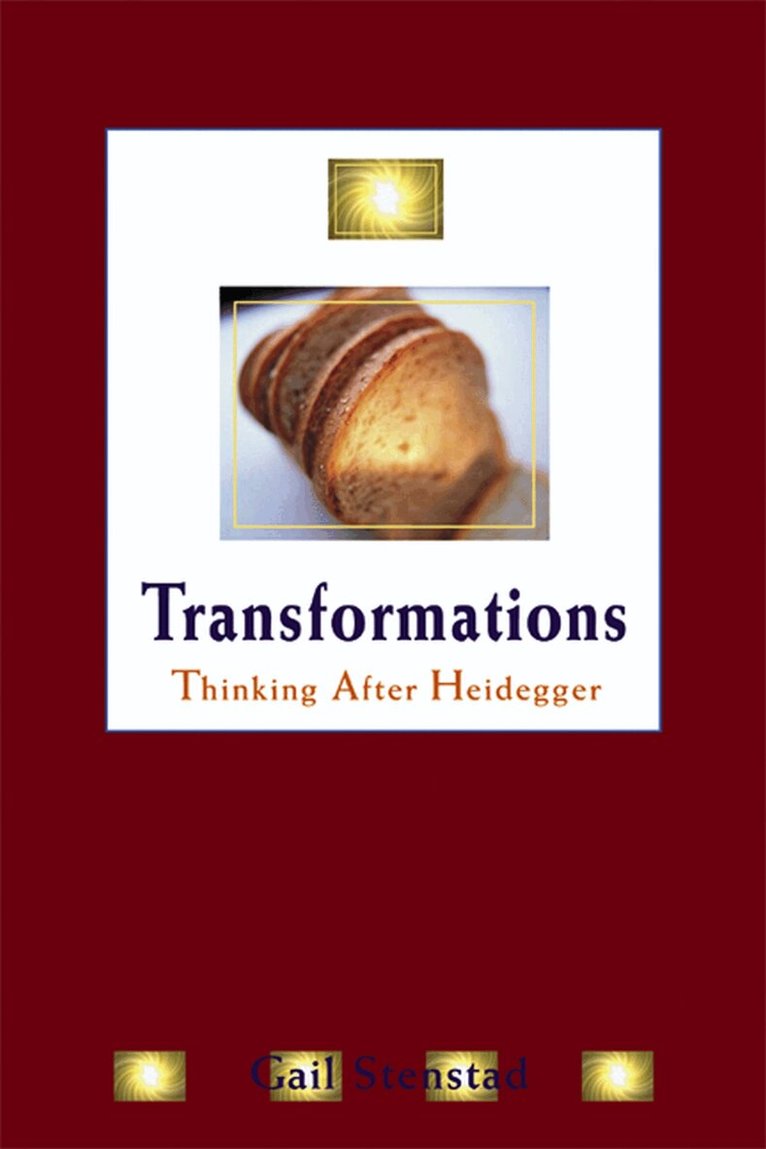
Transformations
Thinking After Heidegger
Häftad, 2006
276 kr
Lägg i varukorg
How are we to think and act constructively in the face of today's environmental and political catastrophes? Gail Stenstad finds inspiring answers in the thought of German philosopher Martin Heidegger. Rather than simply describing or explaining Heidegger's transformative way of thinking, Stenstad's …
Heidegger and the Question of National Socialism
Disclosure and Gestalt
Inbunden, 2007
975 kr
Lägg i varukorg
The question of being was integral to the philosophy of Martin Heidegger (1889-1976) and was a large factor in the development of his political and aesthetic thought. In Heidegger and the Question of National Socialism, Bernhard Radloff investigates the philosophical foundations and cultural …
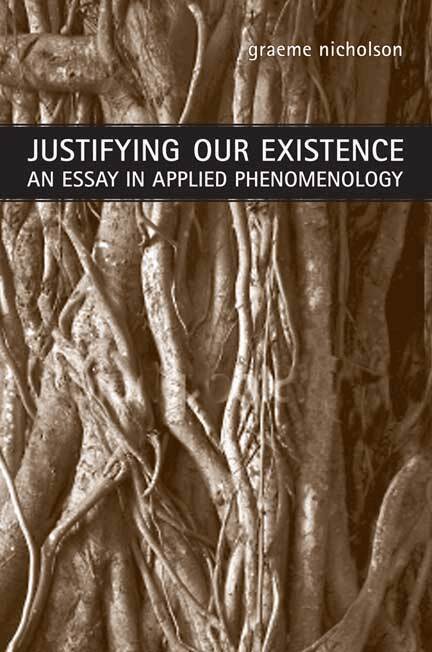
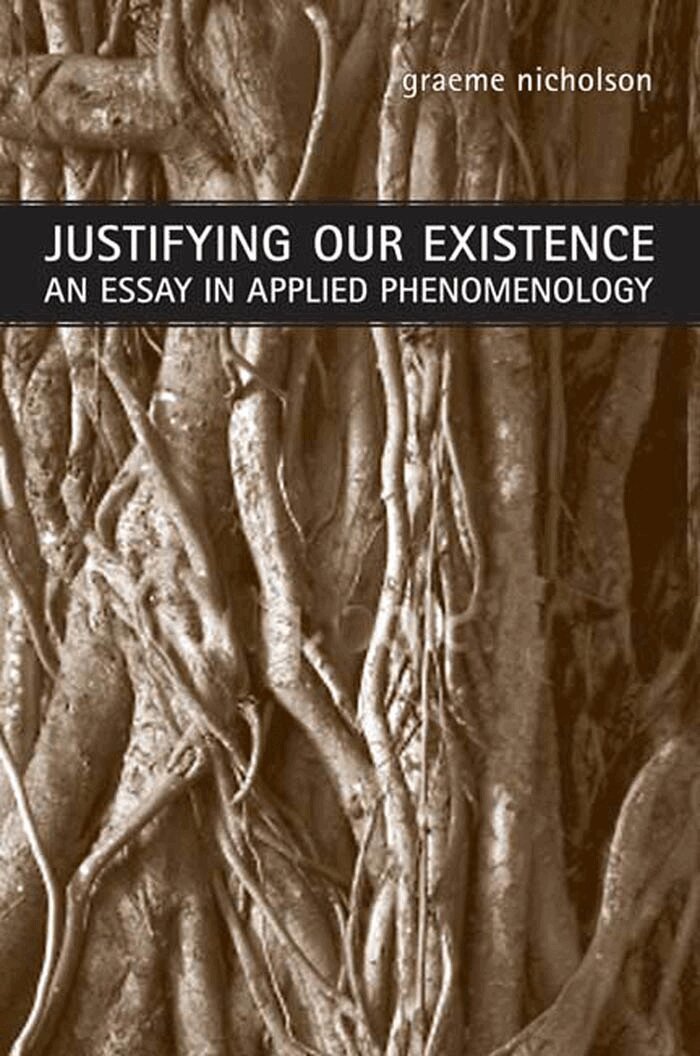
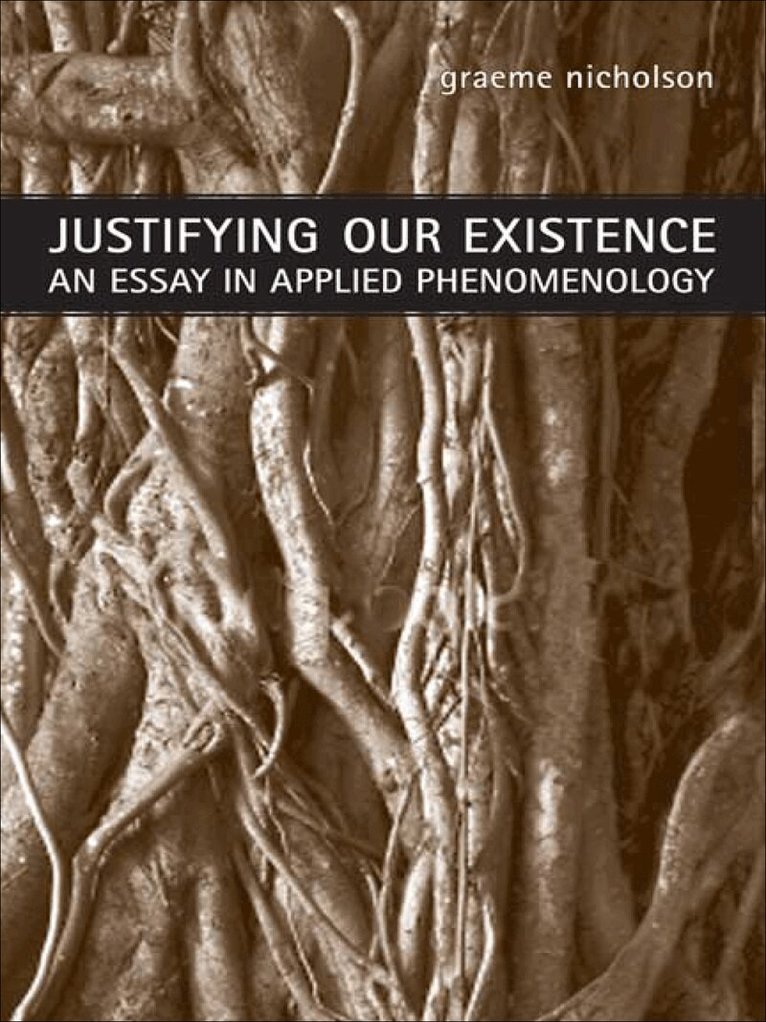
Justifying Our Existence
An Essay in Applied Phenomenology
Häftad, 2009
358 kr
Lägg i varukorg
In his magnum opus Being in Time (1927), Martin Heidegger (1889-1976) argued that individuals have assumed that their existence is "a given," when in actual fact they simply have the ability to be. Justifying Our Existence examines the ways in which human beings attempt to calm their existential …
Heidegger and the Earth
Essays in Environmental Philosophy
Av Ladelle McWhorter, Gail Stenstad
Inbunden, 2009
793 kr
Lägg i varukorg
Some of the fundamental questions of our time are ecological - urgent environmental problems demand newly conceived solutions for the betterment and preservation of life on this planet. In this newly revised and greatly expanded edition of Heidegger and the Earth, the contributors approach …
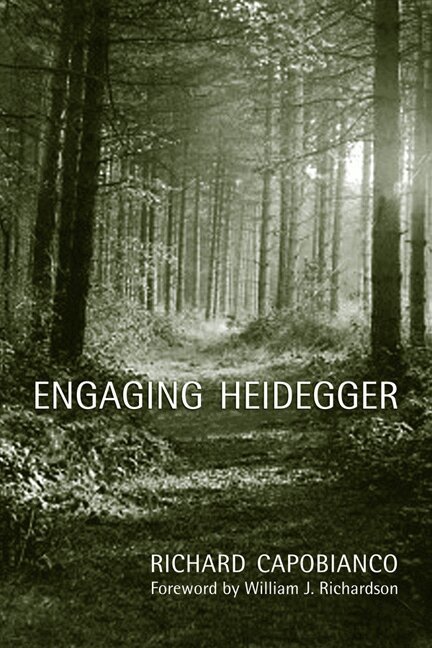
Engaging Heidegger
Häftad, 2011
358 kr
Lägg i varukorg
One of the most important philosophers of the twentieth century, Martin Heidegger was primarily concerned with the ‘question of Being.’ However, recent scholarship has tended to marginalize the importance of the name of Being in his thought. Through a focused reading of Heidegger's texts, and …
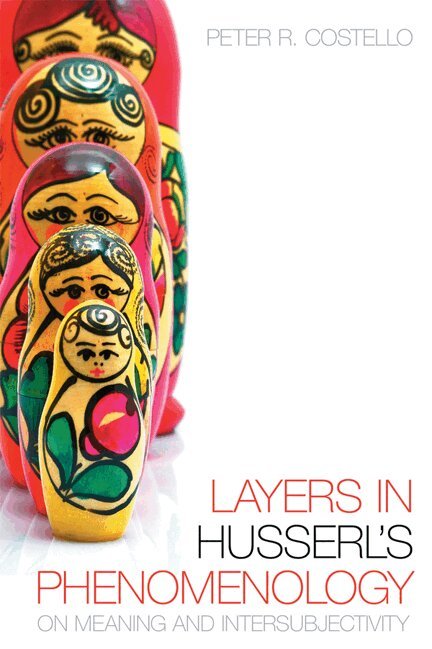
Layers in Husserl's Phenomonology
On Meaning and Intersubjectivity
Häftad, 2015
386 kr
Lägg i varukorg
Layers in Husserl's Phenomenology provides close readings and analyses of a number of Husserl's key translated and untranslated works across the entirety of his corpus. While maintaining a dialogue with four decades' worth of scholarship on Husserl, Peter R. Costello provides a number of new and …
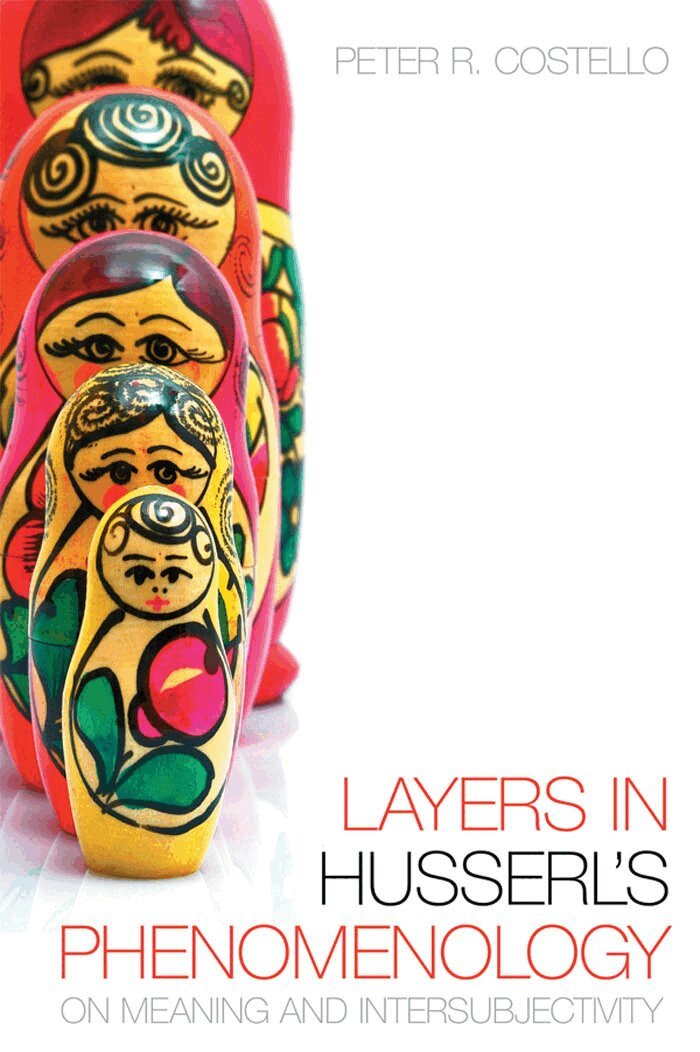
Layers in Husserl's Phenomonology
On Meaning and Intersubjectivity
Inbunden, 2012
709 kr
Lägg i varukorg
Layers in Husserl's Phenomenology provides close readings and analyses of a number of Husserl's key translated and untranslated works across the entirety of his corpus. While maintaining a dialogue with four decades' worth of scholarship on Husserl, Peter R. Costello provides a number of new and …
Layers in Husserl's Phenomonology
On Meaning and Intersubjectivity
E-bok, 2013
458 kr
Lägg i varukorg
Layers in Husserl's Phenomenology provides close readings and analyses of a number of Husserl's key translated and untranslated works across the entirety of his corpus. While maintaining a dialogue with four decades' worth of scholarship on Husserl, Peter R. Costello provides a number of new and …
Layers in Husserl's Phenomonology
On Meaning and Intersubjectivity
E-bok, 2012
473 kr
Lägg i varukorg
Layers in Husserl's Phenomenology provides close readings and analyses of a number of Husserl's key translated and untranslated works across the entirety of his corpus. While maintaining a dialogue with four decades' worth of scholarship on Husserl, Peter R. Costello provides a number of new and …
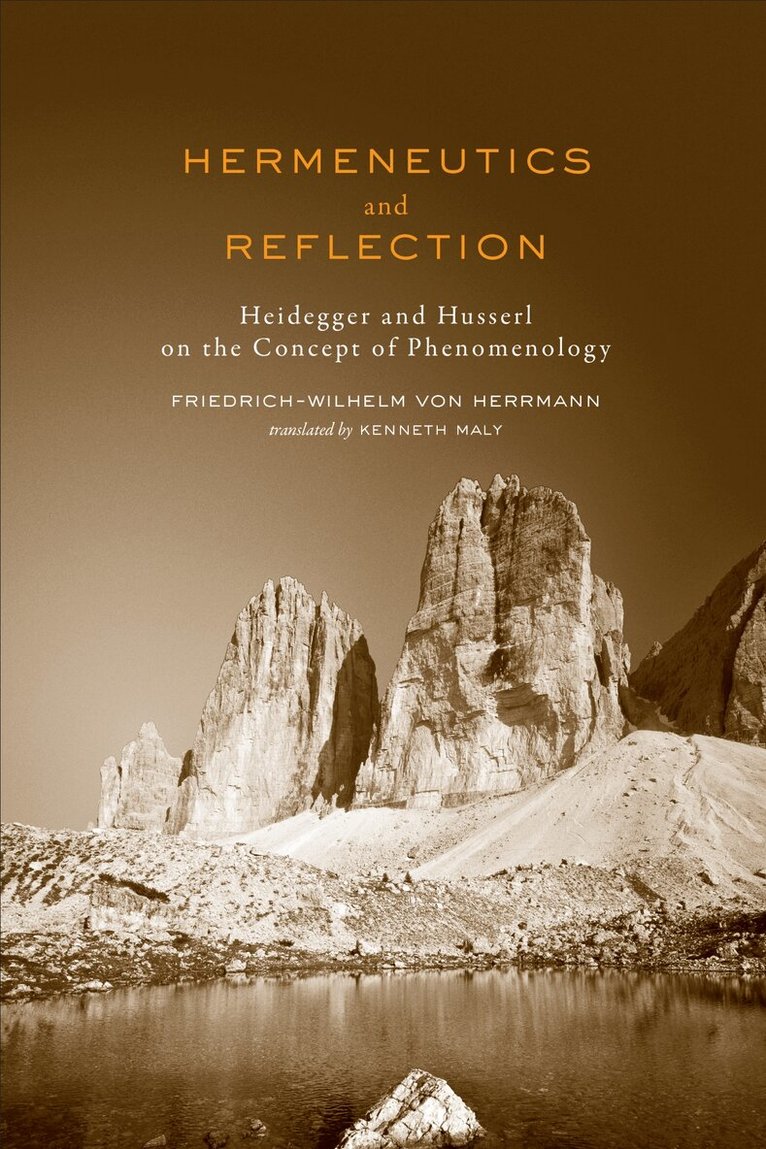
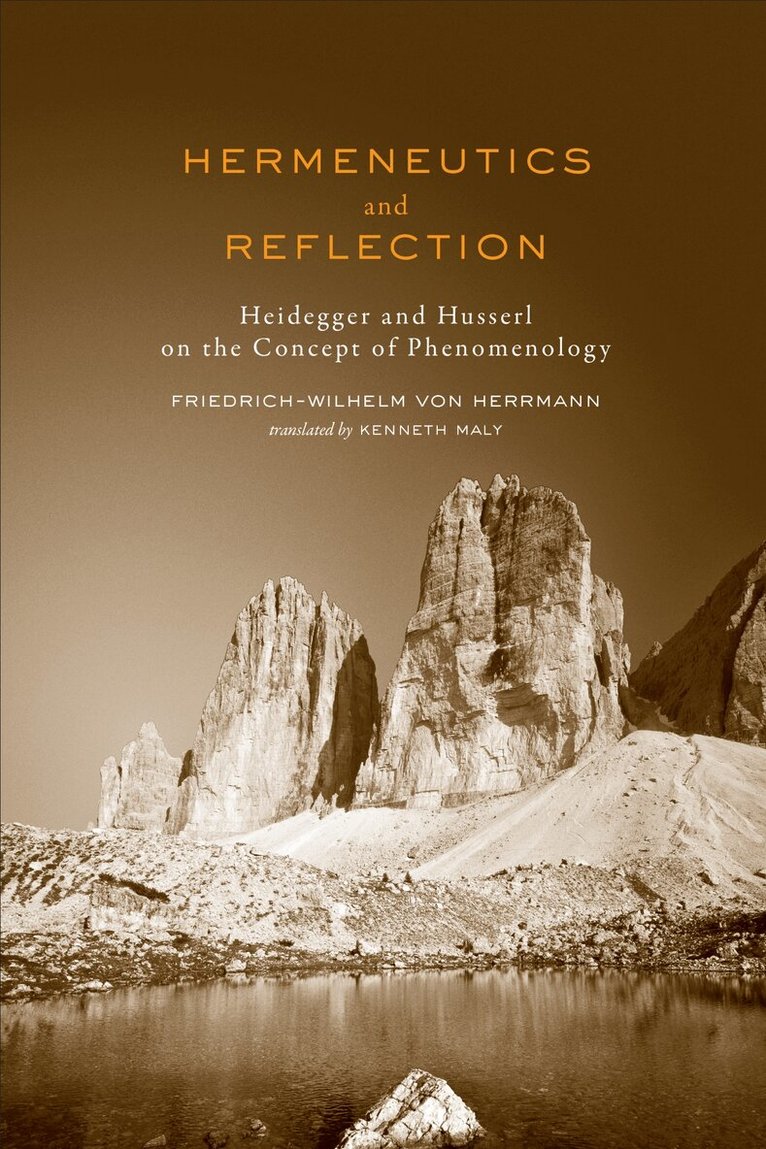
Hermeneutics and Reflection
Heidegger and Husserl on the Concept of Phenomenology
Av Friedrich-Wilhelm von Herrmann
E-bok, 2013
348 kr
Lägg i varukorg
Friedrich-Wilhelm von Herrmann is known as a major figure in phenomenological and hermeneutics research: he was Martin Heidegger’s personal assistant for the last ten years of Heidegger’s life, and assistant to Eugen Fink, who in turn was primary assistant to Edmund Husserl. However, his own …
Hermeneutics and Reflection
Heidegger and Husserl on the Concept of Phenomenology
Av Friedrich-Wilhelm von Herrmann
E-bok, 2013
326 kr
Lägg i varukorg
Friedrich-Wilhelm von Herrmann is known as a major figure in phenomenological and hermeneutics research: he was Martin Heidegger’s personal assistant for the last ten years of Heidegger’s life, and assistant to Eugen Fink, who in turn was primary assistant to Edmund Husserl. However, his own …
Heidegger and the Question of National Socialism
Disclosure and Gestalt
E-bok, 2007
1320 kr
Lägg i varukorg
The question of being was integral to the philosophy of Martin Heidegger (1889-1976) and was a large factor in the development of his political and aesthetic thought. In Heidegger and the Question of National Socialism, Bernhard Radloff investigates the philosophical foundations and cultural …
Engaging Heidegger
E-bok, 2010
440 kr
Lägg i varukorg
One of the most important philosophers of the twentieth century, Martin Heidegger was primarily concerned with the ‘question of Being.’ However, recent scholarship has tended to marginalize the importance of the name of Being in his thought. Through a focused reading of Heidegger's texts, and …
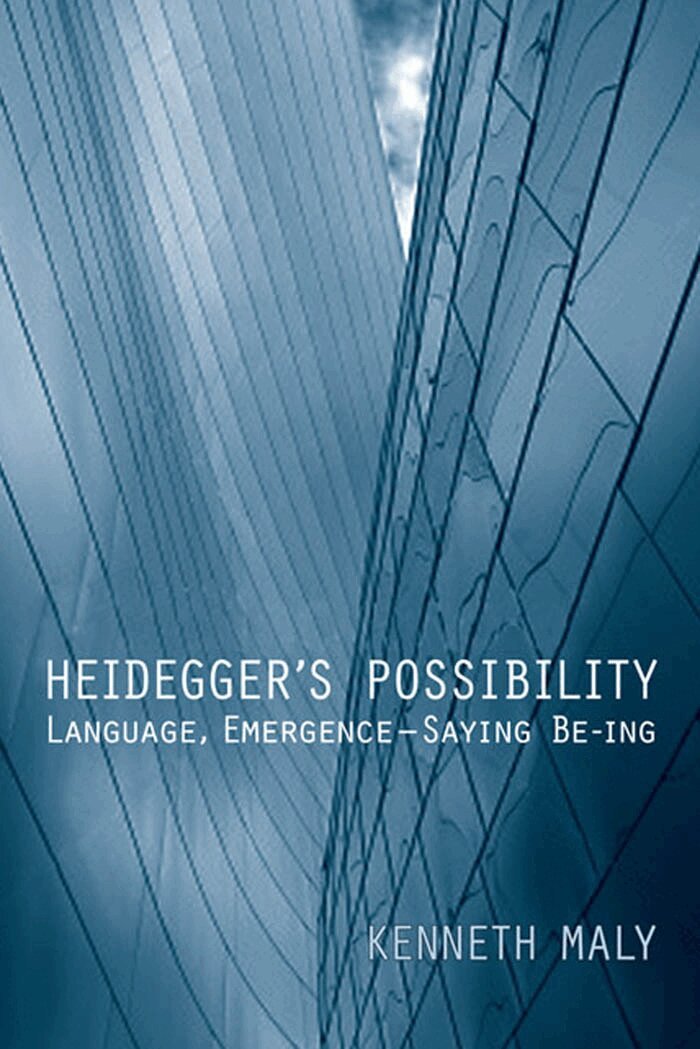
Heidegger's Possibility
Language, Emergence - Saying Be-ing
Av Kenneth Maly
E-bok, 2008
326 kr
Lägg i varukorg
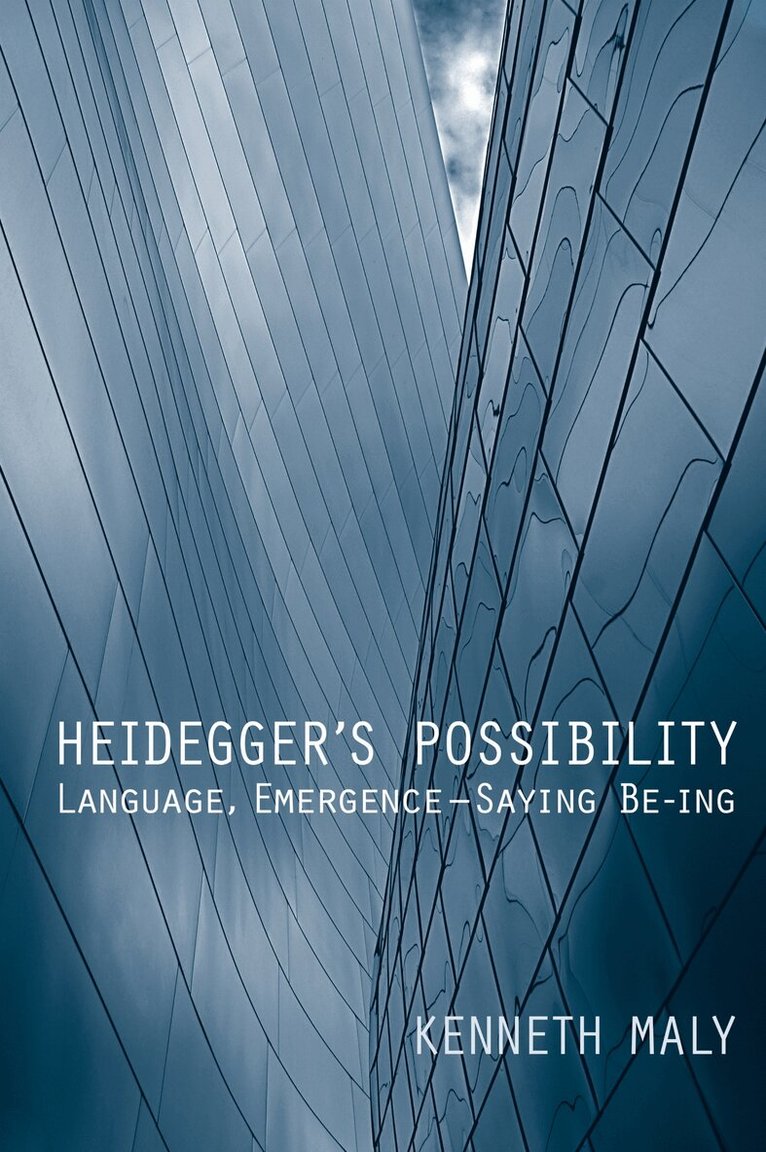
Although Being in Time is the more recognizable of Martin Heidegger's many books, his second major work, Contributions to Philosophy (From Enowning) also had a substantial impact on twentieth-century philosophy. Heidegger's Possibility is a careful and creative reading of this text by renowned …
Justifying Our Existence
An Essay in Applied Phenomenology
E-bok, 2009
408 kr
Lägg i varukorg
In his magnum opus Being in Time (1927), Martin Heidegger (1889-1976) argued that individuals have assumed that their existence is "a given," when in actual fact they simply have the ability to be. Justifying Our Existence examines the ways in which human beings attempt to calm their existential …
Heidegger's Possibility
Language, Emergence - Saying Be-ing
Av Kenneth Maly
E-bok, 2008
367 kr
Lägg i varukorg
Although Being in Time is the more recognizable of Martin Heidegger's many books, his second major work, Contributions to Philosophy (From Enowning) also had a substantial impact on twentieth-century philosophy. Heidegger's Possibility is a careful and creative reading of this text by renowned …
Justifying Our Existence
An Essay in Applied Phenomenology
E-bok, 2009
457 kr
Lägg i varukorg
In his magnum opus Being in Time (1927), Martin Heidegger (1889-1976) argued that individuals have assumed that their existence is "a given," when in actual fact they simply have the ability to be. Justifying Our Existence examines the ways in which human beings attempt to calm their existential …
Heidegger and the Earth
Essays in Environmental Philosophy
Av Ladelle McWhorter, Gail Stenstad
E-bok, 2009
1043 kr
Lägg i varukorg
Some of the fundamental questions of our time are ecological - urgent environmental problems demand newly conceived solutions for the betterment and preservation of life on this planet. In this newly revised and greatly expanded edition of Heidegger and the Earth, the contributors approach …
Engaging Heidegger
E-bok, 2011
440 kr
Lägg i varukorg
One of the most important philosophers of the twentieth century, Martin Heidegger was primarily concerned with the ‘question of Being.’ However, recent scholarship has tended to marginalize the importance of the name of Being in his thought. Through a focused reading of Heidegger's texts, and …
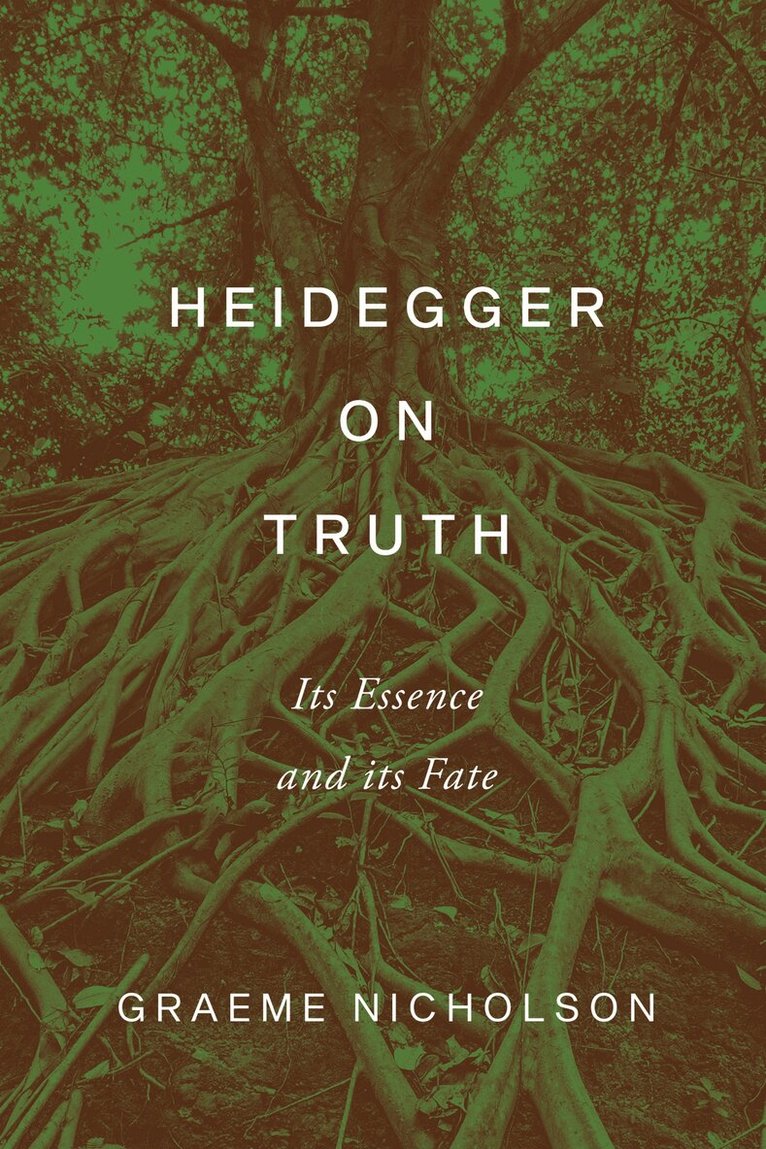
Heidegger on Truth
Its Essence and Its Fate
Inbunden, 2019
610 kr
Lägg i varukorg
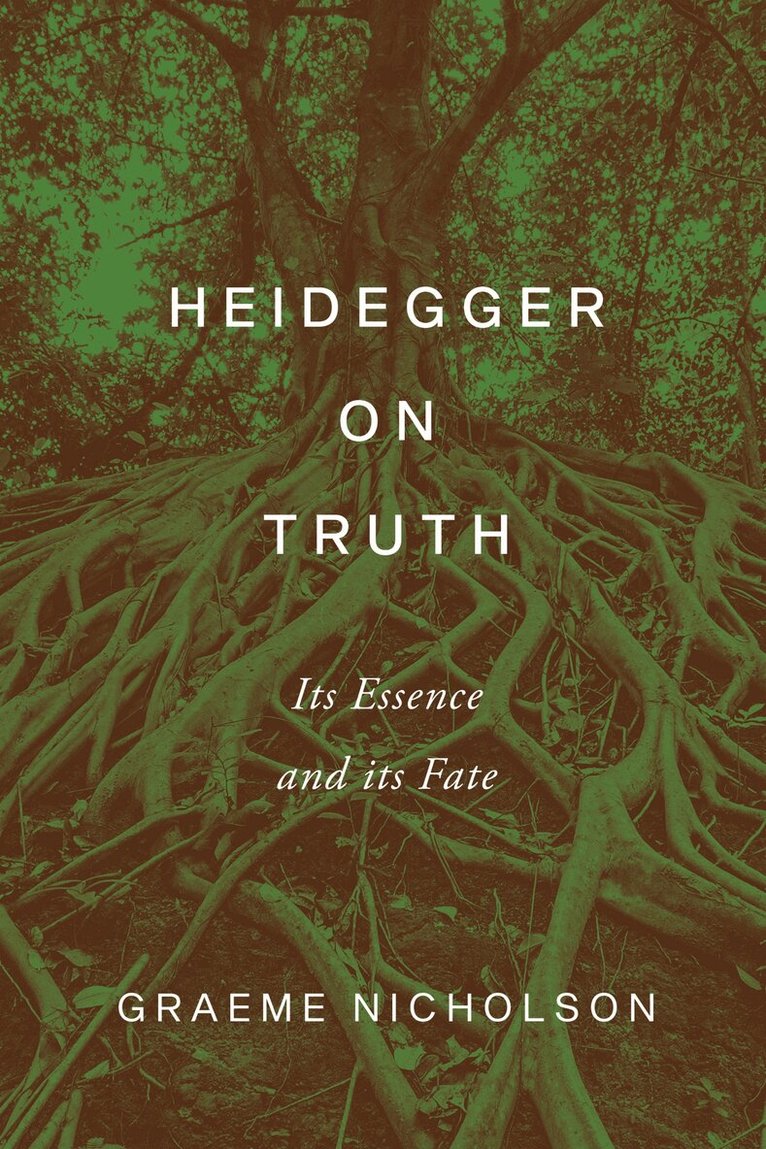
"What is truth?" This much-pondered question received a novel answer from Martin Heidegger, who was guided by the methods of phenomenology. Heidegger’s 1930 address "On the Essence of Truth" takes us on a pathway of thinking that starts from the standard "correspondence theory of truth" and moves …
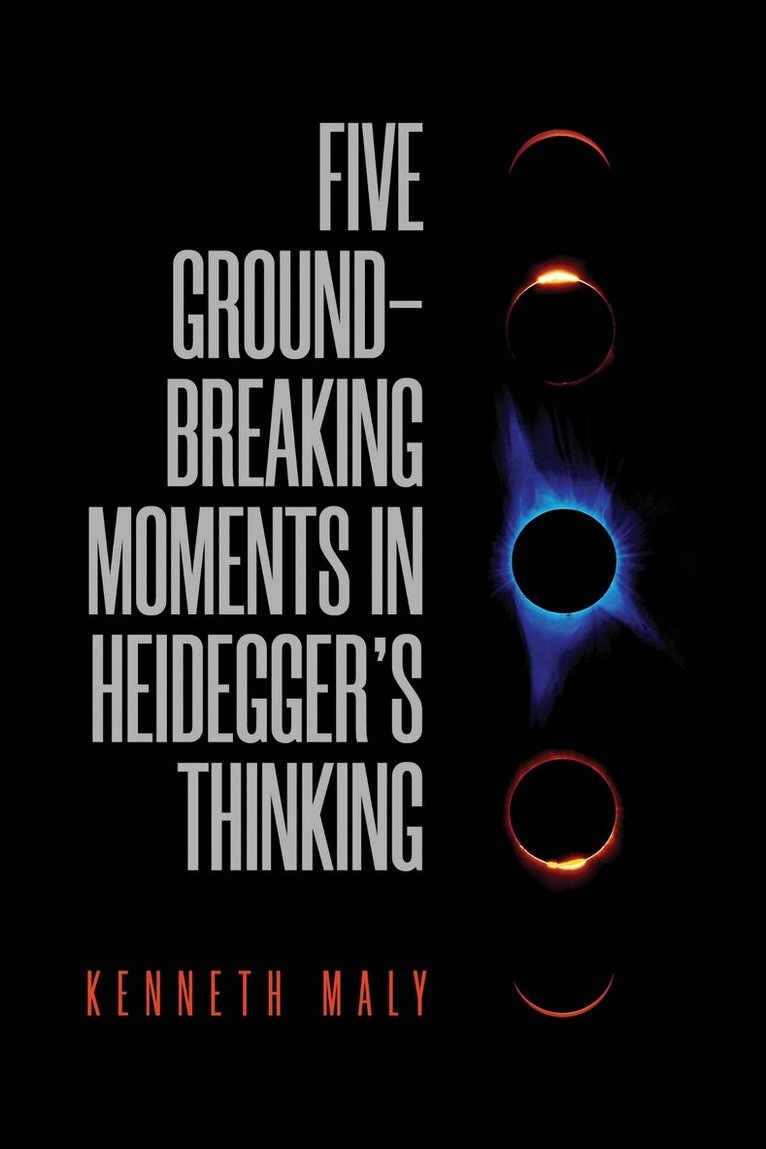
Five Groundbreaking Moments in Heidegger's Thinking
Av Kenneth Maly
Inbunden, 2020
695 kr
Lägg i varukorg
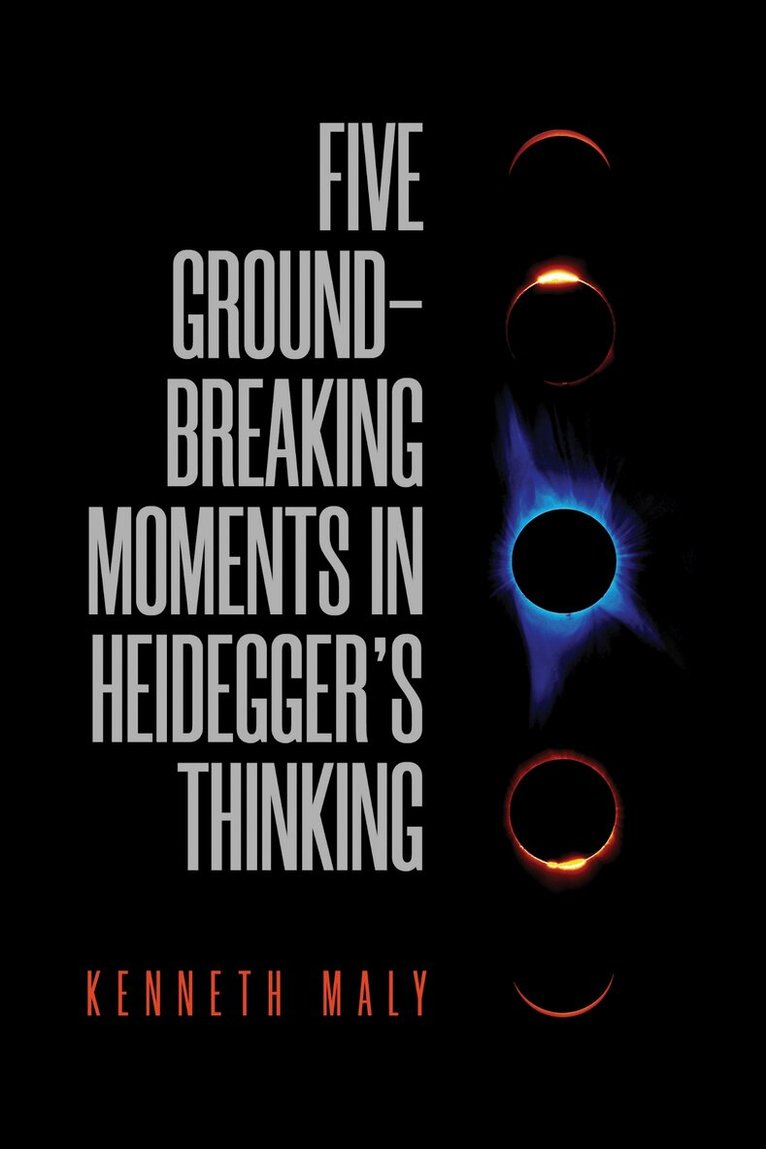
Five Groundbreaking Moments in Heidegger’s Thinking presents a fresh interpretation of some of Heidegger’s most difficult but important works, including his second major work, Beiträge zur Philosophie (Vom Ereignis) [Contributions to Philosophy (From Enowning)]. The careful approach shows how, for …
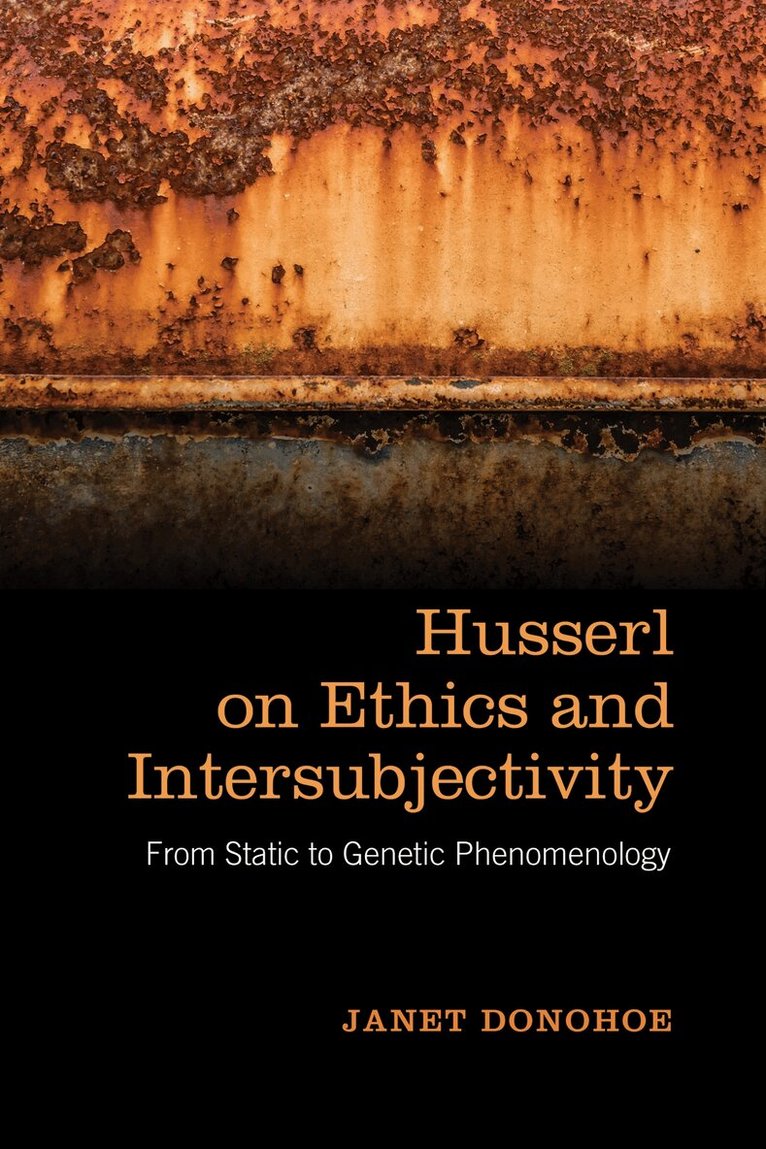
Husserl on Ethics and Intersubjectivity
From Static and Genetic Phenomenology
E-bok, 2016
510 kr
Lägg i varukorg
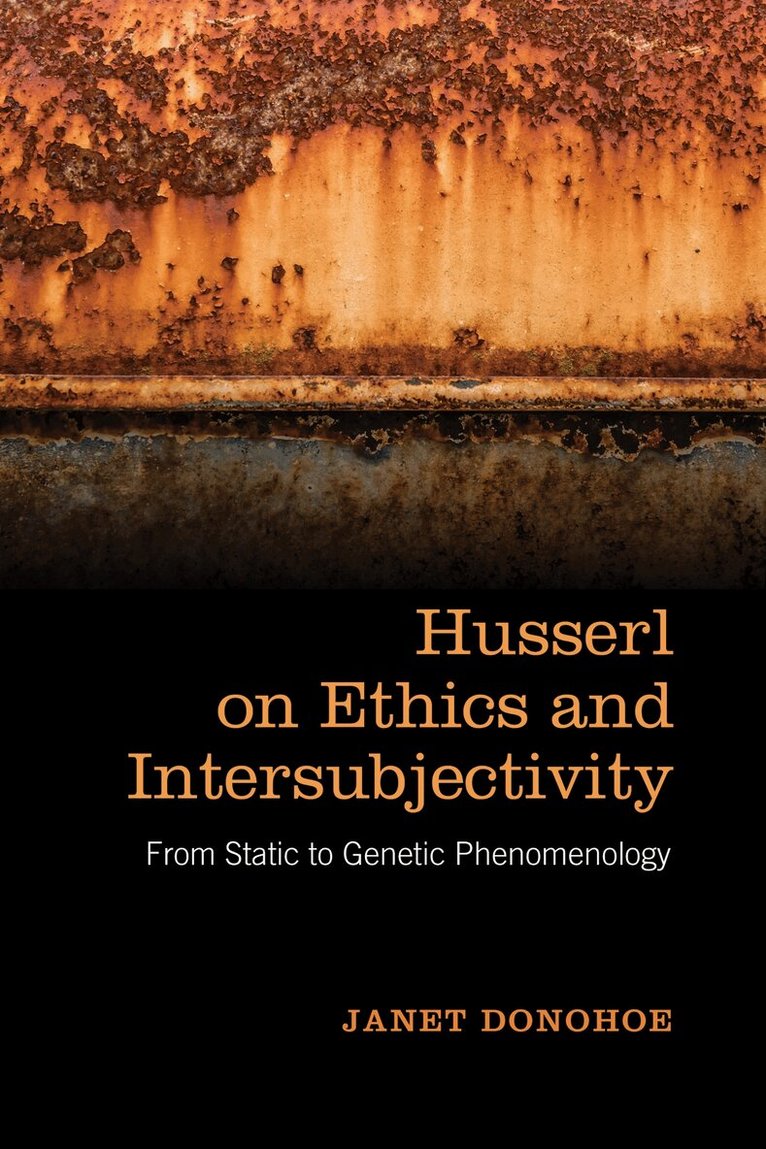
In Husserl on Ethics and Intersubjectivity, Janet Donohoe offers a compelling look into Husserl’s shift from a "static" to a "genetic" approach in his analysis of consciousness. Rather than view consciousness as an abstract unity, Husserl began investigating consciousness by taking into account the …
Husserl on Ethics and Intersubjectivity
From Static and Genetic Phenomenology
E-bok, 2016
508 kr
Lägg i varukorg
In Husserl on Ethics and Intersubjectivity, Janet Donohoe offers a compelling look into Husserl’s shift from a "static" to a "genetic" approach in his analysis of consciousness. Rather than view consciousness as an abstract unity, Husserl began investigating consciousness by taking into account the …
Translating Heidegger
Av Miles Groth
E-bok, 2017
424 kr
Lägg i varukorg
Despite Martin Heidegger’s influence on twentieth-century philosophy, understanding his way of thinking is difficult if one relies solely on the English translations of his work. Since Gilbert Ryle misjudged his work in a 1929 review of Sein und Zeit , Heidegger’s philosophy has remained an enigma …
Translating Heidegger
Av Miles Groth
E-bok, 2017
424 kr
Lägg i varukorg
Despite Martin Heidegger’s influence on twentieth-century philosophy, understanding his way of thinking is difficult if one relies solely on the English translations of his work. Since Gilbert Ryle misjudged his work in a 1929 review of Sein und Zeit , Heidegger’s philosophy has remained an enigma …
Husserl on Ethics and Intersubjectivity
From Static and Genetic Phenomenology
Häftad, 2016
411 kr
Lägg i varukorg
In Husserl on Ethics and Intersubjectivity, Janet Donohoe offers a compelling look into Husserl’s shift from a "static" to a "genetic" approach in his analysis of consciousness. Rather than view consciousness as an abstract unity, Husserl began investigating consciousness by taking into account the …
Translating Heidegger
Av Miles Groth
Häftad, 2017
414 kr
Lägg i varukorg
Despite Martin Heidegger’s influence on twentieth-century philosophy, understanding his way of thinking is difficult if one relies solely on the English translations of his work. Since Gilbert Ryle misjudged his work in a 1929 review of Sein und Zeit, Heidegger’s philosophy has remained an enigma …
Heidegger's Possibility
Language, Emergence - Saying Be-ing
Av Kenneth Maly
Häftad, 2017
358 kr
Lägg i varukorg
Although Being in Time is the more recognizable of Martin Heidegger's many books, his second major work, Contributions to Philosophy (From Enowning) also had a substantial impact on twentieth-century philosophy. Heidegger's Possibility is a careful and creative reading of this text by renowned …
Five Groundbreaking Moments in Heidegger's Thinking
Av Kenneth Maly
Häftad, 2020
316 kr
Lägg i varukorg
Five Groundbreaking Moments in Heidegger’s Thinking presents a fresh interpretation of some of Heidegger’s most difficult but important works, including his second major work, Beiträge zur Philosophie (Vom Ereignis) [Contributions to Philosophy (From Enowning)]. The careful approach shows how, for …
Heidegger on Truth
Its Essence and Its Fate
E-bok, 2019
782 kr
Lägg i varukorg
“What is truth?” This much-pondered question received a novel answer from Martin Heidegger, who was guided by the methods of phenomenology. Heidegger’s 1930 address “On the Essence of Truth” takes us on a pathway of thinking that starts from the standard “correspondence theory of truth” and moves …