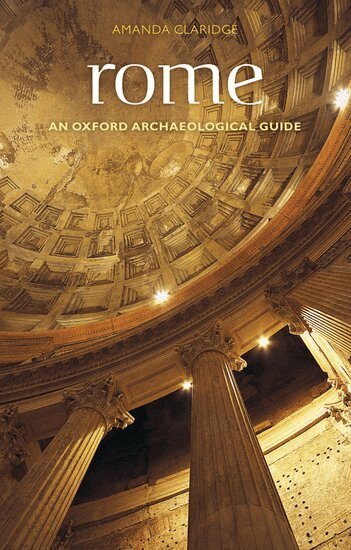
The city of Rome is the largest archaeological site in the world, capital and showcase of the Roman Empire and the centre of Christian Europe.This guide provides: · Coverage of all the important sites in the city from 800 BC to AD 600 and the start of the early middle ages, drawing on the latest discoveries and the best of recent scholarship · Over 220 high-quality maps, site plans, diagrams and photographs· Sites divided into fourteen main areas, with star ratings to help you plan and prioritize your visit: Roman Forum; Upper Via Sacra; Palatine; Imperial Forums; Campus Martius; Capitoline Hill; Circus Flaminius to Circus Maximus; Colosseum and Esquiline hill; Caelian hill and the inner via Appia; Lateran to Porta Maggiore; Viminal hill; Pyramid to Testaccio; the outer via Appia; other outlying sites; Museums and Catacombs.· Introduction offering essential background to the history and culture of ancient Rome, placing the city in the context of the development of the empire, highlighting the nature of Roman achievement, and explaining how Rome came to be the largest city in the ancient world.· Comprehensive glossaries of Rome's building materials, techniques and building types, a chronological table of kings, emperors, and the early popes, information about opening times, references and suggestions for further reading and a detailed user-friendly index. For this new edition the original text has been extensively revised, adding over 20 more sites and illustrations, the itineraries have been re-organized and expanded to suit the many changes that have taken place in the past decade, and the practical information and references have been fully updated.
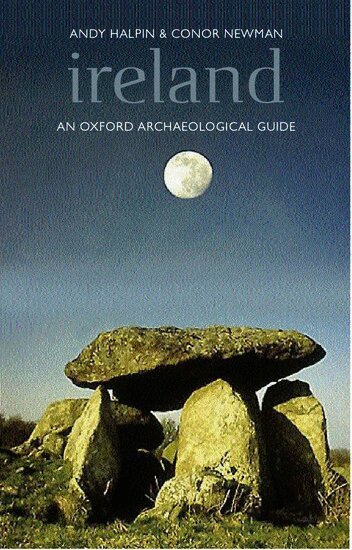
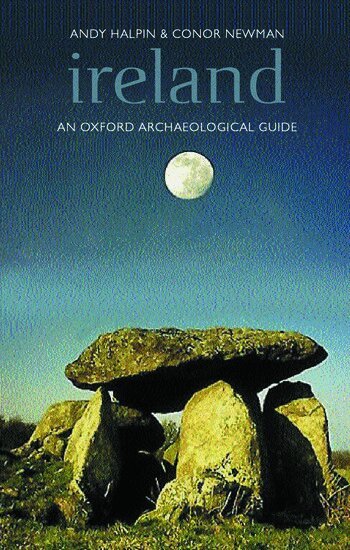
Ireland is a country rich in archaeological sites. Ireland: An Oxford Archaeological Guide provides the ultimate handbook to this fascinating heritage. Covering the entire island of Ireland, from Antrim to Wexford, Dublin to Sligo, the book contains over 250 plans and illustrations of Ireland's major archaeological treasures and covers sites dating from the time of the first settlers in prehistoric times right up to the seventeenth century. The book opens with a useful introduction to the history of Ireland, setting the archaeological material in its wider historical context, and then takes the reader on an unparalleled journey through the major sites and places of interest. Each chapter focuses on a particular geographical region and is introduced by a useful survey of the history and geography of the region in question. This is followed by detailed descriptions of the major archaeological sites within each region, arranged alphabetically and including travel directions, historical overview of the site, and details of the site's major features and the latest available archaeological evidence. As the most comprehensive and detailed compact guide to the archaeological sites of Ireland, this new volume will prove invaluable to archaeologists, students of Irish history, and tourists alike.
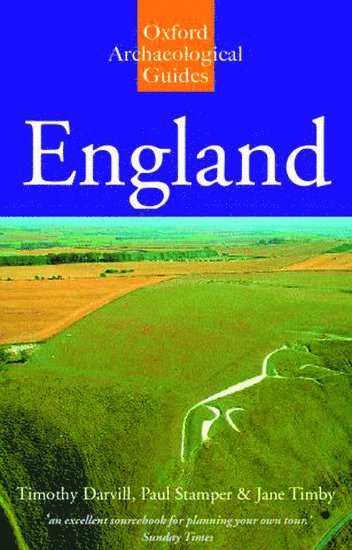
Travelling around England is in many senses a journey back in time. On all sides, and sometimes even under the road or footpath itself, there are fragments of the ancient past side by side with the clutter of the modern world. Medieval villages, castles, ancient churches, and Roman villas are commonplace and take us back to the time of Christ. Far older, yet equally abundant, are the barrows, hillforts, stone circles, camps, standing stones, trackways, and other relics of prehistoric times that have survived for several thousand years.This Guide is all about these ancient remains: the prehistoric, Roman, and medieval sites which date from the time between the first appearance of people in what we now call England during the last Ice Age and the end of medieval times around 1600 AD.
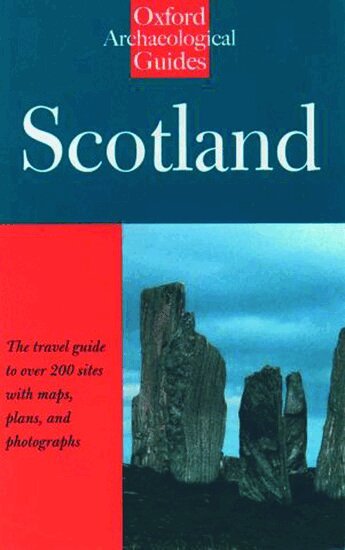
Scotland, with its Viking settlements, ancient tombs, and Roman fortresses, offers an ideal location for the archaeological traveller.This guide provides:* Coverage of all the main sites in Scotland from earliest times to AD 1200* 150 high-quality site plans, maps, diagrams, and photographs* Sites arranged by region, south to north: Dumfries and Galloway; Borders; Lothians and Edinburgh; from the Clyde to the Forth; Fife to Perthshire; Argyll and Bute; Aberdeenshire and Moray; the Highlands; the Northern Isles; and the Western Isles* Star ratings indicate the best tombs, standing stones, forts, churches, and settlements to visit* An introduction which sets sites within the context of human development in Scotland, covering aspects such as domestic life, transport, art, and warfare* Information about museums, a chronology for reference, and a glossary of essential terms
Ireland is a country rich in archaeological sites. Ireland: An Oxford Archaeological Guide provides the ultimate handbook to this fascinating heritage. Covering the entire island of Ireland, from Antrim to Wexford, Dublin to Sligo, the book contains over 250 plans and illustrations of Ireland's major archaeological treasures and covers sites dating from the time of the first settlers in prehistoric times right up to the seventeenth century. The book opens with a useful introduction to the history of Ireland, setting the archaeological material in its wider historical context, and then takes the reader on an unparalleled journey through the major sites and places of interest. Each chapter focuses on a particular geographical region and is introduced by a useful survey of the history and geography of the region in question. This is followed by detailed descriptions of the major archaeological sites within each region, arranged alphabetically and including travel directions, historical overview of the site, and details of the site's major features and the latest available archaeological evidence. As the most comprehensive and detailed compact guide to the archaeological sites of Ireland, this new volume will prove invaluable to archaeologists, students of Irish history, and tourists alike.
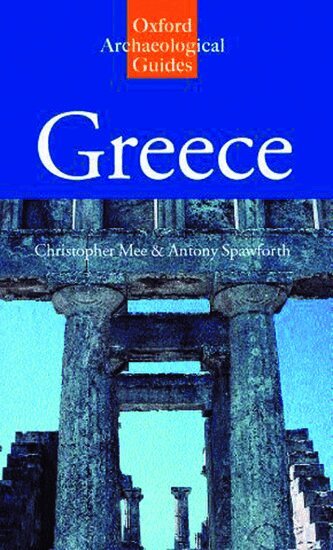
Greece, with all its temples, cities, and sanctuaries created by Europe's most formative ancient civilization, is a must-see for the archaeological traveller.This guide provides:* Coverage of all the main archaeological sites in Greece, ranging from prehistory to the sixth century AD* Sites arranged by region, and includingPhilip's Tomb at VerginaPalace complex at MycenaeTemples of the AcropolisHellenistic city of the MesseneRoman colony of Corinth* 'Partner factor' ratings including sites worth visiting during your stay for the scenic setting, including bathing* Up-to-date introduction surveying Greece's landscape, history, and archaeology from the Neolithic period to the end of antiquity, and placing the sites in their cultural context* A chronology for reference and a glossary of essential terms
The city of Rome is the largest archaeological site in the world, capital and showcase of the Roman Empire and the centre of Christian Europe. Whether exploring Rome in person or wishing to understand it from afar, the Oxford Archaeological Guide is an essential resource for academics, students, historians, visitors, and all readers interested in the ancient city and the Roman world.The guide presents detailed archaeological explanations and historical background to both the most famous and lesser known sites of the city, combined with practical on-site information, including itineraries, museum tips, and glossaries. Amanda Claridge and Christopher Siwicki place Rome in the context of the development of the empire, highlighting the nature of Roman achievement, and explaining how Rome came to be the largest city in the ancient world. Accessibly written, it draws on the latest discoveries and the best of recent scholarship, to illuminate ancient Rome for experts and new-comers alike. For this expanded new edition the text has been extensively revised in line with recent discoveries, openings, and scholarship. Numerous new sites and illustrations have been added, the itineraries re-organized and expanded to suit the many changes that have taken place in the fifteen years since the previous edition, and the practical information, bibliography, and references fully updated.
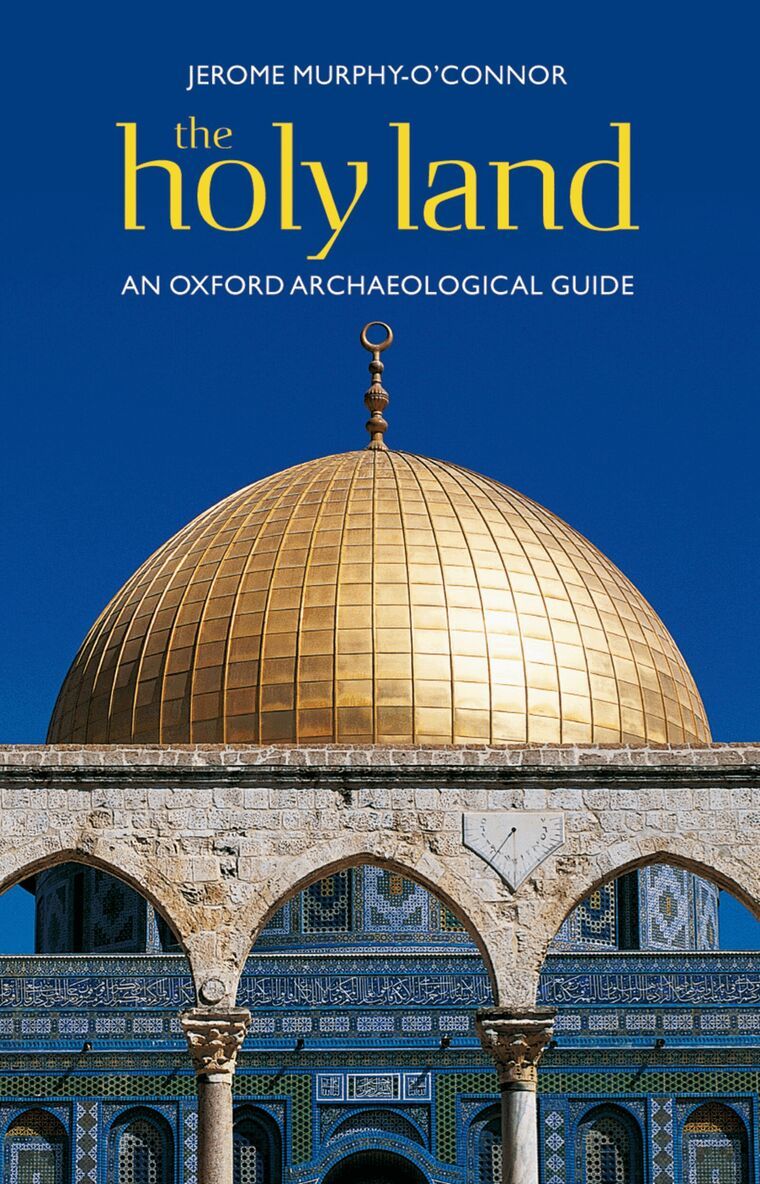
Of immense significance to Judaism, Christianity, and Islam, the Holy Land has been attracting visitors since the fifth century BC. Covering all the main sites both in the city of Jerusalem and throughout the Holy Land and including over 150 high quality site plans, maps, diagrams, and photographs, this book provides the ultimate visitor guide to the rich archaeological heritage of the region.Fully updated with all the latest information, this new edition includes updates on the crucial recent developments at the Holy Sepulchre and on six completely new sites, including a Middle Bronze Age water system in Jerusalem and what may be the original Pool of Siloam.