Pathfinders – serie
Visar alla böcker i serien Pathfinders. Handla med fri frakt och snabb leverans.
26 produkter
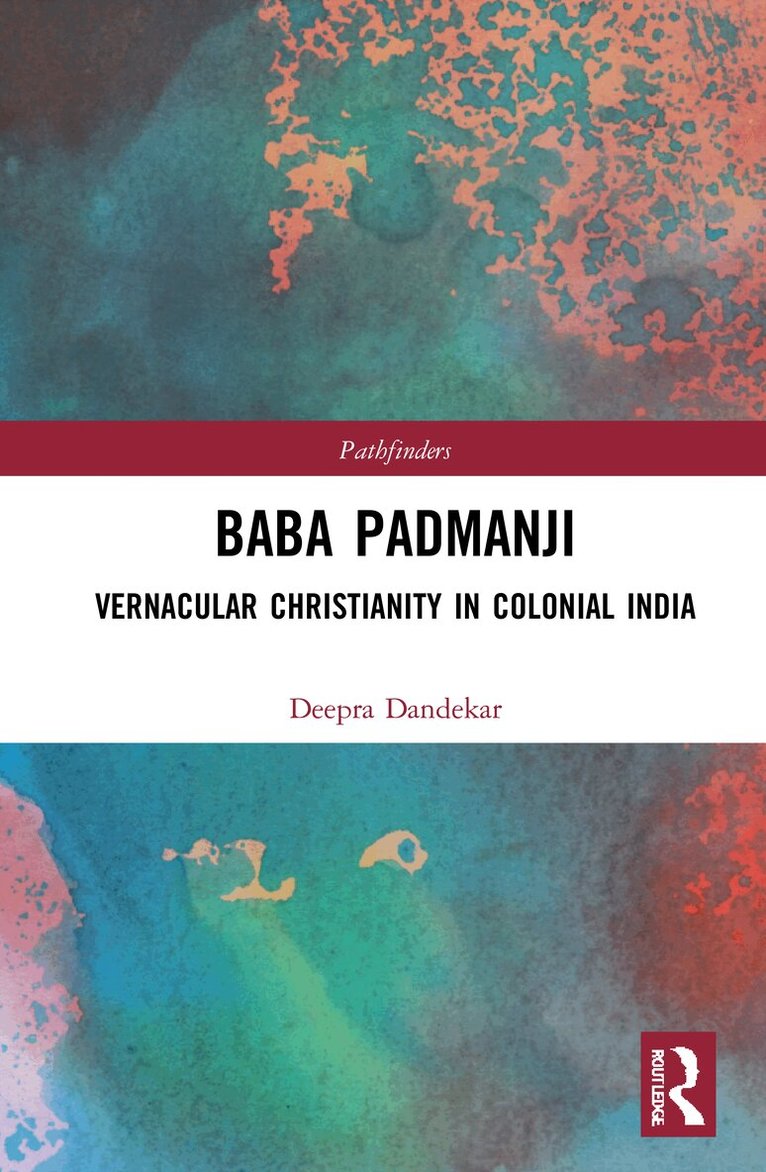
Baba Padmanji
Vernacular Christianity in Colonial India
Inbunden, 2020
2887 kr
Lägg i varukorg
This book is a critical biography of Baba Padmanji (1831-1906), a firebrand native Christian missionary, ideologue, and litterateur from 19th-century Bombay Presidency. Though Padmanji was well-known, and a very influential figure among Christian converts, his contributions have received inadequate …
Baba Padmanji
Vernacular Christianity in Colonial India
Häftad, 2020
795 kr
Lägg i varukorg
This book is a critical biography of Baba Padmanji (1831-1906), a firebrand native Christian missionary, ideologue, and litterateur from 19th-century Bombay Presidency. Though Padmanji was well-known, and a very influential figure among Christian converts, his contributions have received inadequate …
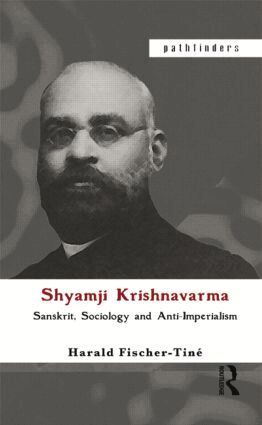
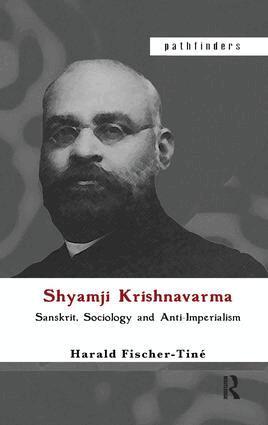
Shyamji Krishnavarma
Sanskrit, Sociology and Anti-Imperialism
Häftad, 2014
2510 kr
Lägg i varukorg
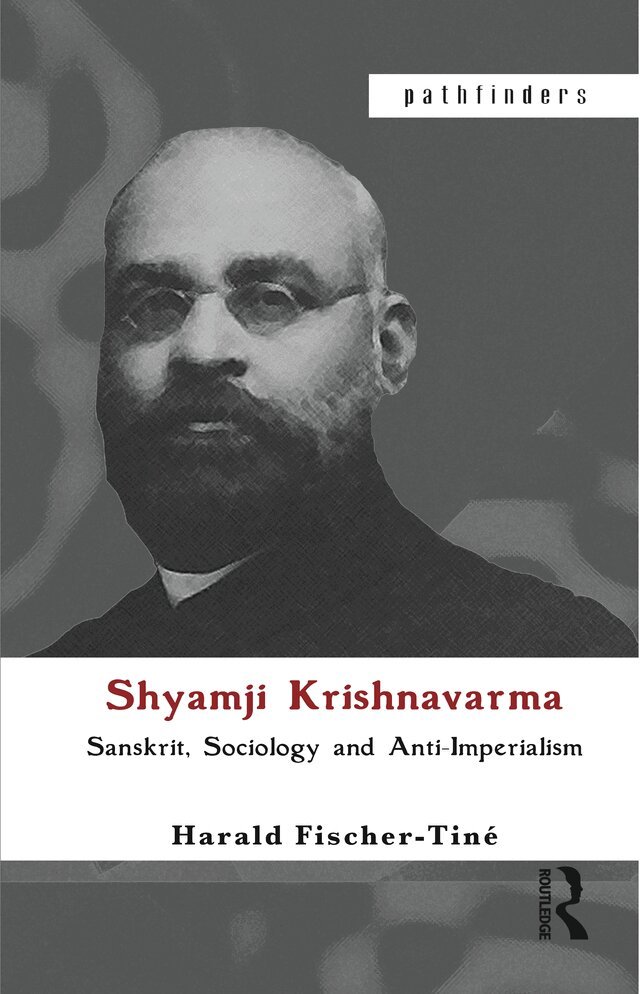
This book is the first critical biography on Shyamji Krishnavarma — scholar, journalist and national revolutionary who lived in exile outside India from 1897 to 1930. His ideas were crucial in the creation of an extremist wing of anti-imperial nationalism. The work delves into a fascinating range …
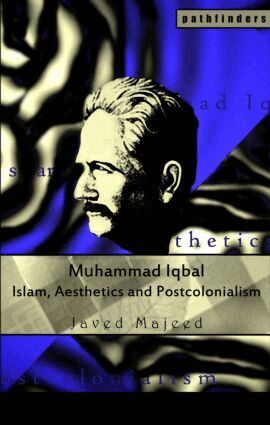
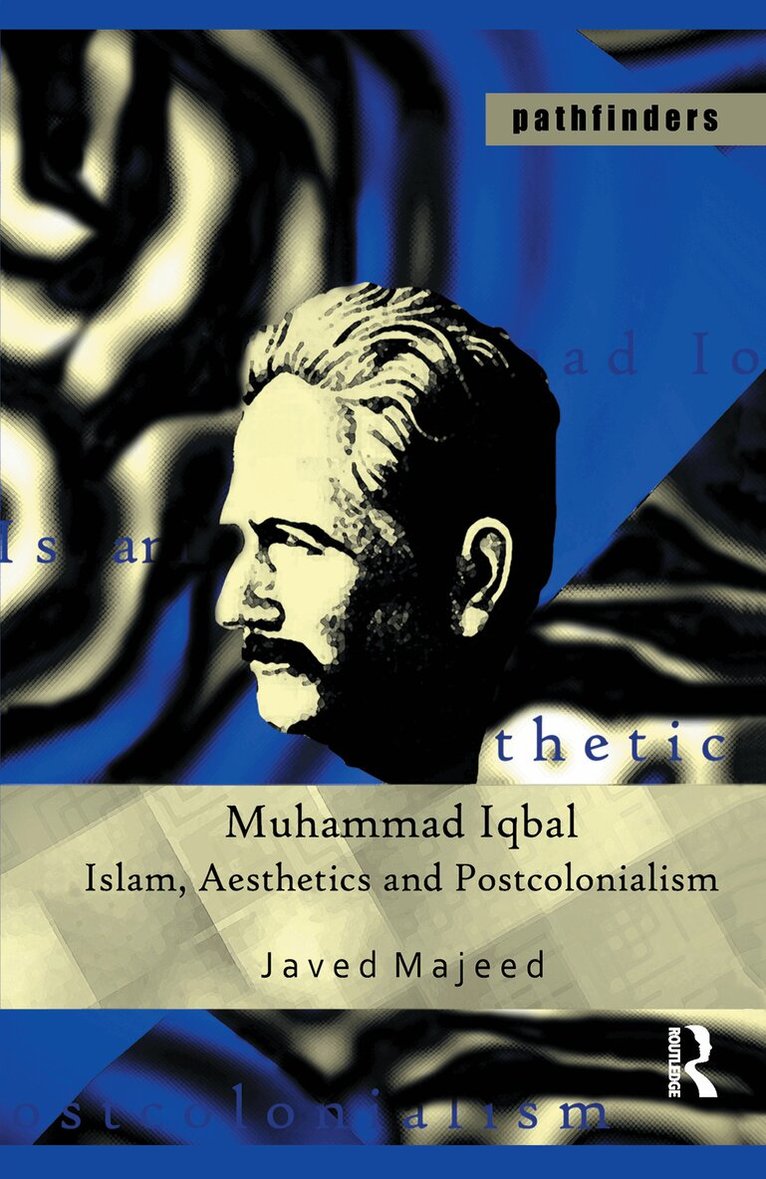
Muhammad Iqbal
Islam, Aesthetics and Postcolonialism
Av Javed Majeed
Häftad, 2009
744 kr
Lägg i varukorg
Bringing together Islamic studies, a postcolonial literary perspective, and a focus on the interaction between aesthetics and politics, this book analyses Iqbal’s Islamism through his poetry. It argues that his notion of an Islamist selfhood was expressed in his verse through the interplay between …
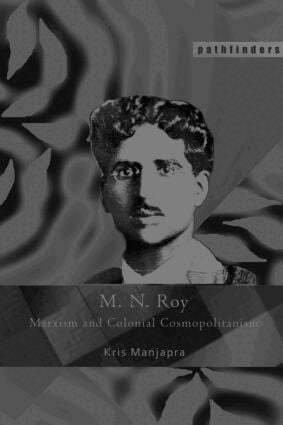
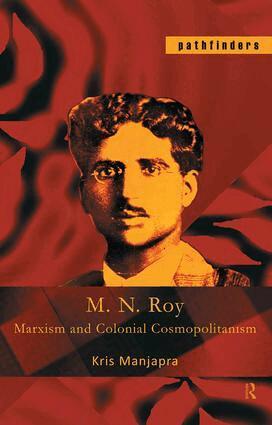
M. N. Roy
Marxism and Colonial Cosmopolitanism
Häftad, 2010
656 kr
Lägg i varukorg
This is a work of South Asian intellectual history written from a transnational perspective and based on the life and work of M.N. Roy, one of India’s most formidable Marxist intellectuals. Swadeshi revolutionary, co-founder of the Mexican Communist Party, member of the Communist International …
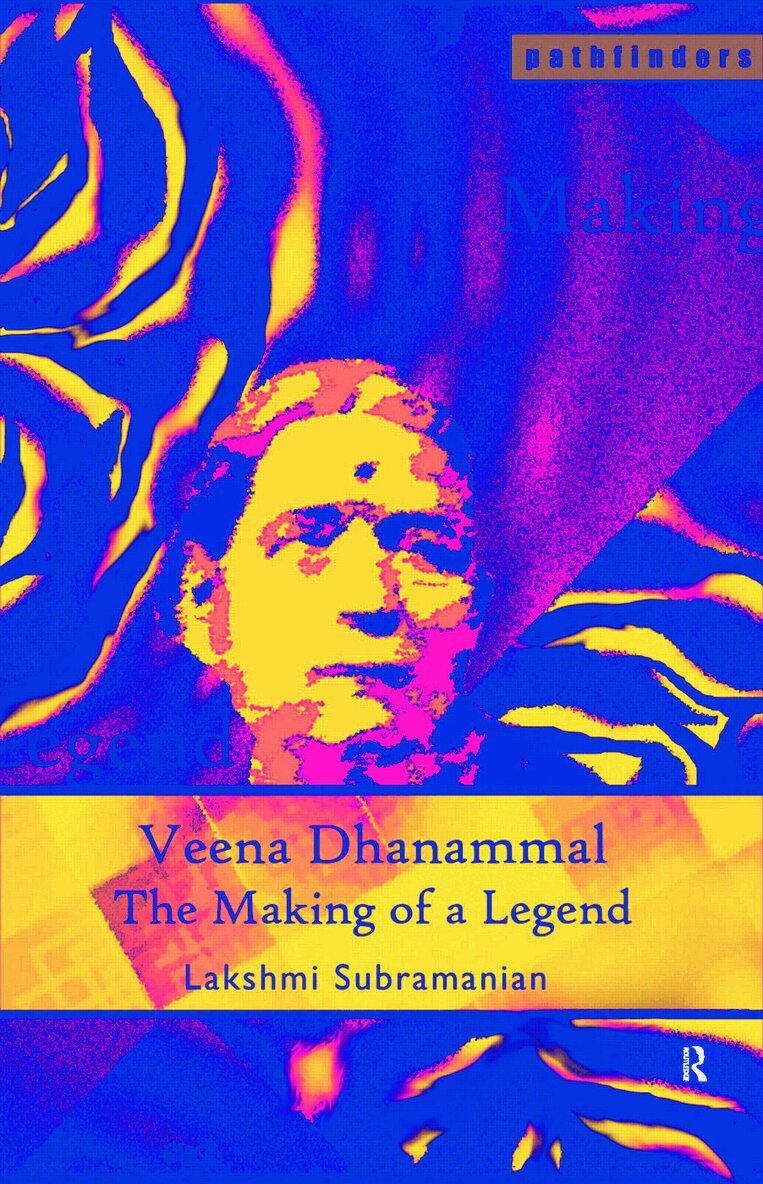
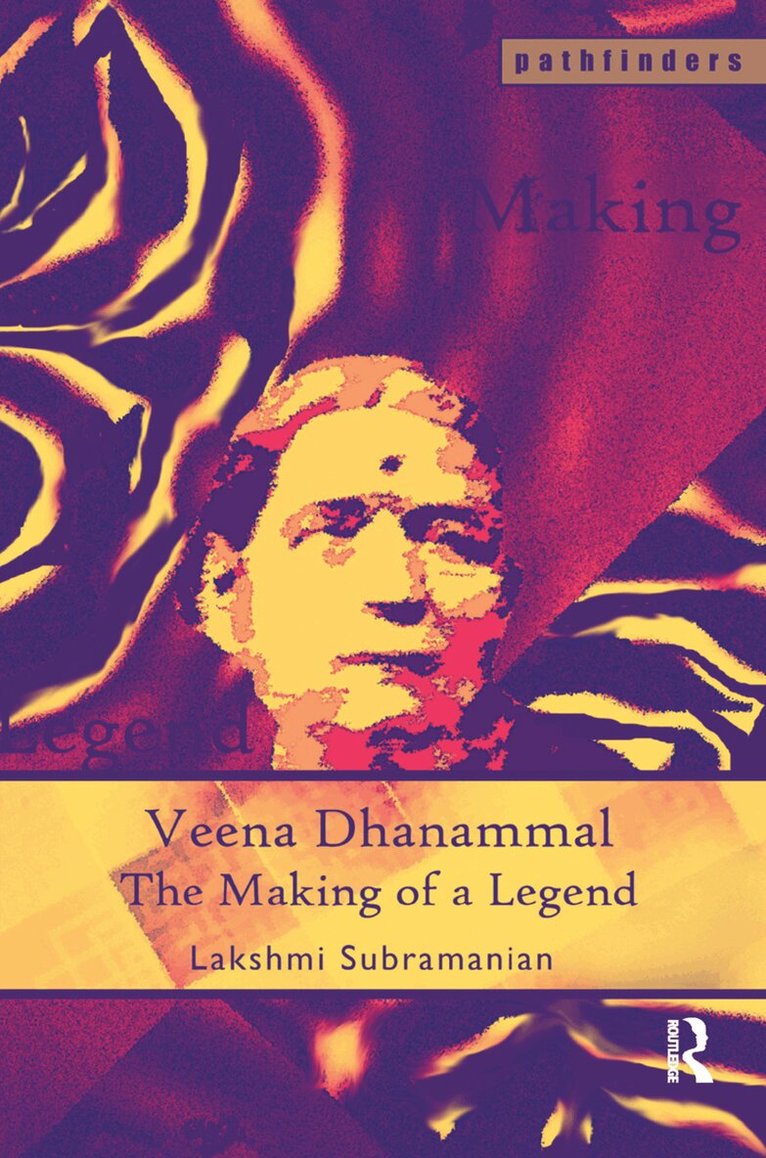
Veena Dhanammal
The Making of a Legend
Häftad, 2009
642 kr
Lägg i varukorg
This book looks at the life and music of Veena Dhanammal (1866–1938), considered the embodiment of ‘classicism’ in Karnatik music. It locates her art within the cultural, social and intellectual milieu she inhabited, allowing readers to track the changing musical landscape of southern India, as a …
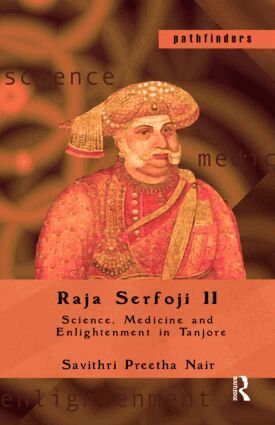
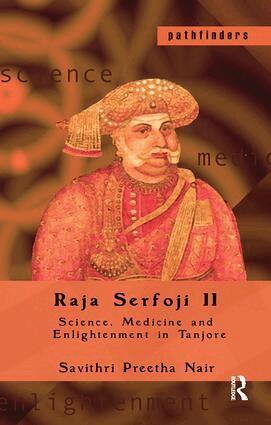
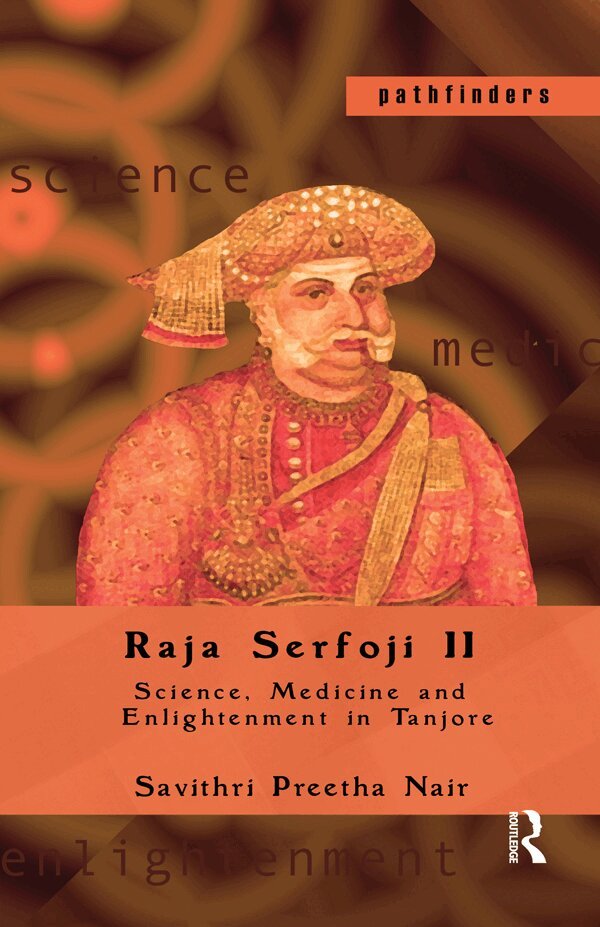
Raja Serfoji II
Science, Medicine and Enlightenment in Tanjore
Häftad, 2012
808 kr
Lägg i varukorg
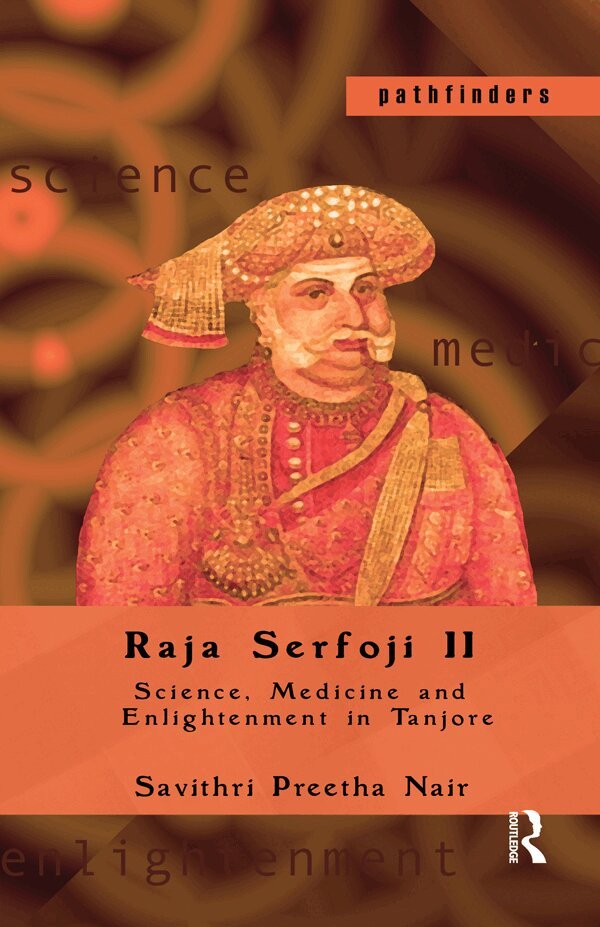
In the early nineteenth century, the south Indian kingdom of Tanjore, which had come under the control of the East India Company, flourished as a ‘centre’ of enlightenment. This book traces the contours of the Tanjore enlightenment, which produced a knowledge that was at once modern and deeply …
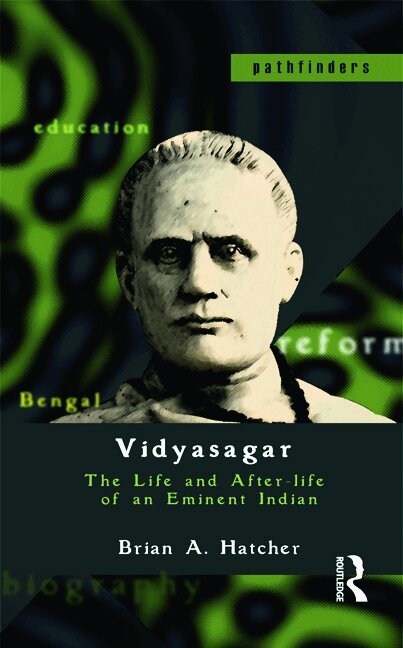
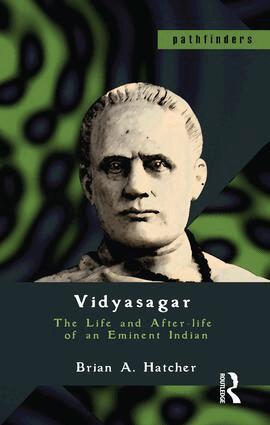
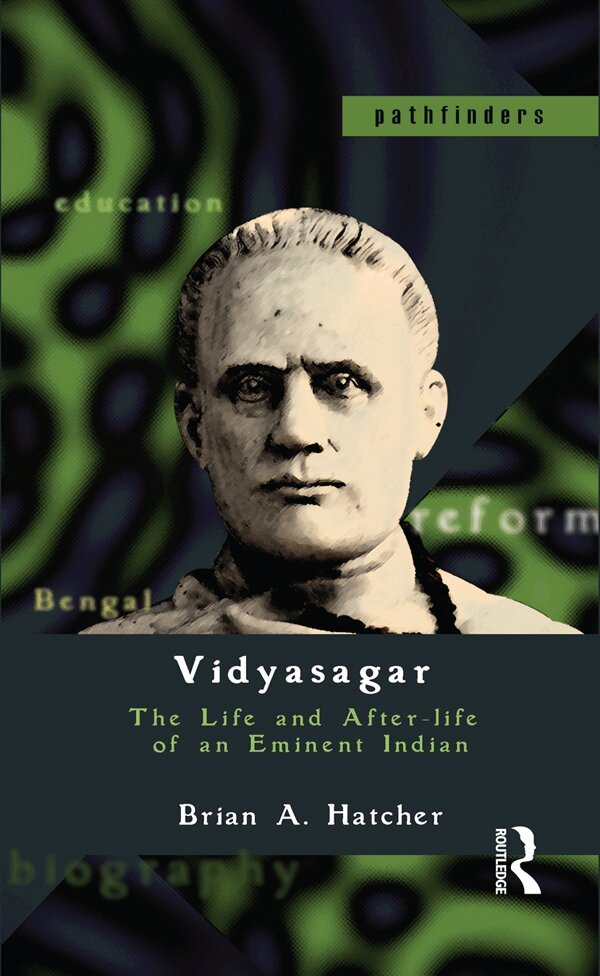
Vidyasagar
The Life and After-life of an Eminent Indian
Häftad, 2014
677 kr
Lägg i varukorg
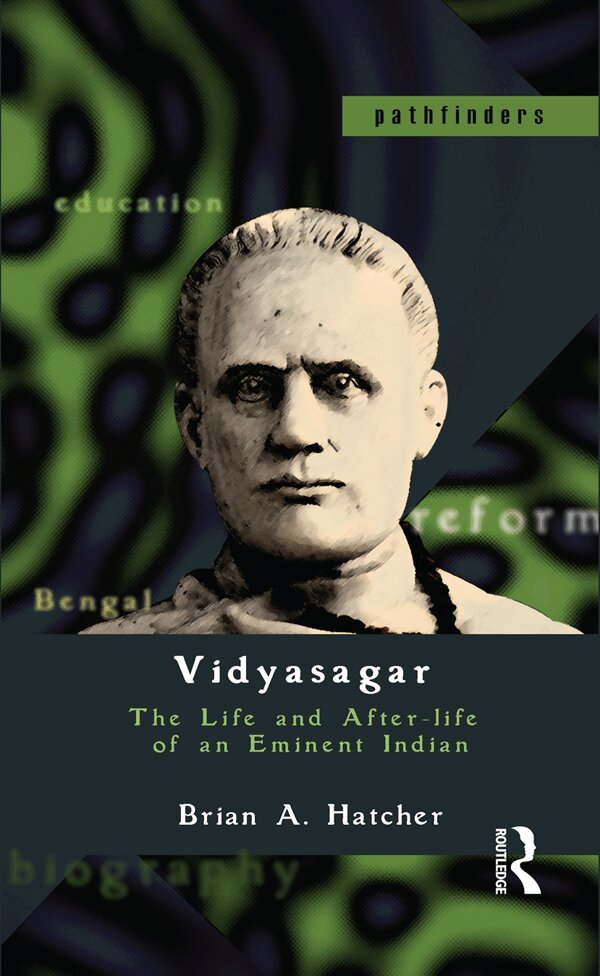
This book offers a new interpretation of the life and legacy of the Indian reformer and intellectual, Ishvarchandra Vidyasagar (1820–91). Drawing upon autobiography, biography, secondary criticism and a range of Vidyasagar’s original writings in Bengali, the book interrogates the role of history, …
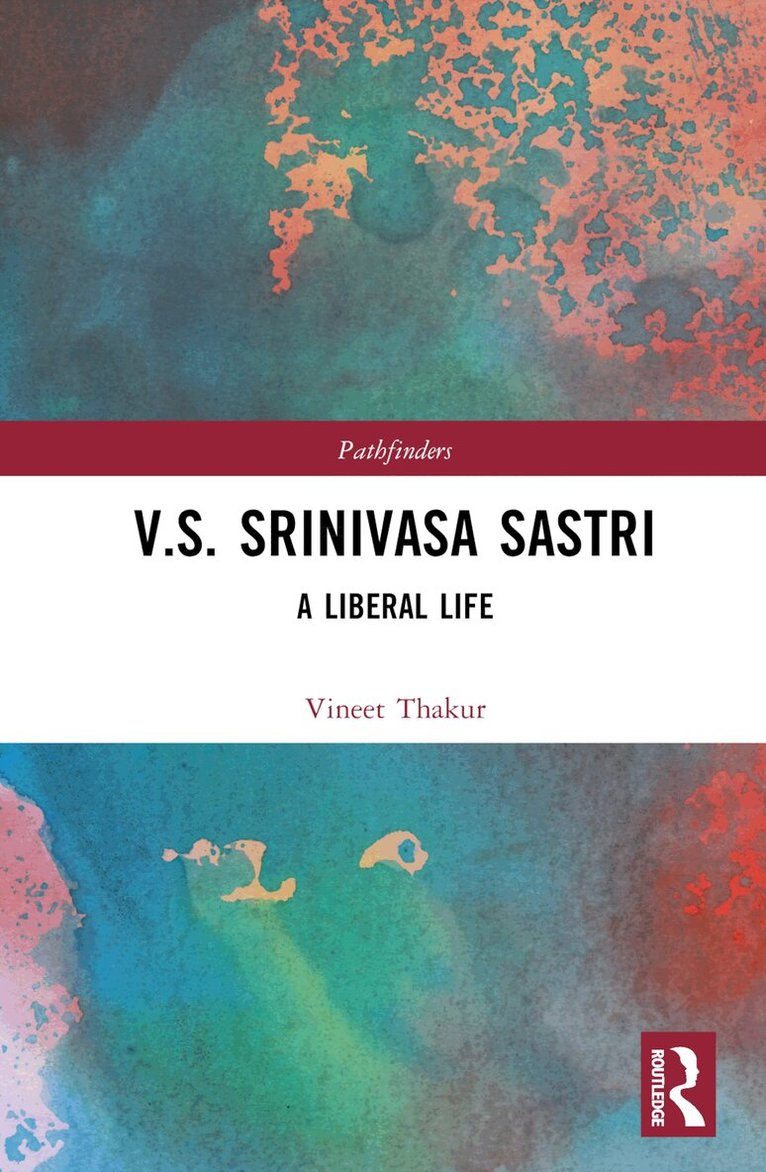
V.S. Srinivasa Sastri
A Liberal Life
Inbunden, 2023
2665 kr
Lägg i varukorg
This book explores the Indian tradition of liberalism through a critical intellectual biography of Valangaiman Sankaranarayana Srinivasa Sastri (1869–1946). A notable politician, diplomat and educationist in colonial India, Sastri was a founding member of the National Liberal Federation and was one …
V.S. Srinivasa Sastri
A Liberal Life
Häftad, 2023
749 kr
Lägg i varukorg
This book explores the Indian tradition of liberalism through a critical intellectual biography of Valangaiman Sankaranarayana Srinivasa Sastri (1869–1946). A notable politician, diplomat and educationist in colonial India, Sastri was a founding member of the National Liberal Federation and was one …
M. N. Roy
Marxism and Colonial Cosmopolitanism
Inbunden, 2016
2585 kr
Lägg i varukorg
This is a work of South Asian intellectual history written from a transnational perspective and based on the life and work of M.N. Roy, one of India’s most formidable Marxist intellectuals. Swadeshi revolutionary, co-founder of the Mexican Communist Party, member of the Communist International …
Vidyasagar
The Life and After-life of an Eminent Indian
Inbunden, 2016
2665 kr
Lägg i varukorg
This book offers a new interpretation of the life and legacy of the Indian reformer and intellectual, Ishvarchandra Vidyasagar (1820–91). Drawing upon autobiography, biography, secondary criticism and a range of Vidyasagar’s original writings in Bengali, the book interrogates the role of history, …
Raja Serfoji II
Science, Medicine and Enlightenment in Tanjore
Inbunden, 2017
2585 kr
Lägg i varukorg
In the early nineteenth century, the south Indian kingdom of Tanjore, which had come under the control of the East India Company, flourished as a ‘centre’ of enlightenment. This book traces the contours of the Tanjore enlightenment, which produced a knowledge that was at once modern and deeply …
Muhammad Iqbal
Islam, Aesthetics and Postcolonialism
Av Javed Majeed
Inbunden, 2016
2665 kr
Lägg i varukorg
Bringing together Islamic studies, a postcolonial literary perspective, and a focus on the interaction between aesthetics and politics, this book analyses Iqbal’s Islamism through his poetry. It argues that his notion of an Islamist selfhood was expressed in his verse through the interplay between …
Veena Dhanammal
The Making of a Legend
Inbunden, 2017
3155 kr
Lägg i varukorg
This book looks at the life and music of Veena Dhanammal (1866–1938), considered the embodiment of ‘classicism’ in Karnatik music. It locates her art within the cultural, social and intellectual milieu she inhabited, allowing readers to track the changing musical landscape of southern India, as a …
Shyamji Krishnavarma
Sanskrit, Sociology and Anti-Imperialism
Inbunden, 2017
3155 kr
Lägg i varukorg
This book is the first critical biography on Shyamji Krishnavarma � scholar, journalist and national revolutionary who lived in exile outside India from 1897 to 1930. His ideas were crucial in the creation of an extremist wing of anti-imperial nationalism. The work delves into a fascinating range …
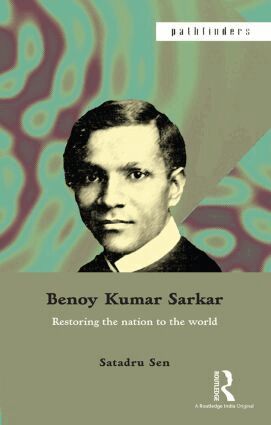
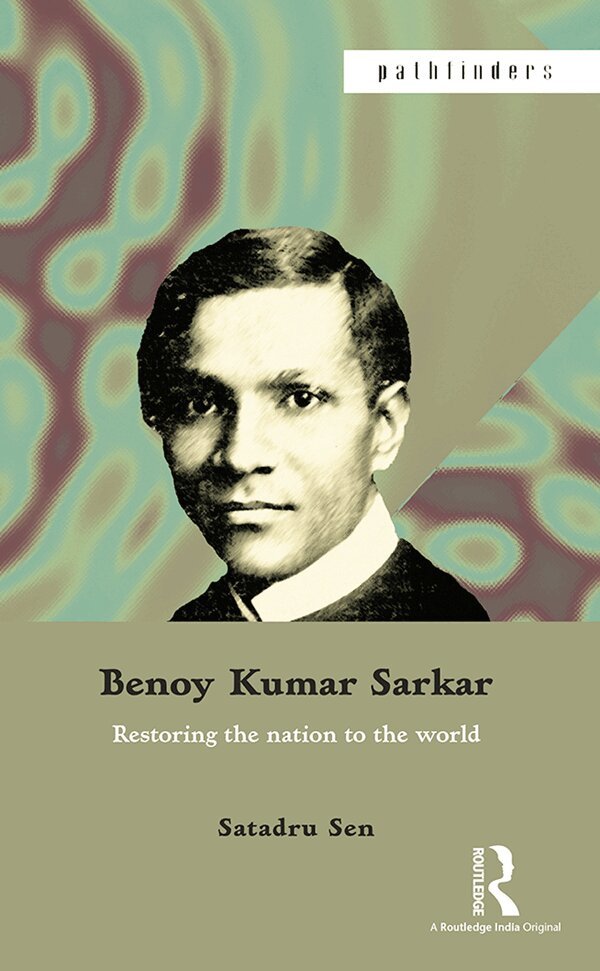
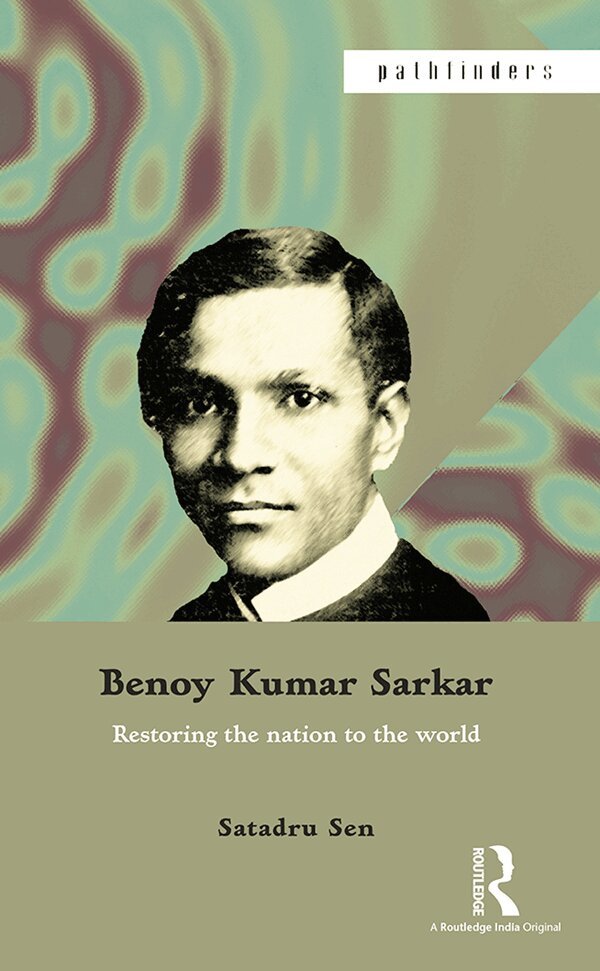
Benoy Kumar Sarkar
Restoring the nation to the world
Av Satadru Sen
Häftad, 2015
531 kr
Lägg i varukorg
This book explores the life and times of the pioneering Indian sociologist Benoy Kumar Sarkar. It locates him simultaneously in the intellectual history of India and the political history of the world in the twentieth century. It focuses on the development and implications of Sarkar’s thinking on …
Benoy Kumar Sarkar
Restoring the nation to the world
Av Satadru Sen
E-bok, 2015
610 kr
Lägg i varukorg
This book explores the life and times of the pioneering Indian sociologist Benoy Kumar Sarkar. It locates him simultaneously in the intellectual history of India and the political history of the world in the twentieth century. It focuses on the development and implications of Sarkar’s thinking on …
Benoy Kumar Sarkar
Restoring the nation to the world
Av Satadru Sen
E-bok, 2015
624 kr
Lägg i varukorg
This book explores the life and times of the pioneering Indian sociologist Benoy Kumar Sarkar. It locates him simultaneously in the intellectual history of India and the political history of the world in the twentieth century. It focuses on the development and implications of Sarkar’s thinking on …
Vidyasagar
The Life and After-life of an Eminent Indian
E-bok, 2014
625 kr
Lägg i varukorg
This book offers a new interpretation of the life and legacy of the Indian reformer and intellectual, Ishvarchandra Vidyasagar (1820–91). Drawing upon autobiography, biography, secondary criticism and a range of Vidyasagar’s original writings in Bengali, the book interrogates the role of history, …
Vidyasagar
The Life and After-life of an Eminent Indian
E-bok, 2014
625 kr
Lägg i varukorg
This book offers a new interpretation of the life and legacy of the Indian reformer and intellectual, Ishvarchandra Vidyasagar (1820–91). Drawing upon autobiography, biography, secondary criticism and a range of Vidyasagar’s original writings in Bengali, the book interrogates the role of history, …
Shyamji Krishnavarma
Sanskrit, Sociology and Anti-Imperialism
E-bok, 2015
3069 kr
Lägg i varukorg
This book is the first critical biography on Shyamji Krishnavarma — scholar, journalist and national revolutionary who lived in exile outside India from 1897 to 1930. His ideas were crucial in the creation of an extremist wing of anti-imperial nationalism. The work delves into a fascinating range …
Shyamji Krishnavarma
Sanskrit, Sociology and Anti-Imperialism
E-bok, 2015
3069 kr
Lägg i varukorg
This book is the first critical biography on Shyamji Krishnavarma — scholar, journalist and national revolutionary who lived in exile outside India from 1897 to 1930. His ideas were crucial in the creation of an extremist wing of anti-imperial nationalism. The work delves into a fascinating range …
Raja Serfoji II
Science, Medicine and Enlightenment in Tanjore
E-bok, 2014
733 kr
Lägg i varukorg
In the early nineteenth century, the south Indian kingdom of Tanjore, which had come under the control of the East India Company, flourished as a ‘centre’ of enlightenment. This book traces the contours of the Tanjore enlightenment, which produced a knowledge that was at once modern and deeply …
Raja Serfoji II
Science, Medicine and Enlightenment in Tanjore
E-bok, 2014
749 kr
Lägg i varukorg
In the early nineteenth century, the south Indian kingdom of Tanjore, which had come under the control of the East India Company, flourished as a ‘centre’ of enlightenment. This book traces the contours of the Tanjore enlightenment, which produced a knowledge that was at once modern and deeply …