Perspectives in Nanotechnology - Böcker
Visar alla böcker i serien Perspectives in Nanotechnology. Handla med fri frakt och snabb leverans.
14 produkter
14 produkter
940 kr
Skickas inom 10-15 vardagar
Bacterial nanocellulose (BNC) is an emerging nanomaterial with unique properties produced by several species of ubiquitous fermentation bacteria, most importantly Gluconacetobacter xylinus, previously known as Acetobacter xylinum. BNC has been used for a variety of commercial applications including textiles, cosmetics, and food products, and it has a high potential for medical applications. Bacterial NanoCellulose: A Sophisticated Multifunctional Material provides the state of the art of scientific knowledge about the mechanism of cellulose production by bacteria along with pointing out challenges in expansion of BNC production in large scale. It provides the latest update on BNC structure and its modification, as well as comprehensive information about current and future applications of BNC. This seminal work covers the basic science, technology, and economic impact of this bulk chemical as well as the companies and patents that are driving the field. It reviews the biosynthesis and properties of BNC.
2 862 kr
Skickas inom 10-15 vardagar
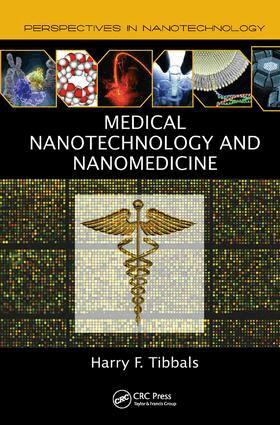
Considering the fluid nature of nano breakthroughs and the delicate balance between benefits and consequences as they apply to medicine readers at all levels require a practical, understandable base of information about these developments to take greatest advantage of them. Medical Nanotechnology and Nanomedicine meets that need by introducing non-experts to nanomedicine and its evolving organizational infrastructure.This practical reference investigates the impact of nanotechnology on applications in medicine and biomedical sciences, and the broader societal and economic effects. Eschewing technological details, it focuses on enhancing awareness of the business, regulatory, and administrative aspects of medical applications. It gives readers a critical, balanced, and realistic evaluation of existing nanomedicine developments and future prospects an ideal foundation upon which to plan and make decisions. Covers the use of nanotechnology in medical applications including imaging, diagnosis and monitoring, drug delivery systems, surgery, tissue regeneration, and prostheticsPart of the Perspectives in Nanotechnology series which contains broader coverage of the societal implications of nanotechnology this book can be used as a standalone reference. Organized by historical perspective, current status, and future prospects, this powerful book:Explores background, definitions and terms, and recent trends and forces in nanomedicineSurveys the landscape of nanomedicine in government, academia, and the private sector Reviews projected future directions, capabilities, sustainability, and equity of nanomedicine, and choices to be made regarding its useIncludes graphical illustrations, references, and keywords to reinforce concepts and aid further research
2 712 kr
Skickas inom 10-15 vardagar
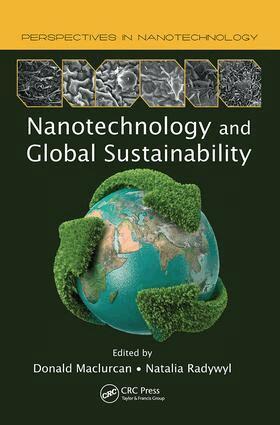
The rise of collaborative consumption, peer-to-peer systems, and not-for-profit social enterprise heralds the emergence of a new era of human collectivity. Increasingly, this consolidation stems from an understanding that big-banner issues‘such as climate change are not the root causes of our present global predicament. There is a growing and collective view that issues such as this are actually symptoms of a much more vicious, seemingly insurmountable condition: our addiction to economic, consumption, and population growth in a world of finite resources.Nanotechnology and Global Sustainability uses nanotechnology the product of applied scientific knowledge to control and utilize matter at atomic and molecular scales as a lens through which to explore the interrelationship between innovation, politics, economy, and sustainability. This groundbreaking book addresses how stakeholders can actively reshape agendas to create positive and sustainable futures through this latest controversial, cross-sectoral technology. It moves beyond issues of efficiency, productivity, and utility, exploring the insights of 22 contributors from around the world, whose work spans the disciplines of science and the humanities. Their combined knowledge, reinforced with various case studies, introduces an exciting prospect how we can innovate without economic growth.This new volume in the Perspectives in Nanotechnology series is edited by Dr. Donald Maclurcan and Dr. Natalia Radywyl. Dr. Maclurcan is a social innovator and Honorary Research Fellow with the Institute for Nanoscale Technology at the University of Technology Sydney, Australia. Dr. Radywyl is a social researcher and Honorary Research Fellow in the School of Culture and Communication at the University of Melbourne, Australia. She is also an Adjunct Research Fellow in the Faculty of Life and Social Sciences at Swinburne University of Technology, Melbourne. This book is written for a wide audience and will be of particular interest to activists, scholars, policy makers, scientists, business professionals and others who seek an understanding of how we might justly transition to sustainable societies.
Nanotechnology Intellectual Property Rights
Research, Design, and Commercialization
Inbunden, Engelska, 2017
1 765 kr
Skickas inom 10-15 vardagar
"We need to seamlessly integrate IPR in the standard graduate/post graduate courses in science, technology, commerce, creative arts, etc., without over burdening the students with law" Dr Prabuddha Ganguli, CEO, VISION-IPRNanotechnology Intellectual Property Rights: Research, Design, and Commercialization offers an overview of the dynamics of development and commercialization in nanotech, where strategic integration of IP, RandD, and commercialization has become imperative. It demystifies issues of intellectual property rights (IPR) associated with research, design, technology transfer, and commercialization of innovations in technology-led areas such as nanotech. Gives all stakeholders vital information to instill confidence by helping them better understand their individual roles in the IPR process Designed for a diverse readership that may not have background knowledge of the legal nuances of IPR, this book clearly articulates techno-legal aspects of nano-related innovations to aid their effective integration into businesses. This resource stands apart by using numerous case studies and pictorial illustrations, addressing aspects ranging from ideation to commercialization of IP-enabled nanotechnology. It illustrates the evolving patent landscape in nanotechnology, explores the international patent classification system, and details patenting procedures in a range of jurisdictions, including search for nanotechnology prior art and creation of search strategies.The authors discuss patent-led nanotechnology businesses, presenting a wide range of case studies that address construction of valuable patent portfolios, growth of start-ups, and consolidation of IP-led nanobusinesses through mergers, acquisitions, joint ventures, strategic investments, etc. They also cover patent litigations in nanotechnologies and the significance of strategically crafting agreements related
1 765 kr
Skickas inom 10-15 vardagar
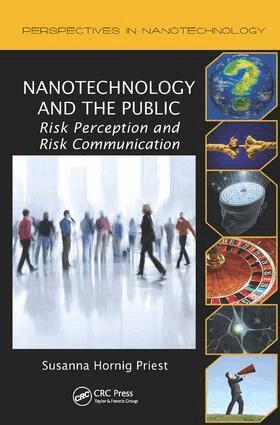
From nuclear power to gene therapy to the automobile, history shows that it is useful to encourage and facilitate public discussion about new technologies and their potential dangers. Part of the series Perspectives in Nanotechnology, Nanotechnology and the Public: Risk Perception and Risk Communication assesses results from focus groups, interviews, and other resources to provide a more nuanced understanding of how non-experts perceive nanotechnology and what they expect from it. Includes a series of special essays by social scientists and humanities scholars who have studied nanotechnology and society from different perspectivesAssessing how "ordinary" people form opinions about new technologies and their adoption, this book addresses the role of media messages and pre-existing values in this process, as well as how risks can become either amplified or weakened along the way as a result of social mechanisms. Using solid theory and research to back presented concepts on risk perception and communication, the author discusses the potential for using informed consent, labels, and other types of consumer warnings that have proved to be effective in areas other than nano. An in-depth investigation into the concept of mass communication practices, this book explores the paradox of why, despite its appeal and promise, public engagement has had only limited success in the dialogue on nanotechnology. Aimed at finding solutions, the book‘s resulting conclusions are considered in the context of broader issues. These include how society makes up its collective mind about technology adoption and all the profound questions this raises, in terms of democratic theory.
613 kr
Tillfälligt slut
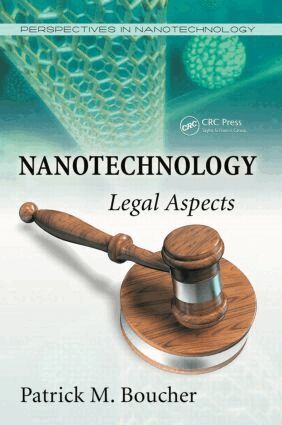
Existing laws have a generality that permits them to be applied to nanotechnology, but eventually it will be necessary to generate legislation targeted to issues specific to nanotechnology. As nanotechnology continues to develop into commercially viable products, legal doctrines are increasingly likely to play an important role in protecting intellectual property, facilitating financial transactions, and handling health, safety, and environmental issues.Nanotechnology: Legal Aspects provides thorough, yet comprehensible overview of different legal doctrines that are relevant to nanotechnology and explains how they may apply in the development, commercialization, and use of nano-products. The book is divided into three parts that correspond to the different phases in the lifecycle of nano-products: Protection, Regulation, and Liability. The in-depth coverage of these topics in a single source sets this work apart from others at the interface of law and nanoscience. Accessible to those without specific training in either nanotechnology or law... Nanotechnology: Legal Aspects offers a reader-friendly and affordable alternative that appeals to nano-aware audiences as well as legal professionals, students, and scientists who wish to build a greater understanding of the legal aspects of nanotechnology.
927 kr
Skickas inom 10-15 vardagar
From manufacturing to medicine, nanotechnology implies revolutionary change. However, the sweeping changes wrought by a technological advance of this magnitude are likely to come at a price that includes unforeseen environmental impact, disruptions in industry, displacement of workers, and deeply controversial applications of the technology and its offspring.Nanotechnology: Ethics and Society provides a conceptually clear and straightforward ethical framework, in which pragmatic questions can be raised regarding the impact of nano-related technologies. The book focuses on general issues related to nanotechnology in nanomaterials and manufacturing as well as impacts on the marketplace and workforce. After an overview of the nanotechnology revolution, the text illustrates key concepts in the assessment model and then applies this model to a case study related to human enhancement technologies. It also offers an ethical agenda for addressing the challenges of nanotechnology.Nanotechnology promises to be the next great technological revolution. This important volume provides a framework for deciding how best to take advantage of nanotechnology opportunities while also minimizing the harm of negative effects.
900 kr
Skickas inom 10-15 vardagar
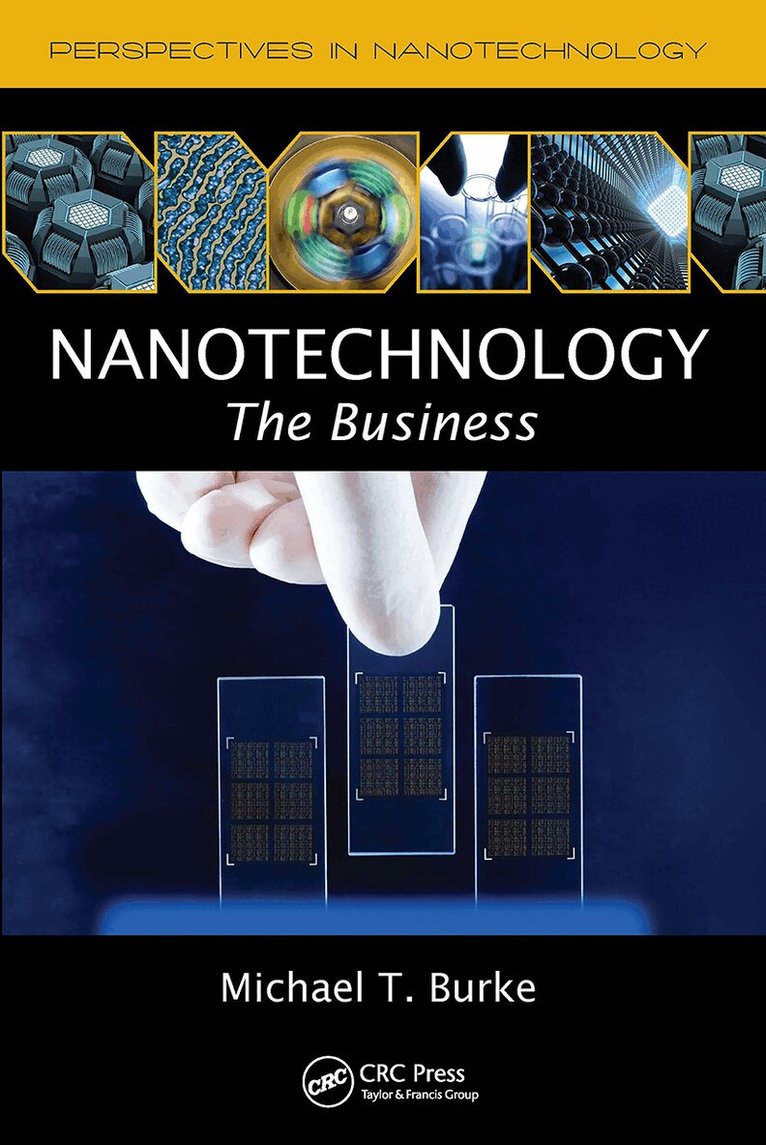
For the new nanotechnology entrepreneur, starting up a venture requires concise navigation through a sea of developmental red tape. This predicament is true of any startup, nano or not, but is particularly exacerbated by the fact that nanotechnology is a new and potentially disruptive technology.A unique exposition on starting and running a nano-business, this indispensible reference: Includes samples of important corporate and operational documents Explores the intricate relationship between new technology development and the creation of new businesses Provides tips on managing people of diverse educational backgrounds Incorporates information on patents, business ethics, record keeping, and marketingNanotechnology: The Business presents an in-depth discussion of available corporate structures, delineating the advantages and disadvantages of each. It also describes an array of other issues the nano entrepreneur will encounter, from business plans and financing to budgeting, facilities procurement, and staffing. With a scope like no other book of its size, this handy guide equips nano entrepreneurs with the expertise needed to sail smoothly through startup and ensure successful operations after initial incorporation.
1 330 kr
Skickas inom 10-15 vardagar
Considering the fluid nature of nano breakthroughs—and the delicate balance between benefits and consequences as they apply to medicine—readers at all levels require a practical, understandable base of information about these developments to take greatest advantage of them. Medical Nanotechnology and Nanomedicine meets that need by introducing non-experts to nanomedicine and its evolving organizational infrastructure.This practical reference investigates the impact of nanotechnology on applications in medicine and biomedical sciences, and the broader societal and economic effects. Eschewing technological details, it focuses on enhancing awareness of the business, regulatory, and administrative aspects of medical applications. It gives readers a critical, balanced, and realistic evaluation of existing nanomedicine developments and future prospects—an ideal foundation upon which to plan and make decisions. Covers the use of nanotechnology in medical applications including imaging, diagnosis and monitoring, drug delivery systems, surgery, tissue regeneration, and prostheticsPart of the Perspectives in Nanotechnology series—which contains broader coverage of the societal implications of nanotechnology—this book can be used as a standalone reference. Organized by historical perspective, current status, and future prospects, this powerful book: Explores background, definitions and terms, and recent trends and forces in nanomedicine Surveys the landscape of nanomedicine in government, academia, and the private sector Reviews projected future directions, capabilities, sustainability, and equity of nanomedicine, and choices to be made regarding its use Includes graphical illustrations, references, and keywords to reinforce concepts and aid further researchIn its assessment of alternative and sometimes conflicting concepts proposed for the application of nanotechnology to medicine, this book surveys major initiatives and the work of leading labs and innovators. It uses informative examples and case summaries to illustrate proven accomplishments and imagined possibilities in research and development.
534 kr
Skickas inom 10-15 vardagar
From nuclear power to gene therapy to the automobile, history shows that it is useful to encourage and facilitate public discussion about new technologies and their potential dangers. Part of the series Perspectives in Nanotechnology, Nanotechnology and the Public: Risk Perception and Risk Communication assesses results from focus groups, interviews, and other resources to provide a more nuanced understanding of how non-experts perceive nanotechnology and what they expect from it. Includes a series of special essays by social scientists and humanities scholars who have studied nanotechnology and society from different perspectivesAssessing how "ordinary" people form opinions about new technologies and their adoption, this book addresses the role of media messages and pre-existing values in this process, as well as how risks can become either amplified or weakened along the way as a result of social mechanisms. Using solid theory and research to back presented concepts on risk perception and communication, the author discusses the potential for using informed consent, labels, and other types of consumer warnings that have proved to be effective in areas other than nano.An in-depth investigation into the concept of mass communication practices, this book explores the paradox of why, despite its appeal and promise, public engagement has had only limited success in the dialogue on nanotechnology. Aimed at finding solutions, the book’s resulting conclusions are considered in the context of broader issues. These include how society makes up its collective mind about technology adoption and all the profound questions this raises, in terms of democratic theory.
Nanotechnology Intellectual Property Rights
Research, Design, and Commercialization
Häftad, Engelska, 2012
479 kr
Skickas inom 10-15 vardagar
"We need to seamlessly integrate IPR in the standard graduate/post graduate courses in science, technology, commerce, creative arts, etc., without over burdening the students with law"—Dr Prabuddha Ganguli, CEO, VISION-IPRNanotechnology Intellectual Property Rights: Research, Design, and Commercialization offers an overview of the dynamics of development and commercialization in nanotech, where strategic integration of IP, R&D, and commercialization has become imperative. It demystifies issues of intellectual property rights (IPR) associated with research, design, technology transfer, and commercialization of innovations in technology-led areas such as nanotech.Gives all stakeholders vital information to instill confidence by helping them better understand their individual roles in the IPR processDesigned for a diverse readership that may not have background knowledge of the legal nuances of IPR, this book clearly articulates techno-legal aspects of nano-related innovations to aid their effective integration into businesses. This resource stands apart by using numerous case studies and pictorial illustrations, addressing aspects ranging from ideation to commercialization of IP-enabled nanotechnology. It illustrates the evolving patent landscape in nanotechnology, explores the international patent classification system, and details patenting procedures in a range of jurisdictions, including search for nanotechnology prior art and creation of search strategies.The authors discuss patent-led nanotechnology businesses, presenting a wide range of case studies that address construction of valuable patent portfolios, growth of start-ups, and consolidation of IP-led nanobusinesses through mergers, acquisitions, joint ventures, strategic investments, etc. They also cover patent litigations in nanotechnologies and the significance of strategically crafting agreements related to IP transactions. In addition, they address compliance with contractual obligations, the importance of well-drafted patent specifications, and sensitive aspects of conducting techno-legal due diligence prior to the development and marketing of products. Also covered are vulnerabilities in challenging/defending the validity of patents and negotiating settlements. Integrating use of the IPRinternalise® model for capacity building in human and infrastructural resources, the authors assess the future of IP landscaping in nanotechnology. Here, they focus on patentability, public perception of risks to health and ecosystems, institutionalized management of intellectual property rights, and the steps that will be necessary to meet these and other such challenges on the way to realizing profits in nanotech.

927 kr
Skickas inom 10-15 vardagar
The rise of collaborative consumption, peer-to-peer systems, and not-for-profit social enterprise heralds the emergence of a new era of human collectivity. Increasingly, this consolidation stems from an understanding that big-banner issues—such as climate change—are not the root causes of our present global predicament. There is a growing and collective view that issues such as this are actually symptoms of a much more vicious, seemingly insurmountable condition: our addiction to economic, consumption, and population growth in a world of finite resources.Nanotechnology and Global Sustainability uses nanotechnology—the product of applied scientific knowledge to control and utilize matter at atomic and molecular scales—as a lens through which to explore the interrelationship between innovation, politics, economy, and sustainability. This groundbreaking book addresses how stakeholders can actively reshape agendas to create positive and sustainable futures through this latest controversial, cross-sectoral technology. It moves beyond issues of efficiency, productivity, and utility, exploring the insights of 22 contributors from around the world, whose work spans the disciplines of science and the humanities. Their combined knowledge, reinforced with various case studies, introduces an exciting prospect—how we can innovate without economic growth.This new volume in the Perspectives in Nanotechnology series is edited by Dr. Donald Maclurcan and Dr. Natalia Radywyl. Dr. Maclurcan is a social innovator and Honorary Research Fellow with the Institute for Nanoscale Technology at the University of Technology Sydney, Australia. Dr. Radywyl is a social researcher and Honorary Research Fellow in the School of Culture and Communication at the University of Melbourne, Australia. She is also an Adjunct Research Fellow in the Faculty of Life and Social Sciences at Swinburne University of Technology, Melbourne. This book is written for a wide audience and will be of particular interest to activists, scholars, policy makers, scientists, business professionals, and others who seek an understanding of how we might justly transition to sustainable societies.
2 364 kr
Skickas inom 7-10 vardagar
Bacterial nanocellulose (BNC) is an emerging nanomaterial with unique properties produced by several species of ubiquitous fermentation bacteria, most importantly Gluconacetobacter xylinus, previously known as Acetobacter xylinum. BNC has been used for a variety of commercial applications including textiles, cosmetics, and food products, and it has a high potential for medical applications. Bacterial NanoCellulose: A Sophisticated Multifunctional Material provides the state of the art of scientific knowledge about the mechanism of cellulose production by bacteria along with pointing out challenges in expansion of BNC production in large scale. It provides the latest update on BNC structure and its modification, as well as comprehensive information about current and future applications of BNC. This seminal work covers the basic science, technology, and economic impact of this bulk chemical as well as the companies and patents that are driving the field. It reviews the biosynthesis and properties of BNC.
927 kr
Skickas inom 10-15 vardagar
Should you adopt nanotechnology? If you have already adopted it, what do you need to know? What are the risks? Nanomaterials and nanotechnologies are revolutionizing the ways we treat disease, produce energy, manufacture products, and attend to our daily wants and needs. To continue to capture the promise of these transformative products, however, we need to ask critical questions about the broader impacts of nanotechnology on society and the environment. Exploring these questions, the second edition of Nanotechnology: Health and Environmental Risks gives you the latest tools to understand the risks of nanotechnology and make better decisions about using it.Examining the state of the science, the book discusses what is known, and what still needs to be understood, about nanotechnology risk. It looks at the uses of nanotechnology for energy, industry, medicine, technology, and consumer applications and explains how to determine whether there is risk—even when there is little reliable evidence—and how to manage it. Contributors cover a wide range of topics, including:Current concerns, among them perceived risks and the challenges of evaluating emerging technologyA historical perspective on product safety and chemicals policyThe importance of being proactive about identifying and managing health and environmental risks during product developmentHow the concepts of sustainability and life cycle assessment can guide nanotechnology product developmentMethods for evaluating nanotechnology risks, including screening approaches and researchHow to manage risk when working with nanoscale materials at the research stage and in occupational environmentsWhat international organizations are doing to address risk issuesHow risk assessment can inform environmental decision makingWritten in easy-to-understand language, without sacrificing complexity or scientific accuracy, this book offers a wide-angle view of nanotechnology and risk. Supplying cutting-edge approaches and insight, it explains what types of risks could exist and what you can do to address them. What’s New in This EditionUpdates throughout, reflecting advances in the field, new literature, and policy developmentsA new chapter on nanotechnology risk communication, including insights into risk perceptions and the mental models people use to evaluate technological risksAn emphasis on developing nanotechnology products that are sustainable in the long termAdvances in the understanding of nanomaterials toxicityCutting-edge research on occupational exposure to nanoparticlesChanges in the international landscape of organizations working on the environmental, health, and safety aspects of nanotechnologies