Practical Guides to Biostatistics and Epidemiology - Böcker
Visar alla böcker i serien Practical Guides to Biostatistics and Epidemiology. Handla med fri frakt och snabb leverans.
13 produkter
13 produkter
1 323 kr
Skickas inom 7-10 vardagar
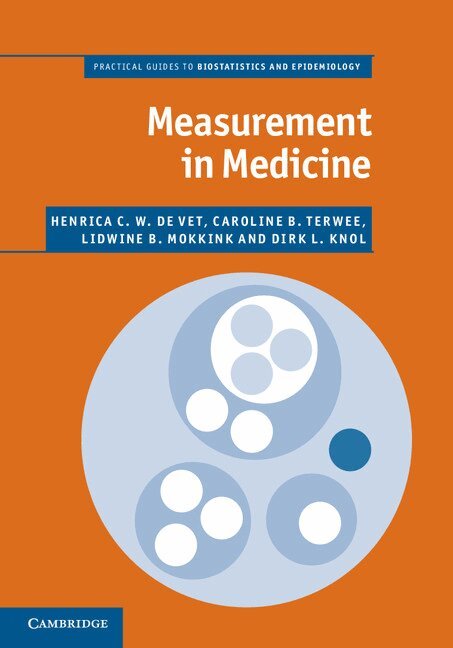
The success of the Apgar score demonstrates the astounding power of an appropriate clinical instrument. This down-to-earth book provides practical advice, underpinned by theoretical principles, on developing and evaluating measurement instruments in all fields of medicine. It equips you to choose the most appropriate instrument for specific purposes. The book covers measurement theories, methods and criteria for evaluating and selecting instruments. It provides methods to assess measurement properties, such as reliability, validity and responsiveness, and interpret the results. Worked examples and end-of-chapter assignments use real data and well-known instruments to build your skills at implementation and interpretation through hands-on analysis of real-life cases. All data and solutions are available online. This is a perfect course book for students and a perfect companion for professionals/researchers in the medical and health sciences who care about the quality and meaning of the measurements they perform.
612 kr
Skickas inom 7-10 vardagar
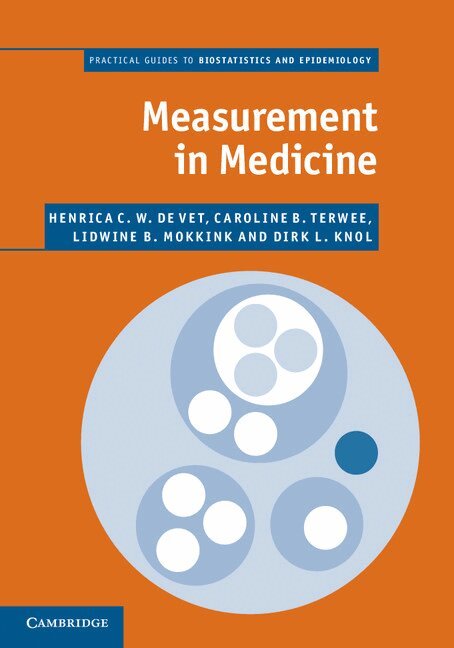
The success of the Apgar score demonstrates the astounding power of an appropriate clinical instrument. This down-to-earth book provides practical advice, underpinned by theoretical principles, on developing and evaluating measurement instruments in all fields of medicine. It equips you to choose the most appropriate instrument for specific purposes. The book covers measurement theories, methods and criteria for evaluating and selecting instruments. It provides methods to assess measurement properties, such as reliability, validity and responsiveness, and interpret the results. Worked examples and end-of-chapter assignments use real data and well-known instruments to build your skills at implementation and interpretation through hands-on analysis of real-life cases. All data and solutions are available online. This is a perfect course book for students and a perfect companion for professionals/researchers in the medical and health sciences who care about the quality and meaning of the measurements they perform.
370 kr
Skickas inom 7-10 vardagar
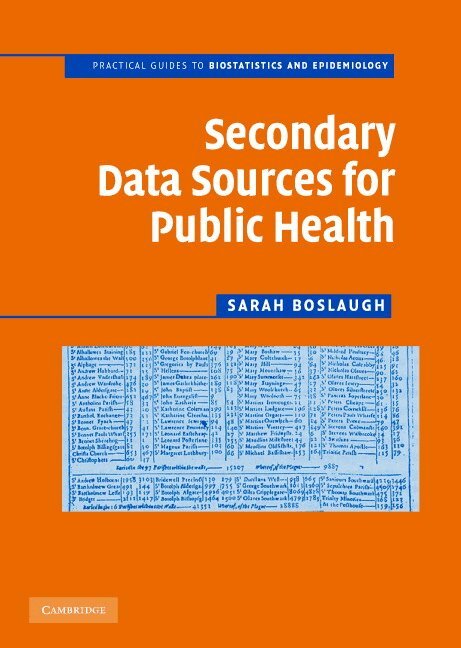
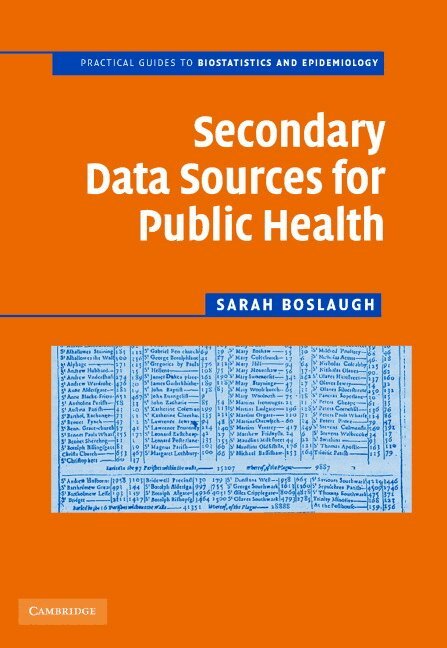
Secondary data play an increasingly important role in epidemiology and public health research and practice; examples of secondary data sources include national surveys such as the BRFSS and NHIS, claims data for the Medicare and Medicaid systems, and public vital statistics records. Although a wealth of secondary data is available, it is not always easy to locate and access appropriate data to address a research or policy question. This practical guide circumvents these difficulties by providing an introduction to secondary data and issues specific to its management and analysis, followed by an enumeration of major sources of secondary data in the United States. Entries for each data source include the principal focus of the data, years for which it is available, history and methodology of the data collection process, and information about how to access the data and supporting materials, including relevant details about file structure and format.
539 kr
Skickas inom 7-10 vardagar
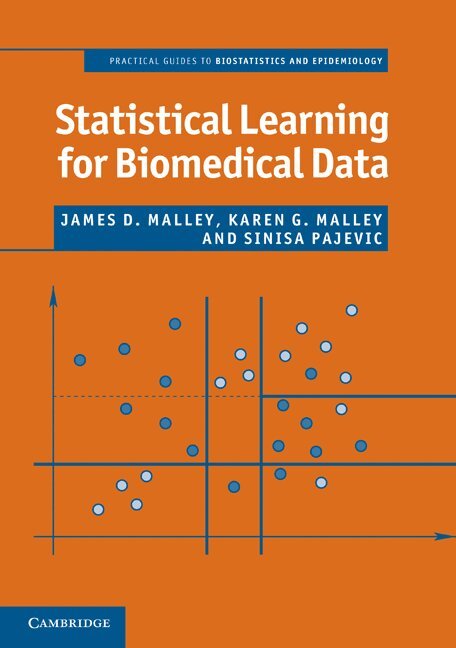
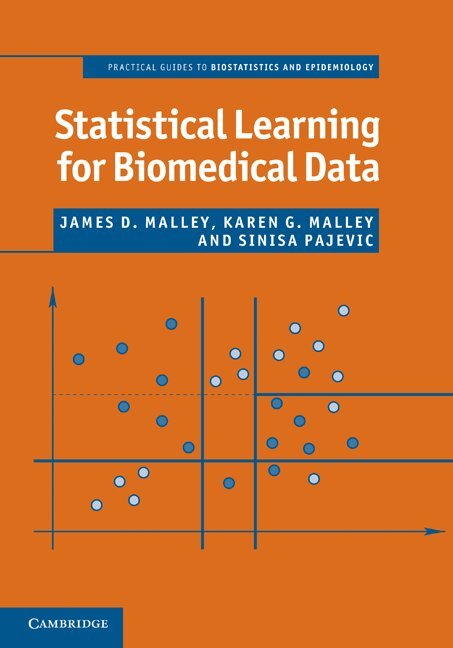
This book is for anyone who has biomedical data and needs to identify variables that predict an outcome, for two-group outcomes such as tumor/not-tumor, survival/death, or response from treatment. Statistical learning machines are ideally suited to these types of prediction problems, especially if the variables being studied may not meet the assumptions of traditional techniques. Learning machines come from the world of probability and computer science but are not yet widely used in biomedical research. This introduction brings learning machine techniques to the biomedical world in an accessible way, explaining the underlying principles in nontechnical language and using extensive examples and figures. The authors connect these new methods to familiar techniques by showing how to use the learning machine models to generate smaller, more easily interpretable traditional models. Coverage includes single decision trees, multiple-tree techniques such as Random Forests(TM), neural nets, support vector machines, nearest neighbors and boosting.
578 kr
Skickas inom 7-10 vardagar
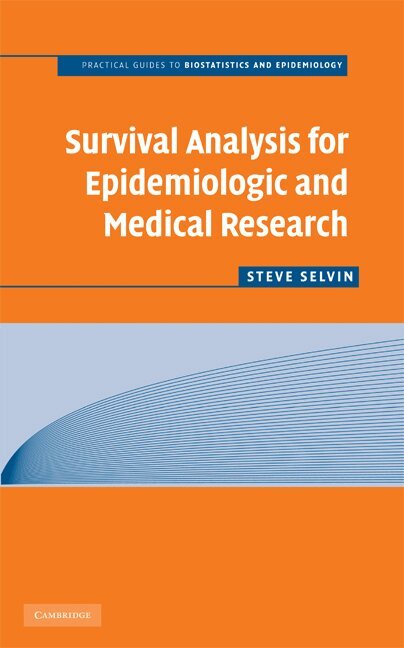
This practical guide to survival data and its analysis for readers with a minimal background in statistics shows why the analytic methods work and how to effectively analyze and interpret epidemiologic and medical survival data with the help of modern computer systems. The introduction presents a review of a variety of statistical methods that are not only key elements of survival analysis but are also central to statistical analysis in general. Techniques such as statistical tests, transformations, confidence intervals, and analytic modeling are presented in the context of survival data but are, in fact, statistical tools that apply to understanding the analysis of many kinds of data. Similarly, discussions of such statistical concepts as bias, confounding, independence, and interaction are presented in the context of survival analysis and also are basic components of a broad range of applications. These topics make up essentially a 'second-year', one-semester biostatistics course in survival analysis concepts and techniques for non-statisticians.
1 282 kr
Skickas inom 7-10 vardagar
Secondary data play an increasingly important role in epidemiology and public health research and practice; examples of secondary data sources include national surveys such as the BRFSS and NHIS, claims data for the Medicare and Medicaid systems, and public vital statistics records. Although a wealth of secondary data is available, it is not always easy to locate and access appropriate data to address a research or policy question. This practical guide circumvents these difficulties by providing an introduction to secondary data and issues specific to its management and analysis, followed by an enumeration of major sources of secondary data in the United States. Entries for each data source include the principal focus of the data, years for which it is available, history and methodology of the data collection process, and information about how to access the data and supporting materials, including relevant details about file structure and format.
1 553 kr
Skickas inom 7-10 vardagar
This book is for anyone who has biomedical data and needs to identify variables that predict an outcome, for two-group outcomes such as tumor/not-tumor, survival/death, or response from treatment. Statistical learning machines are ideally suited to these types of prediction problems, especially if the variables being studied may not meet the assumptions of traditional techniques. Learning machines come from the world of probability and computer science but are not yet widely used in biomedical research. This introduction brings learning machine techniques to the biomedical world in an accessible way, explaining the underlying principles in nontechnical language and using extensive examples and figures. The authors connect these new methods to familiar techniques by showing how to use the learning machine models to generate smaller, more easily interpretable traditional models. Coverage includes single decision trees, multiple-tree techniques such as Random Forests(TM), neural nets, support vector machines, nearest neighbors and boosting.
1 363 kr
Skickas inom 7-10 vardagar
This practical guide to survival data and its analysis for readers with a minimal background in statistics shows why the analytic methods work and how to effectively analyze and interpret epidemiologic and medical survival data with the help of modern computer systems. The introduction presents a review of a variety of statistical methods that are not only key elements of survival analysis but are also central to statistical analysis in general. Techniques such as statistical tests, transformations, confidence intervals, and analytic modeling are presented in the context of survival data but are, in fact, statistical tools that apply to understanding the analysis of many kinds of data. Similarly, discussions of such statistical concepts as bias, confounding, independence, and interaction are presented in the context of survival analysis and also are basic components of a broad range of applications. These topics make up essentially a 'second-year', one-semester biostatistics course in survival analysis concepts and techniques for non-statisticians.
983 kr
Skickas inom 7-10 vardagar
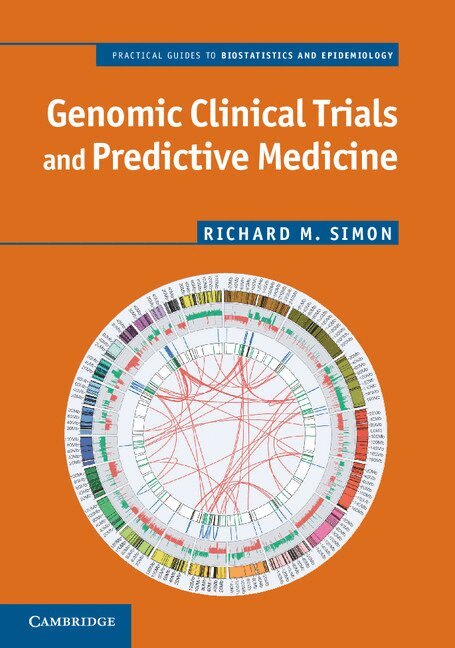
Genomics is majorly impacting therapeutics development in medicine. This book contains up-to-date information on the use of genomics in the design and analysis of therapeutic clinical trials with a focus on novel approaches that provide a reliable basis for identifying which patients are most likely to benefit from each treatment. It is oriented to both clinical investigators and statisticians. For clinical investigators, it includes background information on clinical trial design and statistical analysis. For statisticians and others who want to go deeper, it covers state-of-the-art adaptive designs and the development and validation of probabilistic classifiers. The author describes the development and validation of prognostic and predictive biomarkers and their integration into clinical trials that establish their clinical utility for informing treatment decisions for future patients.
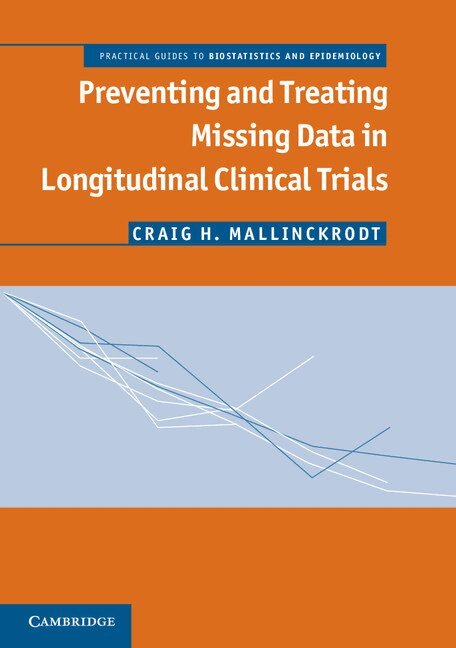
Preventing and Treating Missing Data in Longitudinal Clinical Trials
A Practical Guide
Inbunden, Engelska, 2013
1 214 kr
Skickas inom 7-10 vardagar
Recent decades have brought advances in statistical theory for missing data, which, combined with advances in computing ability, have allowed implementation of a wide array of analyses. In fact, so many methods are available that it can be difficult to ascertain when to use which method. This book focuses on the prevention and treatment of missing data in longitudinal clinical trials. Based on his extensive experience with missing data, the author offers advice on choosing analysis methods and on ways to prevent missing data through appropriate trial design and conduct. He offers a practical guide to key principles and explains analytic methods for the non-statistician using limited statistical notation and jargon. The book's goal is to present a comprehensive strategy for preventing and treating missing data, and to make available the programs used to conduct the analyses of the example dataset.
370 kr
Skickas inom 7-10 vardagar
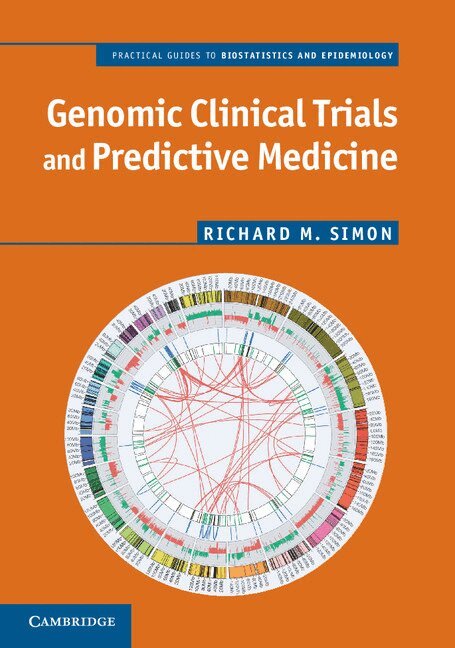
Genomics is majorly impacting therapeutics development in medicine. This book contains up-to-date information on the use of genomics in the design and analysis of therapeutic clinical trials with a focus on novel approaches that provide a reliable basis for identifying which patients are most likely to benefit from each treatment. It is oriented to both clinical investigators and statisticians. For clinical investigators, it includes background information on clinical trial design and statistical analysis. For statisticians and others who want to go deeper, it covers state-of-the-art adaptive designs and the development and validation of probabilistic classifiers. The author describes the development and validation of prognostic and predictive biomarkers and their integration into clinical trials that establish their clinical utility for informing treatment decisions for future patients.
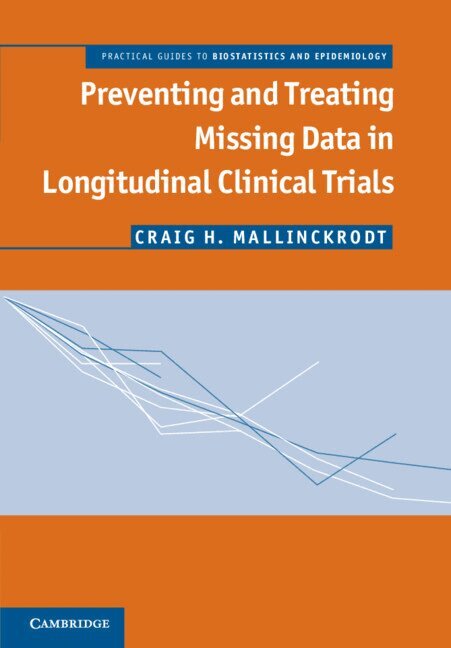
Preventing and Treating Missing Data in Longitudinal Clinical Trials
A Practical Guide
Häftad, Engelska, 2013
396 kr
Skickas inom 7-10 vardagar
Recent decades have brought advances in statistical theory for missing data, which, combined with advances in computing ability, have allowed implementation of a wide array of analyses. In fact, so many methods are available that it can be difficult to ascertain when to use which method. This book focuses on the prevention and treatment of missing data in longitudinal clinical trials. Based on his extensive experience with missing data, the author offers advice on choosing analysis methods and on ways to prevent missing data through appropriate trial design and conduct. He offers a practical guide to key principles and explains analytic methods for the non-statistician using limited statistical notation and jargon. The book's goal is to present a comprehensive strategy for preventing and treating missing data, and to make available the programs used to conduct the analyses of the example dataset.
681 kr
Skickas inom 7-10 vardagar
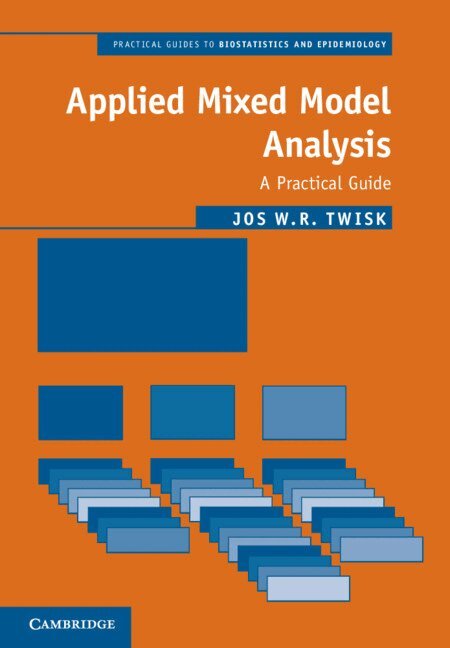
This practical book is designed for applied researchers who want to use mixed models with their data. It discusses the basic principles of mixed model analysis, including two-level and three-level structures, and covers continuous outcome variables, dichotomous outcome variables, and categorical and survival outcome variables. Emphasizing interpretation of results, the book develops the most important applications of mixed models, such as the study of group differences, longitudinal data analysis, multivariate mixed model analysis, IPD meta-analysis, and mixed model predictions. All examples are analyzed with STATA, and an extensive overview and comparison of alternative software packages is provided. All datasets used in the book are available for download, so readers can re-analyze the examples to gain a strong understanding of the methods. Although most examples are taken from epidemiological and clinical studies, this book is also highly recommended for researchers working in other fields.