Published in Cooperation with the Folger Shakespeare Library – serie
Visar alla böcker i serien Published in Cooperation with the Folger Shakespeare Library. Handla med fri frakt och snabb leverans.
24 produkter
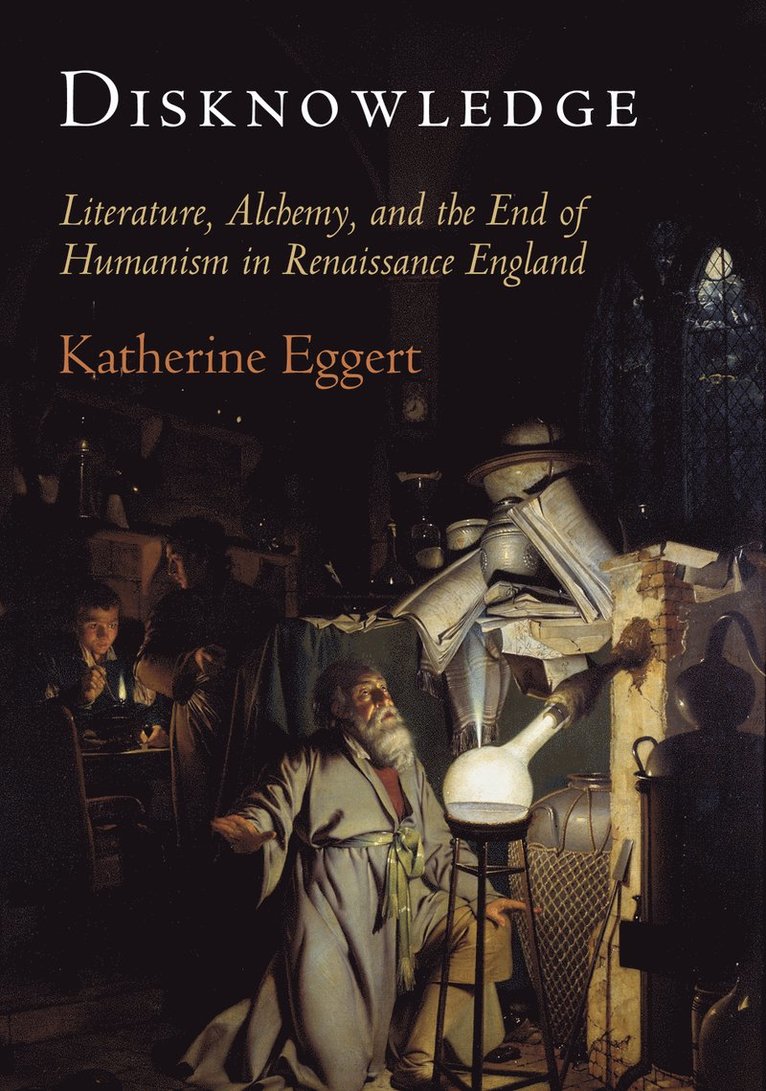
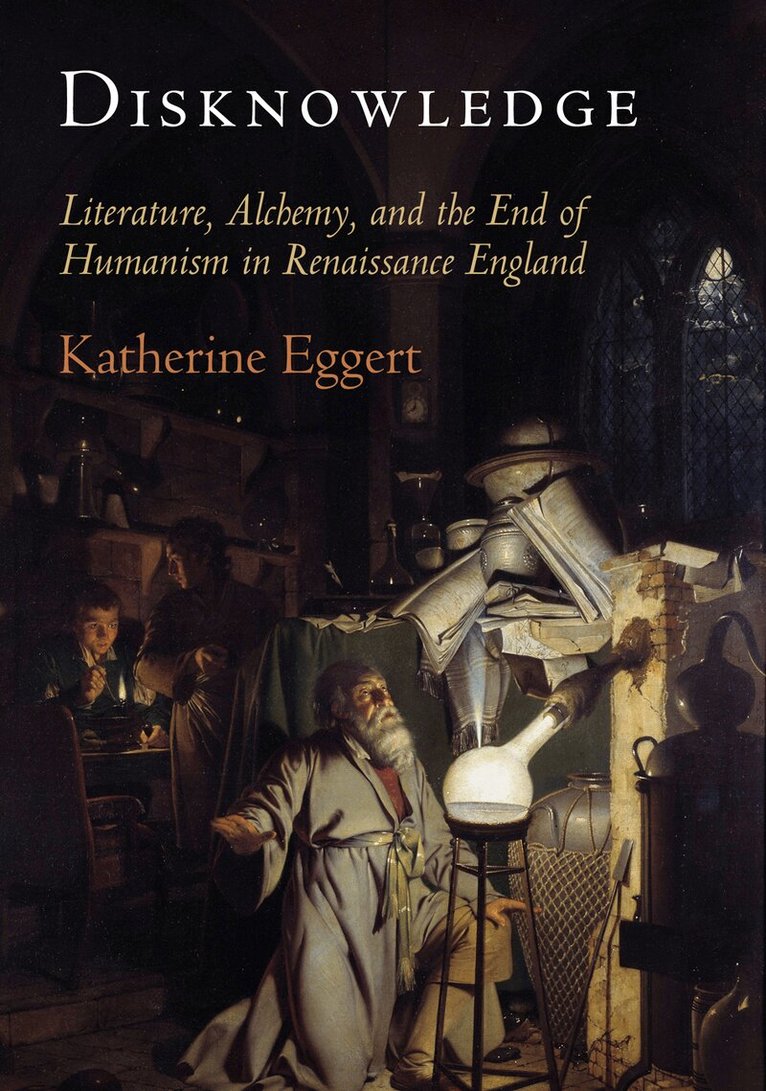
Disknowledge
Literature, Alchemy, and the End of Humanism in Renaissance England
Häftad, 2021
448 kr
Lägg i varukorg
"Disknowledge": knowing something isn't true, but believing it anyway. In Disknowledge: Literature, Alchemy, and the End of Humanism in Renaissance England, Katherine Eggert explores the crumbling state of learning in the sixteenth and seventeenth centuries. Even as the shortcomings of Renaissance …
Disknowledge
Literature, Alchemy, and the End of Humanism in Renaissance England
Inbunden, 2015
1428 kr
Lägg i varukorg
"Disknowledge": knowing something isn't true, but believing it anyway. In Disknowledge: Literature, Alchemy, and the End of Humanism in Renaissance England, Katherine Eggert explores the crumbling state of learning in the sixteenth and seventeenth centuries. Even as the shortcomings of Renaissance …
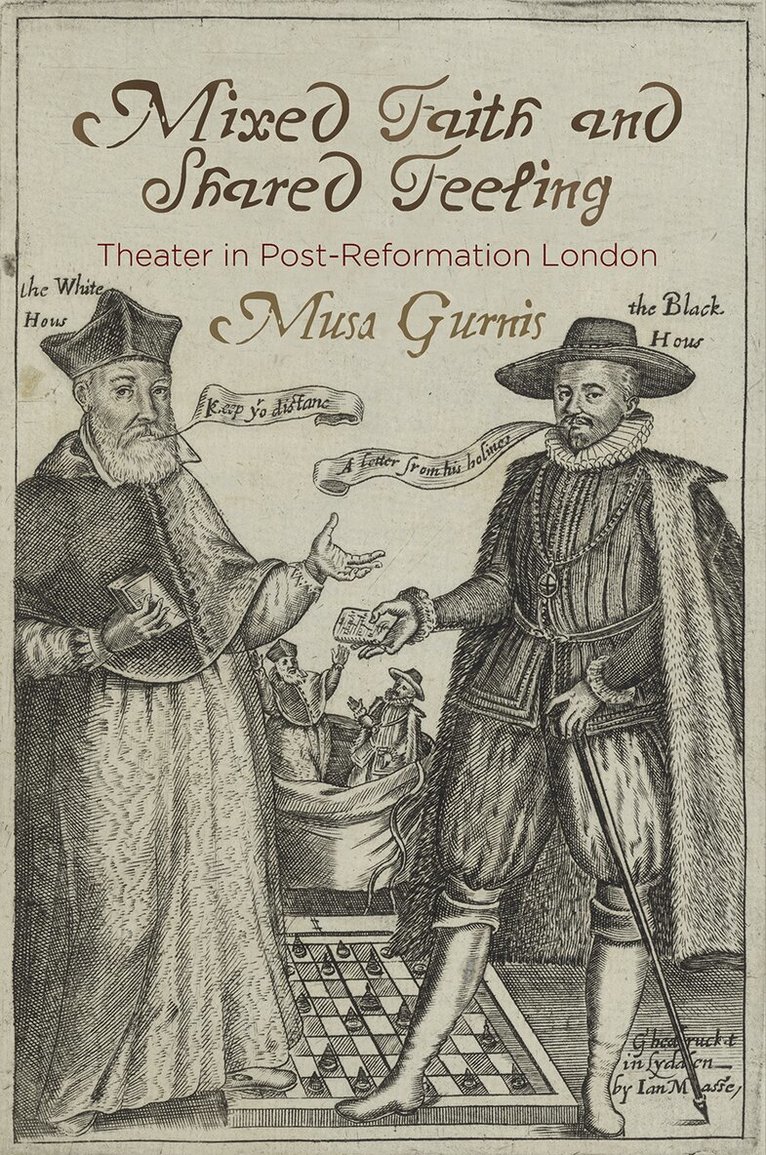
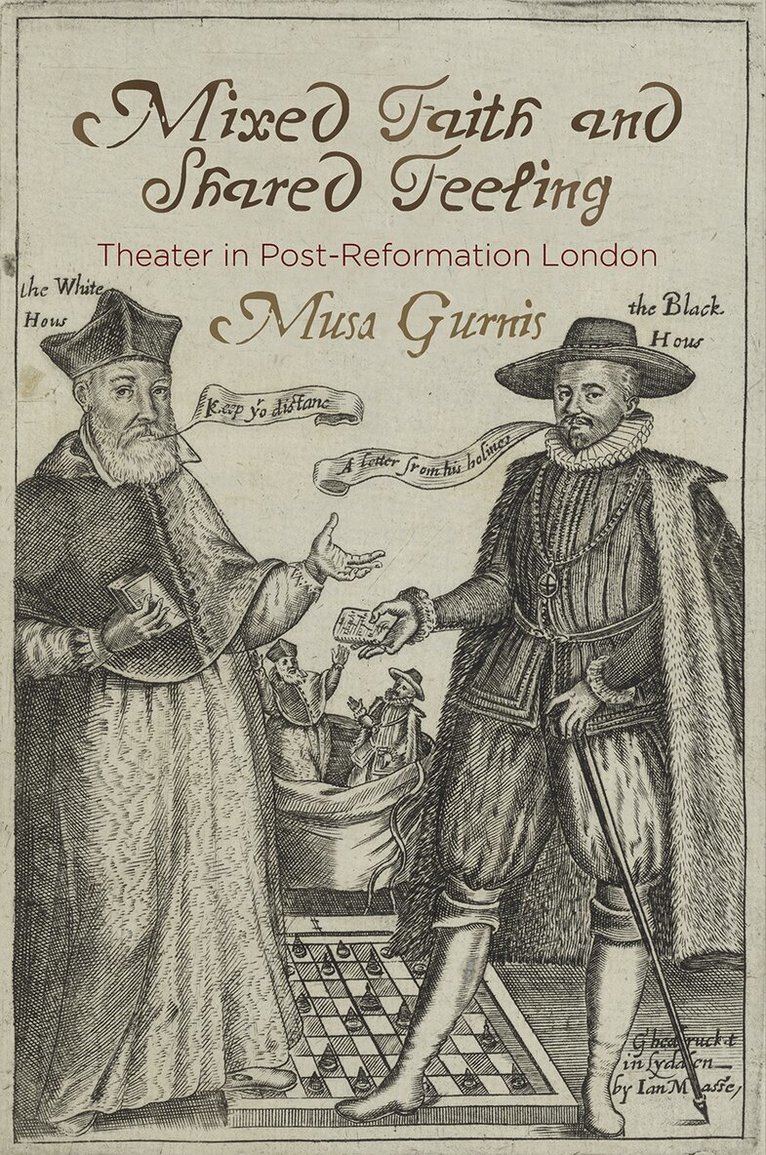
Mixed Faith and Shared Feeling
Theater in Post-Reformation London
Av Musa Gurnis
Inbunden, 2018
855 kr
Lägg i varukorg
Mixed Faith and Shared Feeling explores the mutually generative relationship between post-Reformation religious life and London's commercial theaters. It explores the dynamic exchange between the imaginatively transformative capacities of shared theatrical experience, with the particular …
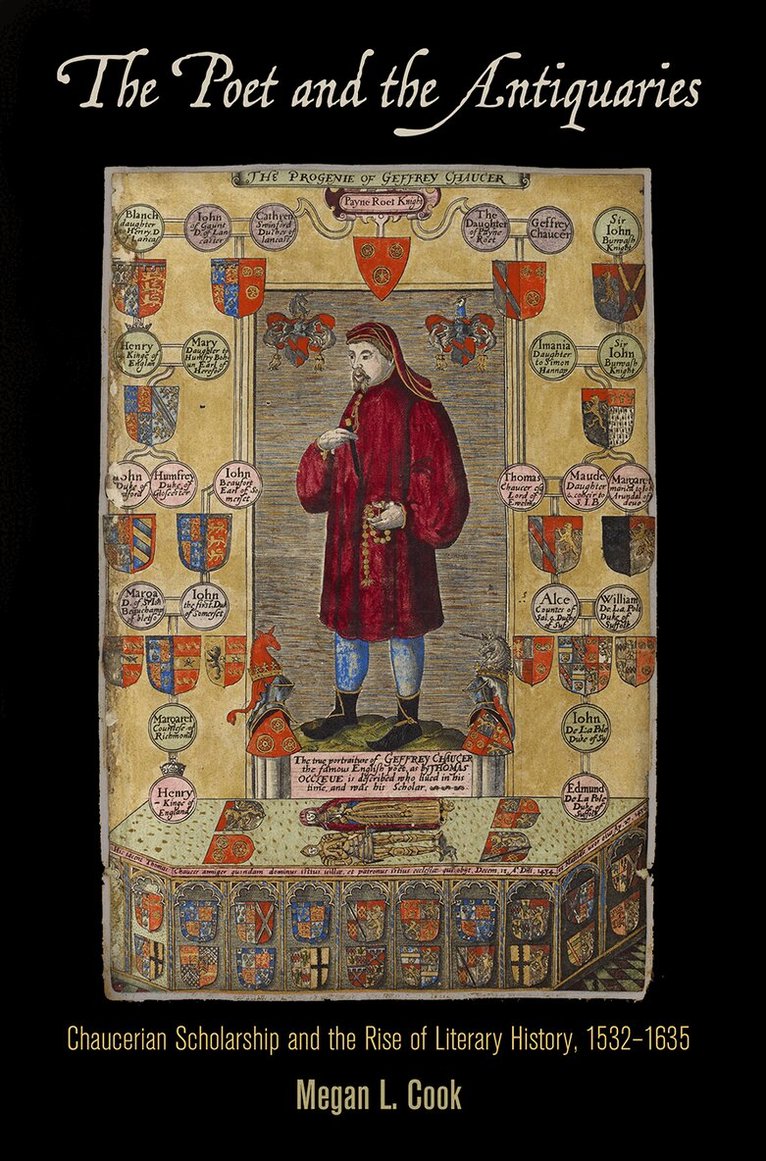
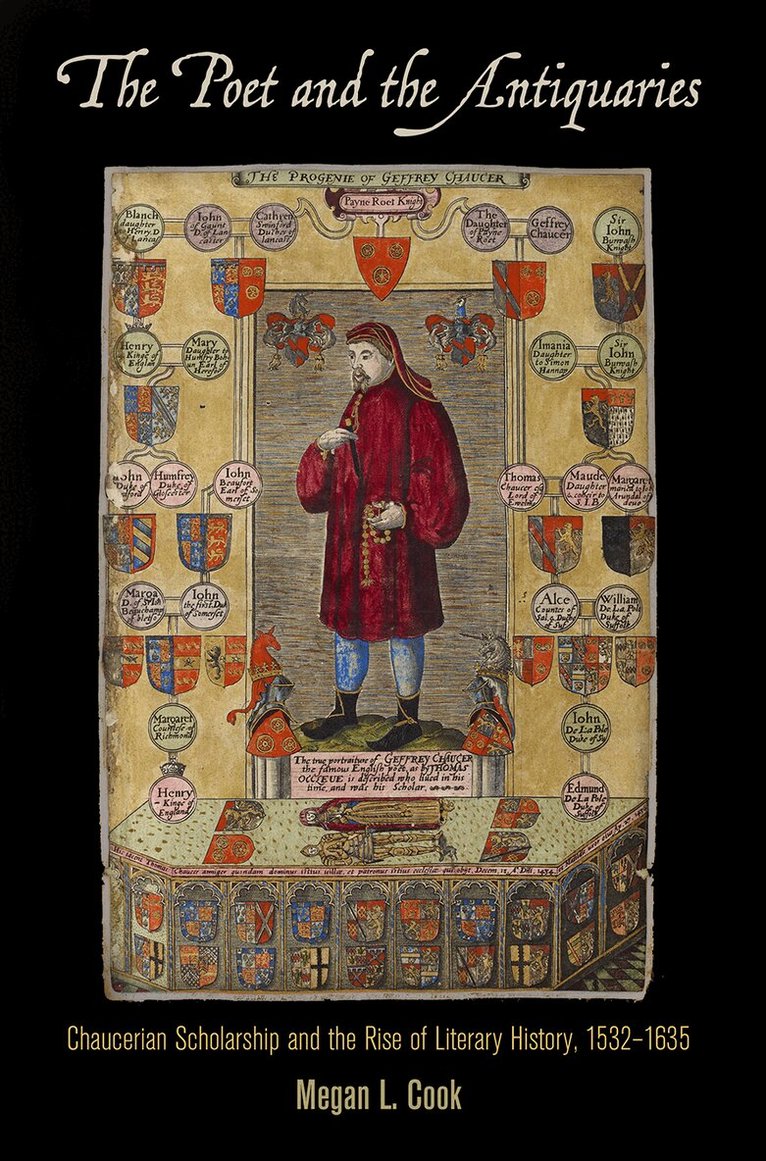
Poet and the Antiquaries
Chaucerian Scholarship and the Rise of Literary History, 1532-1635
Inbunden, 2019
855 kr
Lägg i varukorg
Between 1532 and 1602, the works of Geoffrey Chaucer were published in no less than six folio editions. These were, in fact, the largest books of poetry produced in sixteenth-century England, and they significantly shaped the perceptions of Chaucer that would hold sway for centuries to come. But it …
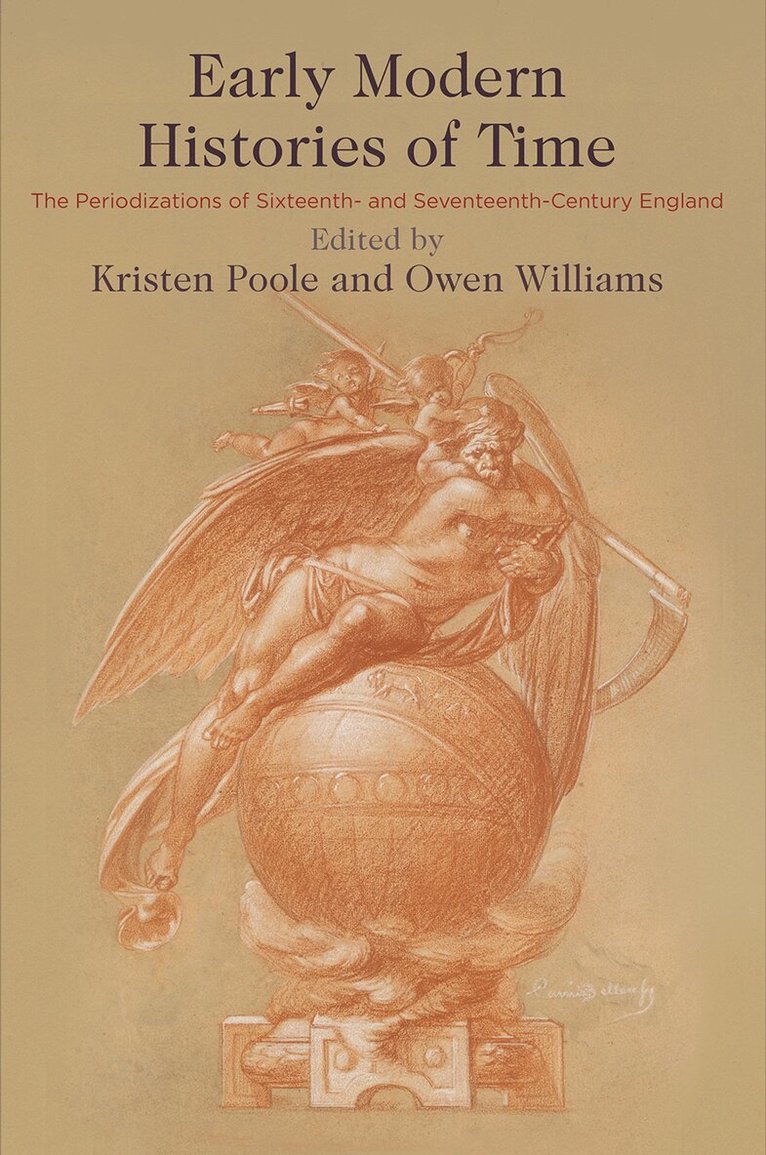
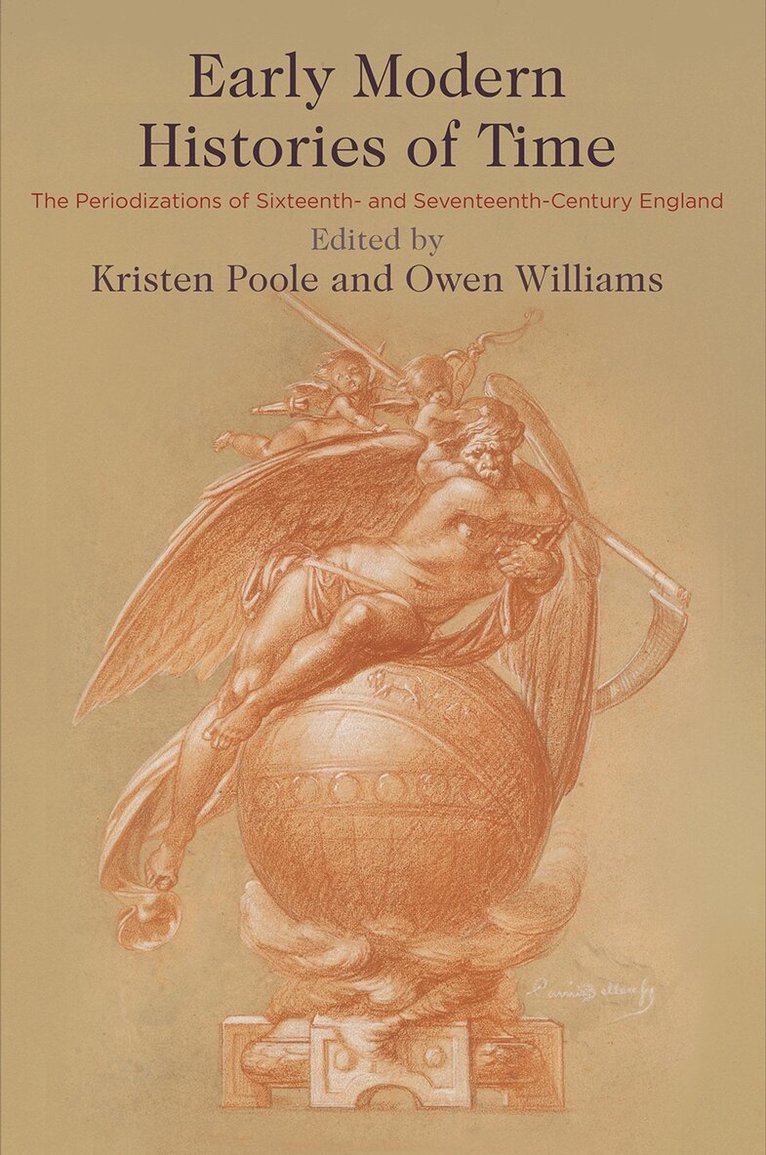
Early Modern Histories of Time
The Periodizations of Sixteenth- and Seventeenth-Century England
Av Kristen Poole, Owen Williams
Inbunden, 2019
1113 kr
Lägg i varukorg
Early Modern Histories of Time examines how a range of chronological modes intrinsic to the sixteenth and seventeenth centuries shaped the thought-worlds of those living during this time and explores how these temporally indigenous models can productively influence our own working concepts of …
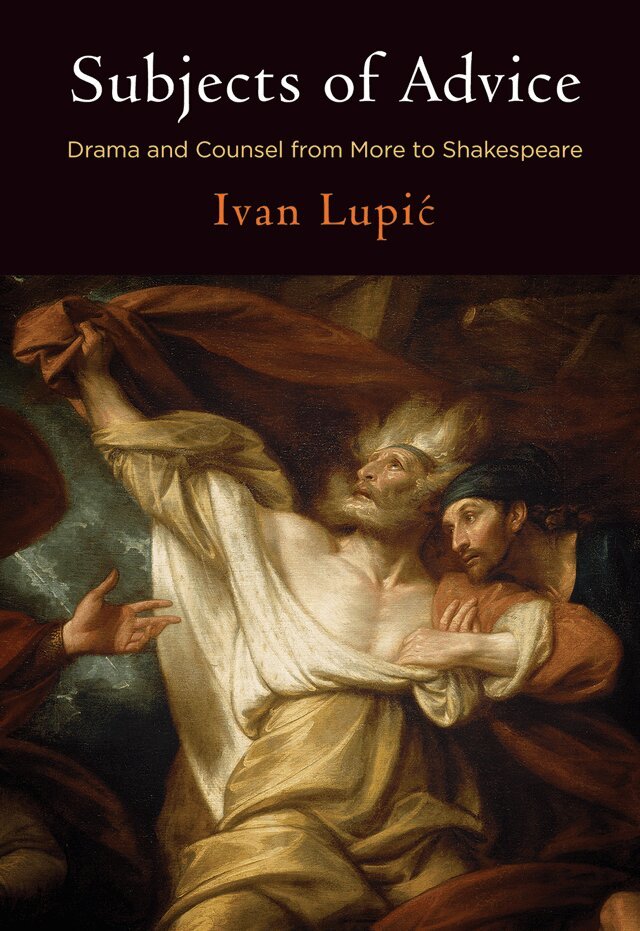
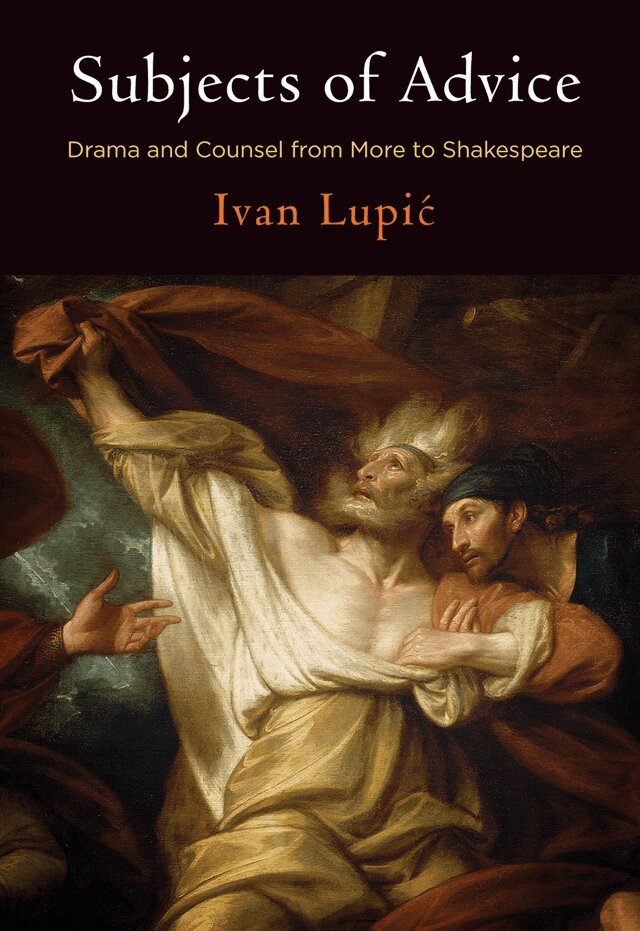
Subjects of Advice
Drama and Counsel from More to Shakespeare
Av Ivan Lupić
Inbunden, 2019
855 kr
Lägg i varukorg
In Subjects of Advice, Ivan Lupić uncovers the rich interconnectedness of dramatic art and the culture of counsel in the early modern period. While counsel was an important form of practical knowledge, with concrete political consequences, it was also an ingrained cultural habit, a feature of …
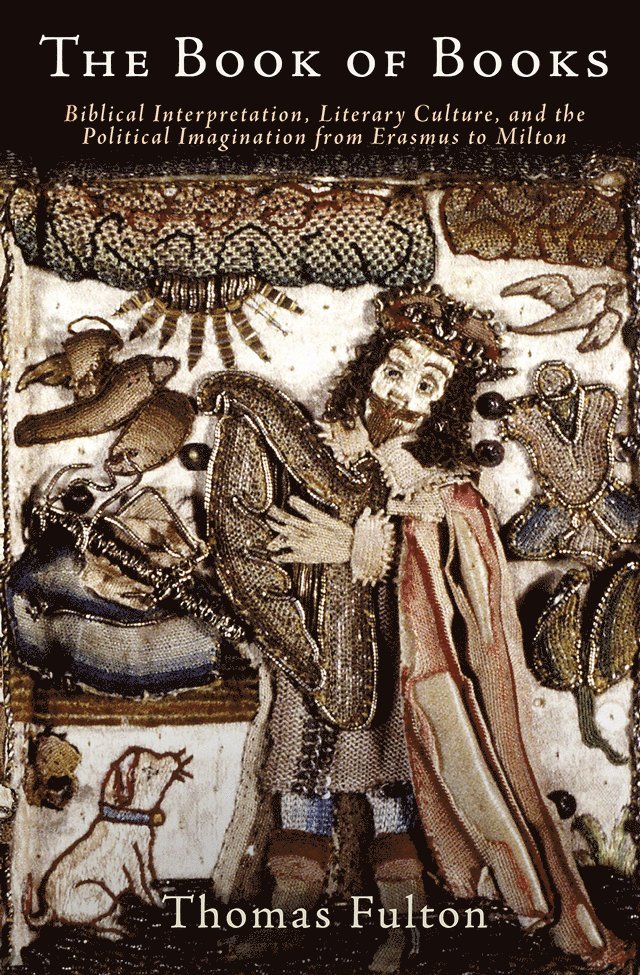
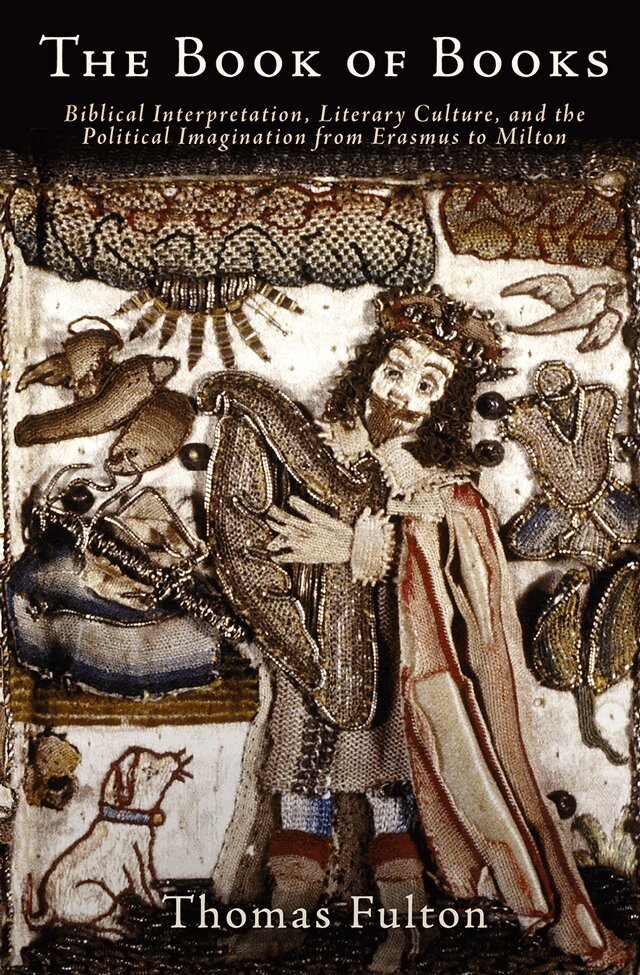
Book of Books
Biblical Interpretation, Literary Culture, and the Political Imagination from Erasmus to Milton
Inbunden, 2021
986 kr
Lägg i varukorg
Just as the Reformation was a movement of intertwined theological and political aims, many individual authors of the time shifted back and forth between biblical interpretation and political writing. Two foundational figures in the history of the Renaissance Bible, Desiderius Erasmus and William …
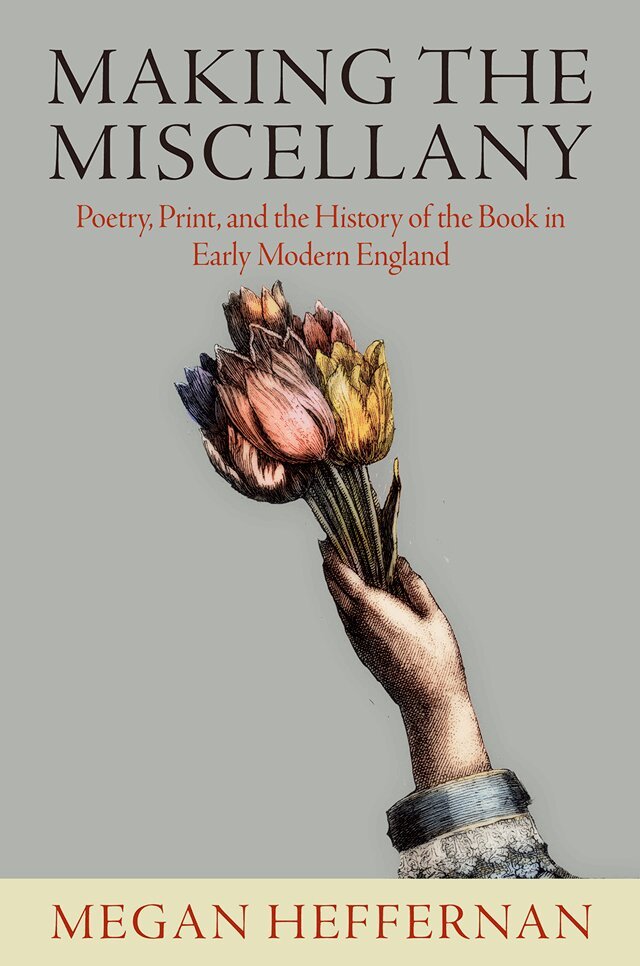
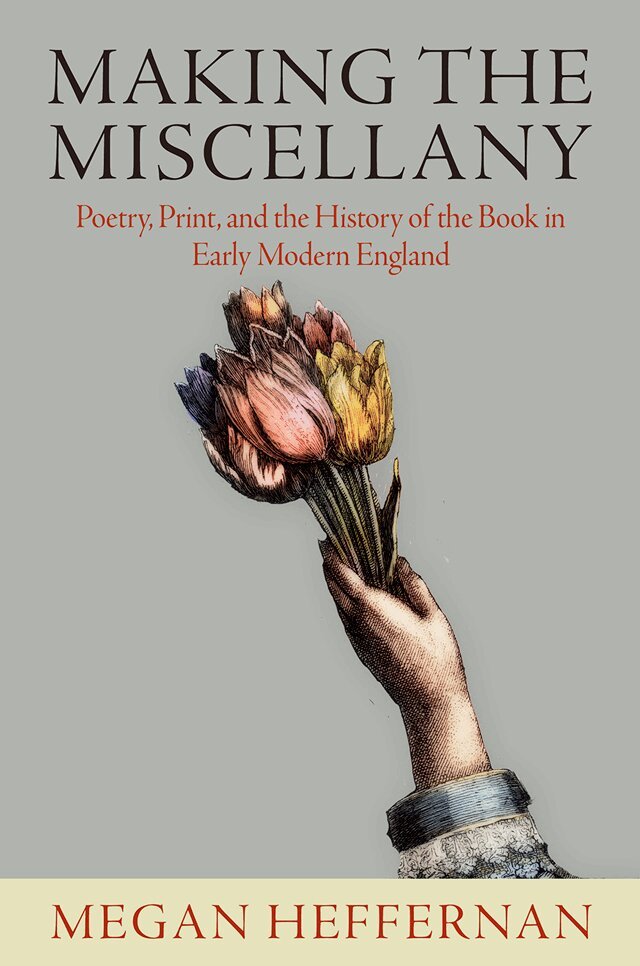
Making the Miscellany
Poetry, Print, and the History of the Book in Early Modern England
Inbunden, 2021
855 kr
Lägg i varukorg
In Making the Miscellany Megan Heffernan examines the poetic design of early modern printed books and explores how volumes of compiled poems, which have always existed in practice, responded to media change in sixteenth- and seventeenth-century England. Heffernan's focus is not only the material …
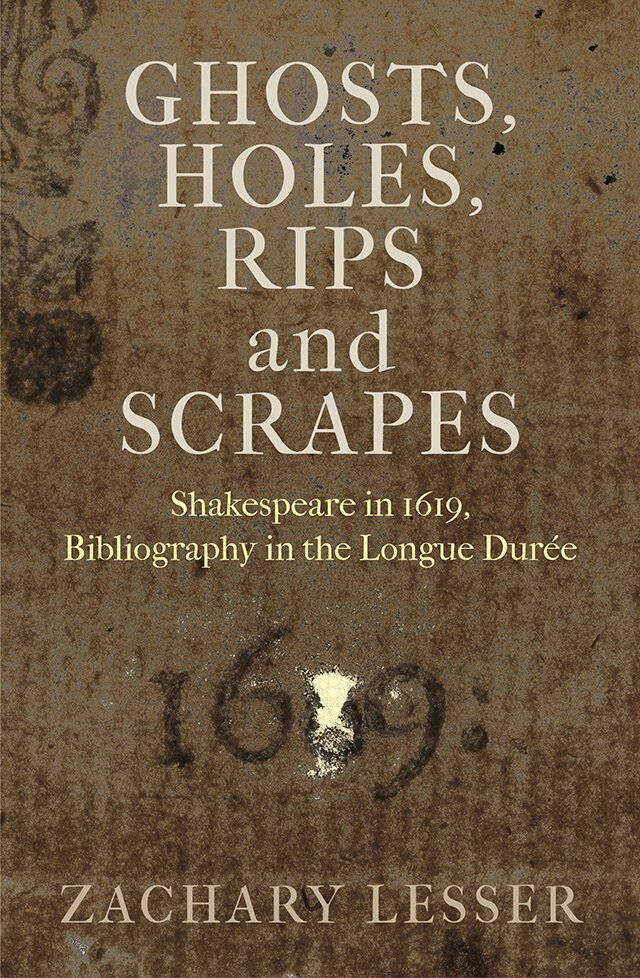
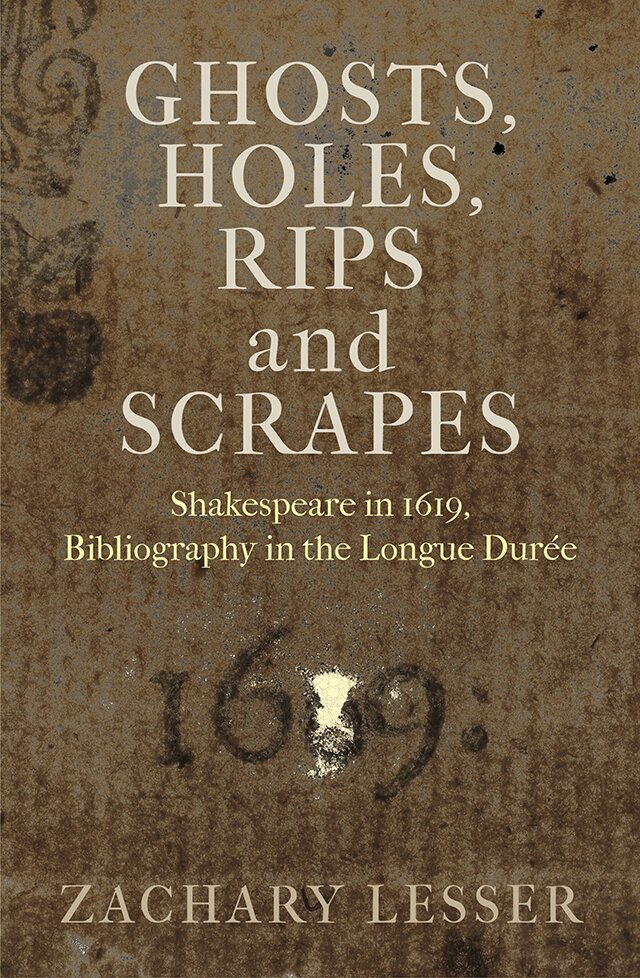
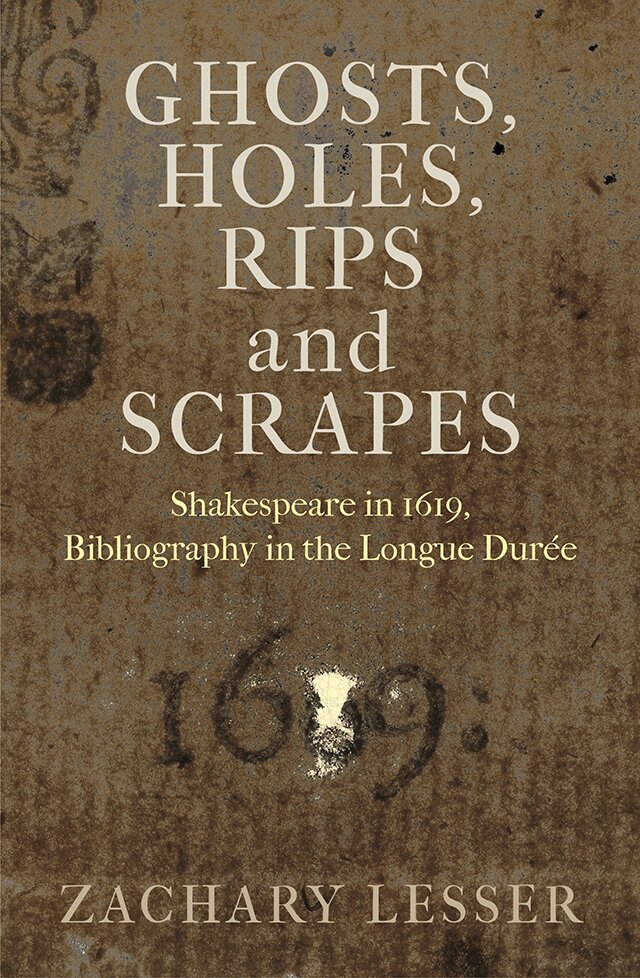
Ghosts, Holes, Rips and Scrapes
Shakespeare in 1619, Bibliography in the Longue Durée
Inbunden, 2021
746 kr
Lägg i varukorg
Four years before the publication of the First Folio, a group of London printers and booksellers attempted to produce a "collected works" of William Shakespeare, not in an imposingly large format but as a series of more humble quarto pamphlets. For mysterious reasons, perhaps involving …
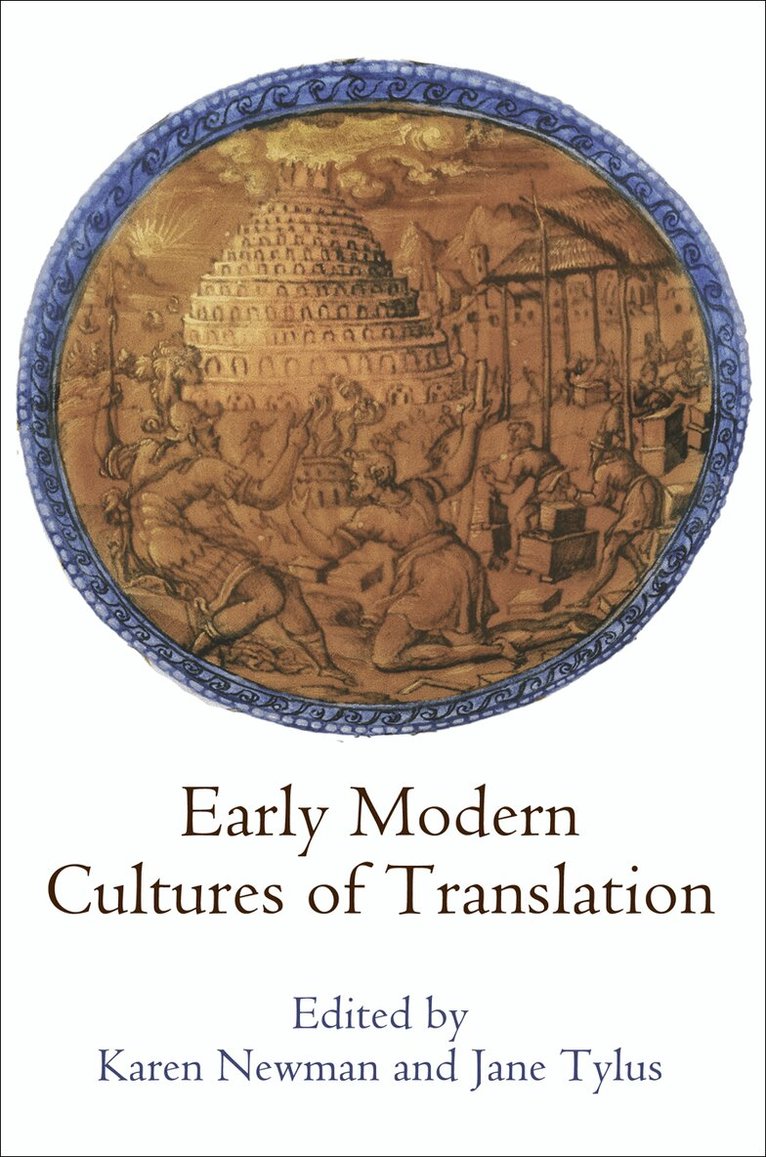
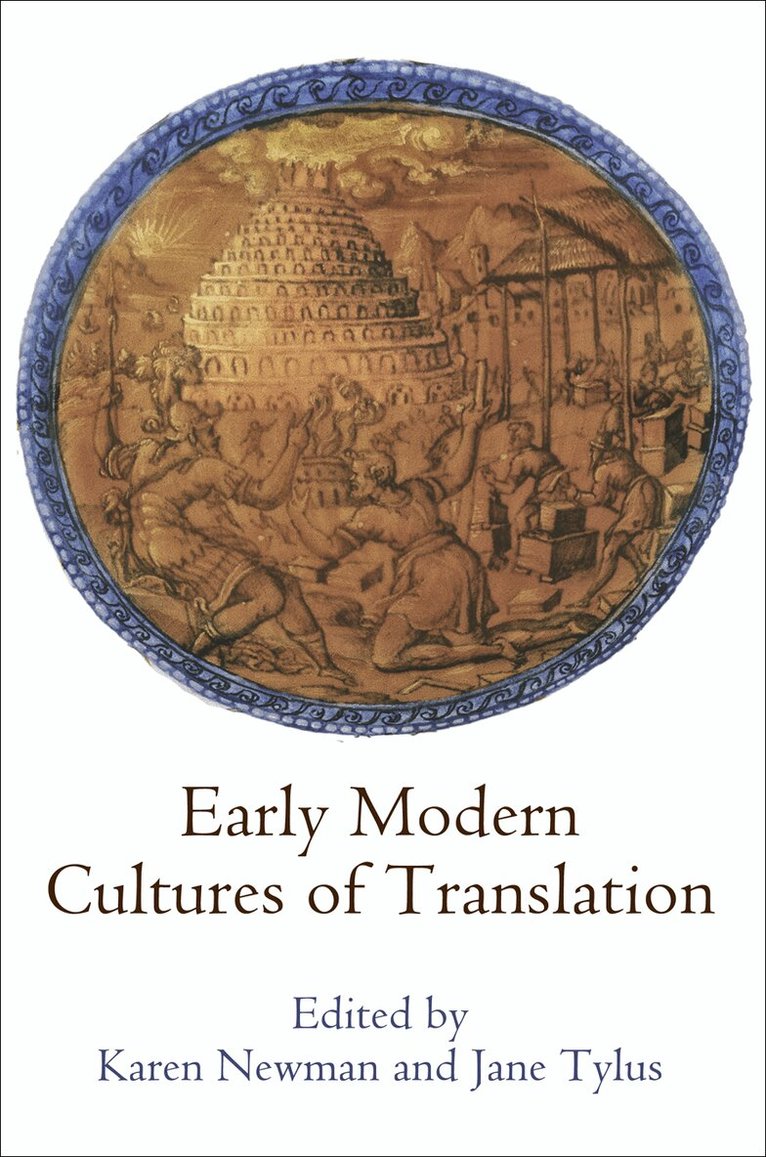
Early Modern Cultures of Translation
Av Karen Newman, Sophia Bevacqua
E-bok, 2015
1331 kr
Lägg i varukorg
"Would there have been a Renaissance without translation?" Karen Newman and Jane Tylus ask in their Introduction to this wide-ranging group of essays on the uses of translation in an era formative for the modern age. The early modern period saw cross-cultural translation on a massive scale. …
Disknowledge
Literature, Alchemy, and the End of Humanism in Renaissance England
E-bok, 2015
637 kr
Lägg i varukorg
"Disknowledge": knowing something isn't true, but believing it anyway. In Disknowledge: Literature, Alchemy, and the End of Humanism in Renaissance England, Katherine Eggert explores the crumbling state of learning in the sixteenth and seventeenth centuries. Even as the shortcomings of Renaissance …
Mixed Faith and Shared Feeling
Theater in Post-Reformation London
Av Musa Gurnis
E-bok, 2018
1027 kr
Lägg i varukorg
Mixed Faith and Shared Feeling explores the mutually generative relationship between post-Reformation religious life and London's commercial theaters. It explores the dynamic exchange between the imaginatively transformative capacities of shared theatrical experience, with the particular …
Poet and the Antiquaries
Chaucerian Scholarship and the Rise of Literary History, 1532-1635
E-bok, 2019
1050 kr
Lägg i varukorg
Between 1532 and 1602, the works of Geoffrey Chaucer were published in no less than six folio editions. These were, in fact, the largest books of poetry produced in sixteenth-century England, and they significantly shaped the perceptions of Chaucer that would hold sway for centuries to come. But it …
Subjects of Advice
Drama and Counsel from More to Shakespeare
Av Ivan Lupić
E-bok, 2019
1050 kr
Lägg i varukorg
In Subjects of Advice, Ivan Lupić uncovers the rich interconnectedness of dramatic art and the culture of counsel in the early modern period. While counsel was an important form of practical knowledge, with concrete political consequences, it was also an ingrained cultural habit, a feature of …
Early Modern Histories of Time
The Periodizations of Sixteenth- and Seventeenth-Century England
Av Kristen Poole, Owen Williams
E-bok, 2019
1331 kr
Lägg i varukorg
Early Modern Histories of Time examines how a range of chronological modes intrinsic to the sixteenth and seventeenth centuries shaped the thought-worlds of those living during this time and explores how these temporally indigenous models can productively influence our own working concepts of …
Book of Books
Biblical Interpretation, Literary Culture, and the Political Imagination from Erasmus to Milton
E-bok, 2021
1181 kr
Lägg i varukorg
Just as the Reformation was a movement of intertwined theological and political aims, many individual authors of the time shifted back and forth between biblical interpretation and political writing. Two foundational figures in the history of the Renaissance Bible, Desiderius Erasmus and William …
Ghosts, Holes, Rips and Scrapes
Shakespeare in 1619, Bibliography in the Longue Durée
E-bok, 2021
1125 kr
Lägg i varukorg
Four years before the publication of the First Folio, a group of London printers and booksellers attempted to produce a "collected works" of William Shakespeare, not in an imposingly large format but as a series of more humble quarto pamphlets. For mysterious reasons, perhaps involving …
Making the Miscellany
Poetry, Print, and the History of the Book in Early Modern England
E-bok, 2021
1027 kr
Lägg i varukorg
In Making the Miscellany Megan Heffernan examines the poetic design of early modern printed books and explores how volumes of compiled poems, which have always existed in practice, responded to media change in sixteenth- and seventeenth-century England. Heffernan's focus is not only the material …
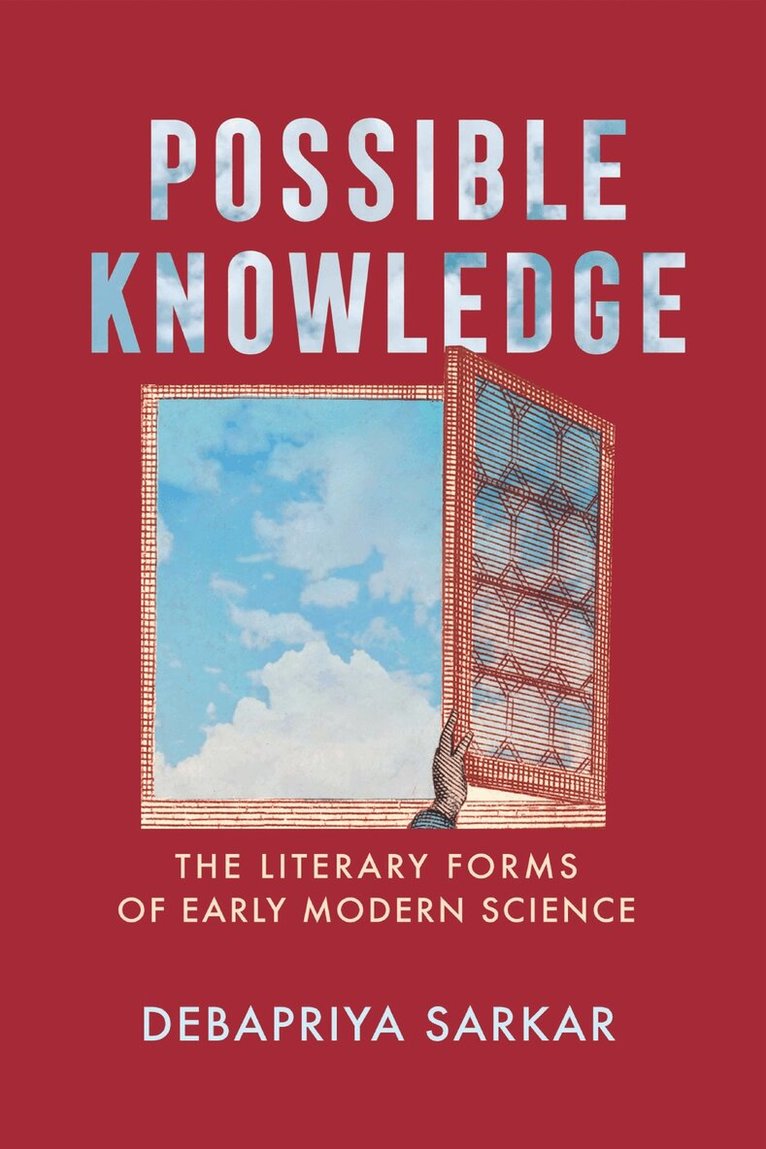
Possible Knowledge
The Literary Forms of Early Modern Science
Inbunden, 2023
845 kr
Lägg i varukorg
The Renaissance, scholars have long argued, was a period beset by the loss of philosophical certainty. In Possible Knowledge, Debapriya Sarkar argues for the pivotal role of literature—what early moderns termed poesie—in the dynamic intellectual culture of this era of profound incertitude. …
Possible Knowledge
The Literary Forms of Early Modern Science
E-bok, 2023
1050 kr
Lägg i varukorg
The Renaissance, scholars have long argued, was a period beset by the loss of philosophical certainty. In Possible Knowledge , Debapriya Sarkar argues for the pivotal role of literature—what early moderns termed poesie —in the dynamic intellectual culture of this era of profound incertitude. …
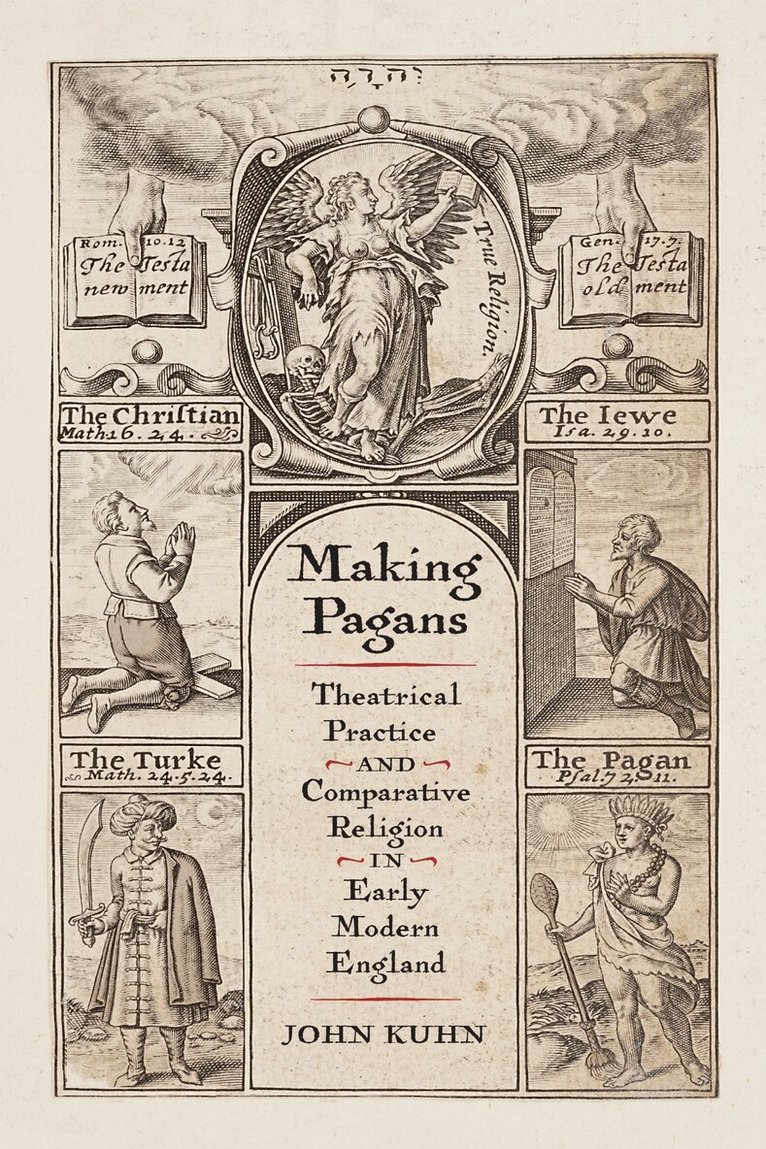
Making Pagans
Theatrical Practice and Comparative Religion in Early Modern England
Av John Kuhn
Inbunden, 2024
716 kr
Lägg i varukorg
How early modern theatrical practice helped construct the category of "pagan" as a tool of European self-definition and colonial ambitionIn Making Pagans, John Kuhn argues that drama played a powerful role in the articulation of religious difference in the seventeenth century. Tracing connections …
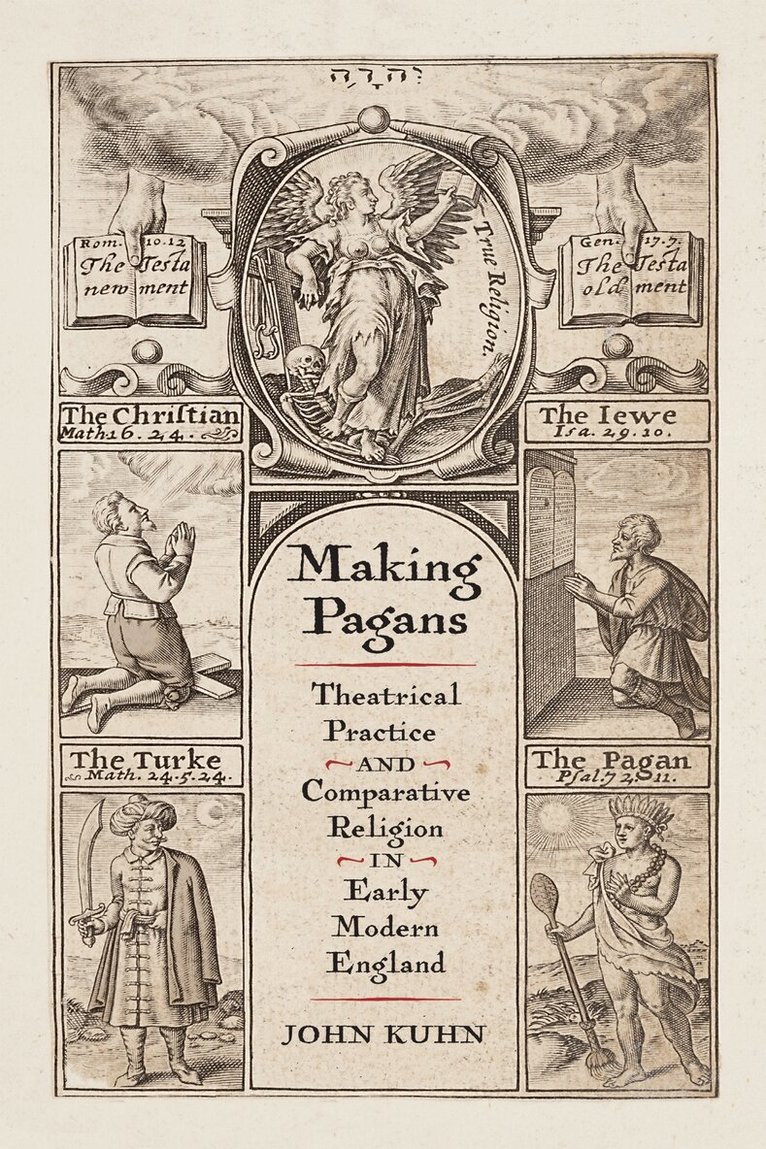
Making Pagans
Theatrical Practice and Comparative Religion in Early Modern England
Av John Kuhn
E-bok, 2024
1031 kr
Lägg i varukorg
How early modern theatrical practice helped construct the category of “pagan” as a tool of European self-definition and colonial ambition In Making Pagans , John Kuhn argues that drama played a powerful role in the articulation of religious difference in the seventeenth century. Tracing connections …
Ghosts, Holes, Rips and Scrapes
Shakespeare in 1619, Bibliography in the Longue Durée
Häftad, 2024
378 kr
Lägg i varukorg
Four years before the publication of the First Folio, a group of London printers and booksellers attempted to produce a "collected works" of William Shakespeare, not in an imposingly large format but as a series of more humble quarto pamphlets. For mysterious reasons, perhaps involving …
Early Modern Cultures of Translation
Av Karen Newman, Sophia Bevacqua
Inbunden, 2015
1105 kr
Tillfälligt slut
"Would there have been a Renaissance without translation?" Karen Newman and Jane Tylus ask in their Introduction to this wide-ranging group of essays on the uses of translation in an era formative for the modern age. The early modern period saw cross-cultural translation on a massive scale. …