Radical Thinkers Set 01 – serie
Visar alla böcker i serien Radical Thinkers Set 01. Handla med fri frakt och snabb leverans.
4 produkter
For Marx
Häftad, 2006
363 kr
Lägg i varukorg
This is the work in which Louis Althusser formulated some of his most influential ideas. For Marx, first published in France in 1968, has come to be regarded as the founding text of the school of "structuralist Marxism" which was presided over by the fascinating and enigmatic figure of Louis …
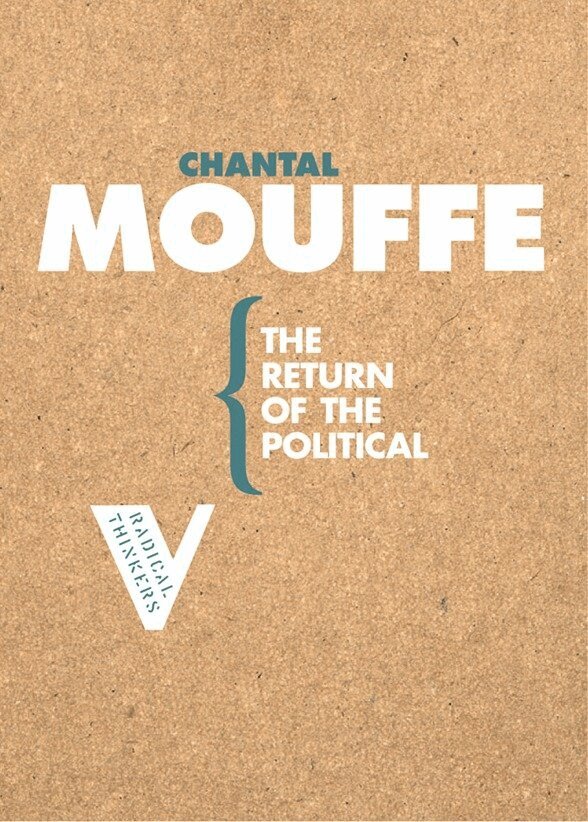
Return of the Political
Häftad, 2006
306 kr
Lägg i varukorg
In this work, Mouffe argues that liberal democracy misunderstands the problems of ethnic, religious and nationalist conflicts because of its inadequate conception of politics. He suggests that the democratic revolution may be jeopardized by a lack of understanding of citizenship, community and …
Metastases of Enjoyment
Six Essays on Women and Causality
Av Slavoj Zizek
Häftad, 2006
306 kr
Lägg i varukorg
The experience of the Yugoslav war and the rise of "irrational" violence in contemporary societies provides the theoretical and political context of this book, which uses Lacanian psychoanalysis as the basis for a renewal of the Marxist theory of ideology. The author's analysis leads into a study …
Liberalism and Democracy
Häftad, 2006
4,0 utav 5 stjärnor. Totalt antal röster: (1)
227 kr
Lägg i varukorg
Liberalism and democracy have long been assumed to exist in a complementary relationship, if not always an entirely easy one. This book scrupulously investigates the reason for this alliance and the sources of its tensions, providing a lucid and succinct introduction to some of the subject's …